Map reading skills Our Planet and Environment Worksheets for Ages 4-7
1 filtered results
-
From - To
Introduce young learners to the wonders of map reading with our "Map Reading Skills: Our Planet and Environment Worksheets" designed specifically for ages 4-7. These engaging, age-appropriate activities help children discover basic map concepts, such as symbols, directions, and landmarks, while fostering an appreciation for our environment. Each worksheet is crafted to be fun and educational, making the process of learning about geography an adventure. Perfect for early graders, these tools help develop spatial thinking and environmental awareness through interactive learning. Immerse your child in the joy of exploration and discovery with Kids Academy’s expertly designed map reading worksheets.
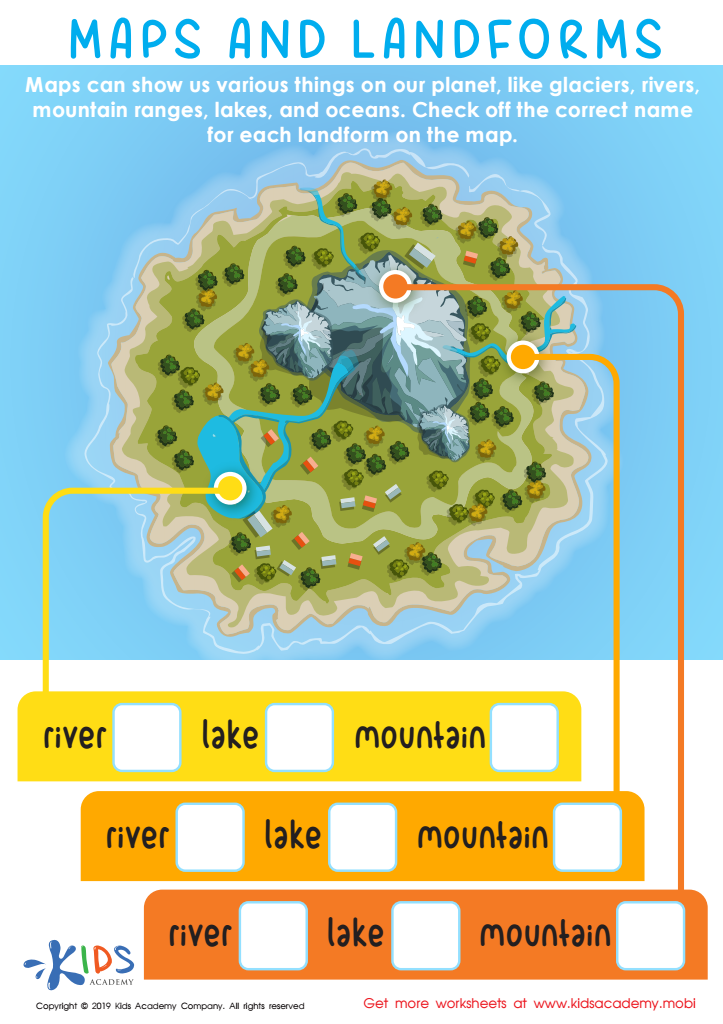
Maps and Landforms Worksheet
 Assign to My Students




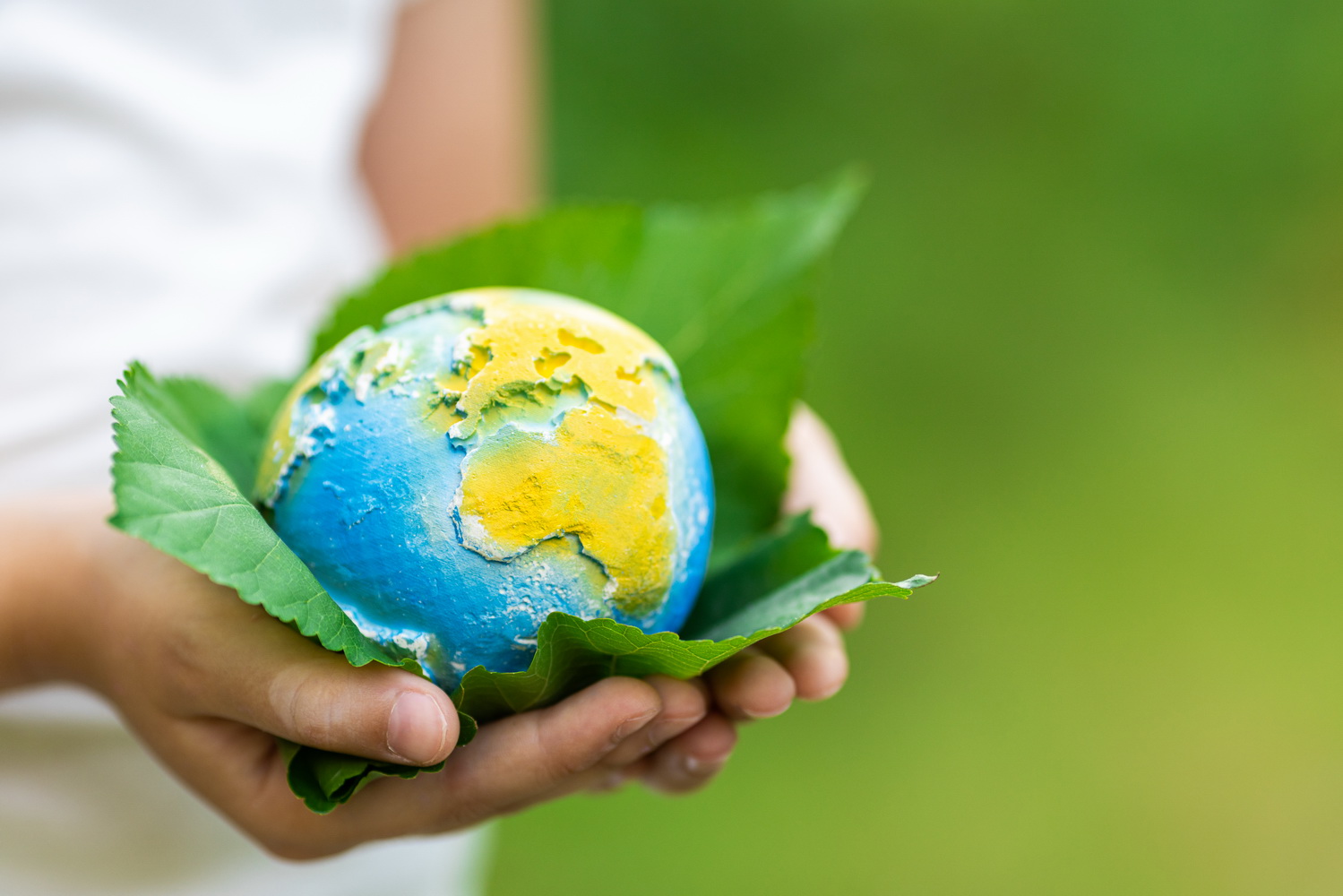
Map reading skills play a crucial role in developing spatial awareness, problem-solving abilities, and a sense of curiosity about the world in children aged 4-7. At this impressionable age, kids are highly receptive to new information, and learning to read maps ignites their interest in geography and the environment. Understanding maps also builds foundational skills for math and reading, as it introduces concepts like symbols, directions, and scales.
For parents and teachers, nurturing map reading skills benefits children in multiple ways. It fosters critical thinking as kids learn to interpret and analyze the information presented visually. These skills are transferable to other areas of learning, promoting overall cognitive development. Exploring maps can enhance a child’s grasp of their immediate surroundings and, eventually, the wider world, embedding a sense of global citizenship.
Furthermore, map reading opens up conversations about our planet and the environment. Teaching young children how to read maps provides a context to discuss environmental stewardship, nature conservation, and the impact of human activities on Earth. These early lessons can instill a lifelong appreciation and sense of responsibility towards caring for the environment. By integrating map skills into early education, we set the foundation for informed, aware, and responsible future generations.







