English grammar practice Grammar Worksheets for Ages 4-7
3 filtered results
-
From - To
Discover engaging English grammar practice worksheets designed for young learners ages 4-7! Our carefully crafted resources help preschoolers and early school-age children develop essential grammar skills through fun and interactive activities. Each worksheet focuses on key concepts such as nouns, verbs, adjectives, and sentence structure, ensuring a solid foundation for future writing success. With colorful illustrations and straightforward exercises, children will enjoy practicing their grammar while enhancing their literacy skills. Perfect for homeschooling, classroom use, or supplementary learning, our worksheets provide an enjoyable way to foster a love for language in your little ones. Start exploring our grammar worksheets today!
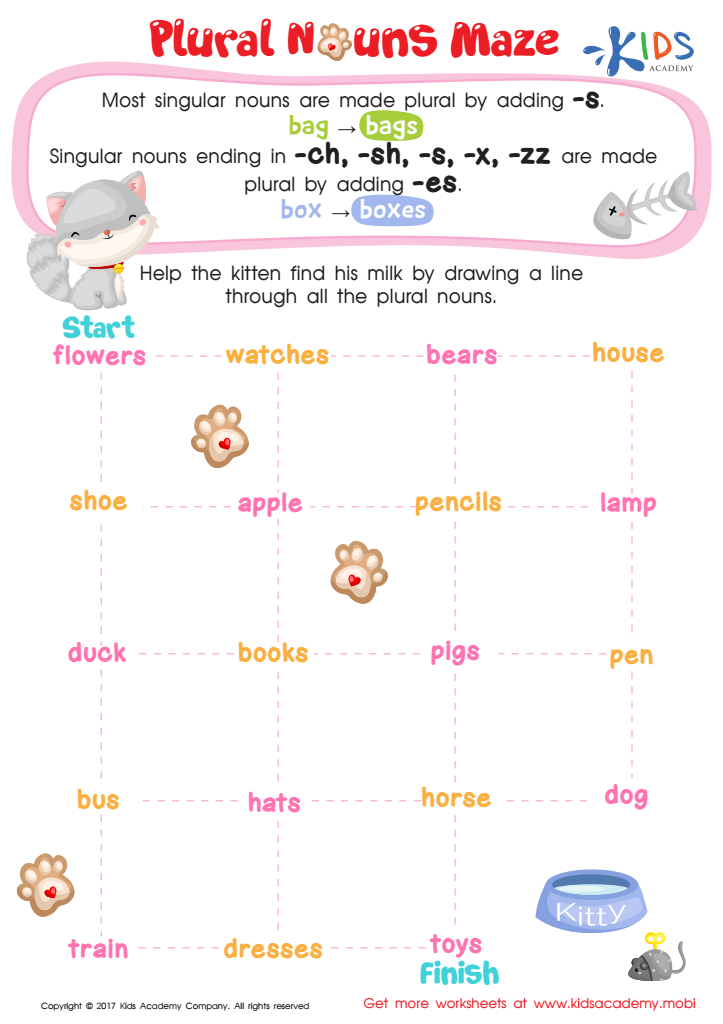
Plural Nouns Maze Worksheet
 Assign to My Students
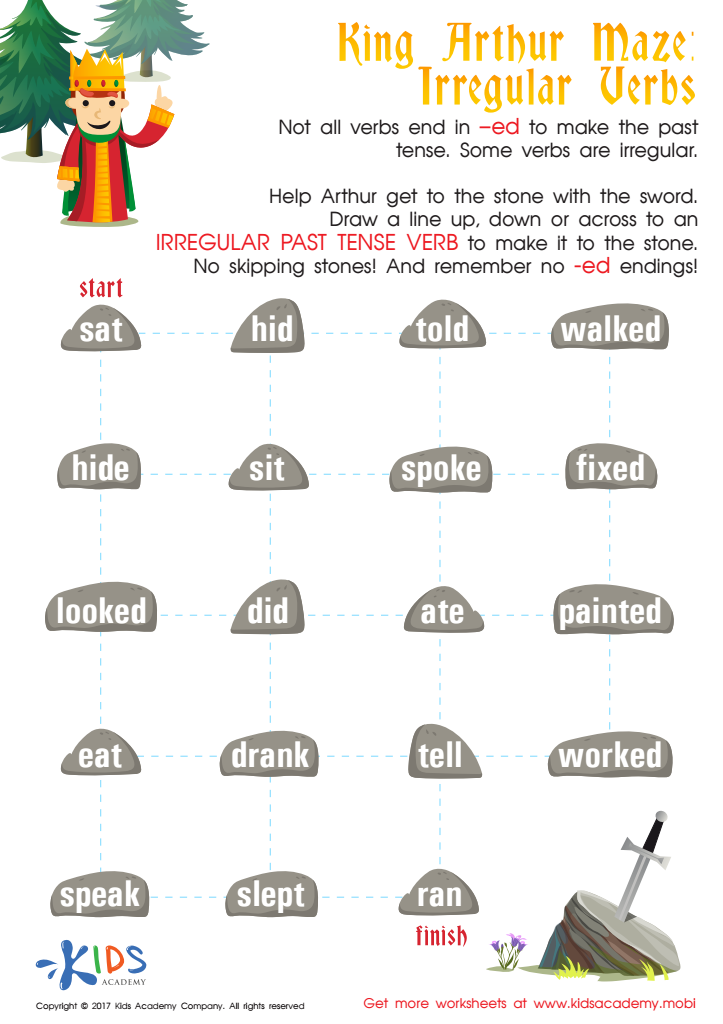
Irregular Verbs: Stones Worksheet
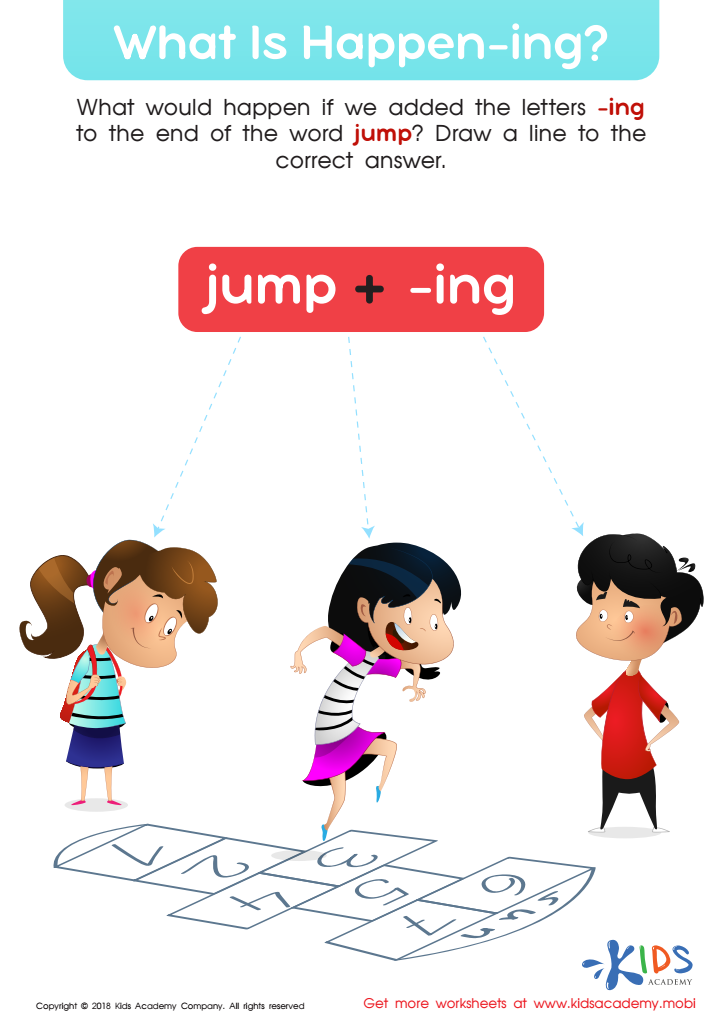
What Is Happen-Ing? Worksheet








Parents and teachers should care about English grammar practice for children aged 4-7 because it lays the foundation for effective communication and literacy skills. At this crucial developmental stage, children are not only mastering language but also learning to express their thoughts, feelings, and ideas. Understanding basic grammar helps them structure sentences correctly, enhancing their ability to communicate clearly.
Engaging in grammar practice also fosters critical thinking skills. As children learn to identify subjects, verbs, and proper punctuation, they develop an analytical mindset that benefits learning in other subjects. Early mastery of grammar contributes to improved writing and reading comprehension, which are integral to academic success.
Moreover, a strong grasp of grammar enhances confidence. As children learn and apply grammatical rules, they are more likely to participate in discussions and express themselves in writing, reducing anxiety in social communication contexts.
Finally, establishing a routine of grammar practice at a young age promotes a lifelong enthusiasm for language and learning. It sets the stage for advanced literacy skills, necessary for future academic pursuits. Therefore, emphasizing grammar in the early years is essential for nurturing well-rounded, articulate individuals.








