Handwriting practice Writing Worksheets for Ages 4-7
16 filtered results
-
From - To
Improve your child's handwriting skills with our engaging handwriting practice worksheets designed for ages 4-7! Specifically crafted for early learners, these worksheets motivate and inspire young writers to develop their fine motor skills and penmanship in a fun and interactive way. Covering letters, numbers, and simple words, our worksheets promote confidence and reinforce important foundational skills. Each downloadable worksheet encourages practice through creative activities, ensuring that learning is both effective and enjoyable. Perfect for homeschooling or classroom use, our handwriting resources are a valuable tool for nurturing your child’s love for writing. Start your child's handwriting journey today!
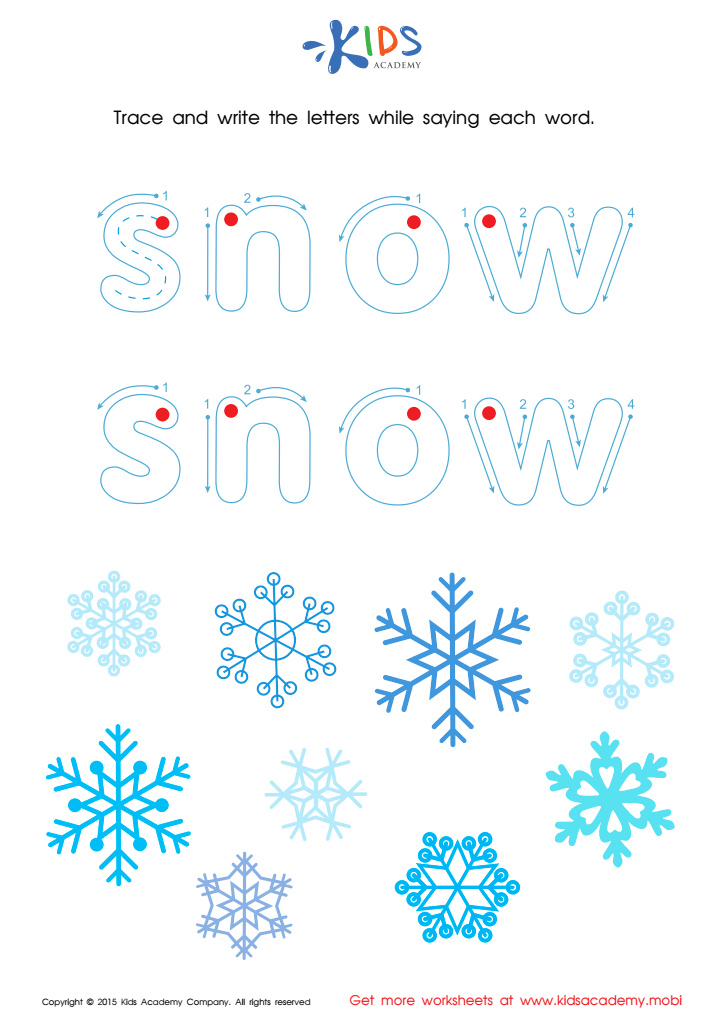
Snowflake Tracing Winter Words Worksheet
 Assign to My Students
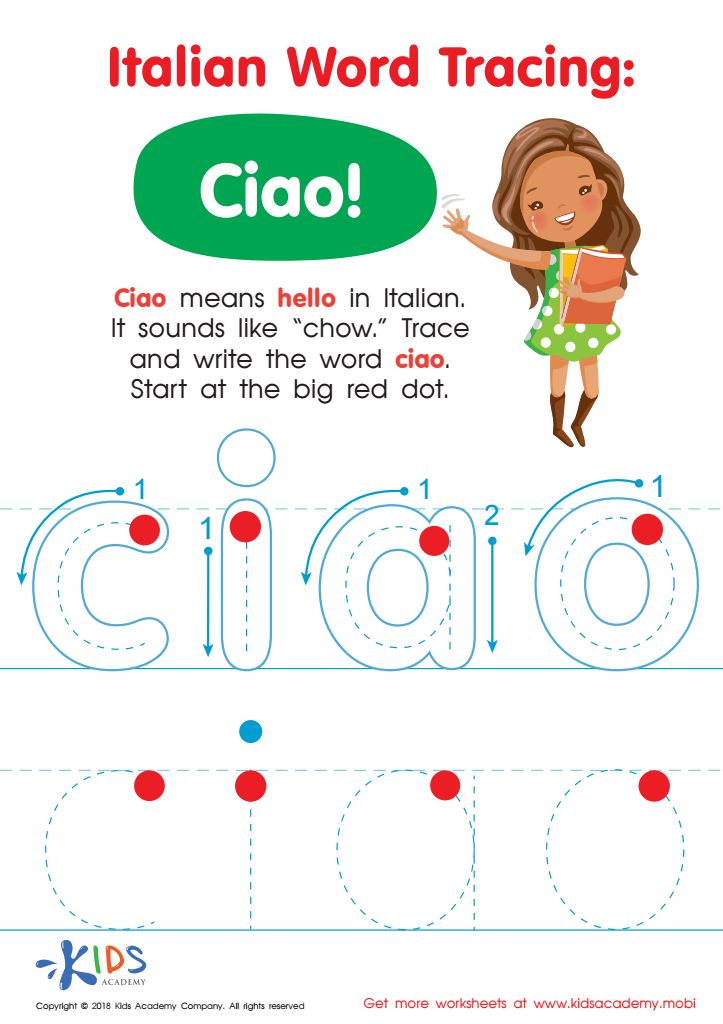
Italian Word Tracing: Ciao Worksheet
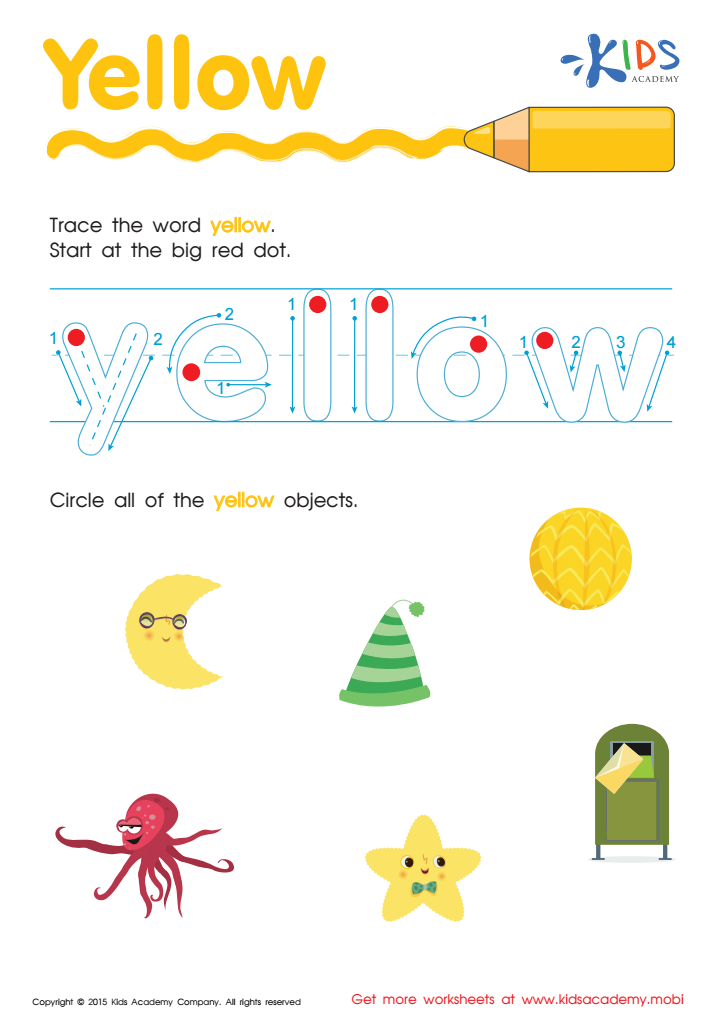
Yellow Tracing Color Words Worksheet
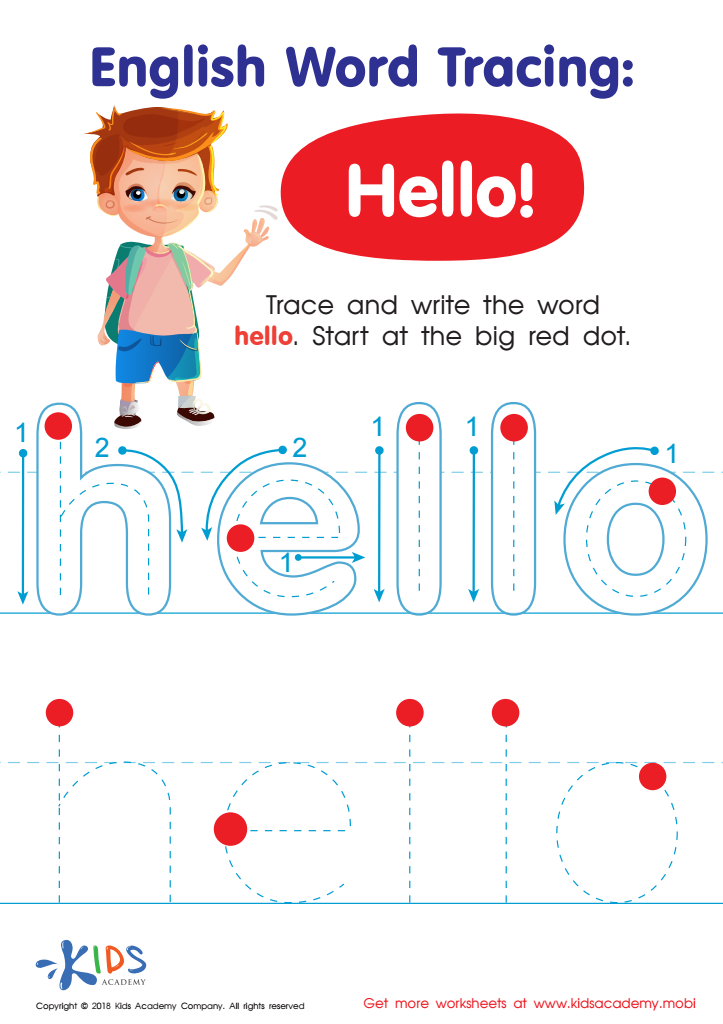
English Word Tracing: Hello Worksheet
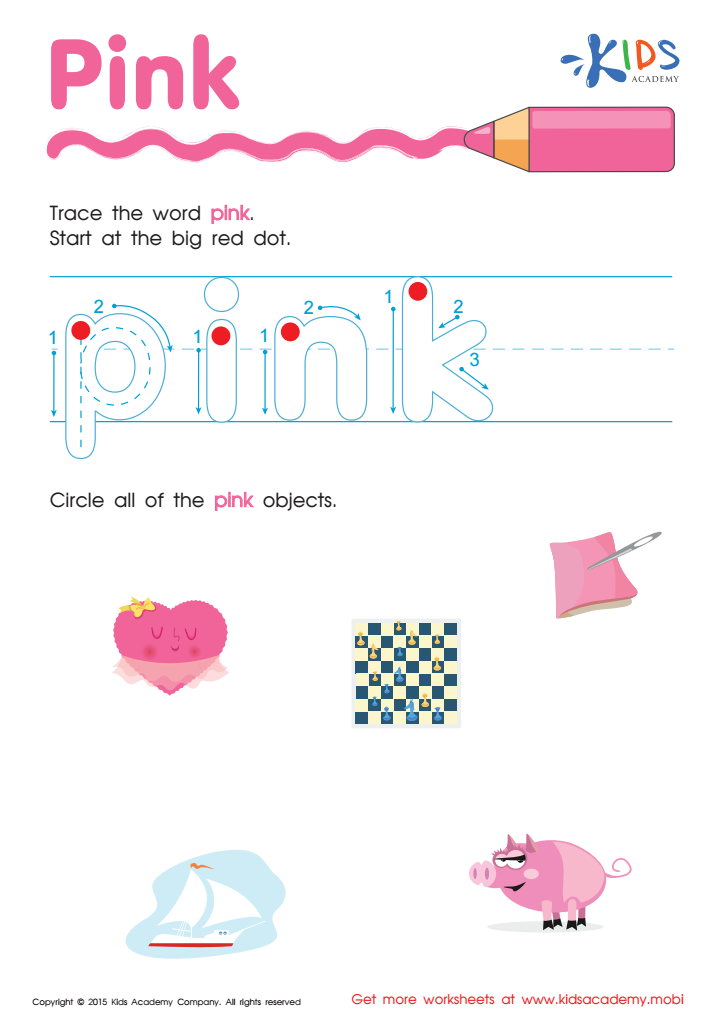
Pink Tracing Color Words Worksheet
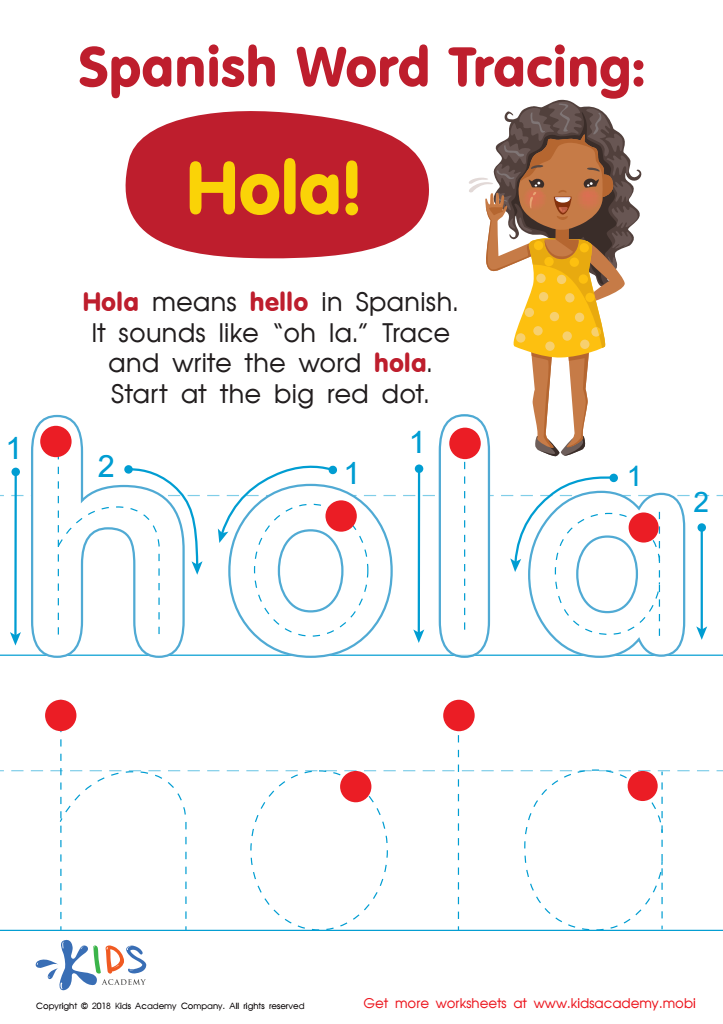
Spanish Word Tracing: Hola Worksheet
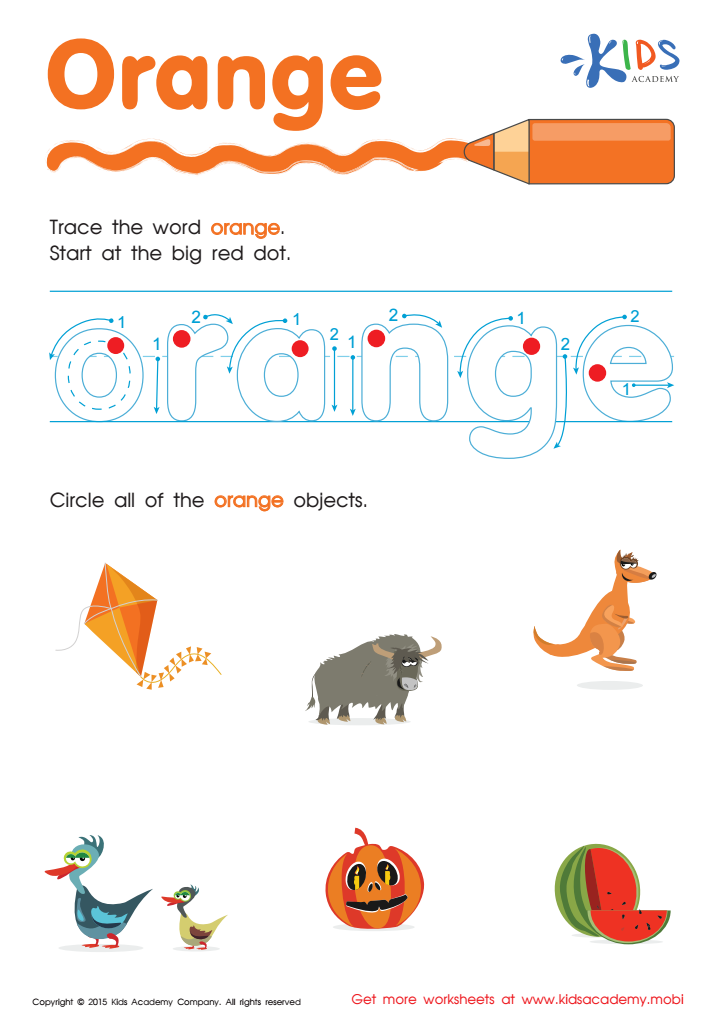
Orange Tracing Color Words Worksheet
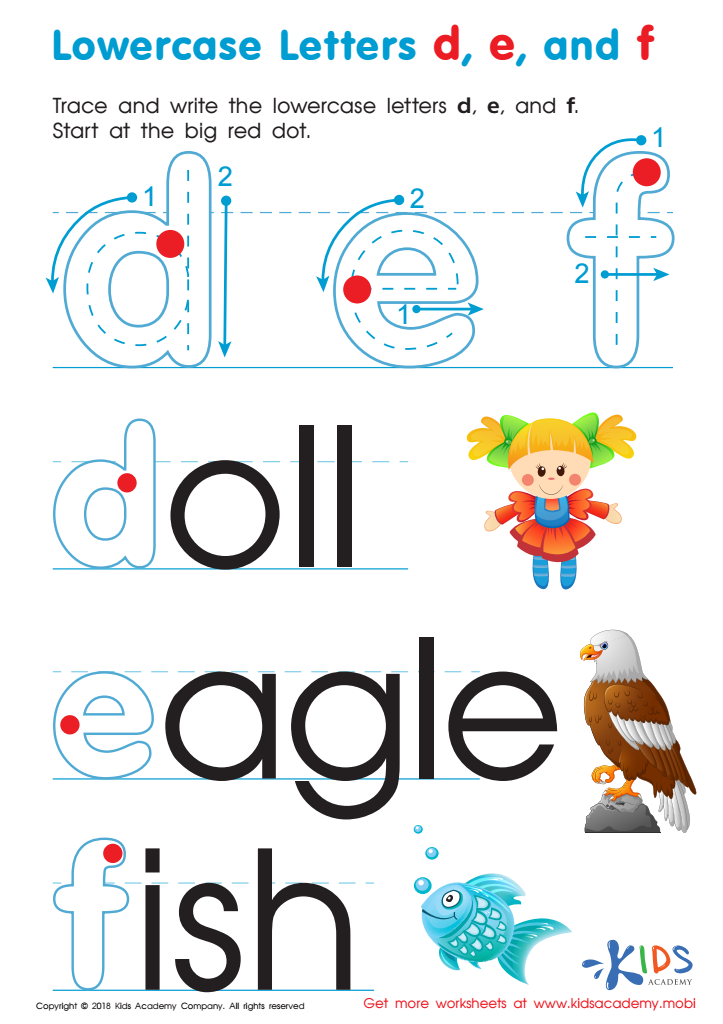
Lowercase Letters d e f Worksheet
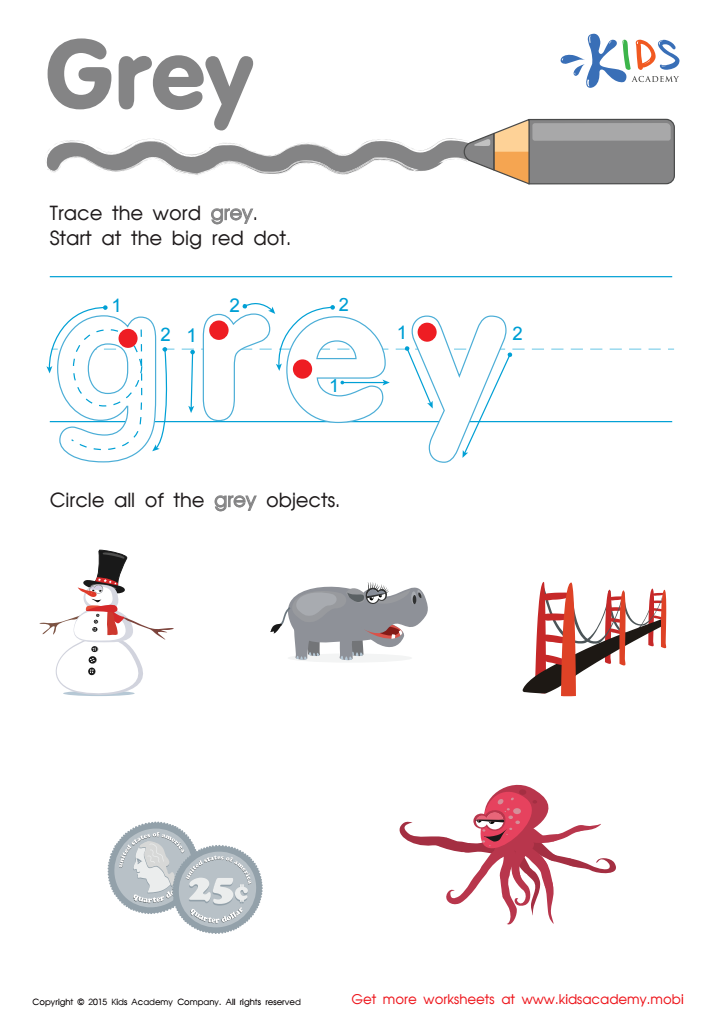
Grey Tracing Color Words Worksheet
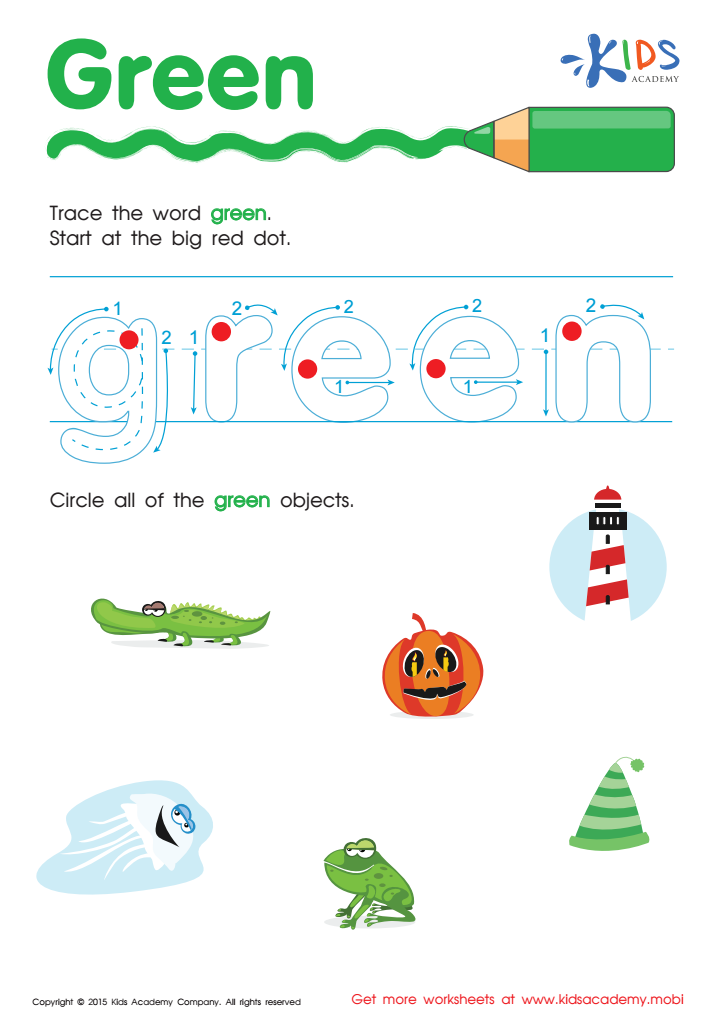
Green Tracing Color Words Worksheet
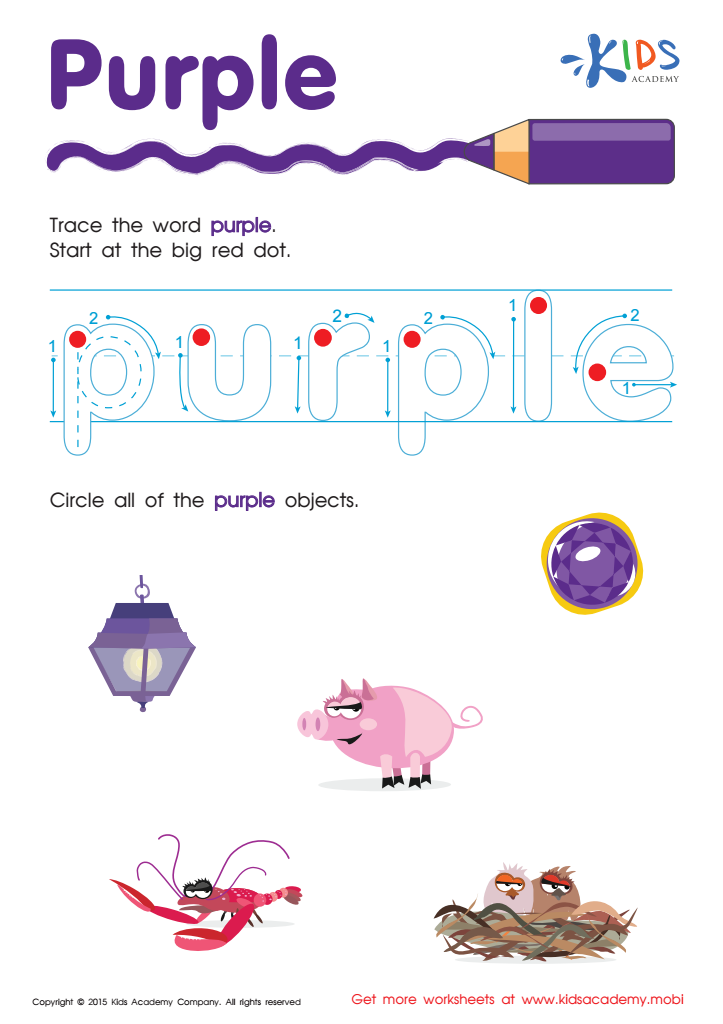
Purple Tracing Color Words Worksheet
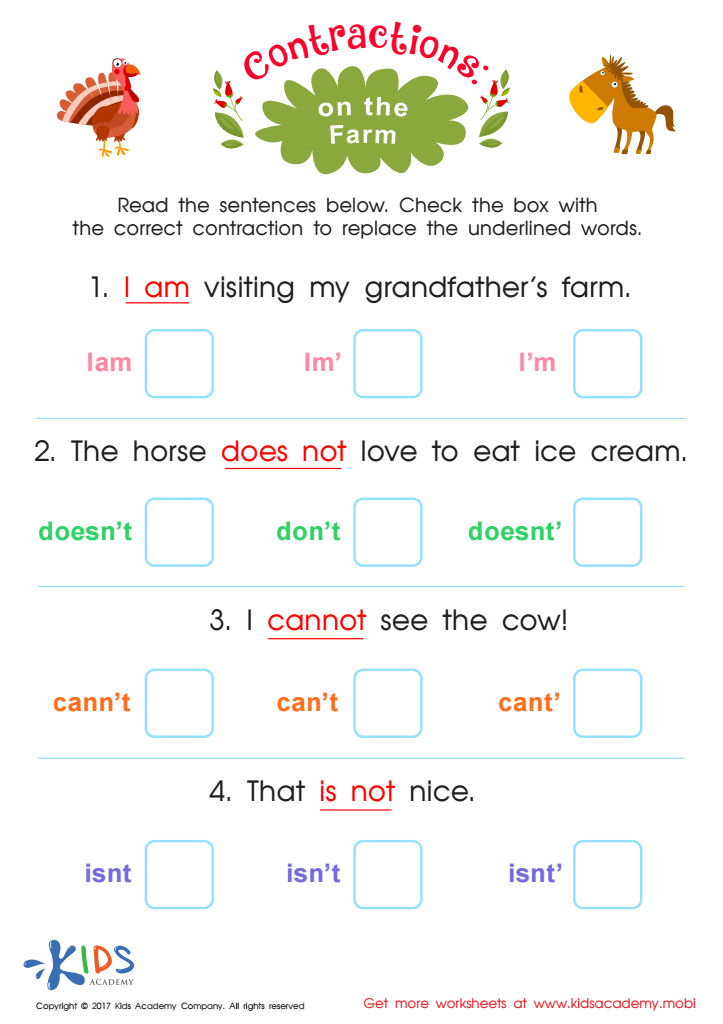
Contractions: On the Farm Printable
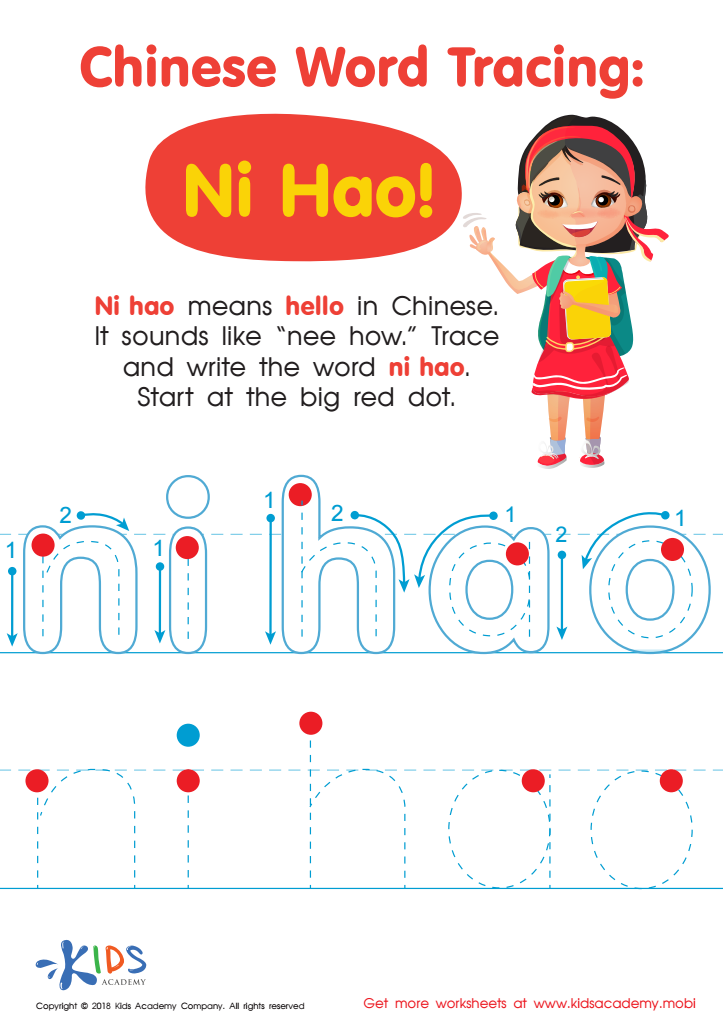
Chinese Word Tracing: Ni Hao Worksheet
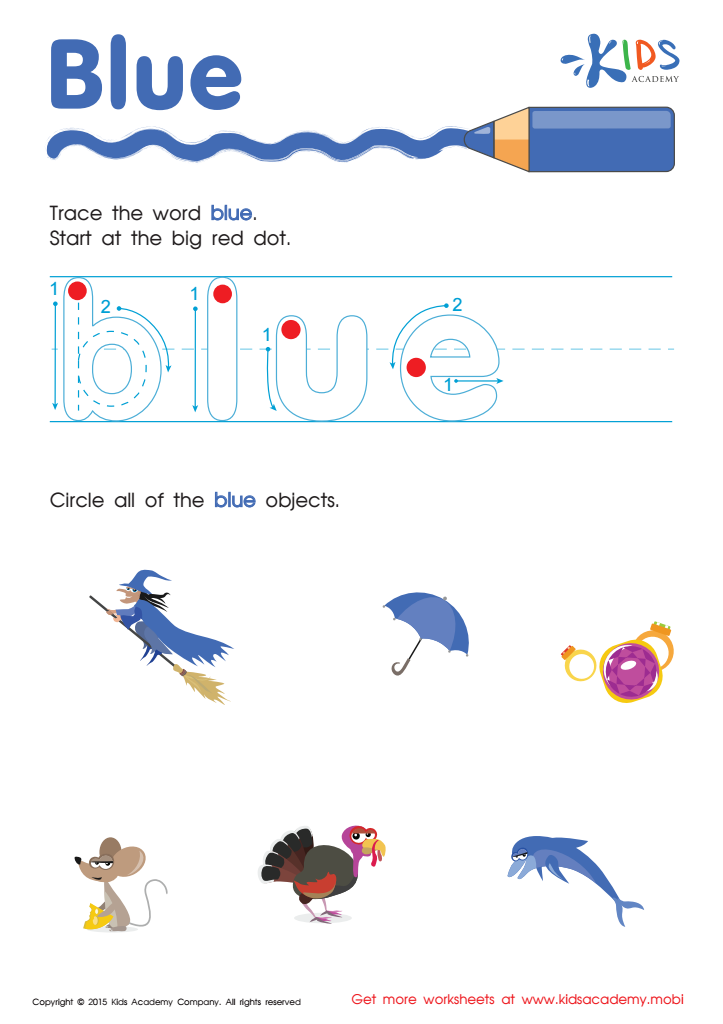
Blue Tracing Color Words Printable
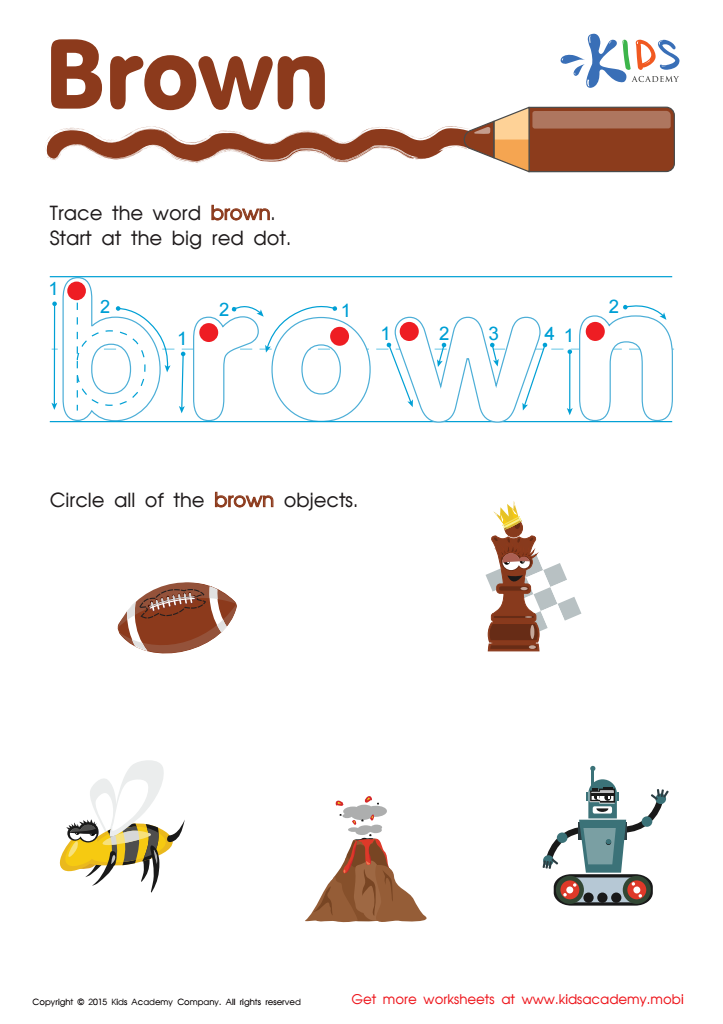
Brown Tracing Color Words Worksheet
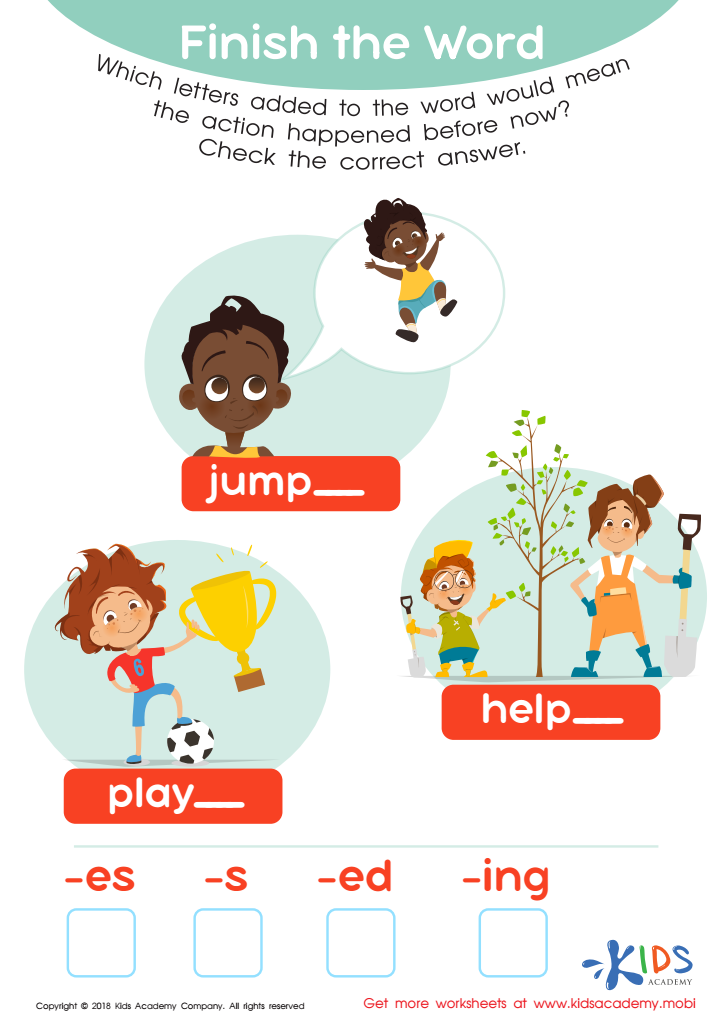
Finish the Word Worksheet








Handwriting practice for children ages 4-7 is crucial for several developmental reasons. First, it supports fine motor skills, as gripping a pencil and forming letters helps strengthen hand muscles and improve coordination. This foundational skill is essential for many daily activities, from buttoning clothes to later learning more complex tasks.
Secondly, handwriting fosters literacy. When children engage in writing, they learn the connections between sounds and letters, enhancing their phonemic awareness—an important precursor to reading. It also encourages them to express their thoughts and ideas, boosting their confidence and creativity.
Furthermore, practicing handwriting helps children develop focus and discipline. They learn to form letters consistently, which in turn builds patience and perseverance—skills that are valuable not only in academics but throughout life.
Lastly, relevance to technology and screen time cannot be overlooked; with digital devices prevalent, handwriting provides children an important tactile learning experience that screens cannot replace. Children need variety in their educational experiences to strengthen their cognitive and motor skills.
In summary, handwriting practice is a fundamental aspect of early education that supports physical, cognitive, and emotional development, preparing children not just for school but for everyday life.








