Alphabet Recognition Alphabet Worksheets for Ages 4-8 - Page 2
71 filtered results
-
From - To
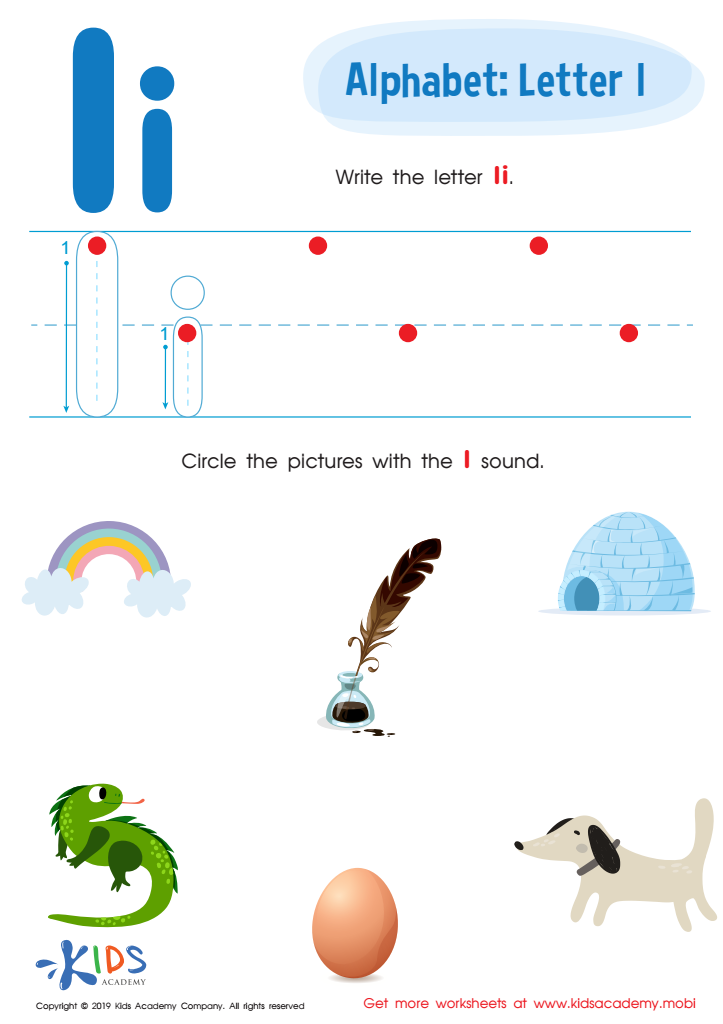
Letter I Tracing Worksheet
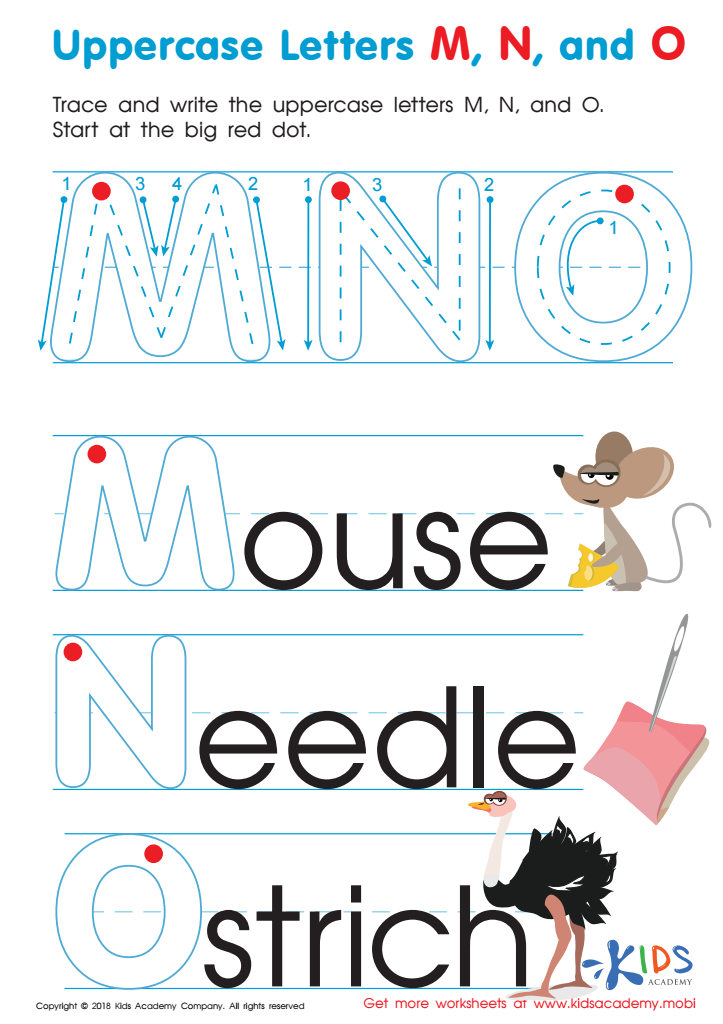
Uppercase Letters M, N, and O Worksheet
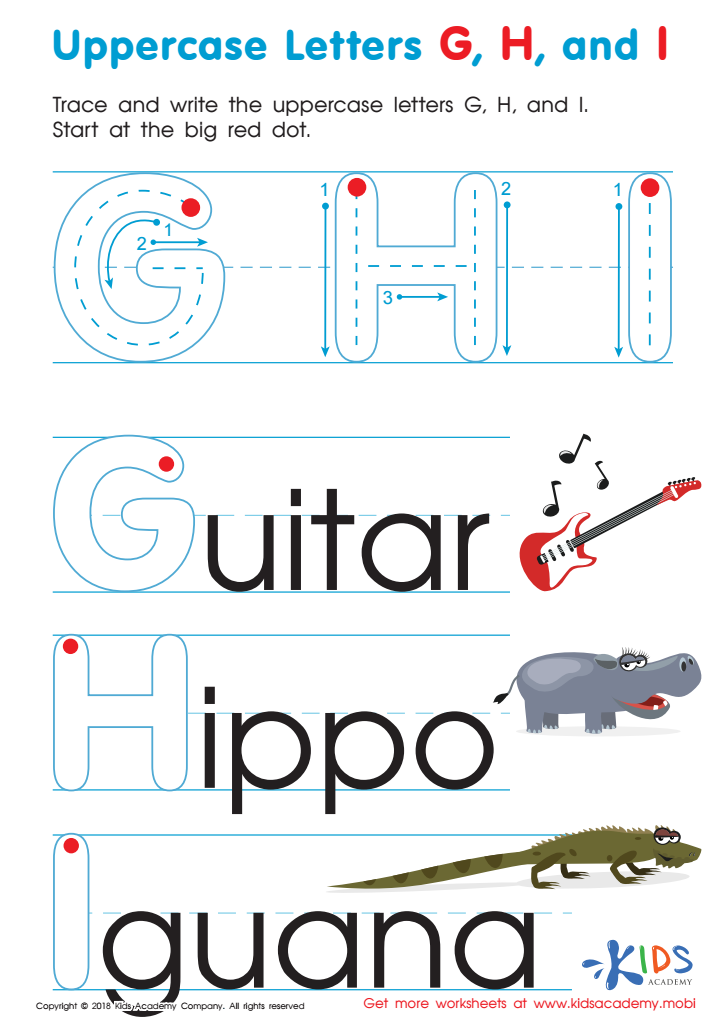
Uppercase Letters G, H, and I Worksheet
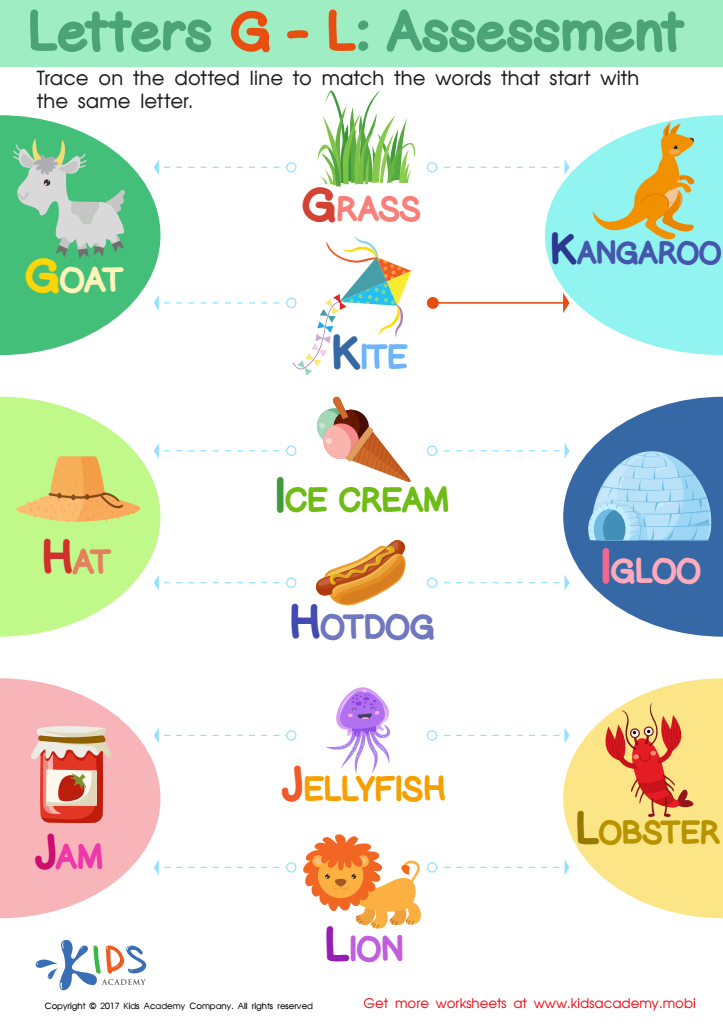
Letters G-L Worksheet
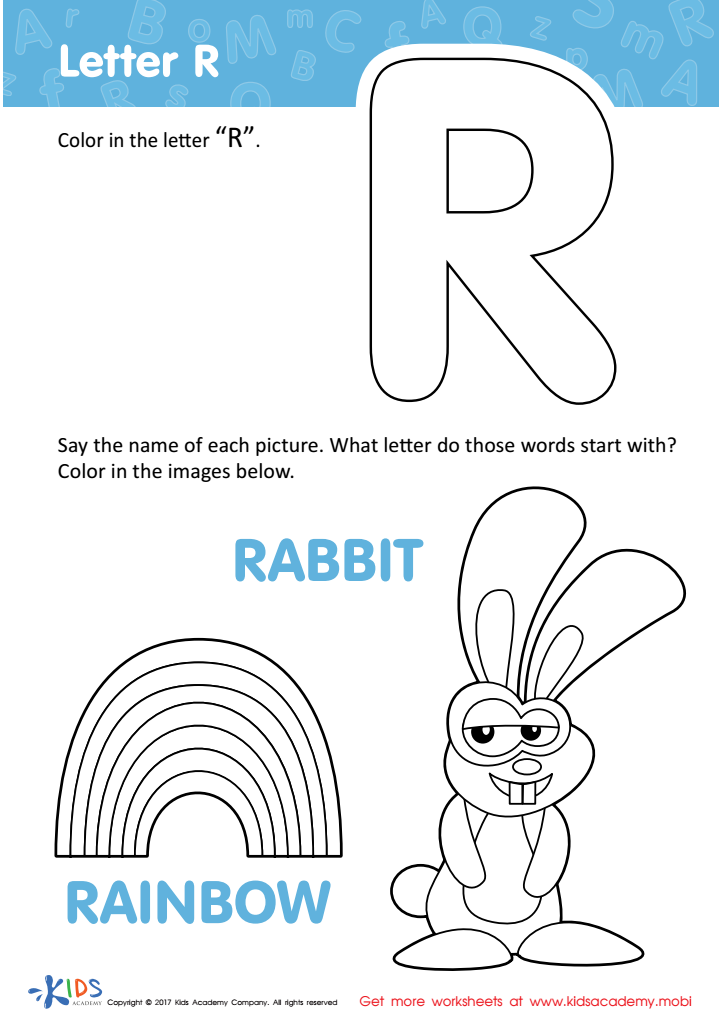
Letter R Coloring Sheet
 Assign to My Students
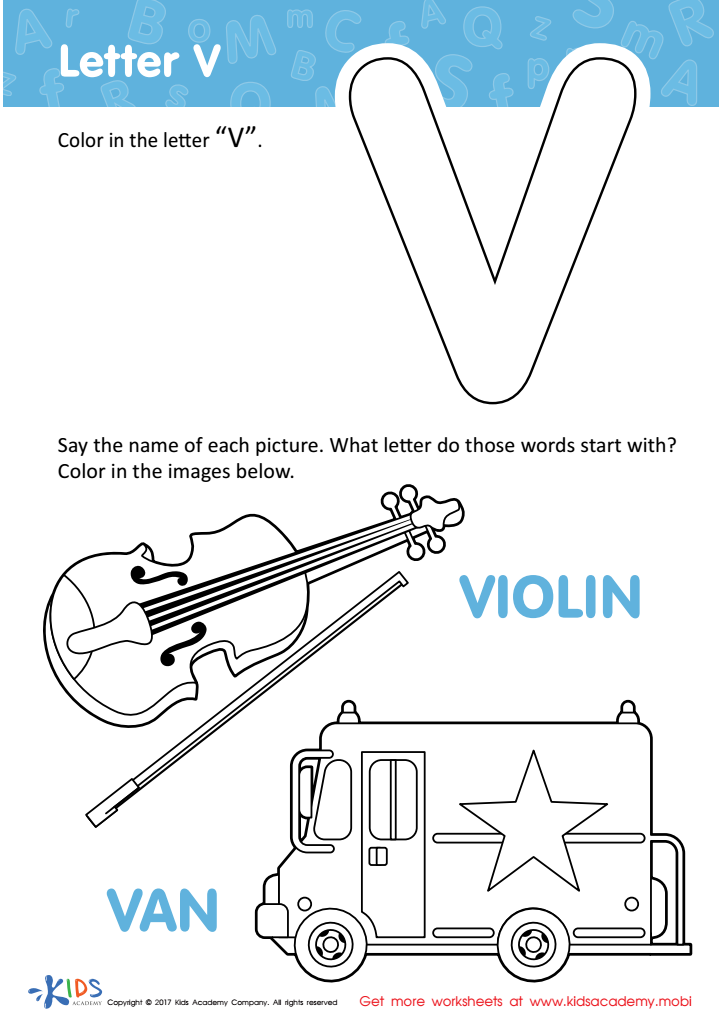
Letter V Coloring Sheet
Assign to My Students
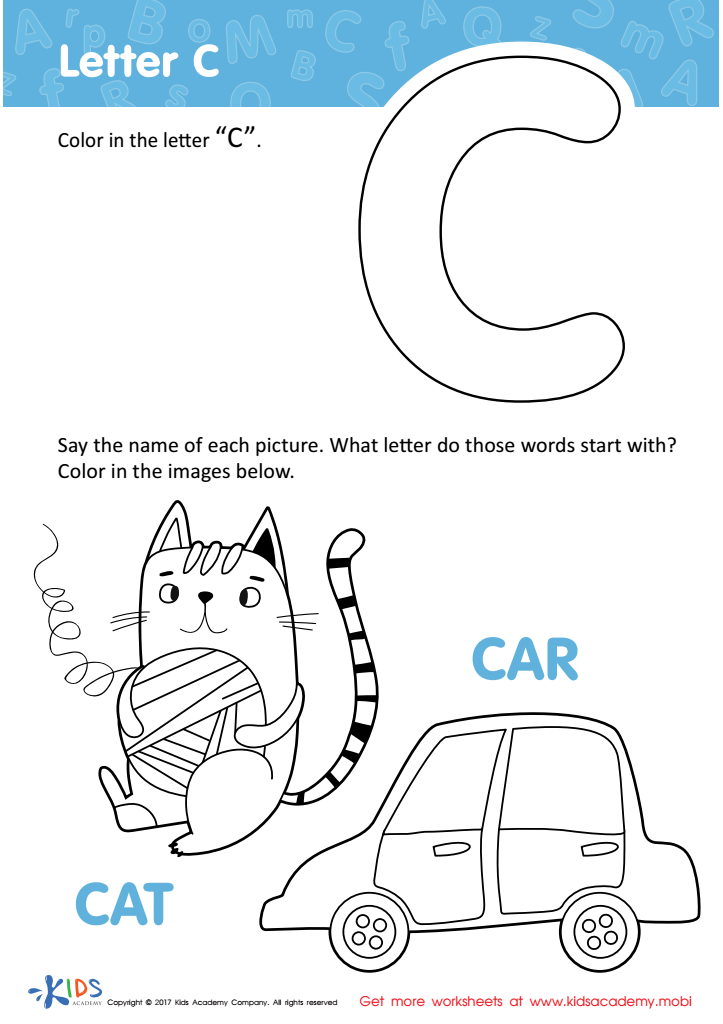
Letter C Coloring Sheet
Assign to My Students
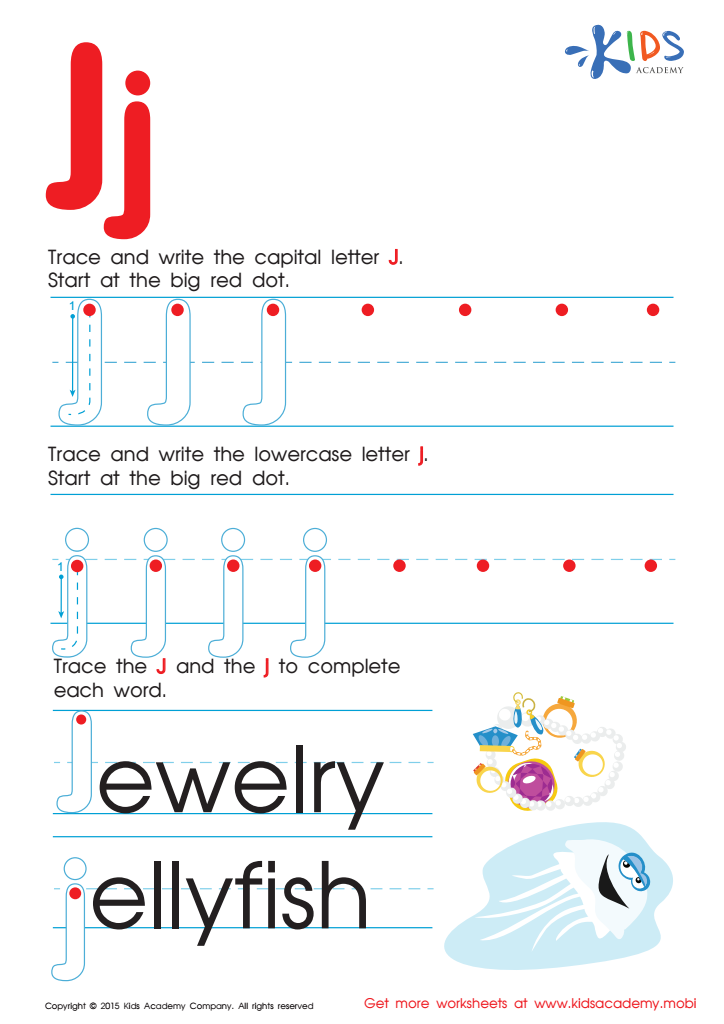
Letter J Tracing Page
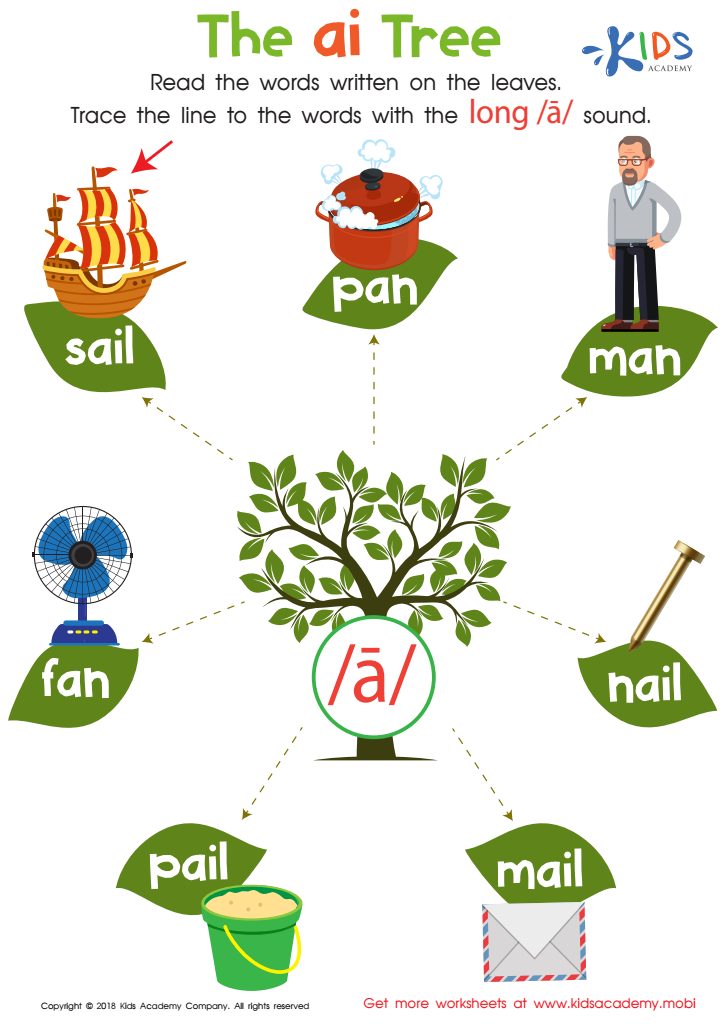
The AI Tree Worksheet
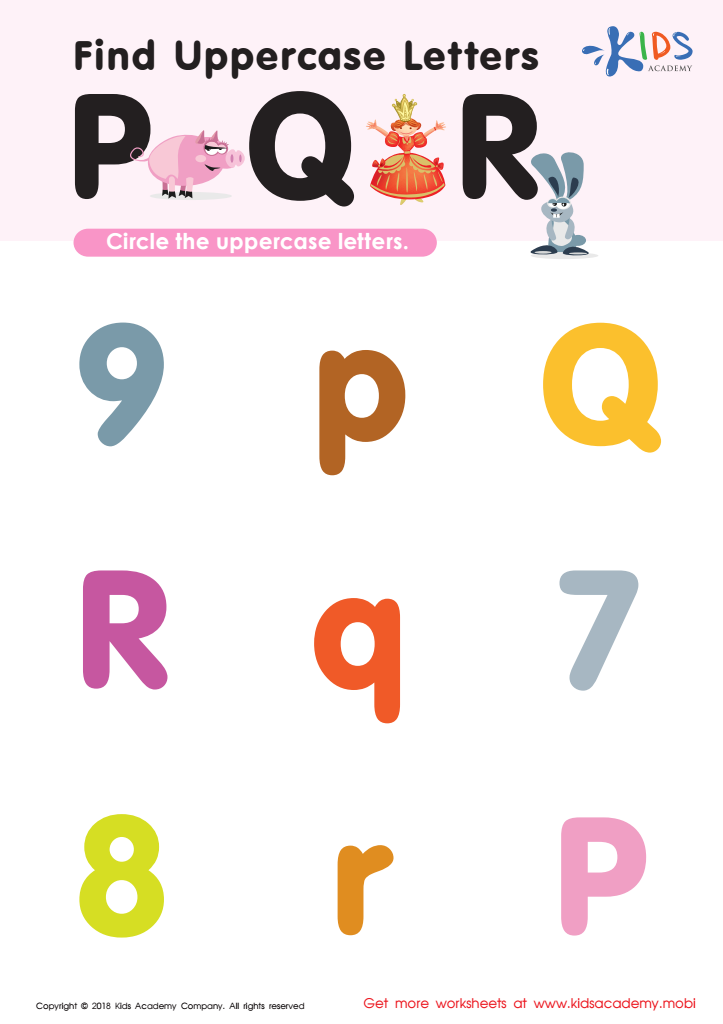
Find Uppercase Letters P, Q, and R Worksheet
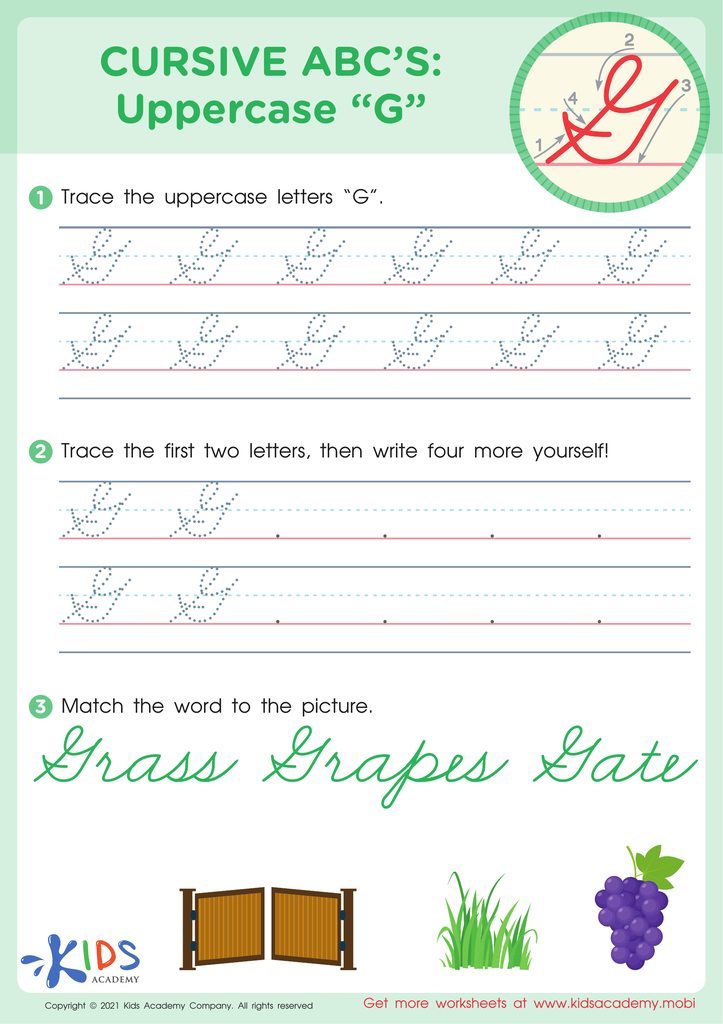
Cursive ABCs: Uppercase G
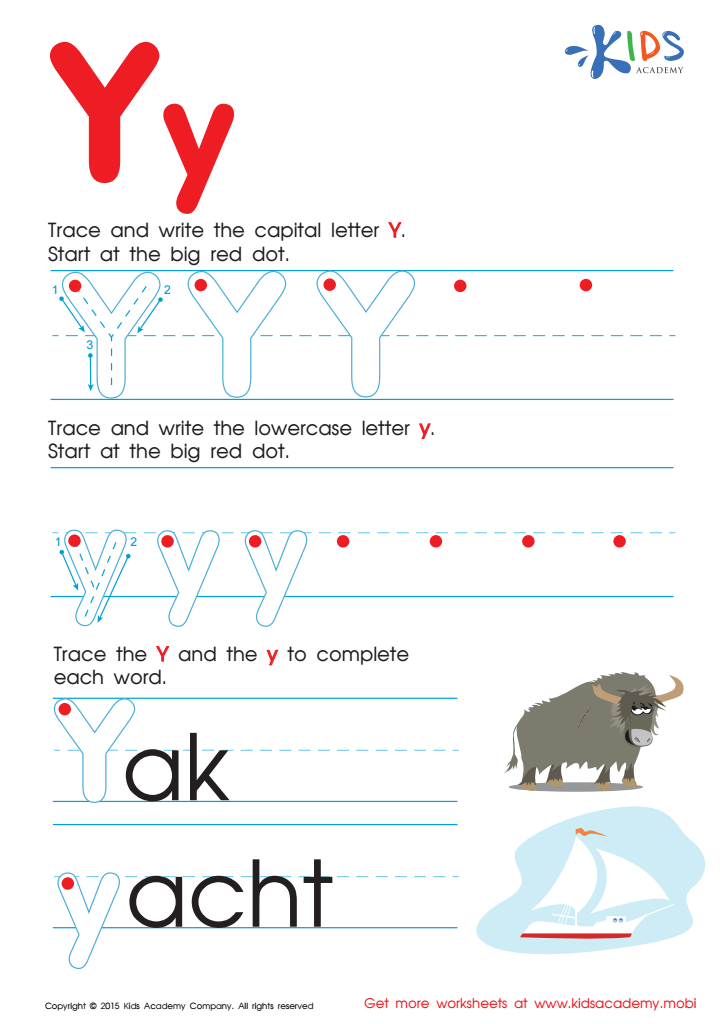
Letter Y Tracing Page
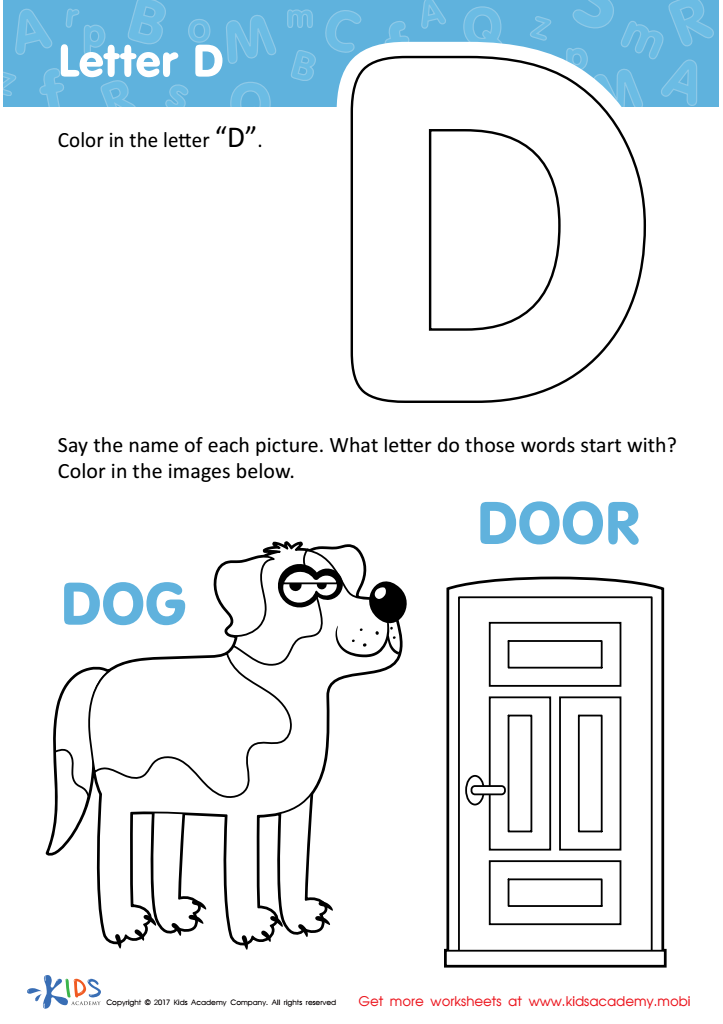
Letter D Coloring Sheet
Assign to My Students
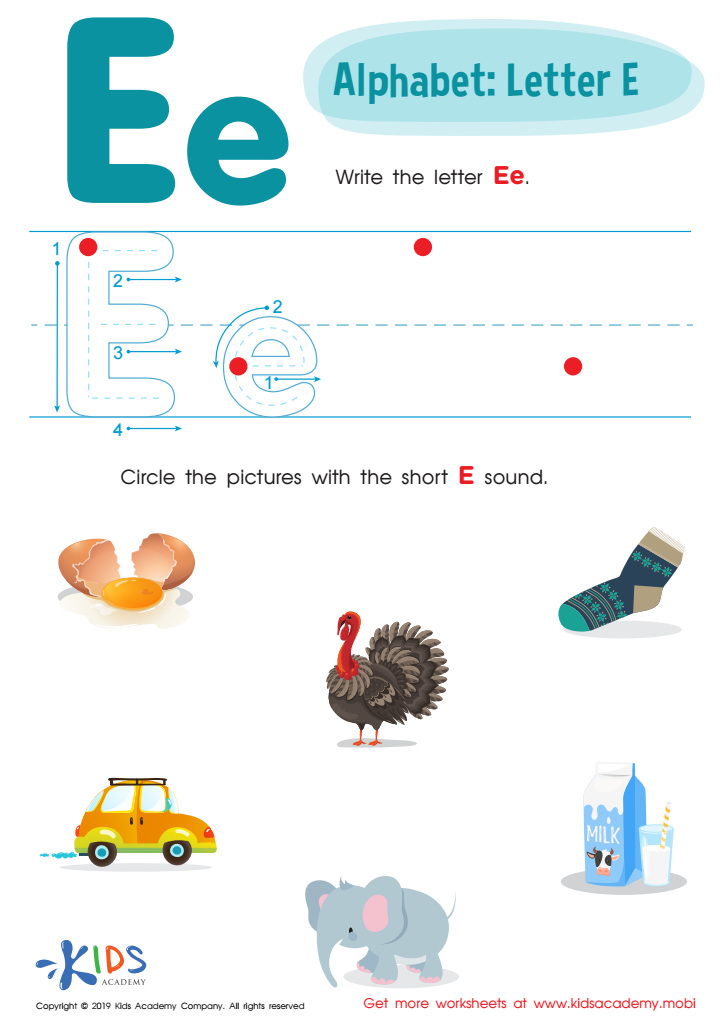
Letter E Tracing Worksheet
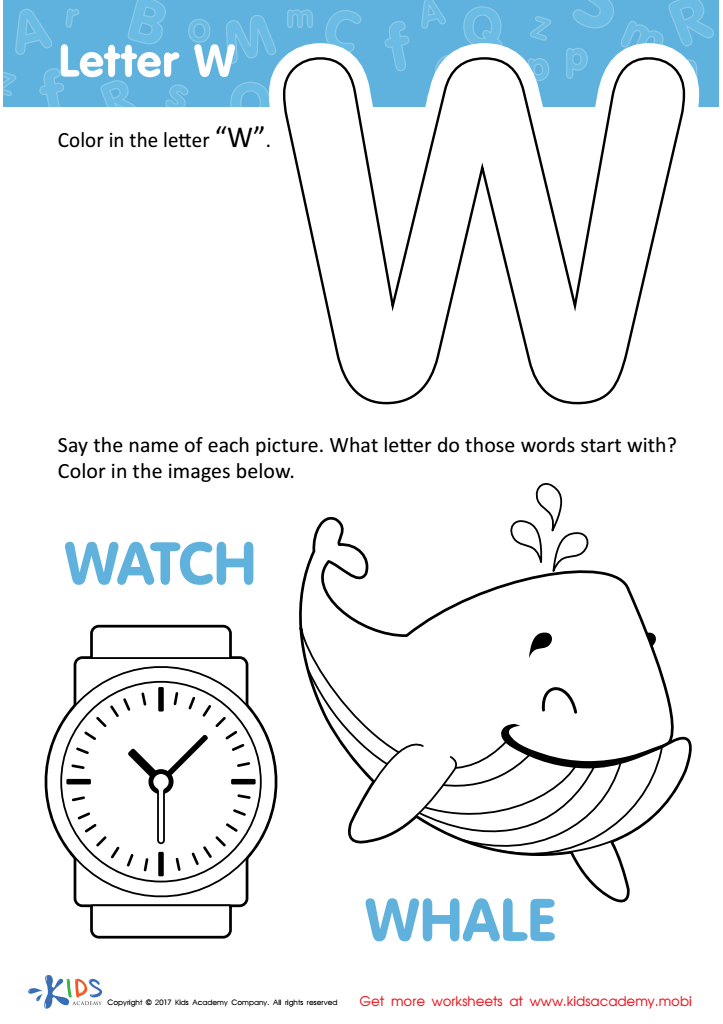
Letter W Coloring Sheet
Assign to My Students
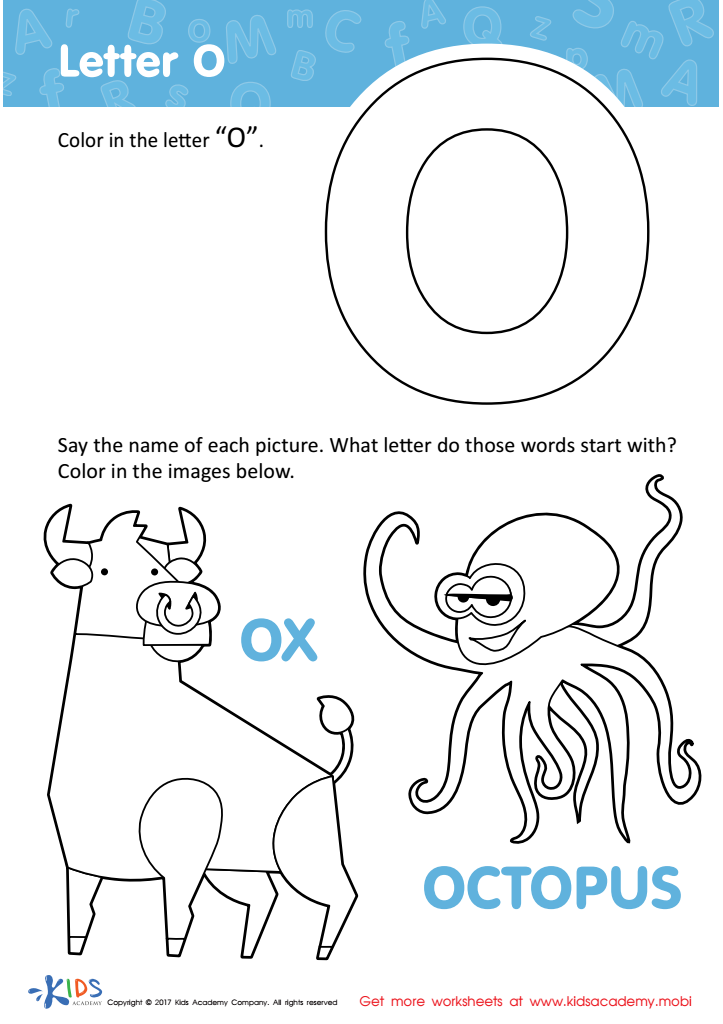
Letter O Coloring Sheet
Assign to My Students
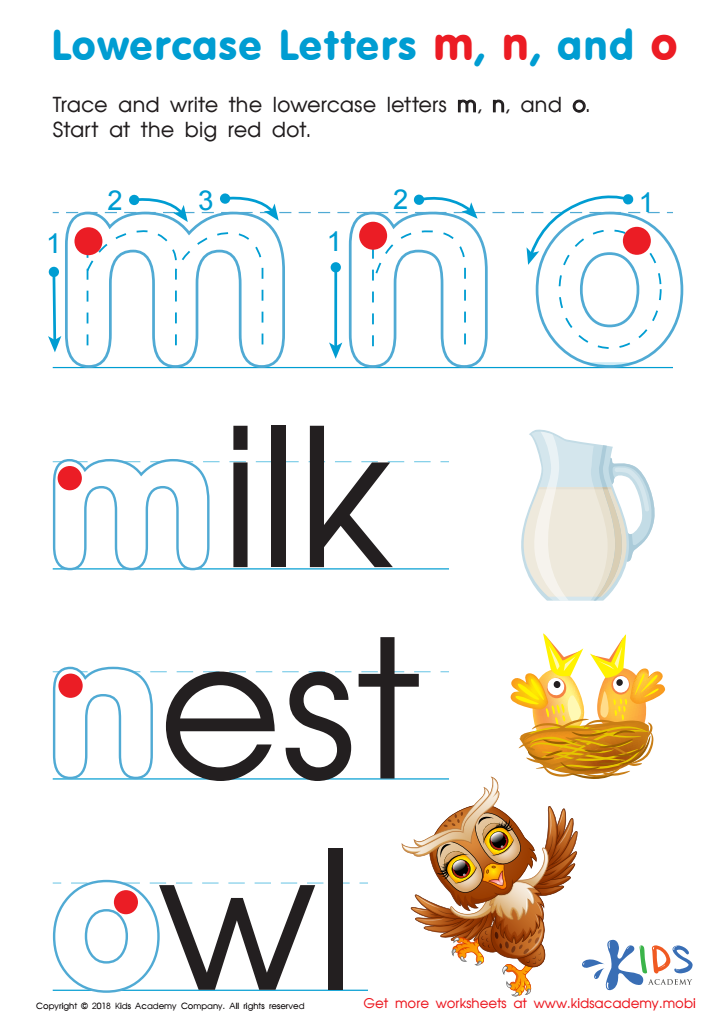
Lowercase Letters m n o Worksheet
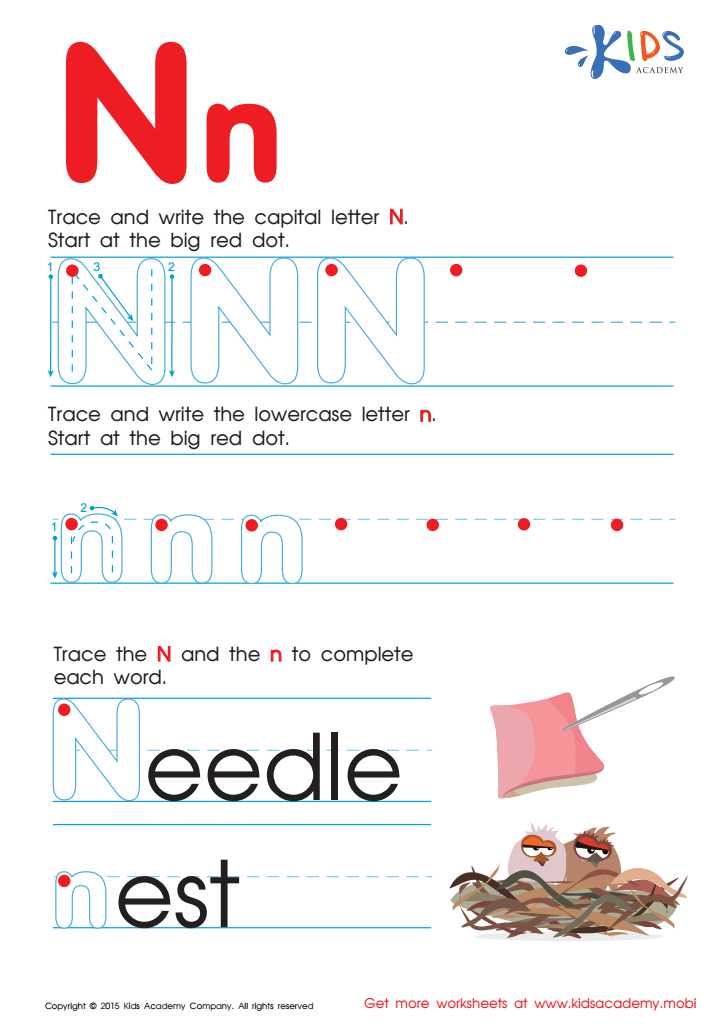
Letter N Tracing Page
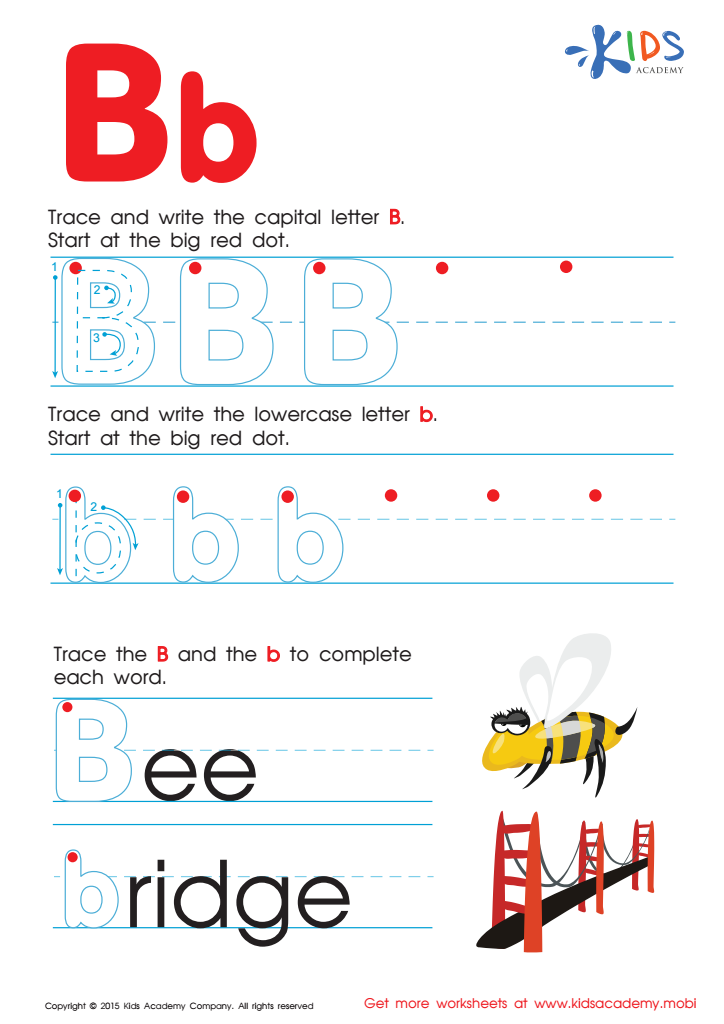
Letter B Tracing Page
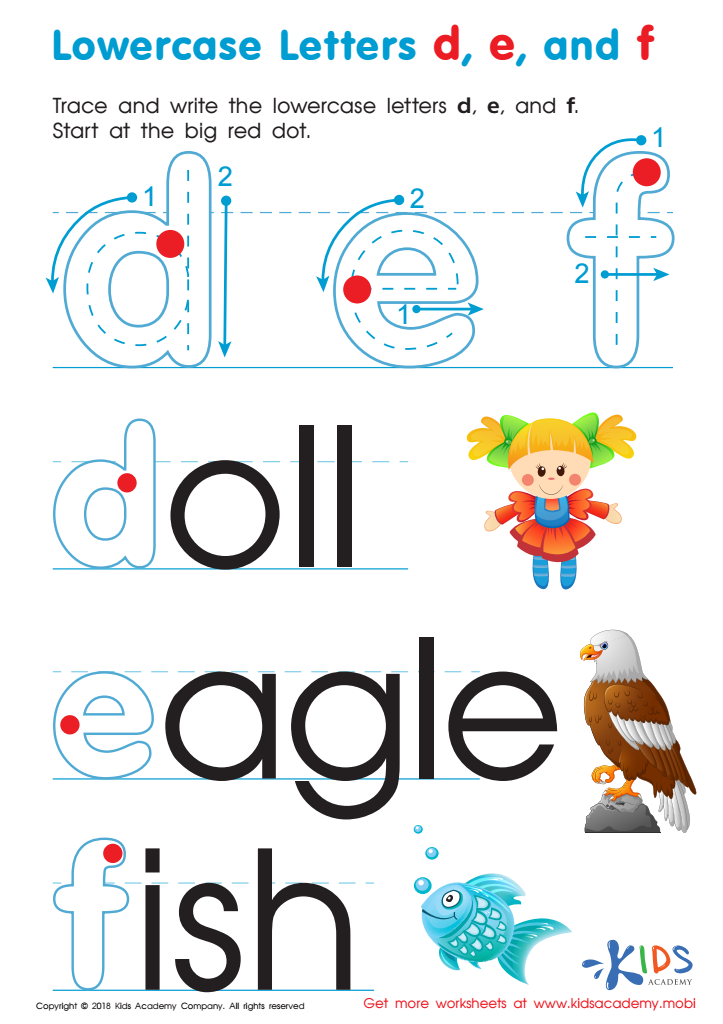
Lowercase Letters d e f Worksheet
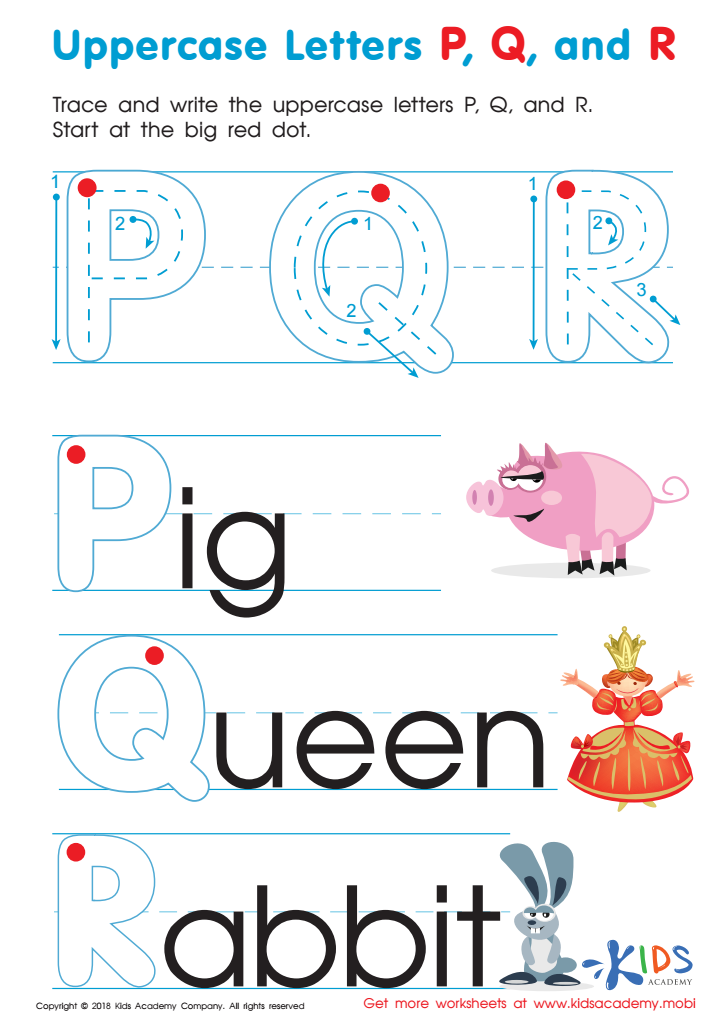
Uppercase Letters P, Q, and R Worksheet
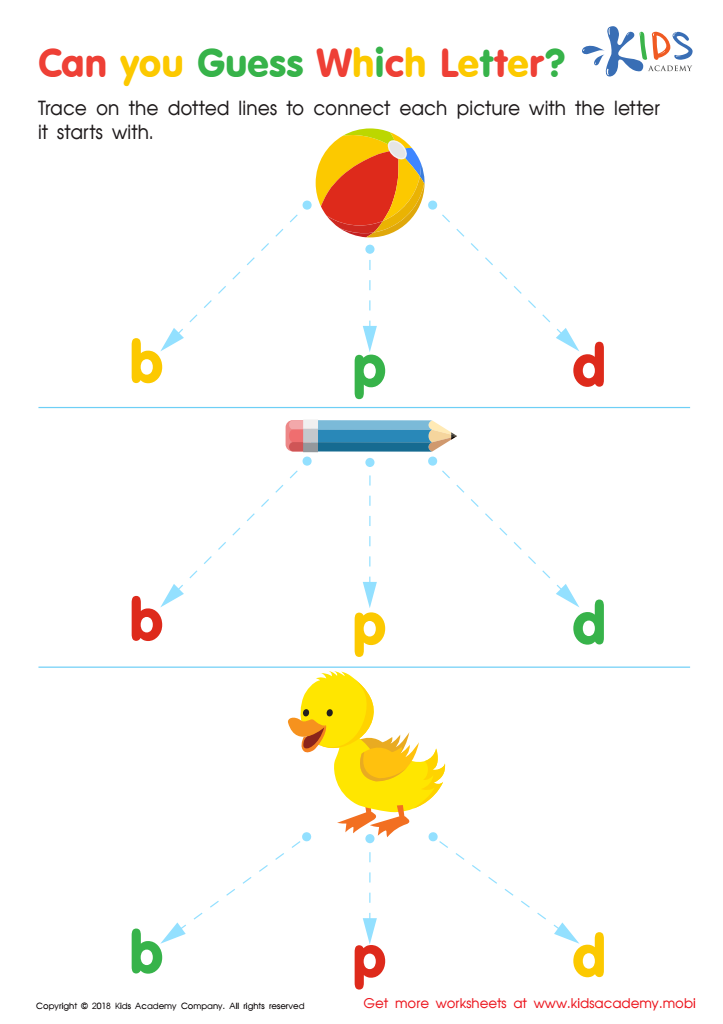
Can you Guess Which Letter? Worksheet
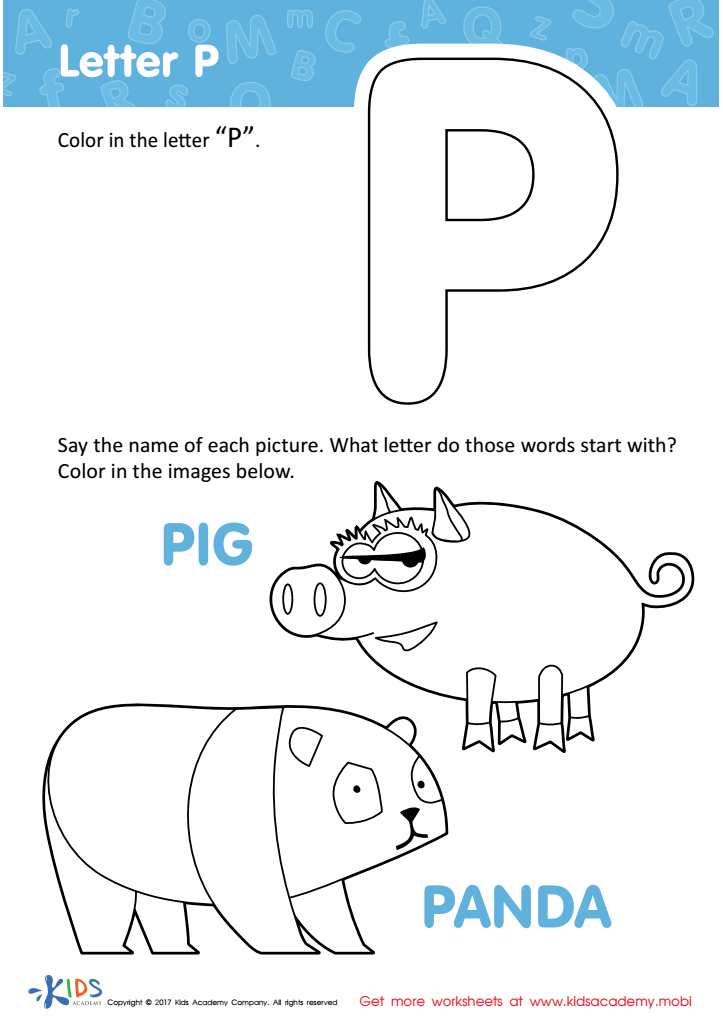
Letter P Coloring Sheet
Assign to My Students
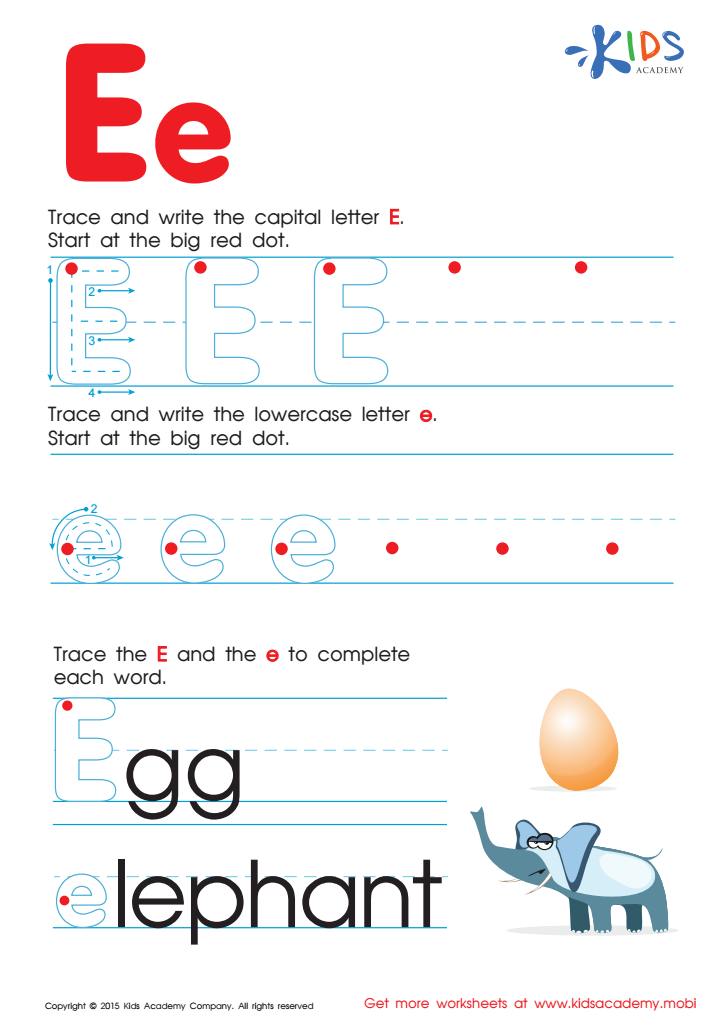
Letter E Tracing Page






Alphabet recognition is a fundamental milestone in early childhood education, vital for ages 4-8. Understanding the alphabet lays the groundwork for essential literacy skills, including reading, writing, and communication.
For parents and teachers, emphasizing alphabet recognition helps children recognize letters in various contexts, not just in isolation. It improves phonemic awareness, associating letters with corresponding sounds, which is critical for decoding words during reading. Mastery of alphabet recognition also fosters confidence, making children more eager to engage with texts and enabling a smoother transition to more complex literacy activities.
From a developmental perspective, recognizing letters enhances cognitive skills, improving memory, attention span, and focus. Furthermore, it supports motor skills development through practices like writing letters or tracing them with fingers.
For a child, this skill is empowering and transforms their interaction with the environment. They start identifying letters in signs, books, and on their favorite screens, turning everyday experiences into learning opportunities.
By investing time in alphabet recognition, parents and teachers set the stage for academic success. Early proficiency in these foundational skills can lead to better performance in reading and writing, facilitating a lifelong love for learning and exploring written language. Thus, a strong emphasis on alphabet recognition is indispensable for children’s educational journey.







