Hand-eye Coordination Alphabet Worksheets for Ages 4-8
28 filtered results
-
From - To
Discover our engaging Hand-eye Coordination Alphabet Worksheets designed specifically for kids aged 4-8! These creative worksheets help young learners develop essential hand-eye coordination skills while reinforcing their alphabet knowledge. Fun, interactive activities include tracing, coloring, and matching letters, making learning enjoyable and effective. By improving motor skills and cognitive association, these worksheets lay the foundation for future academic success. Ideal for both the classroom and at-home learning, our worksheets cater to various learning styles and keep children actively engaged. Download and print your free resources today to inspire a love for learning in your little ones while they develop crucial foundational skills!
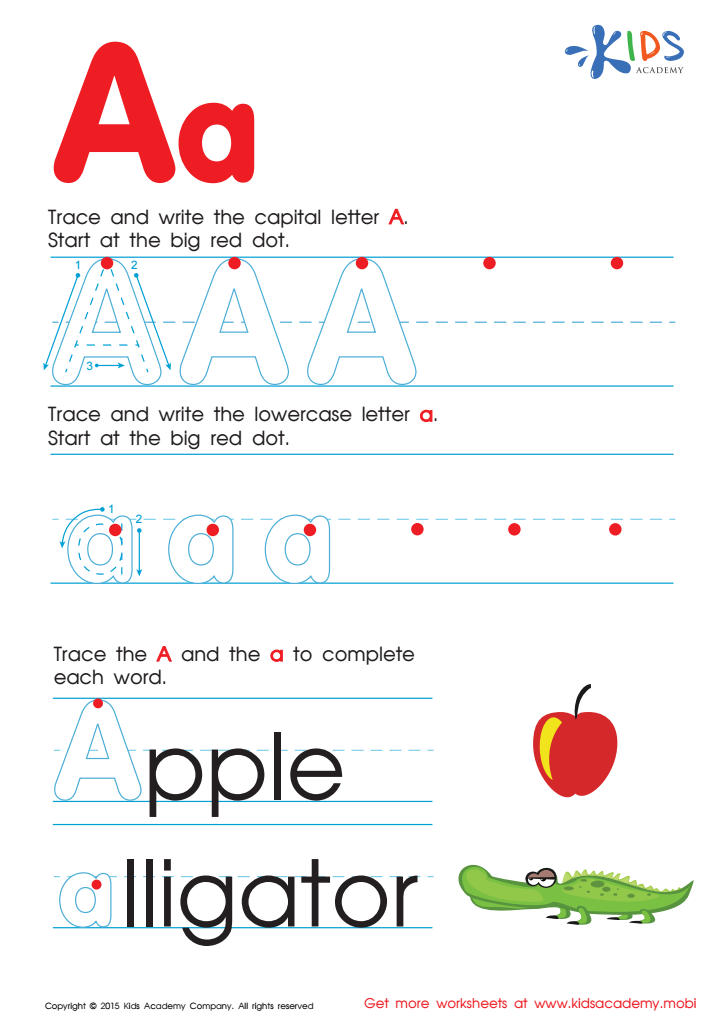
Letter A Tracing Page
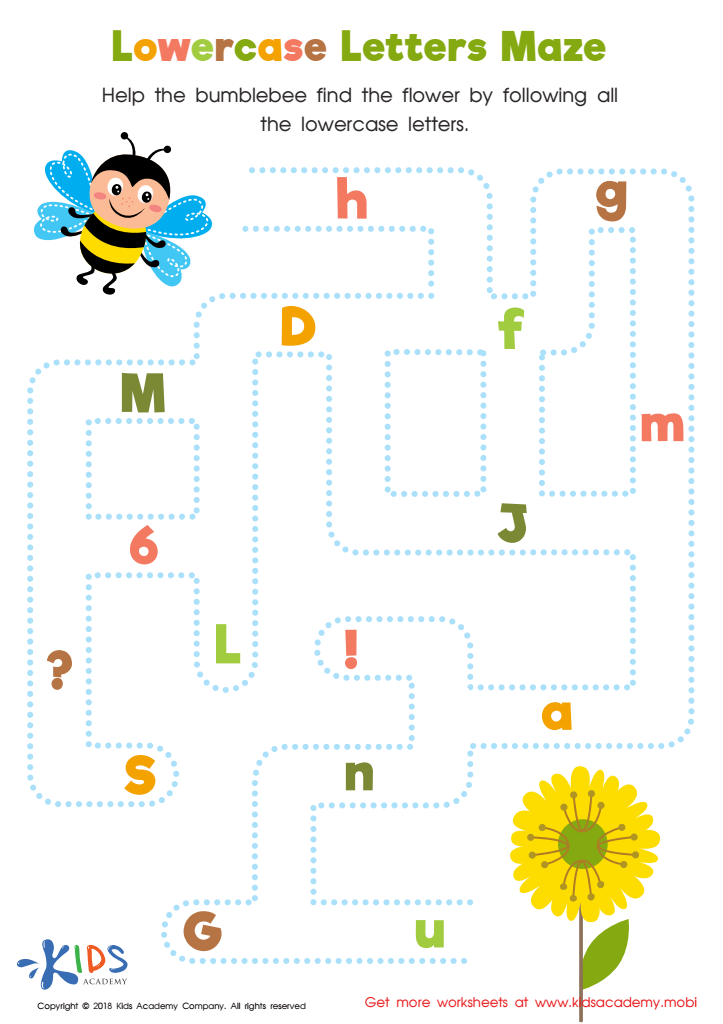
Lowercase Letters Maze Worksheet
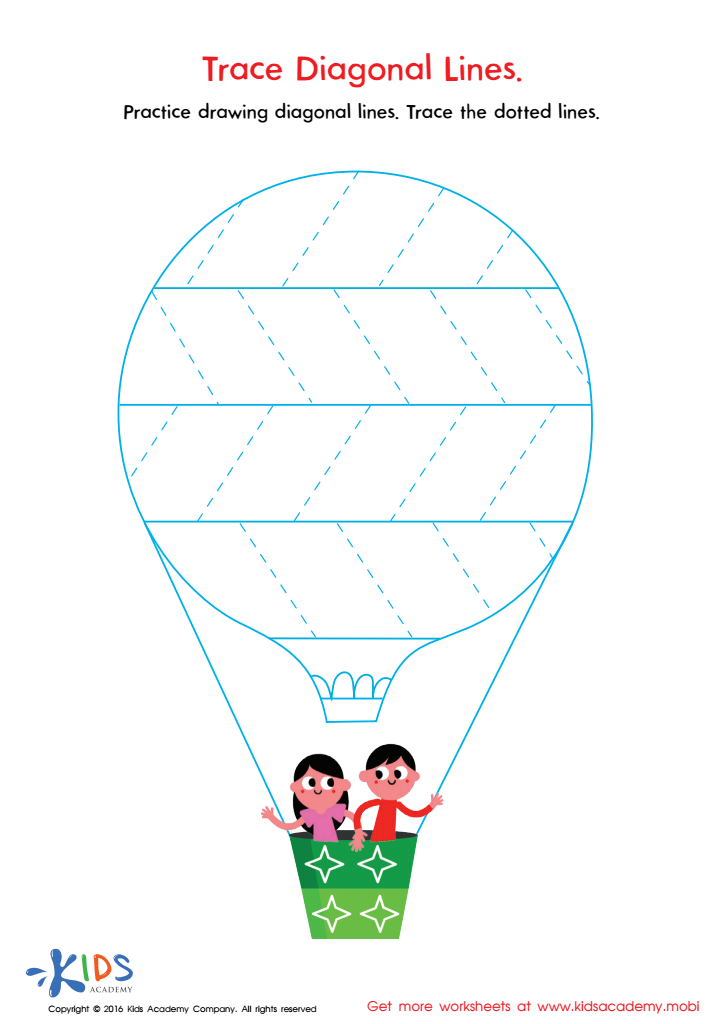
Trace Diagonal Lines Worksheet
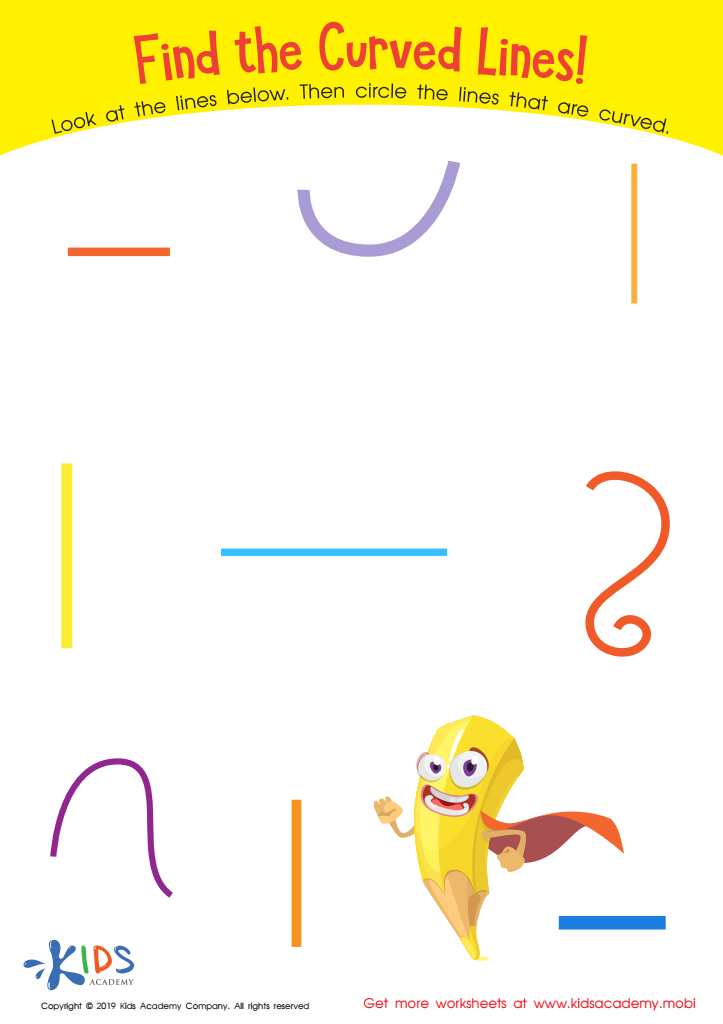
Find the Curved Lines! Worksheet
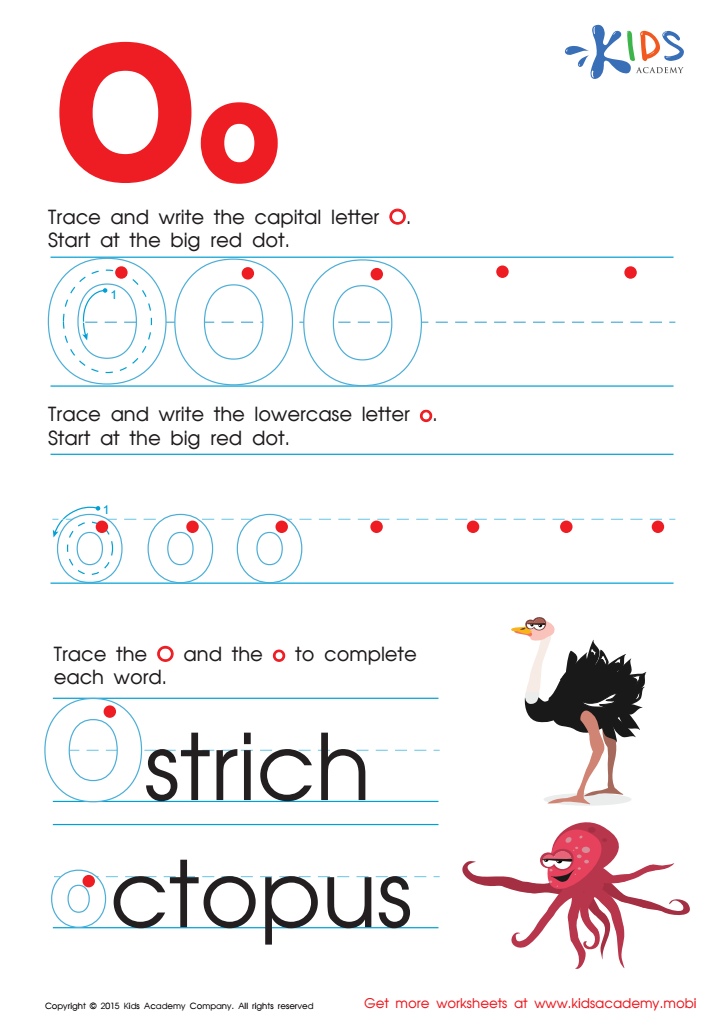
Letter O Tracing Page

Find Lowercase Letters g h i Worksheet
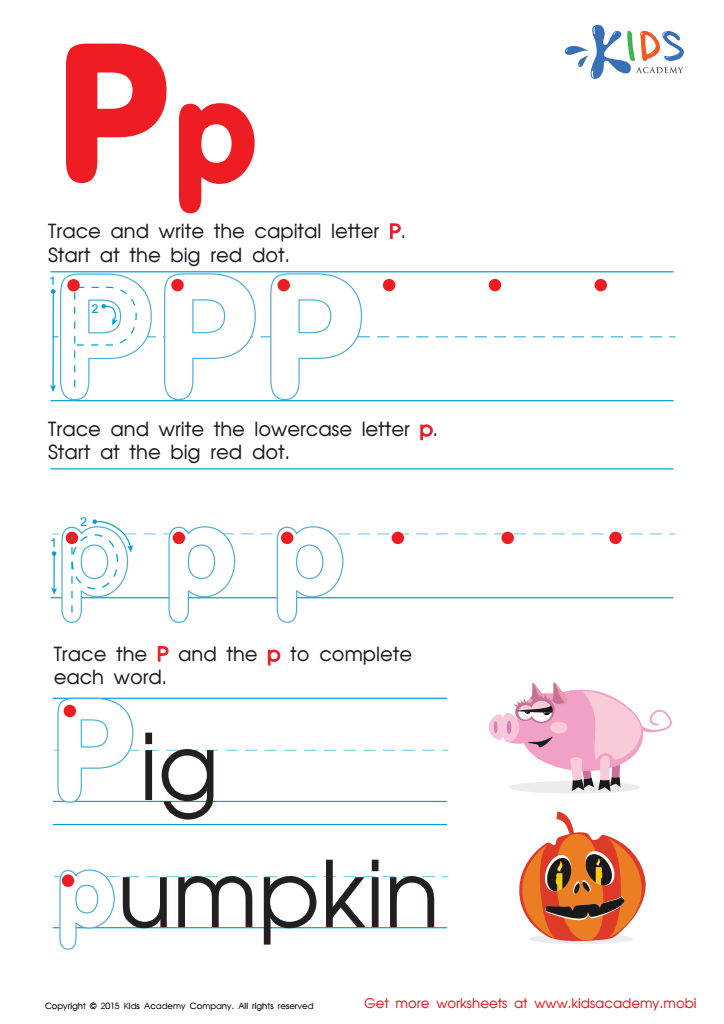
Letter P Tracing Page
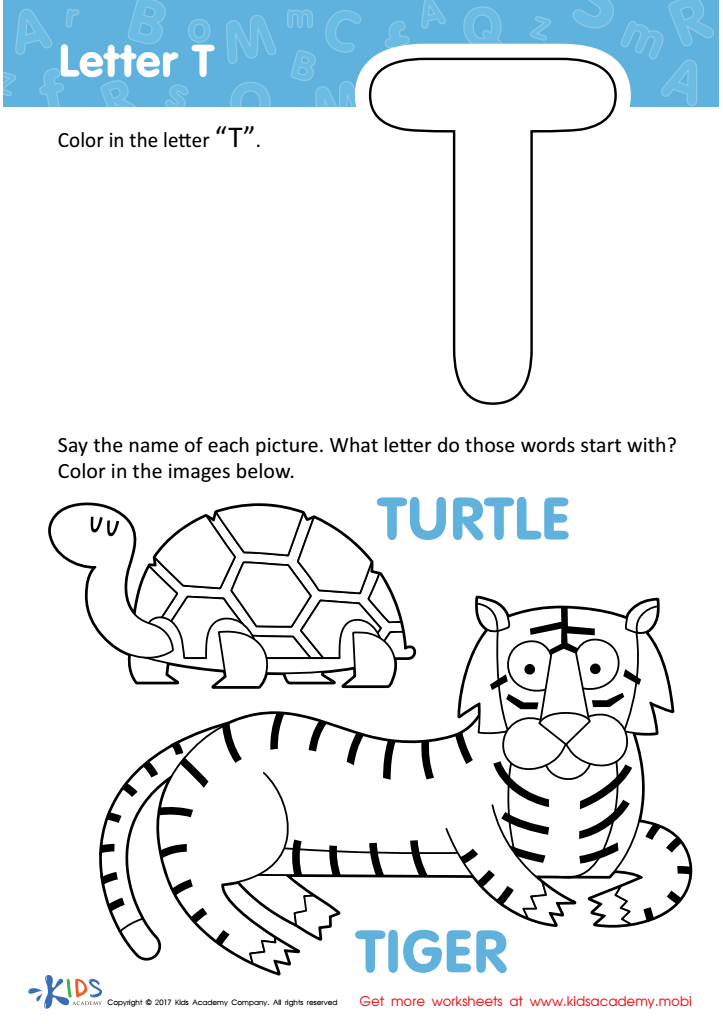
Letter T Coloring Sheet
 Assign to My Students
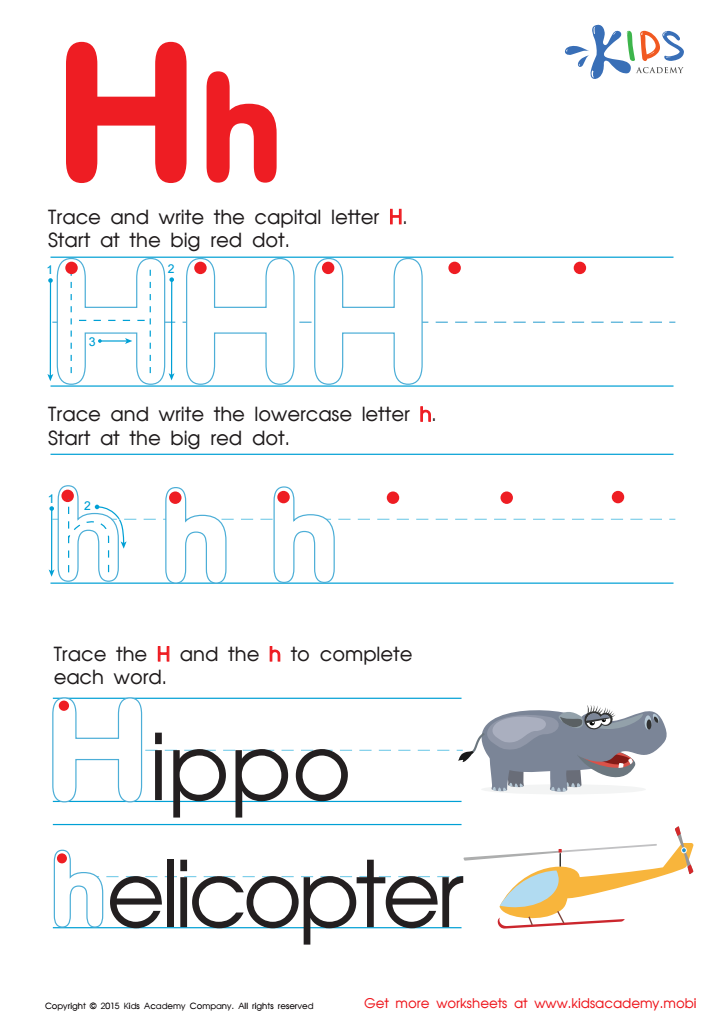
Letter H Tracing Page
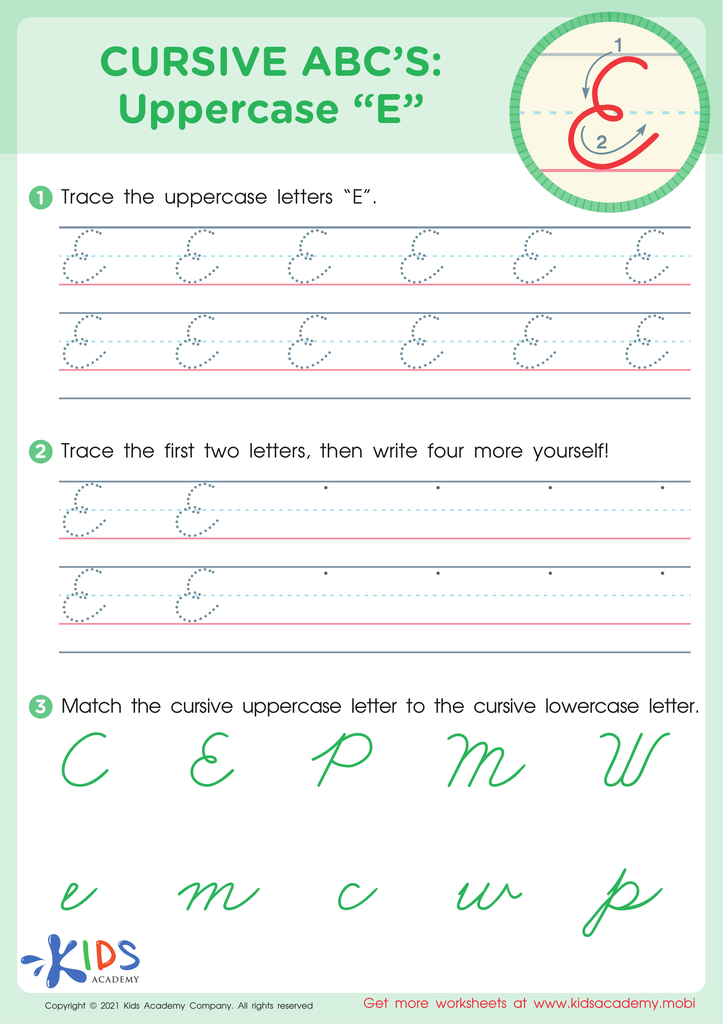
Cursive ABCs: Uppercase E
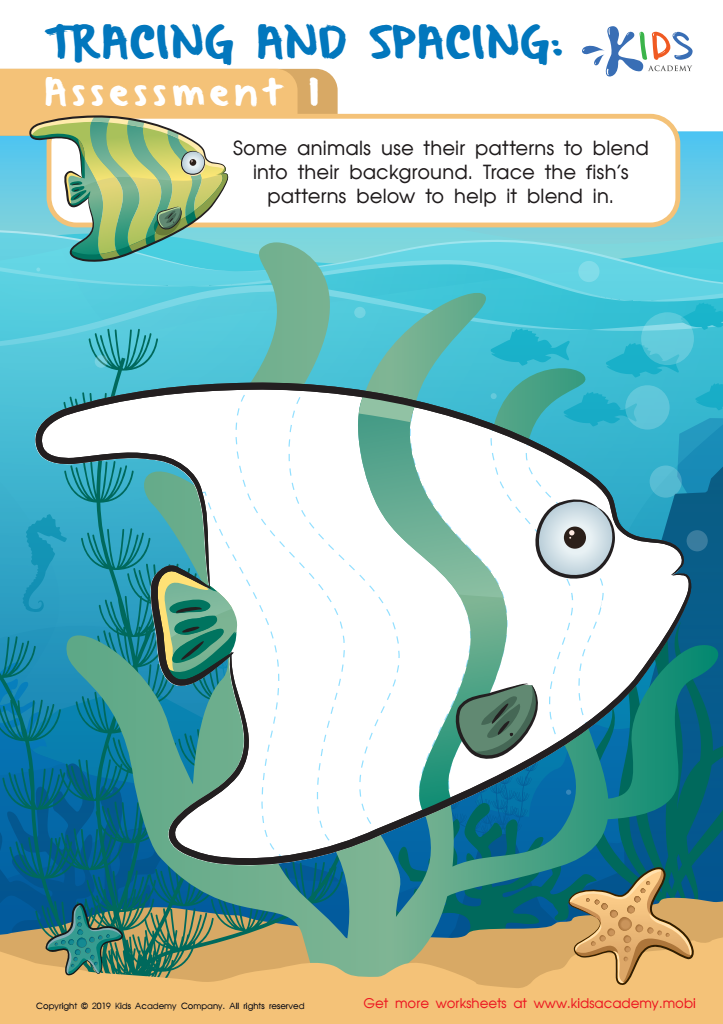
Tracing and Spacing: Assessment 1 Worksheet
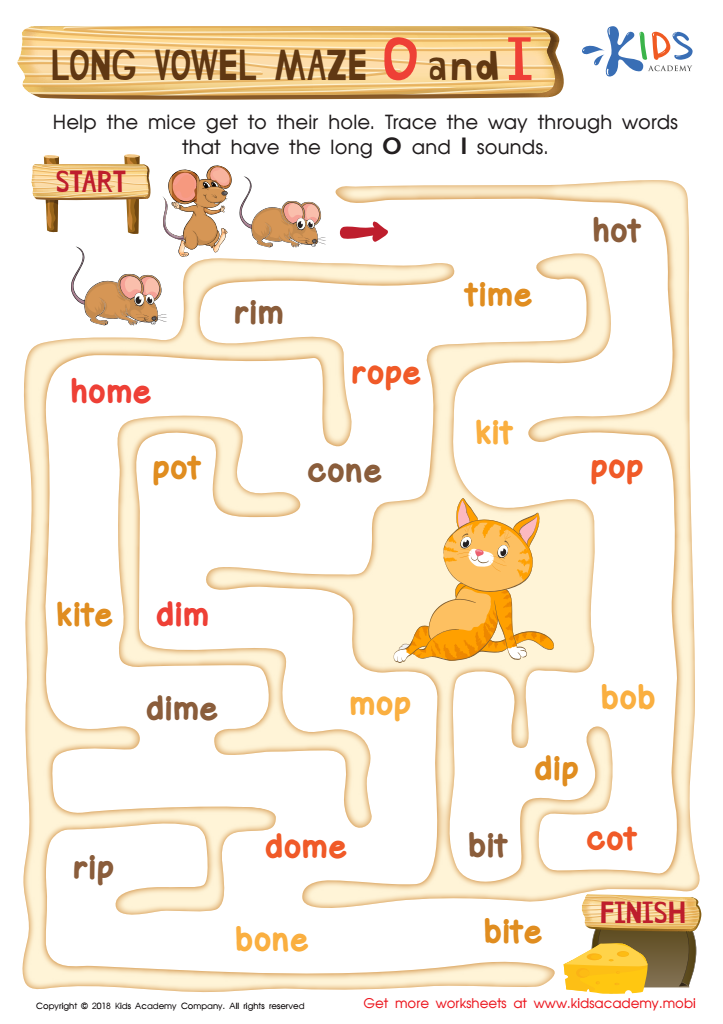
Long Vowel Maze /o/ and /i/ Worksheet
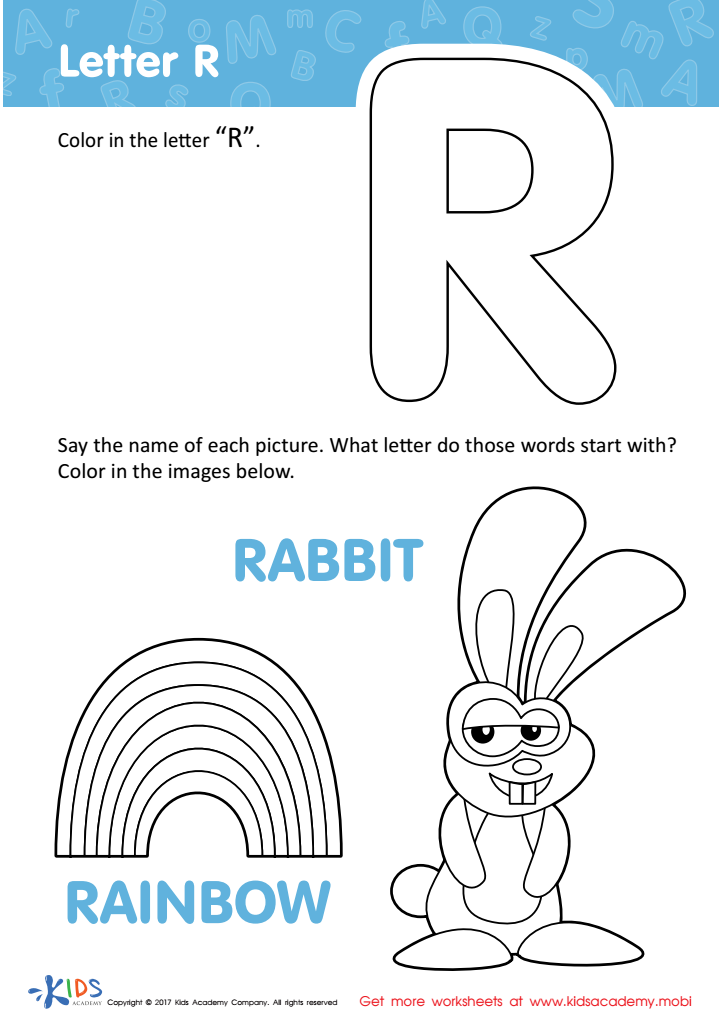
Letter R Coloring Sheet
Assign to My Students
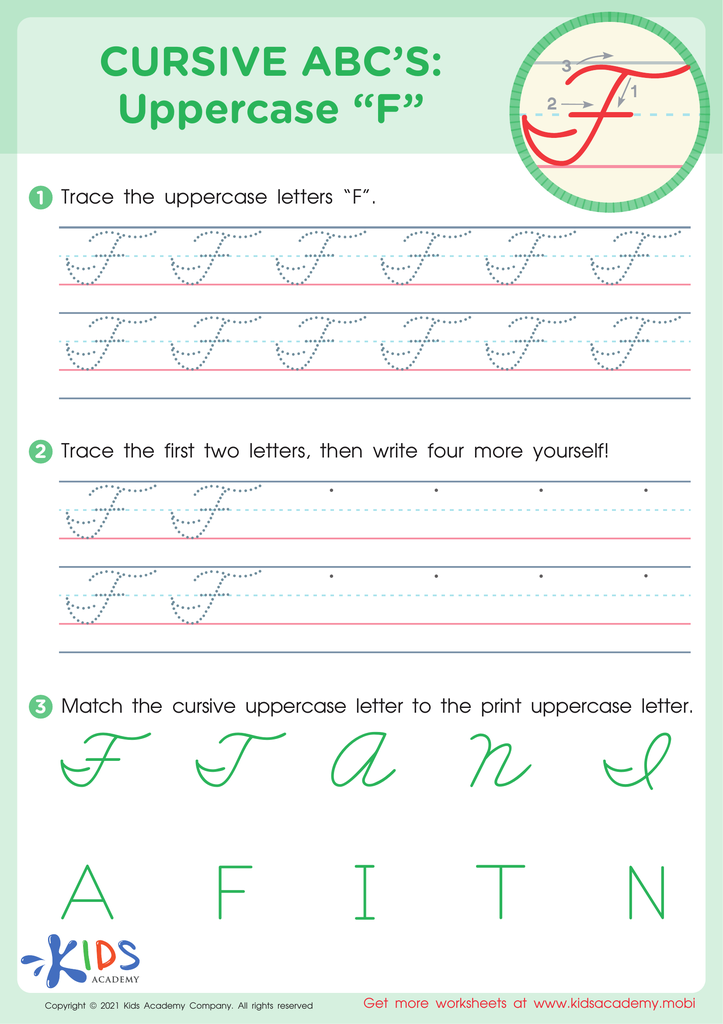
Cursive ABCs: Uppercase F
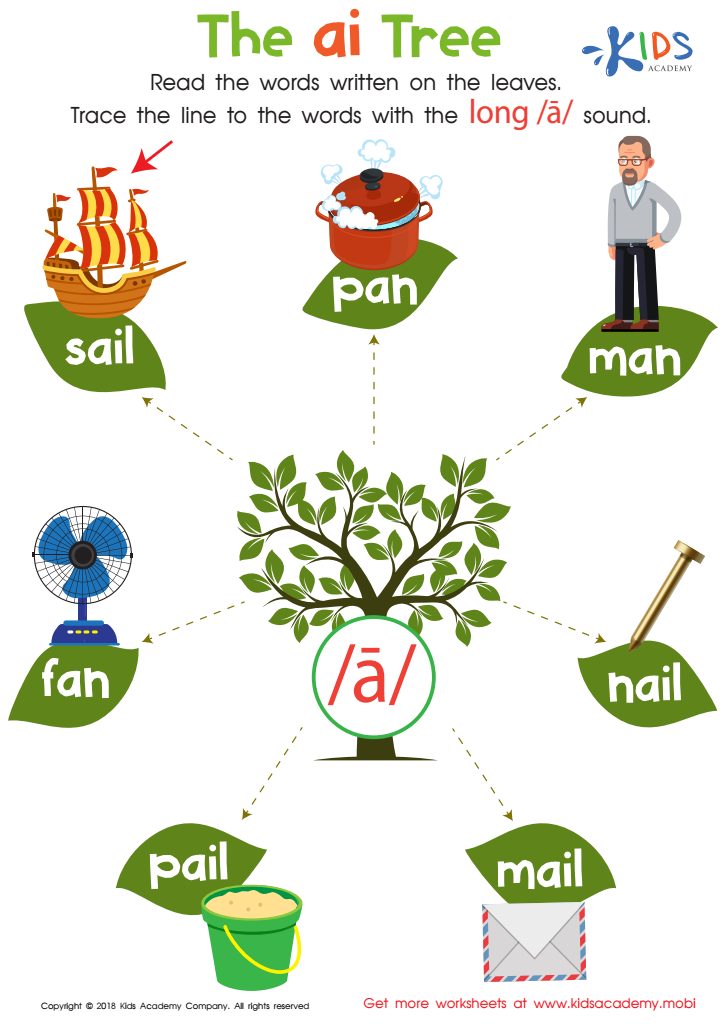
The AI Tree Worksheet
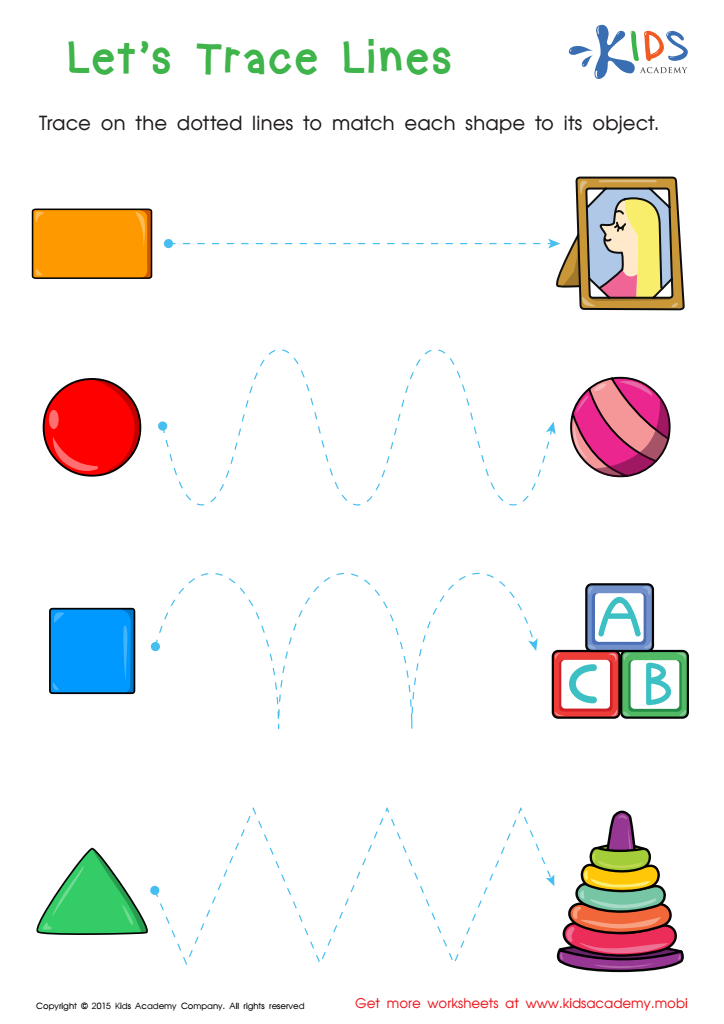
First Words: Let's Trace Lines Worksheet

Long and Short U Worksheet
Assign to My Students
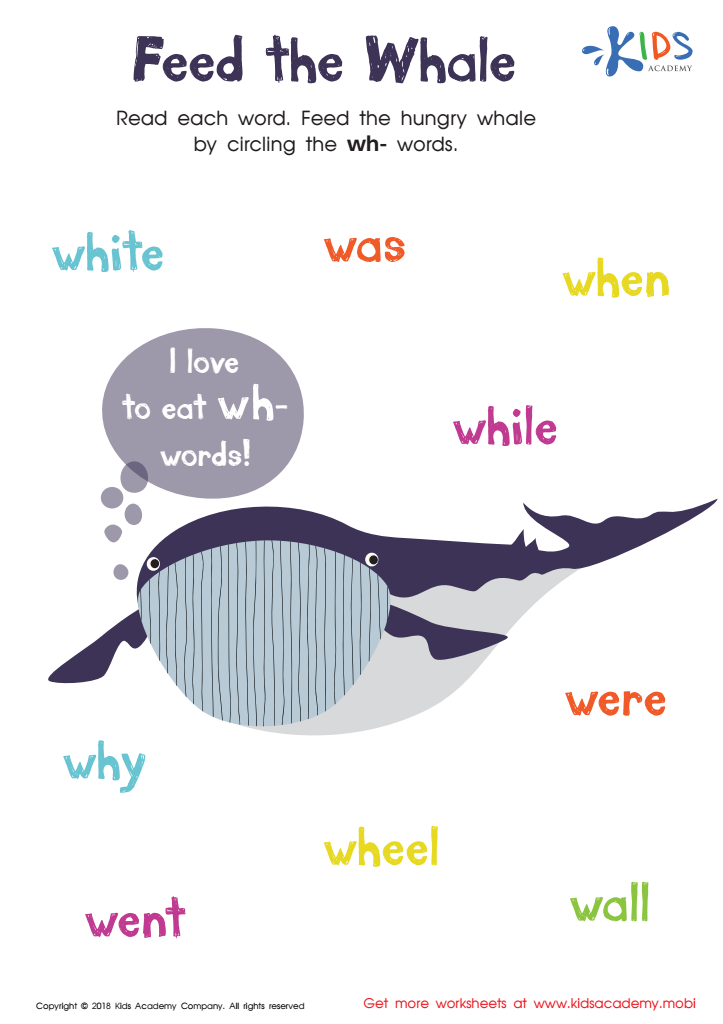
Feed the Whale Worksheet
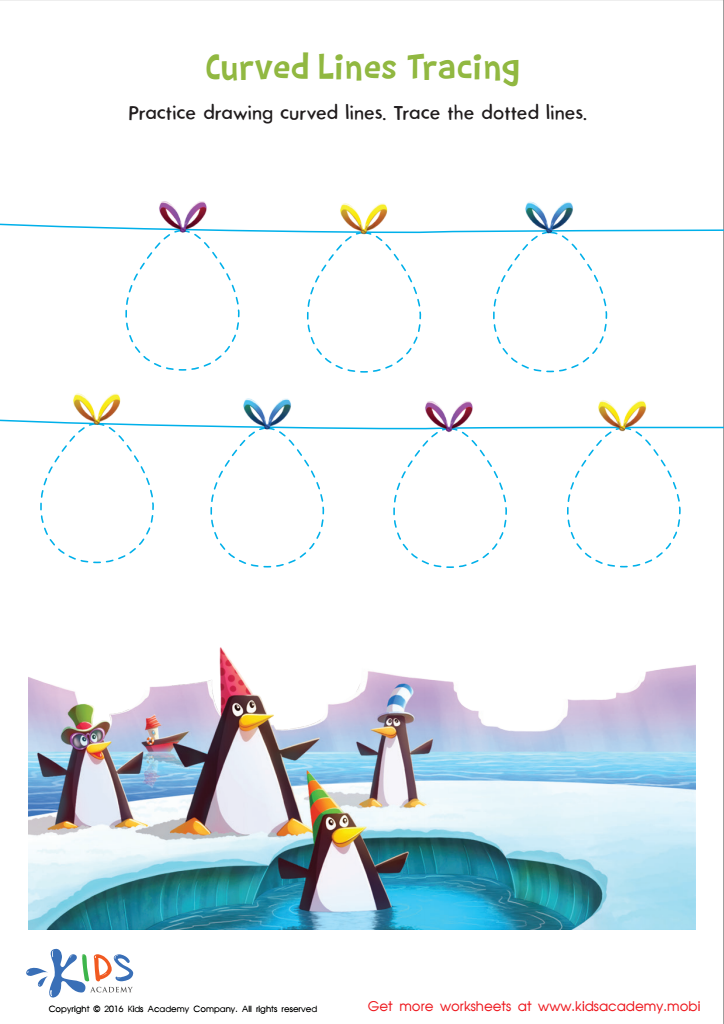
Curved Lines Tracing Worksheet
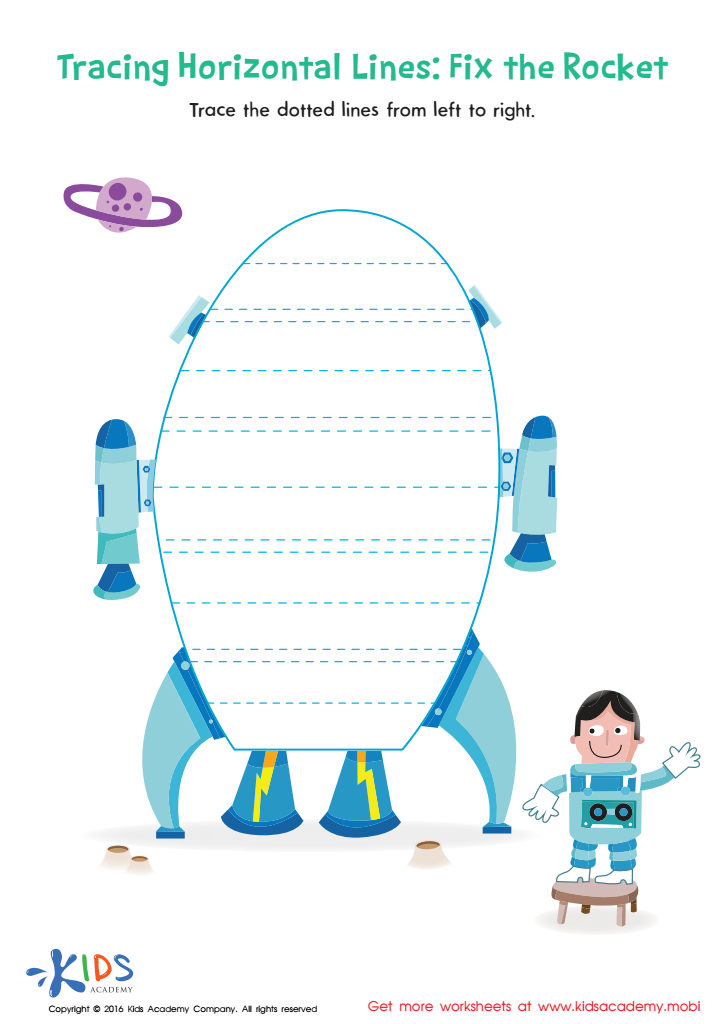
Tracing Horizontal Lines Worksheet
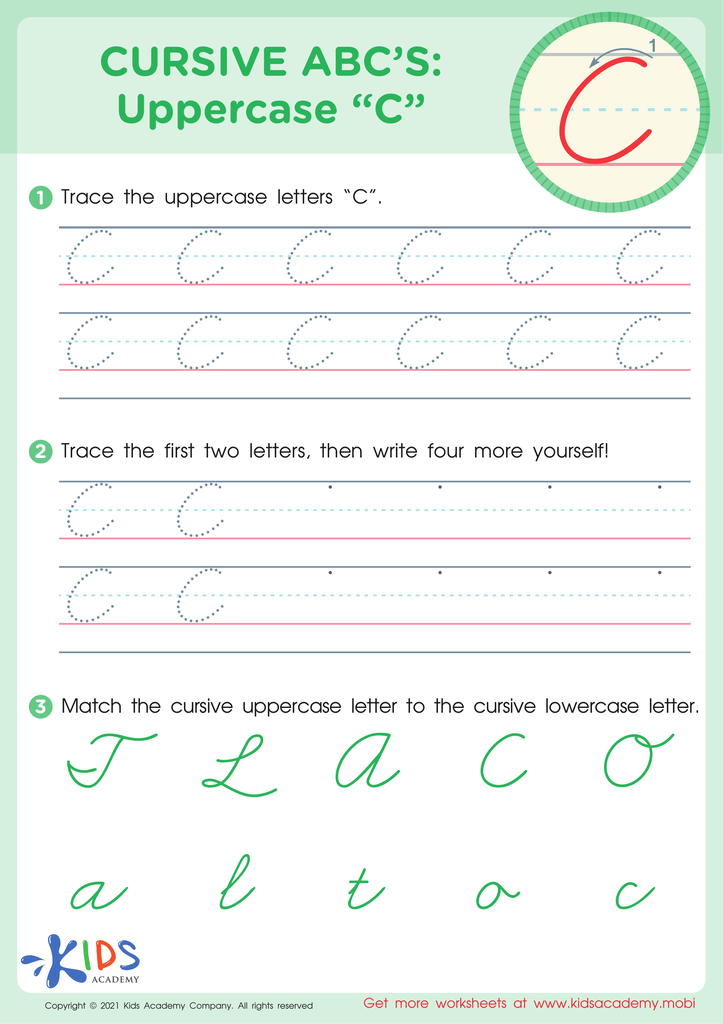
Cursive ABCs: Uppercase C
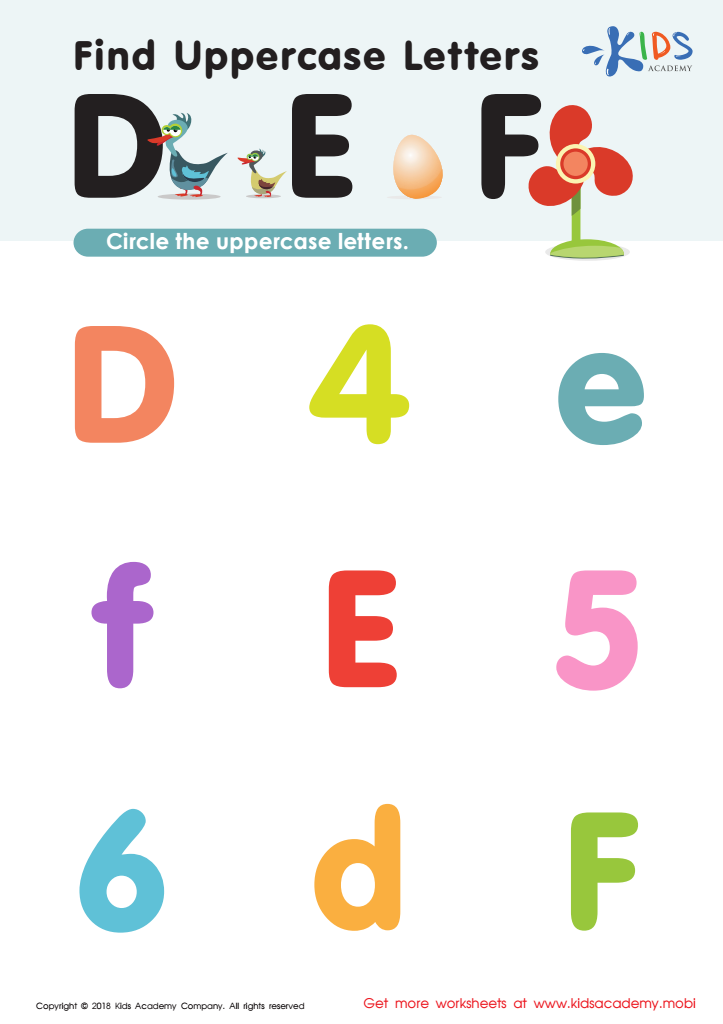
Find Uppercase Letters D, E, and F Worksheet
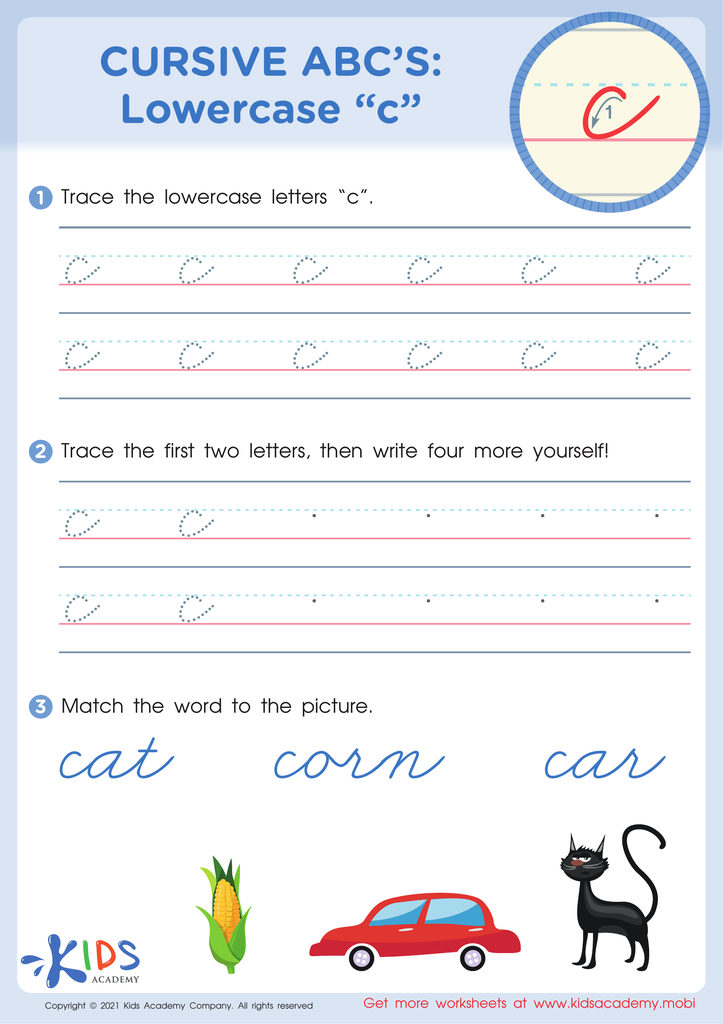
Cursive ABCs: Lowercase c
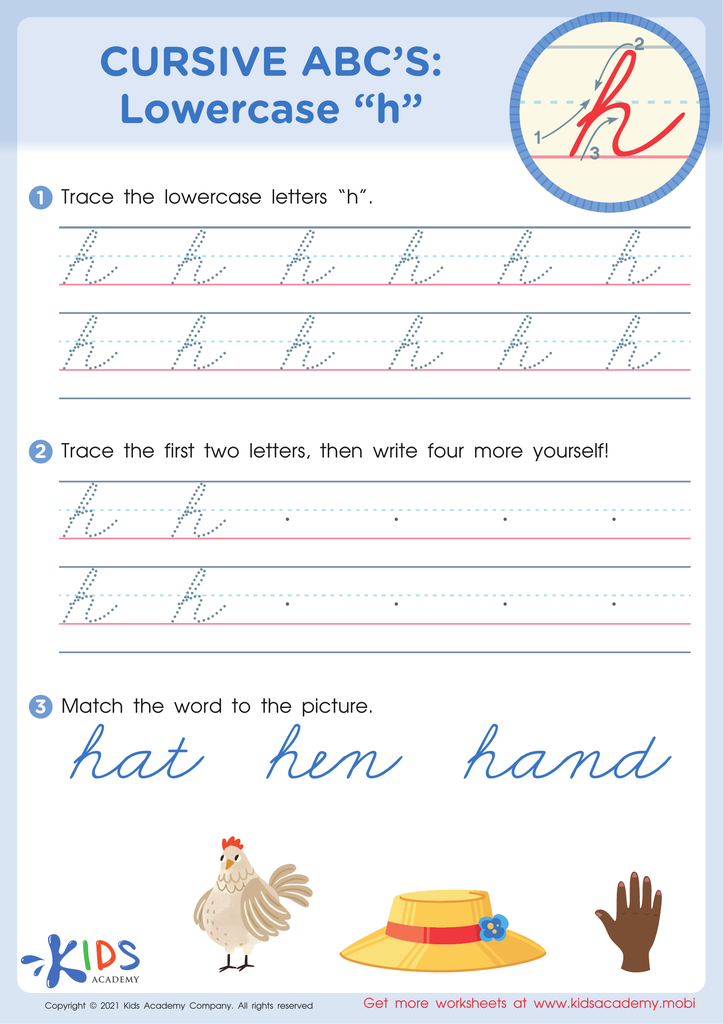
Cursive ABCs: Lowercase h








Hand-eye coordination is a crucial developmental skill for children aged 4-8, significantly impacting their academic and everyday activities. It involves the ability to coordinate visual input with hand movements, essential for tasks like writing, drawing, tying shoelaces, and playing sports. Teaching hand-eye coordination through engaging activities like the Hand-eye Coordination Alphabet can foster motor skills, improve focus, and enhance spatial awareness.
Parents and teachers should emphasize this skill as it contributes to overall cognitive and physical development. For instance, improved hand-eye coordination can lead to better writing abilities, which directly affects a child's literacy and communication skills. Additionally, activities that promote this coordination encourage problem-solving and critical thinking, laying the groundwork for academic success.
Moreover, children learn best when play is integrated into learning. Fun, interactive exercises and games that focus on hand-eye coordination can foster a love for learning and motivate children to practice their skills. As children strengthen these abilities, they also build confidence, making them more willing to tackle new challenges.
Incorporating the Hand-eye Coordination Alphabet into education and home activities not only supports children's physical skills but also enhances their cognitive and emotional development, promoting well-rounded growth during these formative years.







