Sound recognition Alphabet Worksheets for Ages 4-8
14 filtered results
-
From - To
Discover our engaging Sound Recognition Alphabet Worksheets designed specifically for children ages 4-8. These printable resources help young learners master phonemic awareness by connecting sounds with their corresponding letters. Each worksheet features fun activities that encourage children to identify, match, and practice sounds through enjoyable exercises. Your little ones will build essential reading and listening skills while exploring letters, sounds, and words in a fun and interactive way. Ideal for both classroom and home learning, our worksheets support early literacy development and foster a love for reading. Start your child's educational journey on the right note with our sound recognition worksheets today!
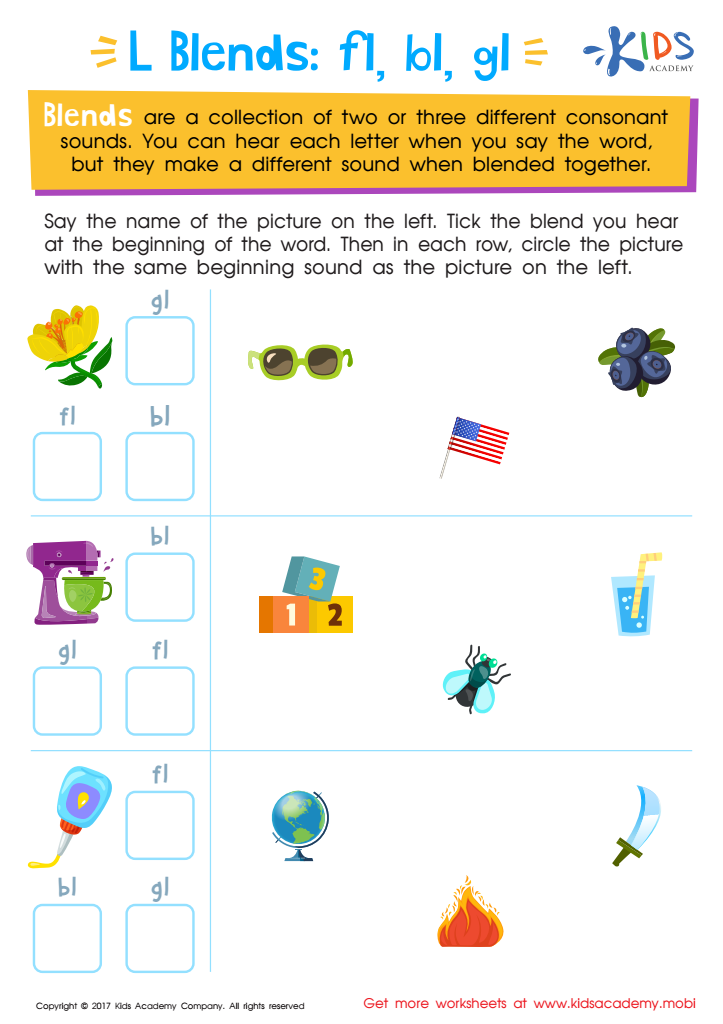
Blending Consonants: "Fl", "Bl" and "Gl" Printable
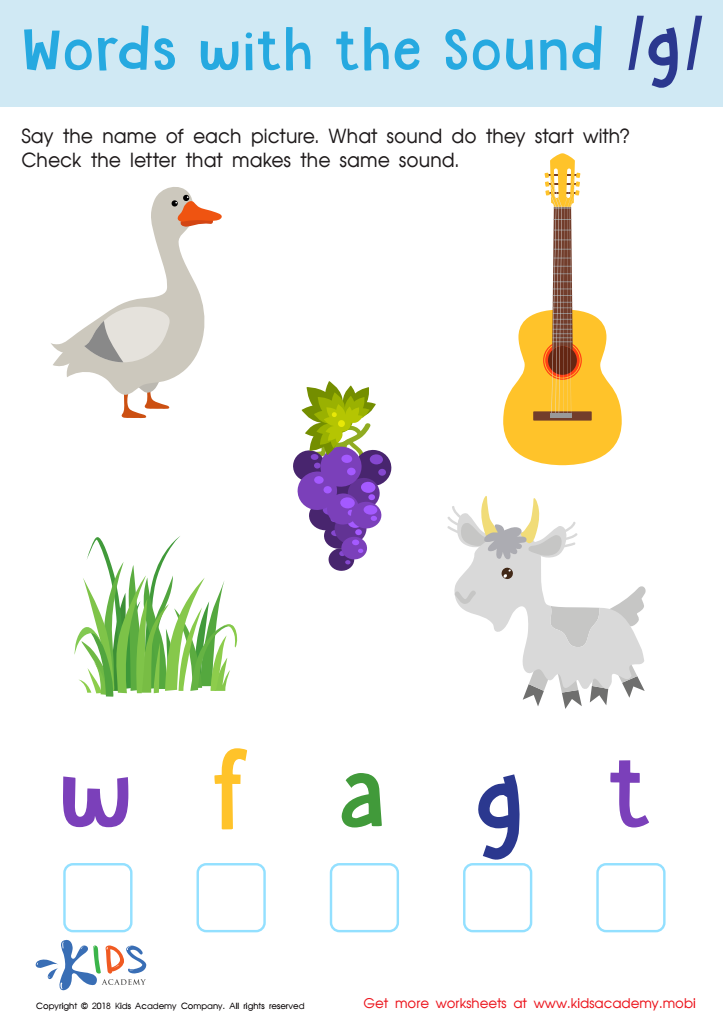
Words with sound g Reading Worksheet
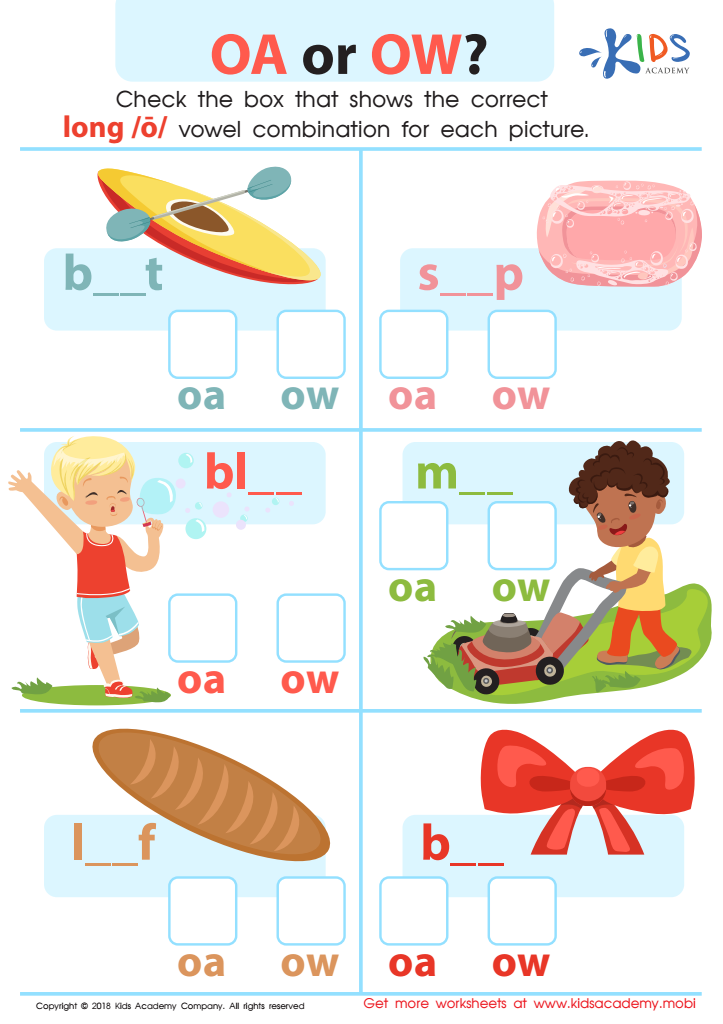
Reading: OA or OW Worksheet
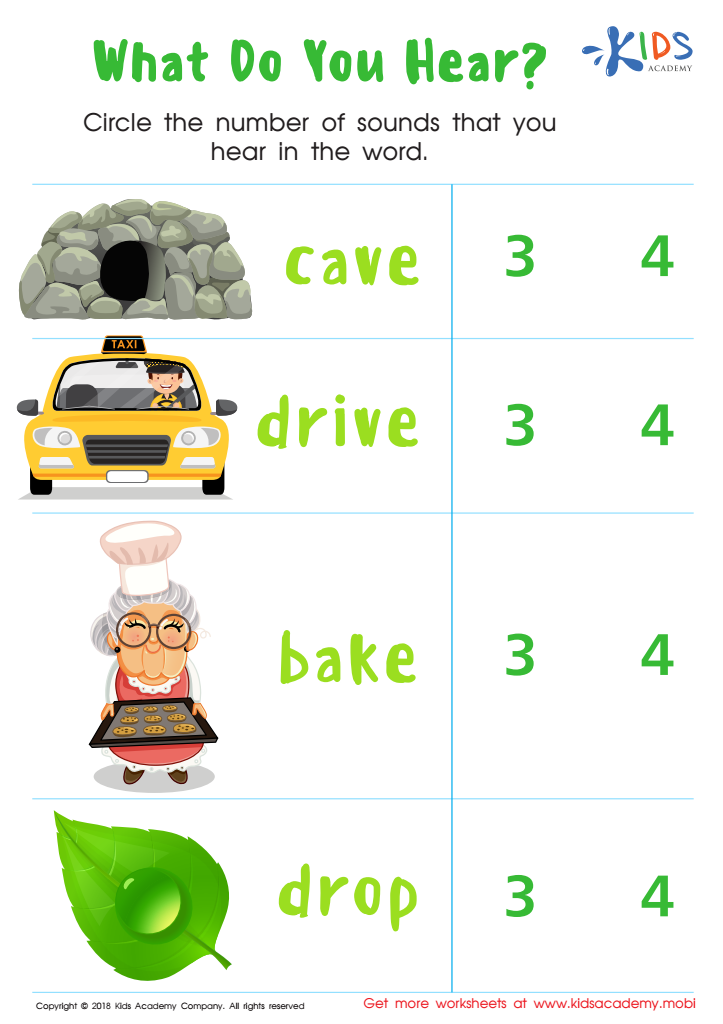
What Do You Hear? Worksheet
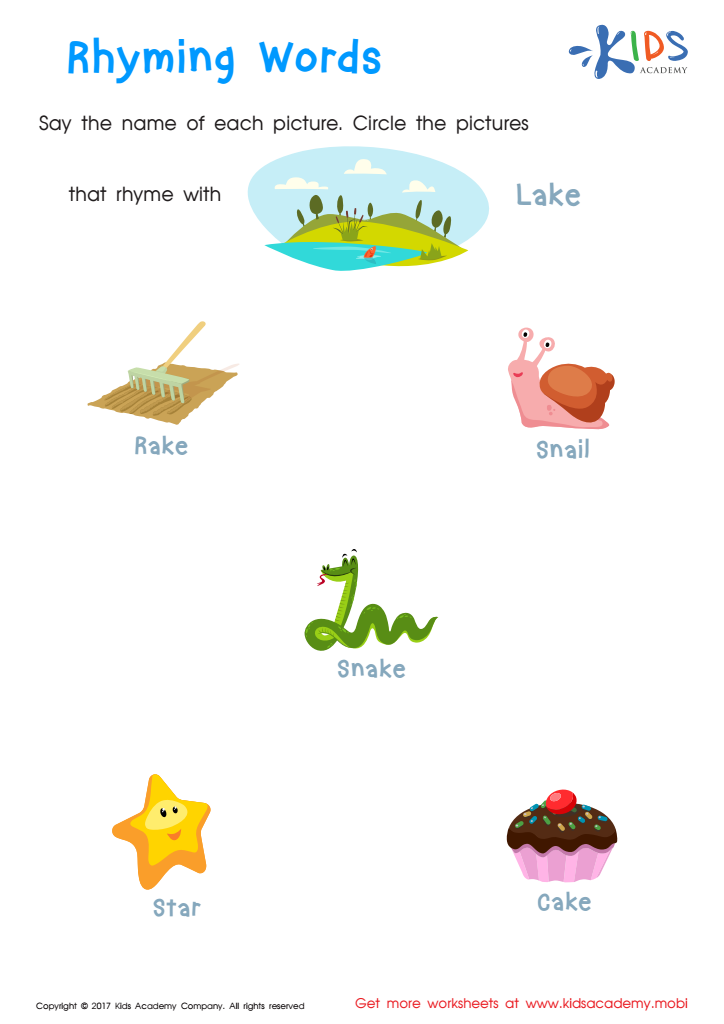
Rhyming Words Rhyming Worksheet
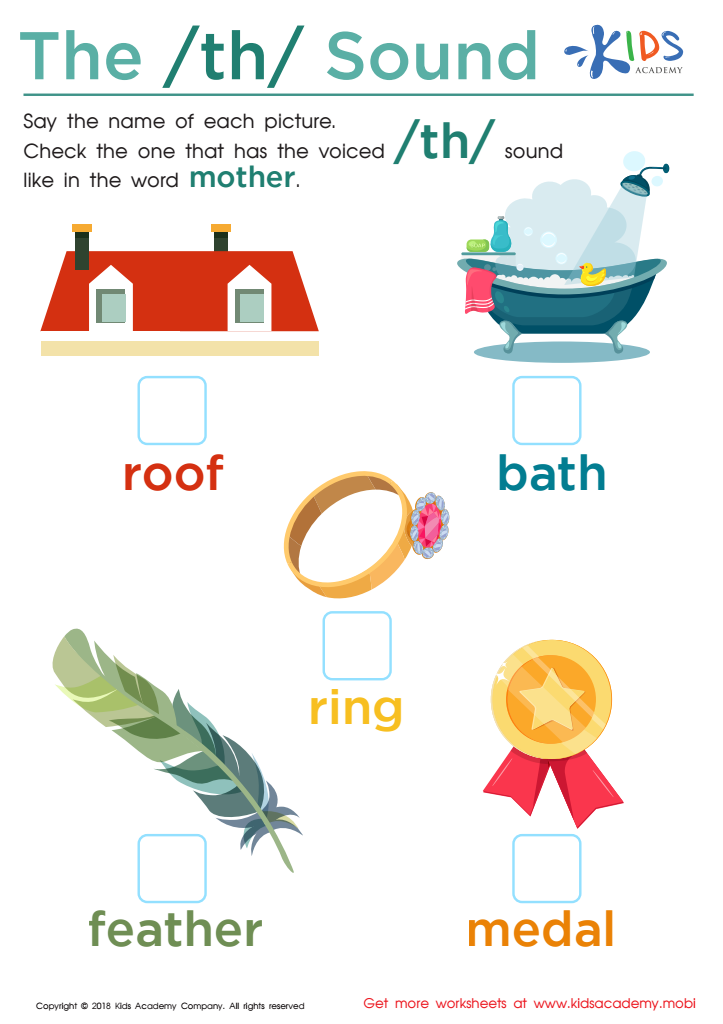
The /th/ Sound Worksheet
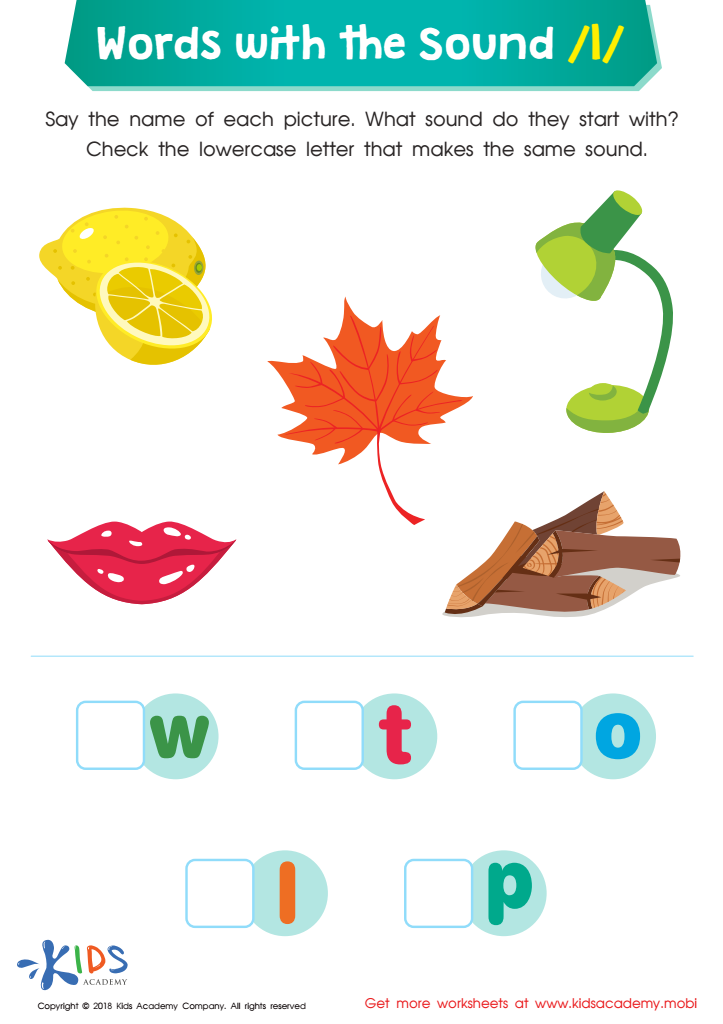
Words with Sound L Reading Worksheet
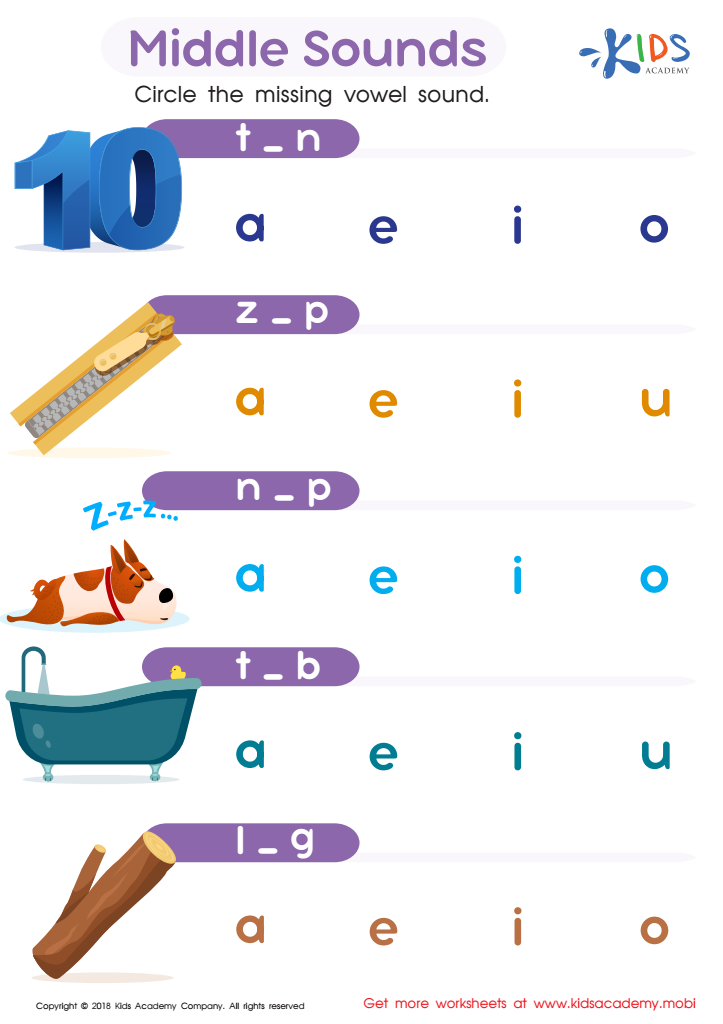
Middle Sounds Worksheet

Long and Short U Worksheet
 Assign to My Students

First Words: Picture Rhymes Worksheet
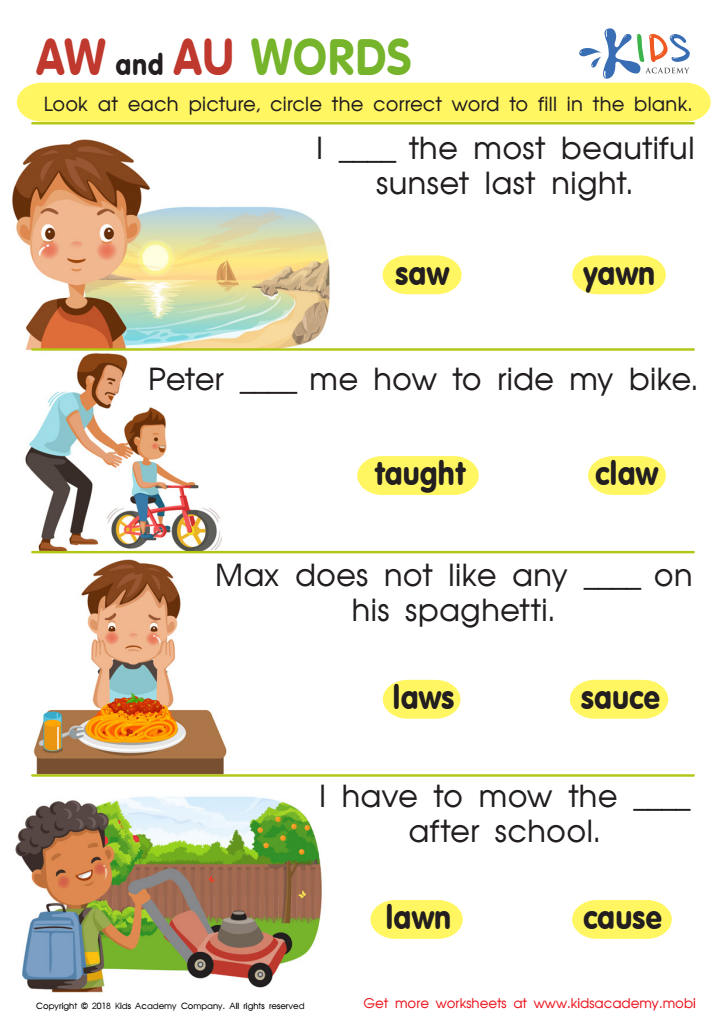
Reading: AW and AU Words Worksheet
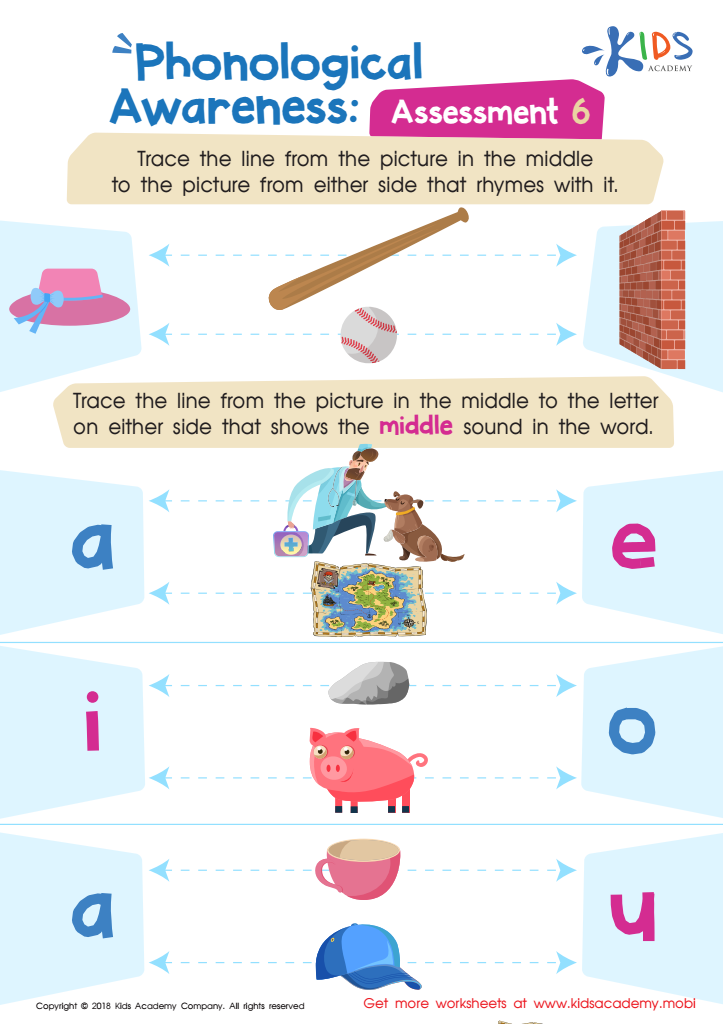
Phonological Awareness: Assessment 6 Worksheet
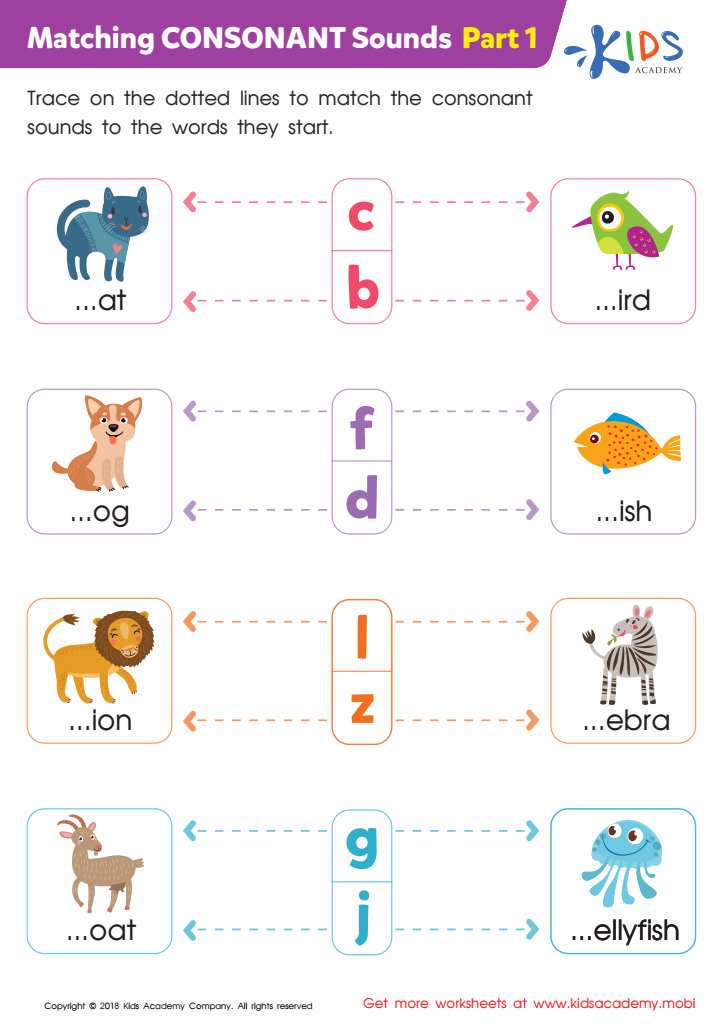
Matching Consonant Sounds: Part 1 Worksheet
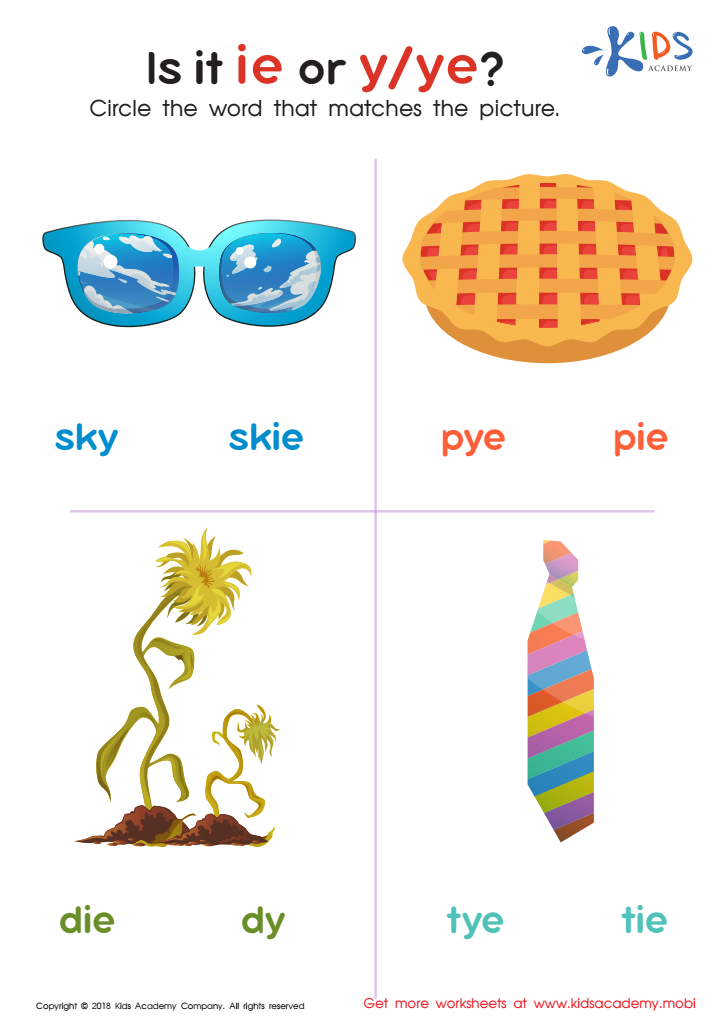
Is It IE or Y/Ye? Worksheet




.jpg)


Sound recognition is a critical foundational skill for children aged 4-8, as it directly influences their literacy development. Understanding that letters correspond to specific sounds is essential for reading and writing. When parents and teachers encourage sound recognition through the alphabet, they foster phonemic awareness, which helps children to decode words, comprehend text, and ultimately become fluent readers.
Incorporating sound recognition into early education also sharpens listening skills. Children learn to distinguish between various sounds, leading to better communication abilities and language development. This skill is not just vital for classroom success; it also enhances cognitive skills as children start identifying patterns and making connections between sounds and meaning.
Moreover, sound recognition activities can be engaging and fun, incorporating music, games, and interactive play. These methods keep children motivated and foster a love for learning. When parents and teachers take an active role in reinforcing sound recognition, they not only support children in their academic journeys but also lay the groundwork for lifelong literacy skills. Emphasizing the importance of sound recognition in literacy ultimately builds children's confidence and desire to explore written words, making the early years a crucial time for development.







