Vowels and Consonants Worksheets for Ages 4-8 - Page 2
29 filtered results
-
From - To
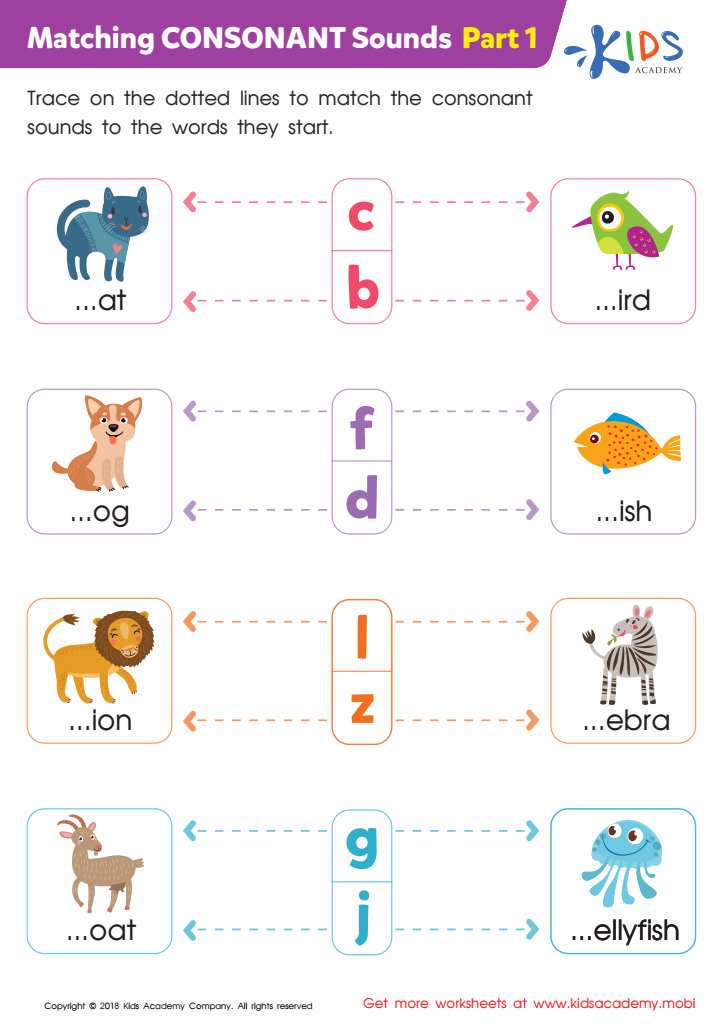
Matching Consonant Sounds: Part 1 Worksheet
 Assign to My Students
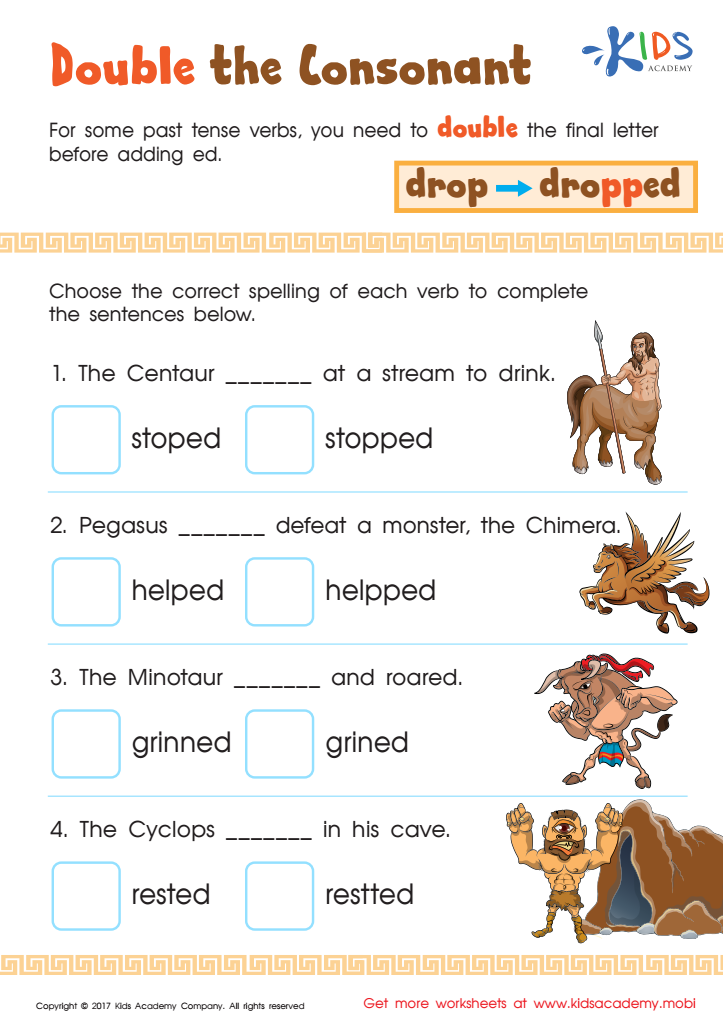
Double Consonant Spelling Worksheet
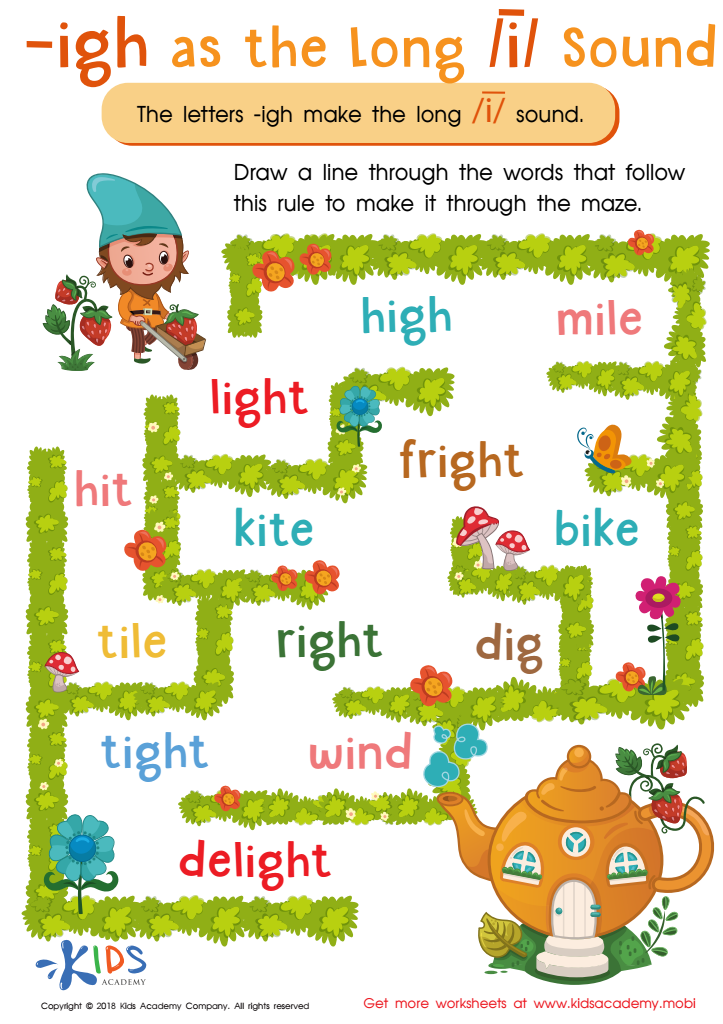
Reading: IGH as Long I Worksheet
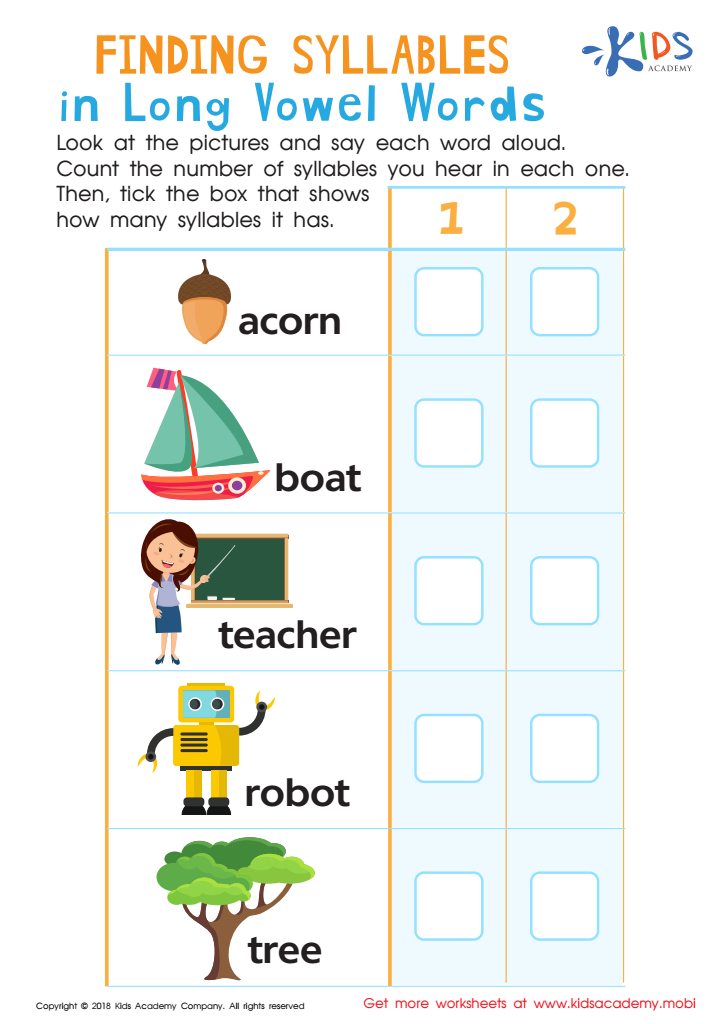
Finding Syllables in Long Vowel Words Worksheet
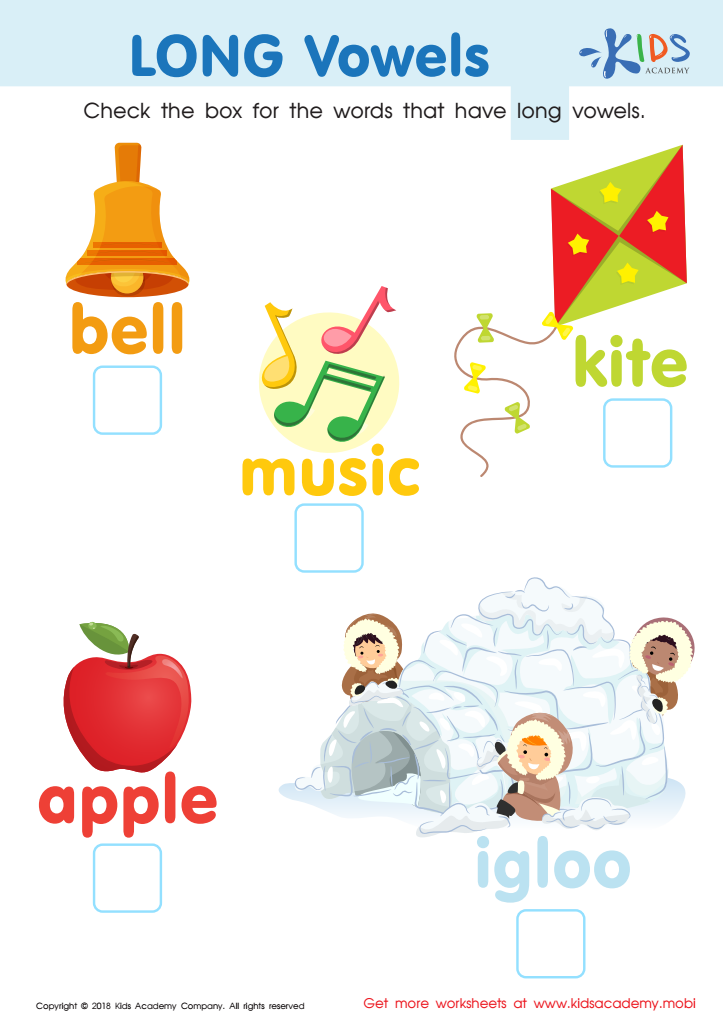
long vowels Worksheet



Understanding vowels and consonants is crucial for children aged 4-8 because these are the foundational elements of language and literacy. At this age, children are typically beginning to learn how to read and write, and a strong grasp of vowels and consonants sets the stage for future learning.
First, vowels and consonants form the basic building blocks of words. Recognizing the difference between them helps children decode and sound out words, which is an essential skill for reading. For example, knowing that vowels often form the "heart" of syllables assists children in breaking words down into manageable parts. This prevents guesswork and builds phonemic awareness, which is critical for reading fluency and comprehension.
Second, a solid understanding of these elements aids spelling and writing. Familiarity with how vowels and consonants interact allows children to apply spelling rules, such as vowel-consonant patterns, more effectively. This reduces reliance on rote memorization and encourages logical thinking.
Finally, early literacy skills are closely tied to overall academic achievement. Children who read well generally perform better in other subjects. By focusing on vowels and consonants, parents and teachers provide children with tools that unlock the joy and importance of language, setting them up for lifelong learning and success. Investing effort in this area pays immense dividends in a child's educational journey.







