Color recognition Vocabulary Coloring Pages Worksheets for Ages 4-8
8 filtered results
-
From - To
Explore our "Color Recognition Vocabulary Coloring Pages Worksheets" tailored for ages 4-8! These engaging resources blend fun and learning, helping young learners identify and understand colors through delightful illustrations. Each coloring page presents colorful objects paired with vocabulary words, fostering language development alongside color recognition. Ideal for classrooms or at-home learning, these worksheets encourage creativity while enhancing cognitive skills. Perfect for enhancing fine motor skills, these activities keep children entertained as they explore the vibrant world of colors. Download now to empower your child's educational journey with exciting, interactive coloring experiences that make learning a colorful adventure!
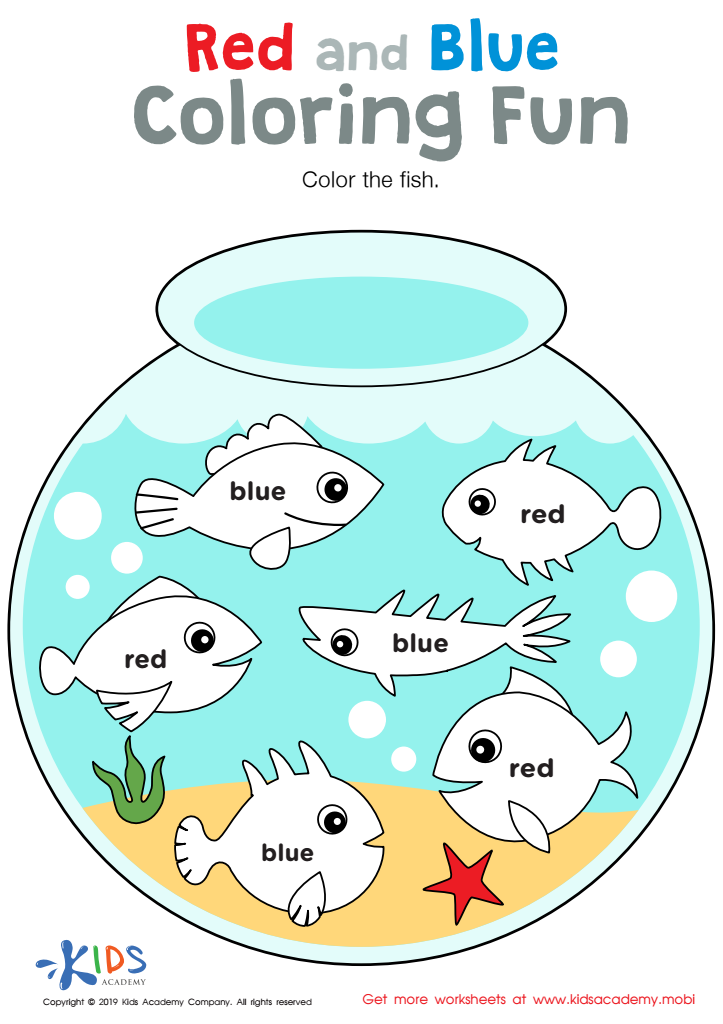
Red and Blue Coloring Fun Worksheet
 Assign to My Students
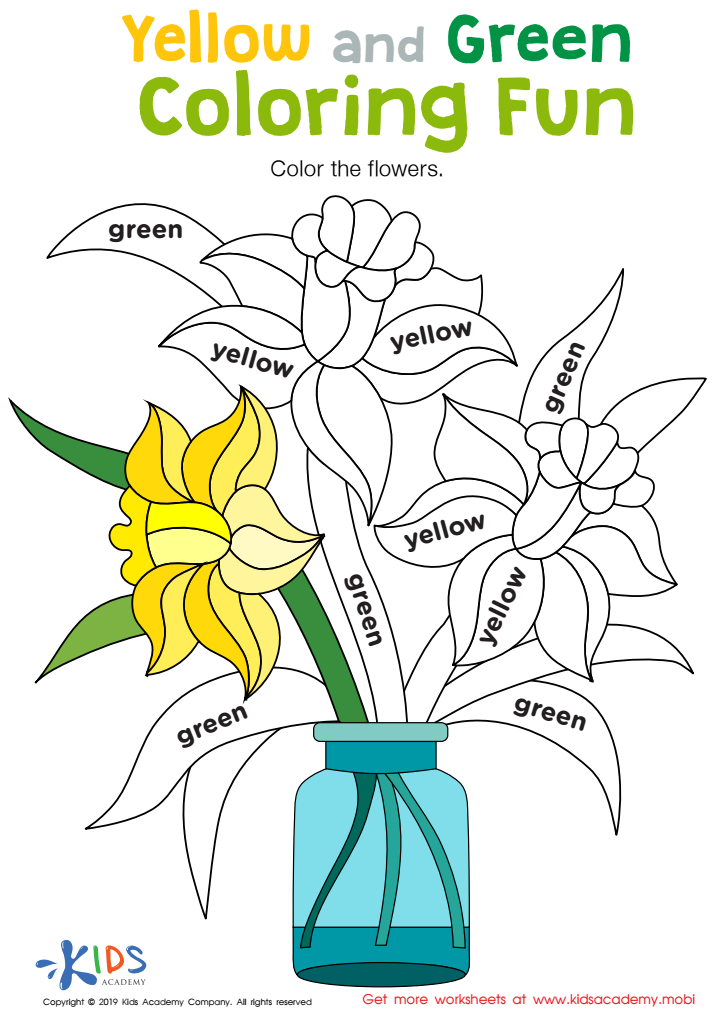
Yellow and Green Coloring Fun Worksheet
Assign to My Students
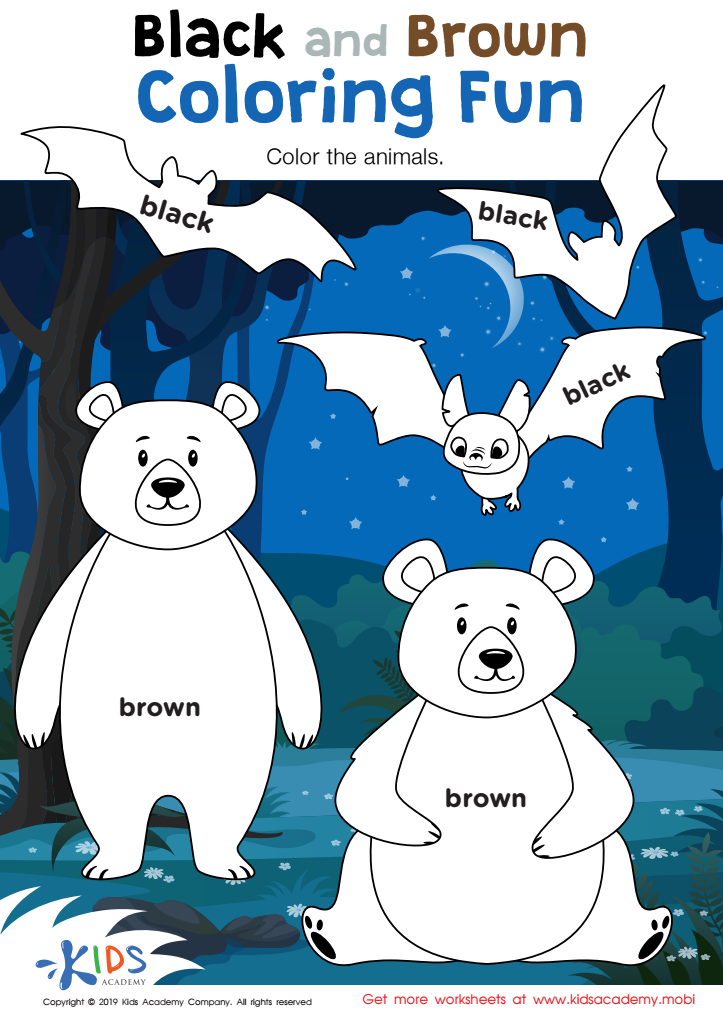
Black and Brown Coloring Fun Worksheet
Assign to My Students
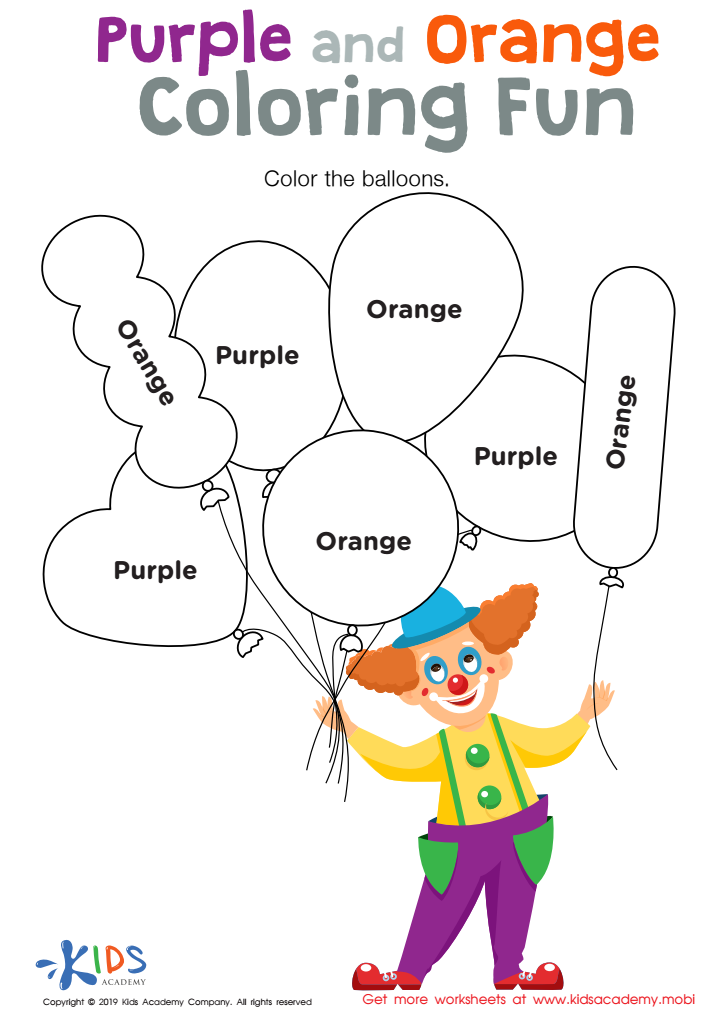
Purple and Orange Coloring Fun Worksheet
Assign to My Students
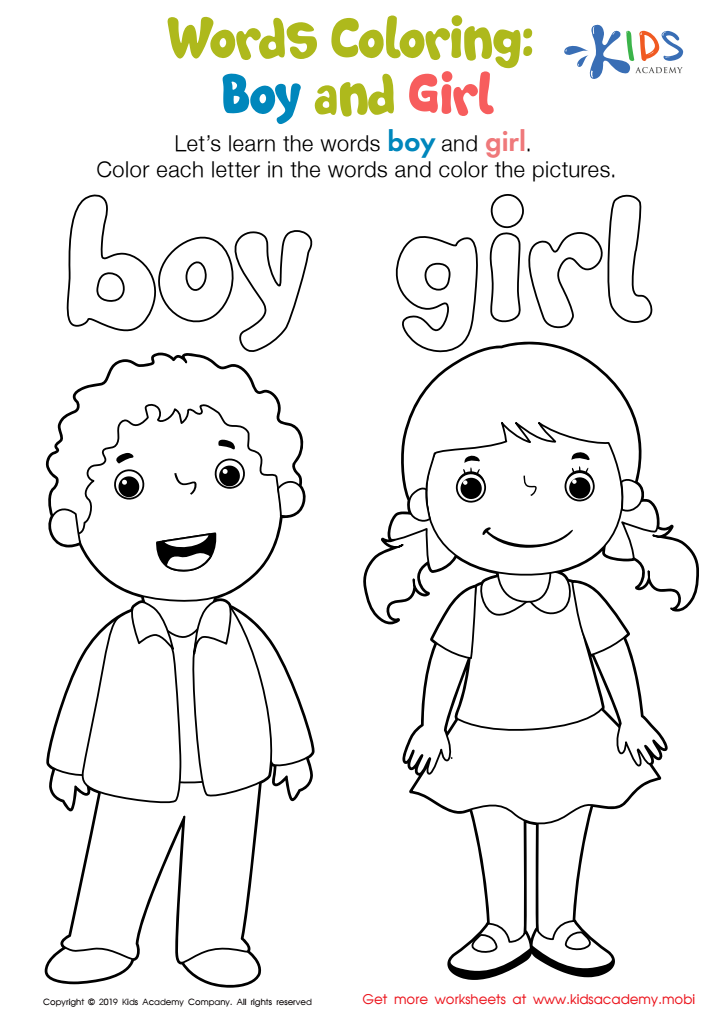
Boy and Girl Words Coloring Worksheet
Assign to My Students
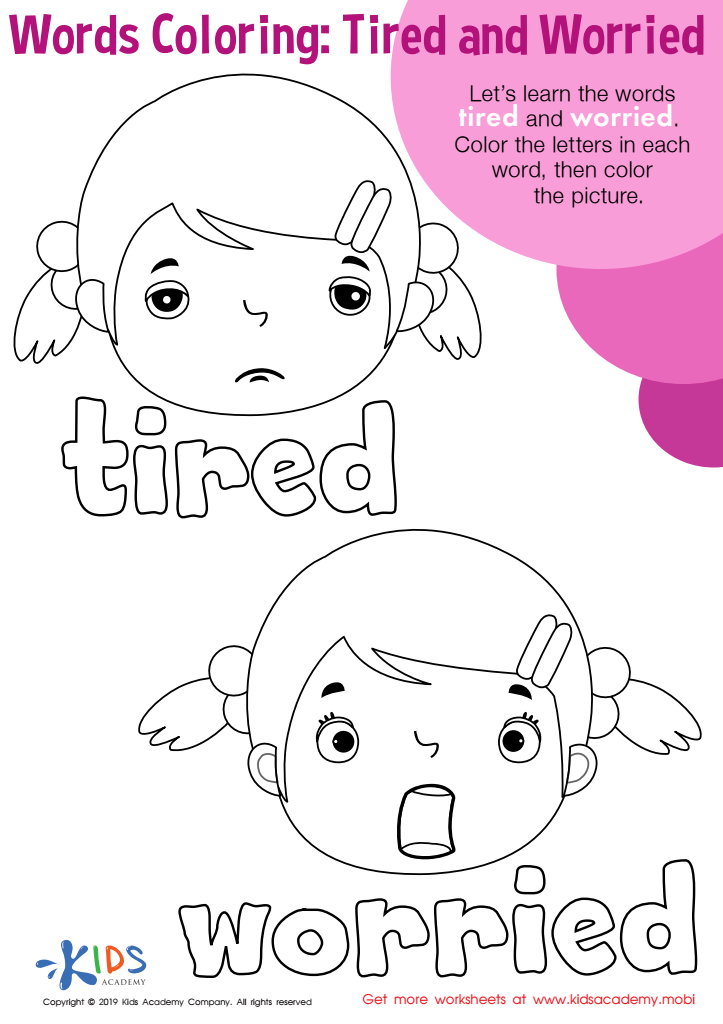
Tired and Worried Words Coloring Worksheet
Assign to My Students
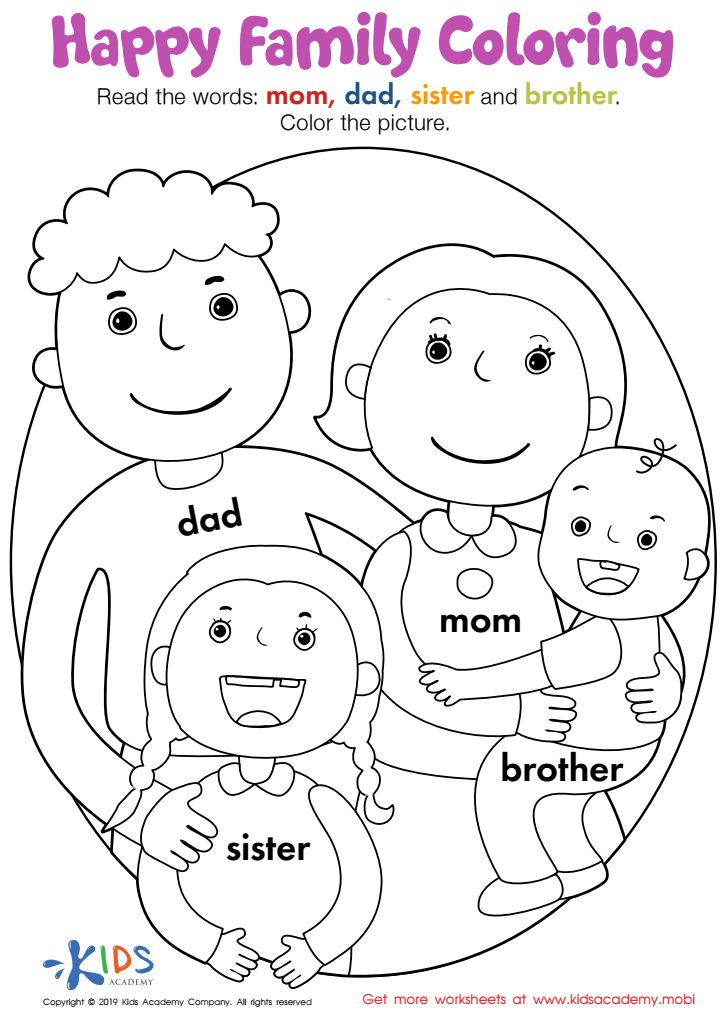
Happy Family Coloring Worksheet
Assign to My Students
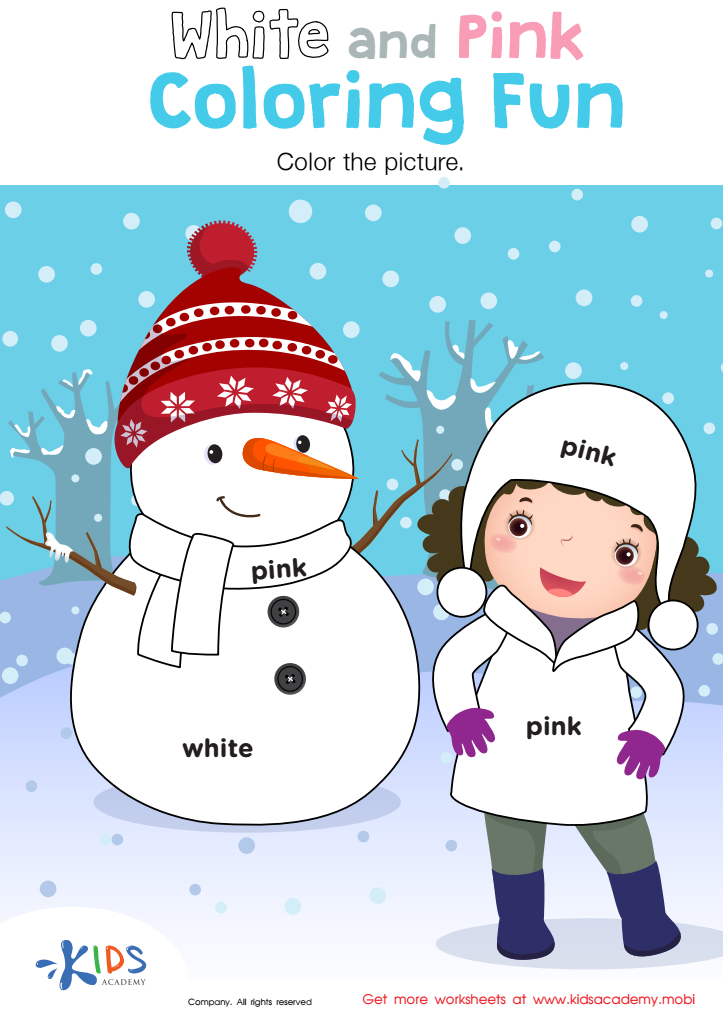
White and Pink Coloring Fun Worksheet
Assign to My Students


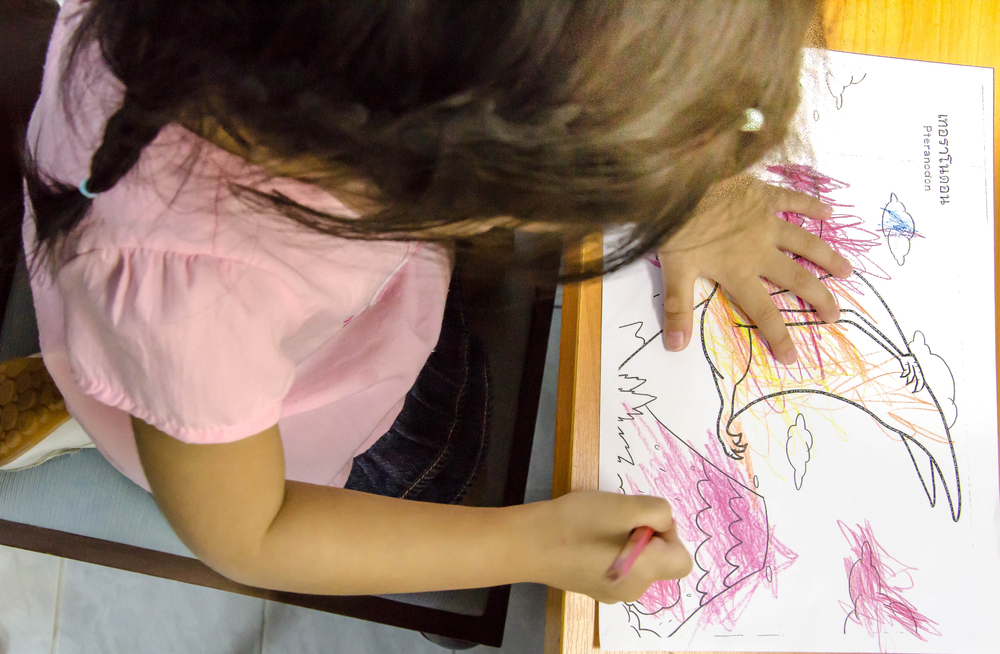





Color recognition is a foundational skill for young children, serving as an essential building block for their cognitive and language development. For parents and teachers, incorporating coloring pages specifically designed for color recognition into early education aids in nurturing this skill creatively. These coloring pages captivate children's attention, transforming the learning process into a fun and engaging activity that encourages exploration and imagination.
By using these vocabulary coloring pages, children, ages 4-8, can visualize colors and associate them with words, enhancing their vocabulary. This dual action of color identification and word recognition supports language acquisition, critical thinking, and fine motor skills through the act of coloring. Moreover, it fosters independence as children make creative choices about colors, thereby boosting their confidence.
In addition, coloring activities can serve as opportunities for parents and teachers to discuss colors in real-world contexts, linking the classroom and home environments, which reinforces learning. Overall, coloring pages are a valuable tool for holistic development, helping to inform kids about colors while also making the learning process enjoyable and meaningful. This separate yet integrated approach ensures that early learners are well-equipped for future academic challenges.