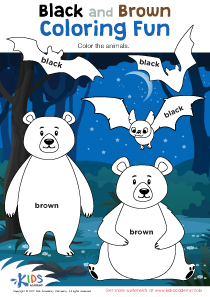
Color recognition English for Beginners Worksheets for Ages 4-8
21 filtered results
-
From - To
Help young learners aged 4-8 master color recognition with our engaging English for Beginners worksheets! Designed specifically for ESL students, these colorful and interactive activities make learning fun and effective. Each worksheet provides opportunities to identify, match, and label colors, reinforcing vocabulary and comprehension in a playful context. Ideal for classroom settings or at-home learning, our resources cater to diverse learning styles. Enhance auditory, visual, and kinesthetic skills while fostering language development! Perfect for teachers and parents seeking to support early learners' language journey, these worksheets make color learning an exciting adventure. Explore our collection and watch your child's confidence grow!
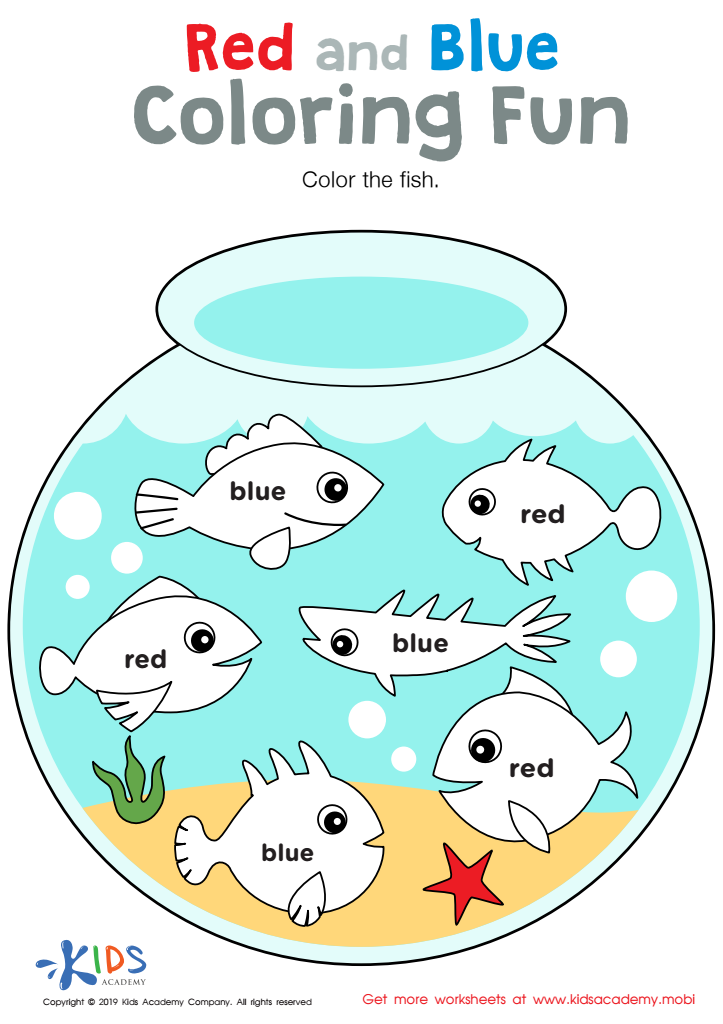
Red and Blue Coloring Fun Worksheet
 Assign to My Students
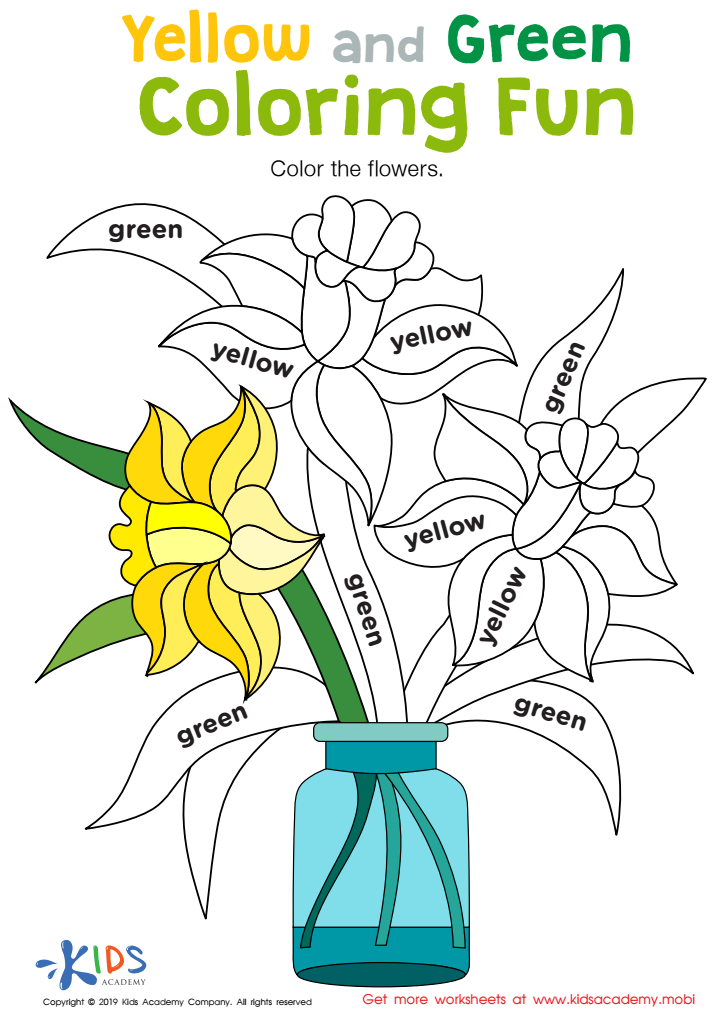
Yellow and Green Coloring Fun Worksheet
Assign to My Students
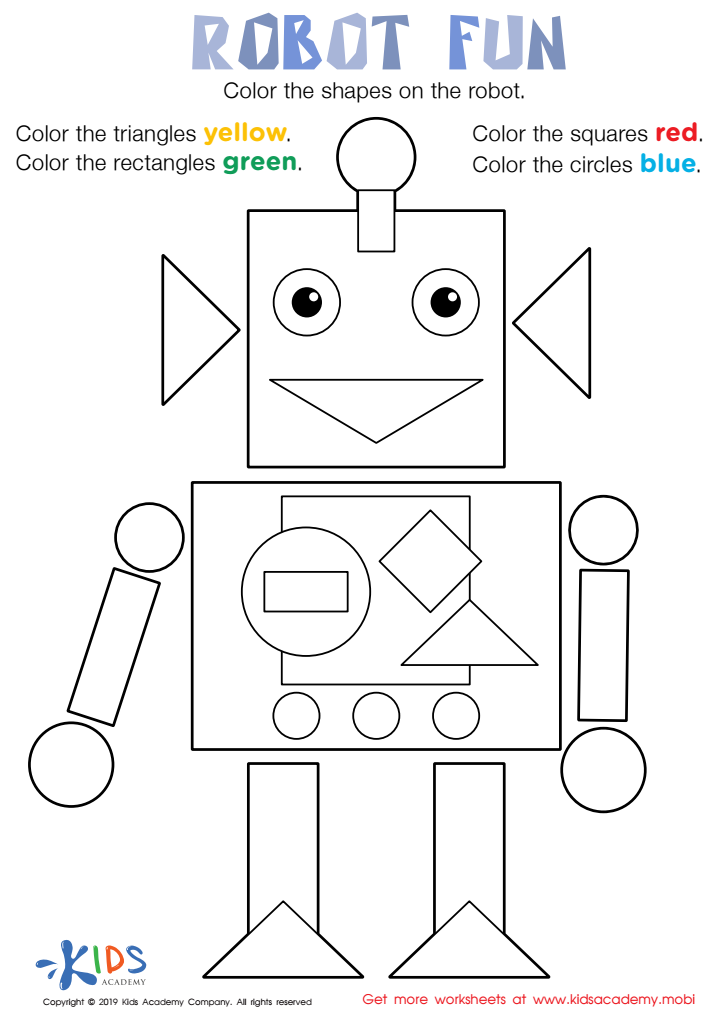
Robot Fun Worksheet
Assign to My Students
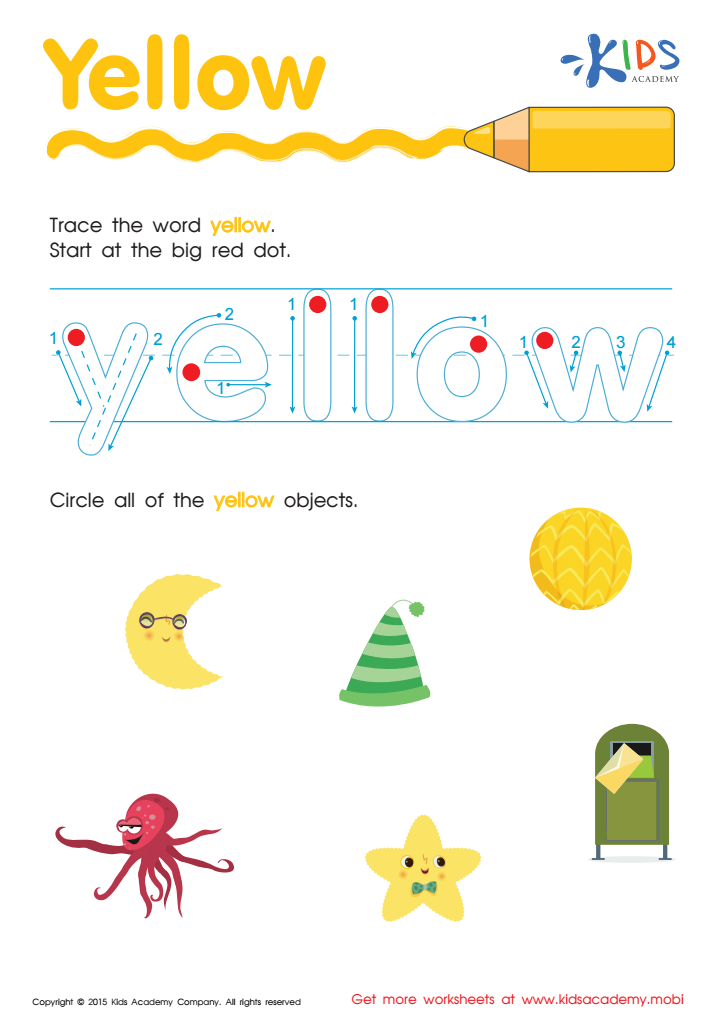
Yellow Tracing Color Words Worksheet
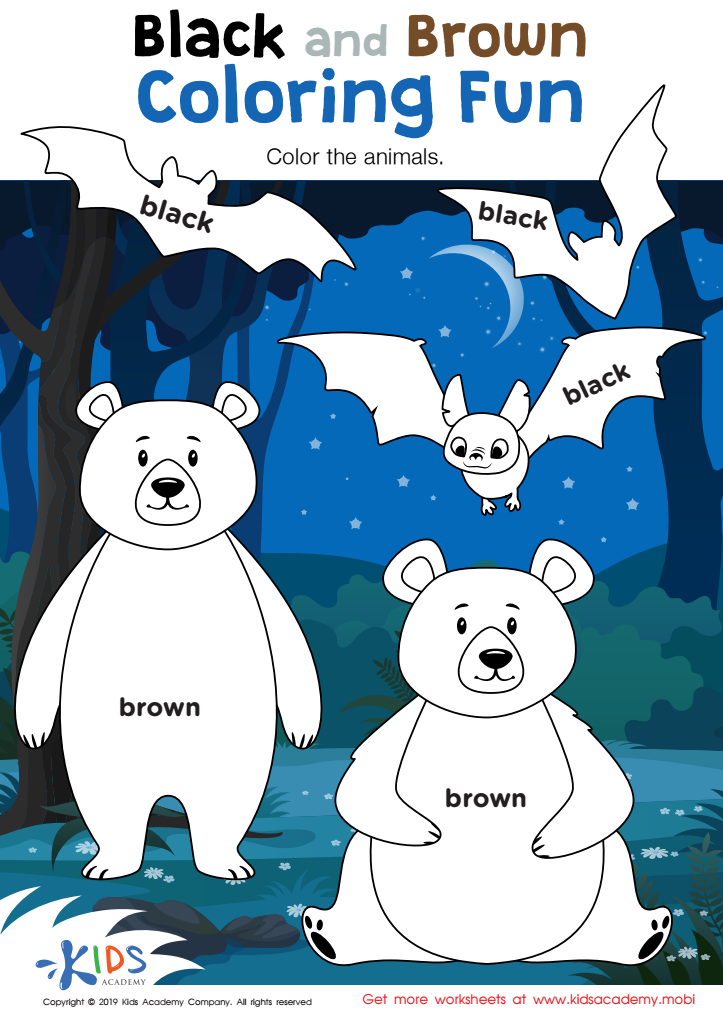
Black and Brown Coloring Fun Worksheet
Assign to My Students
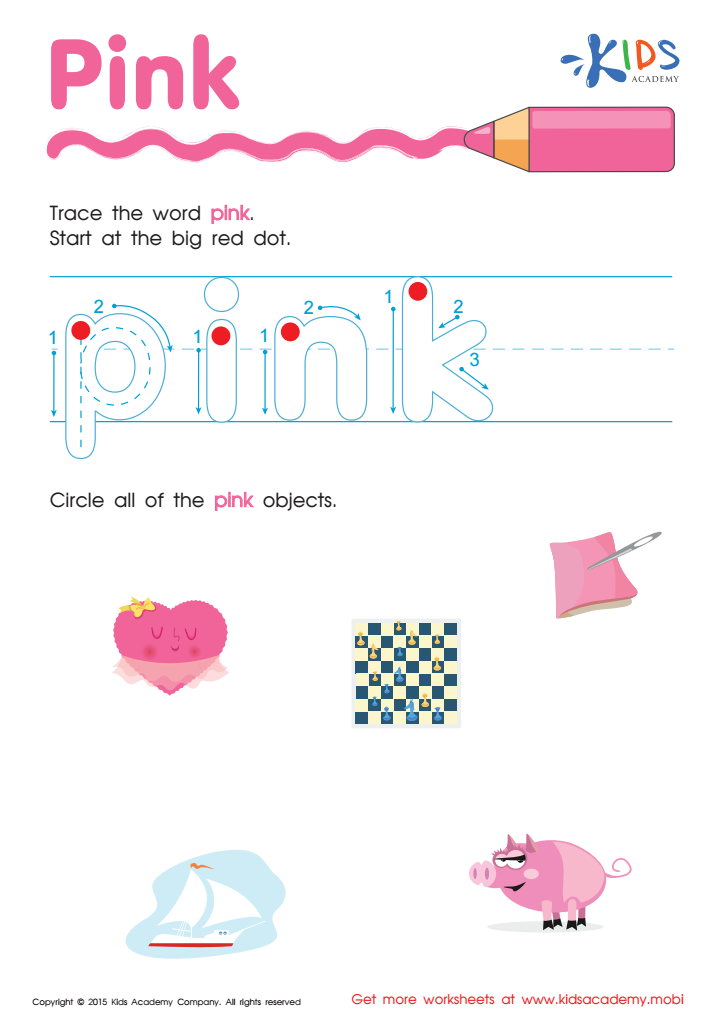
Pink Tracing Color Words Worksheet
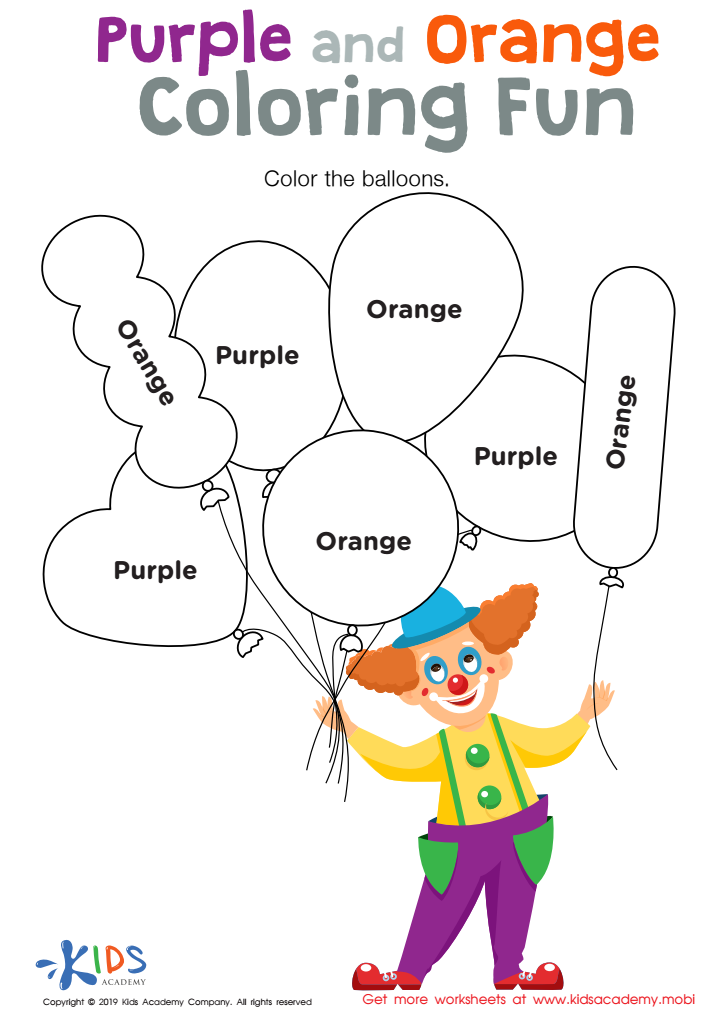
Purple and Orange Coloring Fun Worksheet
Assign to My Students
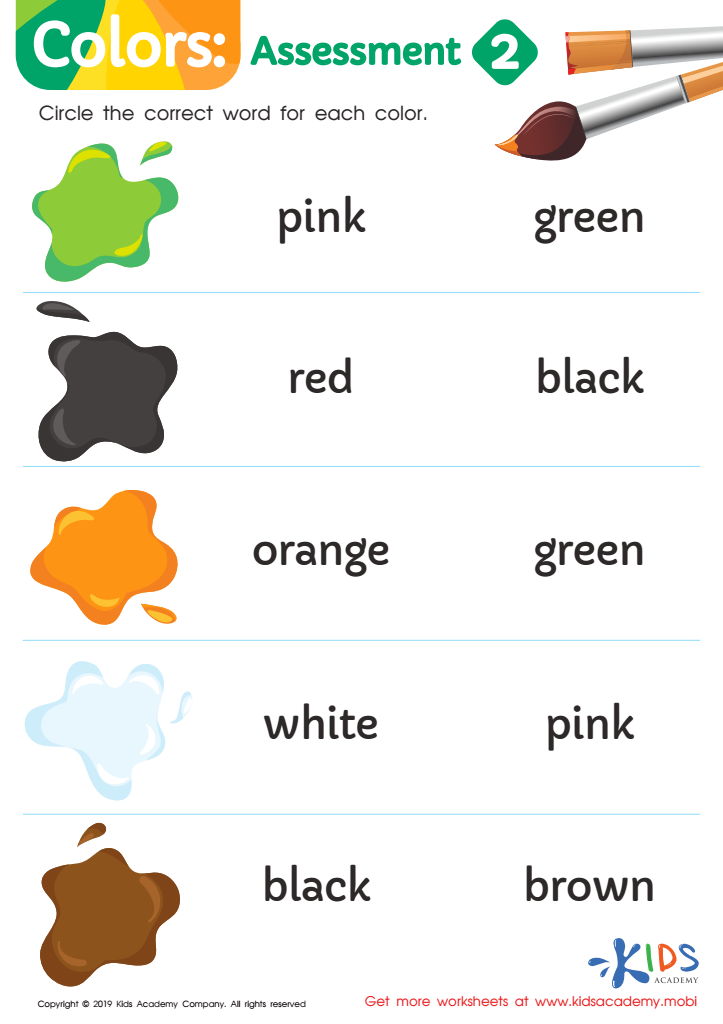
Colors: Assessment 2 Worksheet
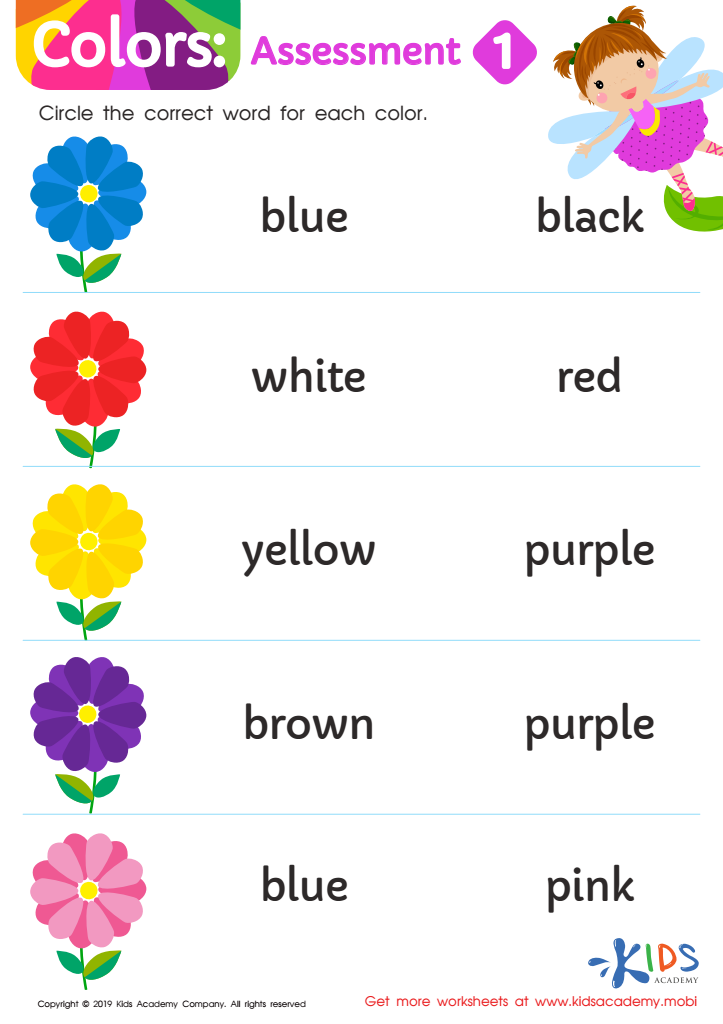
Colors: Assessment 1 Worksheet
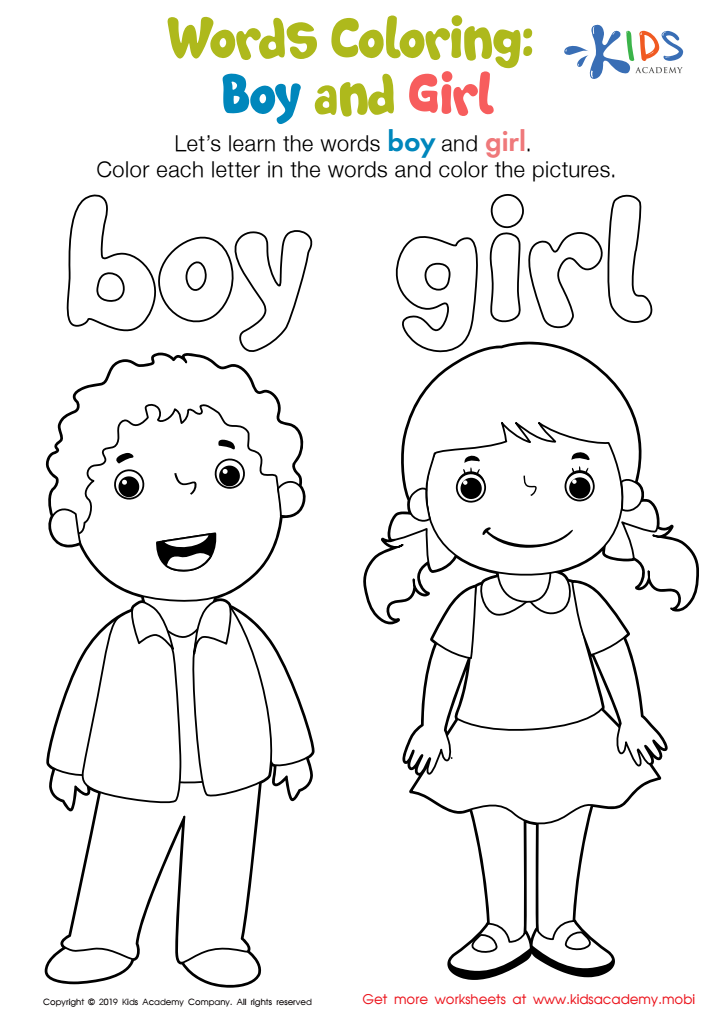
Boy and Girl Words Coloring Worksheet
Assign to My Students
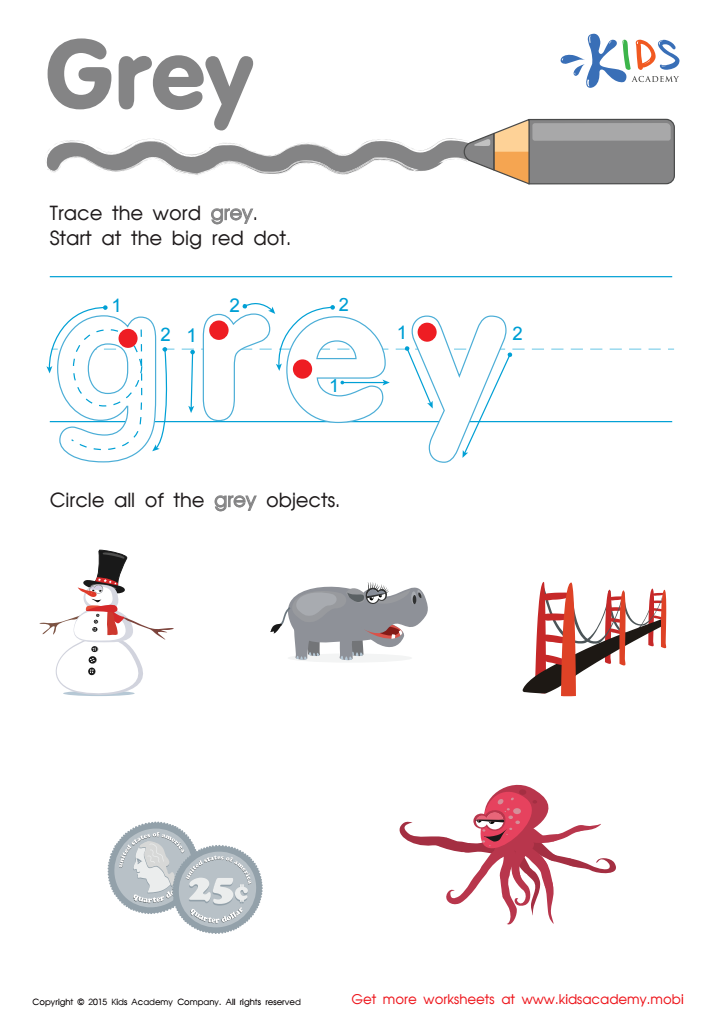
Grey Tracing Color Words Worksheet
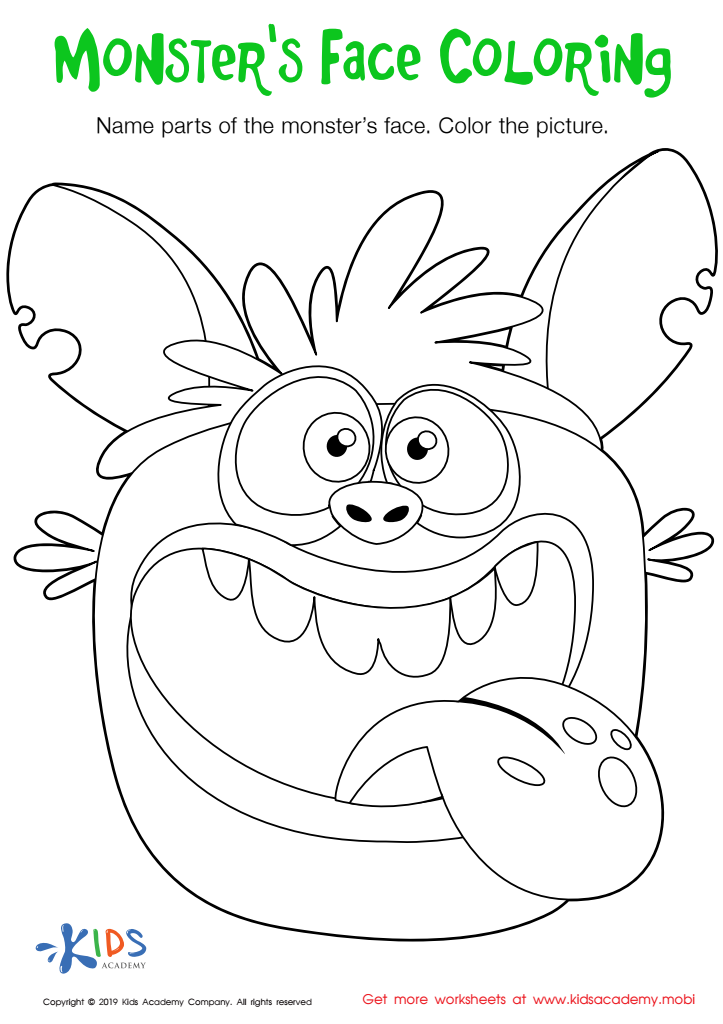
Monster's Face Coloring Worksheet
Assign to My Students
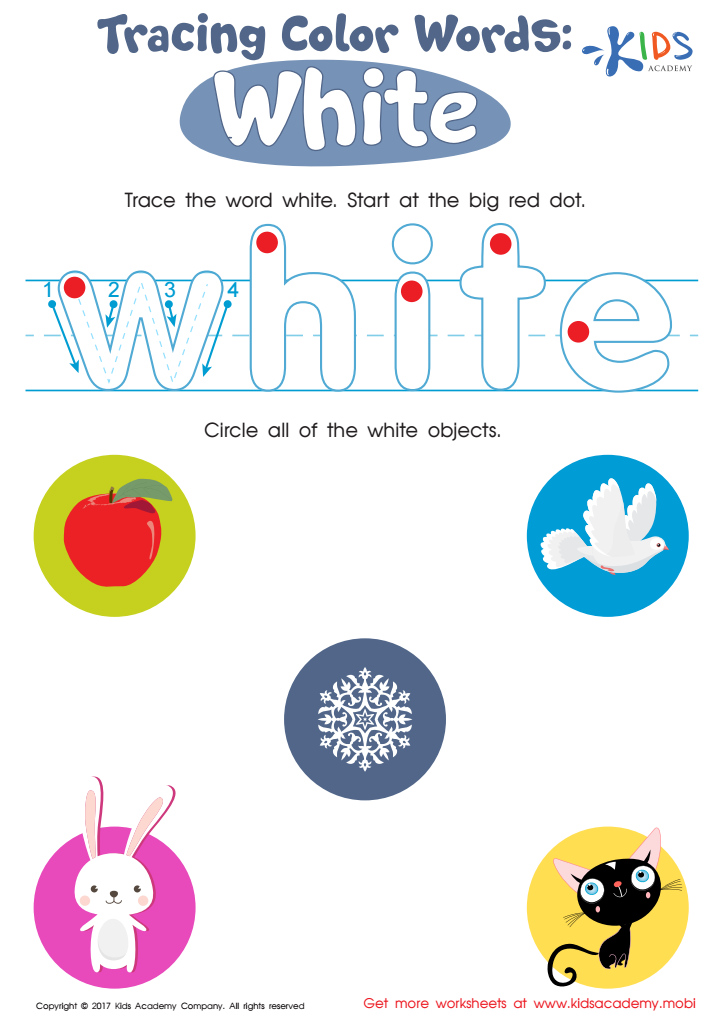
White Tracing Color Words Worksheet
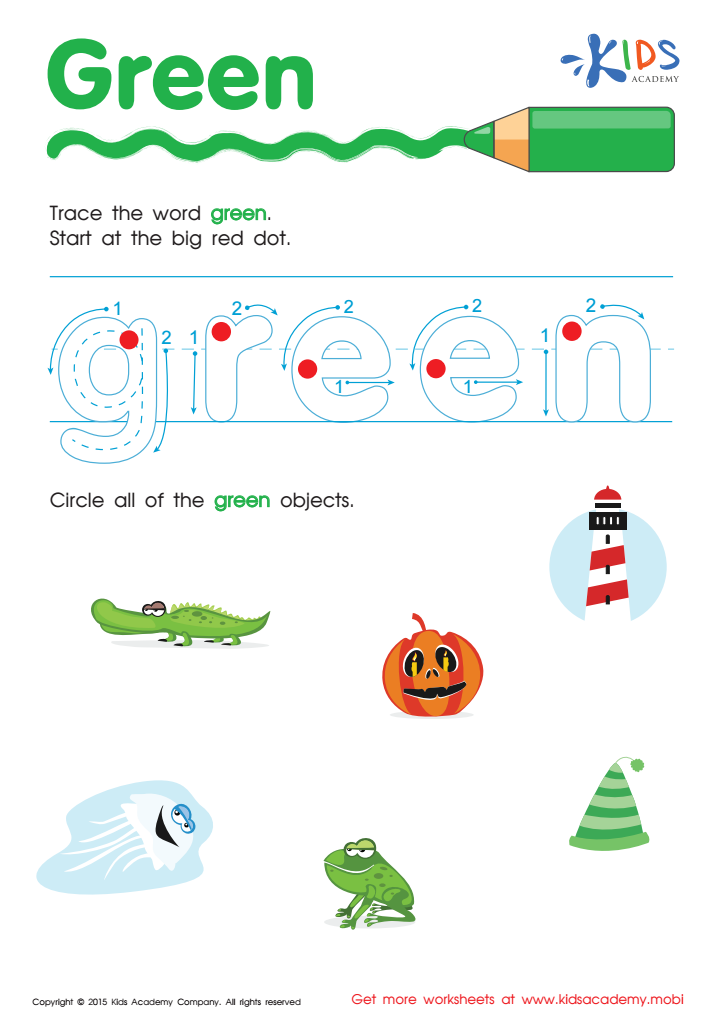
Green Tracing Color Words Worksheet
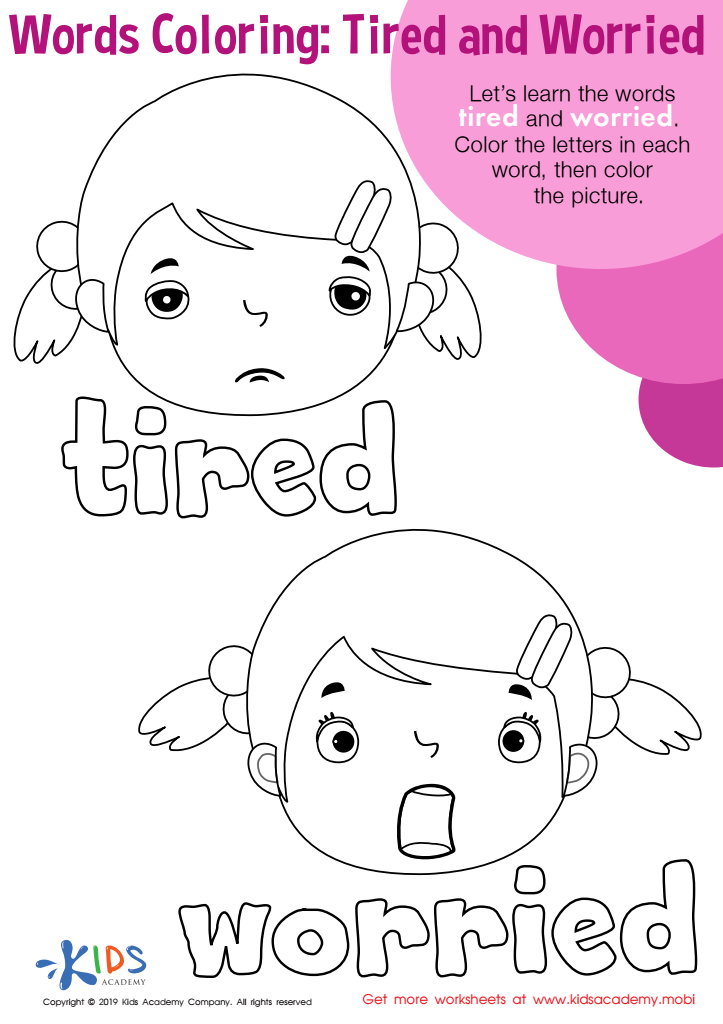
Tired and Worried Words Coloring Worksheet
Assign to My Students
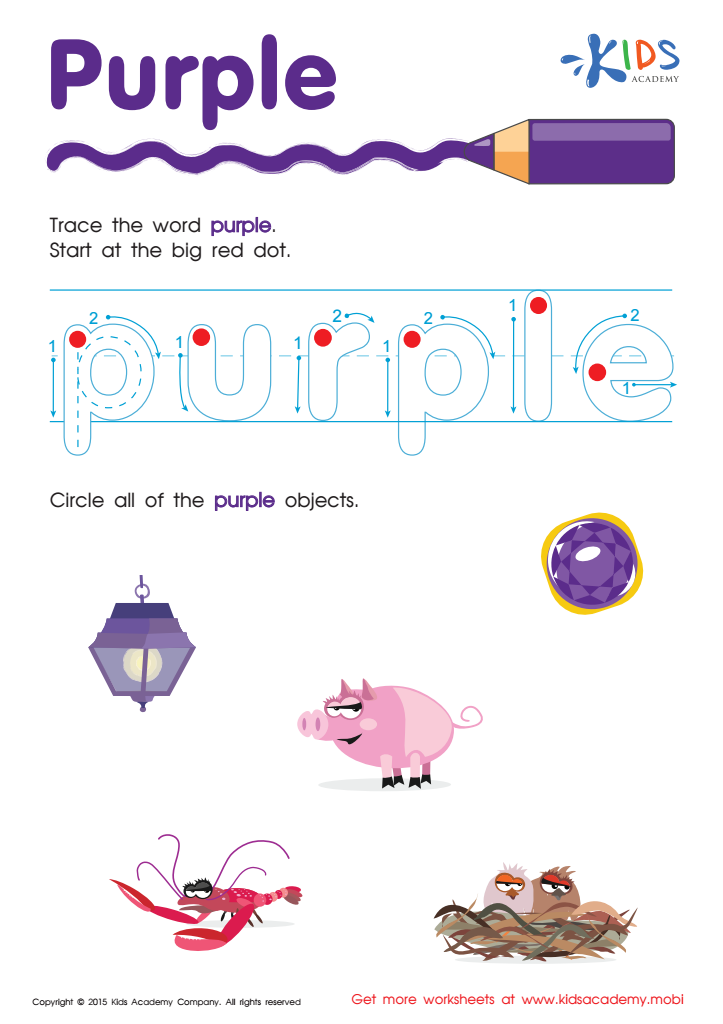
Purple Tracing Color Words Worksheet
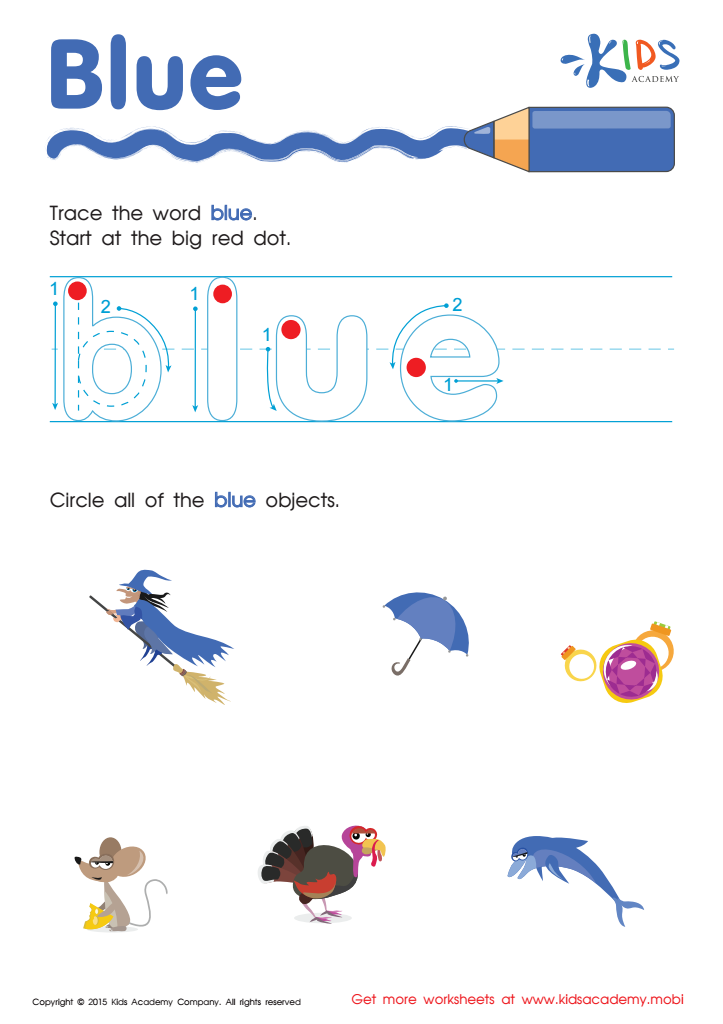
Blue Tracing Color Words Printable
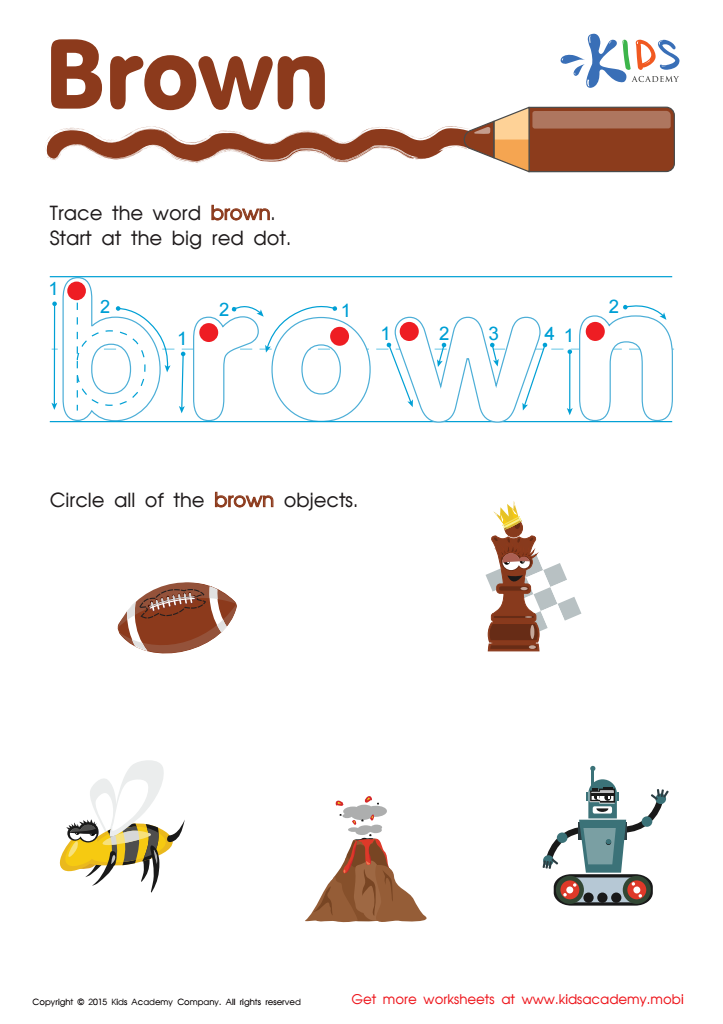
Brown Tracing Color Words Worksheet
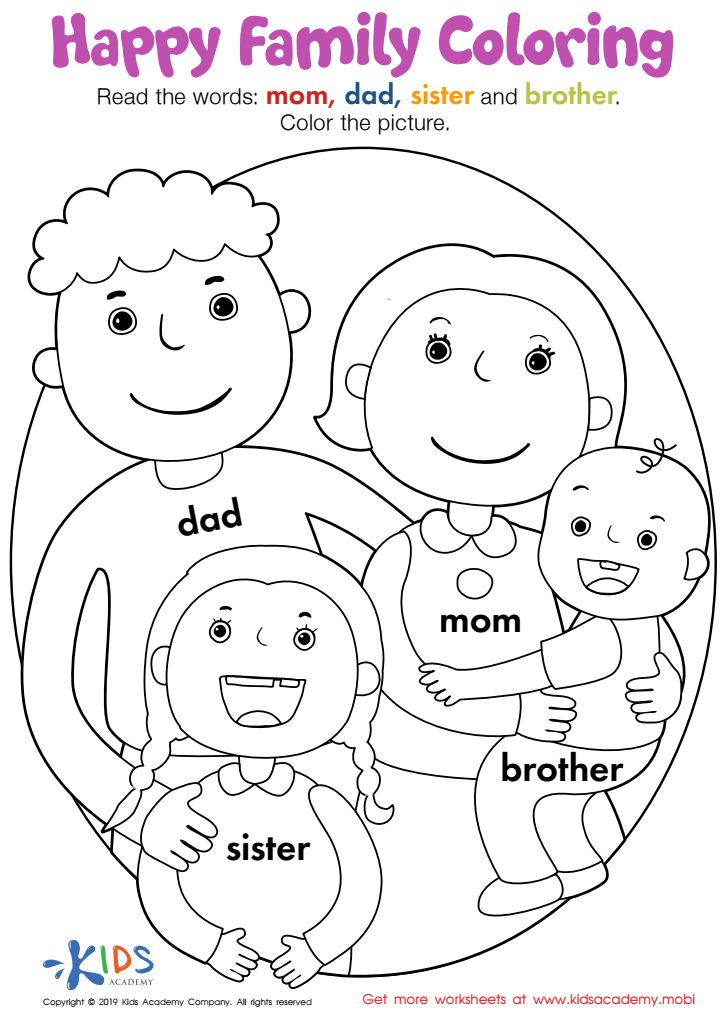
Happy Family Coloring Worksheet
Assign to My Students
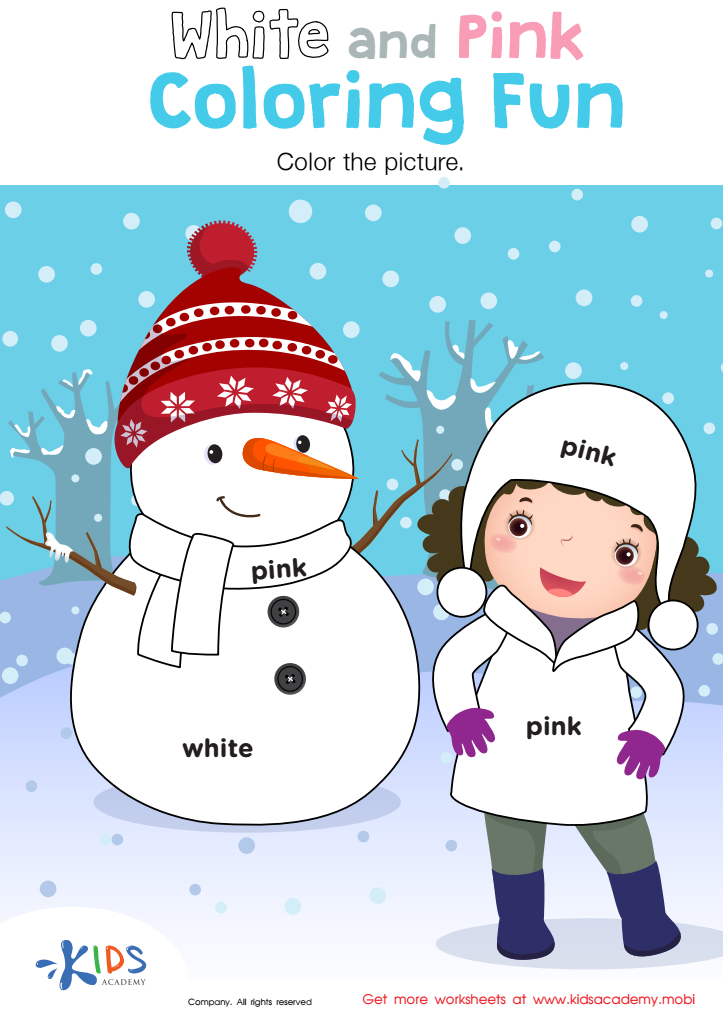
White and Pink Coloring Fun Worksheet
Assign to My Students
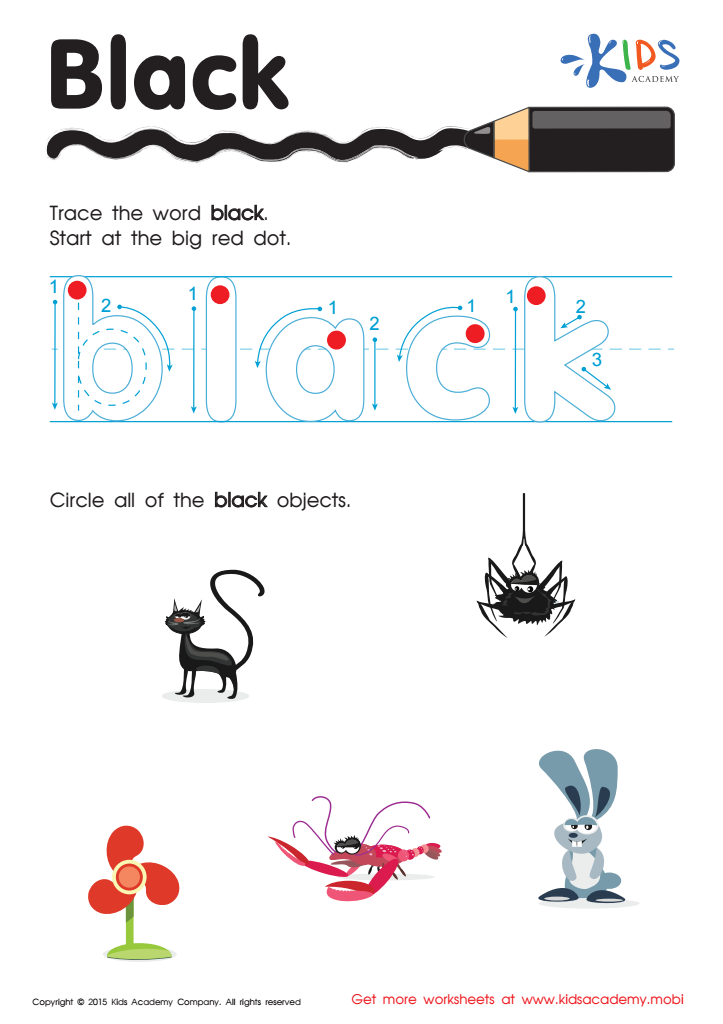
Black Tracing Color Words Printable





Color recognition is a fundamental skill during early childhood development, particularly for children ages 4 to 8. Parents and teachers should care about this for several reasons. Firstly, color awareness enhances children's cognitive development. Identifying and naming colors fosters their ability to classify and differentiate objects, aiding critical thinking and problem-solving skills.
Secondly, color recognition plays a significant role in language development. By learning color names, children expand their vocabulary and improve their communication skills. This sets a strong foundation for future language learning and comprehension, particularly for young English learners.
Furthermore, recognizing colors promotes creativity and expression. Engaging in art and play activities that involve colors allows children to explore their creativity and develop emotional expression.
Finally, color recognition is essential for safety and everyday living. Understanding colors helps children follow instructions effectively (such as identifying traffic lights) or making choices when dressing themselves.
In essence, focusing on color recognition in early education fosters not only cognitive and language skills but also creativity, safety awareness, and communication—integral components of holistic child development. Investing time in teaching this essential concept ensures children are well-equipped for ongoing learning and daily life.