Fine Motor Skills English for Beginners Worksheets for Ages 4-8 - Page 3
62 filtered results
-
From - To

White Tracing Color Words Worksheet

Monster's Face Coloring Worksheet
 Assign to My Students
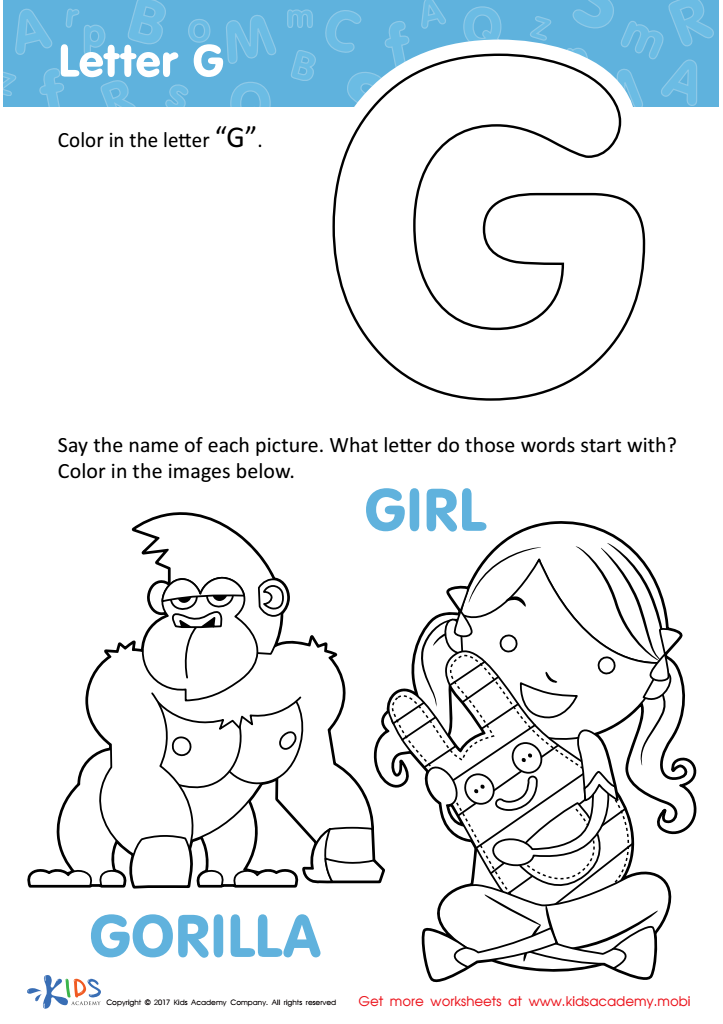
Letter G Coloring Sheet
Assign to My Students
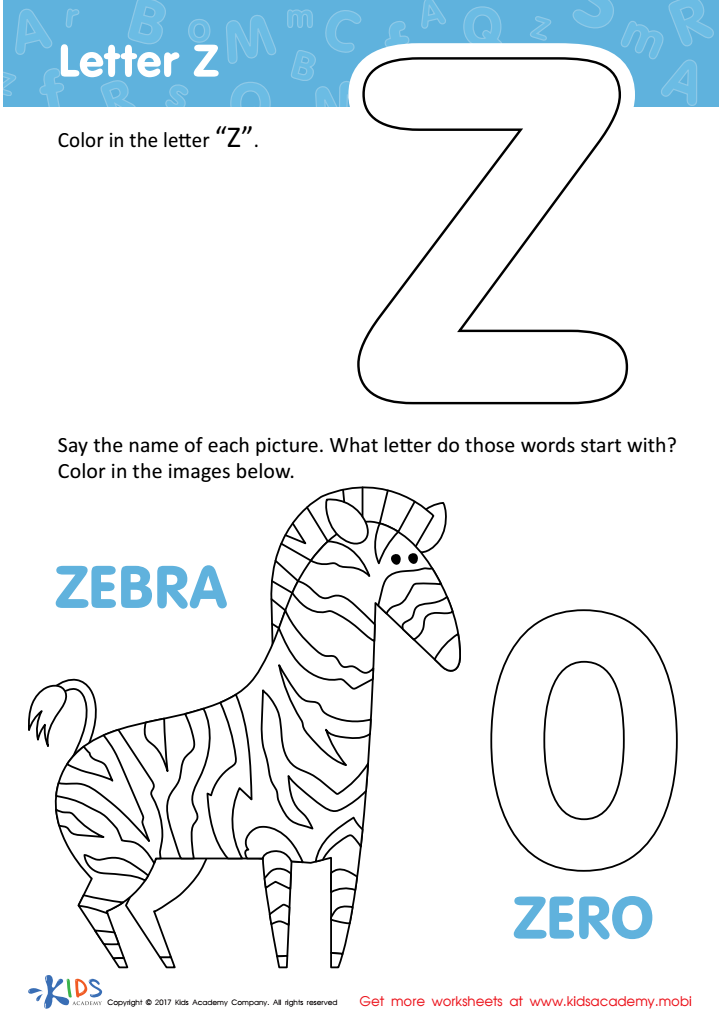
Letter Z Coloring Sheet
Assign to My Students
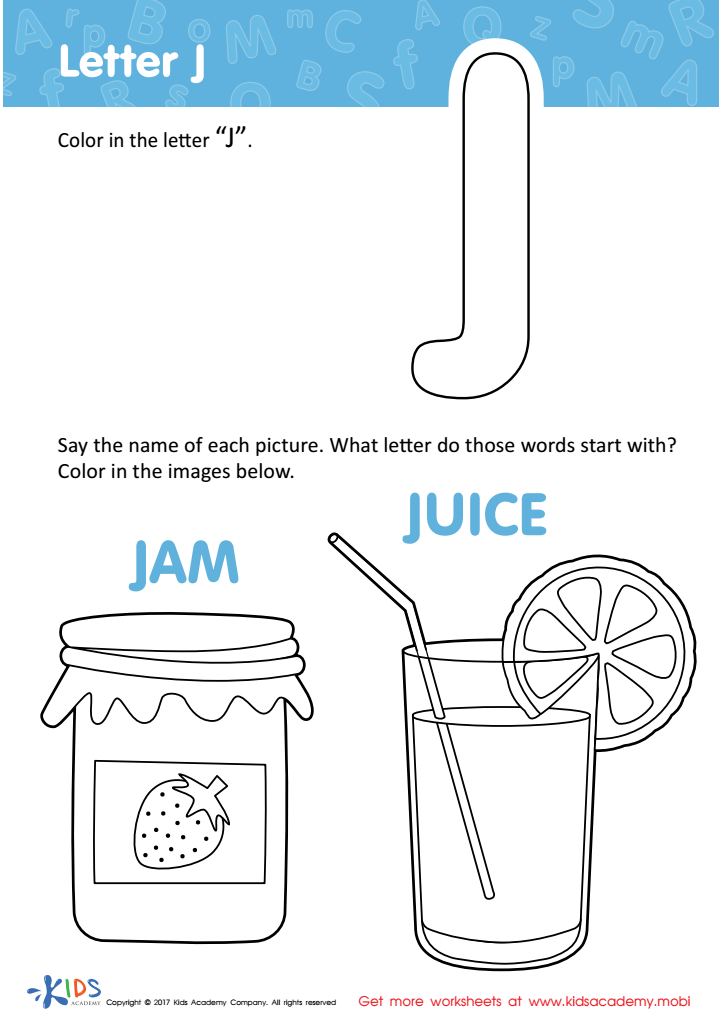
Letter J Coloring Sheet
Assign to My Students

Happy Family Coloring Worksheet
Assign to My Students
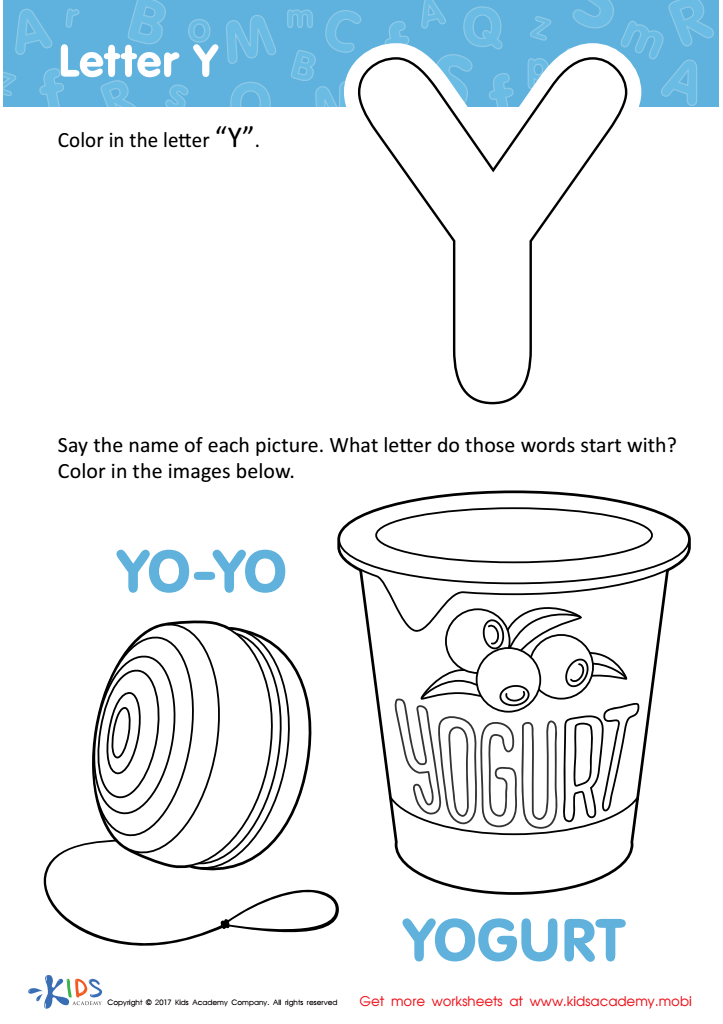
Letter Y Coloring Sheet
Assign to My Students
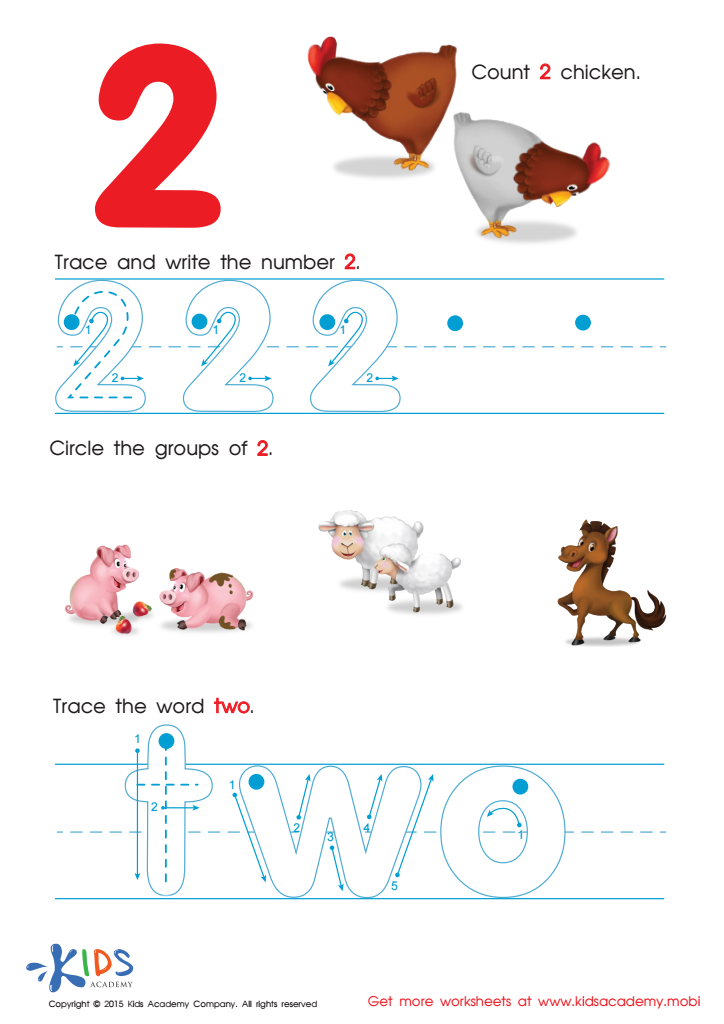
Learn to Write the Number 2 Worksheet
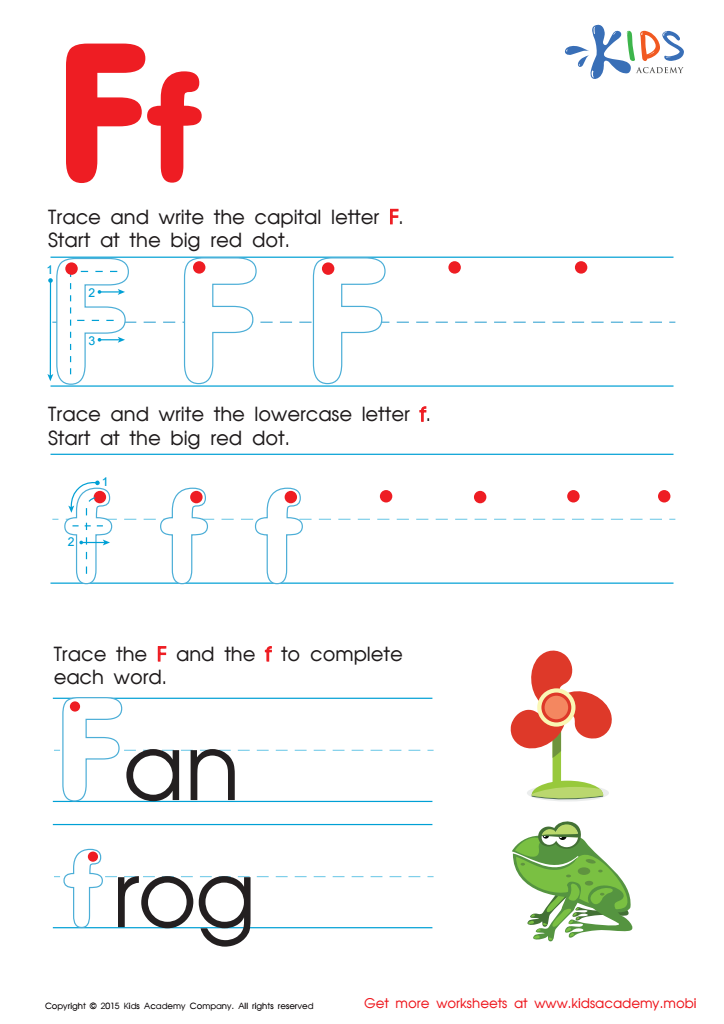
Letter F Tracing Page

White and Pink Coloring Fun Worksheet
Assign to My Students
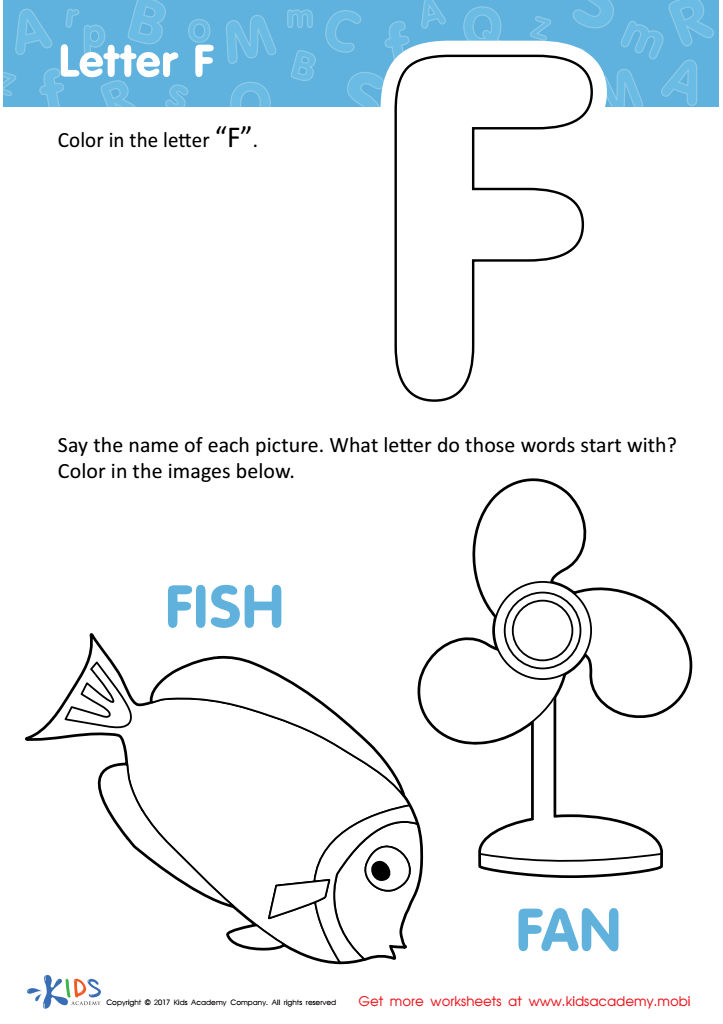
Letter F Coloring Sheet
Assign to My Students
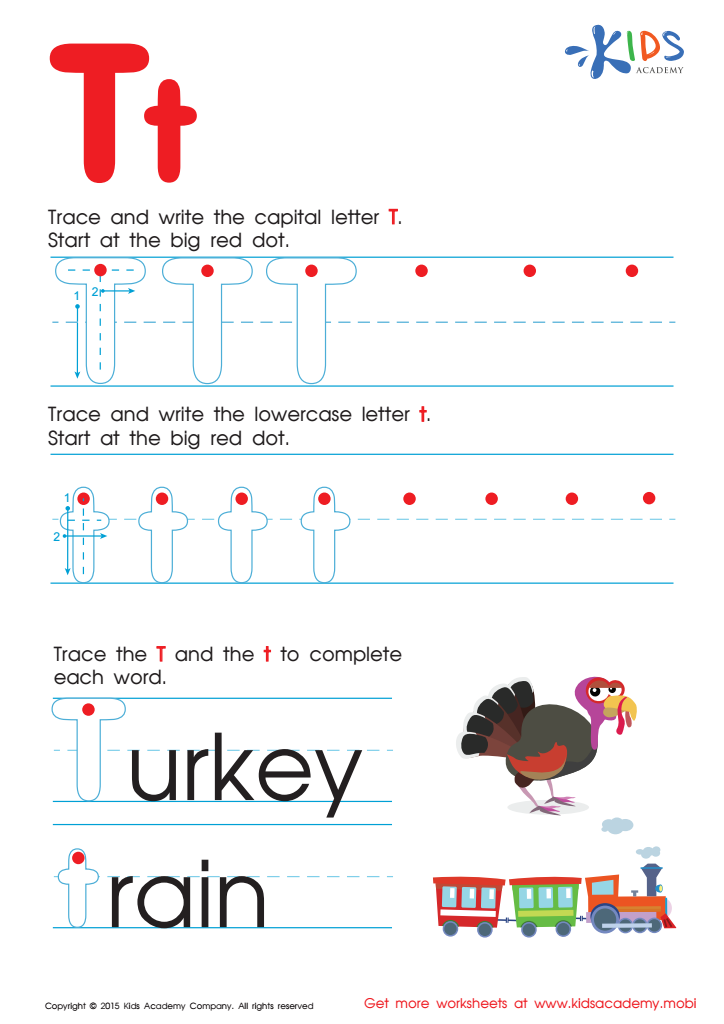
Letter T Tracing Page
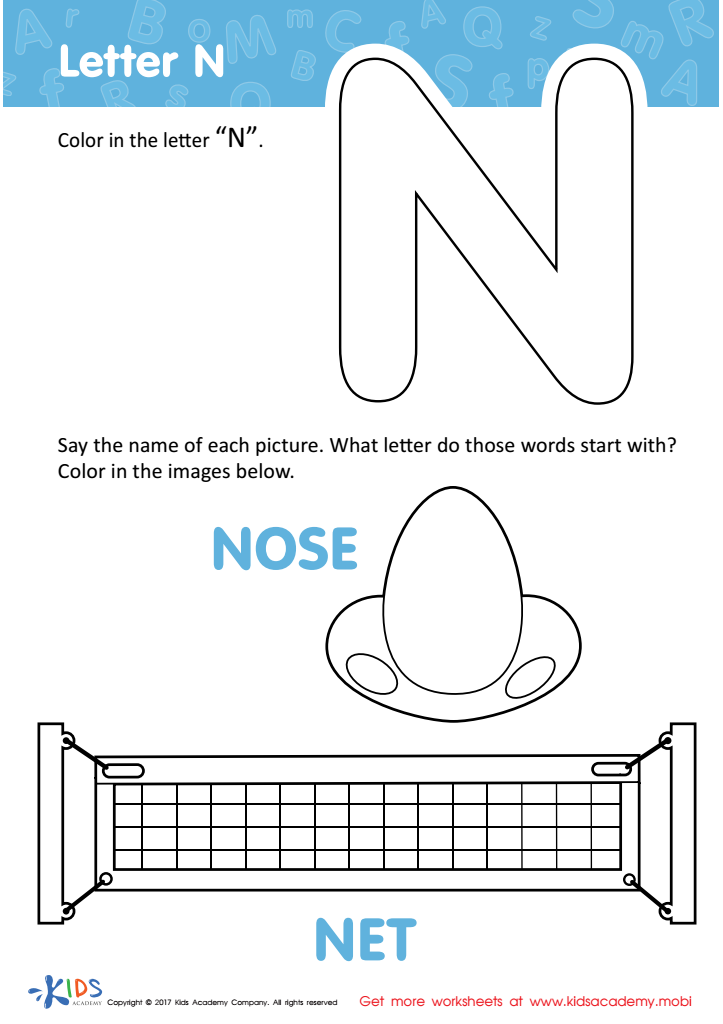
Letter N Coloring Sheet
Assign to My Students

Letter D Tracing Page





Fine motor skills involve the small muscles in our hands and fingers, critical for various day-to-day tasks. For children ages 4-8, these skills are foundational for academic success and overall development. When parents and teachers prioritize fine motor skills, they help children in numerous key areas.
First, fine motor skills are essential for writing. Children who practice activities such as drawing, coloring, and cutting with scissors develop stronger hand-eye coordination and better pencil grip. This prepares them for writing letters and numbers clearly and efficiently, which is fundamental in early education.
Moreover, fine motor skills impact self-care abilities like buttoning a shirt, tying shoelaces, and handling utensils, fostering independence and boosting confidence. These tasks require coordination and dexterity, and mastering them, can significantly boost a child's self-esteem and readiness to tackle broader challenges.
Additionally, fine motor skills are linked to cognitive development. Manipulating small objects and engaging in hands-on activities enhance sensory learning and improve problem-solving abilities by promoting exploration and experimentation.
Finally, attention to fine motor skills can point to developmental concerns early on. Teachers and parents can identify potential issues like developmental delays or neurological problems, ensuring timely interventions.
In sum, nurturing fine motor skills in children ages 4-8 equips them with the tools they need for academic, physical, and socio-emotional growth, forming a strong foundation for future success.