Color differentiation Worksheets for Ages 4-8
7 filtered results
-
From - To
Enhance your child's learning experience with our engaging Color Differentiation Worksheets designed for ages 4-8. These fun, interactive worksheets help young learners identify and differentiate colors through various activities. From vibrant coloring pages to exciting matching exercises, each worksheet fosters creativity while reinforcing essential skills. Ideal for parents and educators, our resources promote early cognitive development, fine motor skills, and artistic expression. Whether used at home or in the classroom, these worksheets cultivate confident, independent learners. Download now and inspire your child's love for color and exploration with delightful activities that make learning a colorful adventure!
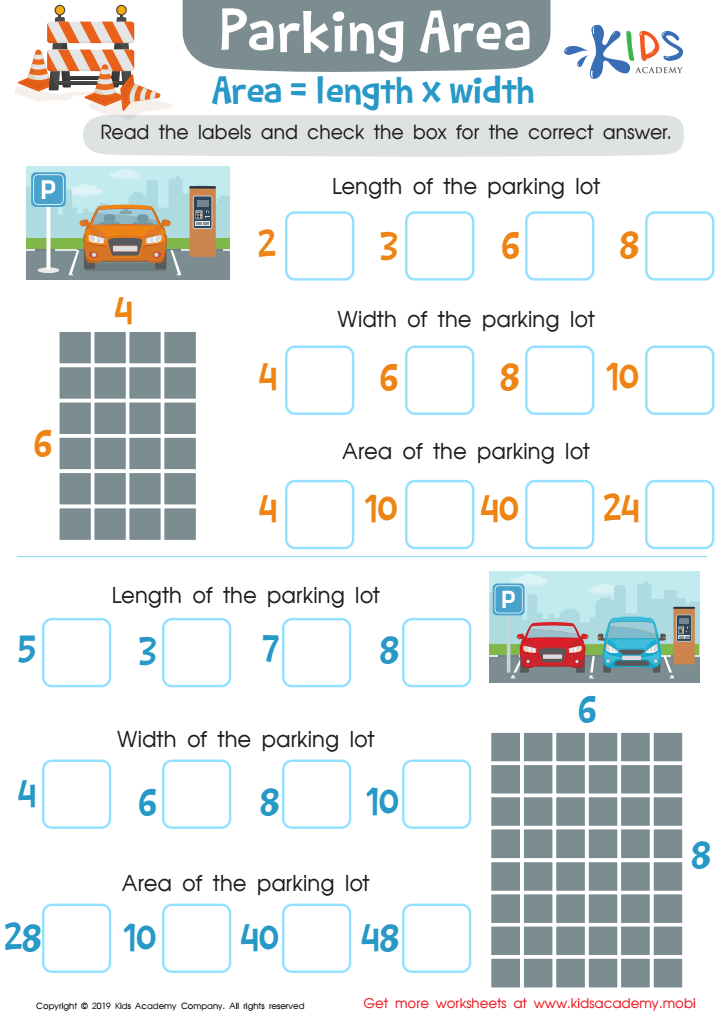
Parking Area Worksheet
 Assign to My Students
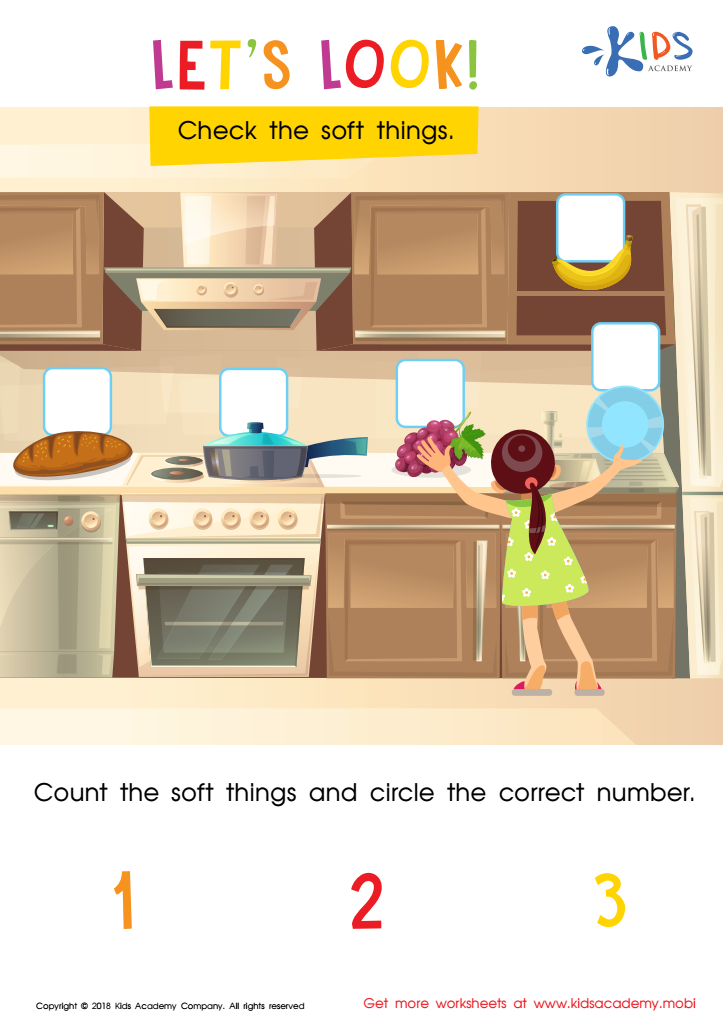
Let's Look! Assessment Worksheet
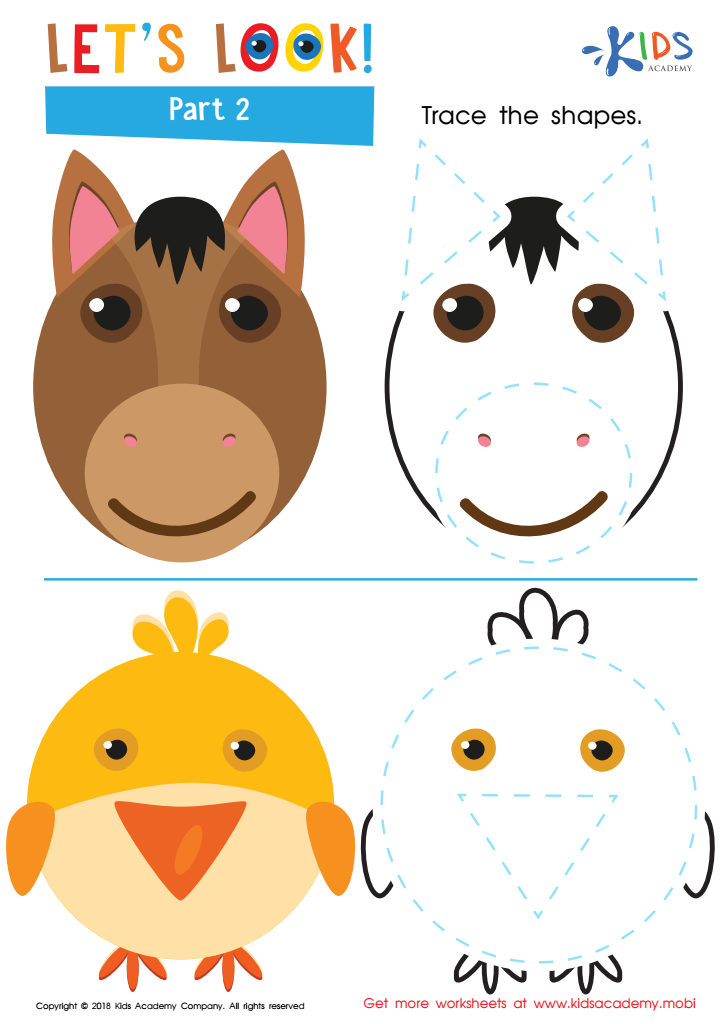
Let's Look! Part 2 Worksheet
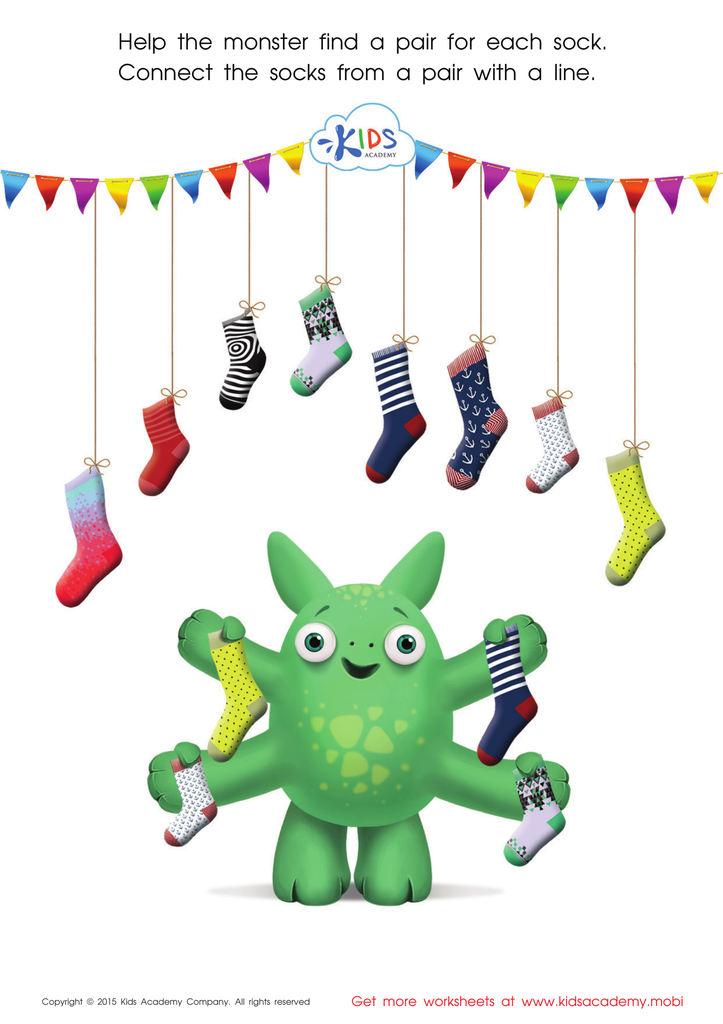
Math Matching Pairs Game: Monsterв's Socks Worksheet



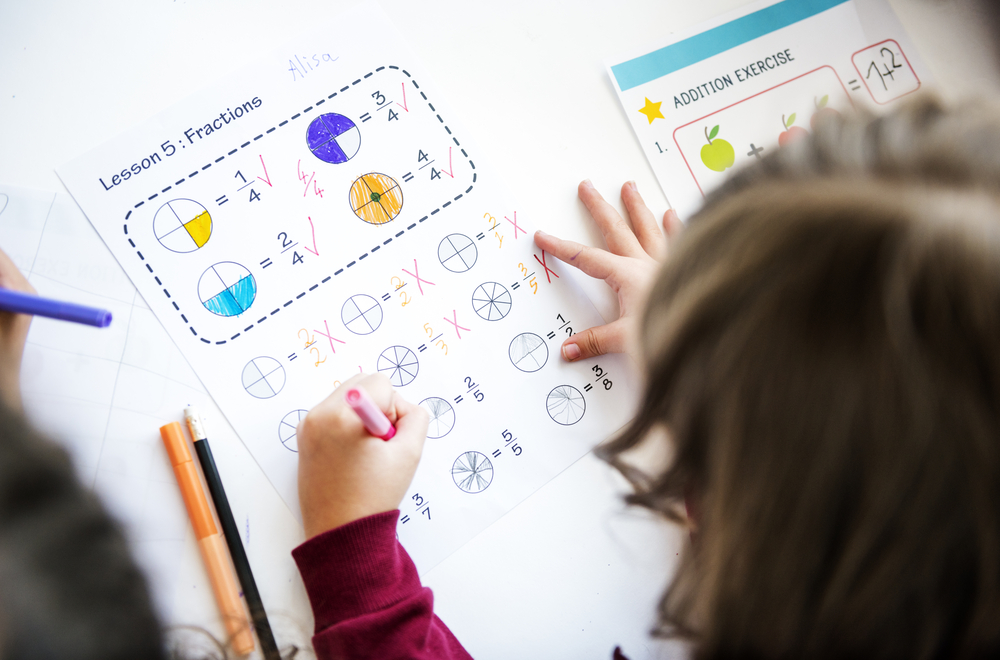



Color differentiation is crucial for children aged 4-8 as it significantly impacts their cognitive and emotional development. At this age, children begin to explore and understand the world around them, and color plays a vital role in that exploration. Recognizing and differentiating colors enhances their ability to categorize objects and make connections, fostering critical thinking and problem-solving skills.
Moreover, learning about colors can aid in language development. Children use color terms to describe things, which expands their vocabulary and communication skills. Using colors in teaching can also cater to various learning styles, whether visual, kinesthetic, or auditory. Incorporating color differentiation into activities, such as art projects or games, makes learning engaging and fun, promoting creativity and self-expression.
Additionally, colors can evoke emotions and help children learn to communicate their feelings. Awareness of colors can impact mood regulation and social interactions, as children learn to express themselves and understand the feelings of others. Therefore, both parents and teachers should prioritize color differentiation to support not only foundational learning but also emotional and social development in young children, laying a strong foundation for years to come.








