Counting practice Worksheets for Ages 4-8 - Page 3
389 filtered results
-
From - To
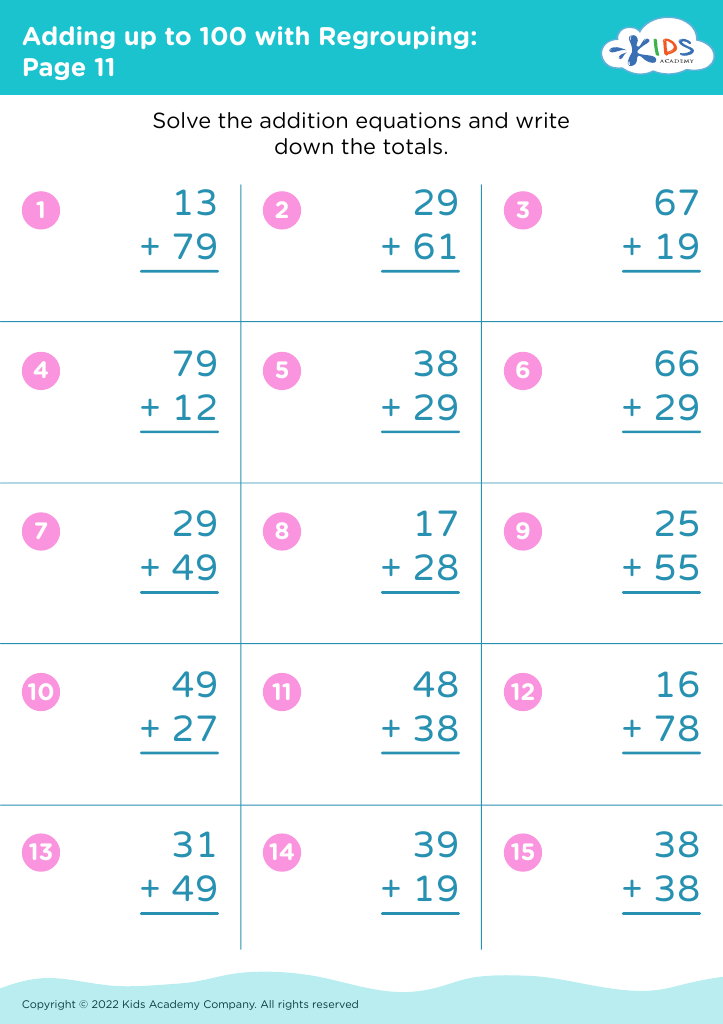
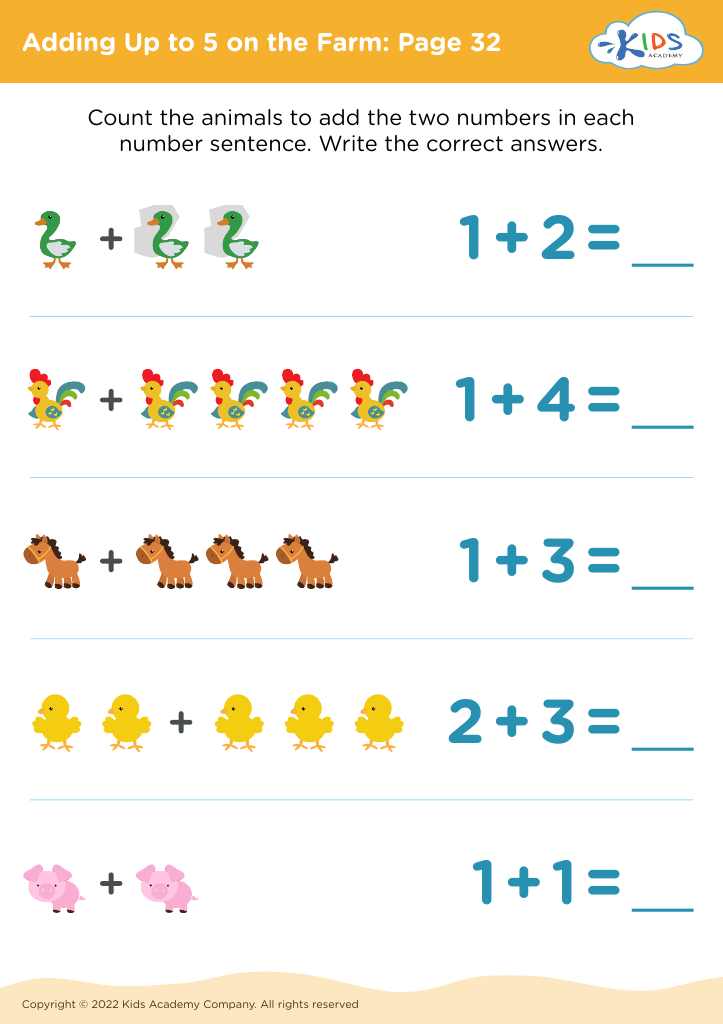
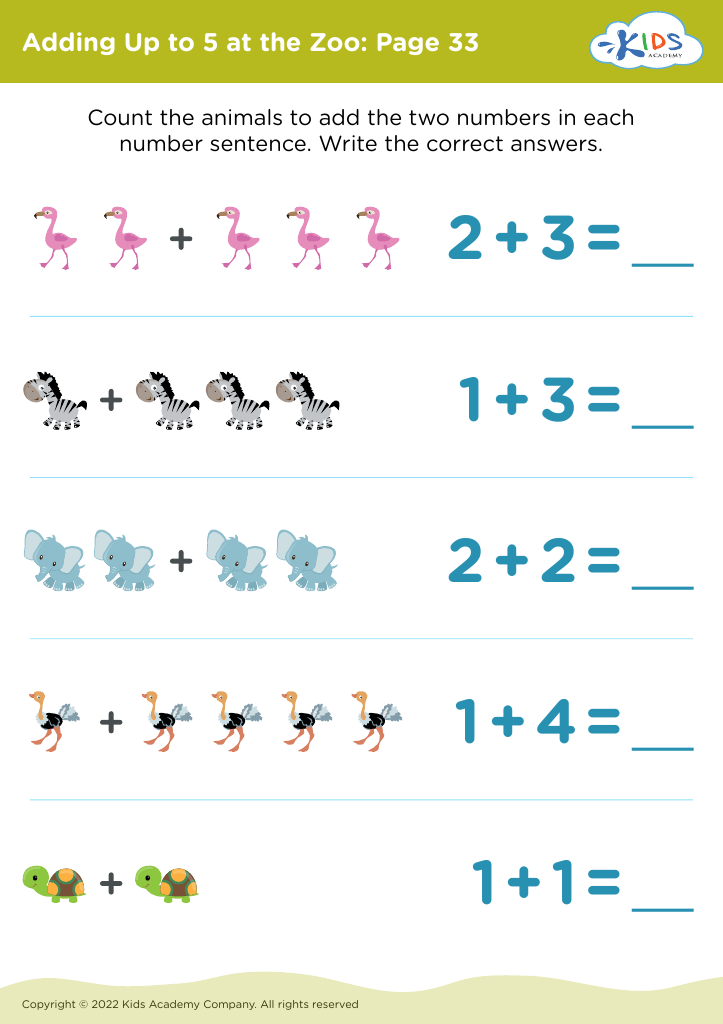
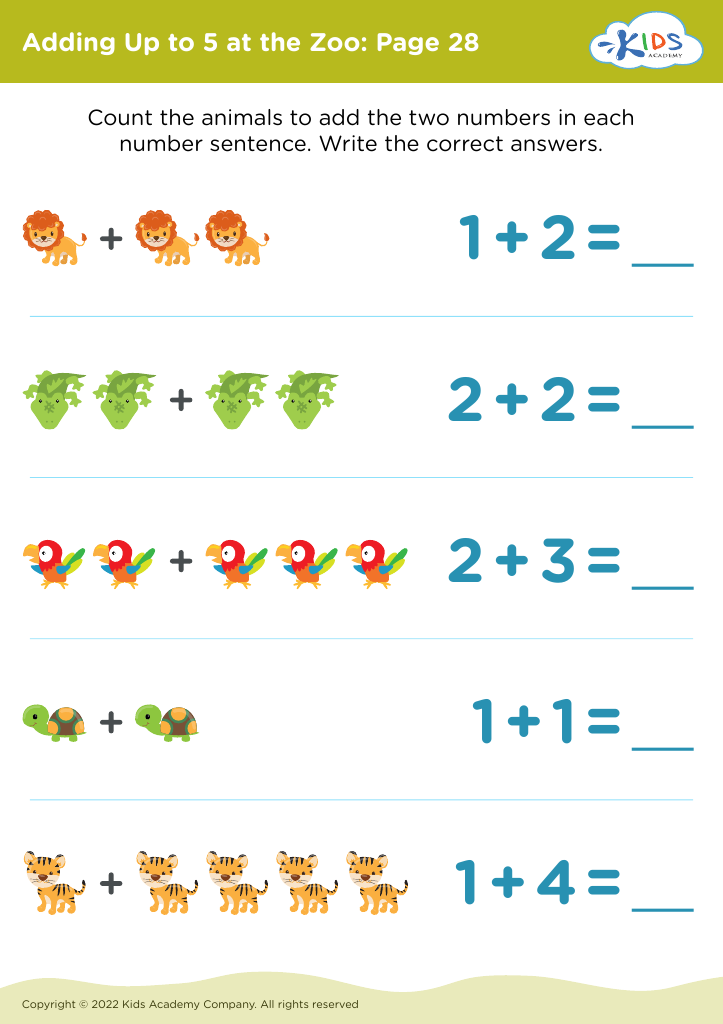
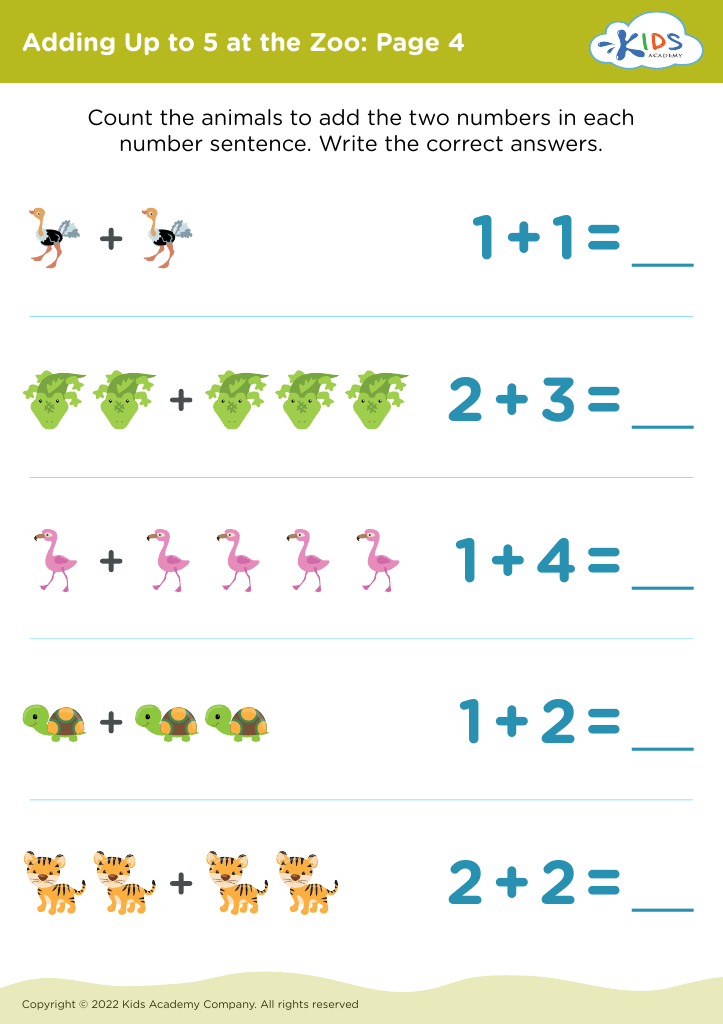
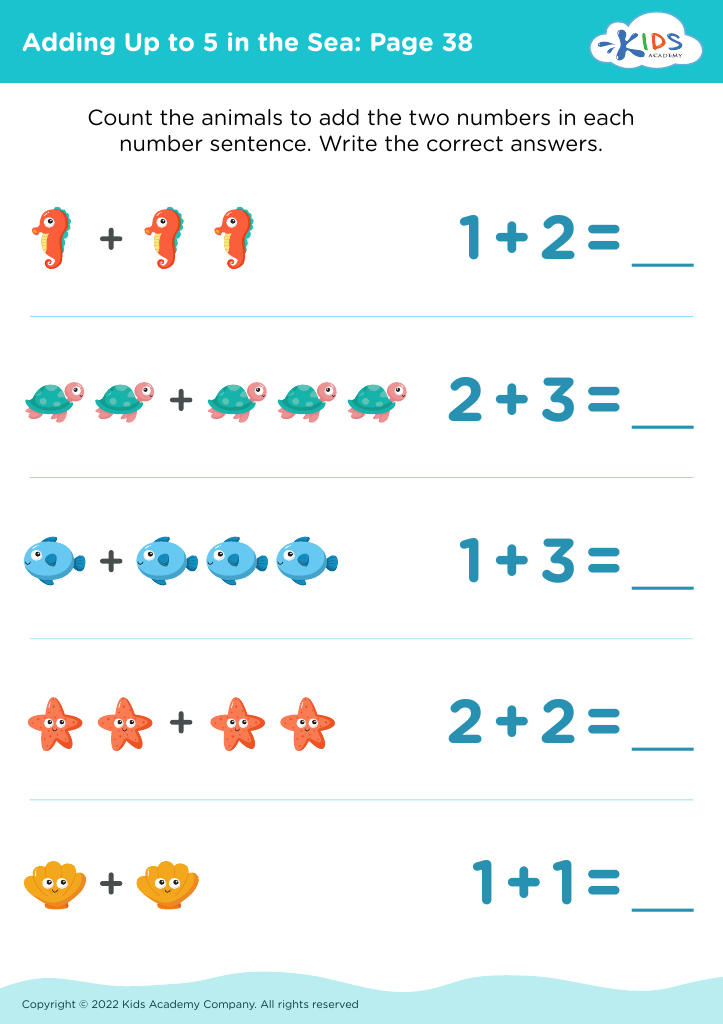
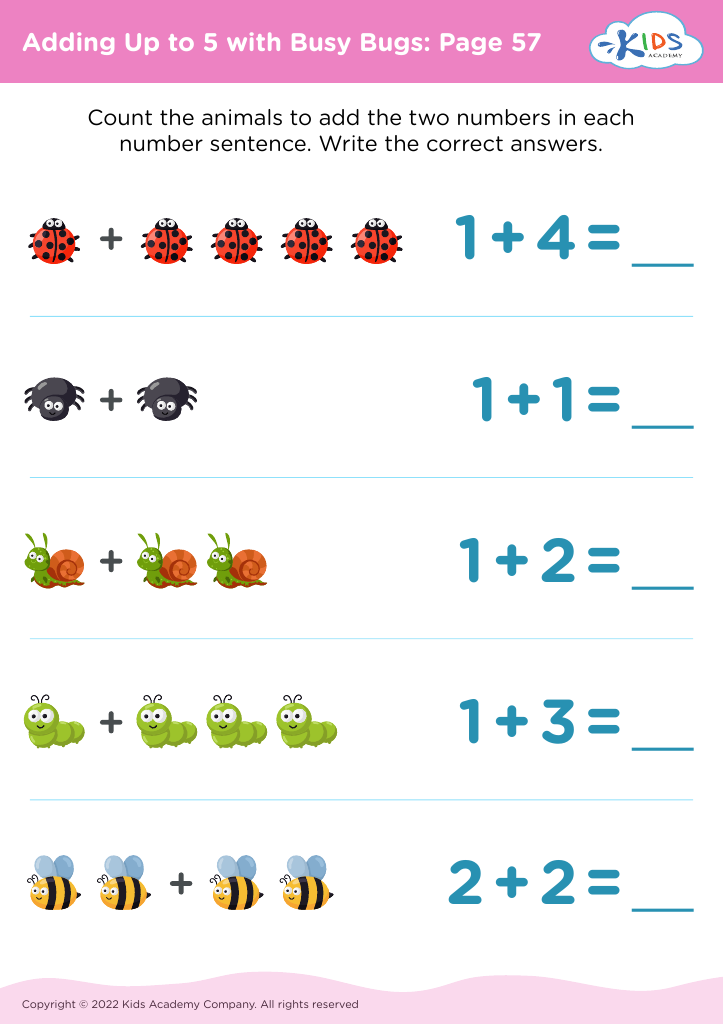
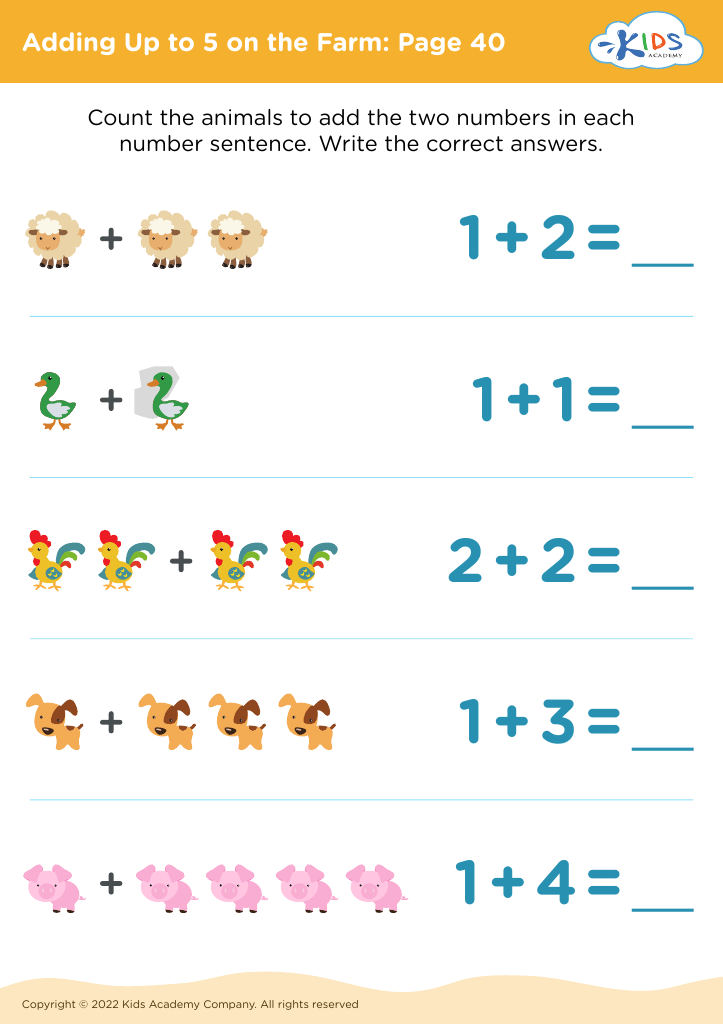
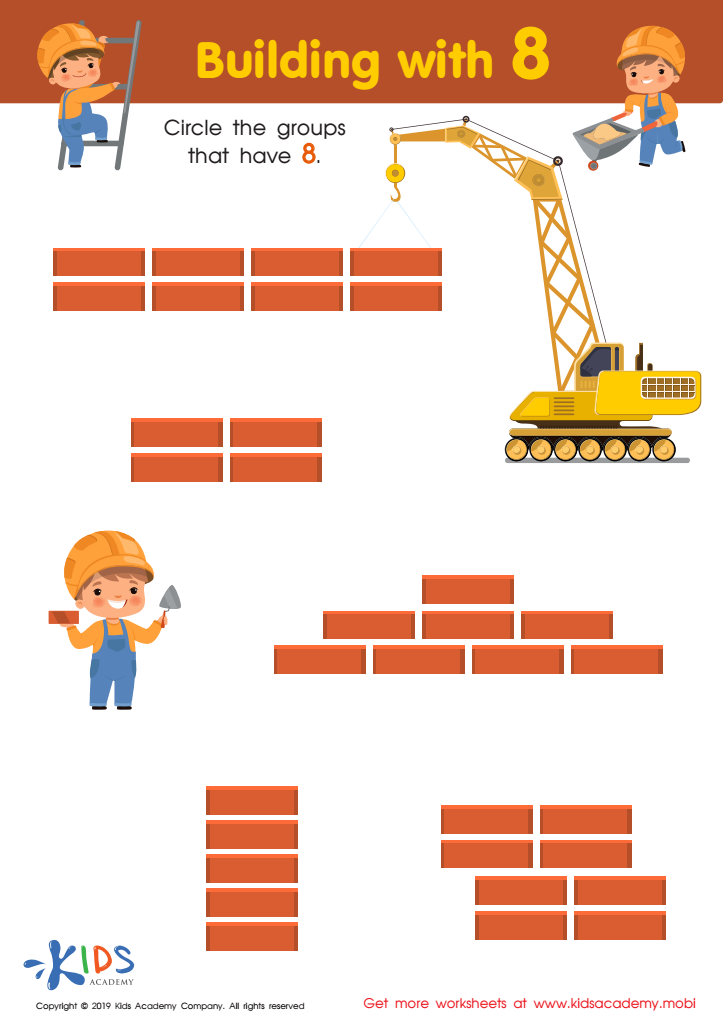
Building with 8 Worksheet
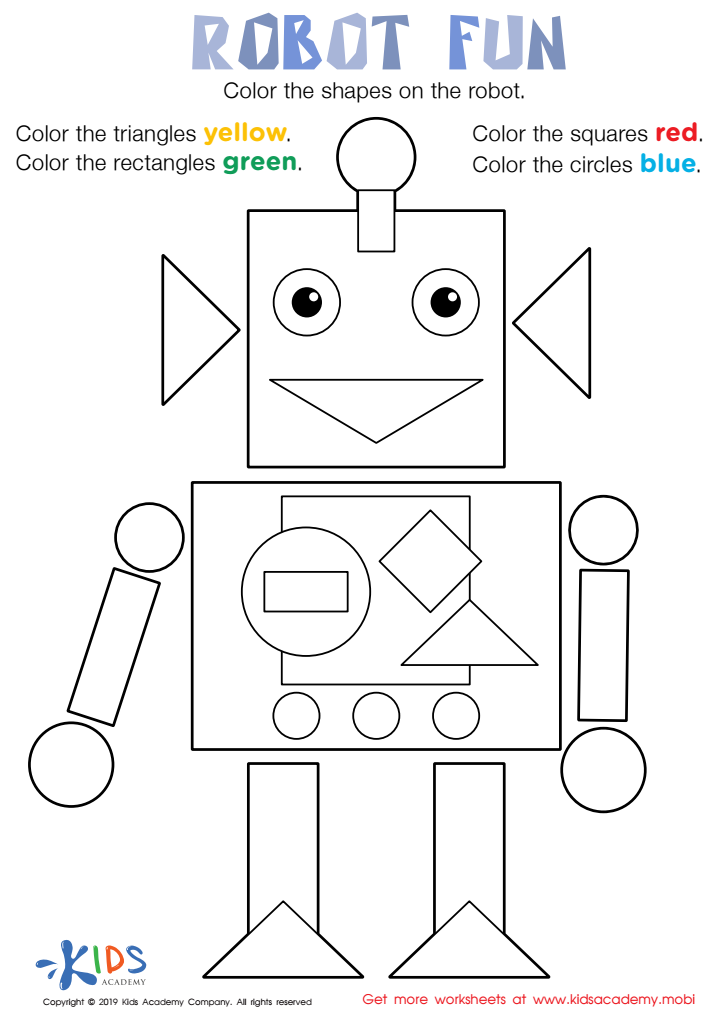
Robot Fun Worksheet
 Assign to My Students
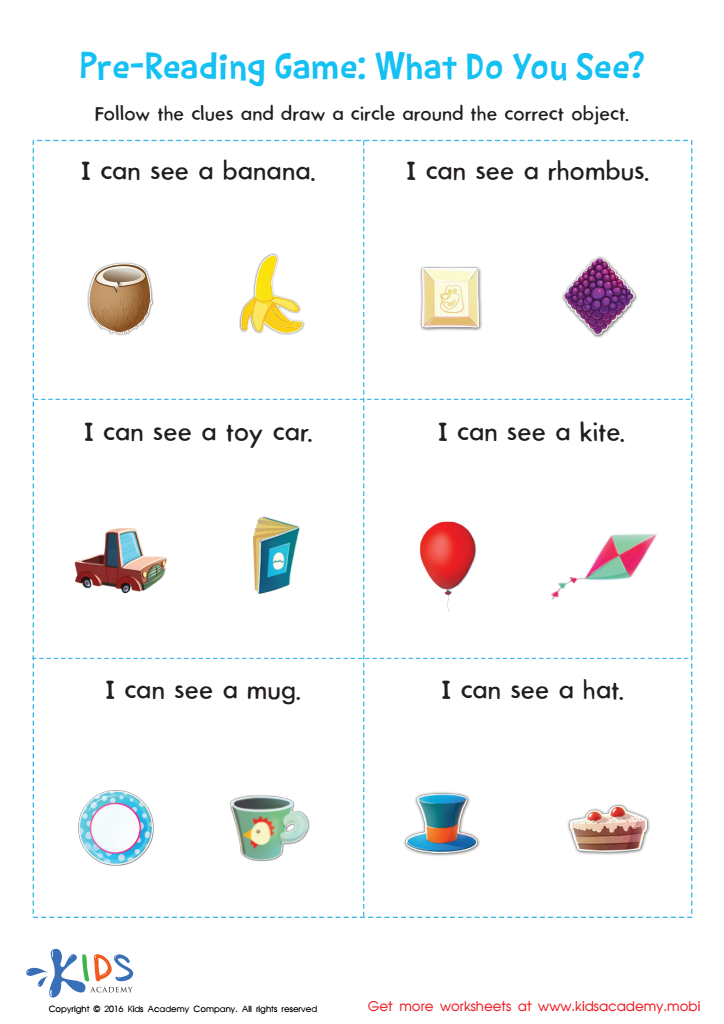
Pre–reading Worksheet: What Do You See?
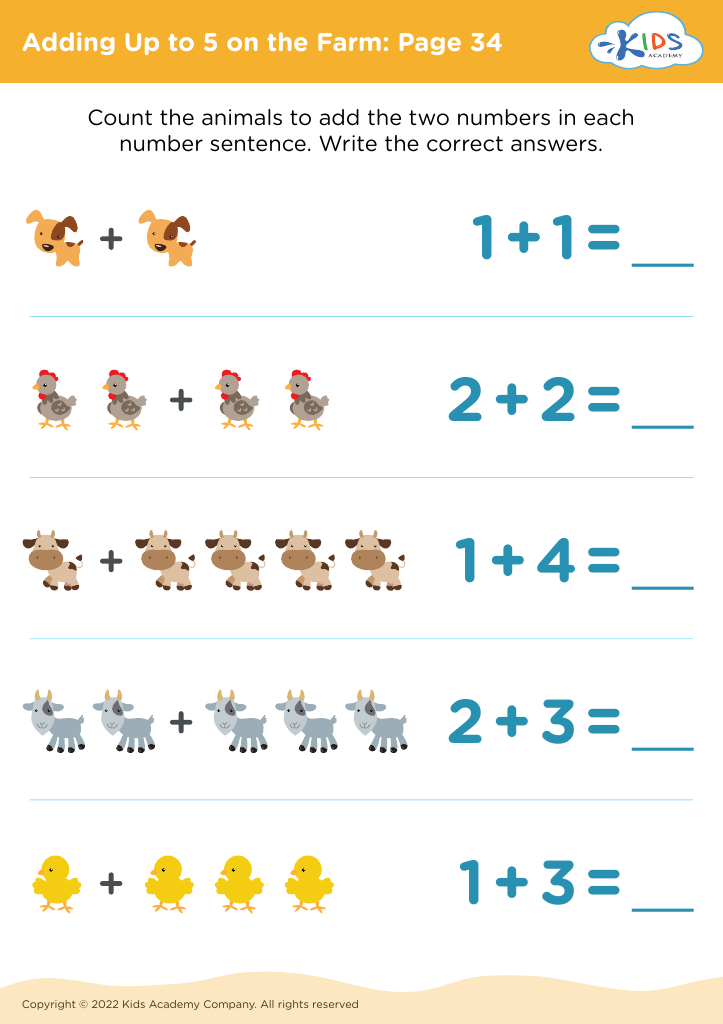
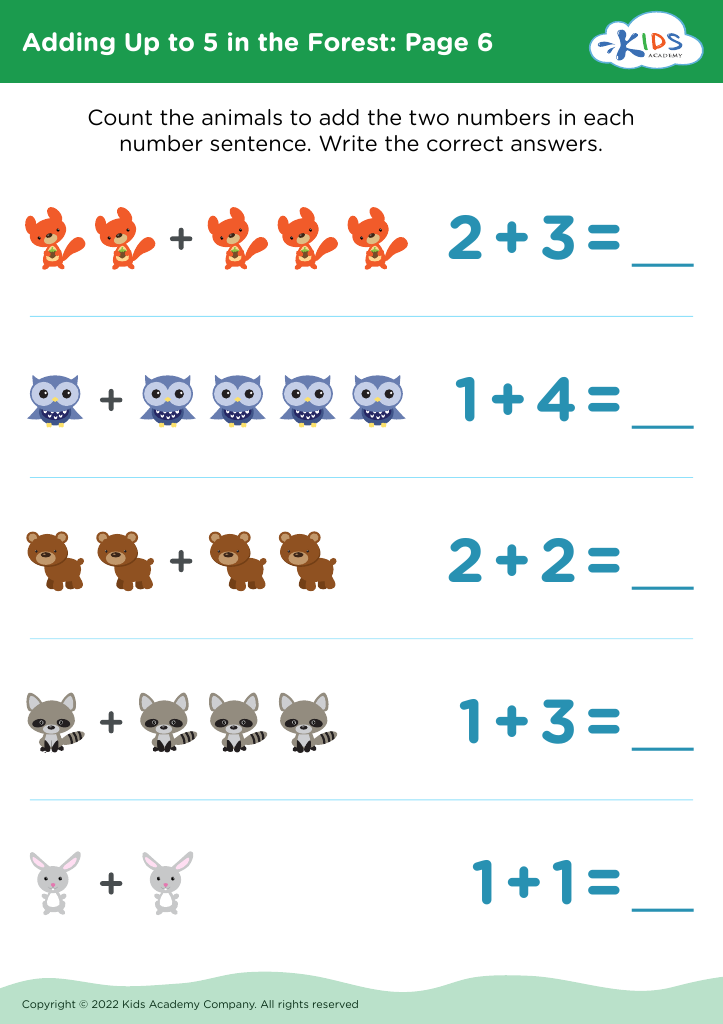
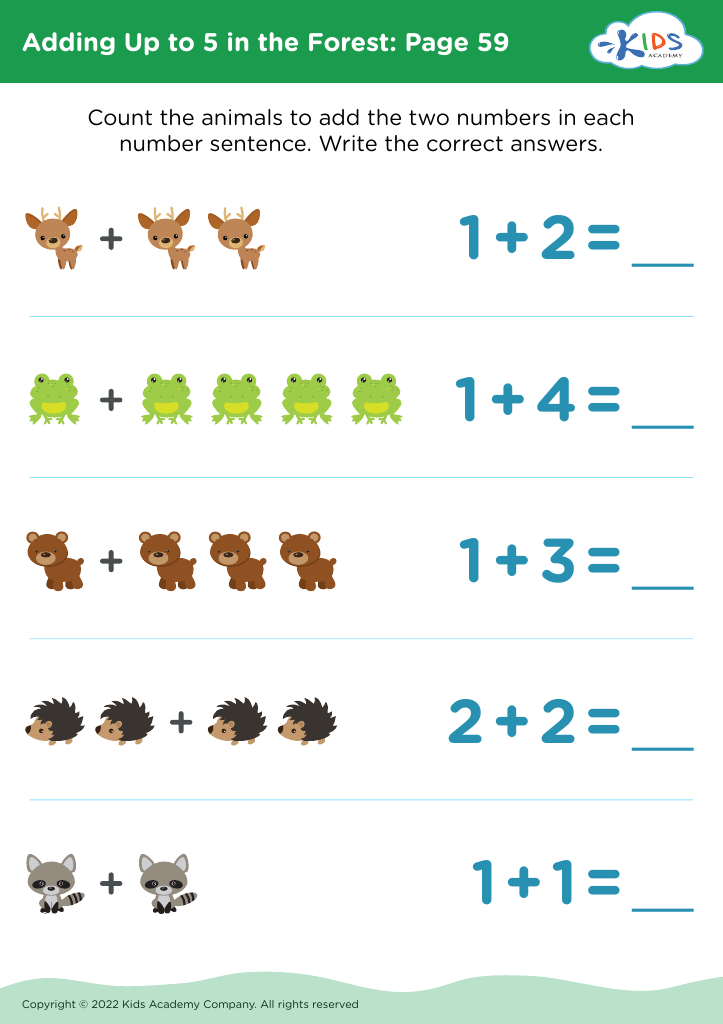
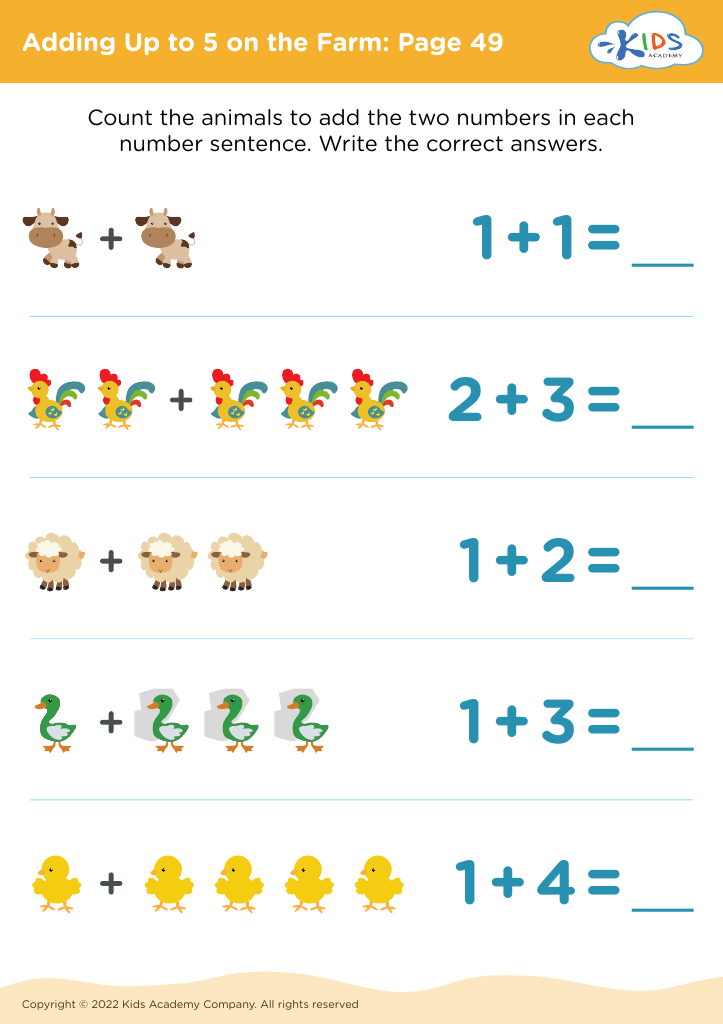
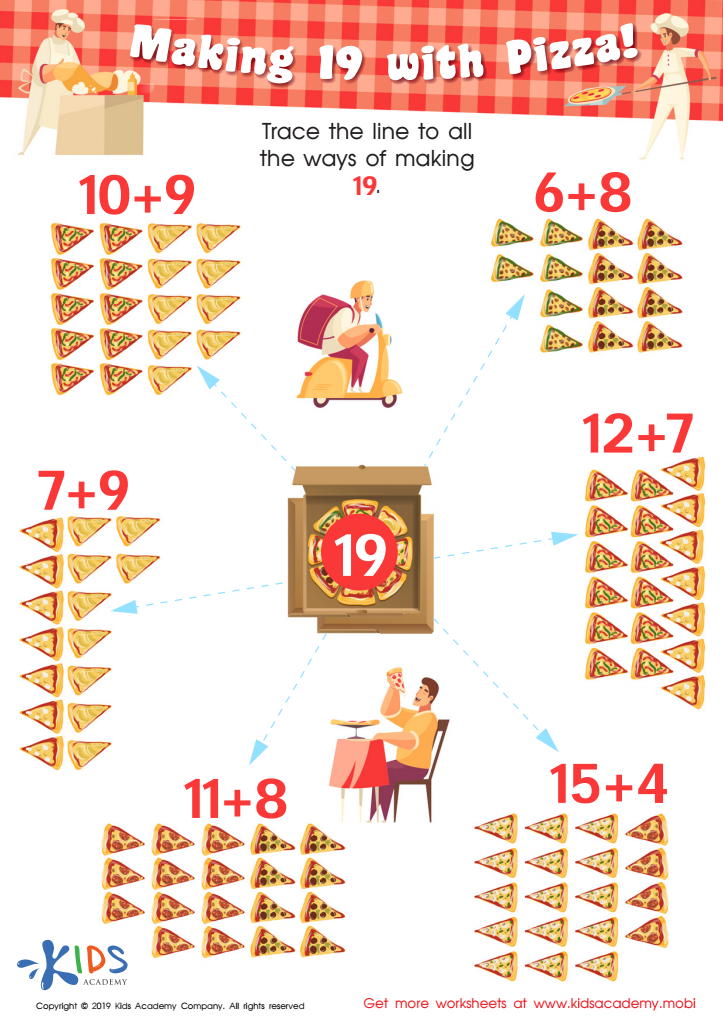
Making 19 with Pizza! Worksheet
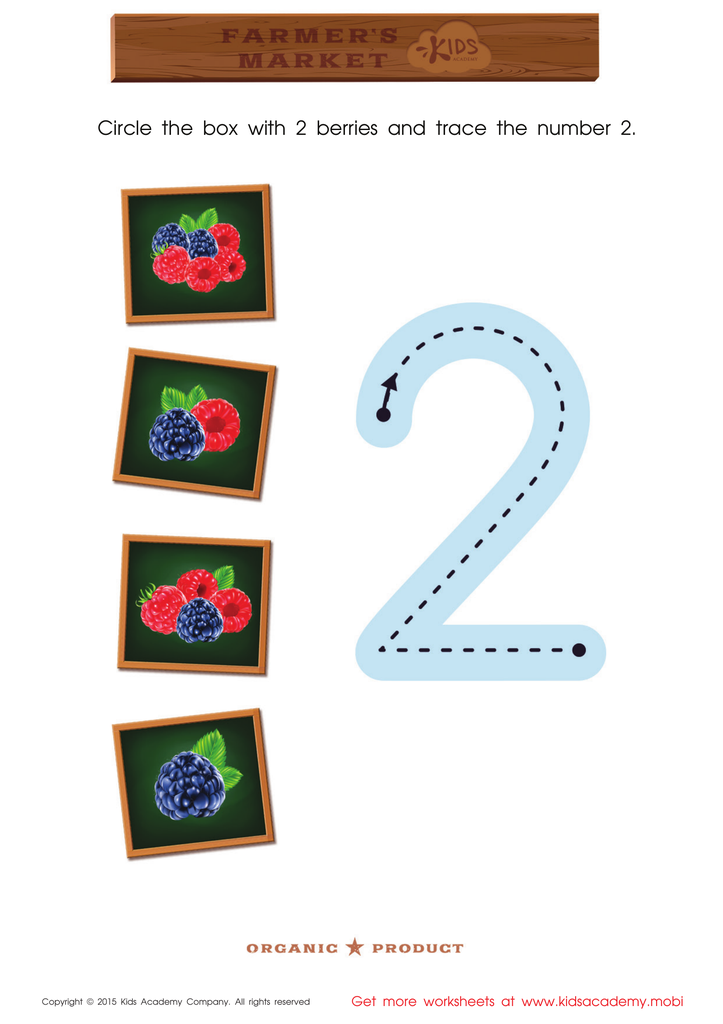
Count the Berries and Trace the Number 2 Printable
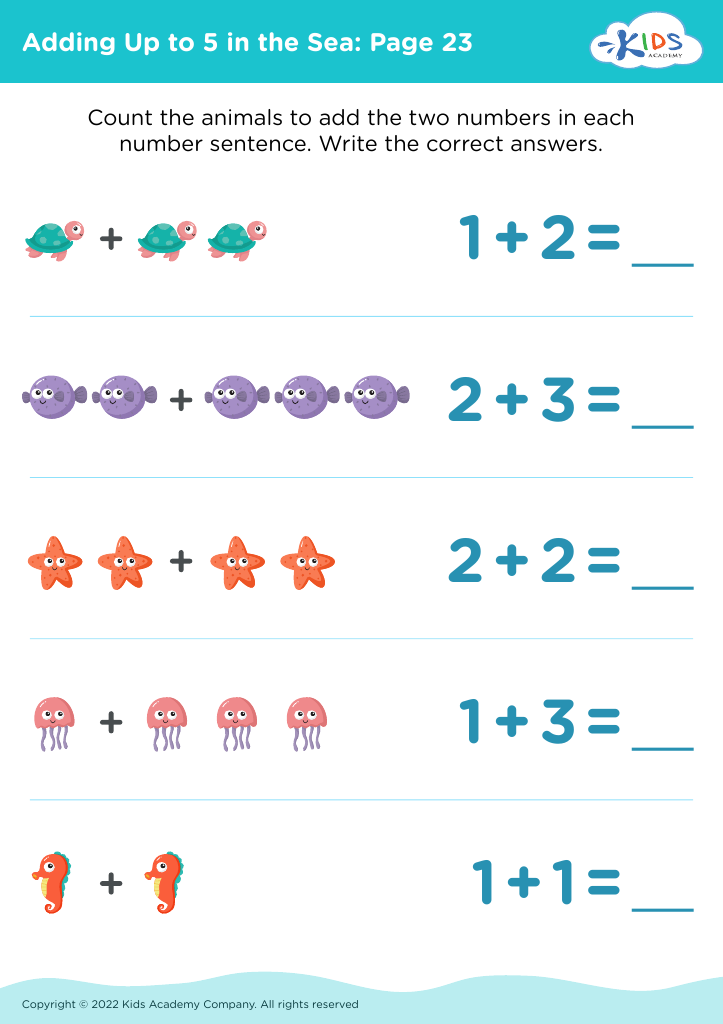
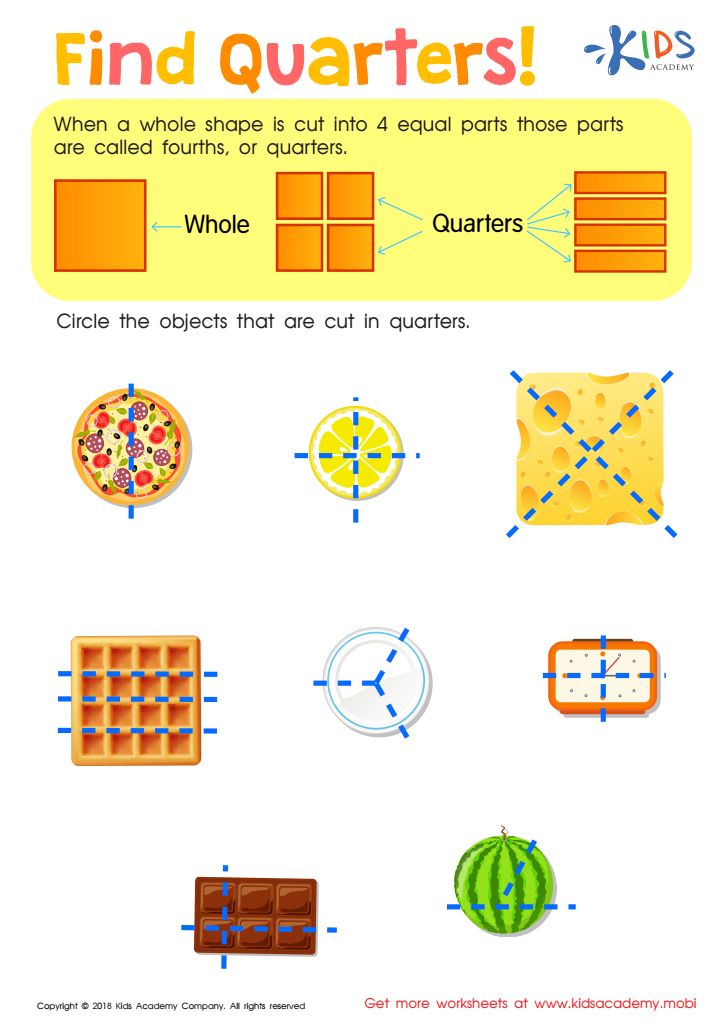
Find Quarters Worksheet







Counting practice is essential for children ages 4-8, as it forms the foundation for their mathematical understanding and overall cognitive development. At this stage, children are naturally curious and eager to explore numbers. Engaging in counting activities helps them develop crucial skills such as number recognition, one-to-one correspondence, and the ability to group and categorize objects.
When parents and teachers prioritize counting practice, they foster a positive attitude towards math. Early exposure enhances confidence and helps students to view math not just as a subject but as an everyday skill. Furthermore, counting activities can be seamlessly integrated into daily routines, such as setting the table or counting toys, making learning organic and relevant.
Additionally, counting serves as a precursor to more complex math skills like addition and subtraction, helping children build a solid foundation for future learning. As children practice counting, they also develop problem-solving skills and logical reasoning, which are valuable across all areas of education.
In summary, by supporting counting practice, parents and teachers can empower young learners, cultivate a deep-seated love for learning, and set them on a path to academic success. This crucial early intervention nurtures both mathematical aptitude and overall personal growth.








