Directional understanding Worksheets for Ages 4-8
6 filtered results
-
From - To
Enhance your child's spatial awareness with our Directional Understanding Worksheets, designed for ages 4-8. These engaging worksheets help young learners grasp essential concepts like left, right, up, down, and beyond. With vibrant illustrations and interactive activities, children will enjoy mastering directional vocabulary in a fun way. Ideal for preschool and early elementary students, our resources support various learning styles and promote cognitive development. Perfect for parents and educators alike, these worksheets make learning about directions exciting and approachable. Foster your child's confidence and foundational skills today with our engaging and educational worksheets that guide them on their path to understanding directions.
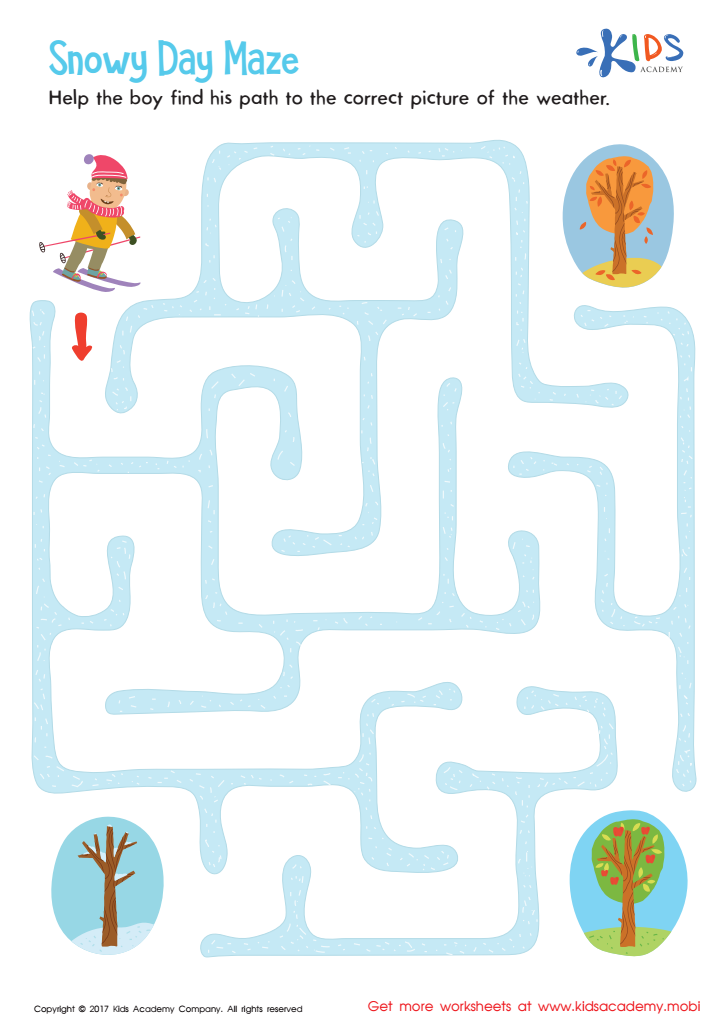
 Assign to My Students
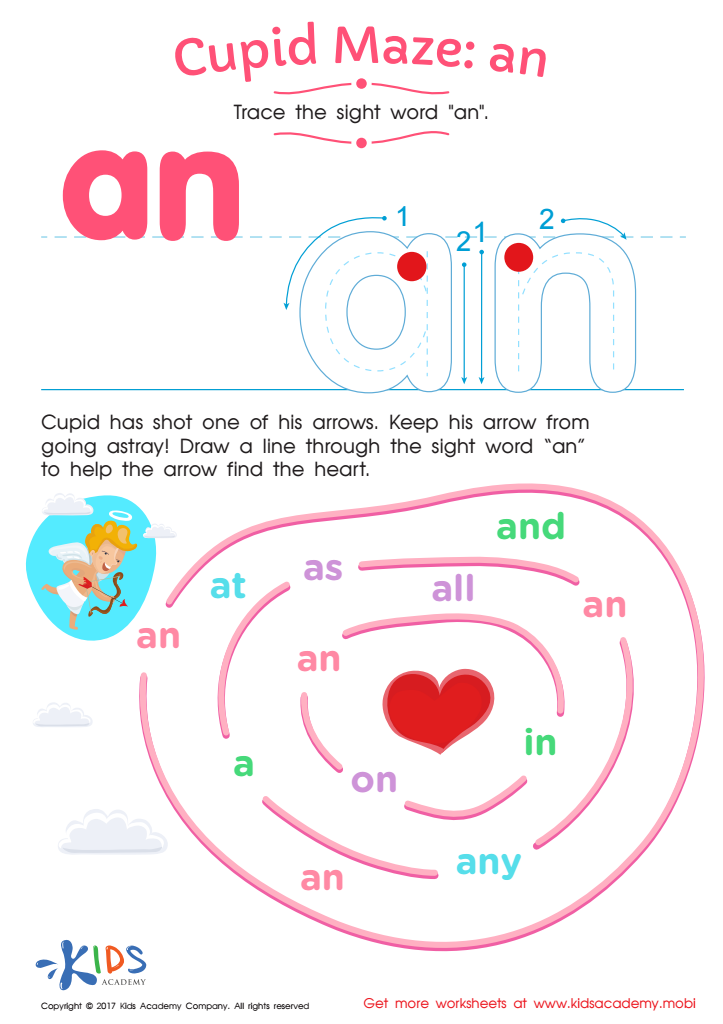
Cupid Maze: An Printable
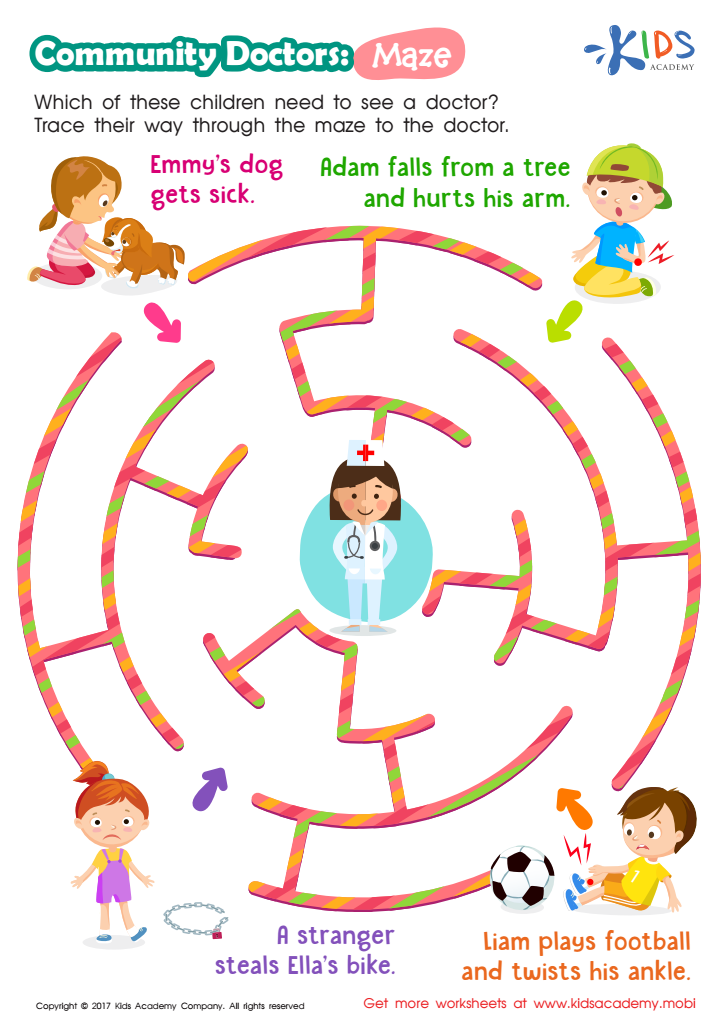
Community Doctors: Maze Printable
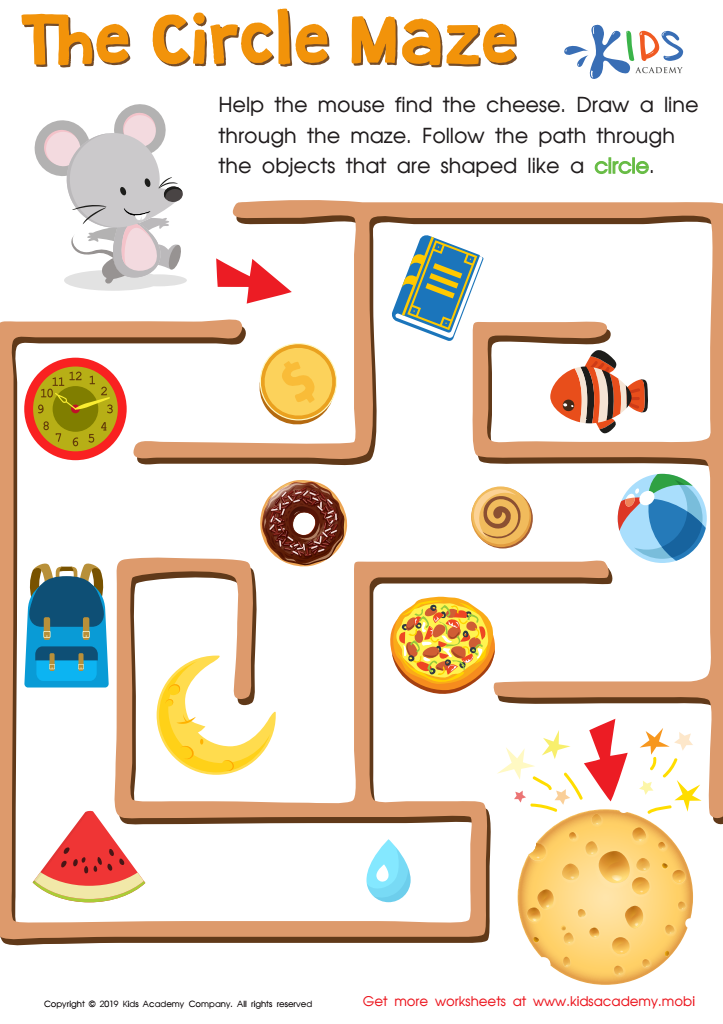
The Circle Maze Worksheet
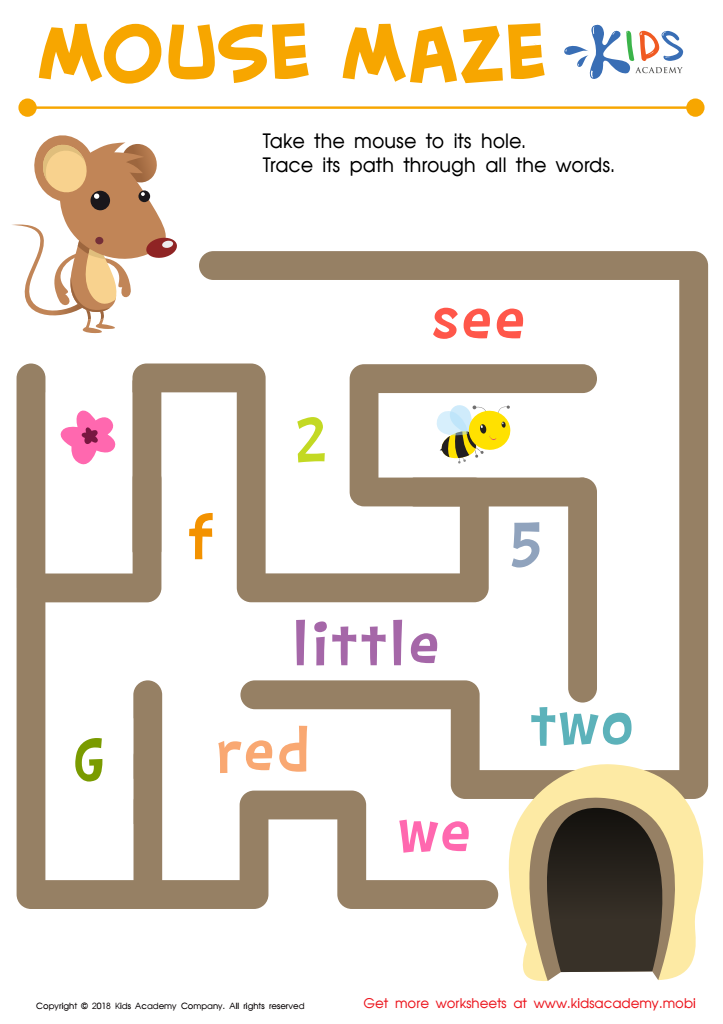
Find Words Mouse Maze Worksheet
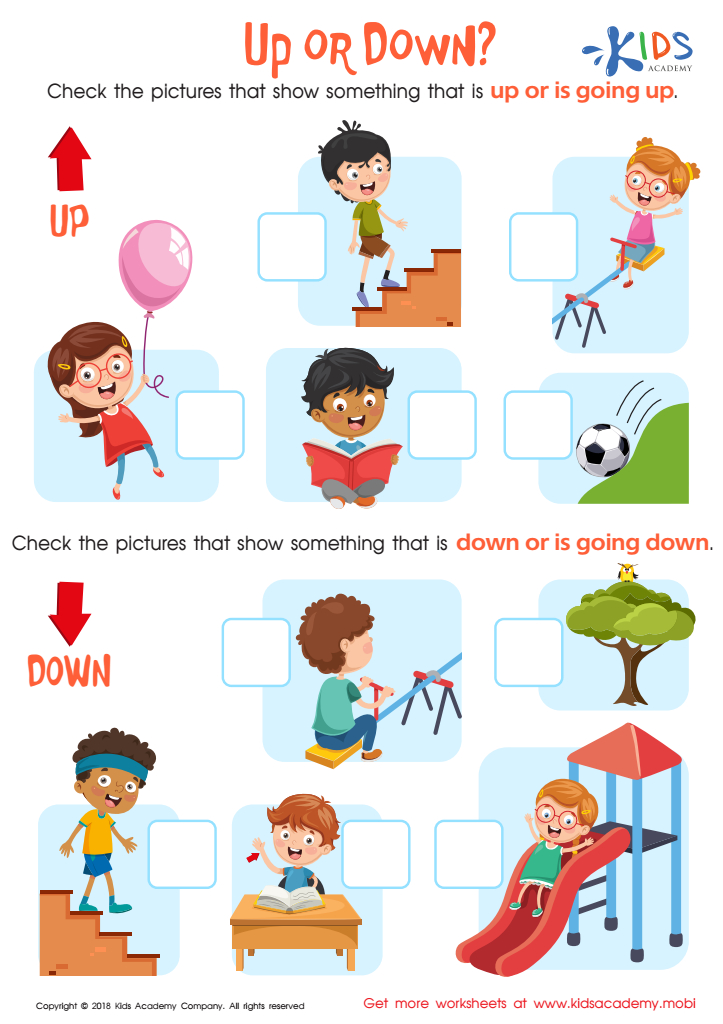
Up or Down Worksheet








Directional understanding is crucial for children aged 4-8 as it lays the foundation for various cognitive and physical skills. At this formative stage, children are learning to navigate their environment, which involves understanding concepts such as left, right, up, down, over, and under. This understanding is vital not just for physical orientation, but also for developing everyday skills like reading, writing, and math.
Parents and teachers should care about fostering directional understanding because it enhances spatial awareness and critical thinking. For instance, recognizing the difference between left and right can significantly aid children in following instructions, whether in a classroom or during play. Moreover, it plays a role in their ability to understand maps, directions, and even basic geometry, which are imperative skills as they transition to more complex learning.
Additionally, engaging children in activities that promote directional awareness, such as following directional games or navigating obstacle courses, can foster collaboration, communication, and motor skills. Ultimately, nurturing this understanding contributes to a child's confidence and independence, empowering them to explore their surroundings safely and interactively. Therefore, it is essential for parents and educators to prioritize directional learning as part of a holistic developmental approach.








