Fraction identification Worksheets for Ages 4-8
8 filtered results
-
From - To
Discover our engaging Fraction Identification Worksheets designed specifically for children ages 4-8! These printable resources make learning about fractions fun and interactive. Perfect for early grade teachers and parents, our worksheets help young learners recognize and understand basic fractions through colorful visuals and easy-to-follow exercises. With a variety of activities, children will explore concepts like halves, quarters, and more, reinforcing their math skills in a playful manner. Ideal for homeschool and classroom settings, our fraction identification activities not only build foundational math knowledge but also boost confidence and problem-solving abilities in young learners. Download today and make math a blast!
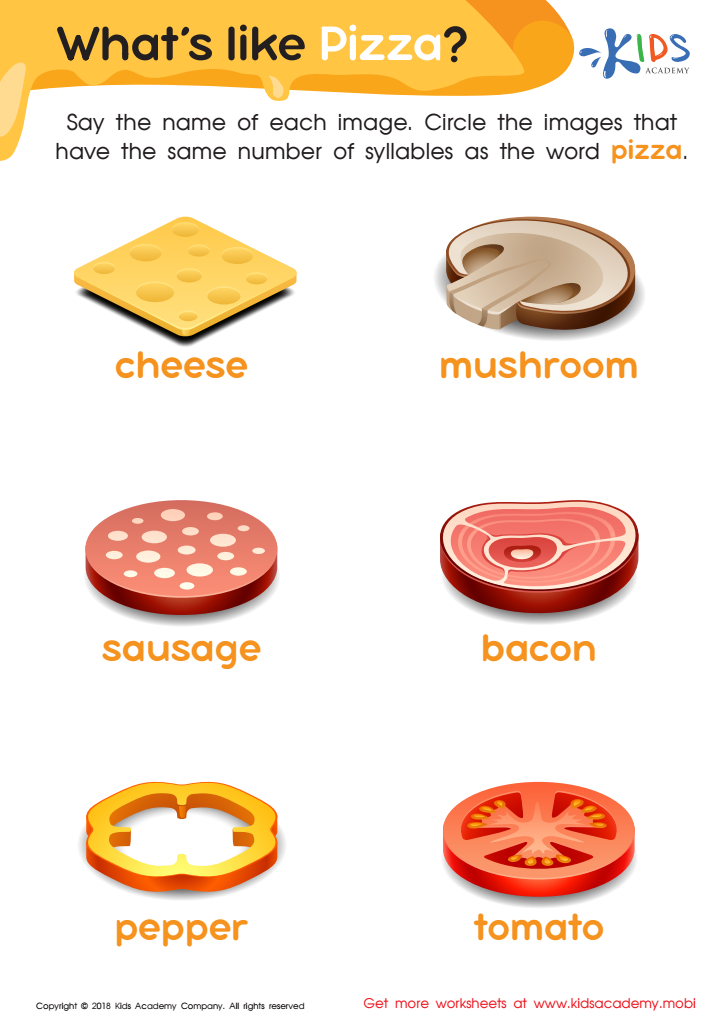
What's Like Pizza? Worksheet
 Assign to My Students
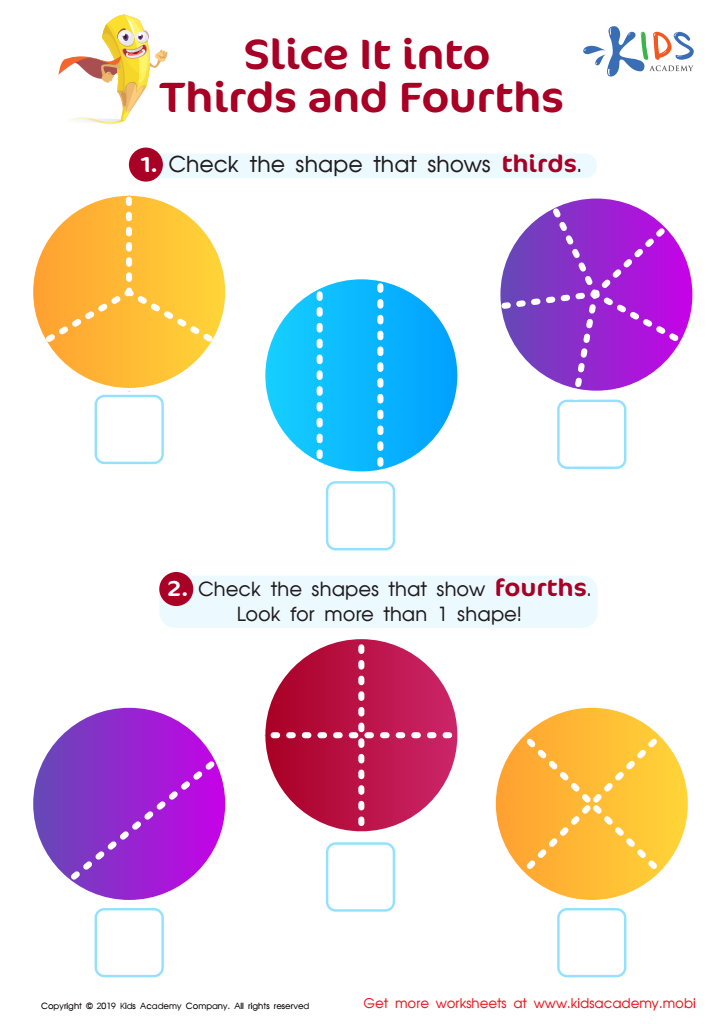
Slice in Thirds Fourths Worksheet
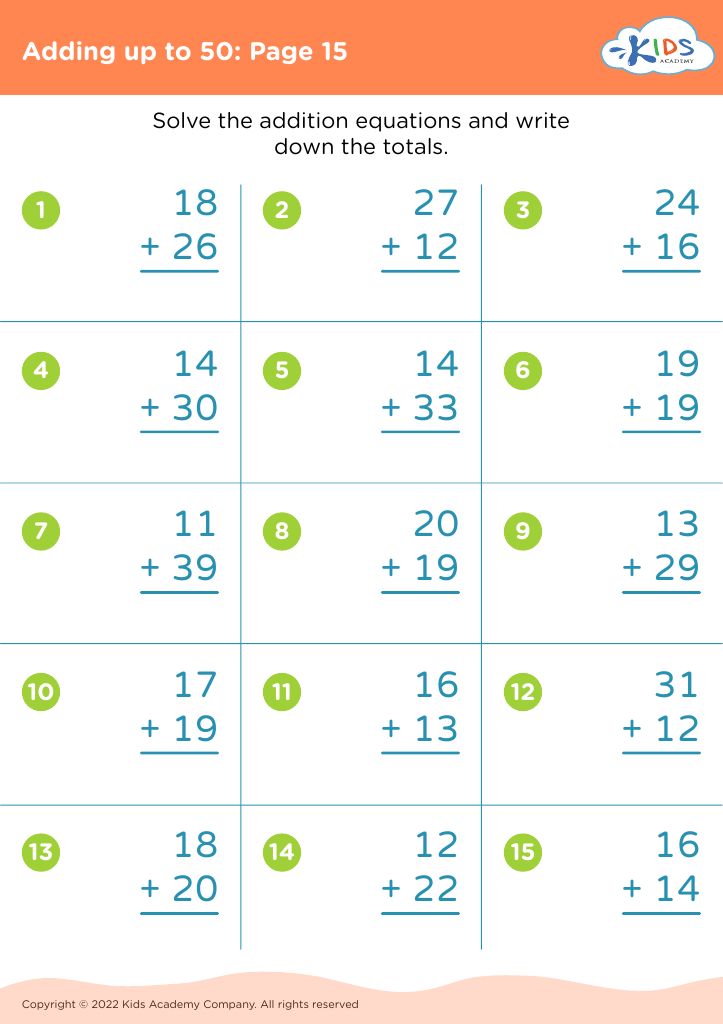
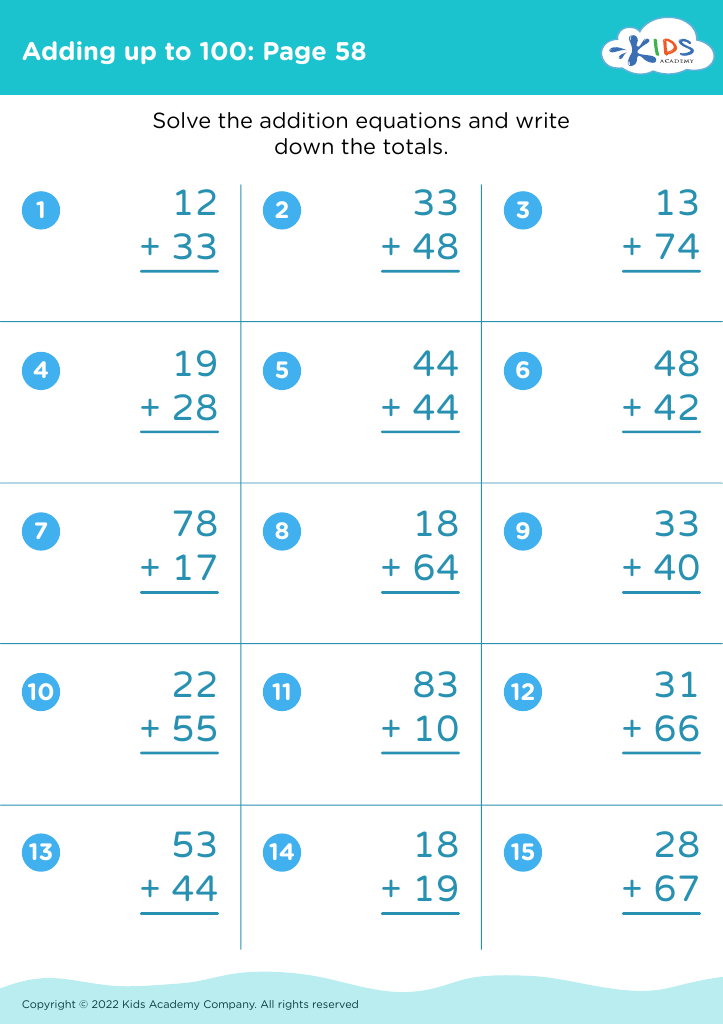
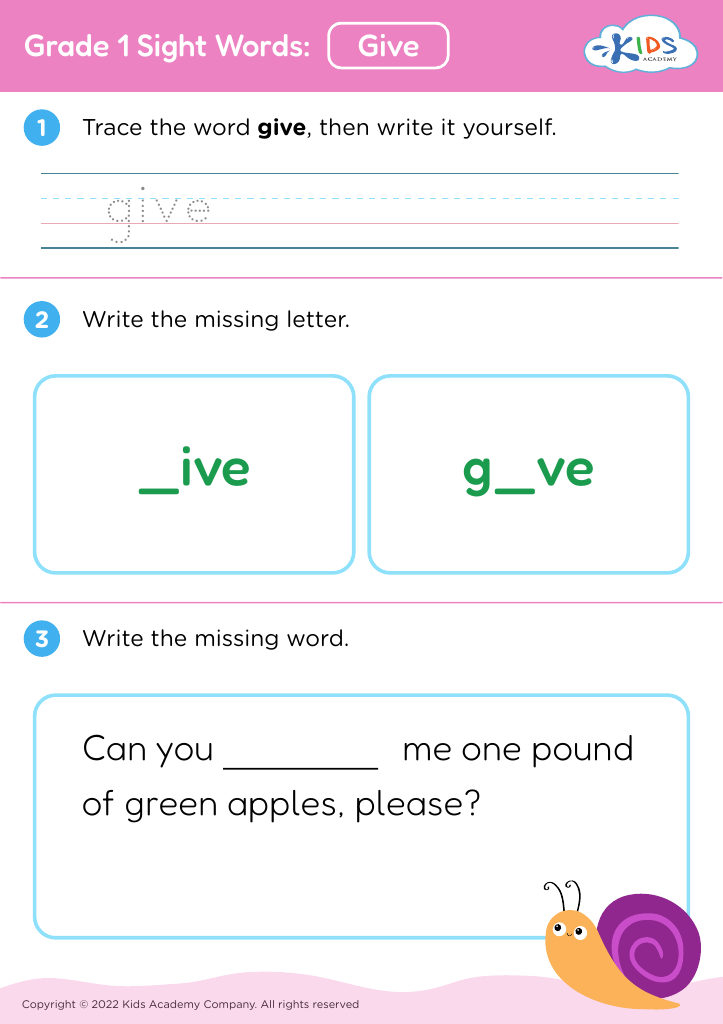







Understanding fraction identification is crucial for children ages 4-8, as it lays the foundation for their mathematical development. During these formative years, children begin to grasp fundamental concepts that will impact their future learning. Recognizing and understanding fractions helps develop number sense, allowing children to work with quantities and proportional reasoning effectively.
When parents and teachers focus on fraction identification, they foster critical thinking and problem-solving skills. Exploring fractions encourages children to visualize parts of a whole, promoting spatial awareness and logical reasoning. Fractions also appear in real-world contexts, such as cooking or sharing, making them relatable and relevant.
Moreover, early engagement with fractions can help reduce math anxiety in later years. If students struggle with fractions in elementary school, it can lead to lasting difficulties in mathematics. By supporting fraction identification through playful activities, discussions, and practical applications, adults can nurture a positive attitude toward math.
Finally, mastering fractions enhances children's ability to connect with other mathematical concepts, such as ratios, percentages, and operations involving whole numbers. Thus, parents and teachers should actively promote fraction identification, ensuring that children establish strong mathematical foundations that contribute to their overall academic success.








