Fraction simplification Worksheets for Ages 4-8
74 filtered results
-
From - To
Discover our engaging Fraction Simplification Worksheets designed specifically for children ages 4-8. These educational resources provide a fun and interactive way for young learners to grasp the concept of fractions and enhance their math skills. Our worksheets feature vibrant illustrations and easy-to-follow instructions, ensuring that kids remain motivated while learning. With a variety of activities tailored to different skill levels, your child will enjoy practicing fraction simplification through games and exercises that promote critical thinking. Perfect for home or classroom use, these worksheets will help build a strong foundation in mathematics and foster a love for learning. Get started today!
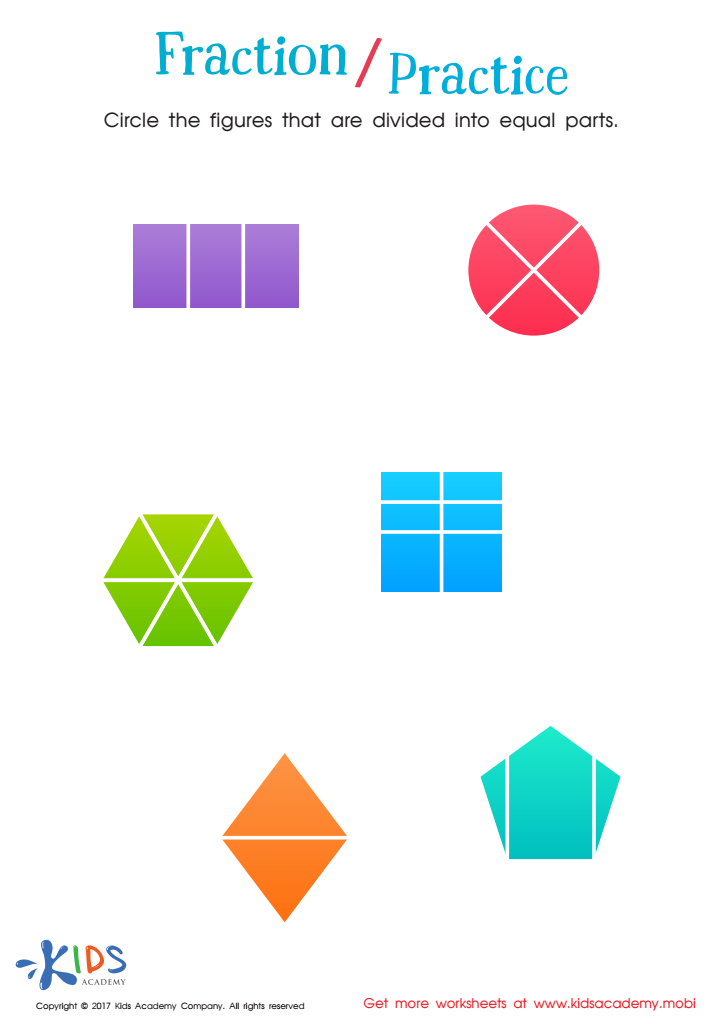
Fractions: Shapes Worksheet
 Assign to My Students
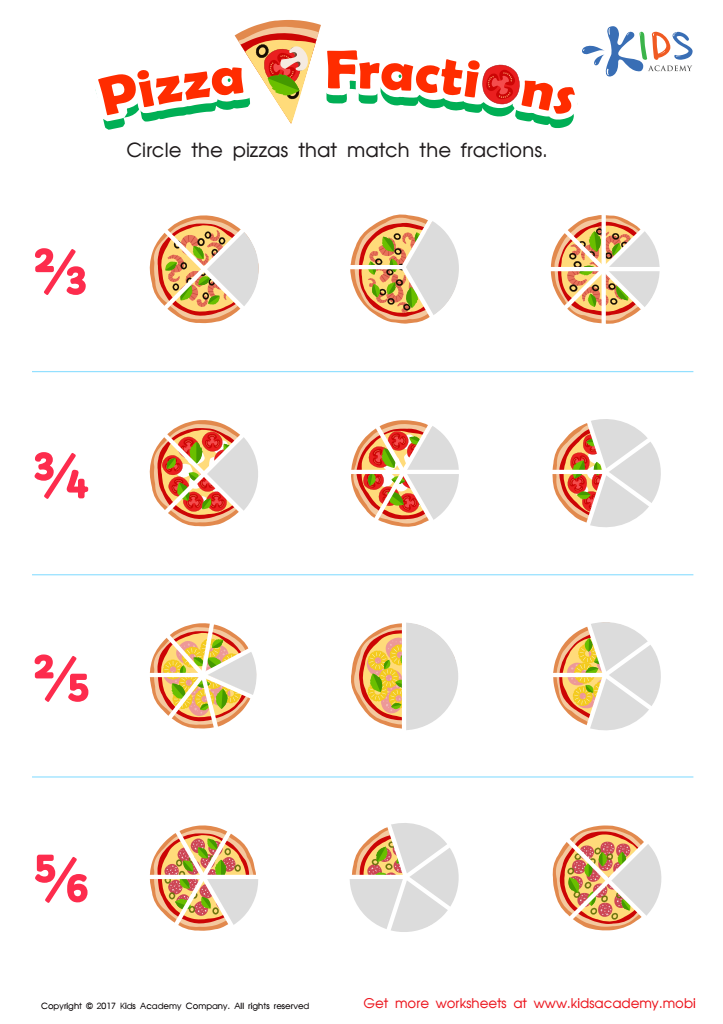
Fractions: Pizza Printable
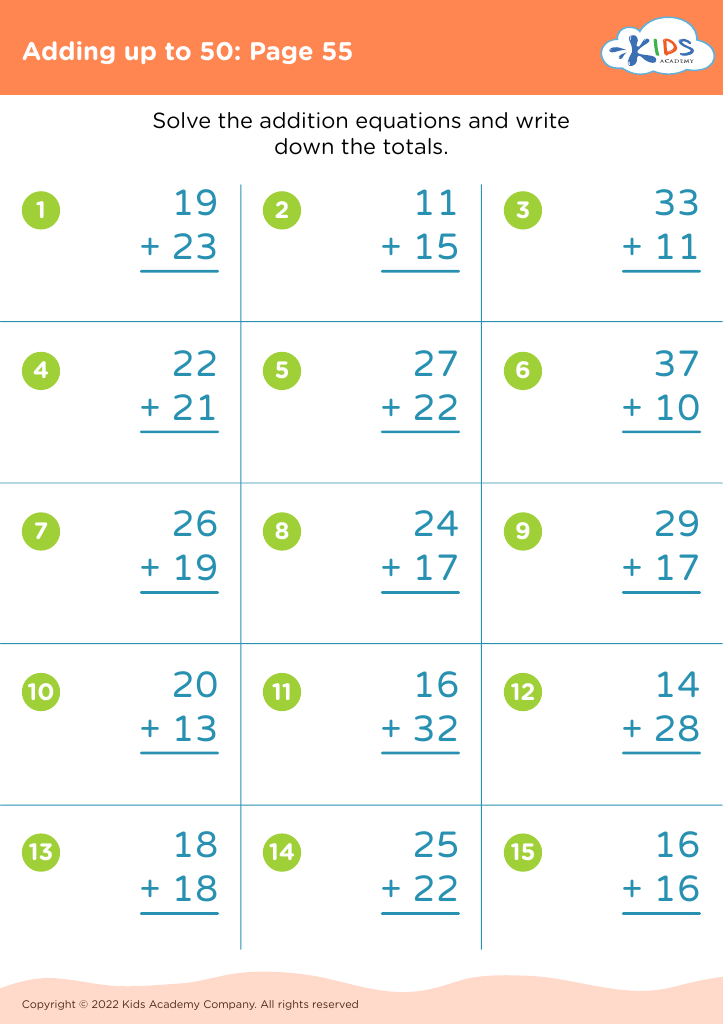
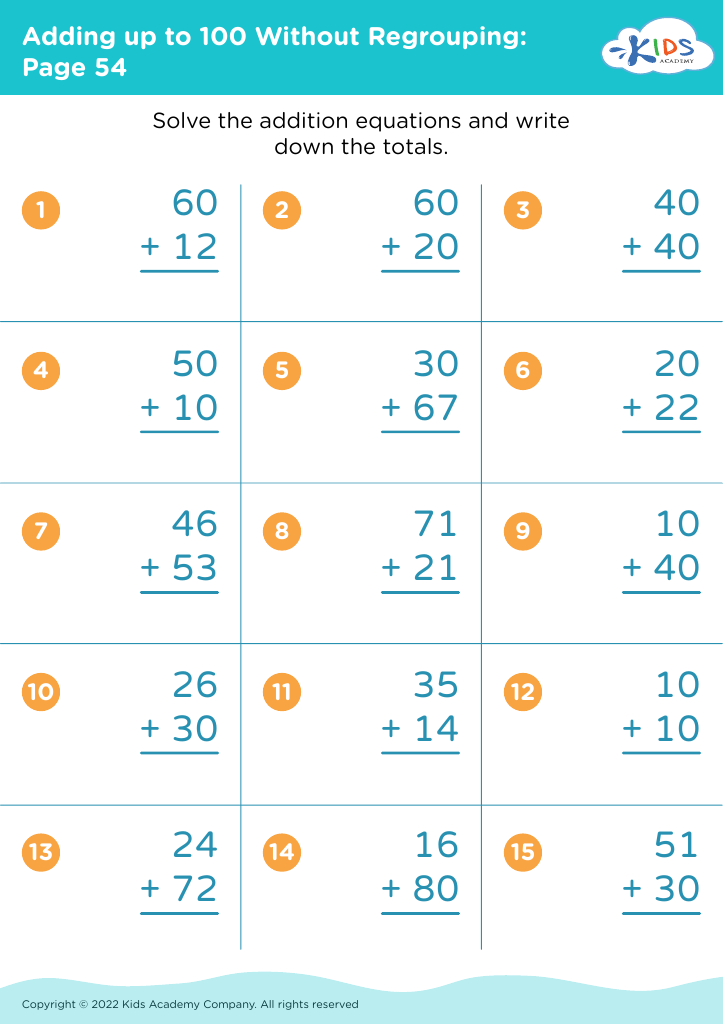
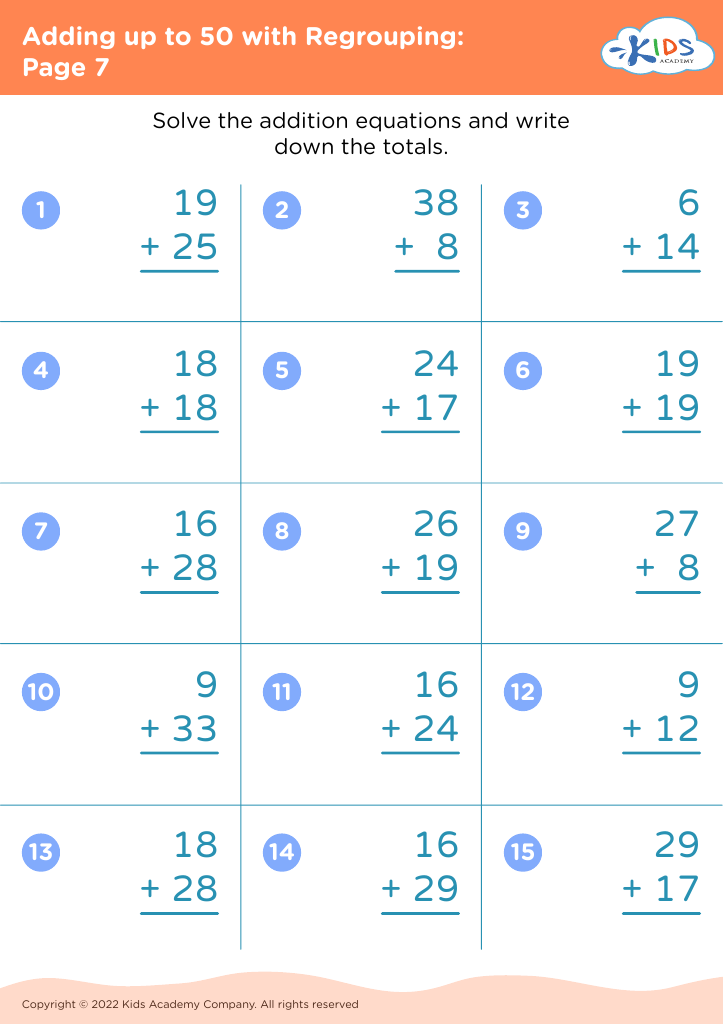








Fraction simplification is a fundamental math skill that can significantly impact a child's overall understanding of mathematics. For children ages 4-8, mastering fractions lays the groundwork for later mathematical concepts, such as division, ratios, and percentages. Simplifying fractions helps children develop critical thinking and problem-solving skills, as they learn to recognize patterns and relationships between numbers.
Parents and teachers should care about this topic because simplified fractions make numerical comparisons easier, which enhances children's comprehension of how quantities relate to one another. This understanding fosters confidence in math, reducing frustration that can lead to a negative attitude towards the subject. Furthermore, learning fraction simplification during these formative years encourages a growth mindset, teaching children to embrace challenges and persist in problem-solving.
Engaging children with visual aids, manipulatives, and real-life scenarios can effectively make fraction concepts relatable and enjoyable. By focusing on simplifying fractions, parents and teachers can help children build a strong mathematical foundation, ultimately leading to success in future academic endeavors. Early intervention in math skills ensures children are better prepared for advanced concepts, promoting long-term academic achievement and preparing them for everyday real-world applications of mathematics.








