
Identifying differences Worksheets for Ages 4-8
3 filtered results
Difficulty Level
Grade
Age
-
From - To
Subject
Activity
Standards
Discover our "Identifying Differences Worksheets for Ages 4-8," designed to nurture young minds! These engaging worksheets are perfect for helping children enhance their observational skills by spotting differences in various images. Crafted for ages 4-8, each activity develops critical thinking, attention to detail, and problem-solving abilities in a fun, interactive way. Ideal for both classroom and home learning, these printables ensure hours of educational entertainment. Whether for preschoolers or early elementary students, our worksheets make learning to identify differences an exciting adventure. Visit Kids Academy for endless learning opportunities that grow with your child!
Favorites
With answer key
Interactive
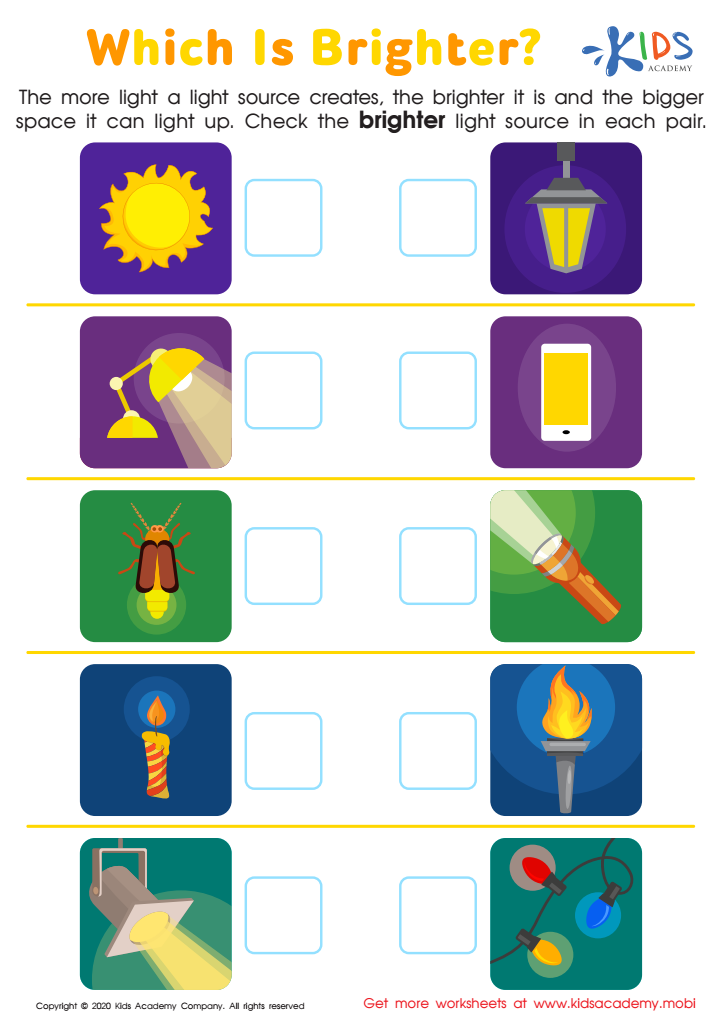
Which Is Brighter? Worksheet
Before the exercise, ask students to recall sources of light. Use this worksheet to explain that the brighter the light source, the more space it can light up. Identify the different light sources in the pictures, then check the brighter light source in each pair. The biggest natural source of light is the sun.
 Assign to My Students
Which Is Brighter? Worksheet
Worksheet
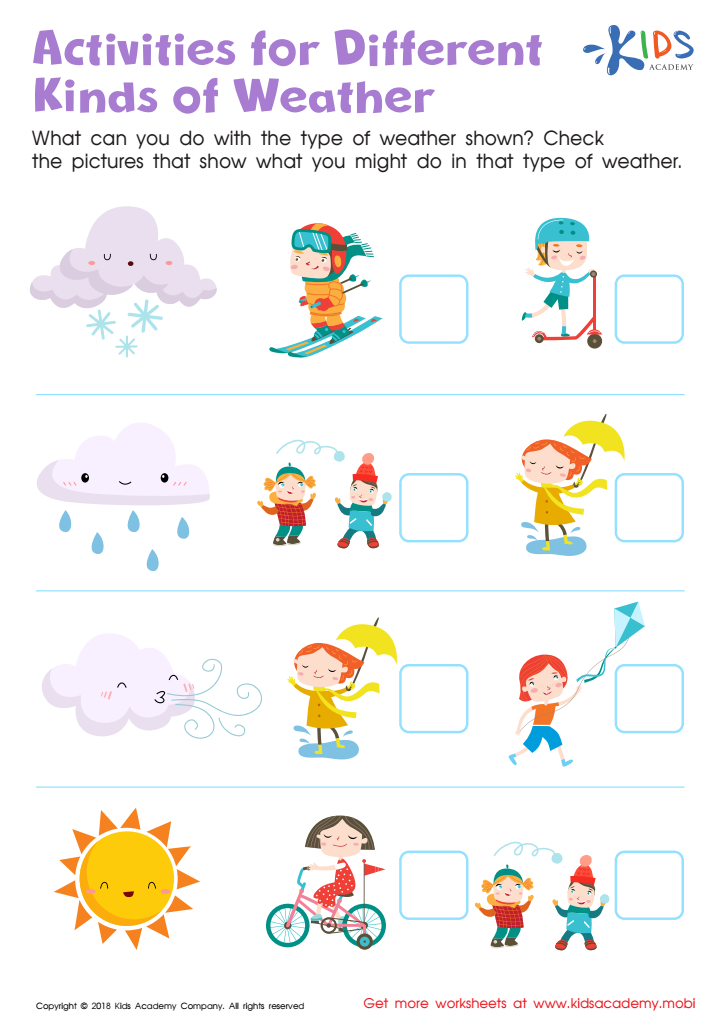
Activities for Different Kinds of Weather Worksheet
Help your child explore the changing seasons with this interactive worksheet. Ask them to name the different seasons and activities associated with each type of weather. Show the pictures and explain what they can do in that kind of weather. Have them check off the activities to help them learn and enjoy the changing seasons.
Activities for Different Kinds of Weather Worksheet
Worksheet
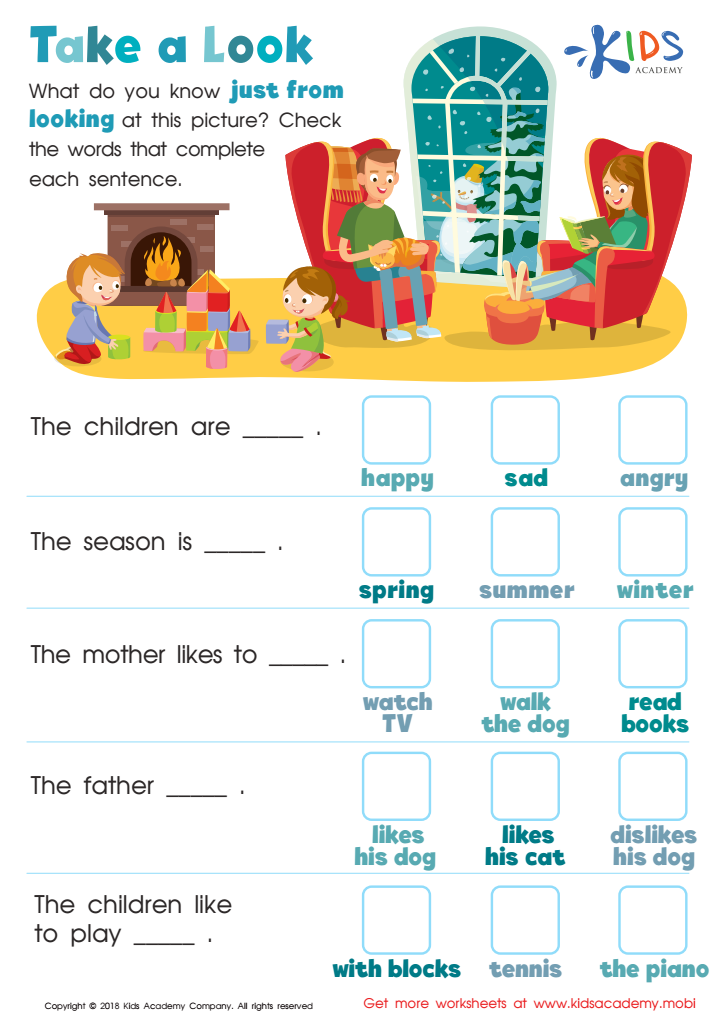
Take a Look - Part 1 Worksheet
Young learners gain understanding when using picture clues when reading. Looking at illustrations can help students learn the meaning of key vocabulary when reading fiction or informational text. Ask your students to look at the worksheet and observe what they can learn from the picture. It's a great comprehension strategy for early readers.
Take a Look - Part 1 Worksheet
Worksheet
Join Kids Academy for Free
Who is primarily going to use this learning content?





.jpg)
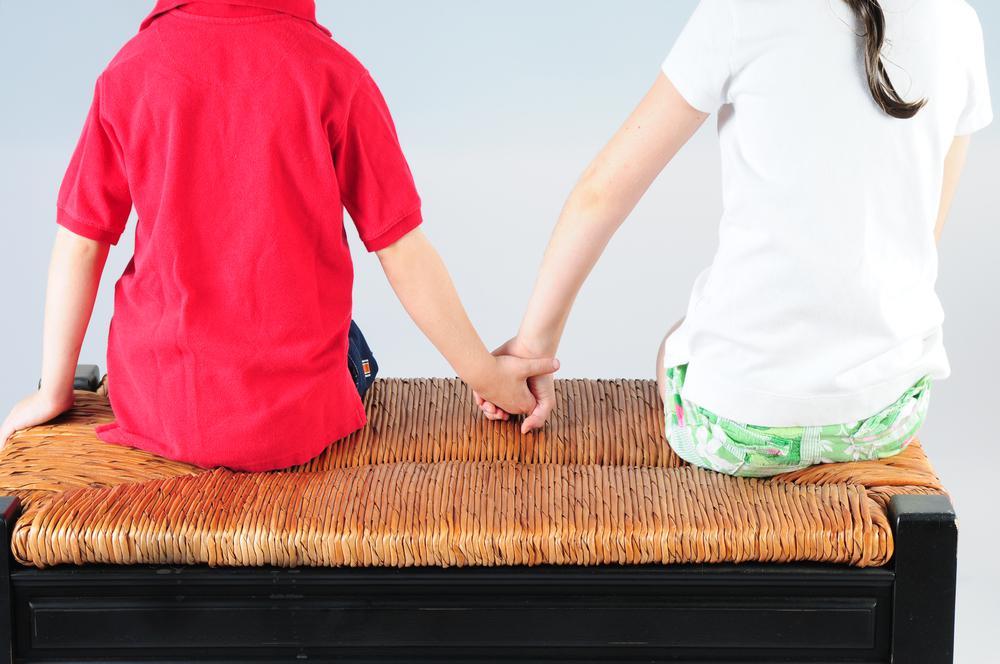
Identifying differences in children aged 4-8 is crucial for both parents and teachers, as it plays a significant role in their cognitive, emotional, and social development. At this young age, children are rapidly learning about the world around them and building the foundational skills needed for future success. Recognizing individual differences, such as learning styles, interests, and developmental paces, allows adults to tailor educational experiences and support strategies to each child's unique needs.
When parents and teachers are attuned to these differences, they can create more inclusive and effective learning environments. For instance, a child who struggles with fine motor skills may benefit from additional practice or alternative methods to complete tasks, whereas a child who excels in a particular subject can be given more challenging materials to nurture their talents. Additionally, understanding emotional and social differences helps adults address issues like anxiety, shyness, or behavioral challenges early on, providing appropriate interventions and promoting positive self-esteem.
By recognizing and valuing each child's individuality, parents and teachers can foster a more positive and engaging learning experience. This attentive approach helps children feel understood and supported, ultimately leading to better academic outcomes, enhanced emotional well-being, and the development of resilient, confident individuals.








