Letter-sound association Worksheets for Ages 4-8
13 filtered results
-
From - To
Discover our engaging Letter-Sound Association Worksheets designed specifically for children ages 4-8! These worksheets help young learners master the connection between letters and their corresponding sounds, a crucial step in early literacy development. Each activity is fun and interactive, promoting a love for reading and language. Our resources cater to various learning styles, ensuring every child can benefit from hands-on practice. With colorful illustrations and creative exercises, your child will enhance their phonetic awareness while enjoying the process. Perfect for use at home or in the classroom, our worksheets set the foundation for successful reading skills. Start their learning journey today!
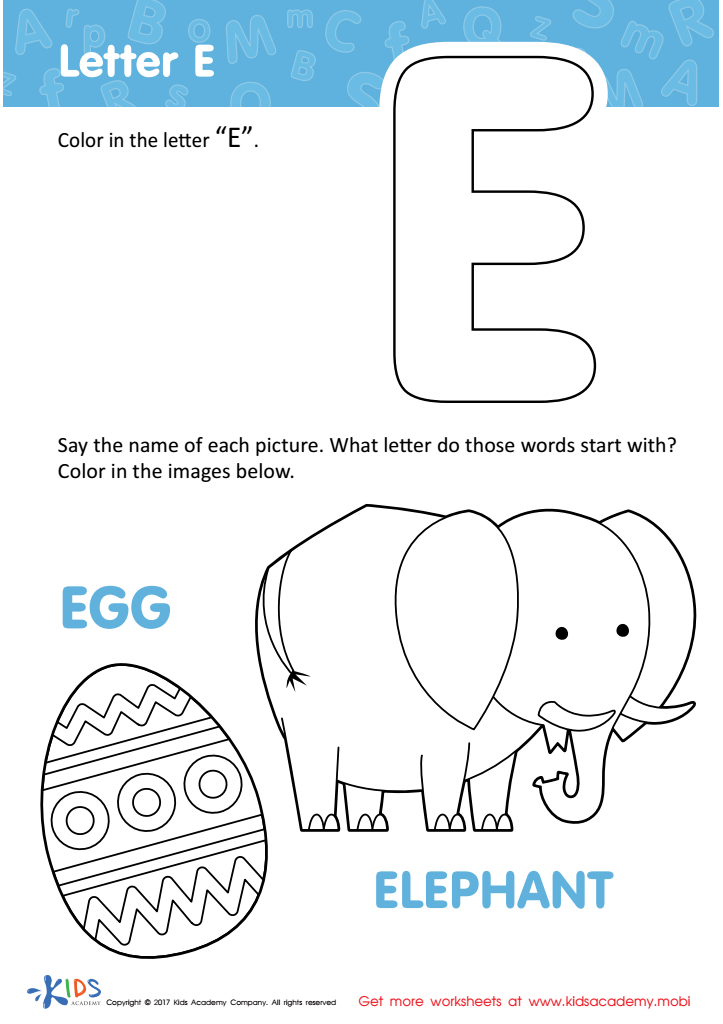
Letter E Coloring Sheet
 Assign to My Students
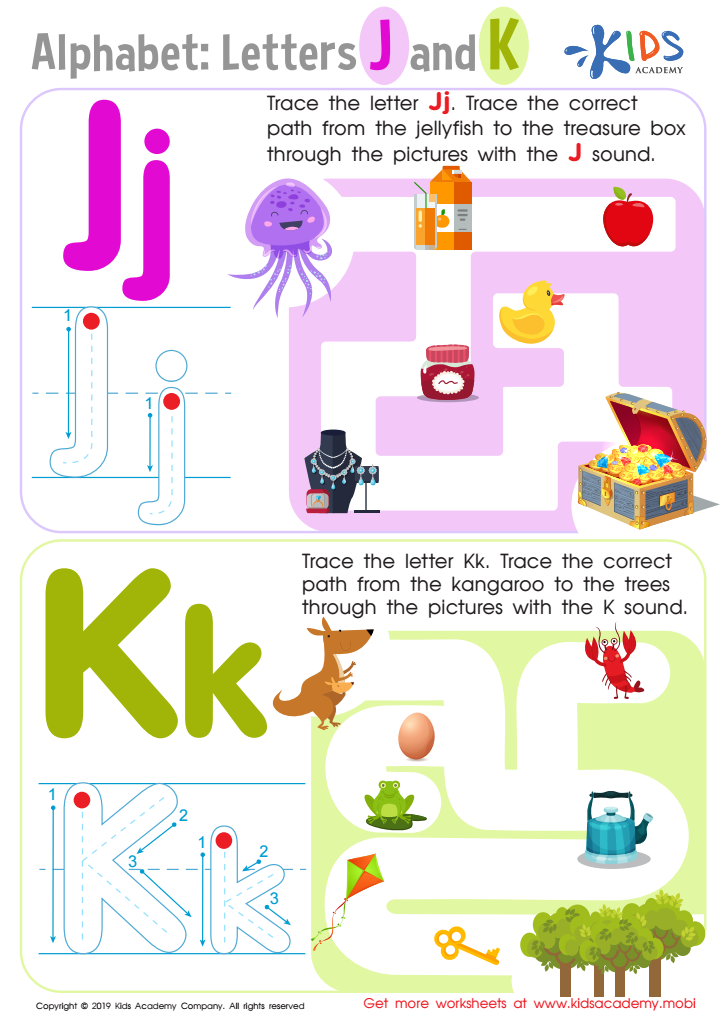
Letters J and K Tracing Worksheet
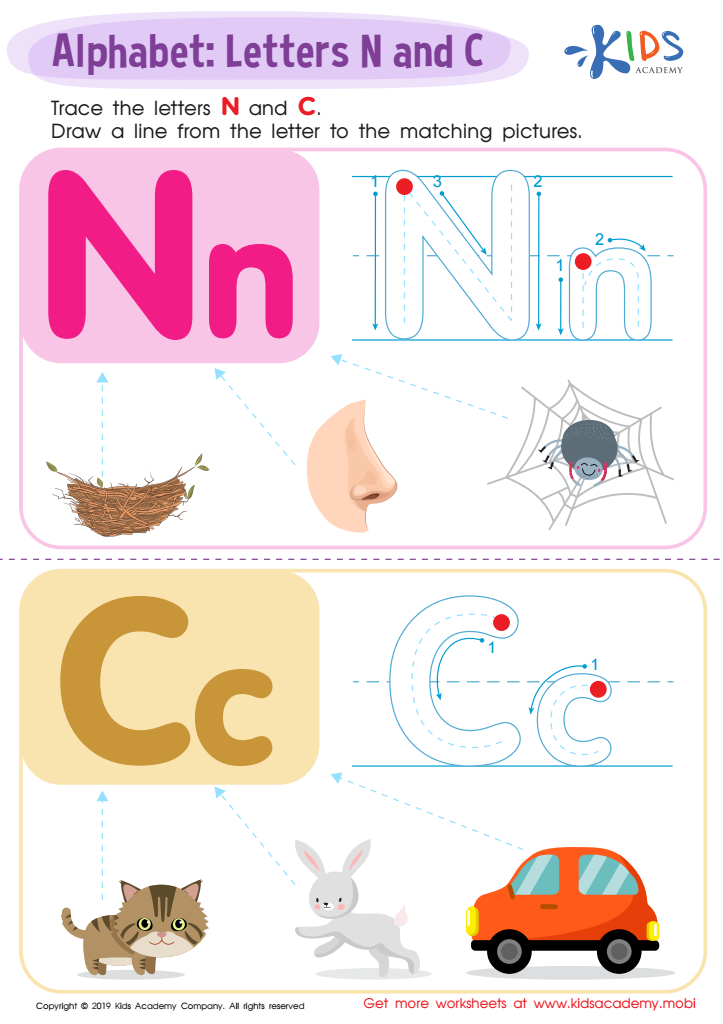
Letter N and C Tracing Worksheet
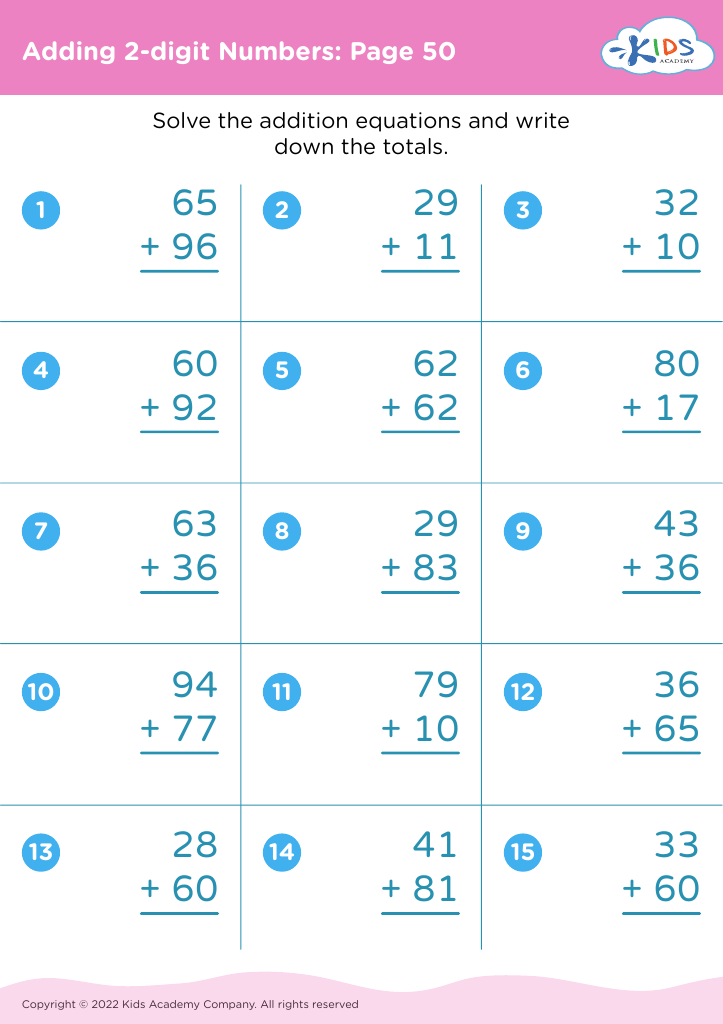
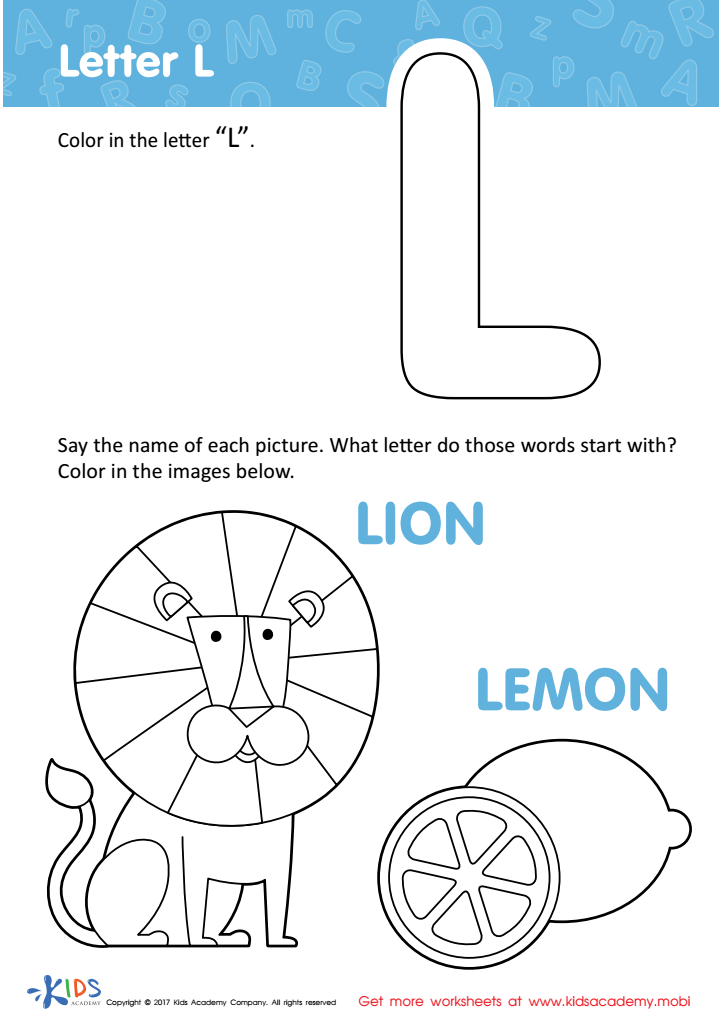
Letter L Coloring Sheet
Assign to My Students
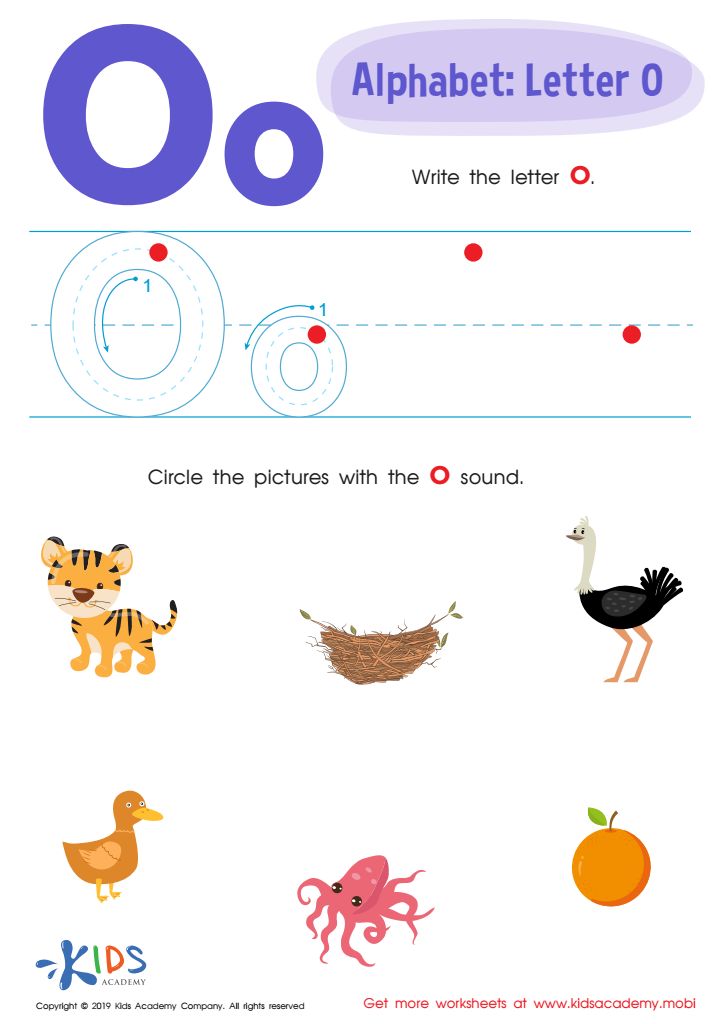
Letter O Tracing Worksheet
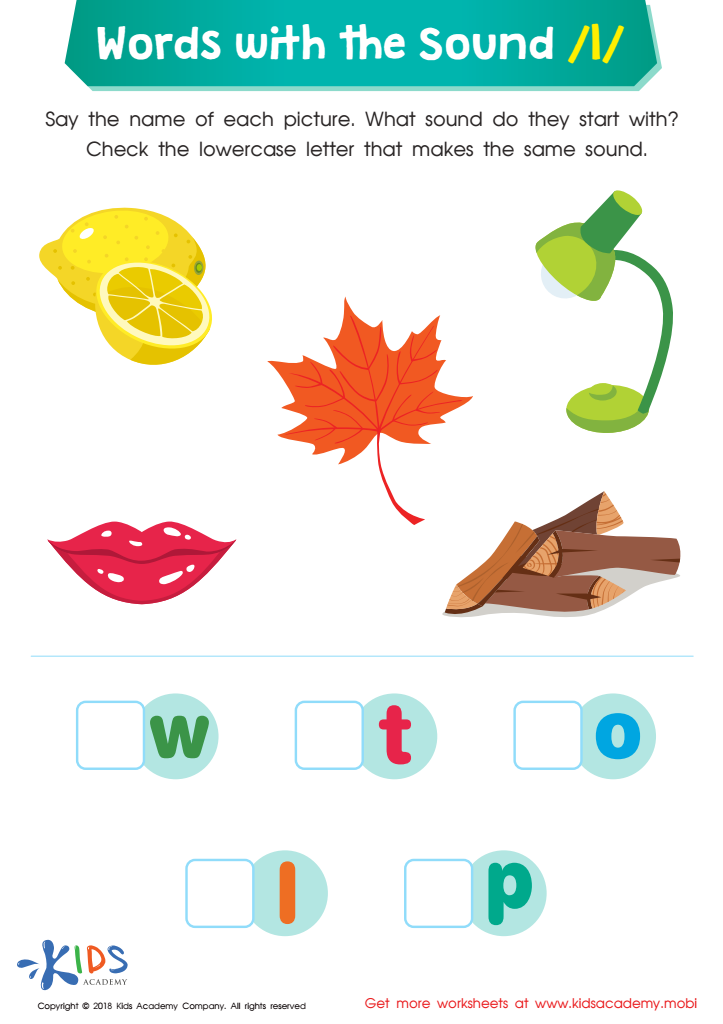
Words with Sound L Reading Worksheet
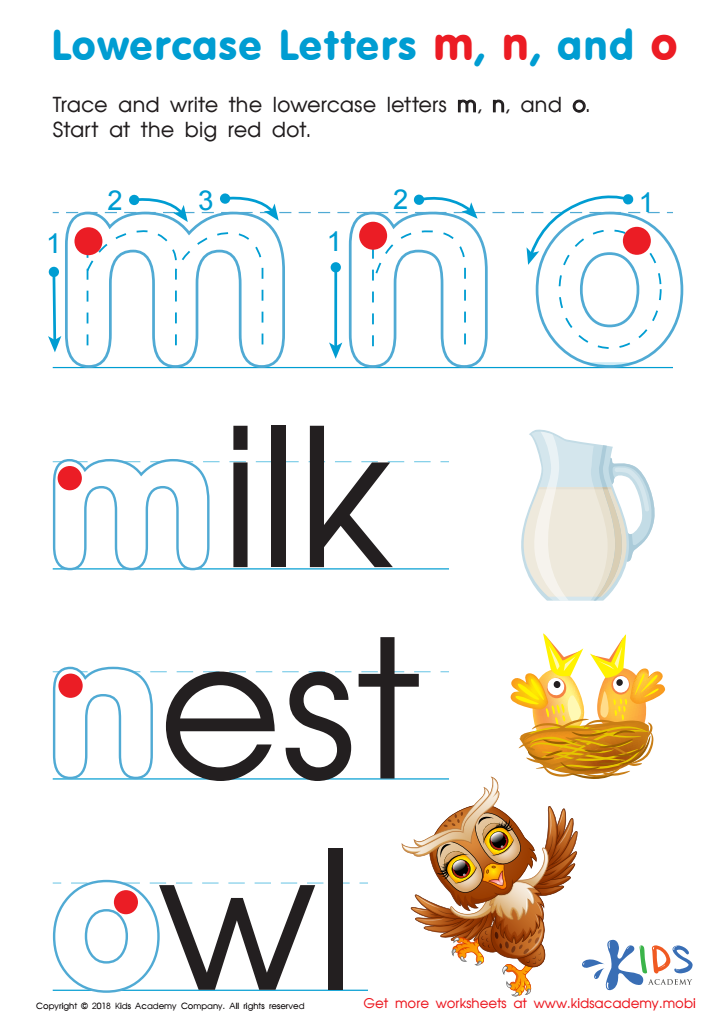
Lowercase Letters m n o Worksheet
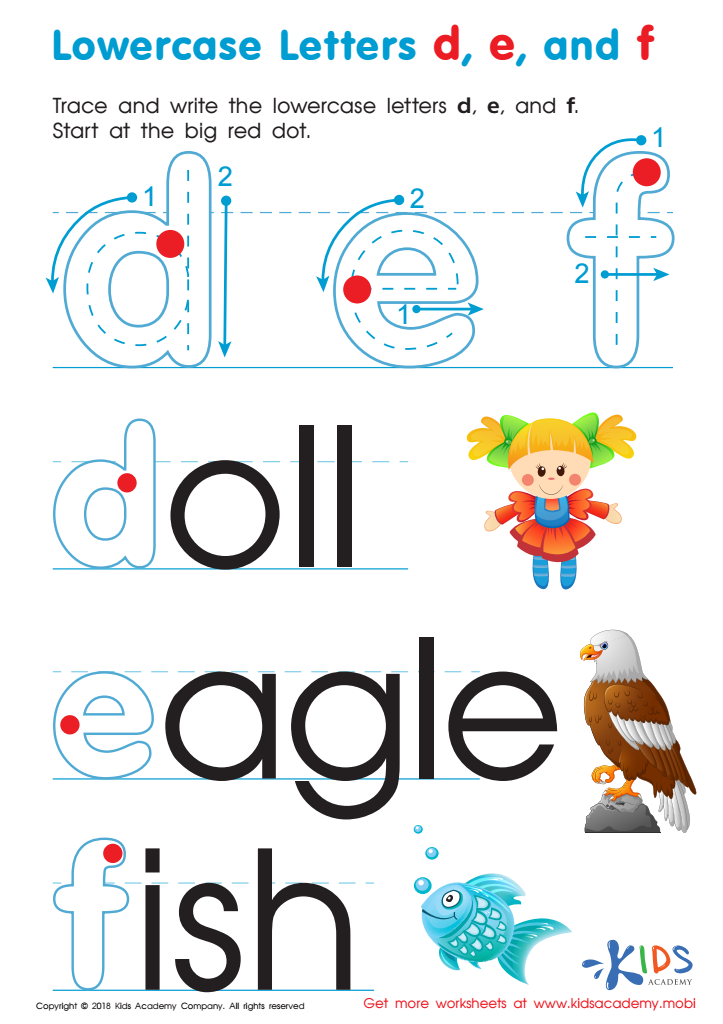
Lowercase Letters d e f Worksheet
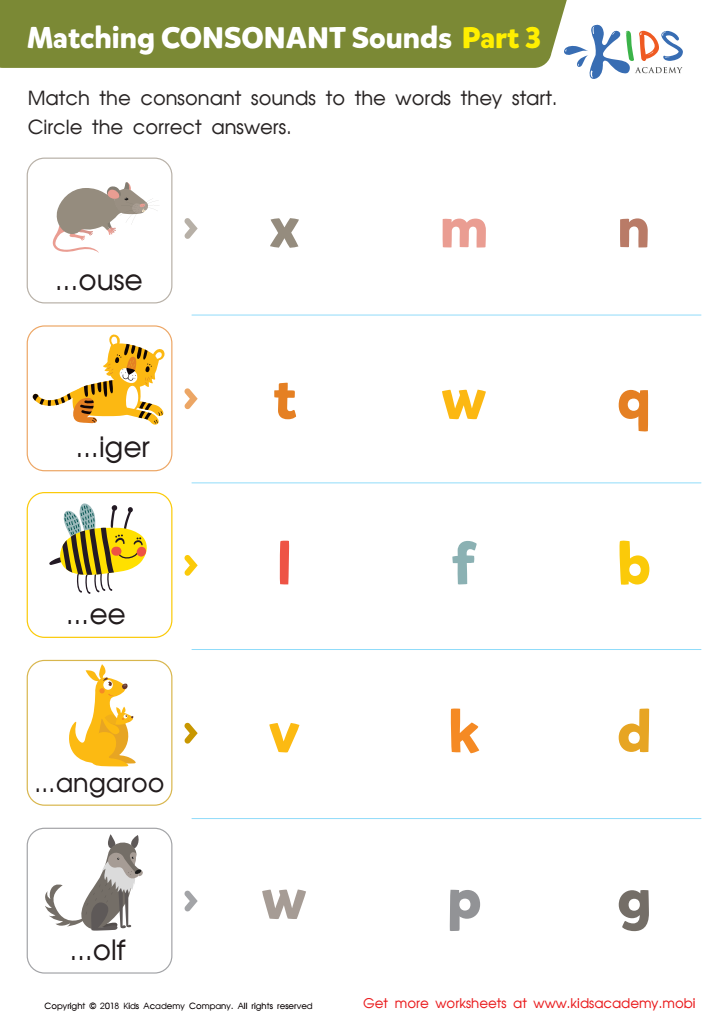
Matching Consonant Sounds: Part 3 Worksheet
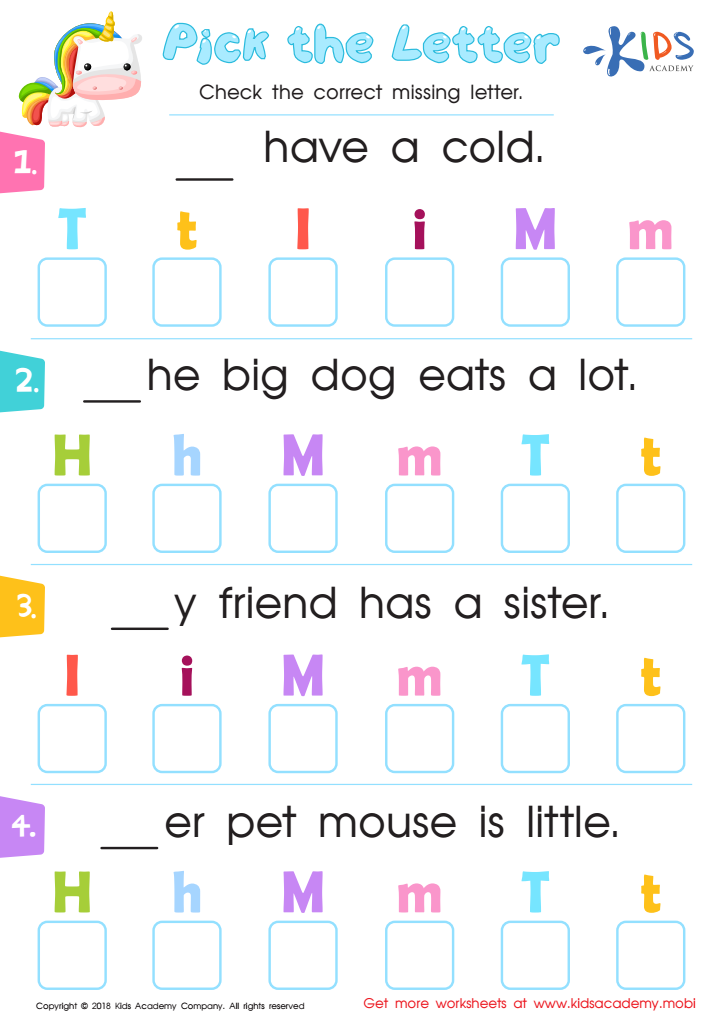
Pick the Letter Worksheet
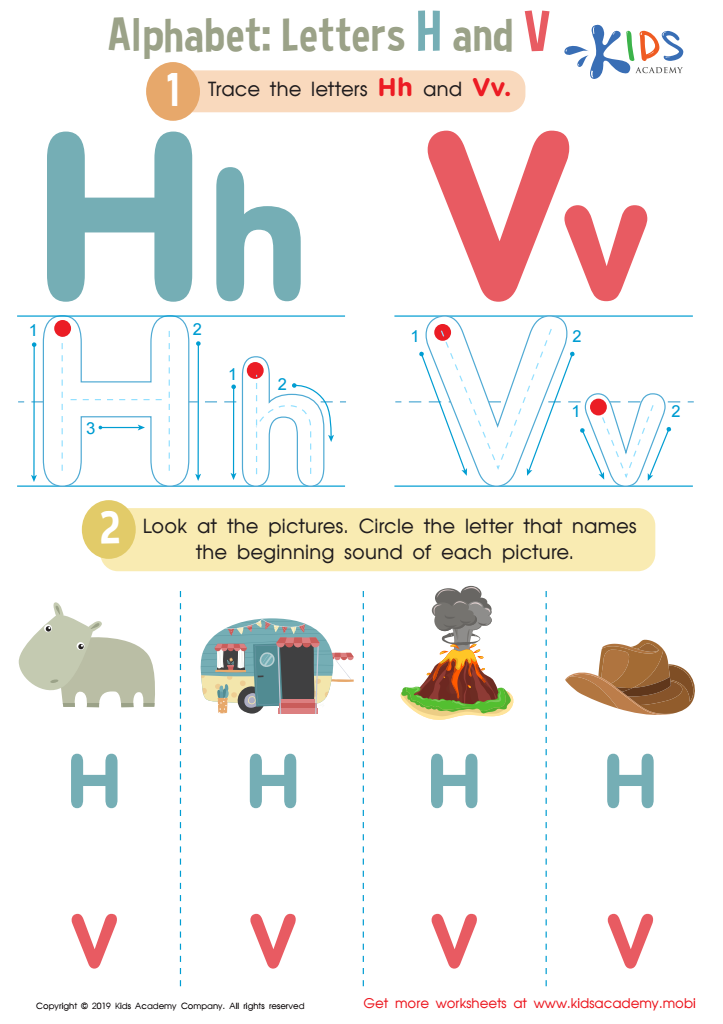
Letters H and V Tracing Worksheet
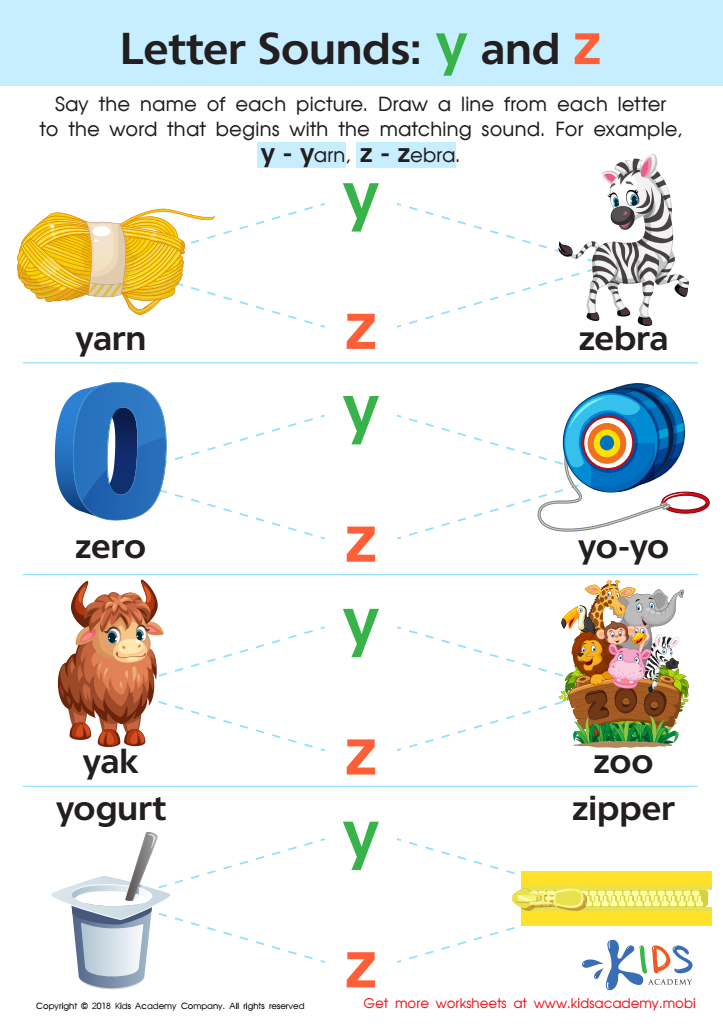
Letter Y and Z Sounds Worksheet







Letter-sound association is fundamental for children aged 4-8 as it establishes the foundation for literacy development. At this critical age, children are acquiring skills that will significantly impact their reading and writing abilities. Understanding the relationship between letters and their corresponding sounds is essential for decoding words, which is the first step toward reading fluency.
When parents and teachers emphasize letter-sound association, they help children recognize patterns in language, enhancing their ability to sound out unfamiliar words. This skill boosts confidence and encourages a love of reading, which is vital for academic success. Additionally, strong letter-sound association aids spelling, as children learn to connect letters with phonemes, resulting in improved writing skills.
Moreover, research suggests that children who are proficient in letter-sound relationships tend to perform better in school, not just in literacy but across other subjects as well. This foundational skill also lays the groundwork for future language development and comprehension.
Engaging in activities that promote letter-sound association, such as phonics games and songs, provides a fun and interactive learning experience. Thus, it is imperative for parents and teachers to prioritize and nurture this skill to support children’s educational journey.








