Letter-sound correlation Worksheets for Ages 4-8
9 filtered results
-
From - To
Discover engaging Letter-Sound Correlation Worksheets designed for children ages 4-8! Our collection aids young learners in mastering the vital connection between letters and their corresponding sounds. Featuring vibrant illustrations and interactive activities, these worksheets make learning phonics enjoyable and effective. Perfect for preschool and early elementary students, they enhance literacy skills and boost confidence in reading. Whether at home or in the classroom, these resources support educators and parents in providing a solid foundation for future reading success. Explore our extensive selection and watch your child's reading abilities blossom as they practice vital letter-sound recognition! Start their learning adventure today!
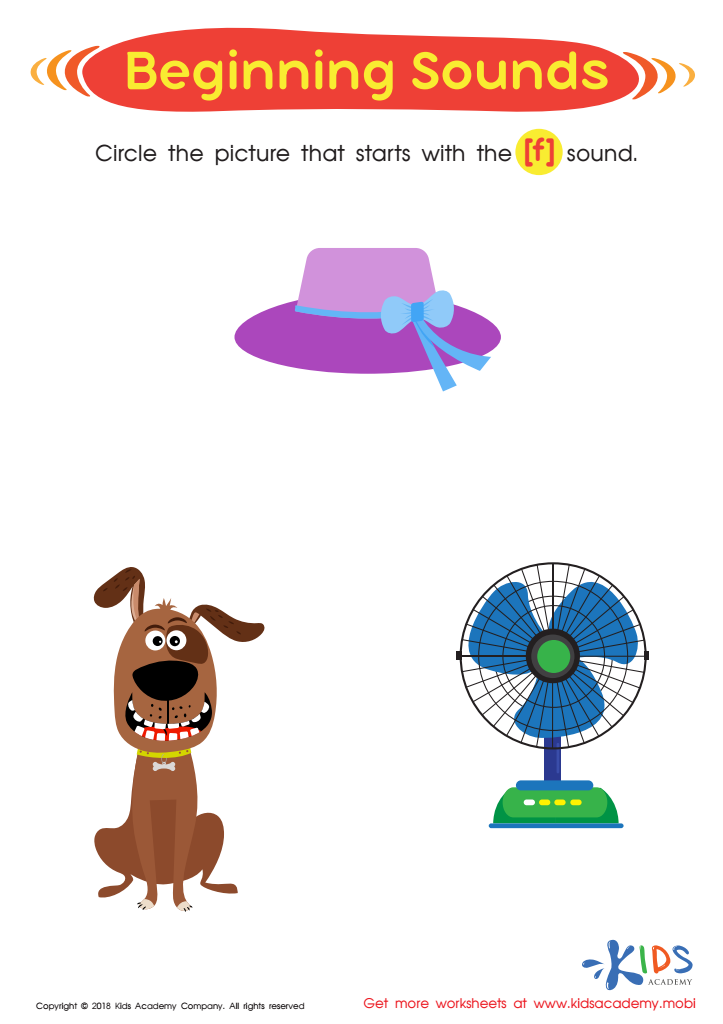
Beginning Sounds Assessment Printable
 Assign to My Students
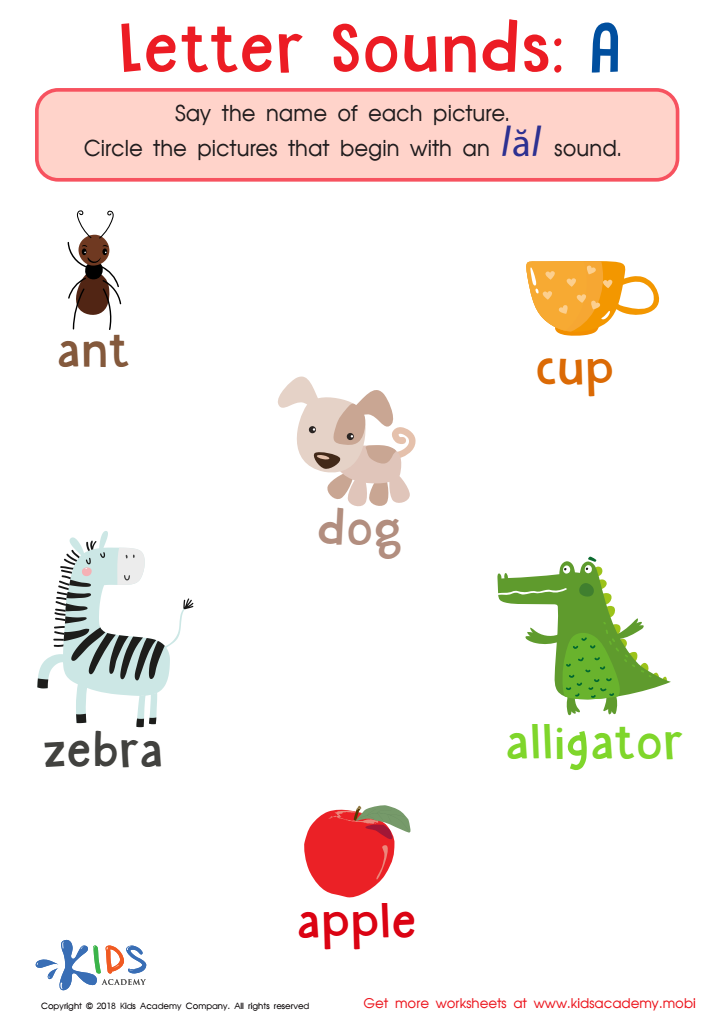
Letter A Sounds Worksheet
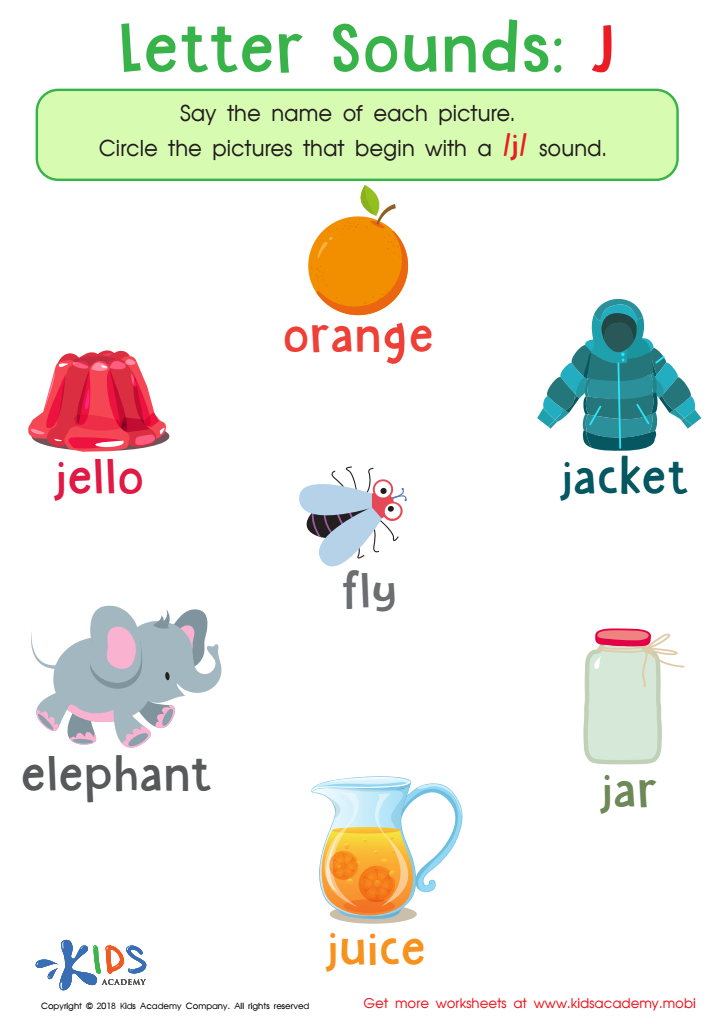
Letter Sounds: J Printable Worksheet
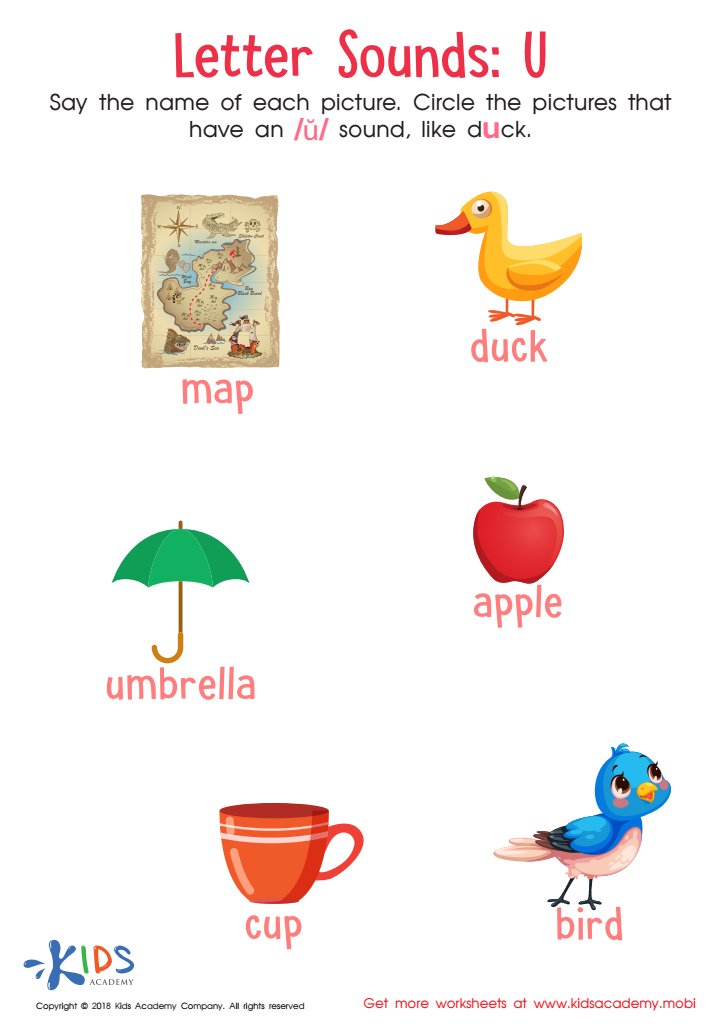
Letter U Sounds Worksheet
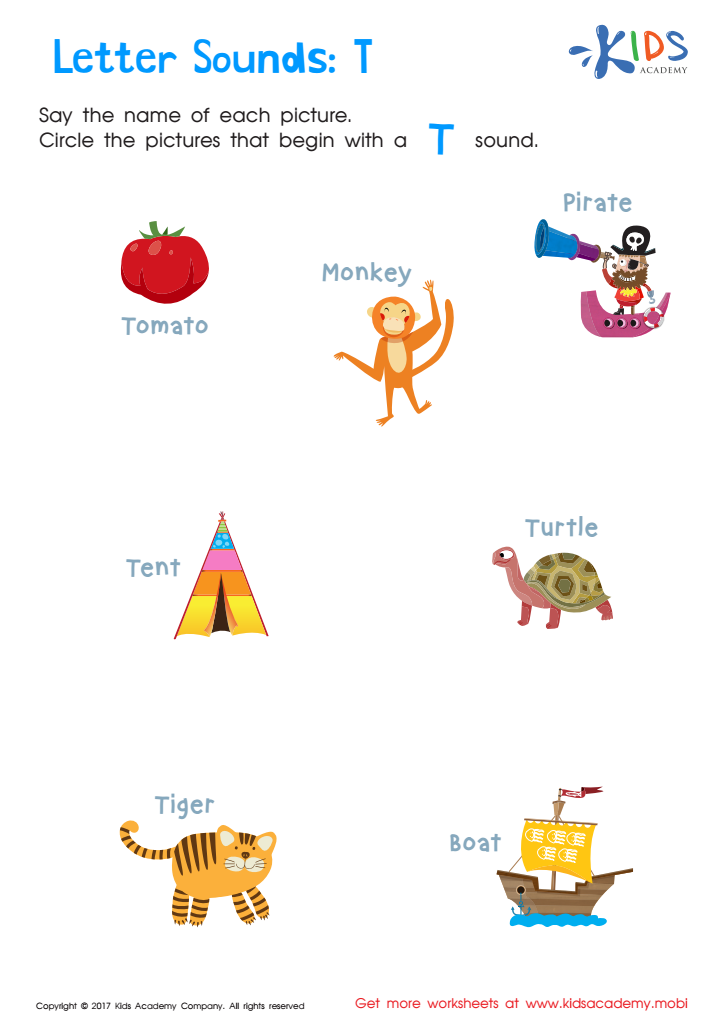
Letter T Sounds Worksheet
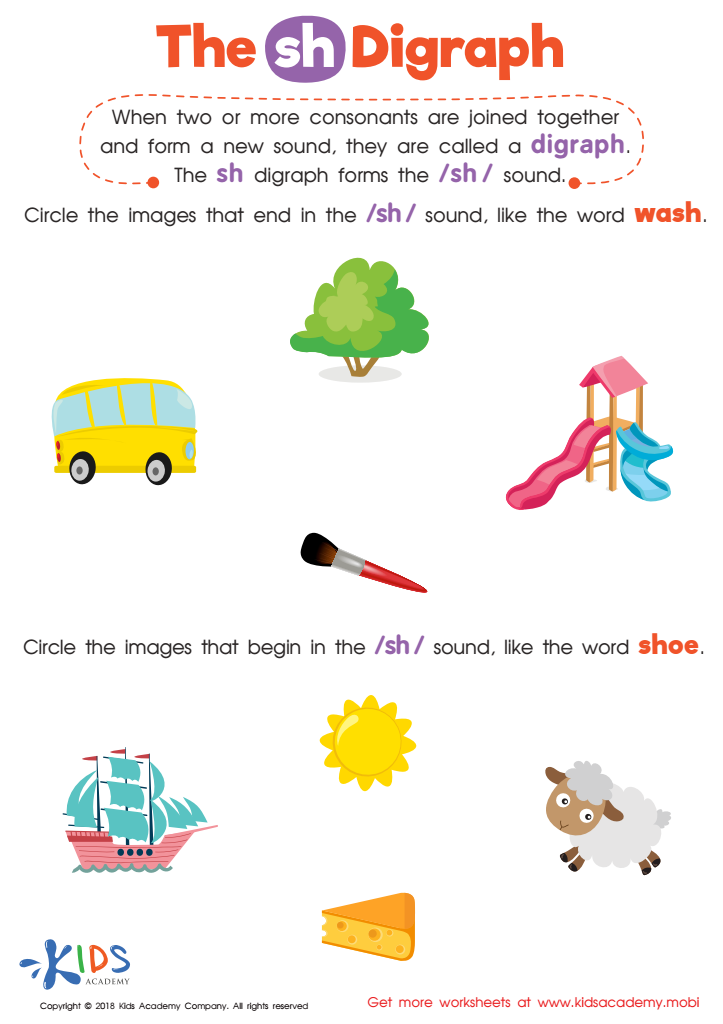
The SH Digraph Worksheet
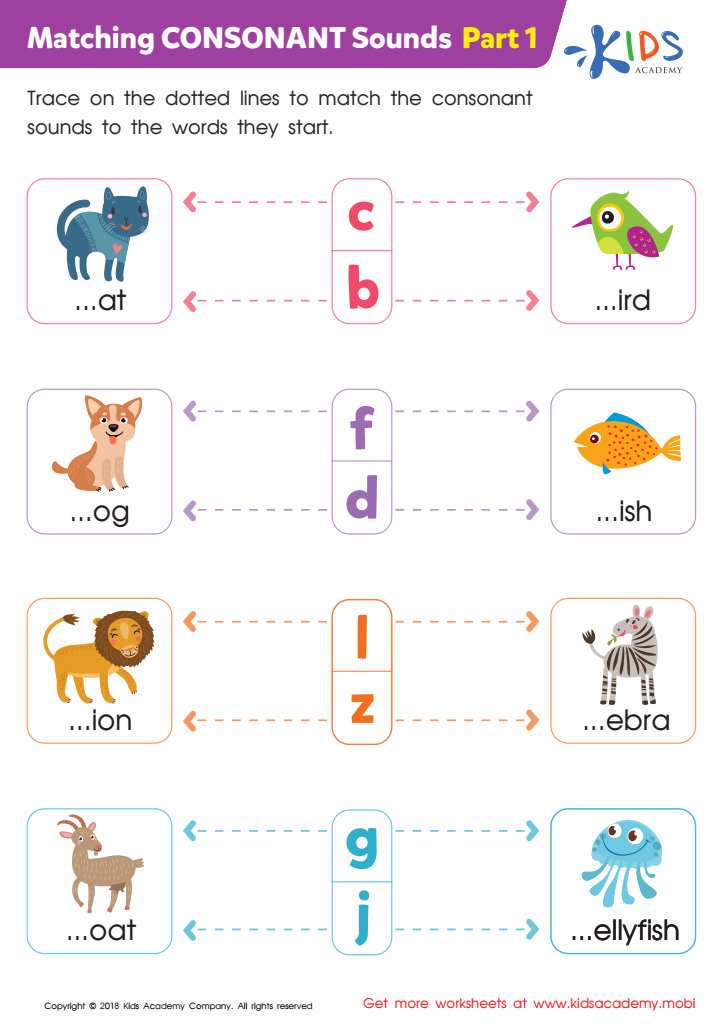
Matching Consonant Sounds: Part 1 Worksheet
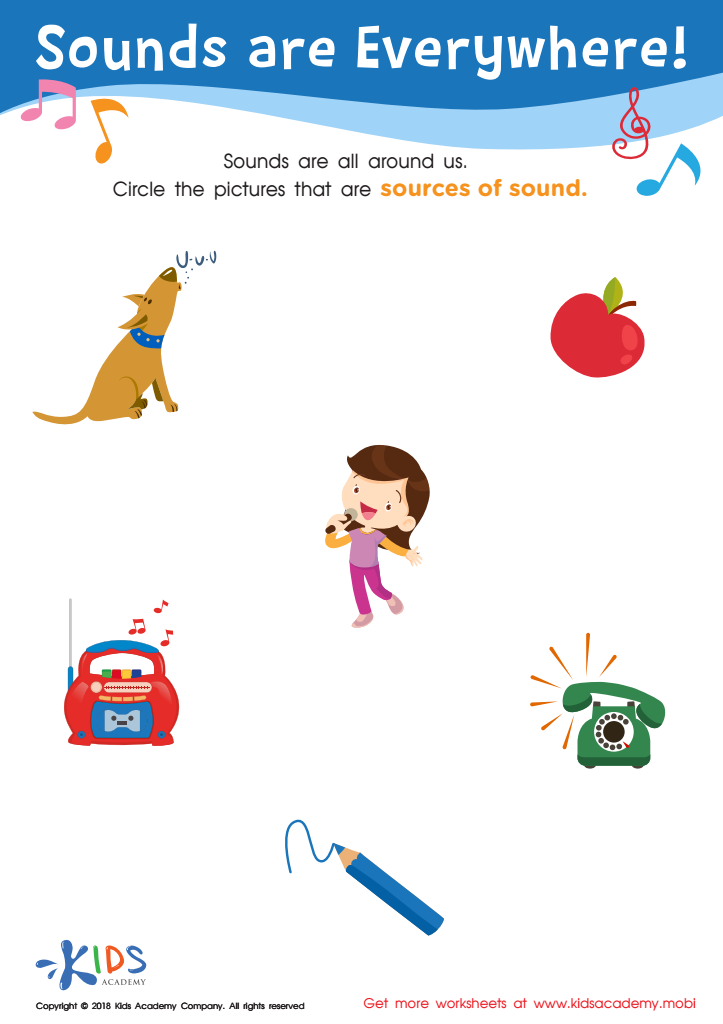
Sounds Are Everywhere! Worksheet
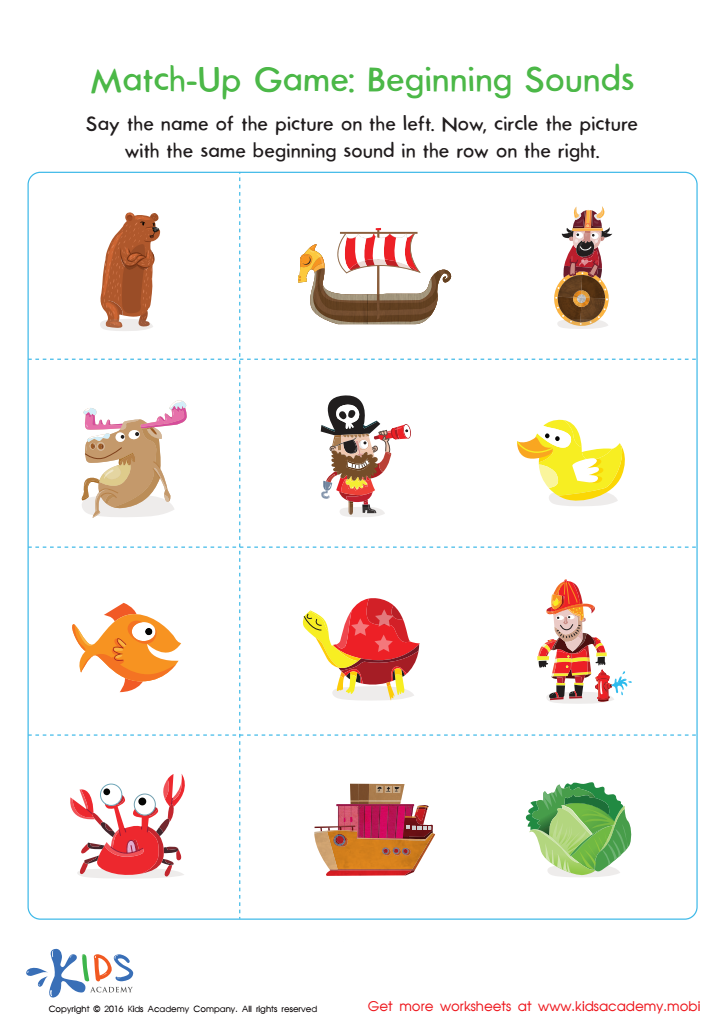
Match–Up Game: Beginning Sounds Worksheet







Letter-sound correlation, or phonics, is crucial for children aged 4-8, as it forms the foundation for literacy development. Understanding that letters represent specific sounds helps children decode words, enhancing their reading fluency and comprehension. When parents and teachers emphasize this correlation, they enable children to approach reading confidently, which can foster a lifelong love for learning.
Early familiarity with letter-sound relationships enhances spelling, vocabulary acquisition, and writing skills. Children who master phonics tend to perform better academically, as foundational reading skills are pivotal for success across all subjects. When children struggle with reading, they may experience frustration or disengagement, impacting their overall academic performance and self-esteem.
Furthermore, phonics instruction teaches children to sound out unfamiliar words, equipping them with skills to tackle challenging texts independently. Parents and teachers can support this process through engaging activities, such as phonics games, reading aloud, and interactive storytelling.
Ultimately, prioritizing letter-sound correlation helps to build a strong foundation for literacy development, nurturing skilled, enthusiastic readers who are better prepared for future academic challenges. By paying attention to this critical aspect of early education, parents and teachers can ensure that children develop essential skills for success in learning and beyond.








