Map reading skills Worksheets for Ages 4-8
18 filtered results
-
From - To
Enhance your child’s geographical knowledge and analytical thinking with our engaging Map Reading Skills Worksheets for Ages 4-8. At Kids Academy, we provide a variety of printable worksheets that make learning to read maps fun and interactive. Perfect for introducing your little learners to basic geography, our worksheets cover essential skills such as identifying directions, understanding symbols, and interpreting different kinds of maps. Each activity is designed to be age-appropriate, encouraging curiosity and confidence in young explorers. Start your child on a path to adventure with our colorful, educational resources designed to captivate and inspire. Explore today!
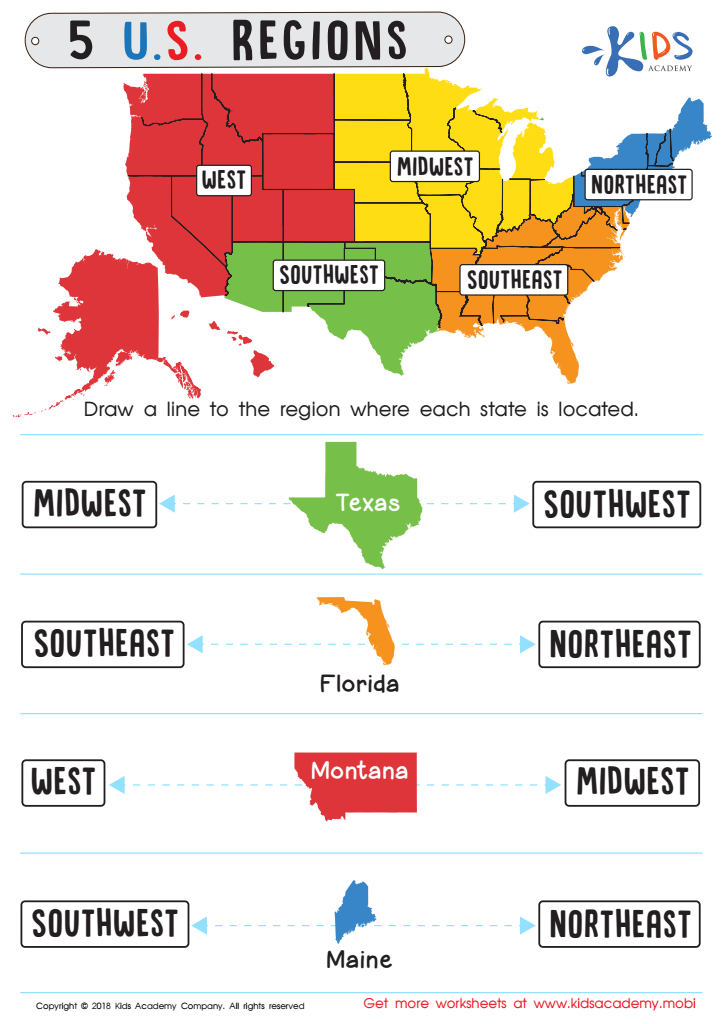
5 U.S. Regions Worksheet
Amusement Park Word Problems Worksheet
Early Colonies Area Worksheet
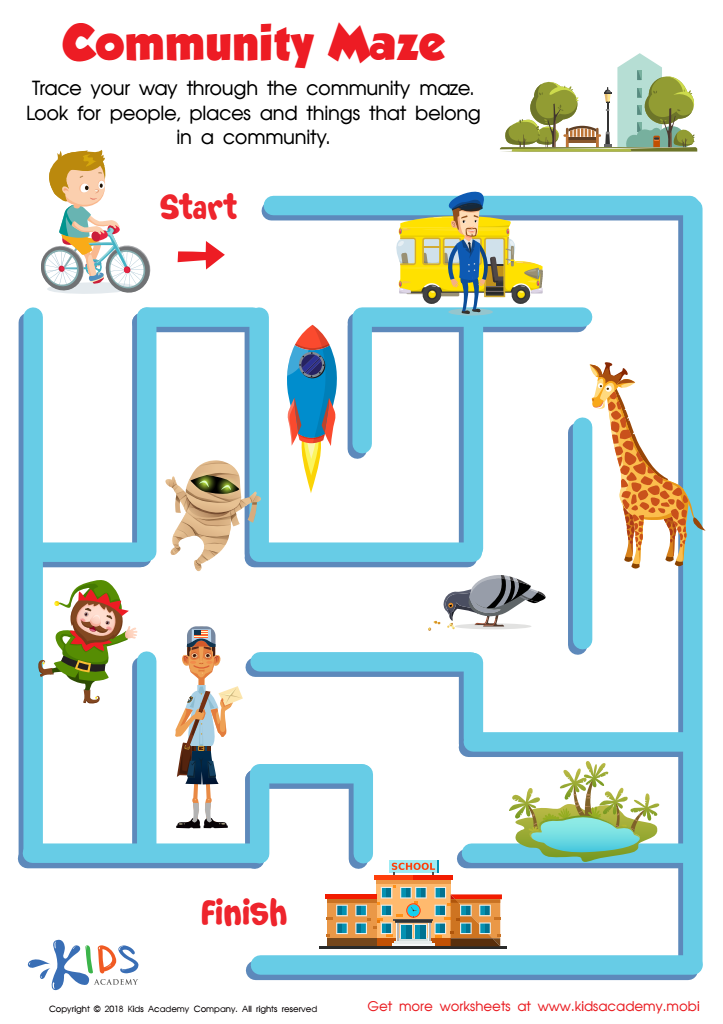
Community Maze Worksheet
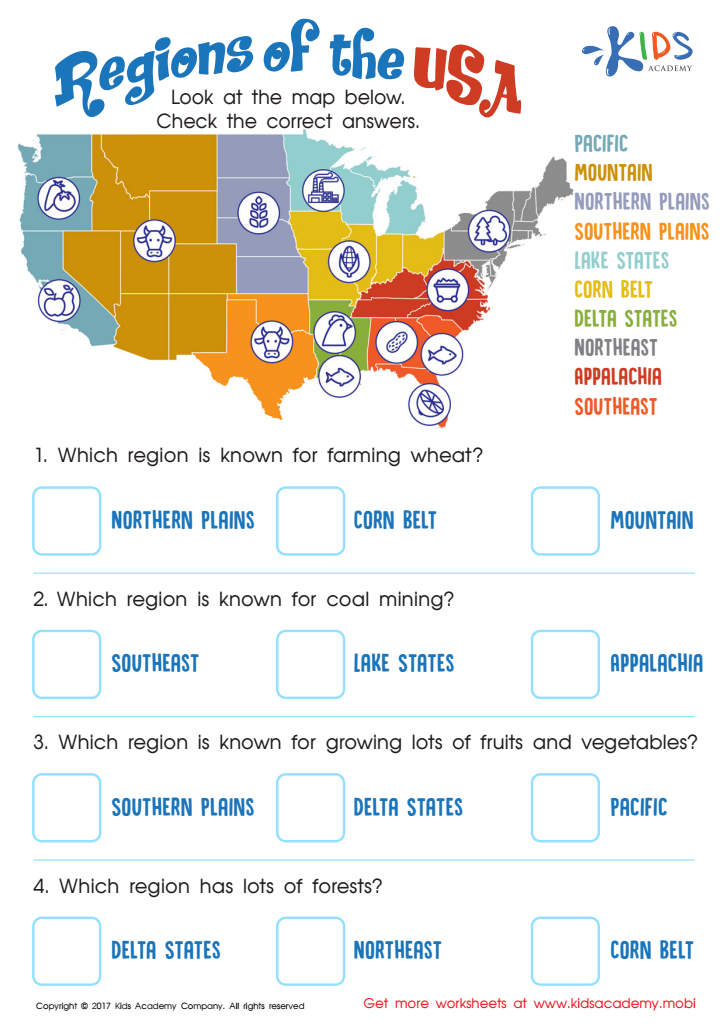
Regions of the USA Worksheet
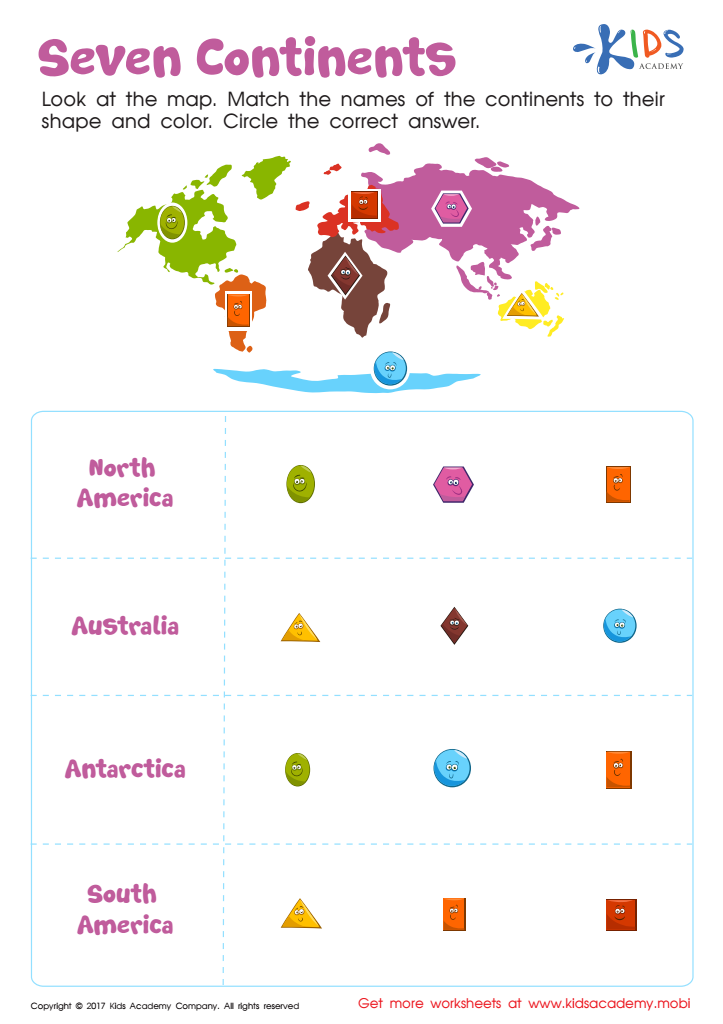
Seven Continents Worksheet
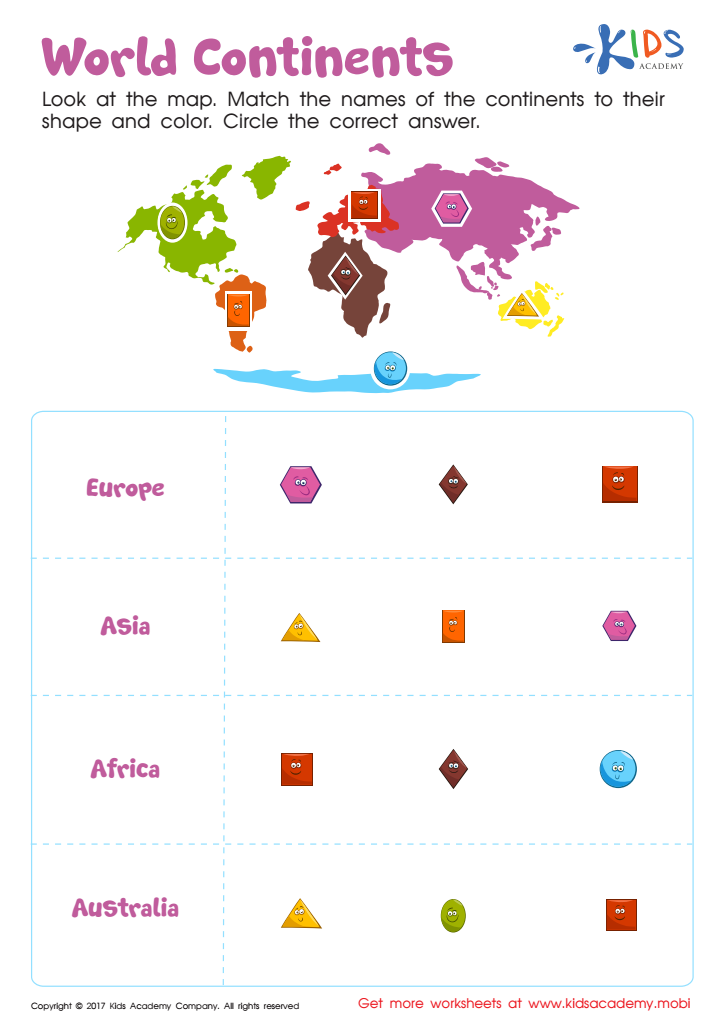
World Continents Worksheet
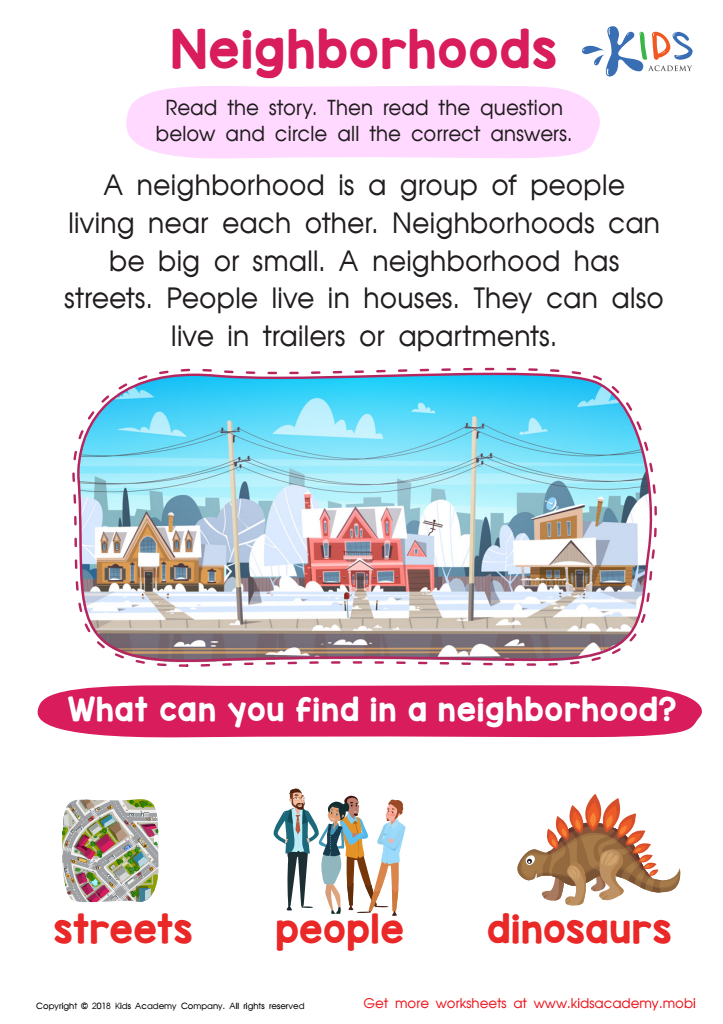
Neighborhoods Worksheet
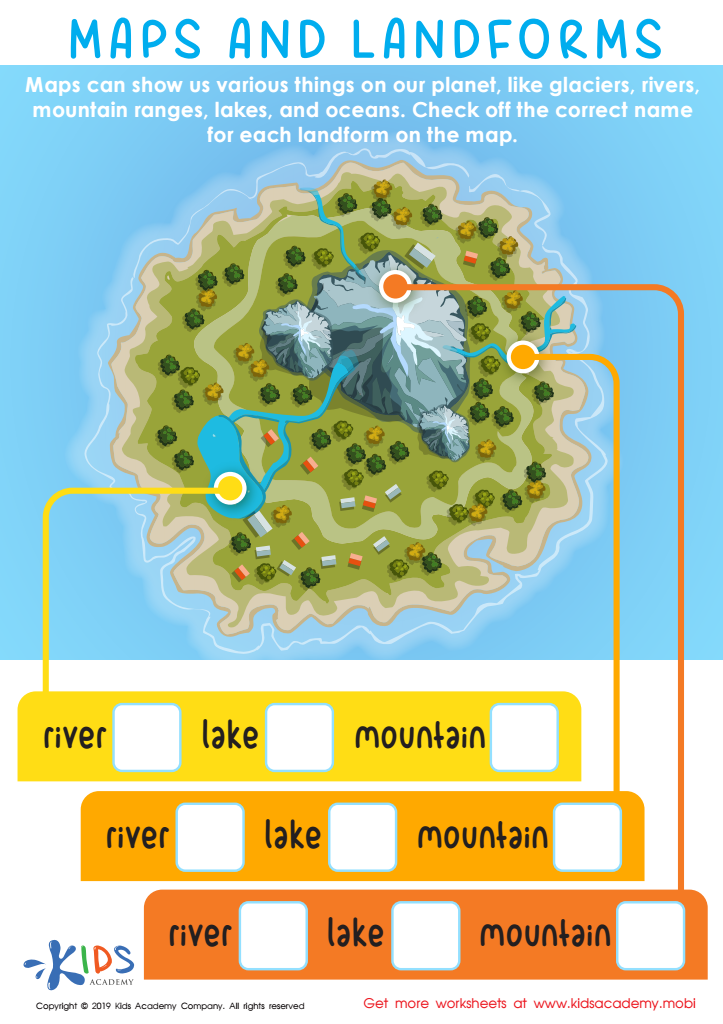
Maps and Landforms Worksheet
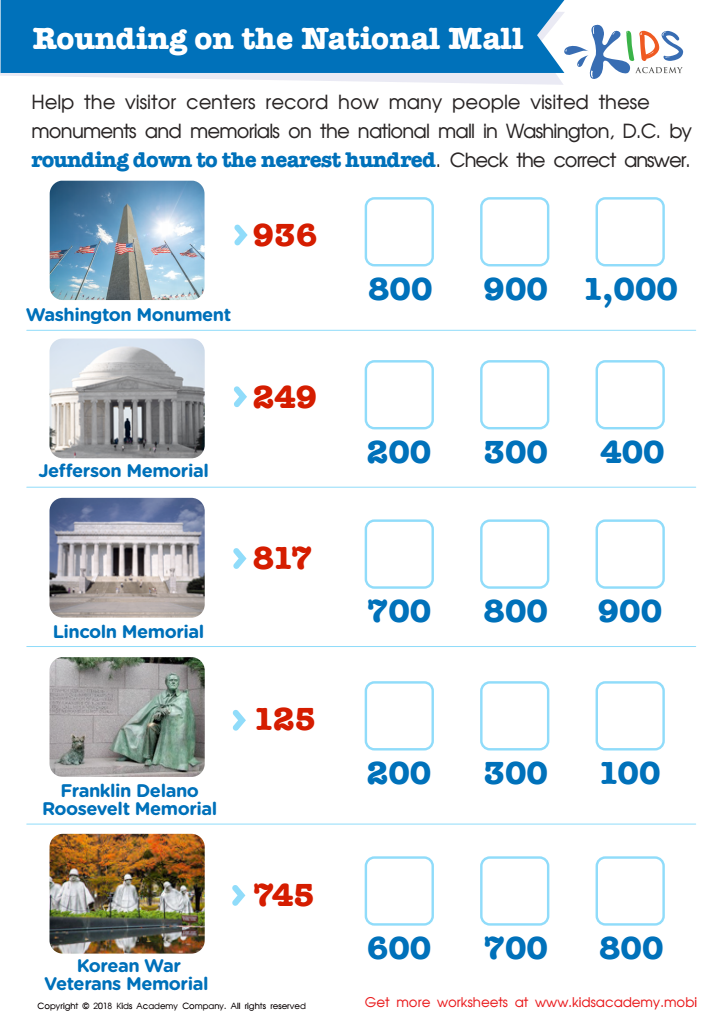
Rounding on the National Mall Worksheet
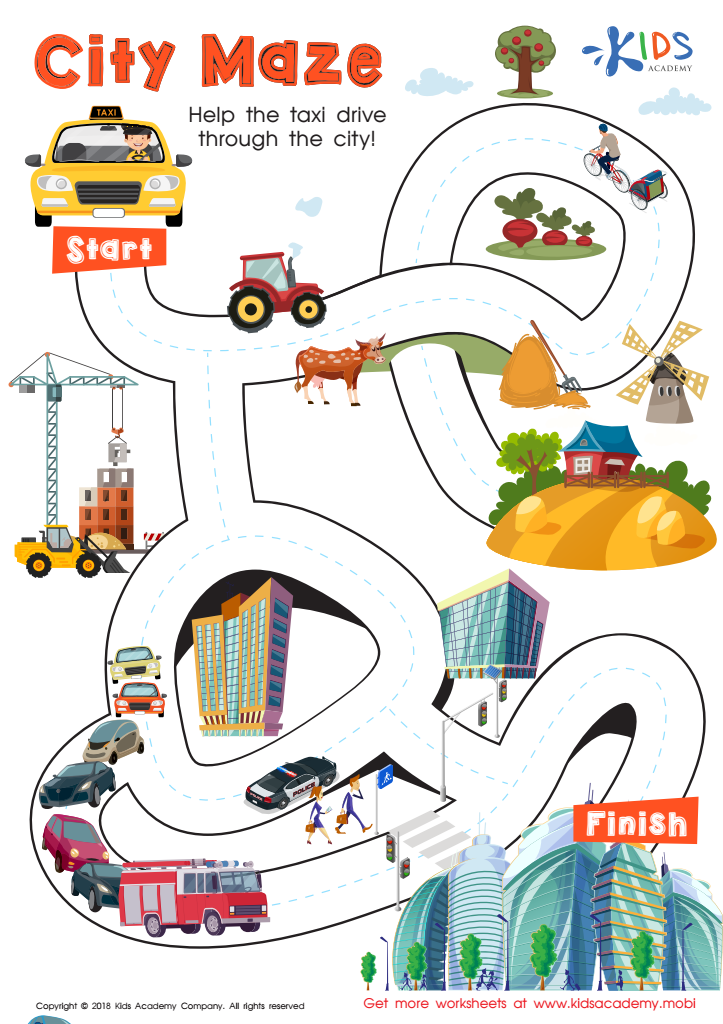
City Maze Worksheet
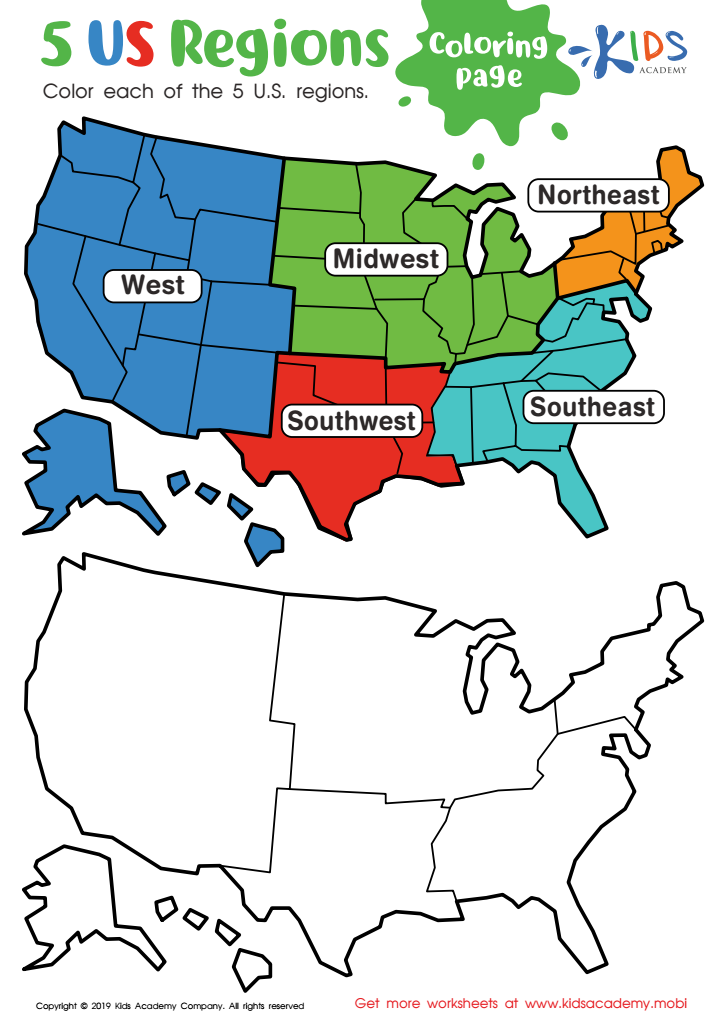
US Regions Coloring Page Worksheet
 Assign to My Students
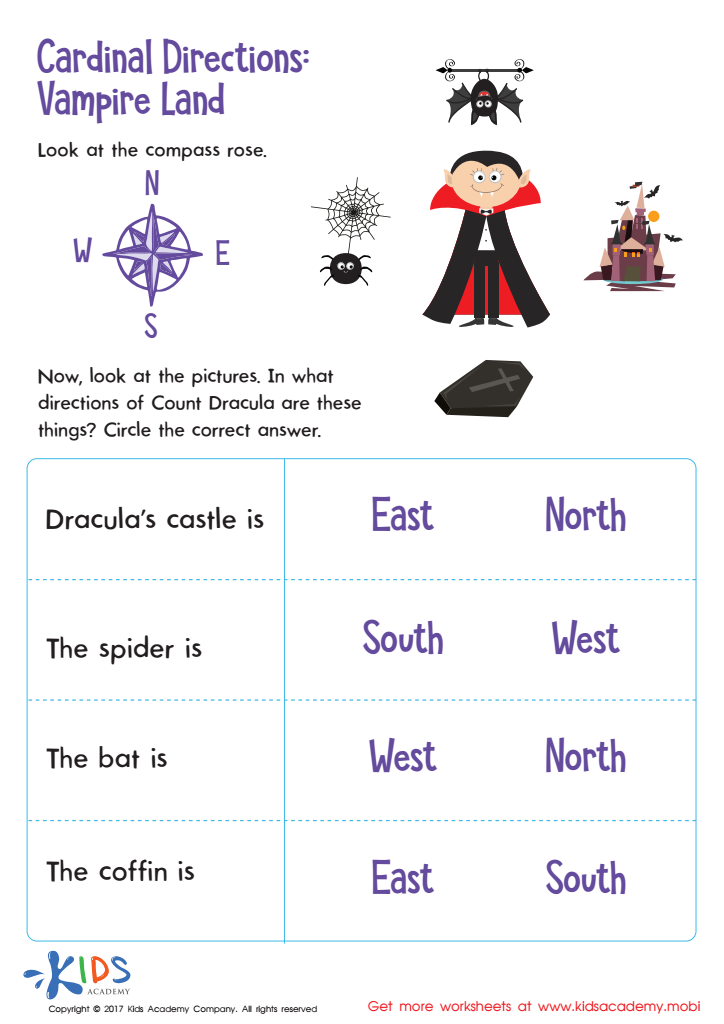
Cardinal Directions Printable
Arizona Coloring Page Worksheet
Assign to My Students

Towns Worksheet
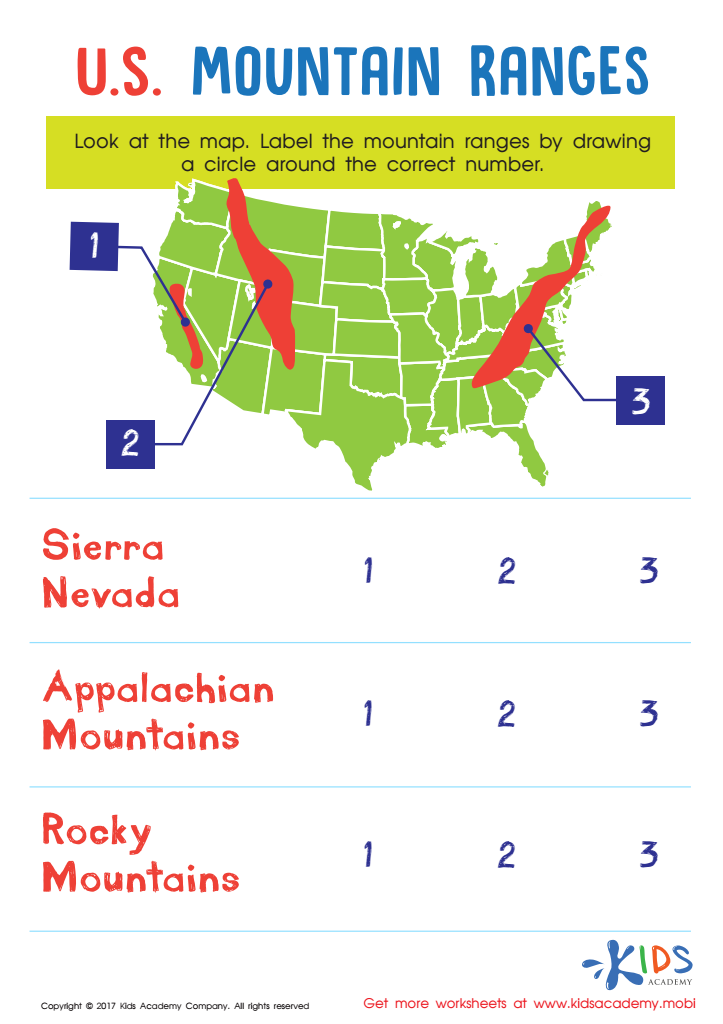
US Mountain Ranges Worksheet
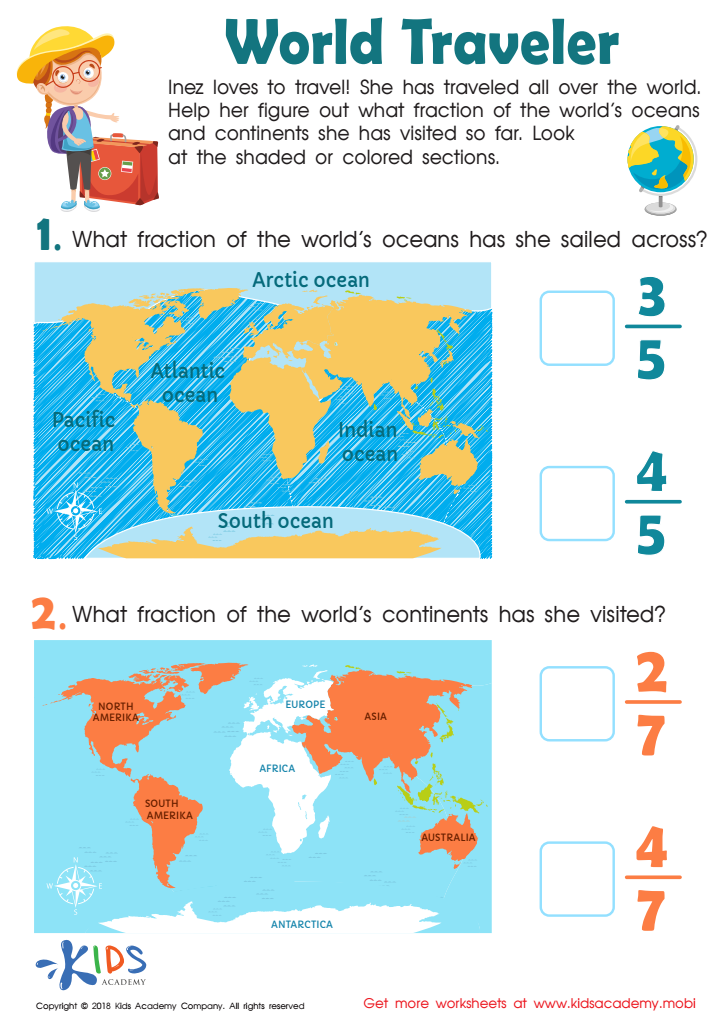
World Traveler Worksheet


.jpg)


Map reading skills are fundamental educational components that offer numerous benefits for children aged 4-8. At this critical developmental stage, children are honing their cognitive, spatial, and problem-solving abilities. Introducing map reading exercises helps to bolster these skills in a multifaceted manner. By learning to interpret symbols, legends, and directions, children enhance their visual literacy and cognitive mapping capabilities.
Understanding maps also cultivates spatial awareness. Children begin to comprehend their positioning in relation to other objects and locations, which enhances their navigational skills and can boost their sense of independence and confidence. Furthermore, map reading can spark curiosity about the world, encouraging children to learn more about geography, cultures, and global interconnectedness. This broadens their perspective and fosters an open, inquisitive mindset.
Socially and emotionally, collaborative map-reading activities can promote teamwork and communication skills. When children work together to follow a map or create one, they engage in discussions, share ideas, and solve problems collaboratively, providing opportunities for positive social interaction.
In summary, map reading is a valuable skill that supports a child’s overall cognitive and social development. For parents and teachers, incorporating map-related activities into early education can lay a robust foundation for various academic and life skills, setting the stage for lifelong learning and curiosity.








