Spatial Orientation Worksheets for Ages 4-8
7 filtered results
-
From - To
Unlock your child's potential with our engaging Spatial Orientation Worksheets for ages 4-8! Tailored to develop crucial cognitive skills, these fun and educational printables help children understand direction, position, and movement. Bright visuals and interactive activities keep young learners motivated as they navigate shapes, maps, and more. Ideal for parents and educators seeking to boost spatial awareness and problem-solving abilities in a playful manner. Perfect for homeschooling or classroom use, these worksheets blend learning with creativity. Start exploring today to give your child the skills they need to succeed in math, reading, and beyond!
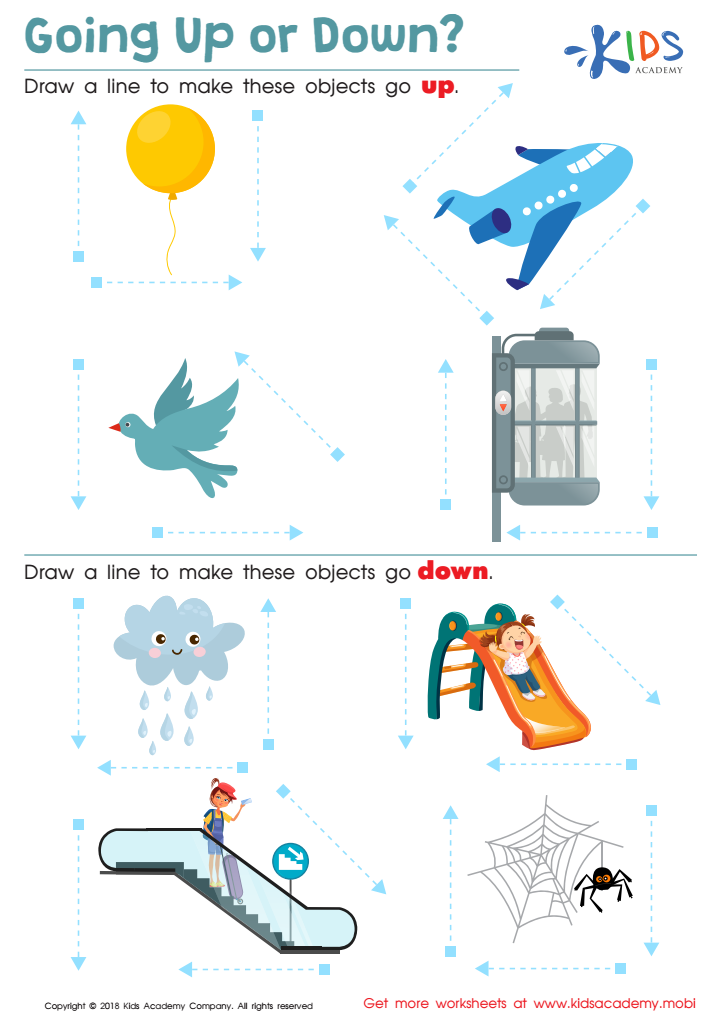
Going up or Down? Worksheet
 Assign to My Students
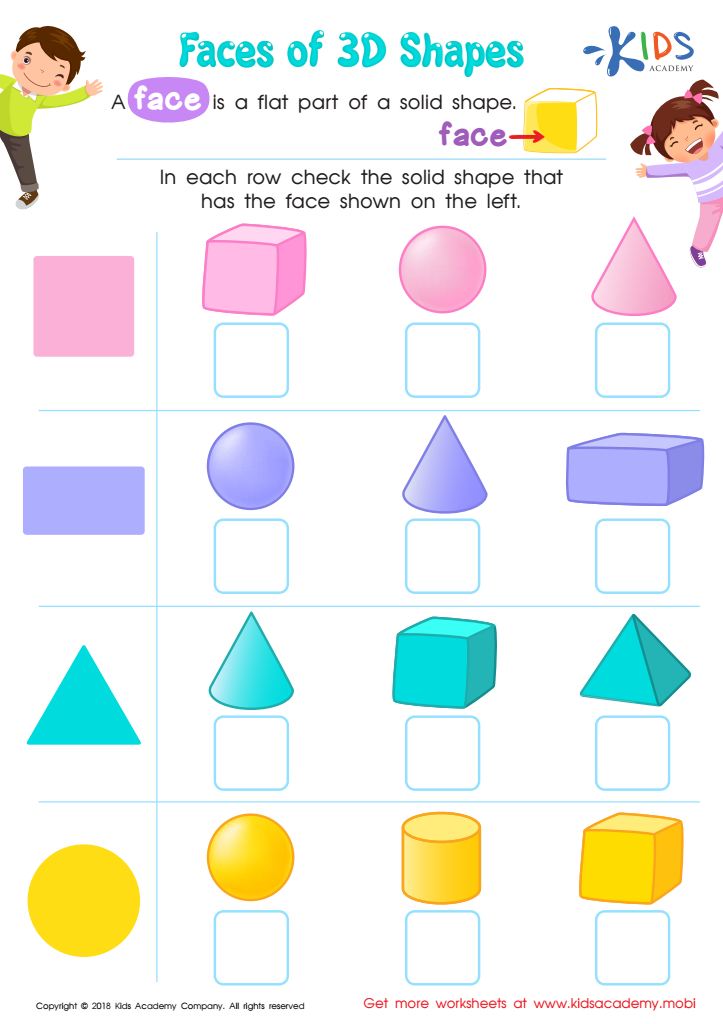
Faces of 3D Shapes Worksheet
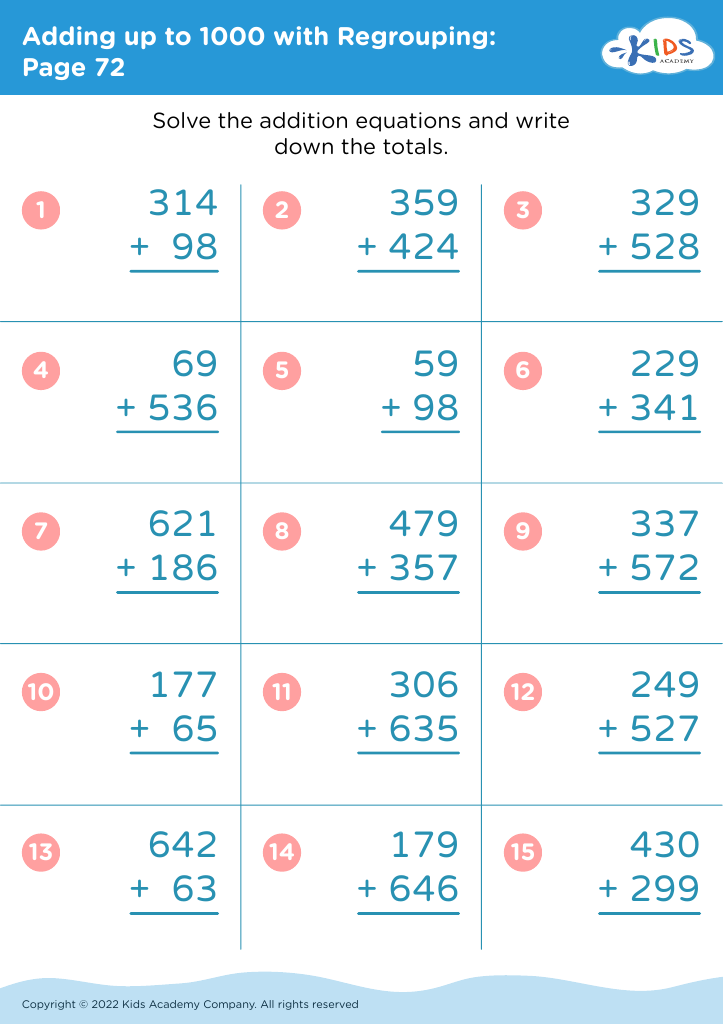
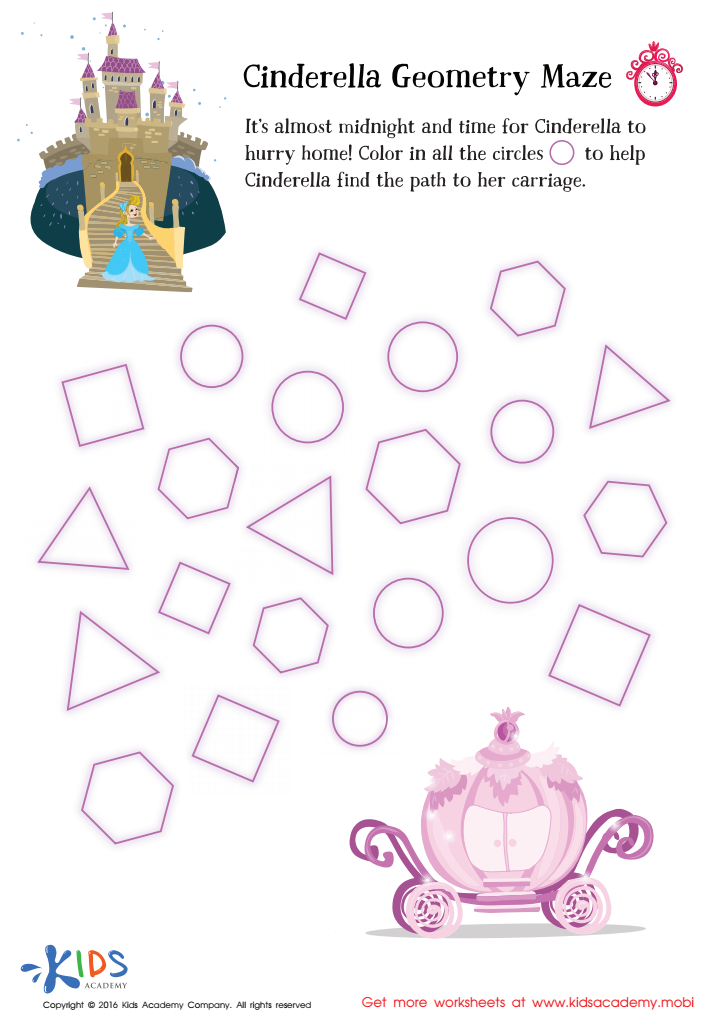
Cinderella Geometry Maze Worksheet
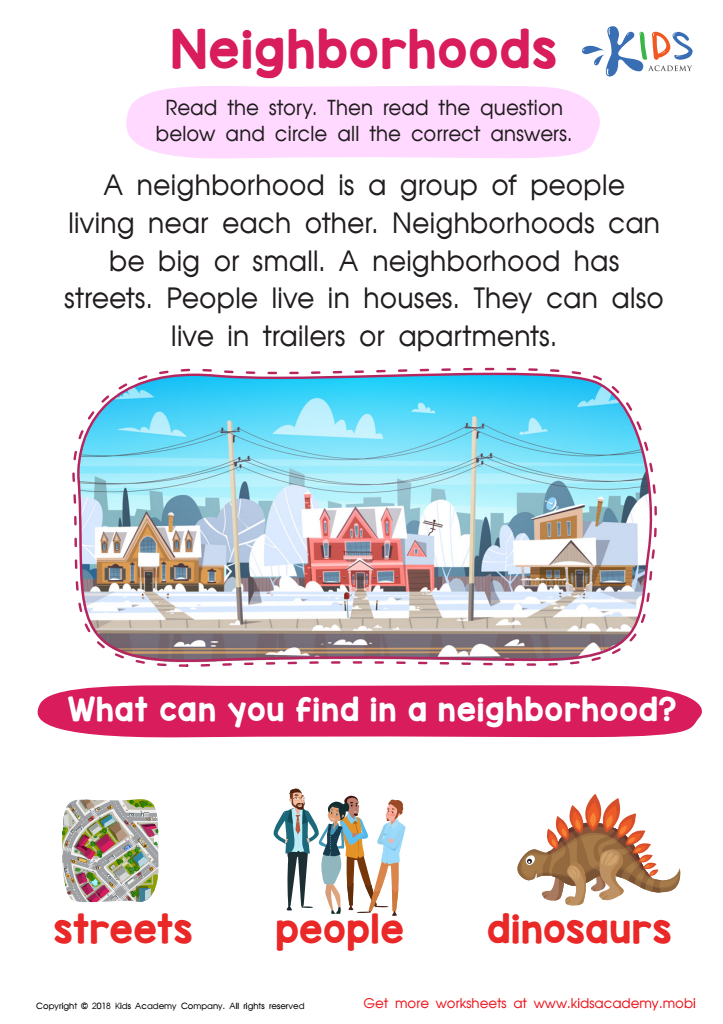
Neighborhoods Worksheet
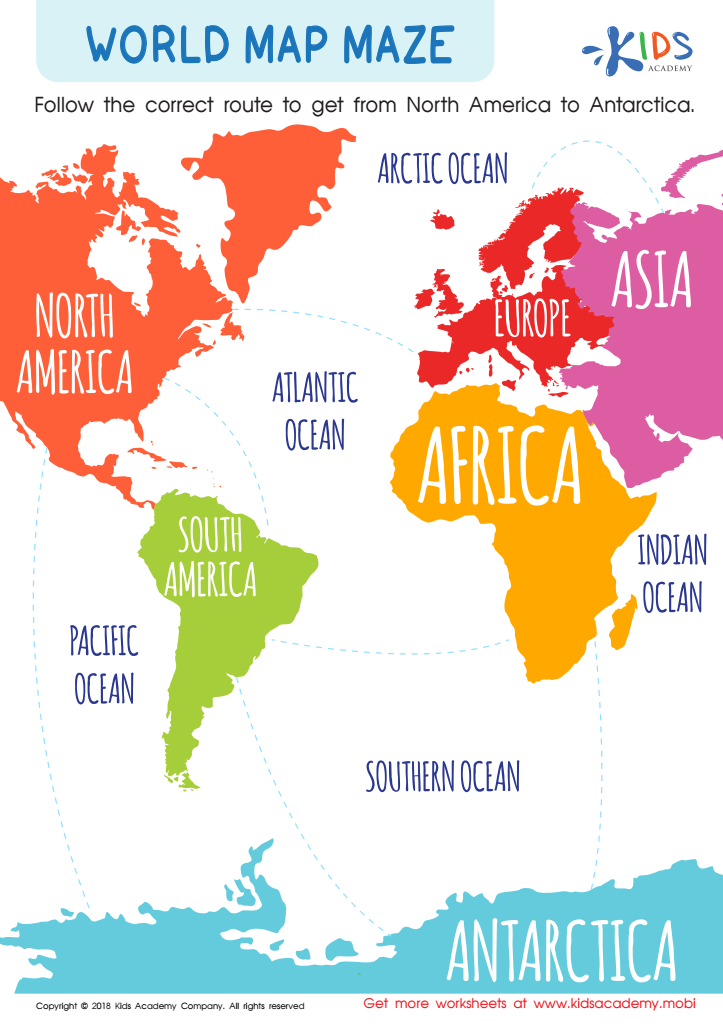
World Map Maze Worksheet
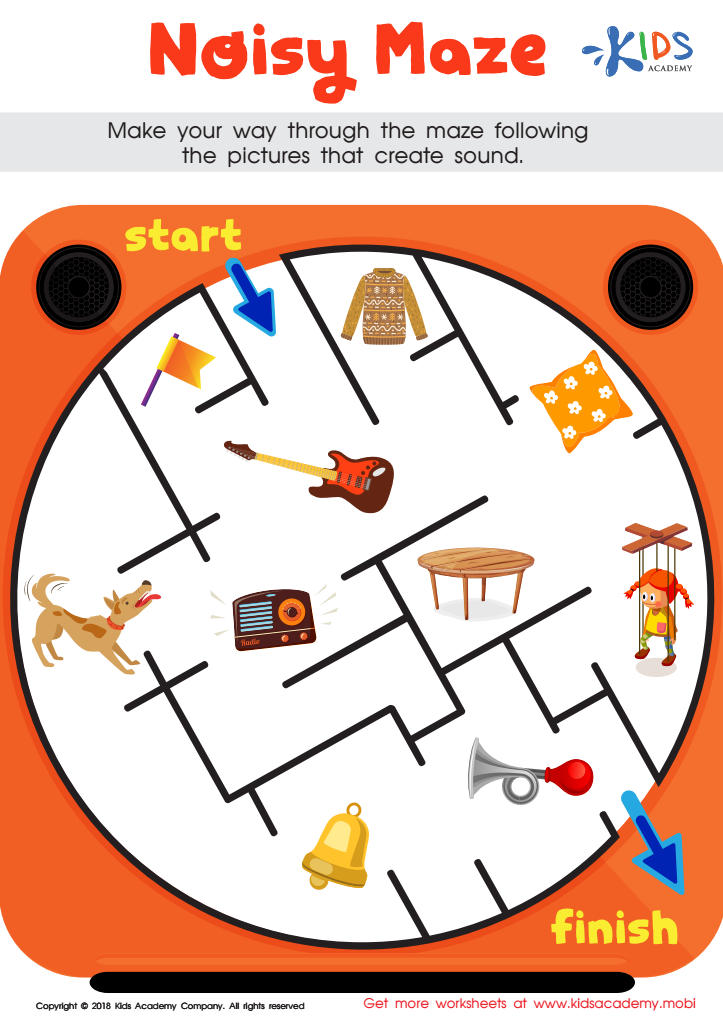
Noisy Maze Worksheet





Spatial orientation is the ability to recognize and understand the position of objects and oneself in space. For children ages 4-8, developing spatial orientation skills is crucial as it forms the foundation for a wide range of competencies critical for future success. First and foremost, spatial skills are closely linked to mathematical learning. By understanding concepts such as shapes, sizes, and the position of objects, children can grasp mathematical operations and geometry more naturally.
In addition, spatial orientation enhances cognitive abilities such as problem-solving and critical thinking. When children engage in activities like puzzles or building blocks, they learn to visualize and manipulate objects in their minds, skills that are transferable to many academic subjects.
Furthermore, spatial orientation is essential for daily activities and overall safety. Kids who can adequately judge distances and navigate through their environment are better equipped to avoid accidents and effectively manage tasks like sports, which require precise body coordination and spatial awareness.
Lastly, fostering spatial skills indirectly boosts self-confidence. As children successfully interact with and interpret the world around them, they gain a sense of competence and independence. Parents and teachers, therefore, play a pivotal role in preparing children for a variety of future challenges by incorporating spatial skill-building activities into everyday learning.








