Understanding Math Concepts Worksheets for Ages 4-8
3 filtered results
-
From - To
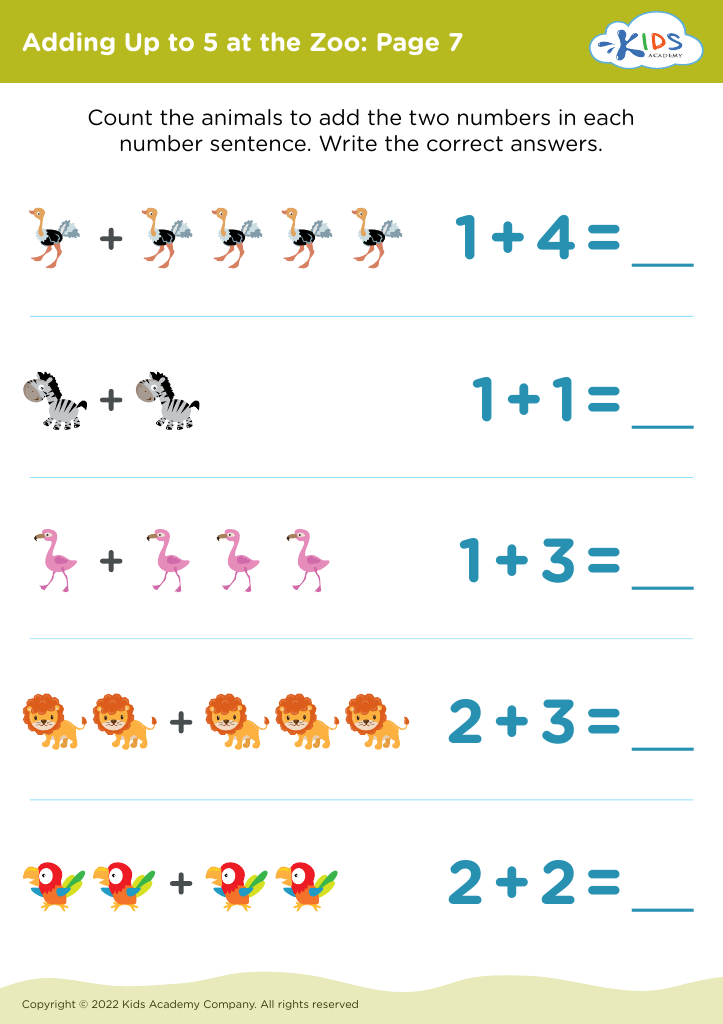
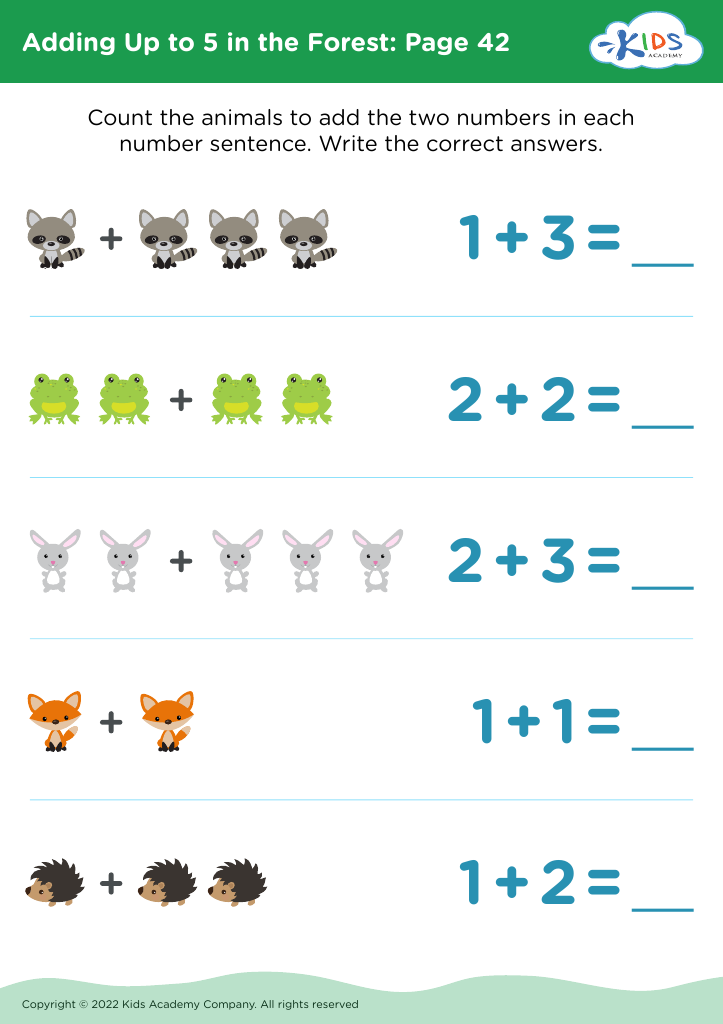
Discover our engaging "Understanding Math Concepts Worksheets" designed specifically for children aged 4-8. Tailored to help young learners grasp essential math skills, these worksheets cover fundamental concepts such as counting, basic addition and subtraction, shape recognition, and measurement. Each worksheet promotes interactive and hands-on learning, making math fun and relatable. With colorful illustrations and clear instructions, children gain confidence as they explore numbers and develop critical thinking. Ideal for both home and classroom use, our worksheets encourage exploration, problem-solving, and creativity, setting a strong foundation for future math success. Download and inspire your child’s love for math today!
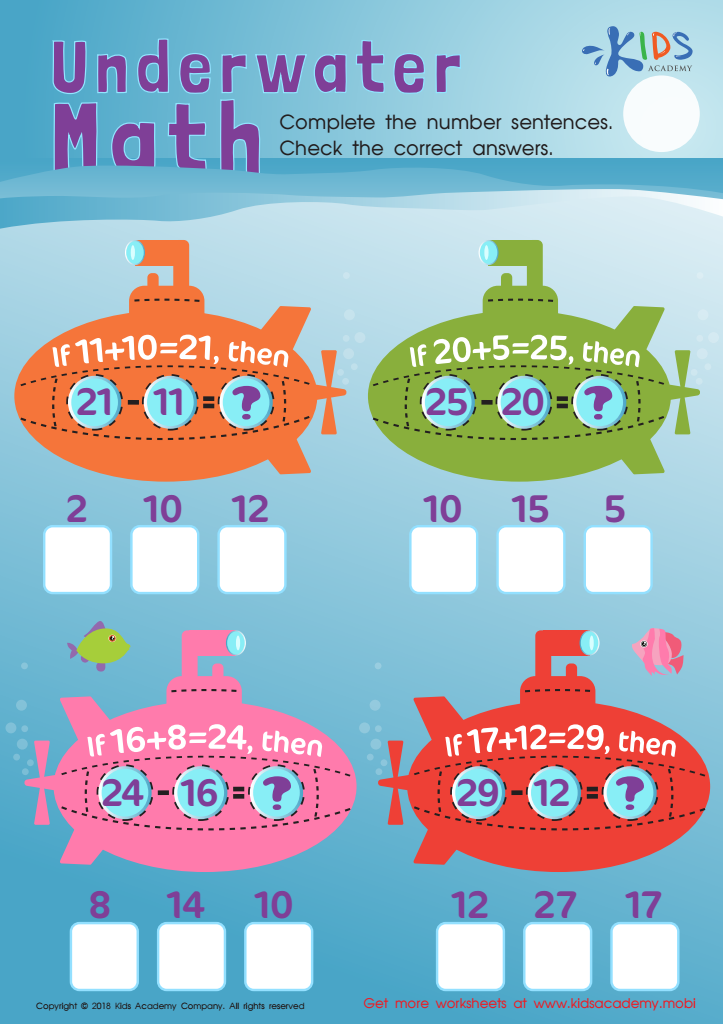
Addition and Subtraction: Underwater Math Worksheet
 Assign to My Students







Understanding math concepts from ages 4 to 8 is crucial for laying the groundwork for a child's academic and life-long learning. At this early stage, children develop their fundamental numerical skills, reasoning abilities, and problem-solving skills. A solid grasp of these concepts fosters confidence and encourages a positive attitude toward learning, reducing anxiety as they progress to more complex mathematical topics.
Parents and teachers should recognize that early math experiences are not just about memorizing facts but also about making connections. Engaging children in playful and interactive math activities helps them understand patterns, spatial relationships, and basic arithmetic, which are essential for later success in higher-level math. Additionally, these skills promote critical thinking and logical reasoning, abilities that extend beyond the classroom into everyday life.
By understanding how children best learn mathematics at this age, parents and teachers can provide vital support, tailored resources, and meaningful context for learning. Building a strong foundation in math promotes academic achievement and cultivates a love for math that can carry into adulthood. Therefore, investing time and resources in understanding and teaching math concepts to young children is a gift that contributes to their holistic development, empowering them for future successes.








