Visual Learning Worksheets for Ages 4-8 - Page 4
105 filtered results
-
From - To
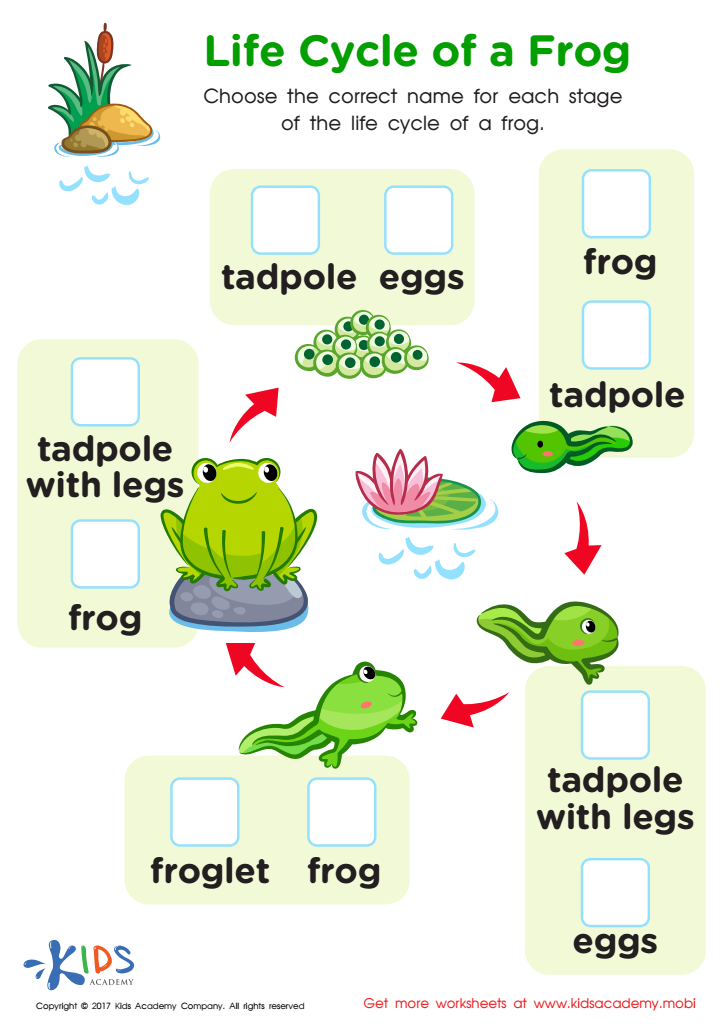
Life Cycle Frog Printable
 Assign to My Students
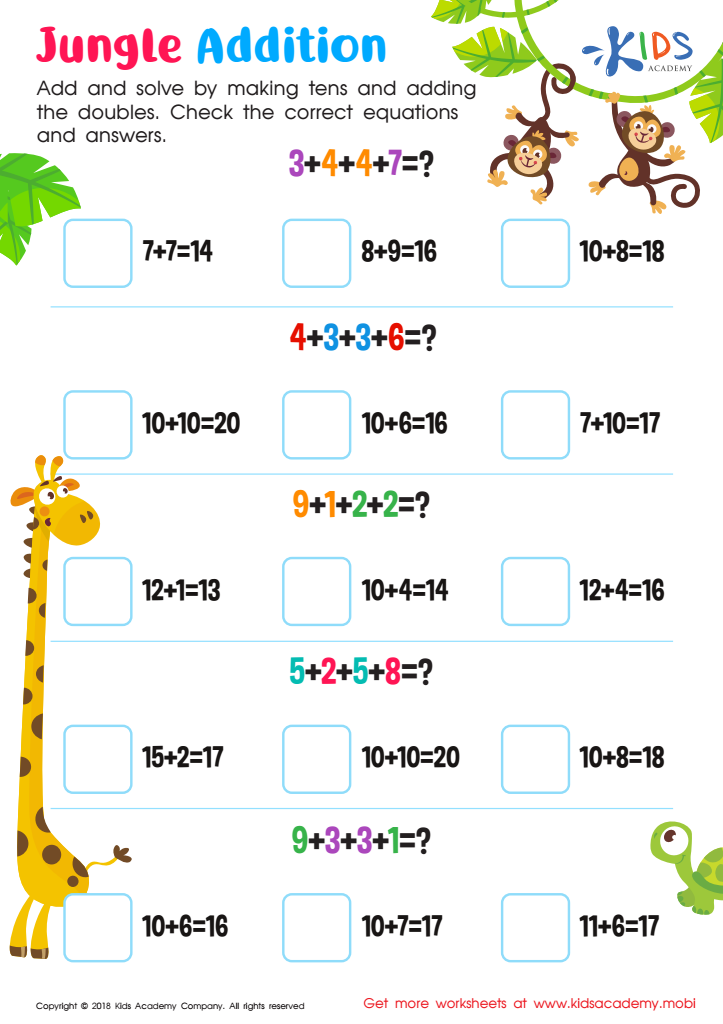
Jungle Addition Worksheet
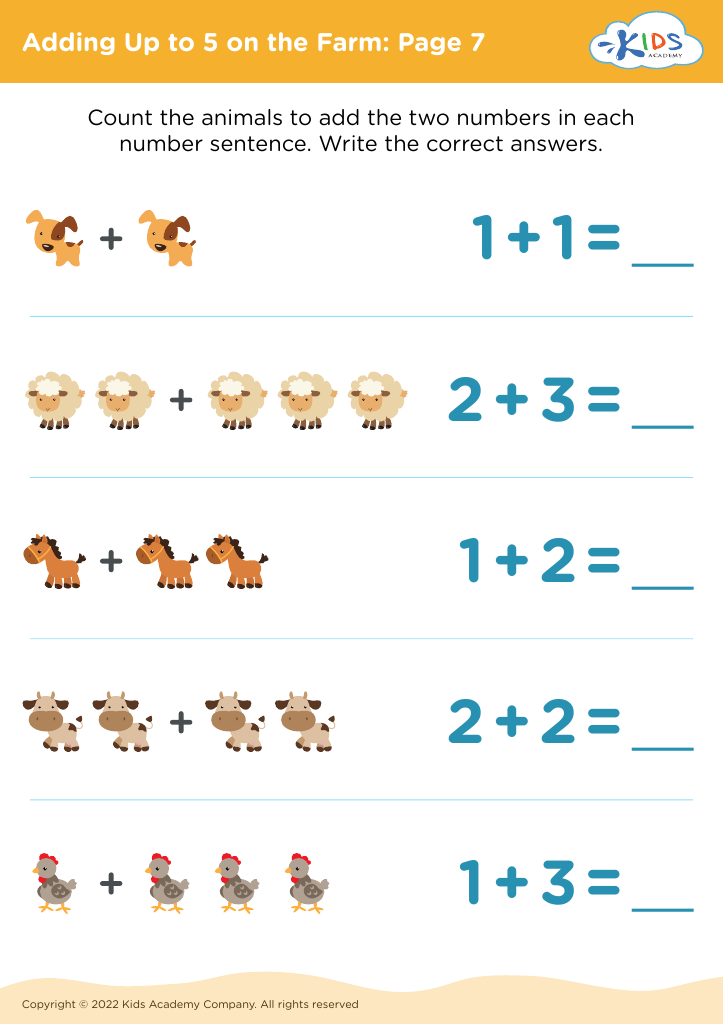
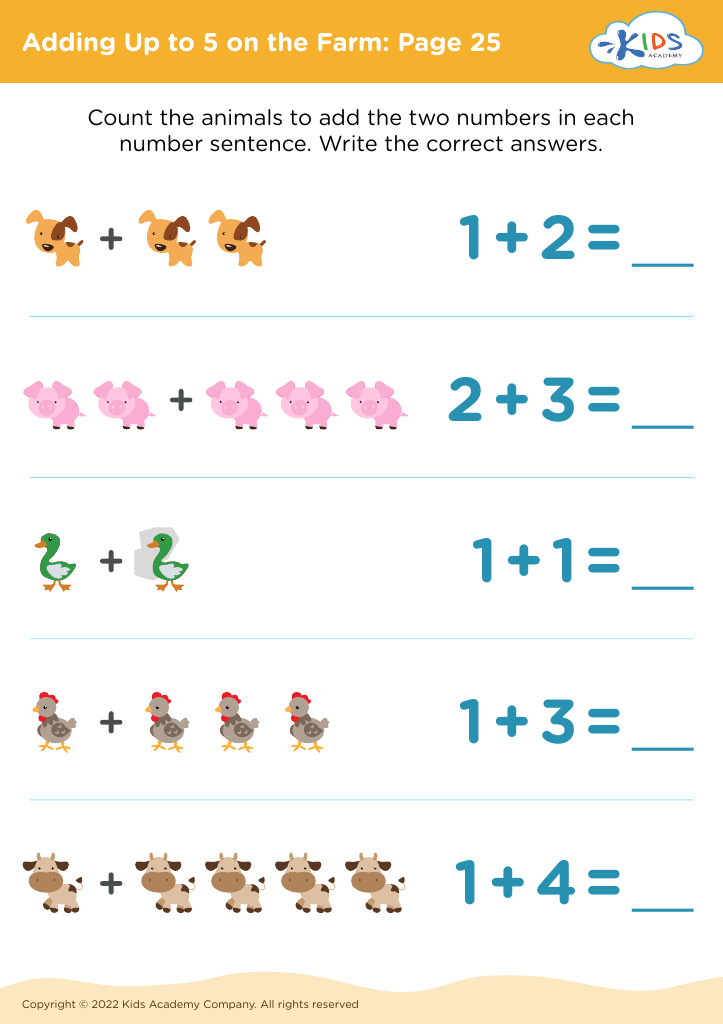
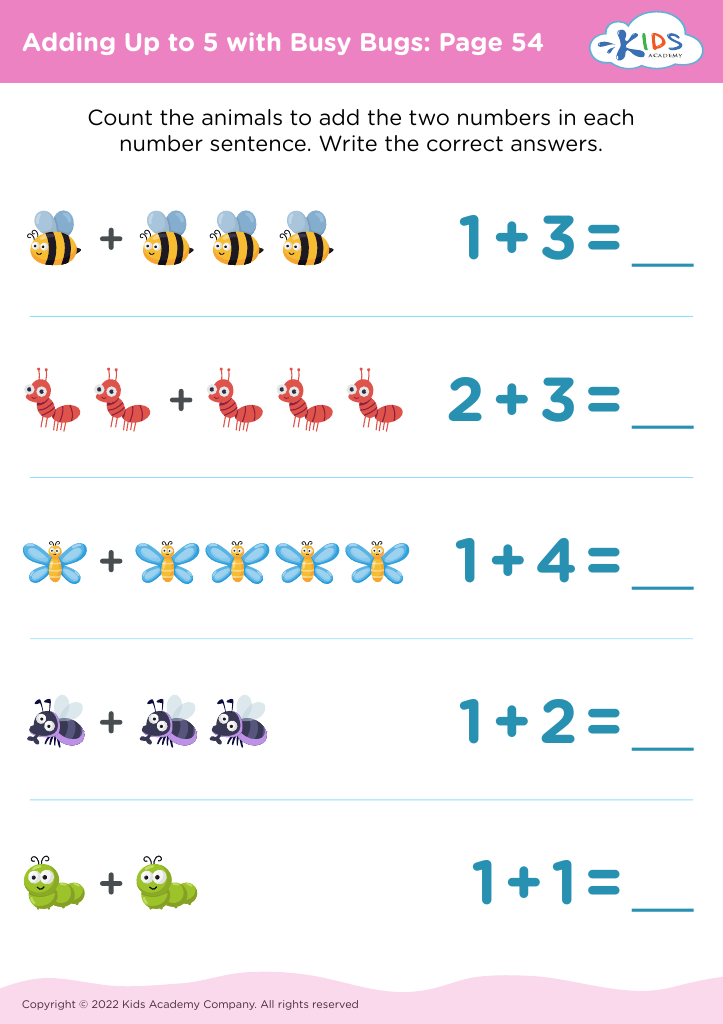
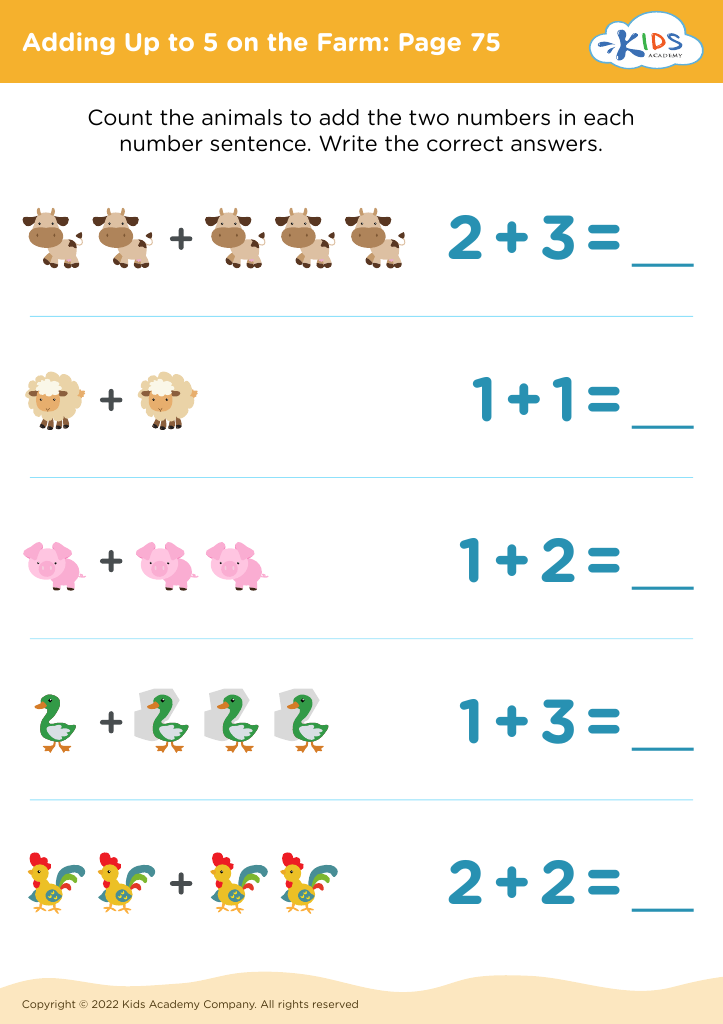
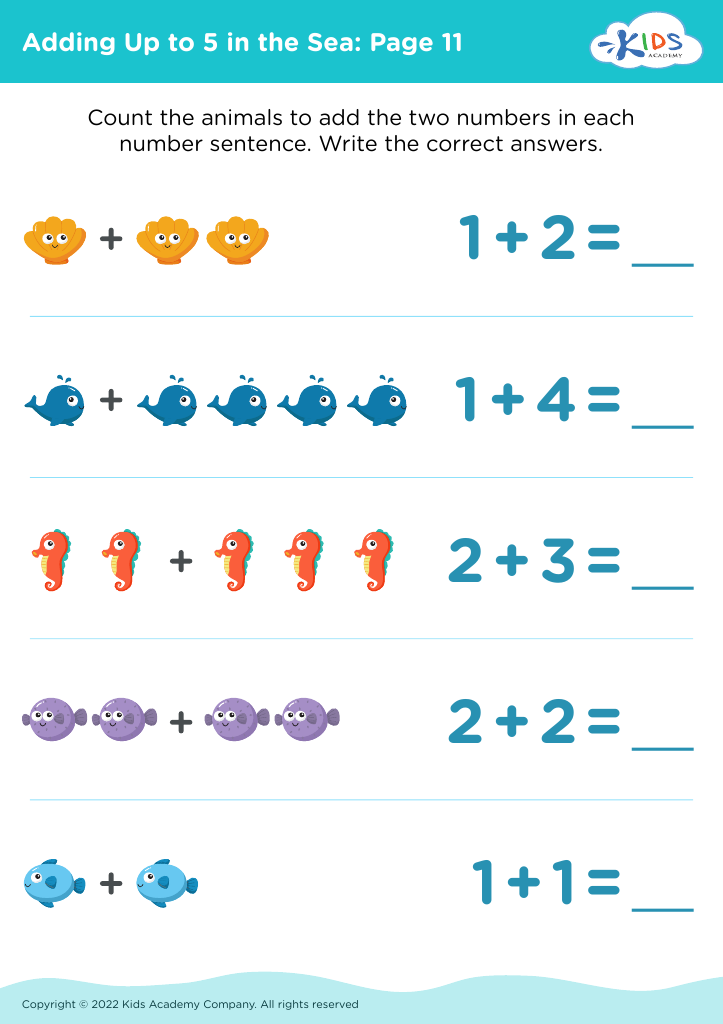
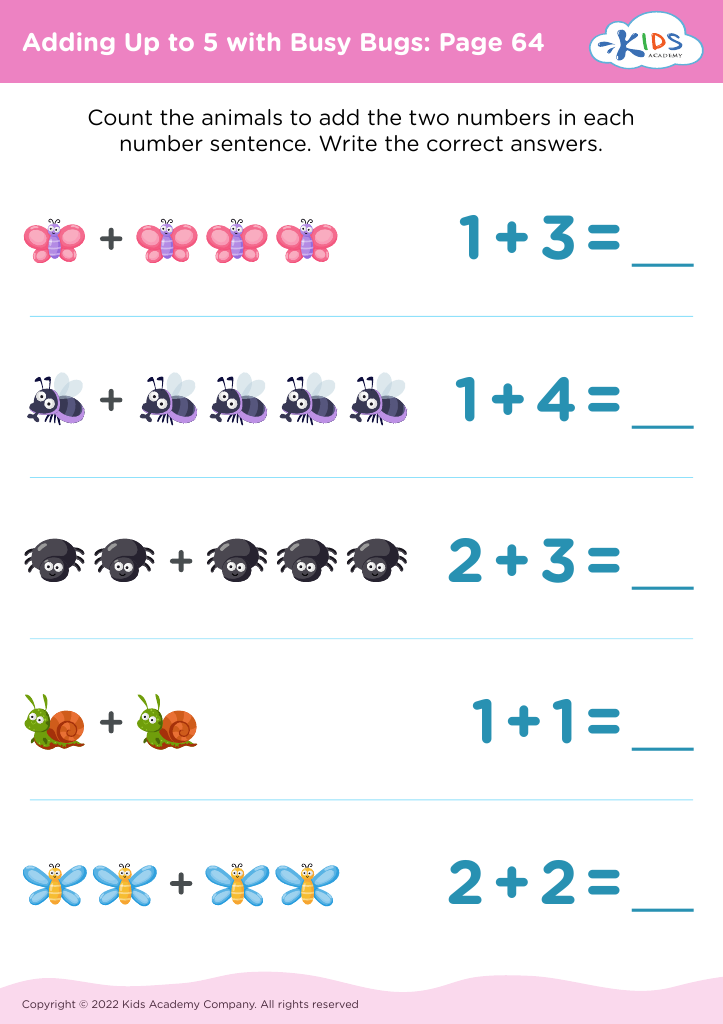
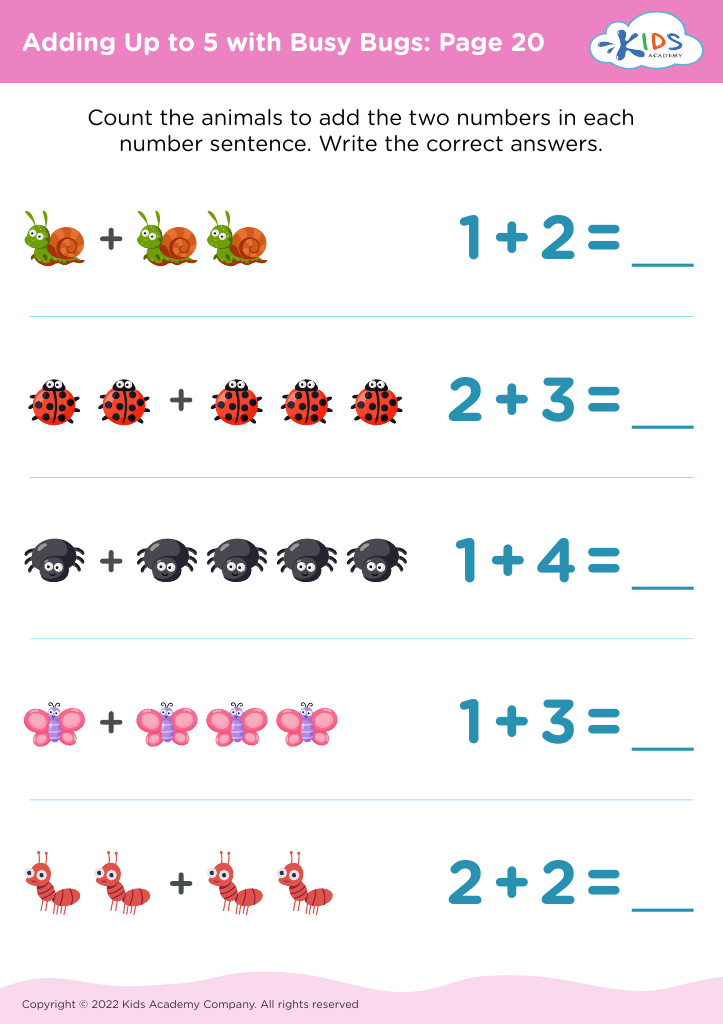
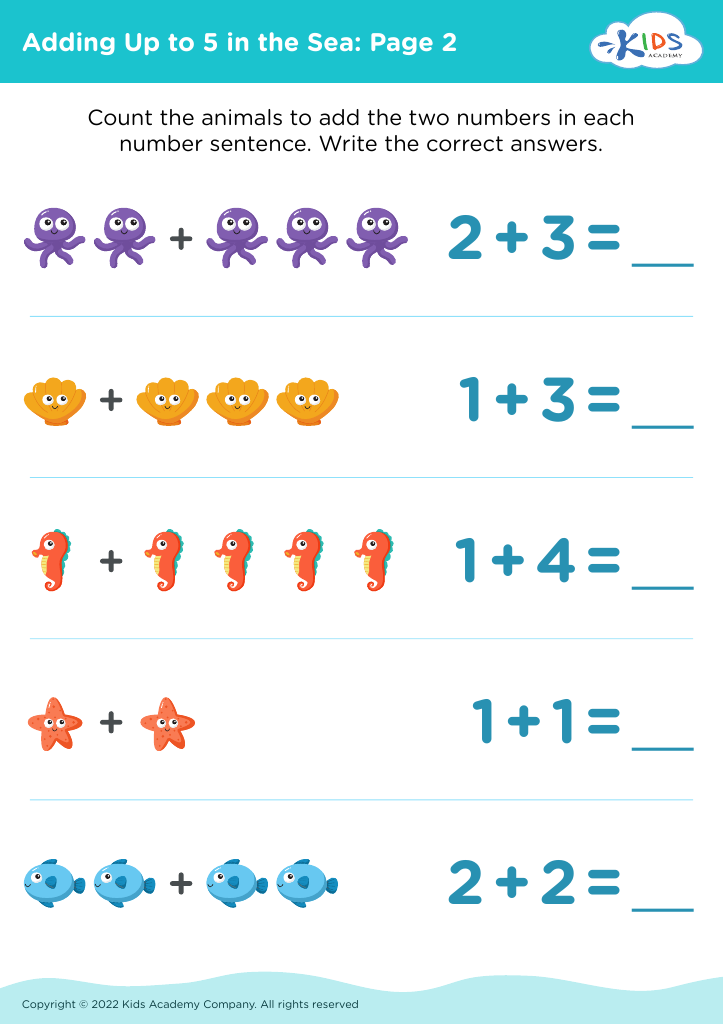
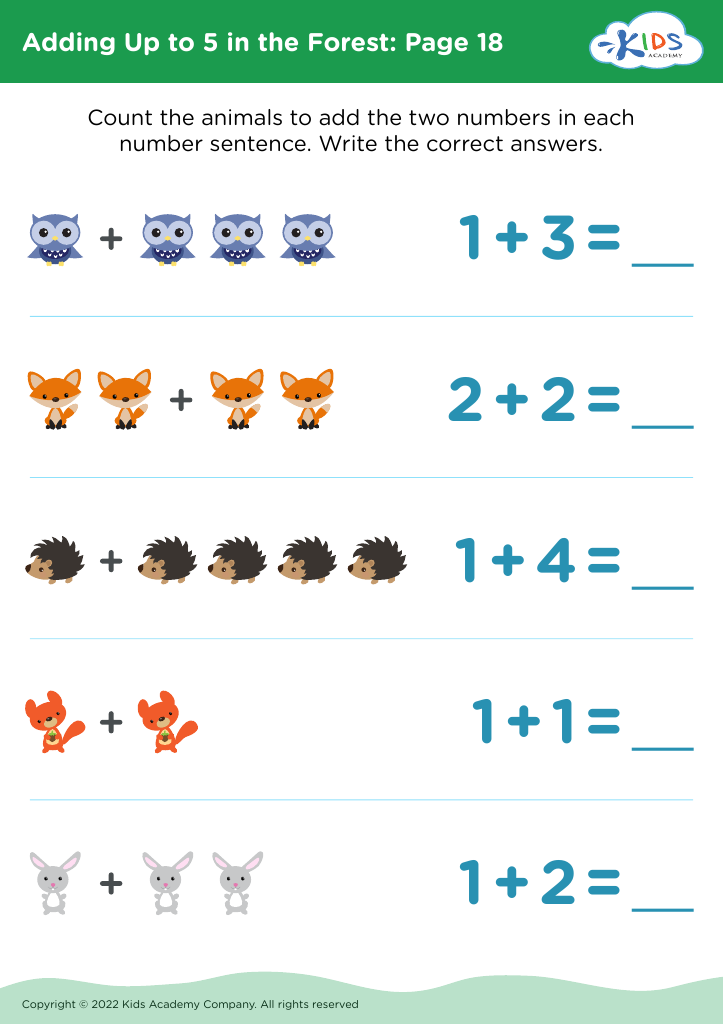
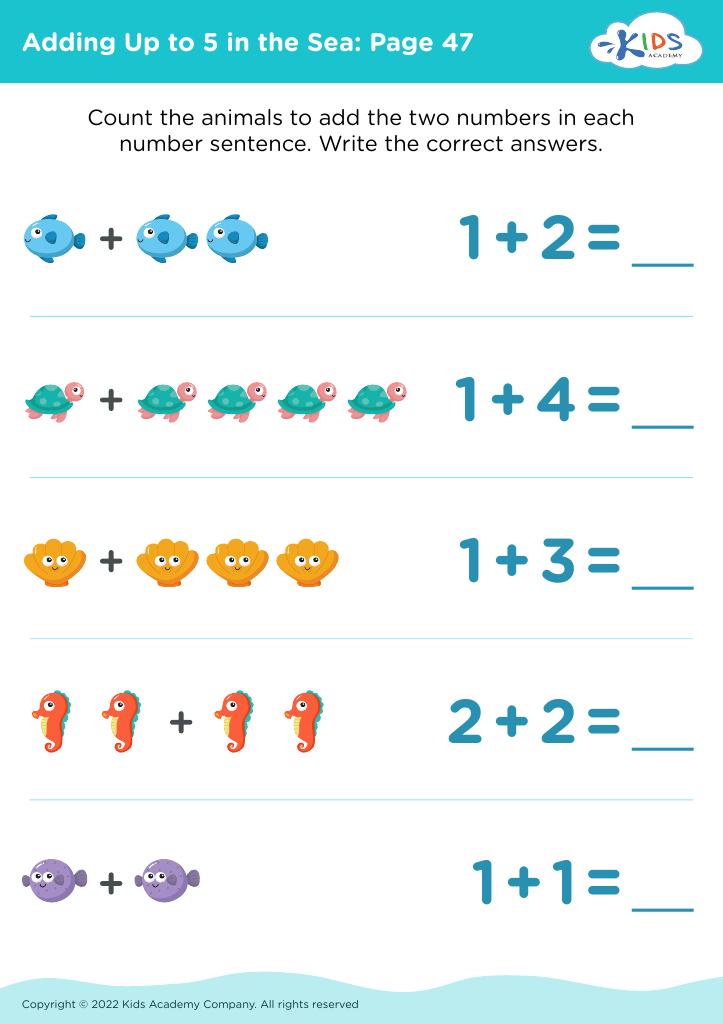
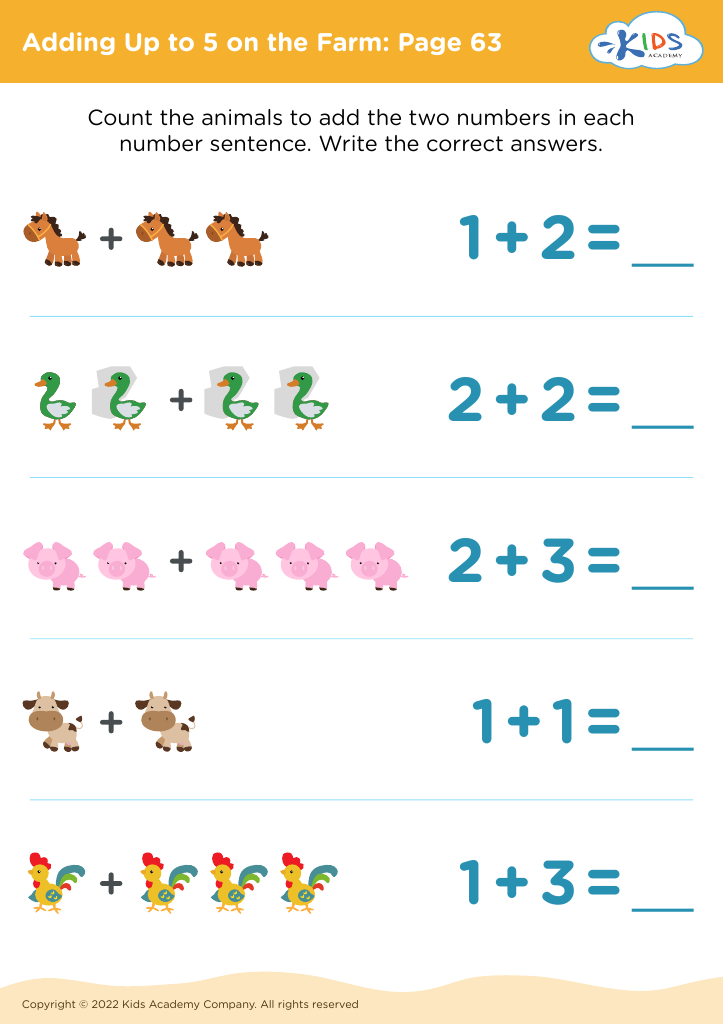
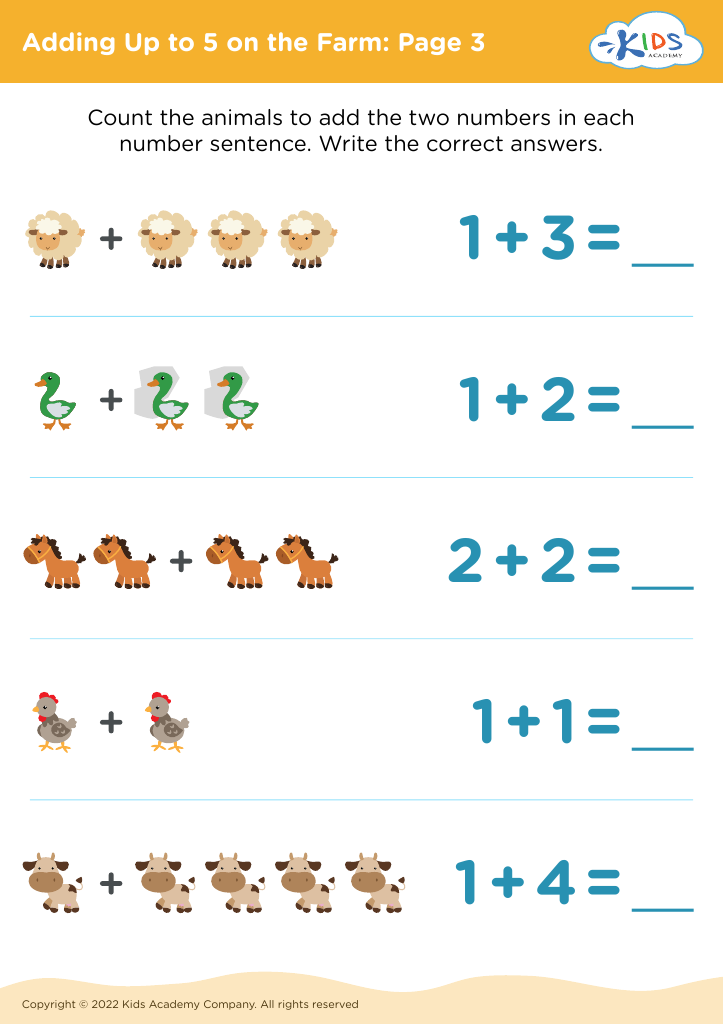
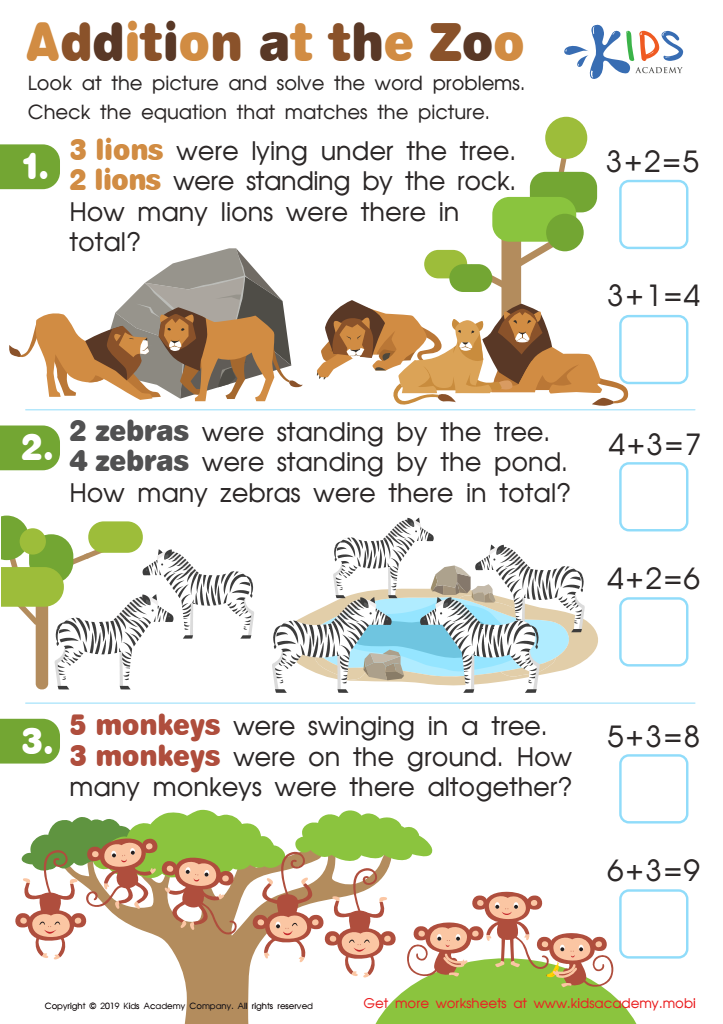
Addition at the Zoo Worksheet
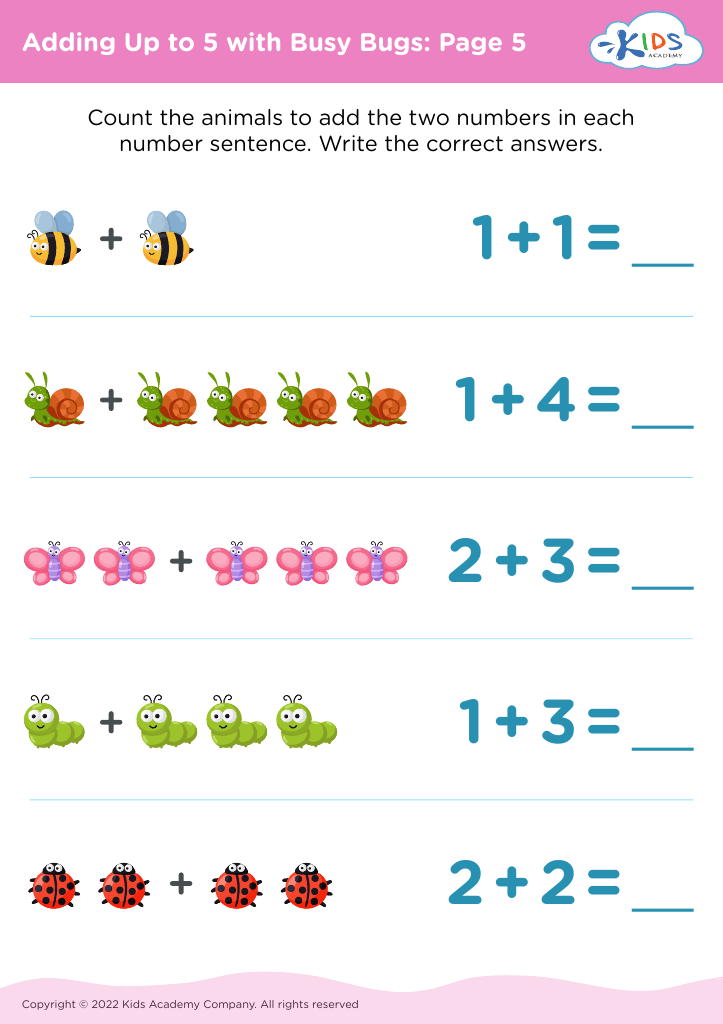
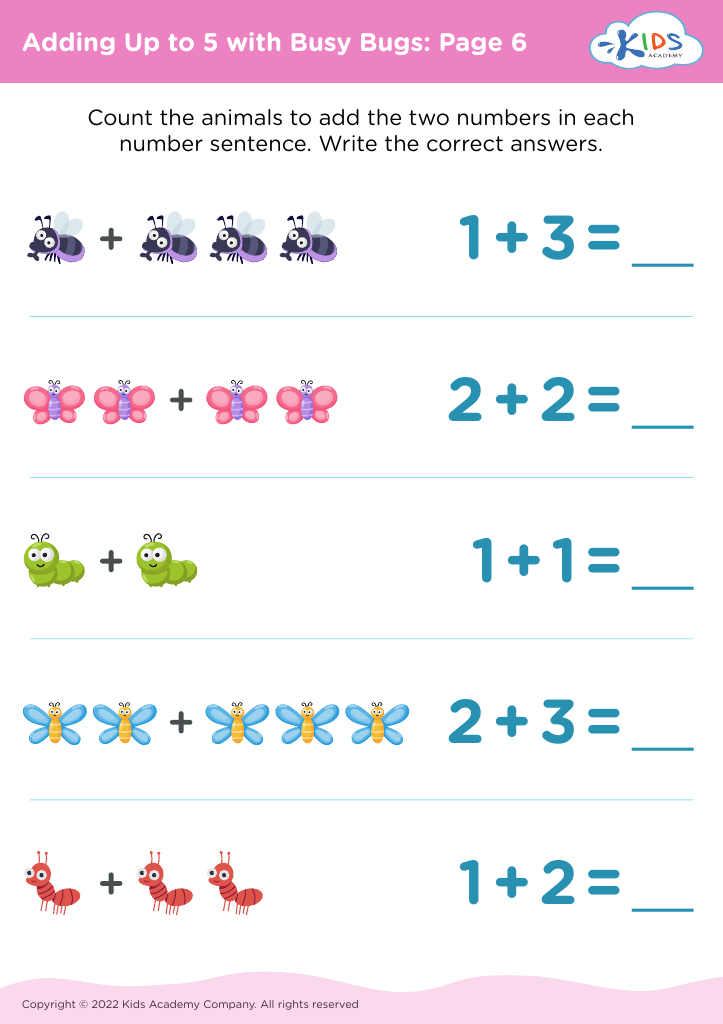
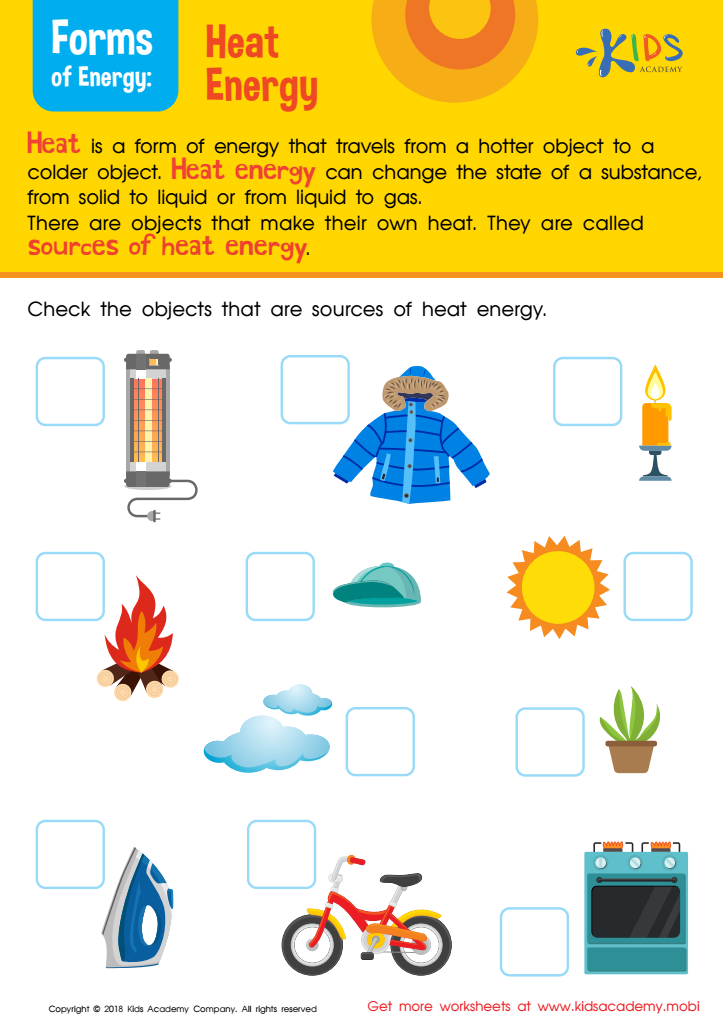
Sources of Heat Energy Worksheet
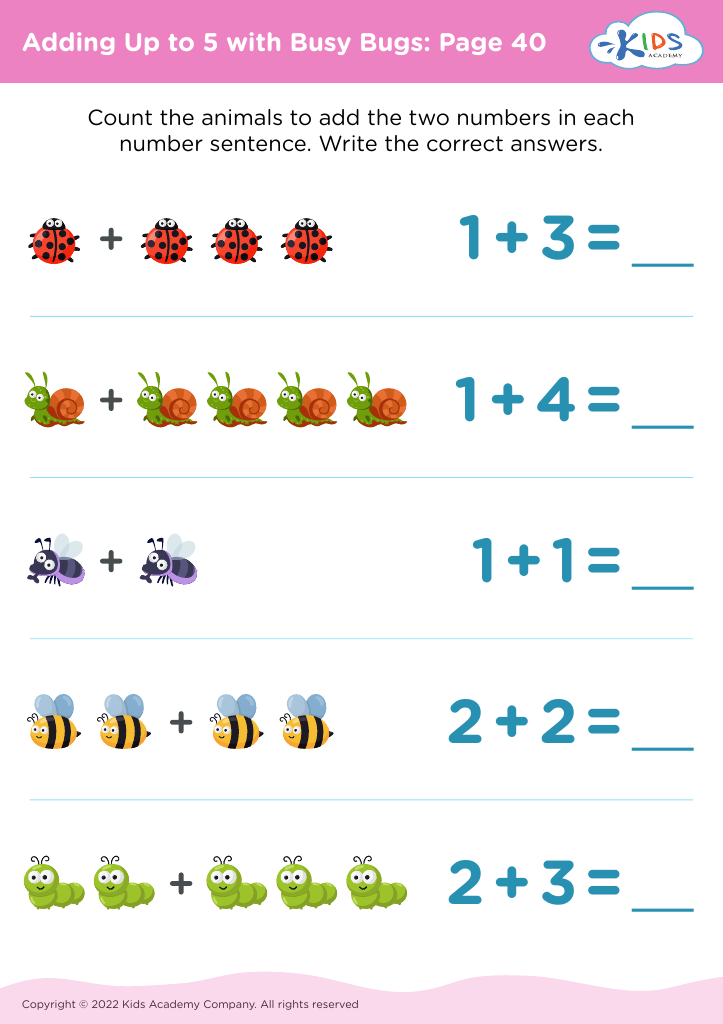



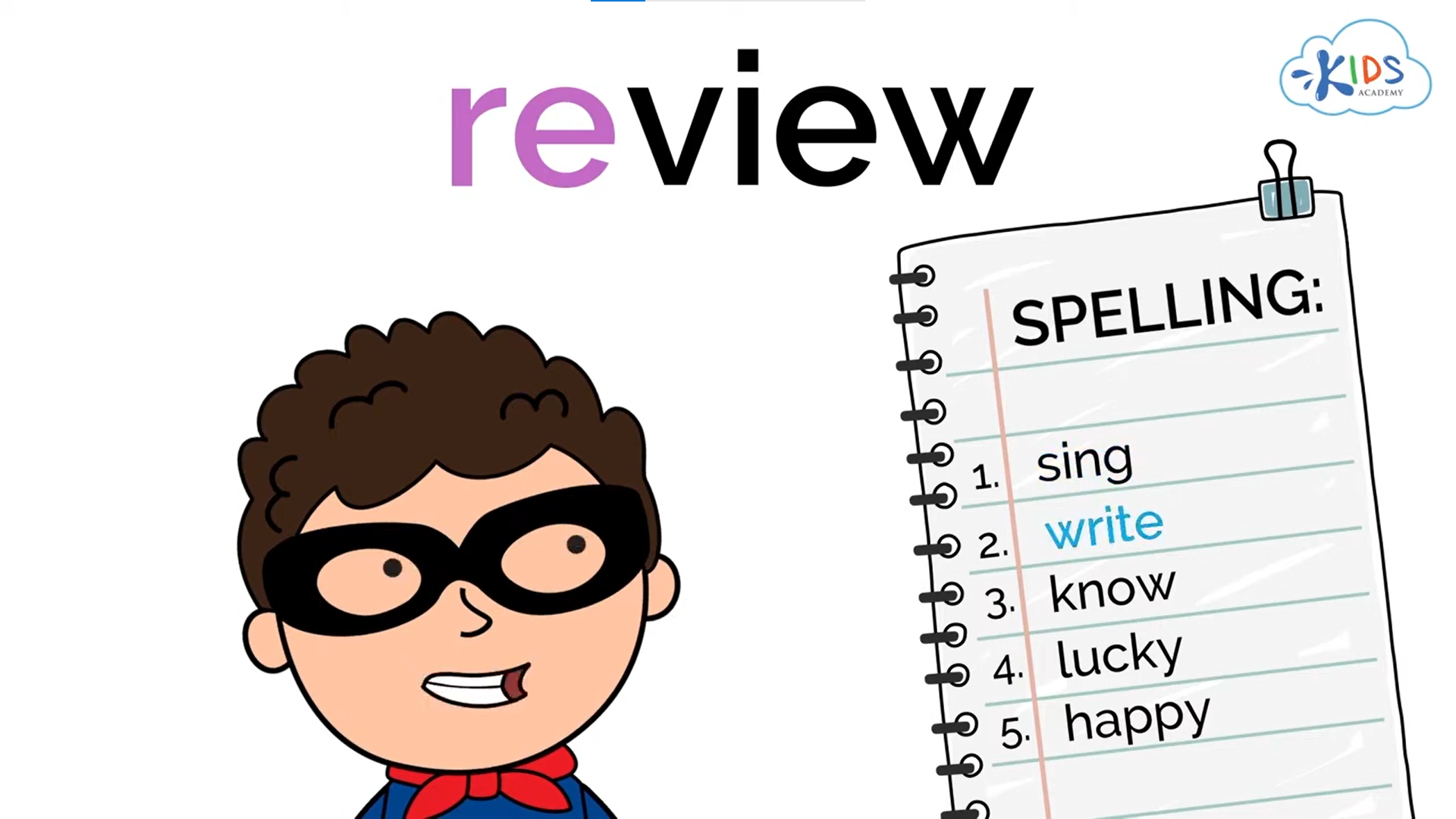




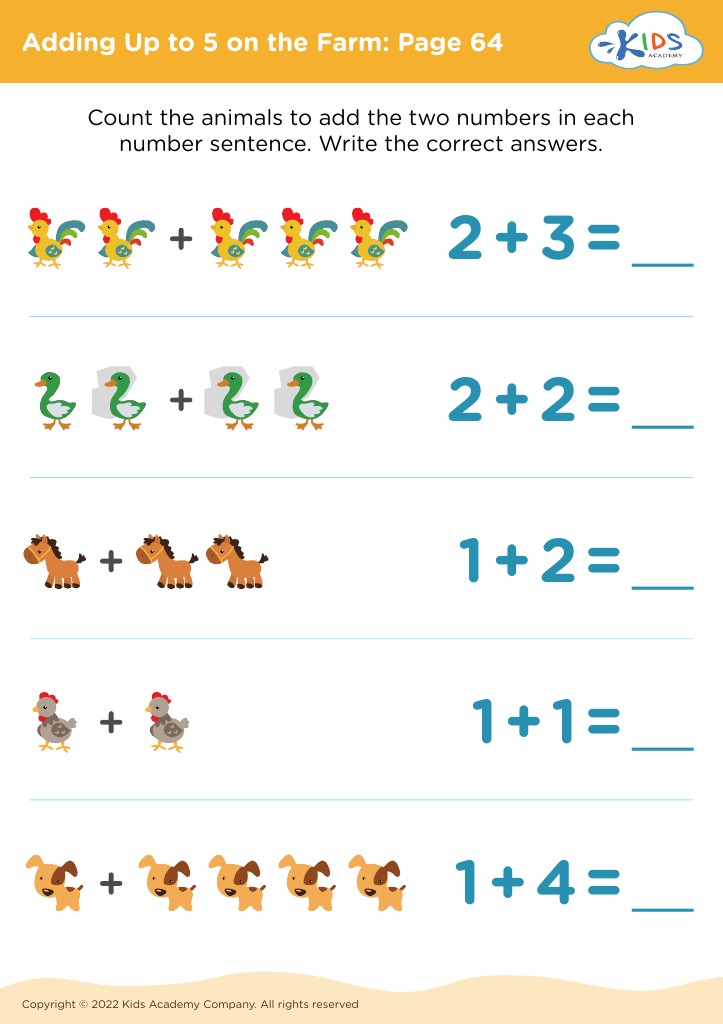
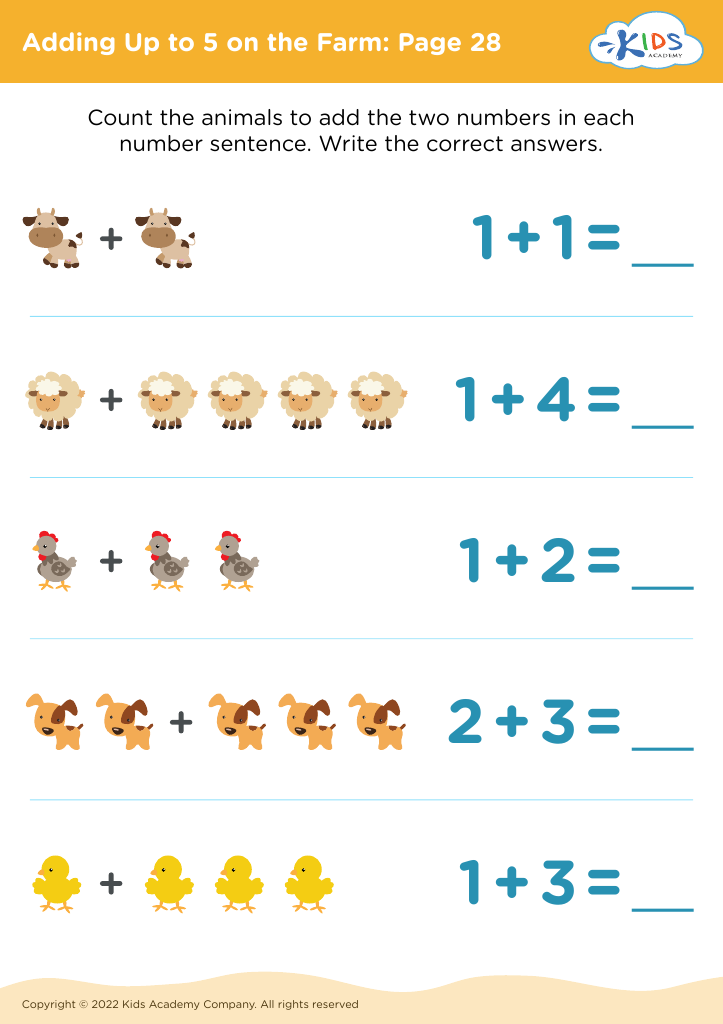
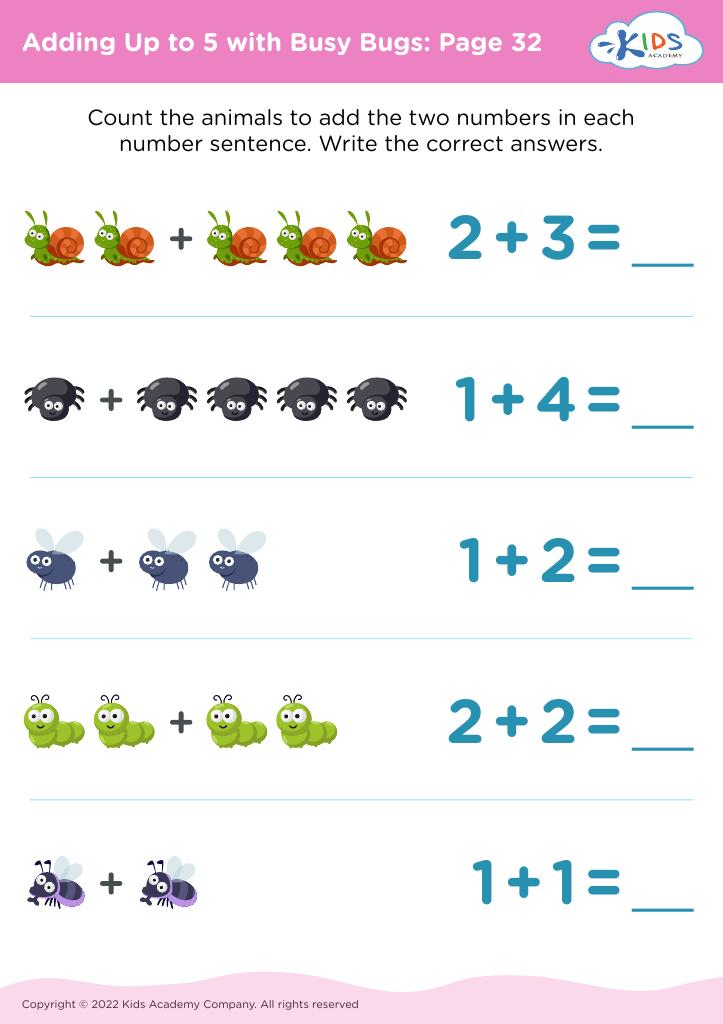
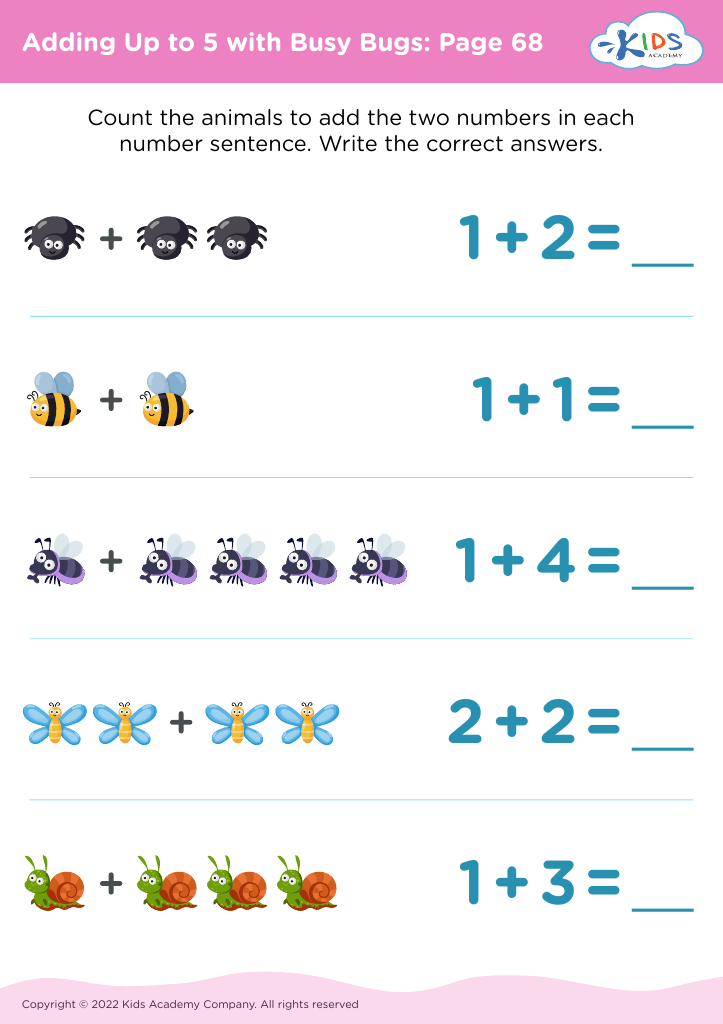
Visual learning is essential for children aged 4-8 because it aligns with their developmental stage and enhances cognitive growth. At this age, children are often naturally curious and learn best through engaging, visual stimuli. Incorporating visual learning strategies, such as images, diagrams, and interactive activities, helps capture their attention and fosters deeper understanding of concepts.
Moreover, visual learning supports varied learning styles and helps children with different abilities thrive. It promotes critical thinking, problem-solving, and retention, as visual aids can simplify complex ideas, making them more relatable. Through visual storytelling, illustrations, and hands-on activities, children can better connect with the material, enhancing their enjoyment and interest in learning.
For teachers and parents, encouraging visual learning can pave the way for improved literacy and numeracy skills. It aids in vocabulary development, phonemic awareness, and mathematical comprehension by using charts, graphs, and visual symbols that make abstract ideas tangible.
In promoting visual learning, adults can help children build confidence, creativity, and collaboration while preparing them for a future where visual literacy is crucial. Teaching practices integrated with visual aids can significantly impact a child's educational journey, equipping them with skills that benefit them both in and out of the classroom.








