Vocabulary development Worksheets for Ages 4-8 - Page 3
86 filtered results
-
From - To
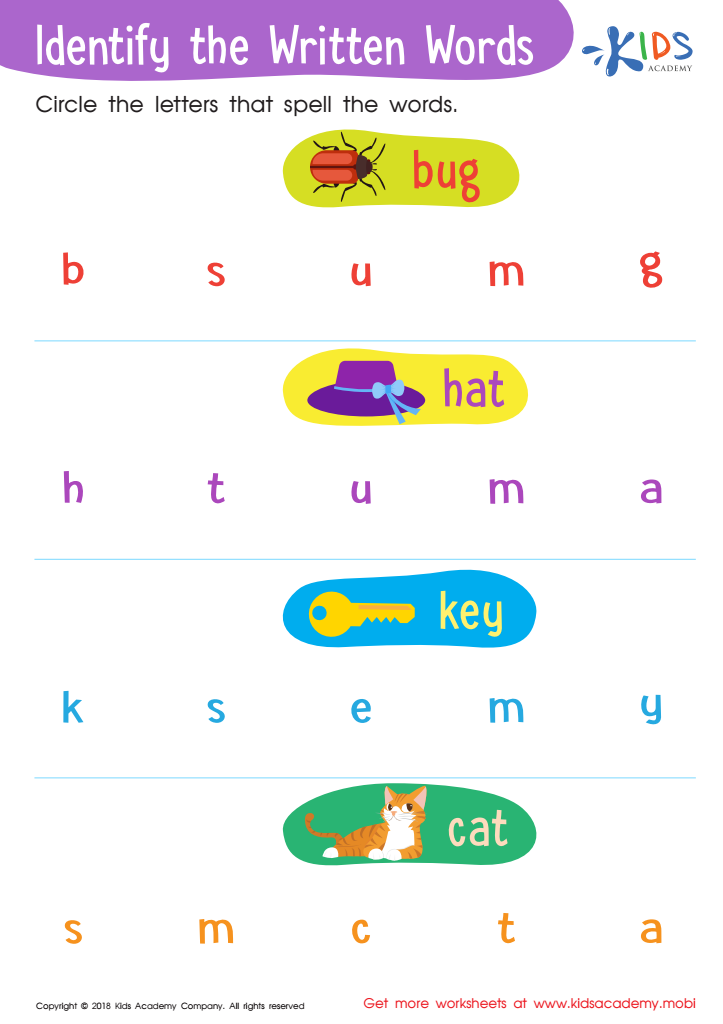
Identify the Written Words Worksheet
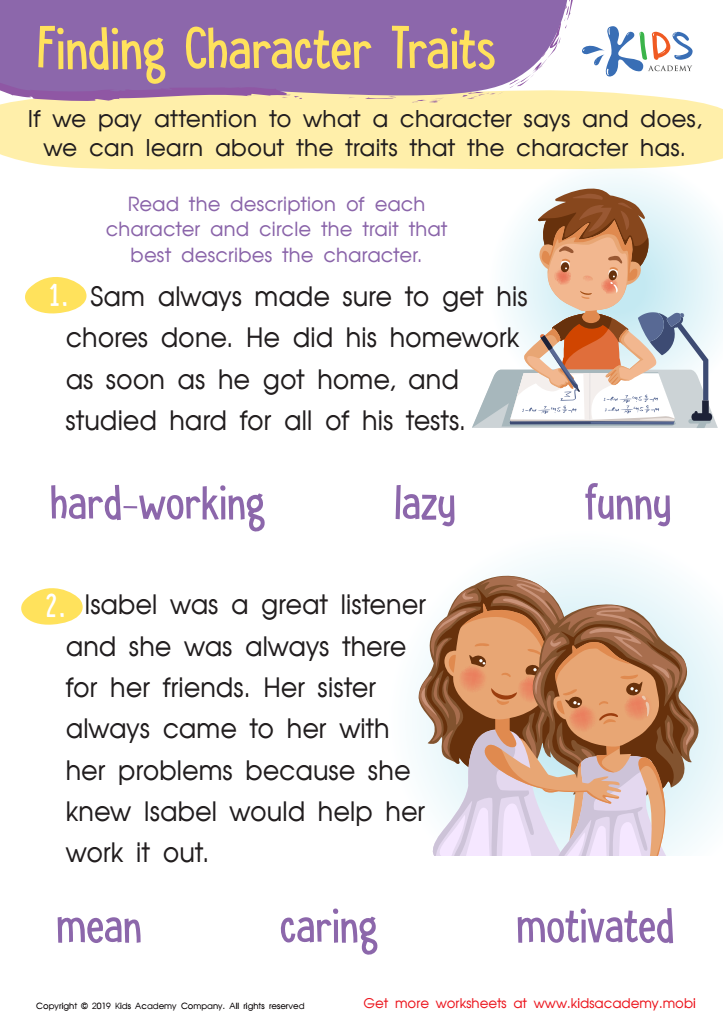
Finding Character Traits Worksheet

Beach Maze: Sun Safe Worksheet
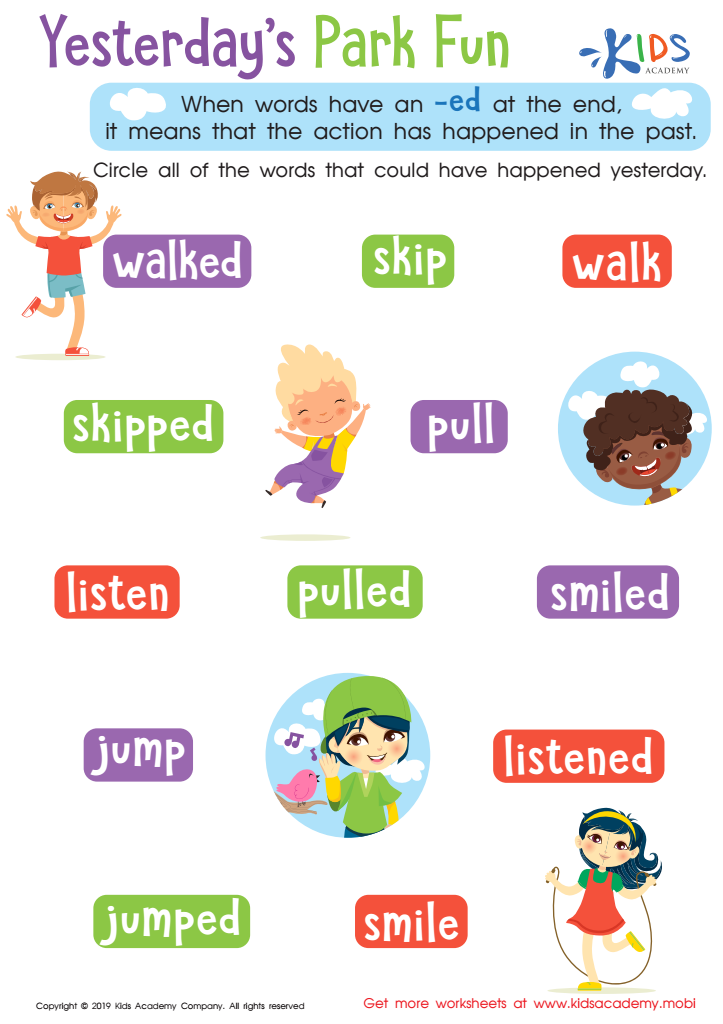
Yesterday's Park Fun Worksheet
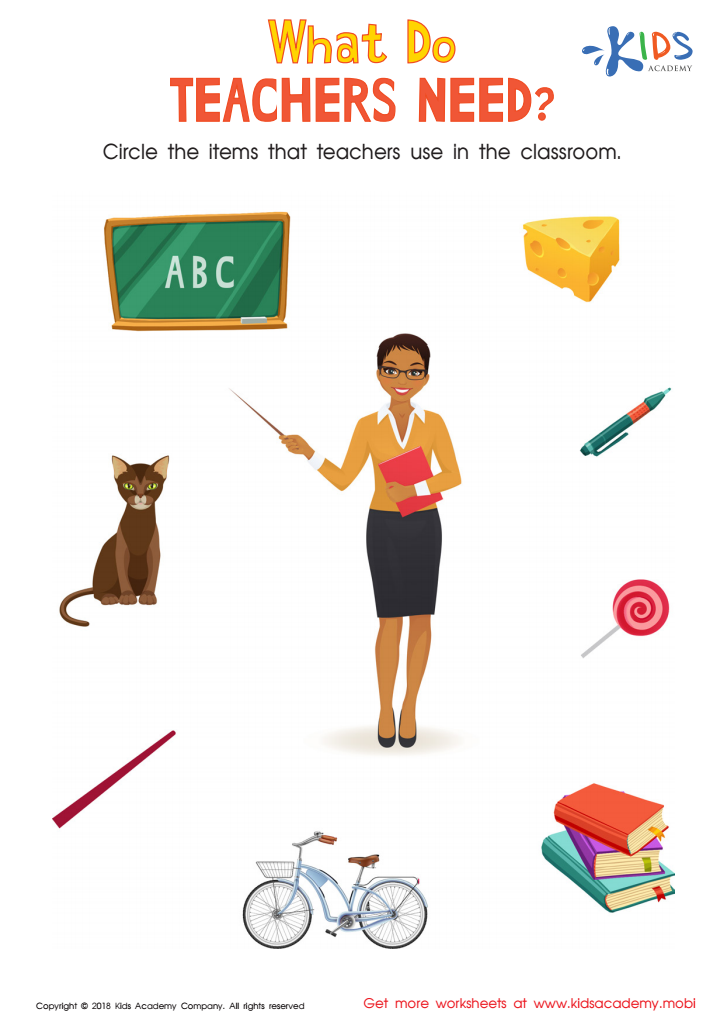
What Do Teachers Need Worksheet
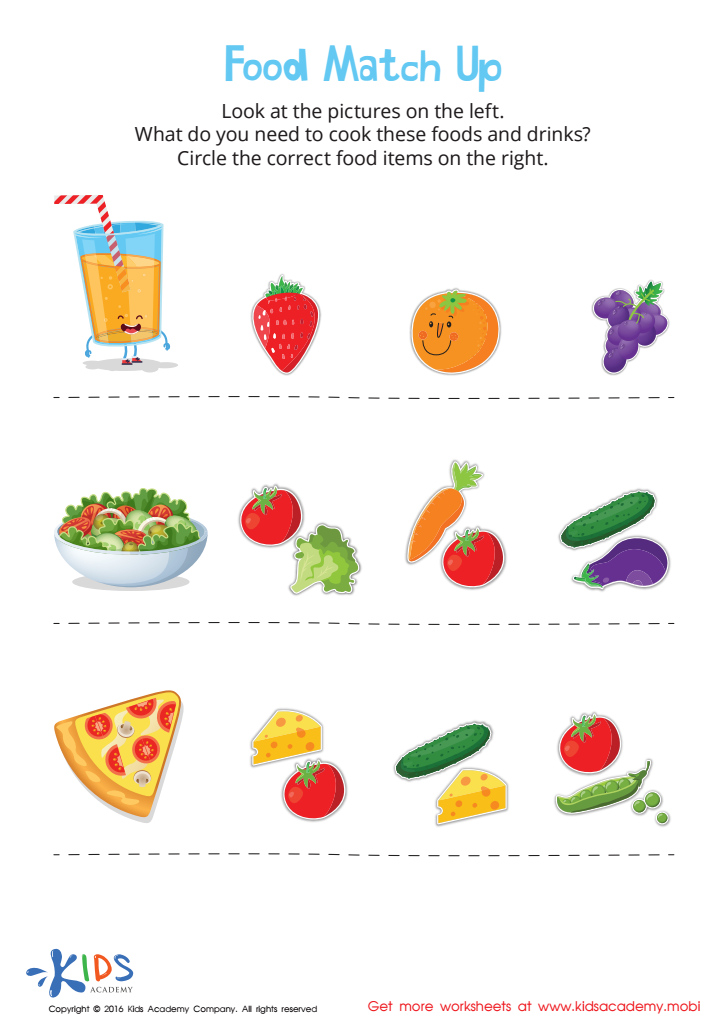
Food Match Up Worksheet

Musical Band Worksheet
 Assign to My Students
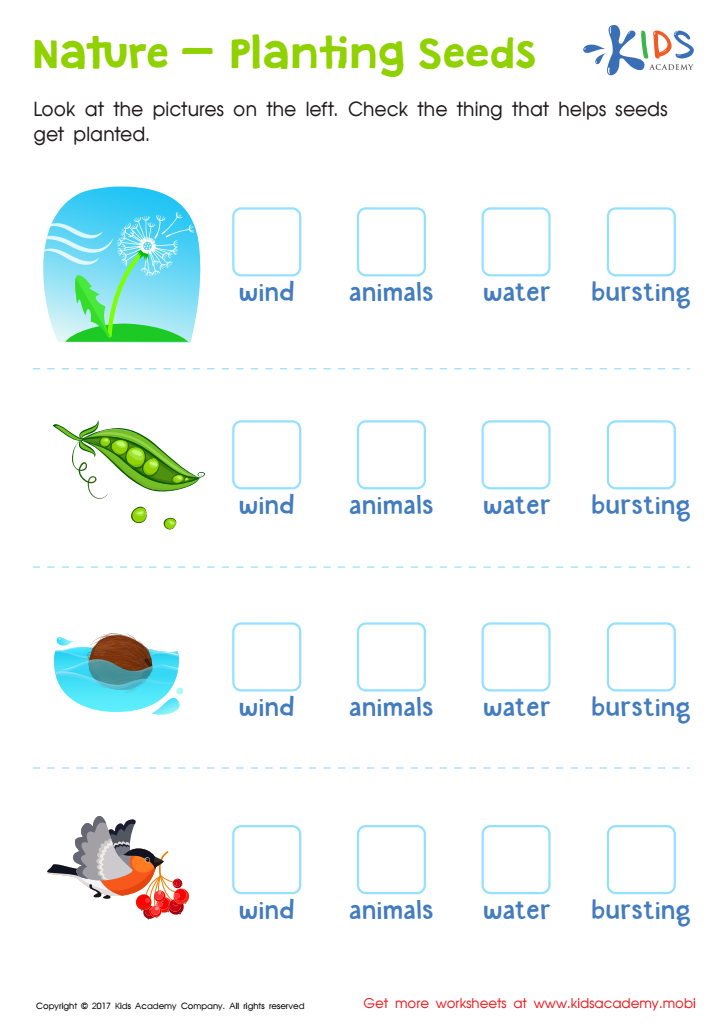
Nature Planting Seeds Worksheet
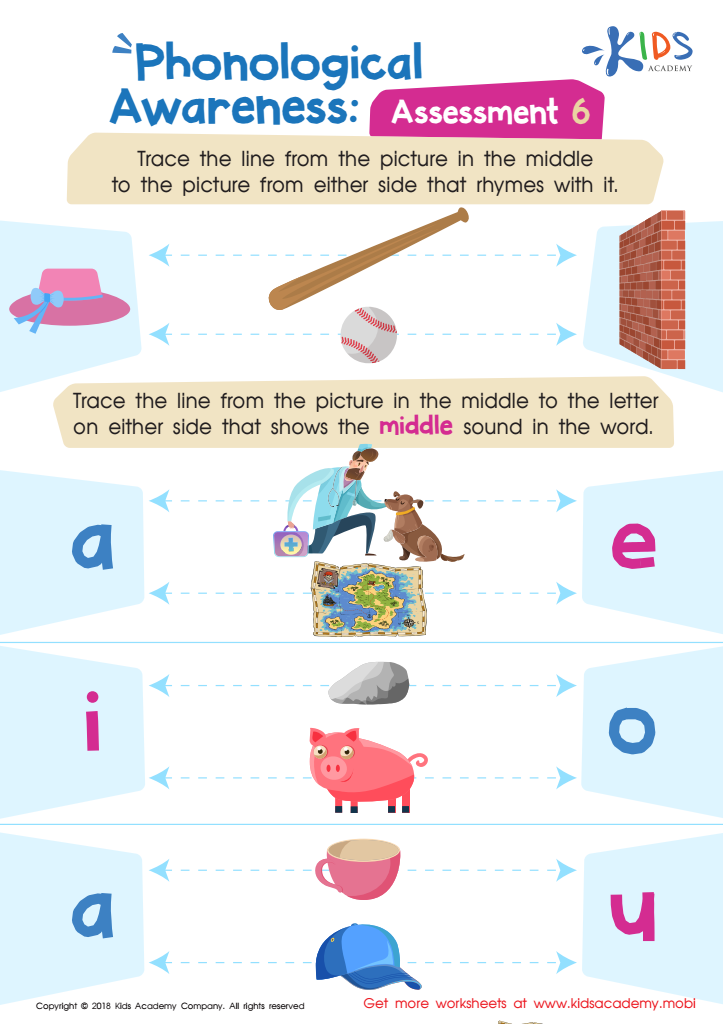
Phonological Awareness: Assessment 6 Worksheet
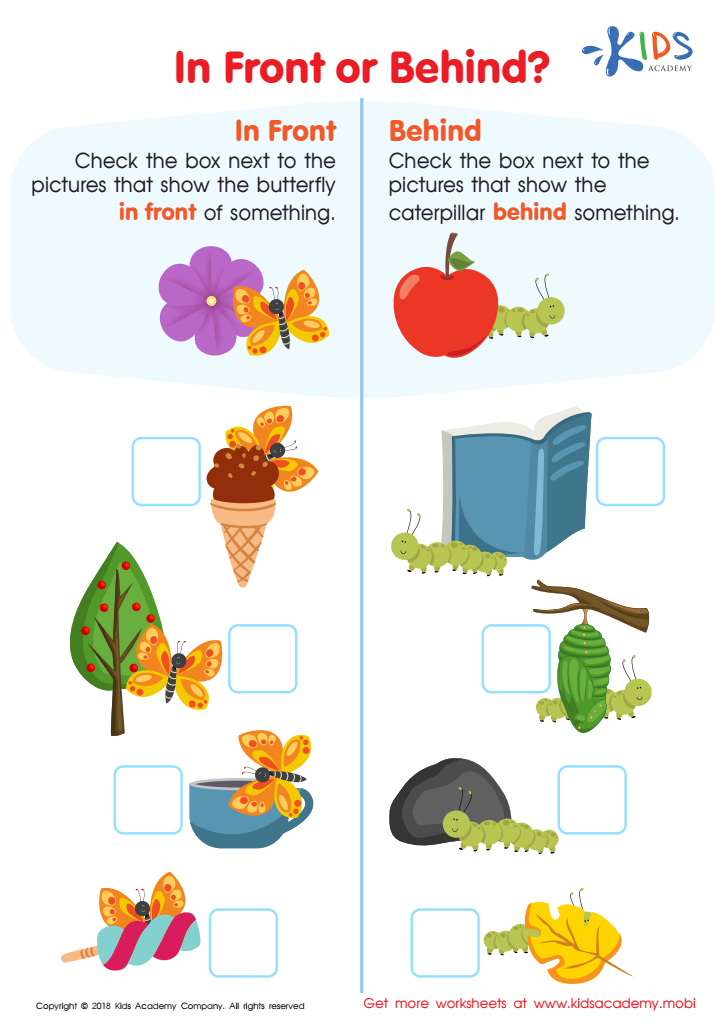
In Front or Behind Worksheet
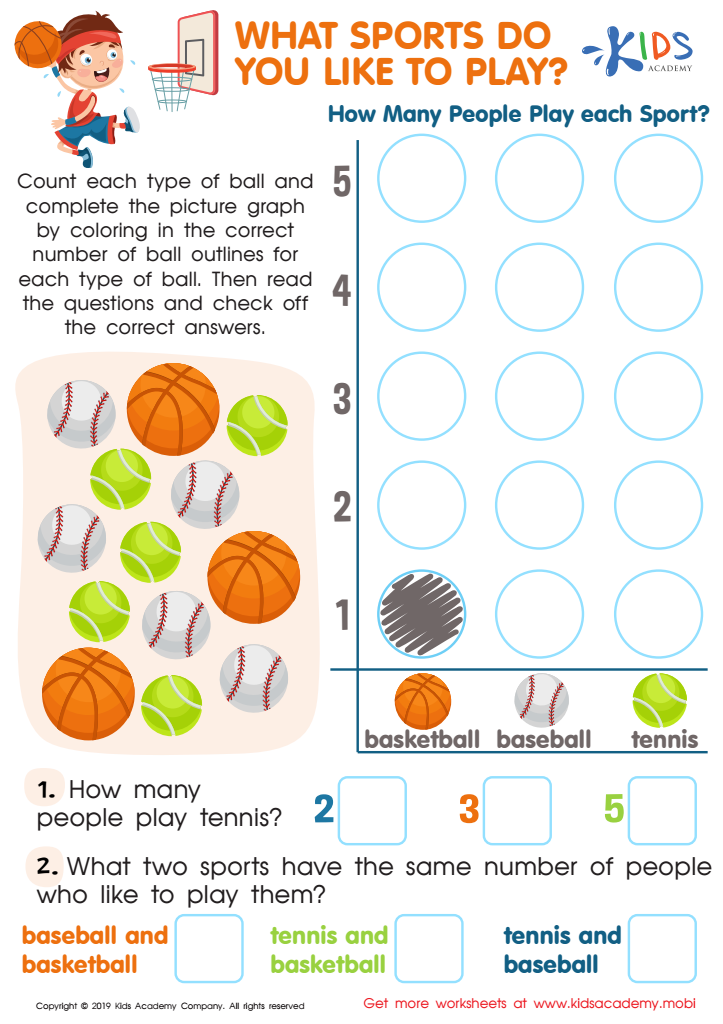
What Sports Do You Like to Play Worksheet
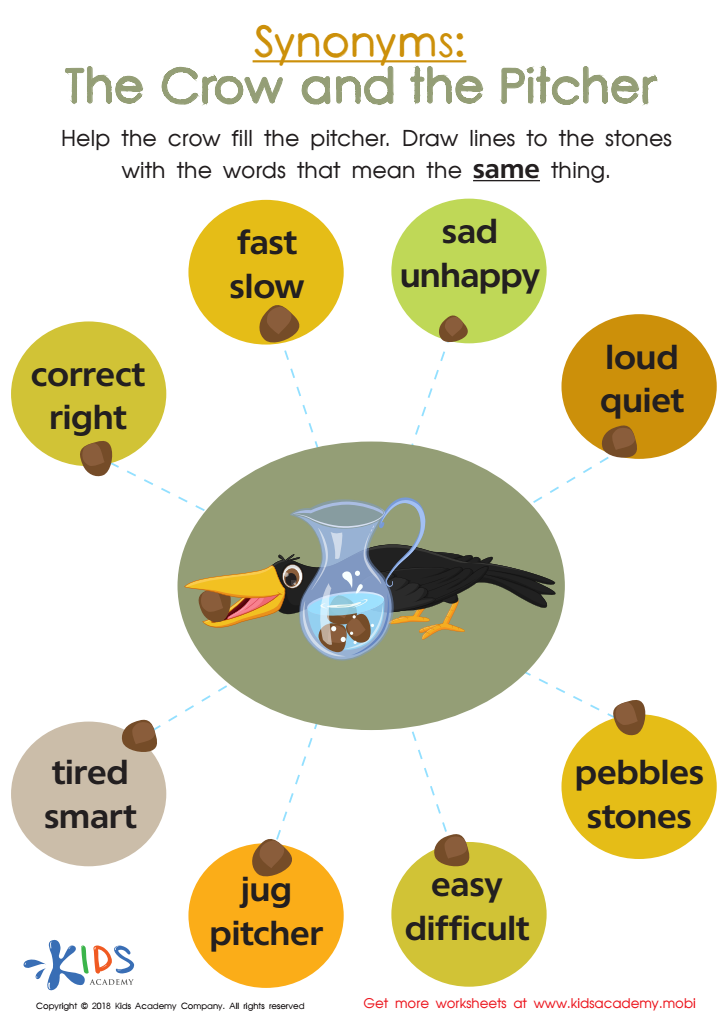
The Crow and the Pitcher Synonyms Worksheet
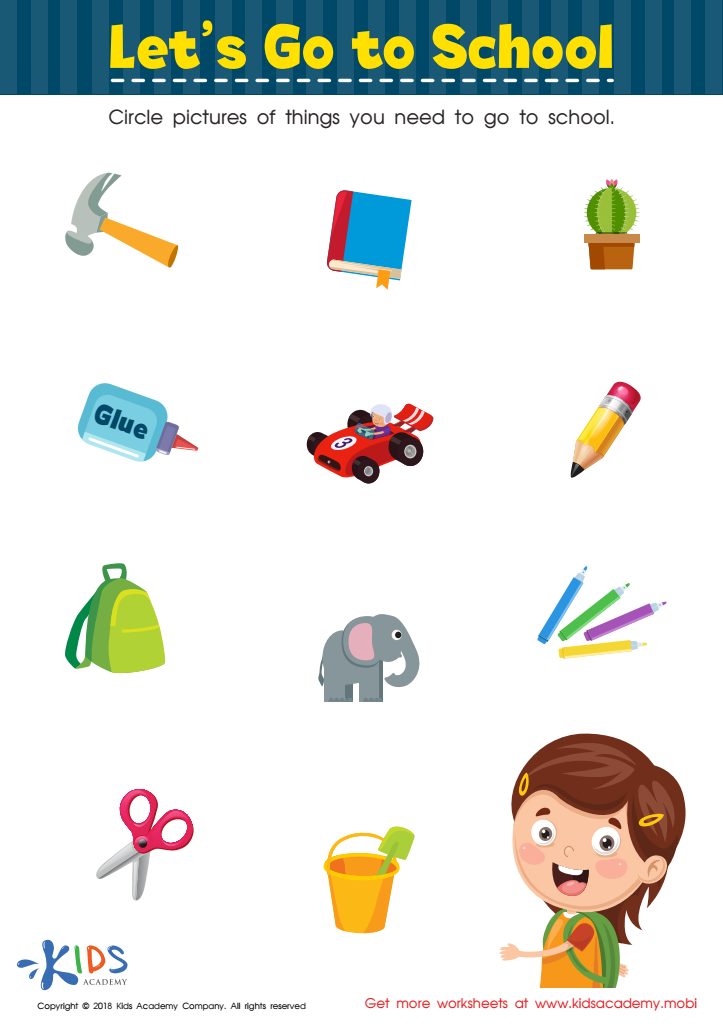
Let's Go to School! Worksheet
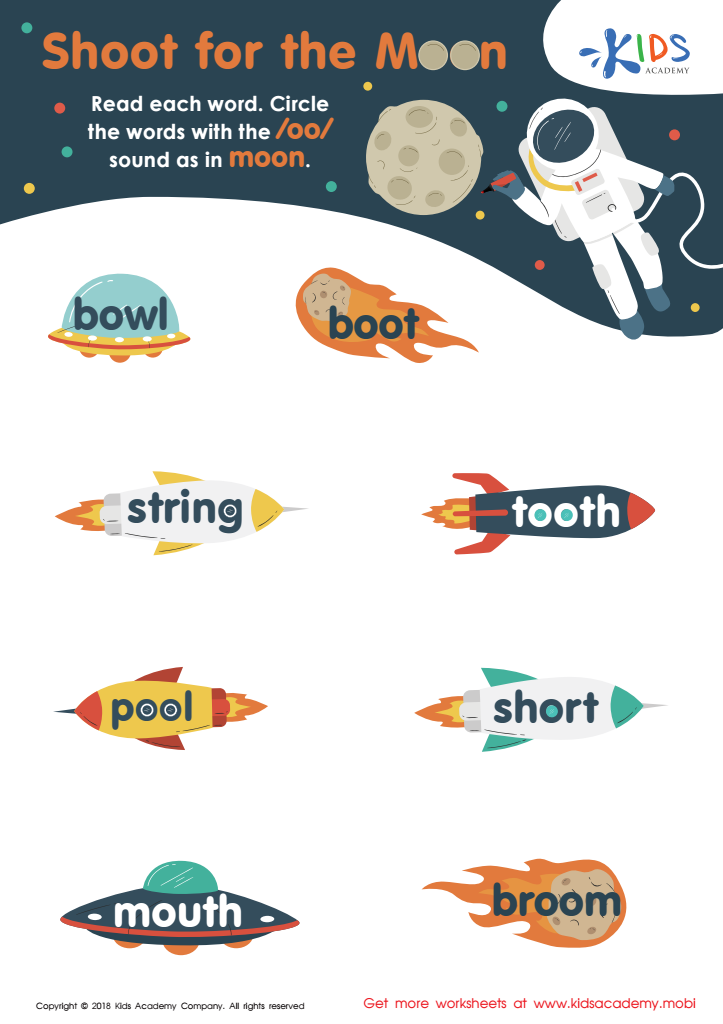
Reading: Shoot for the Moon Worksheet
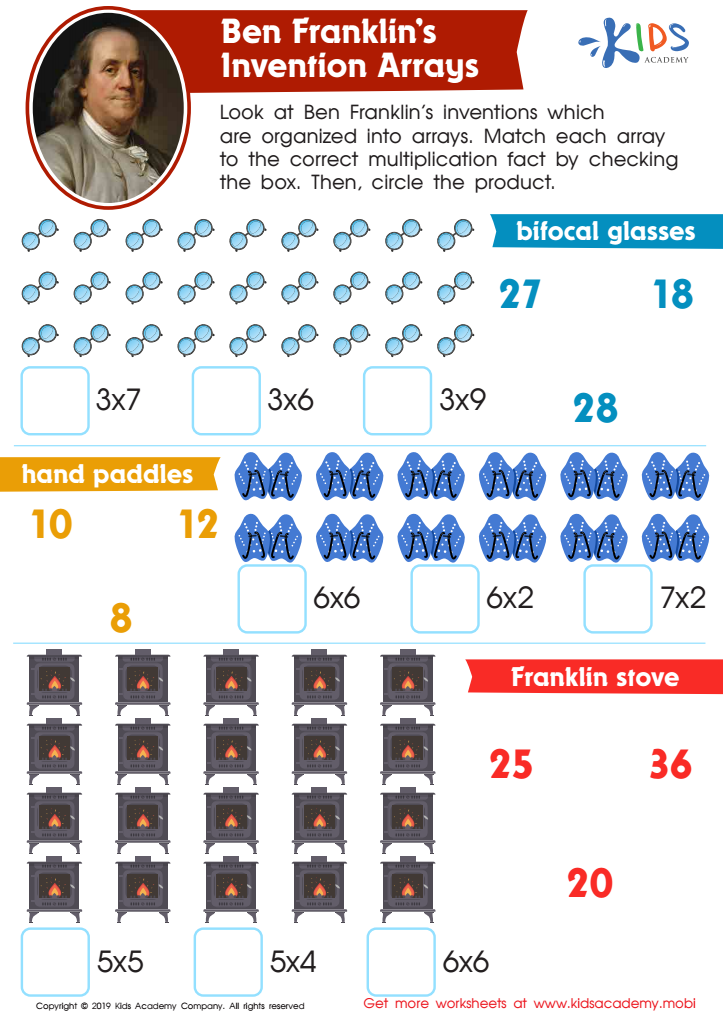
Ben Franklin’s Invention Arrays Worksheet
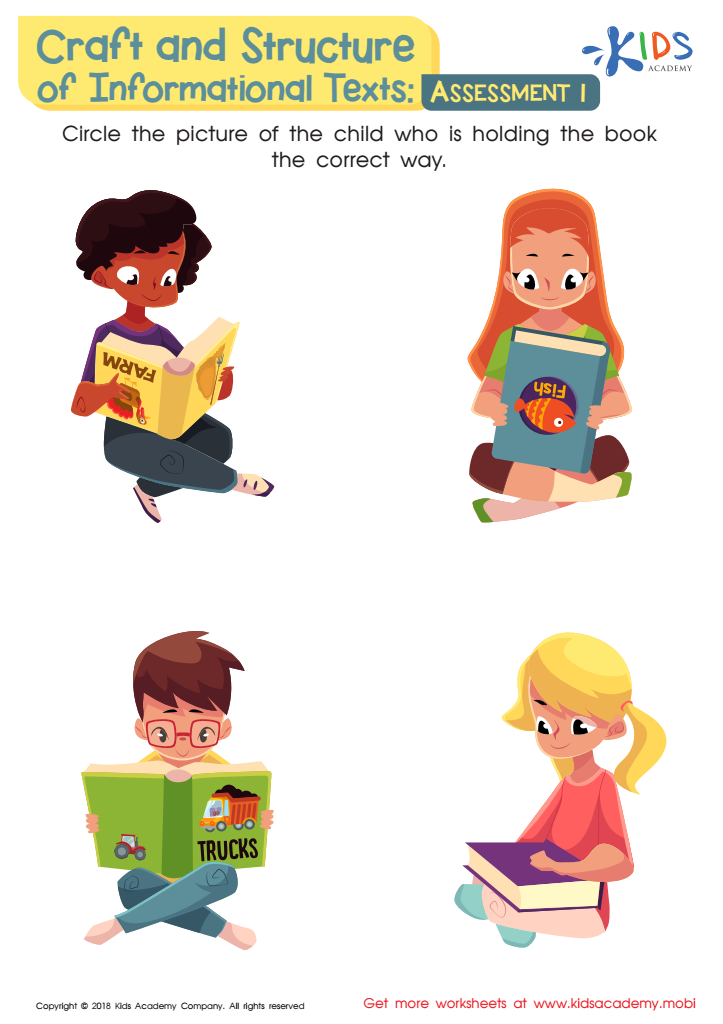
Craft and Structure of Informational Texts: Assessment 1 Worksheet

Turkey Thanksgiving Day Worksheet
Assign to My Students
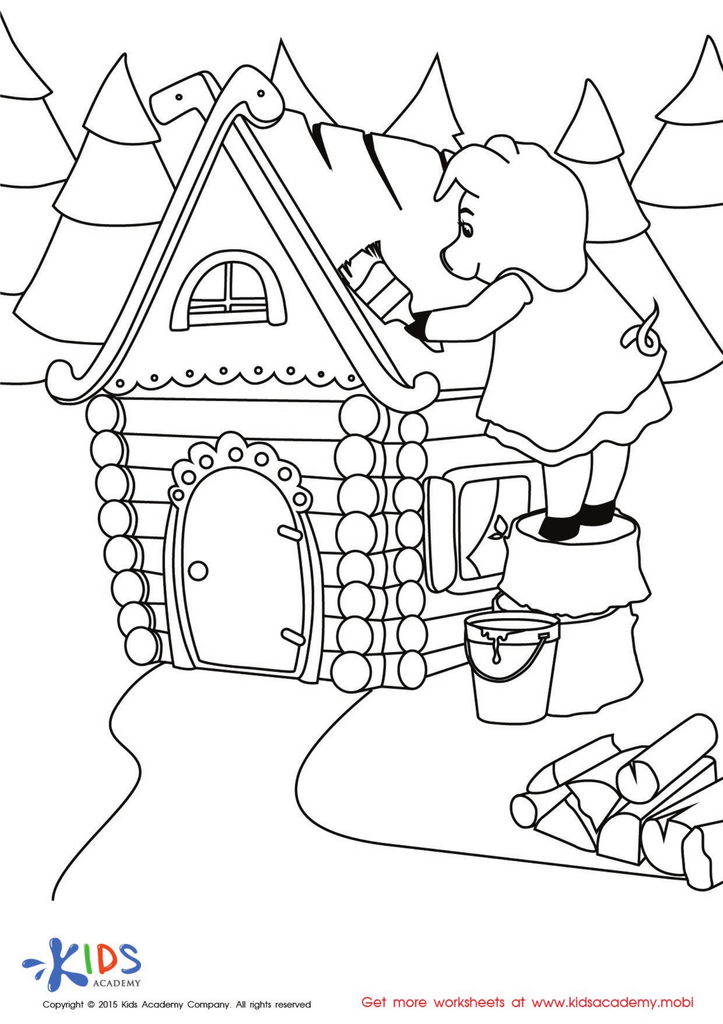
The Three Little Pigs Worksheet
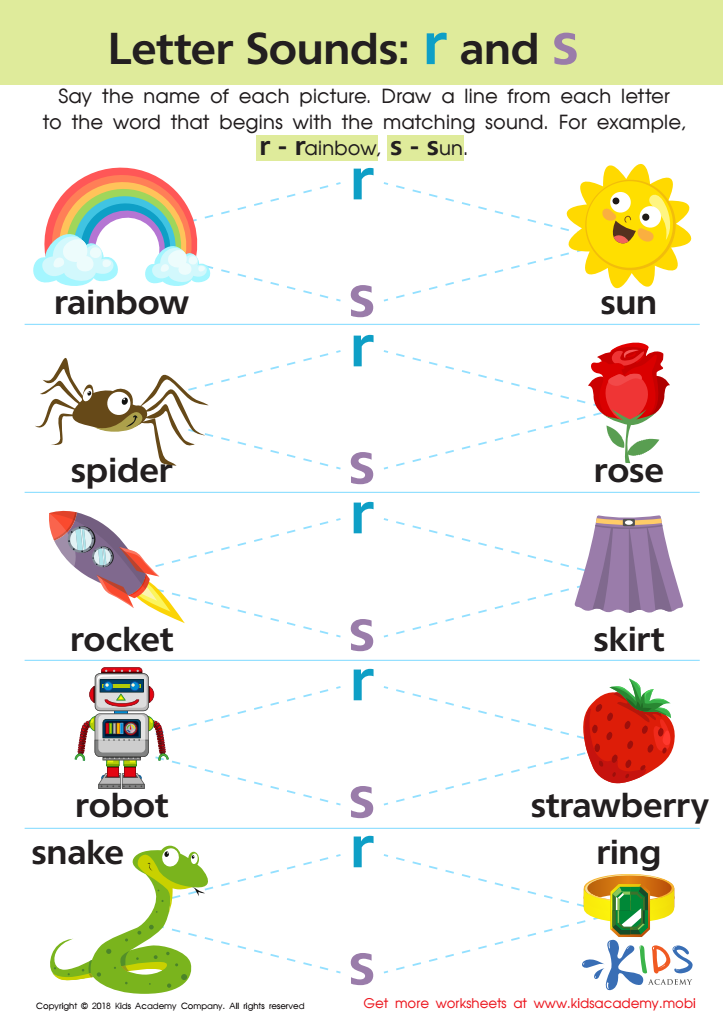
Letter R and S Sounds Worksheet
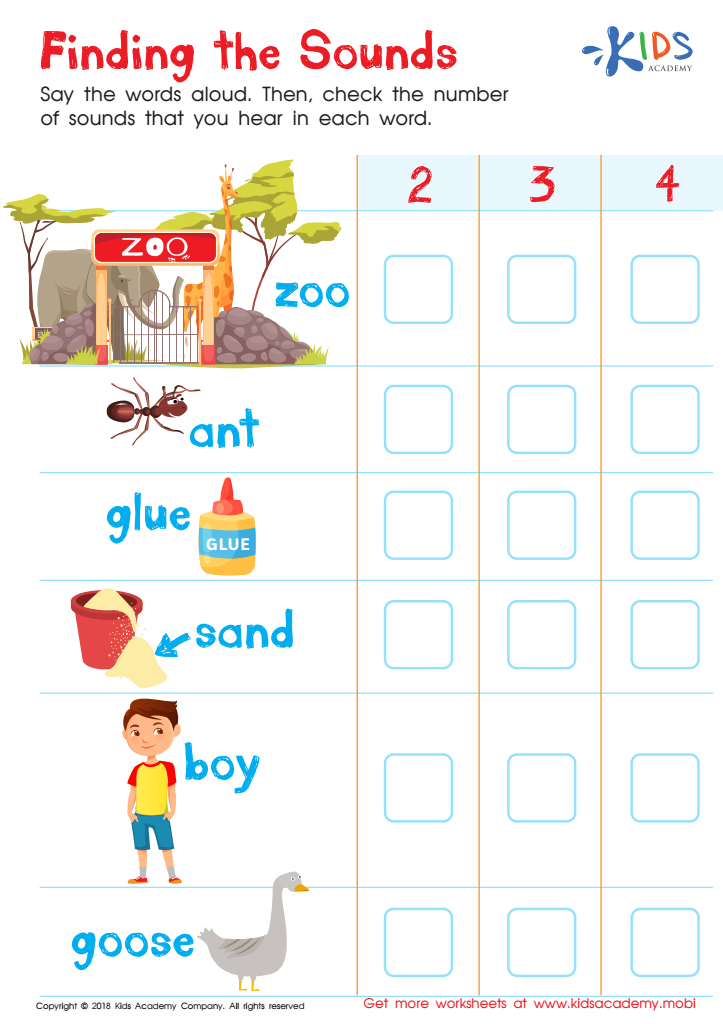
Finding the Sounds Worksheet
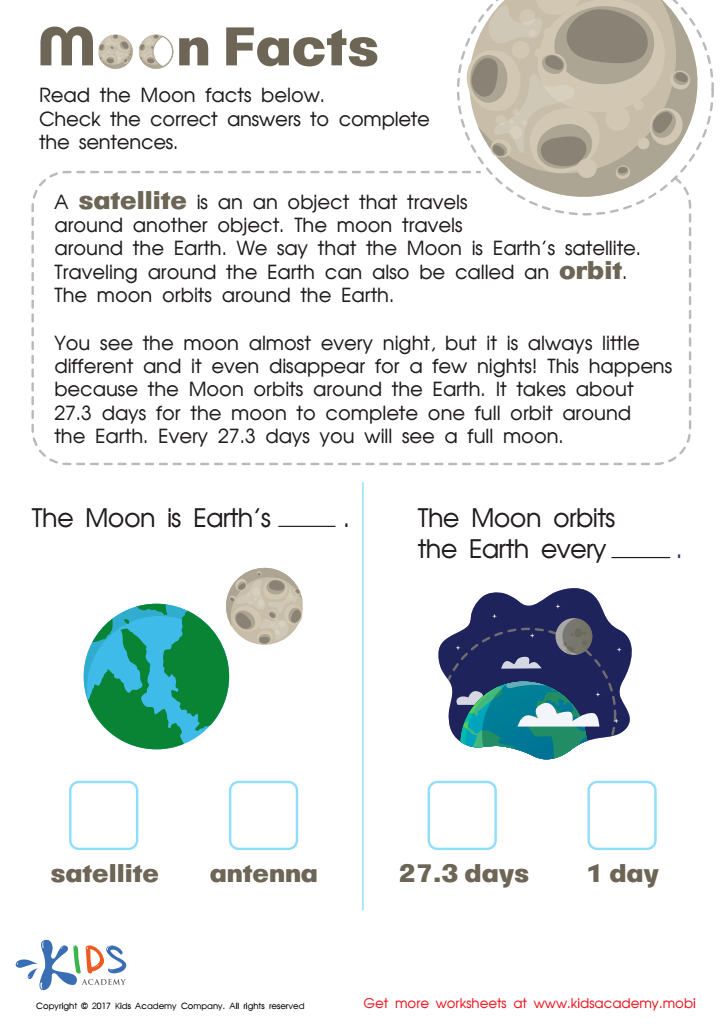
Moon Facts Worksheet
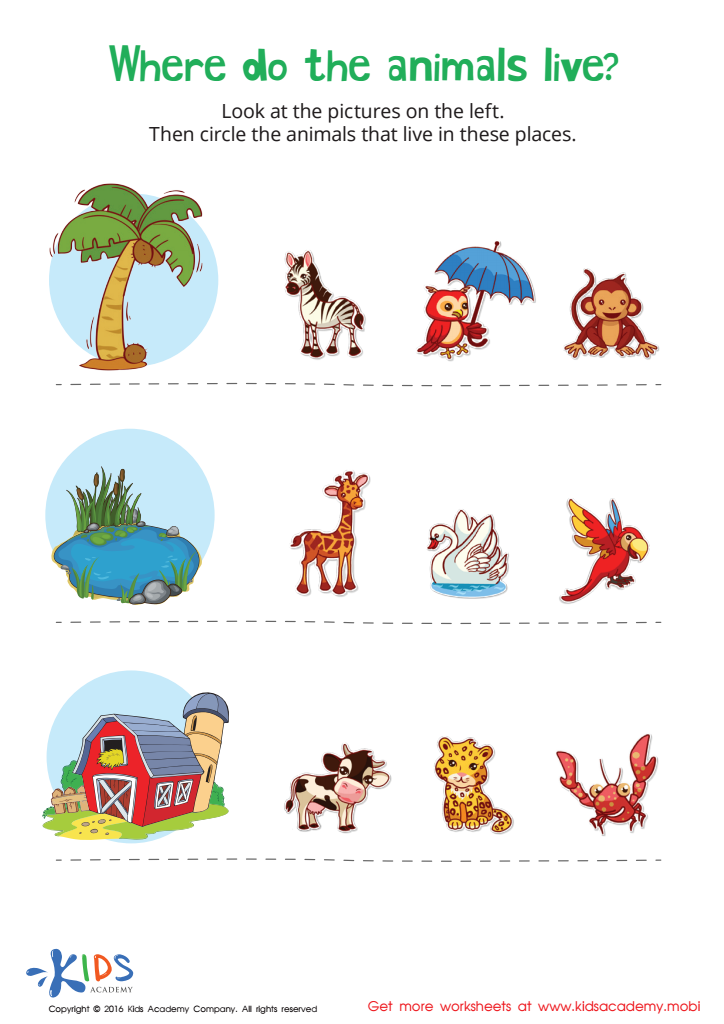
Where Animals Live Worksheet
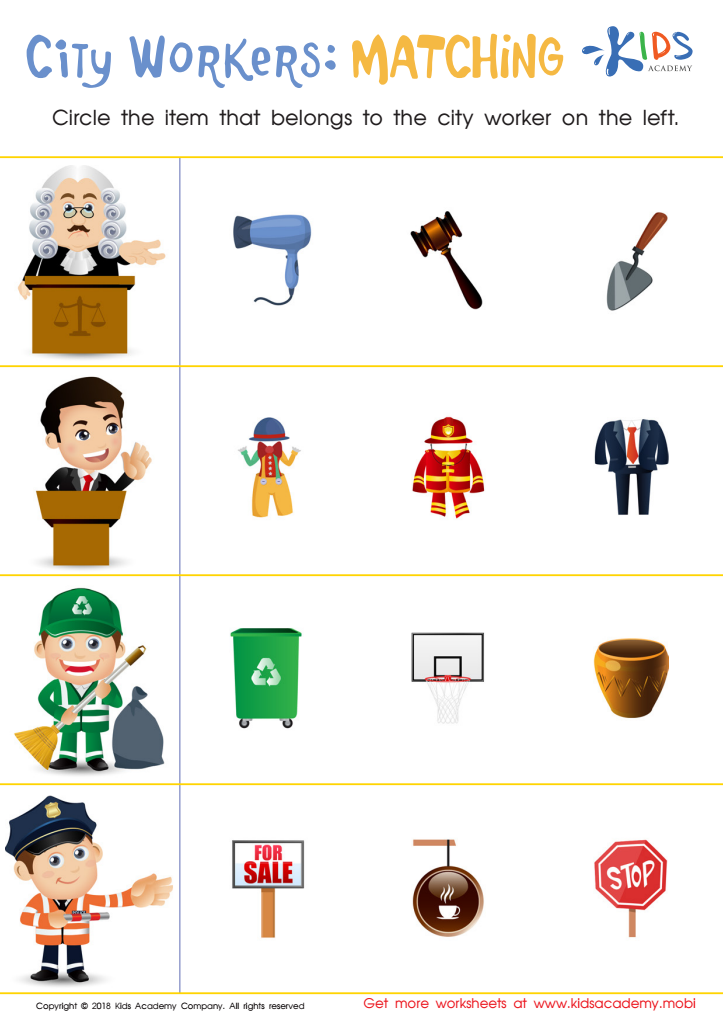
City Workers: Matching Worksheet





Vocabulary development for children ages 4-8 is critical and should be a priority for both parents and teachers. During these formative years, a child's brain is particularly receptive to learning new words and concepts which form the foundation for future learning. A rich vocabulary facilitates better communication skills, enabling children to express their needs, thoughts, and emotions more clearly and confidently.
Moreover, a strong vocabulary is closely linked to academic success. Children who know more words can comprehend reading materials more easily, leading to better performance in literacy tasks. As they face more complex texts and instructions in later grades, having a strong vocabulary already in place can make these challenges manageable.
Beyond academic benefits, vocabulary development also enhances cognitive skills such as critical thinking and problem-solving. Understanding a wide range of words allows children to access new ideas and experiences and fosters an openness to learning.
Finally, vocabulary growth contributes to social development. Children who can articulate their feelings and understand others are better equipped to build relationships, navigate social situations, and resolve conflicts.
For these reasons, investing time in vocabulary-building through reading, engaging conversations, and educational activities is crucial. Therefore, parents and teachers should prioritize vocabulary development to support the overall growth and future success of children.








