
Weather Vocabulary Worksheets for Ages 4-8
5 filtered results
Difficulty Level
Grade
Age
-
From - To
Subject
Activity
Standards
Discover an engaging collection of Weather Vocabulary Worksheets designed specifically for children aged 4-8! Our printable resources aim to enhance your child's understanding of weather-related terms through fun and interactive activities. Each worksheet is crafted to simplify concepts like rain, sun, and snow, perfect for young learners. These activities support language development, vocabulary building, and critical thinking skills in a playful manner. With colorful illustrations and age-appropriate exercises, kids will build their vocabulary while enjoying the fascinating world of weather. Explore our worksheets today and make learning about weather an exciting adventure for your little ones!
Favorites
With answer key
Interactive
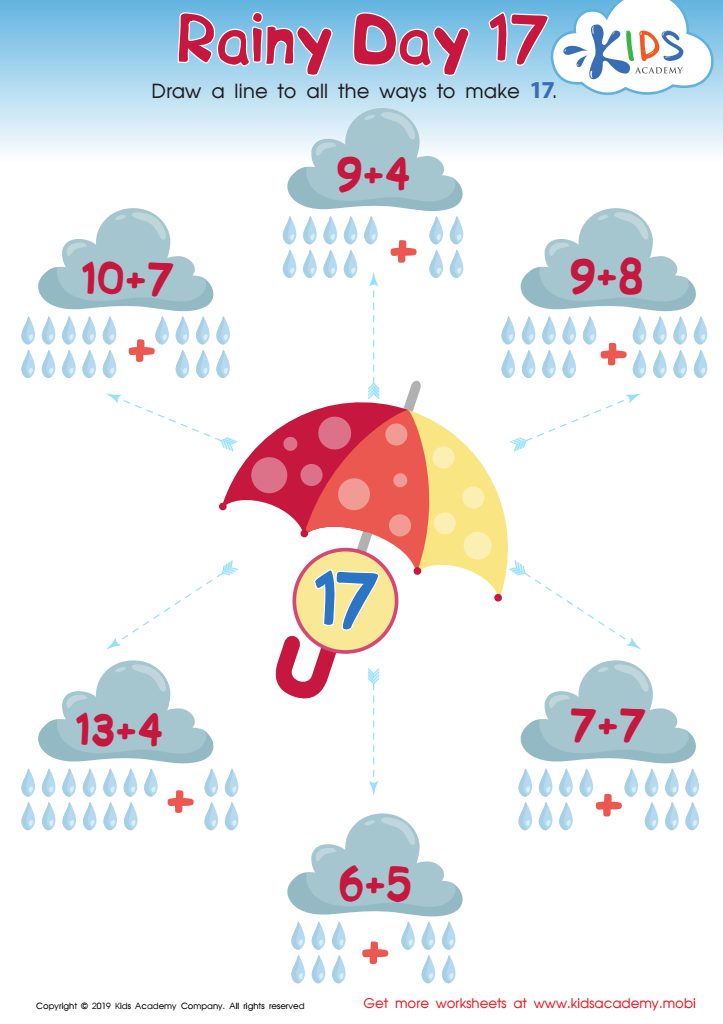
Rainy Day 17 Worksheet
Assist your kids with the 6 equations given. Each cloud displays the sum of two numbers, some of which make 17. Guide them to figure out the total of both numbers when added and draw a line to the umbrella in the center to illustrate the different ways to make 17. This activity will sharpen their addition skills.
Rainy Day 17 Worksheet
Worksheet
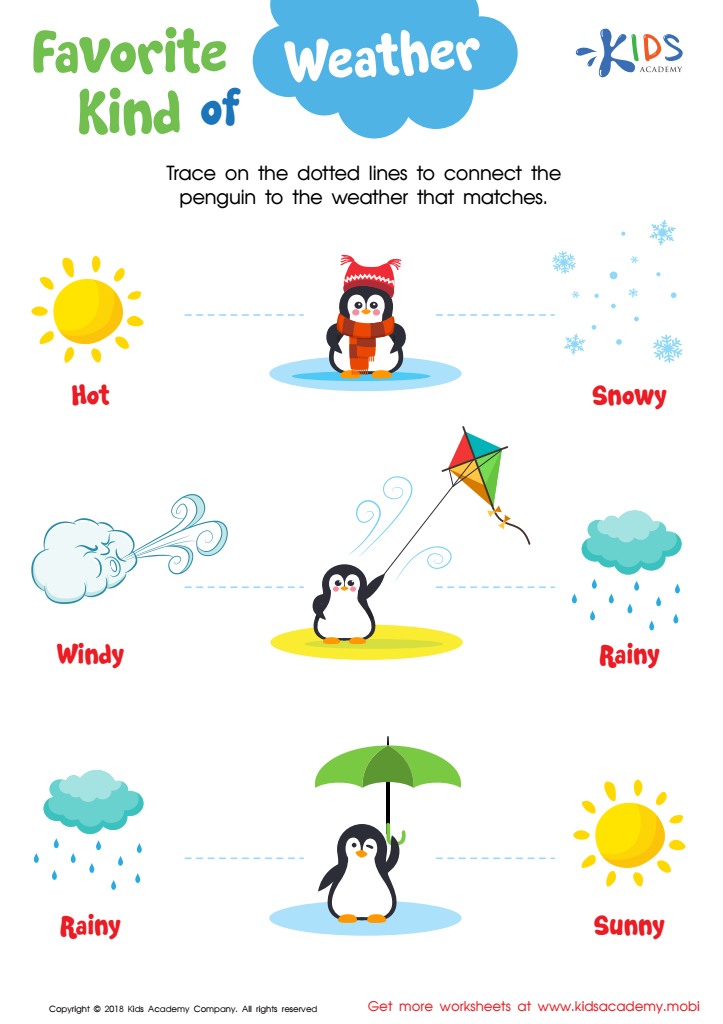
Favorite Kind of Weather Worksheet
!
Help your child understand weather and seasons with this fun worksheet featuring a cute penguin. They'll learn to recognize types of weather and associate them with seasons. To practice their fine motor skills, they'll trace lines to select the right seasons and weather. Kids will make a new friend while broadening their knowledge of nature.
Favorite Kind of Weather Worksheet
Worksheet
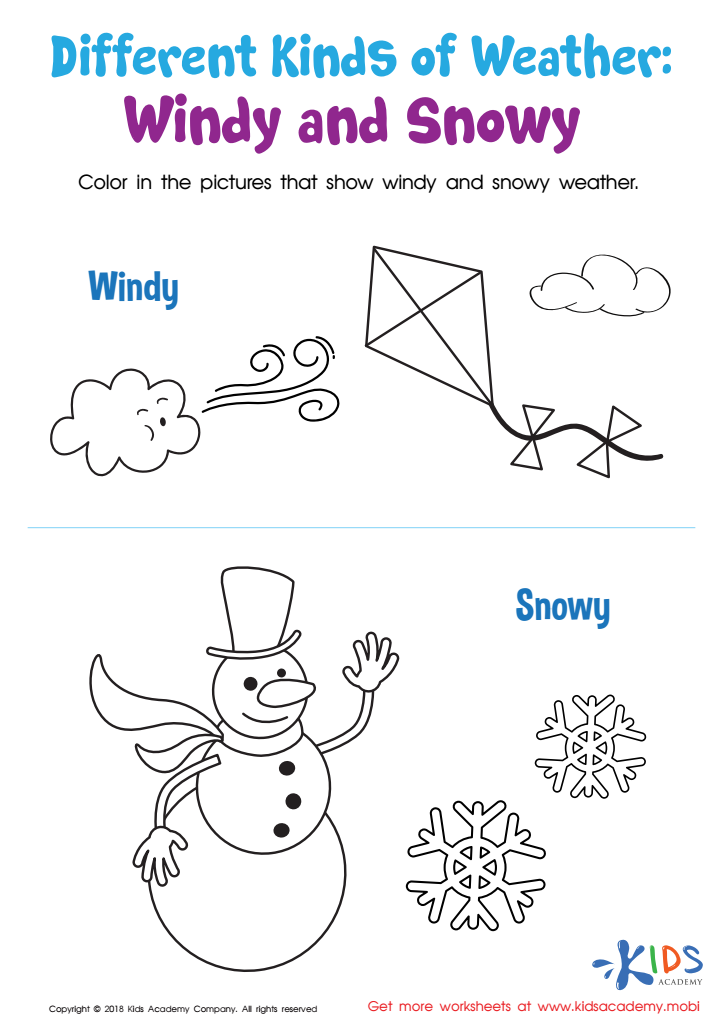
Different Kinds of Weather: Windy and Snowy Worksheet
Invite your little learner to practice their fine motor skills and learn about nature with this fun and charming PDF worksheet! Reinforce weather patterns and examine their environment as they color, giving them a foundation for understanding how weather affects them. No matter the weather, your learner will have a blast!
Download (PDF)
 Assign to My Students
Assign to My Students
Different Kinds of Weather: Windy and Snowy Worksheet
Worksheet
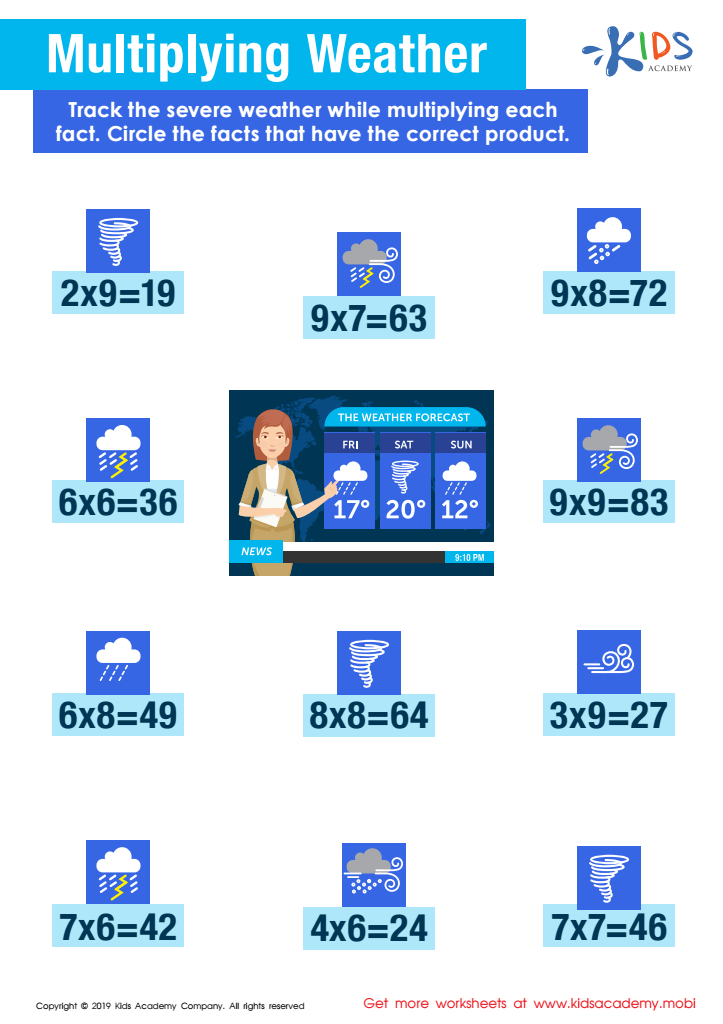
Multiplying Weather Worksheet
Most kids love playing outdoors, but weather can affect what we can do. Rain and snow can keep us from getting outside and even cancel school! Weather forecasters help us prepare for the day. In this worksheet, multiply facts to track severe weather and circle the ones with the right answer.
Multiplying Weather Worksheet
Worksheet
Join Kids Academy for Free
Who is primarily going to use this learning content?






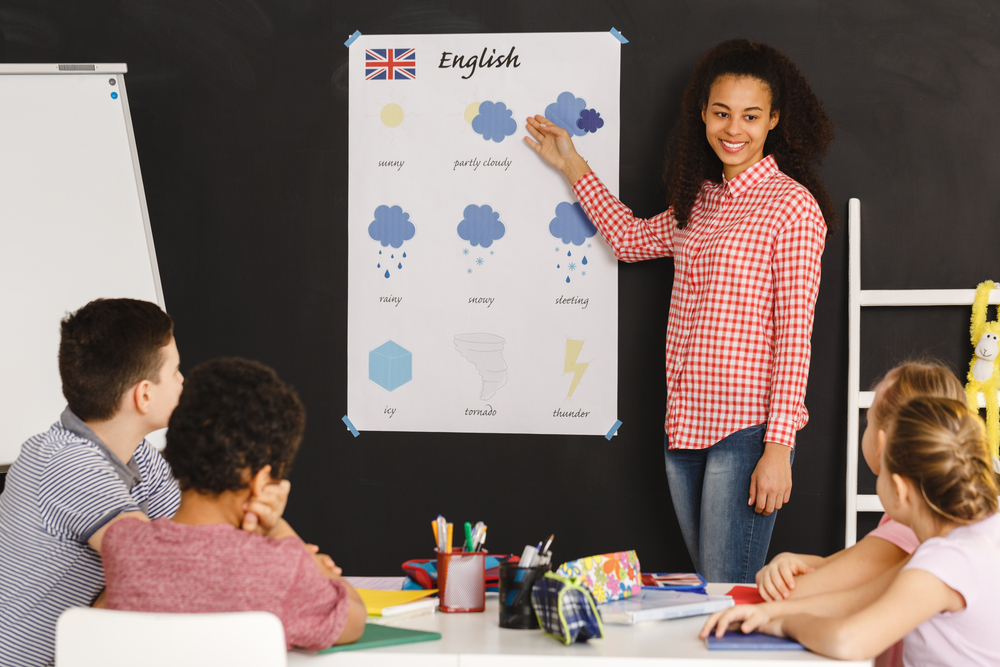

Weather vocabulary is crucial for children aged 4-8 as it lays a strong foundation for language development, critical thinking, and environmental awareness. During these formative years, children are naturally curious about their surroundings, and discussing weather helps nurture this curiosity while enhancing their communication skills. By learning weather-related terms, children can better articulate their observations and experiences, enriching their vocabulary and expressions.
Understanding weather also promotes scientific thinking. When children learn to identify different weather conditions—such as sunny, rainy, windy, or snowy—they begin to grasp concepts of cause and effect, patterns, and changes in the environment. This fosters a sense of inquiry, encouraging them to ask questions and seek answers about their world.
Furthermore, knowledge of weather vocabulary is integral to daily life. Awareness of weather patterns helps children make more informed choices, such as dressing appropriately for outdoor activities. It also paves the way for discussions about safety protocols during severe weather.
In essence, by caring about and teaching weather vocabulary, parents and teachers empower children not just with language skills, but also with the ability to understand their environment, engage in meaningful conversations, and think critically about the world around them.








