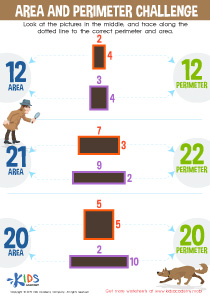
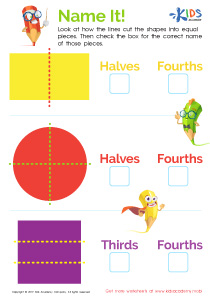
2D Shapes Worksheets for Ages 4-8 - Page 4
75 filtered results
-
From - To
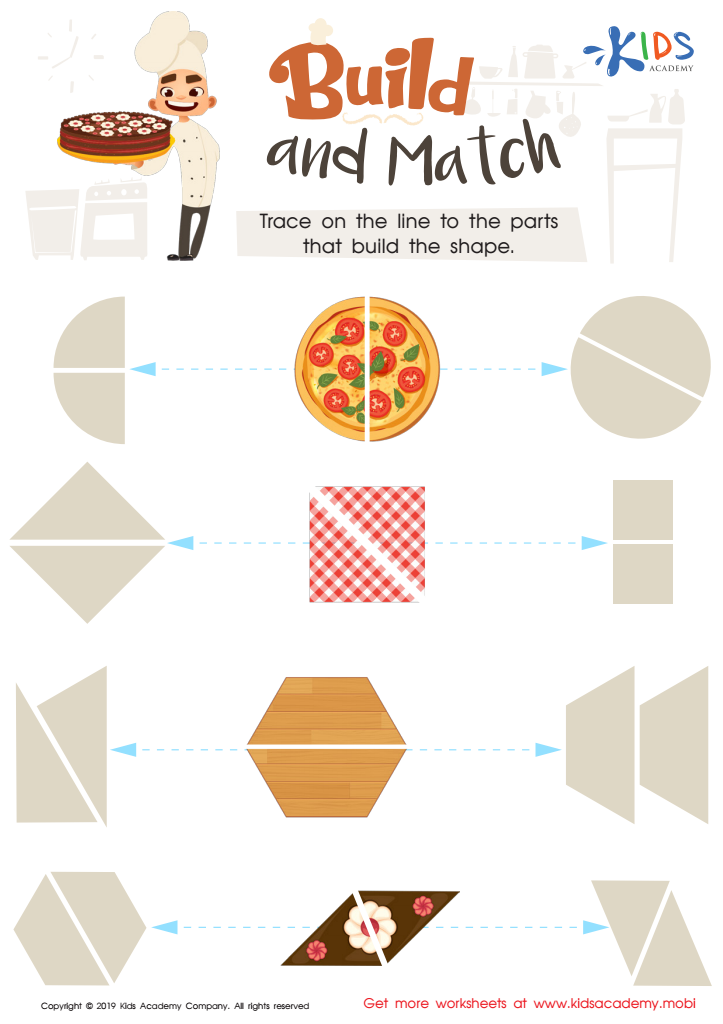
Build and Match Worksheet
 Assign to My Students











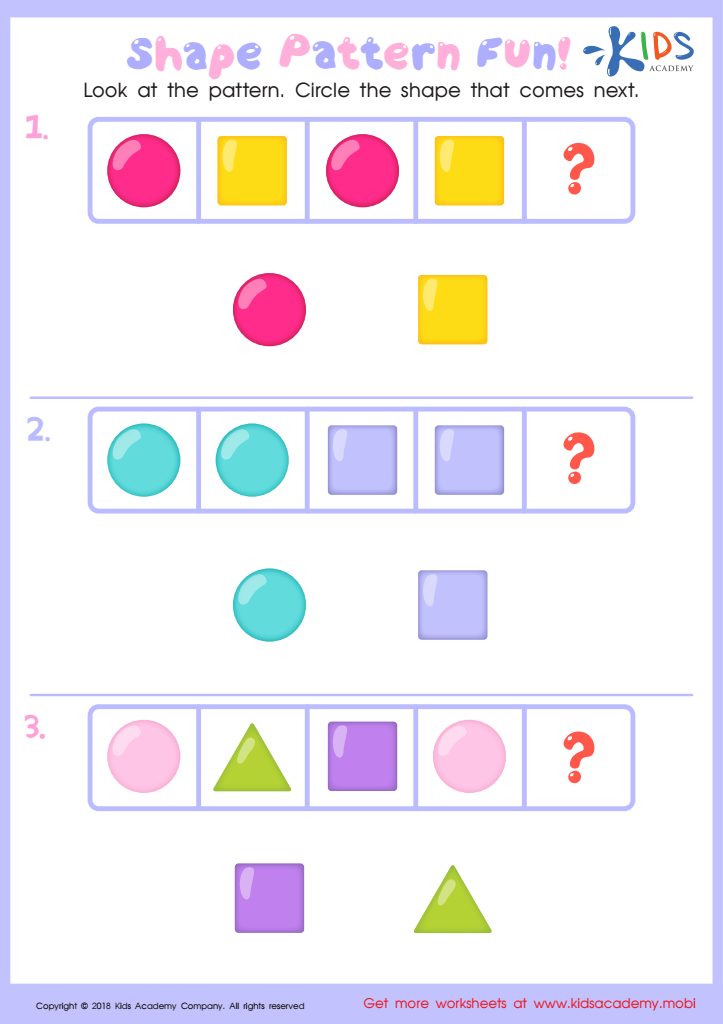
Shape Pattern Fun Worksheet
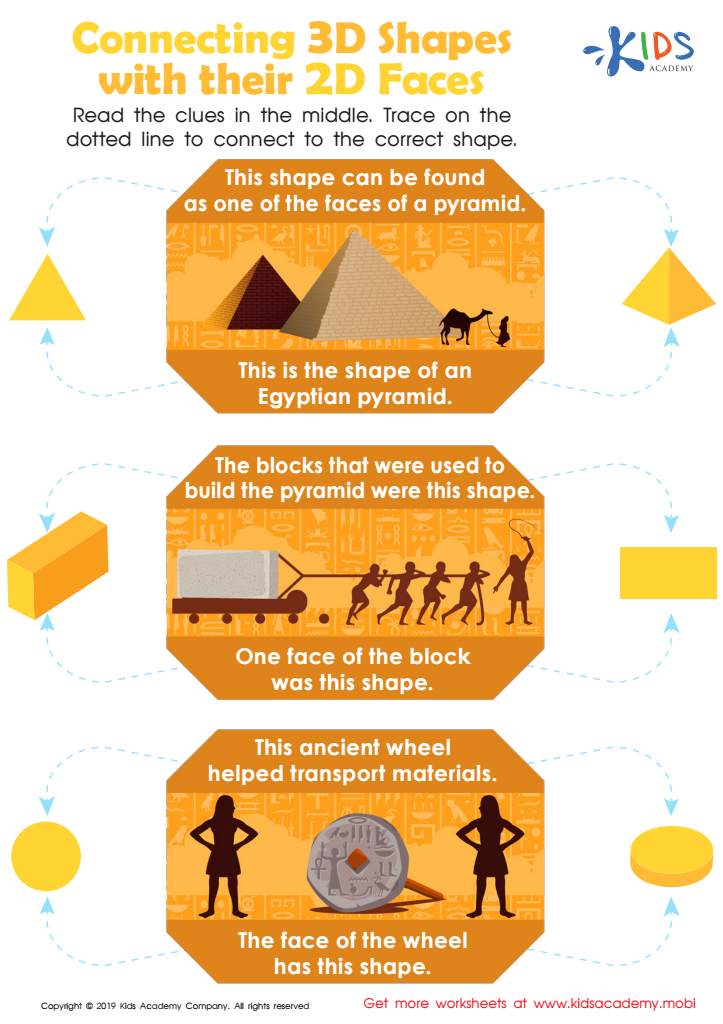
Connecting 3D Shapes with Their 2d Faces Worksheet








Understanding 2D shapes is foundational for children aged 4-8, as it plays a crucial role in their cognitive development and everyday life. First, learning about shapes helps enhance spatial awareness, enabling children to recognize and analyze the world around them. This skill is critical for their ability to navigate and interpret their environment later in life.
Moreover, 2D shapes form the basis for more complex mathematical concepts, such as geometry, measurement, and symmetry. By identifying shapes like circles, squares, triangles, and rectangles, children build problem-solving skills that will aid them across various subjects. Recognizing shapes also supports their development in critical thinking and creativity, as they learn to distinguish between different forms and characteristics.
In addition, shape recognition is connected to literacy. Many letters and numbers possess distinct shapes, and understanding 2D shapes can facilitate early reading and writing skills. Furthermore, incorporating shape activities into play fosters hands-on learning, keeps children engaged, and makes education enjoyable.
Ultimately, nurturing an appreciation for 2D shapes lays the groundwork for future academic success and enriches children’s everyday experiences, paving the way for confident learners. Parents and teachers should embrace this essential aspect of early education to strengthen holistic development.