Visual discrimination 2D Shapes Worksheets for Ages 4-8
5 filtered results
-
From - To
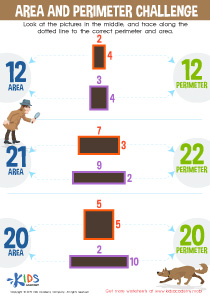
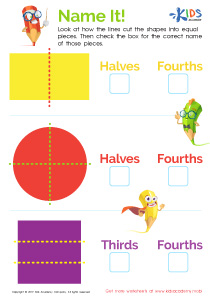
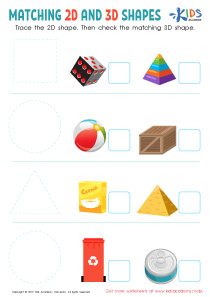
Enhance your child's visual discrimination skills with our engaging 2D Shapes Worksheets designed for ages 4-8. These worksheets help young learners confidently identify, compare, and classify various shapes, laying a strong foundation for mathematical understanding. With a variety of vibrant activities, including matching, sorting, and pattern recognition exercises, children will have fun while developing critical cognitive skills. Our resources are perfect for both home and classroom use, promoting independent learning and fostering observational skills. Discover the joy of learning shapes while nurturing your child's developmental growth. Download our Visual Discrimination 2D Shapes Worksheets today and watch their confidence soar!
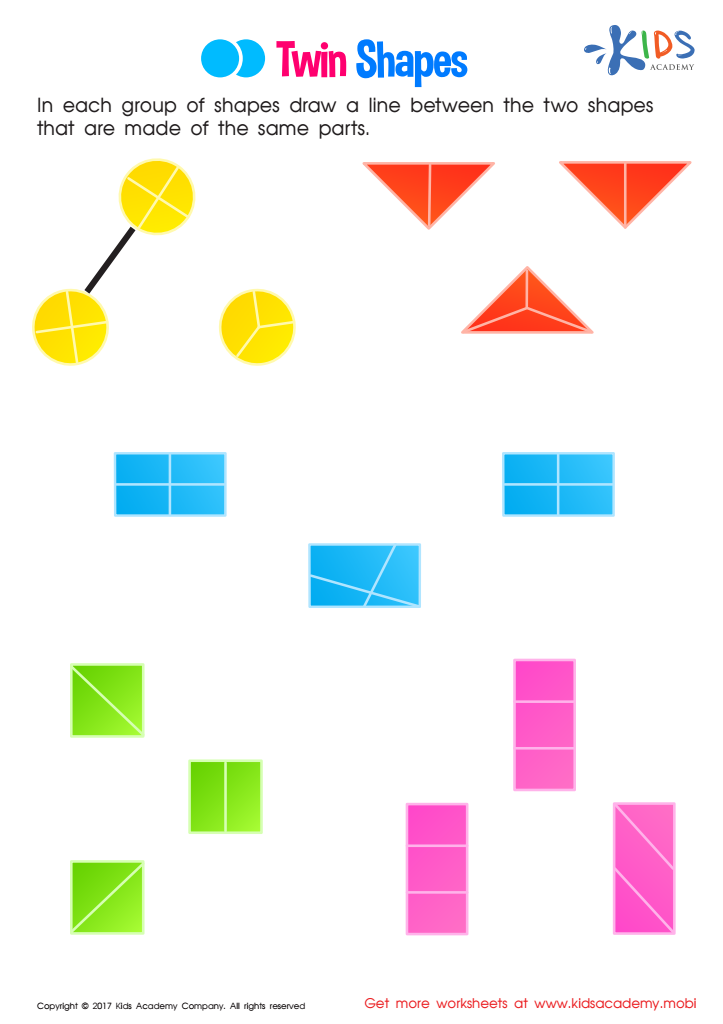
Twin Shapes Worksheet
 Assign to My Students



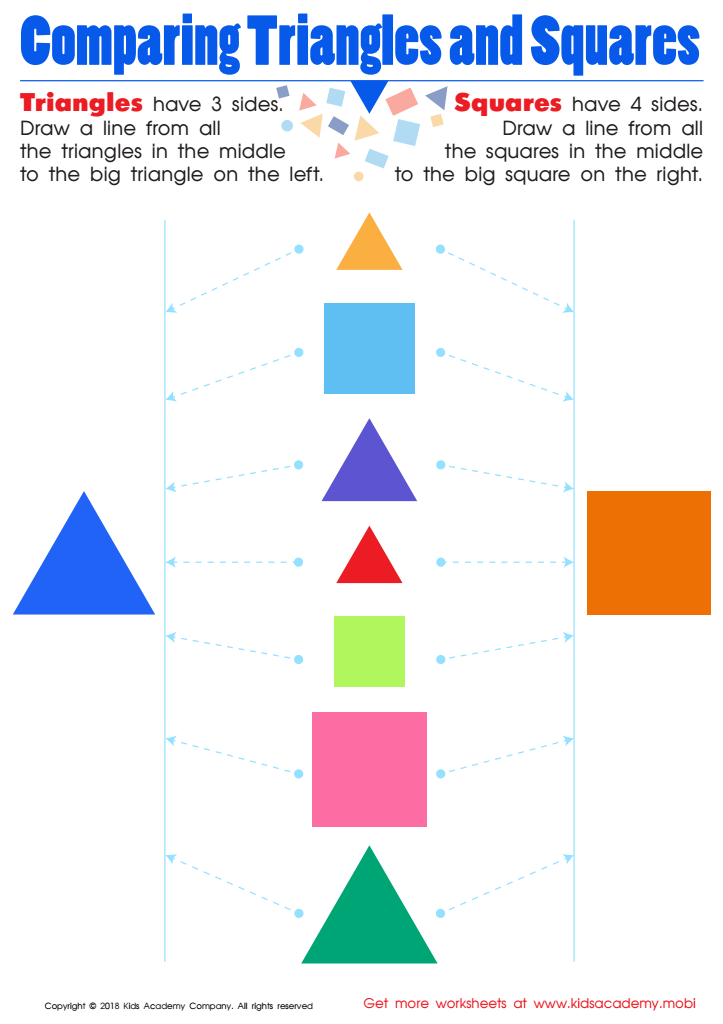
Comparing Triangles Squares Worksheet
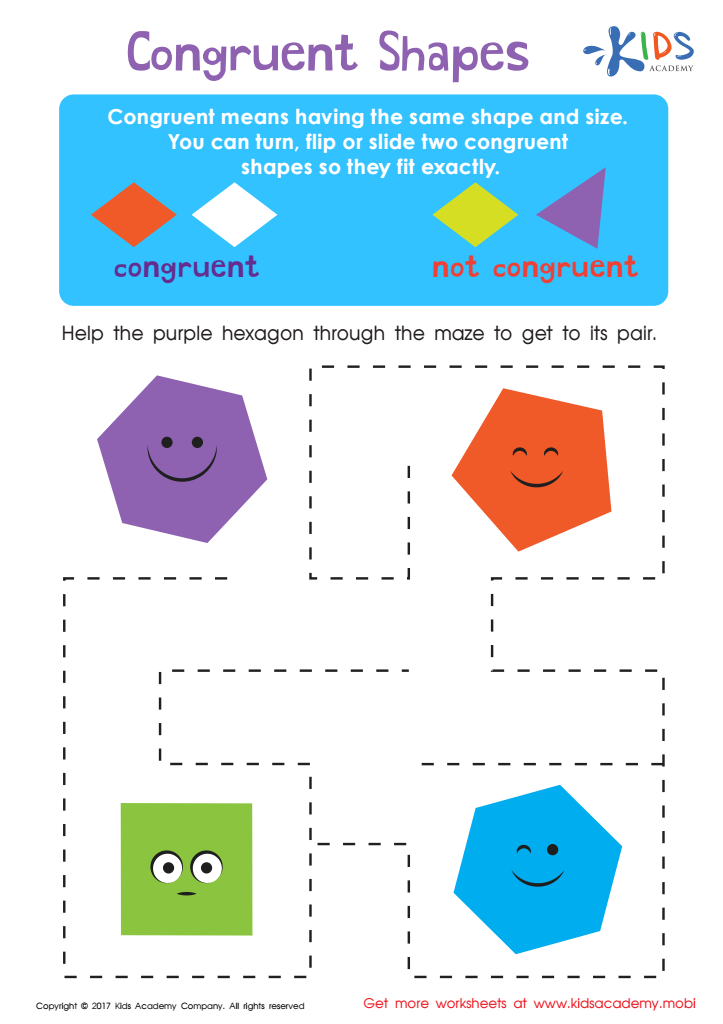
Congruent Shapes Worksheet
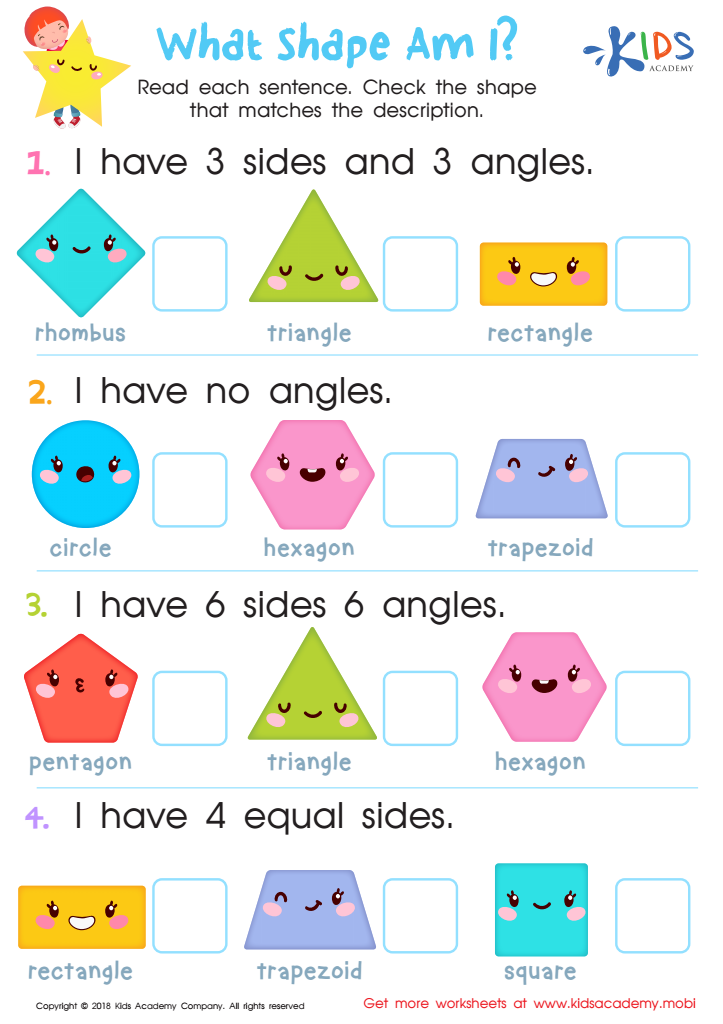
What Shape Am I? Worksheet
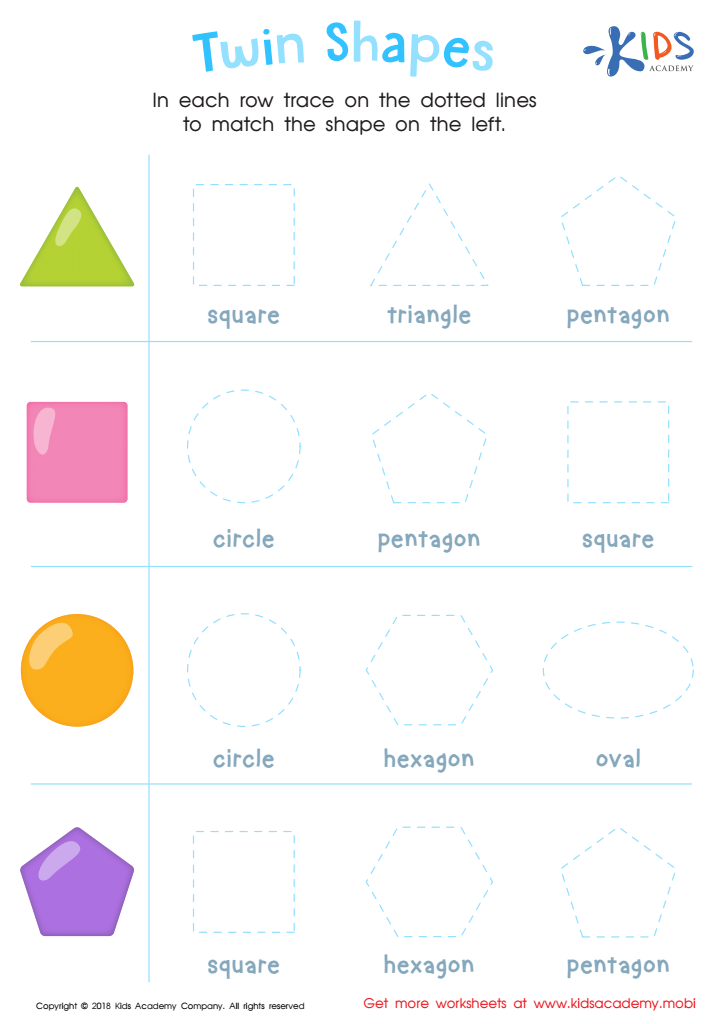
Twin Shapes Dot-to-Dot Worksheet








Visual discrimination of 2D shapes is a fundamental skill that plays a crucial role in a child's early development and academic success. For parents and teachers of children aged 4-8, recognizing the importance of this skill can significantly impact learning outcomes.
Firstly, visual discrimination helps children identify and differentiate shapes, which is essential for math and science understanding. Being able to recognize shapes like circles, squares, and triangles lays the groundwork for more complex concepts such as geometry and spatial reasoning.
Secondly, it enhances critical thinking and problem-solving abilities. When children can distinguish between different shapes, they become more adept at visualizing solutions and making connections in various contexts, fostering creativity and innovation.
Moreover, developing visual discrimination encourages attention to detail, leading to improved concentration and focus. This skill is linked not only to academic tasks but also to everyday activities, such as reading and writing, where letter and number shape recognition are vital.
Lastly, engaging in activities that promote visual discrimination can be fun and interactive, strengthening the bond between parents and children or teachers and students. Overall, prioritizing the development of visual discrimination skills in early education equips children with essential tools for lifelong learning.