Recognizing shapes Adding up to 100 Worksheets for Ages 4-8
8 filtered results
-
From - To
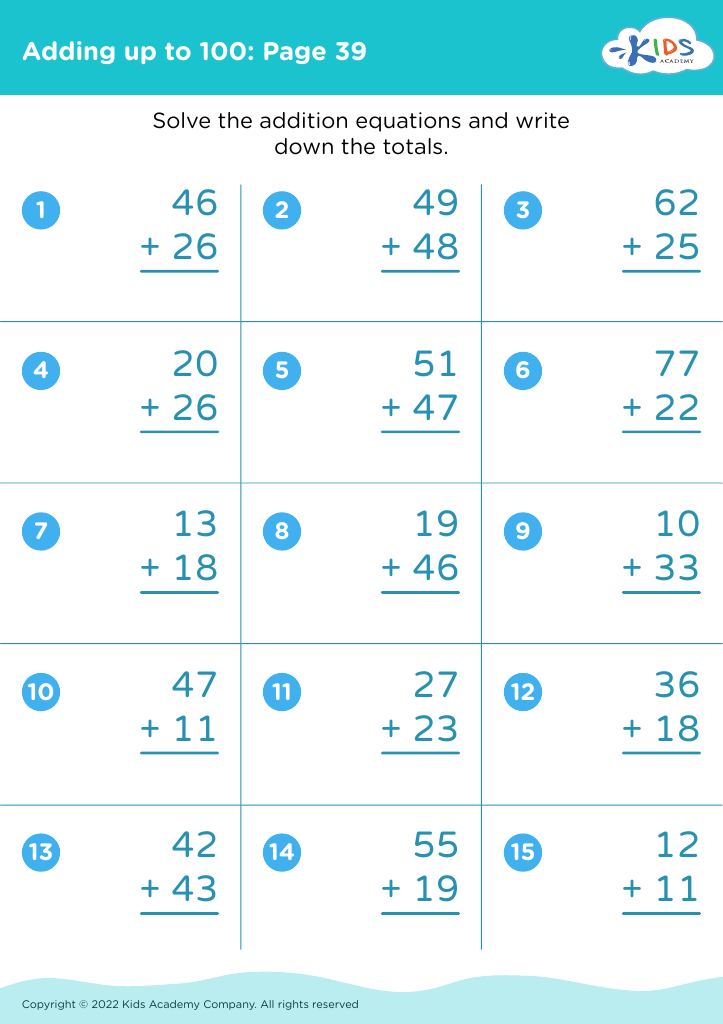
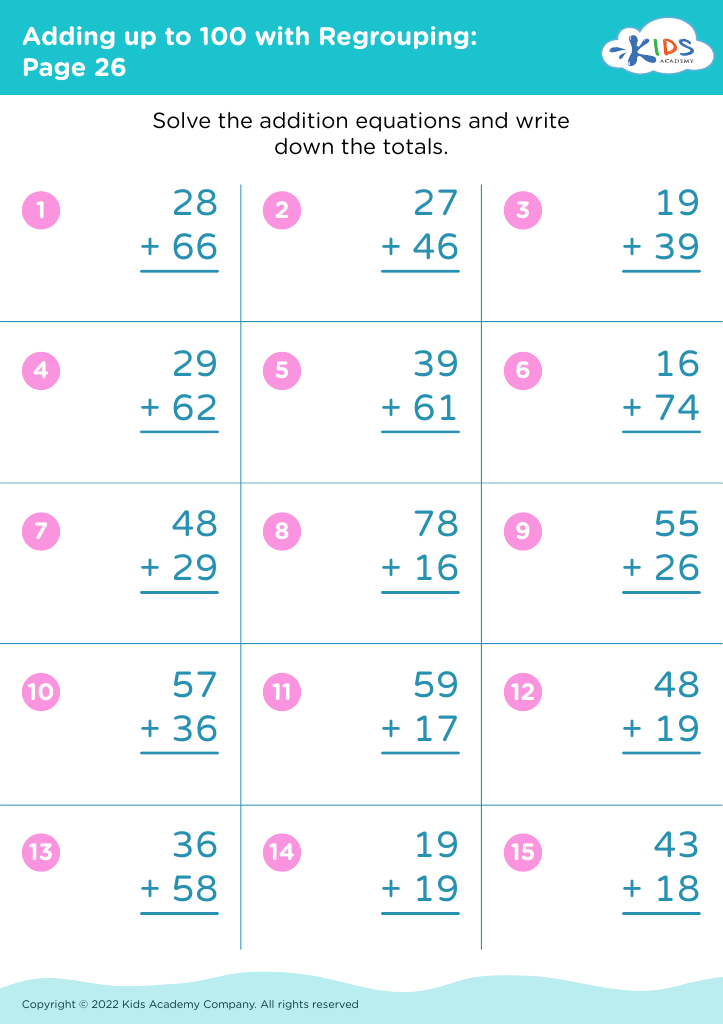
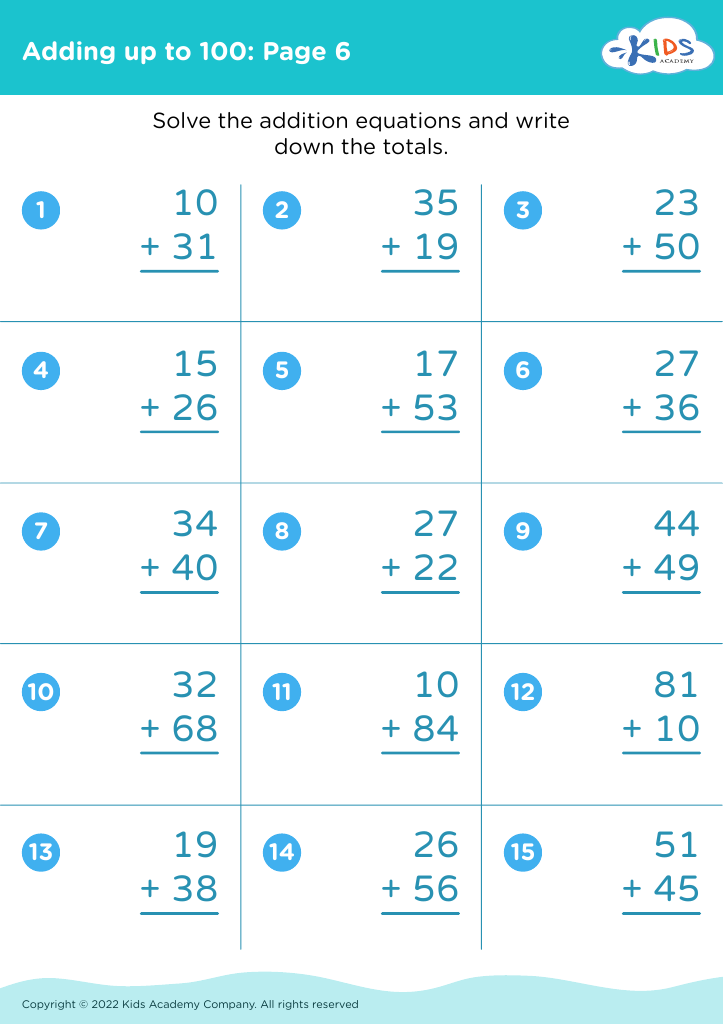
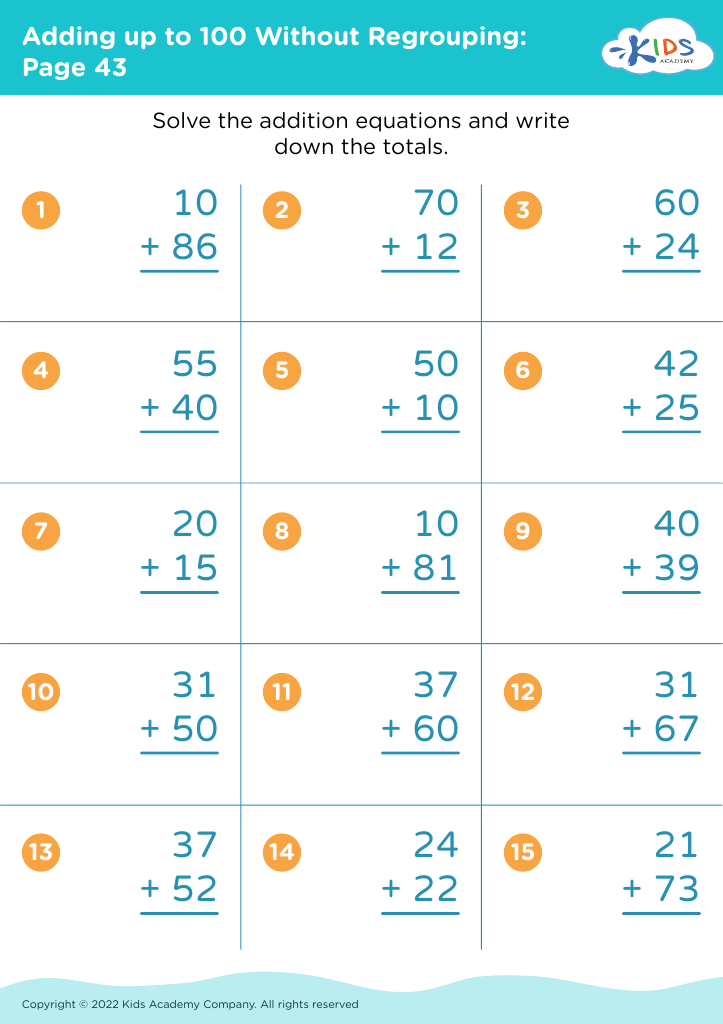
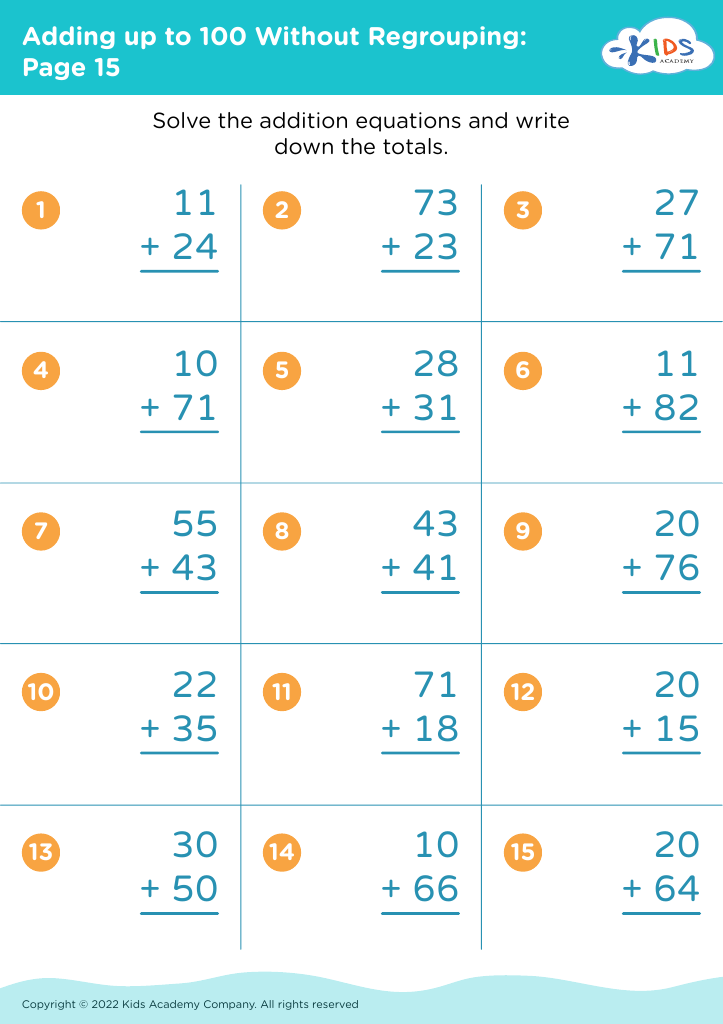
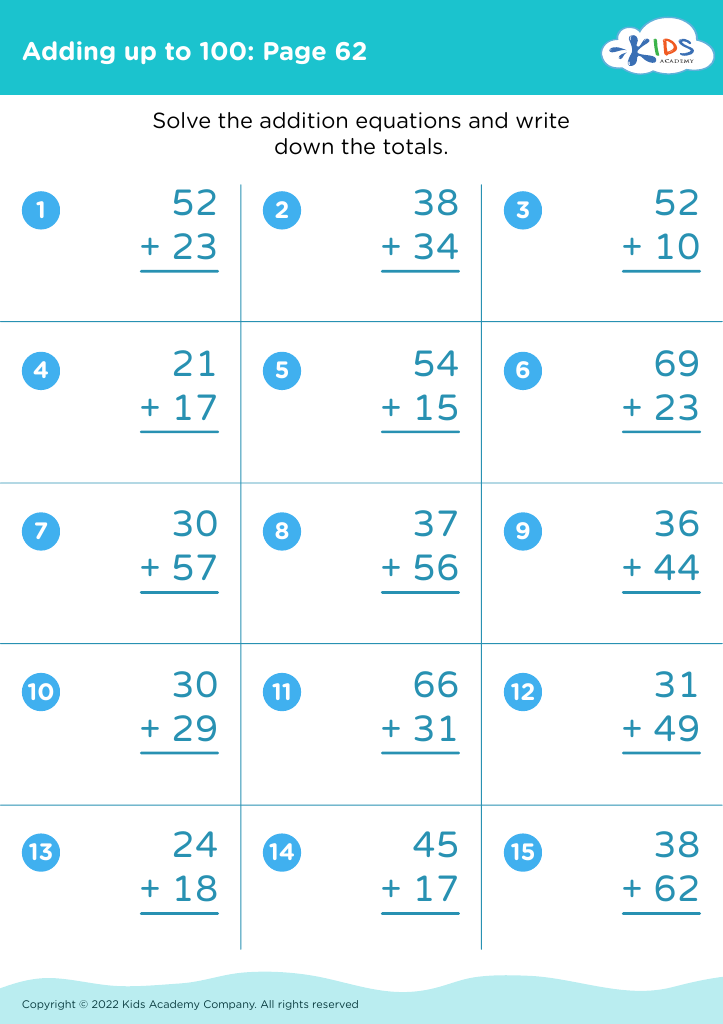
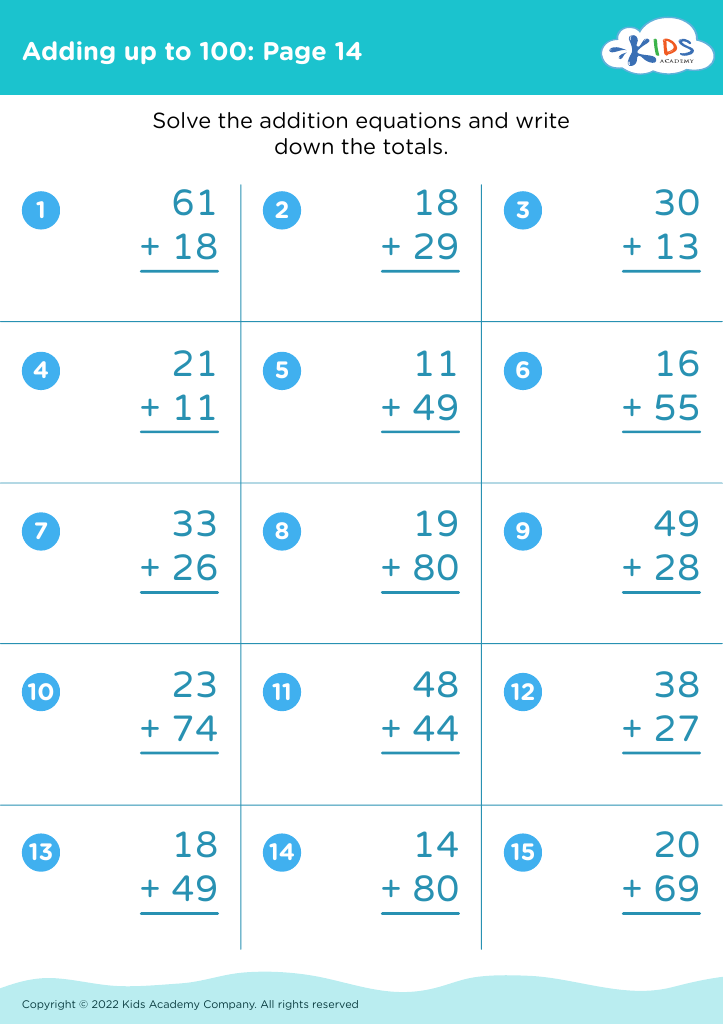
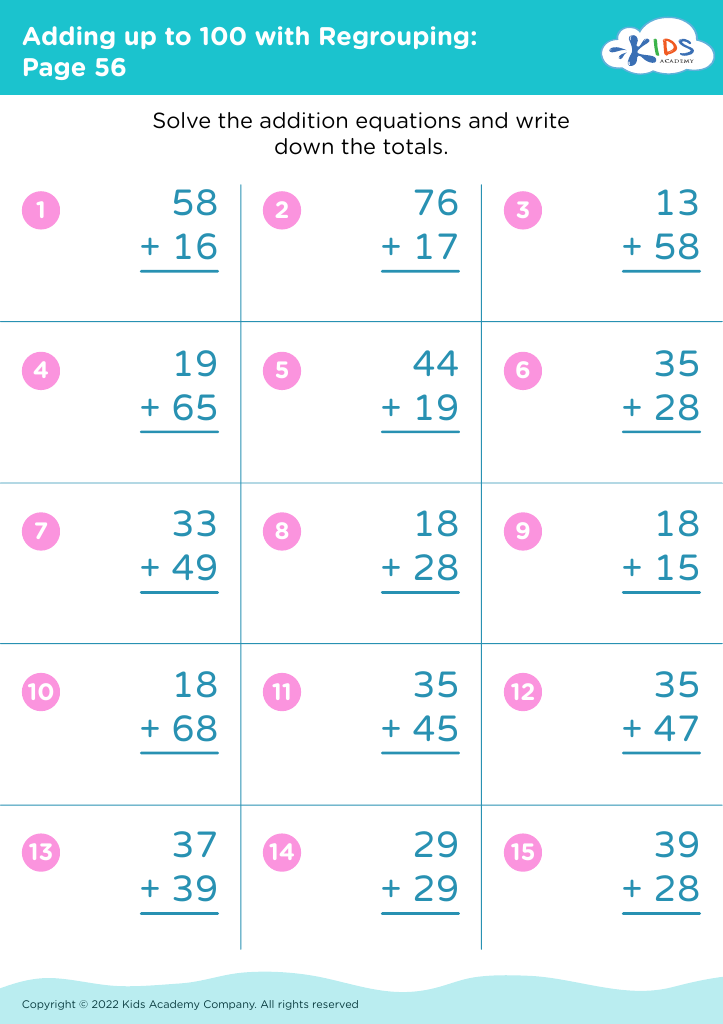
Discover our "Recognizing Shapes Adding up to 100" worksheets designed for children ages 4-8! These engaging worksheets combine fundamental math skills with shape recognition, making learning both effective and fun. Young learners will practice basic addition up to 100 while identifying and matching different shapes. Ideal for early-grade students, these activities enhance mathematical thinking, visual skills, and problem-solving abilities. Perfect for classroom use or homeschooling, our worksheets cater to various learning styles, ensuring every child can achieve success. Unlock your child's potential and make math enjoyable with our expertly crafted worksheets!






%20(1).jpg)
Parents and teachers should prioritize activities like recognizing shapes and adding up to 100 for children aged 4-8 because these foundational skills are crucial for cognitive development and academic success. Recognizing shapes aids in developing visual-spatial intelligence, an essential skill for understanding complex concepts in math, reading, science, and art. It helps children distinguish between different objects, improve their memory, and enhance their problem-solving abilities. For instance, identifying shapes lays the groundwork for geometry and can improve comprehension abilities crucial for reading and writing.
On the other hand, the ability to add up to 100 introduces children to fundamental arithmetic, enhancing their number sense, and mathematical fluency. Early mastery of basic math operations is pivotal for future math learning and confidence. When children learn to add early on, they also hone their logical thinking, attention to detail, and patience.
Both skills foster resilience, setting the stage for more advanced subjects by promoting logical thought, spatial reasoning, and numerical literacy. Therefore, engaging children in shape recognition and basic addition not only makes learning enjoyable but also equips them with essential tools needed for lifelong learning and everyday problem-solving.








