Hand-eye Coordination Addition & Subtraction Worksheets for Ages 4-8 - Page 2
29 filtered results
-
From - To
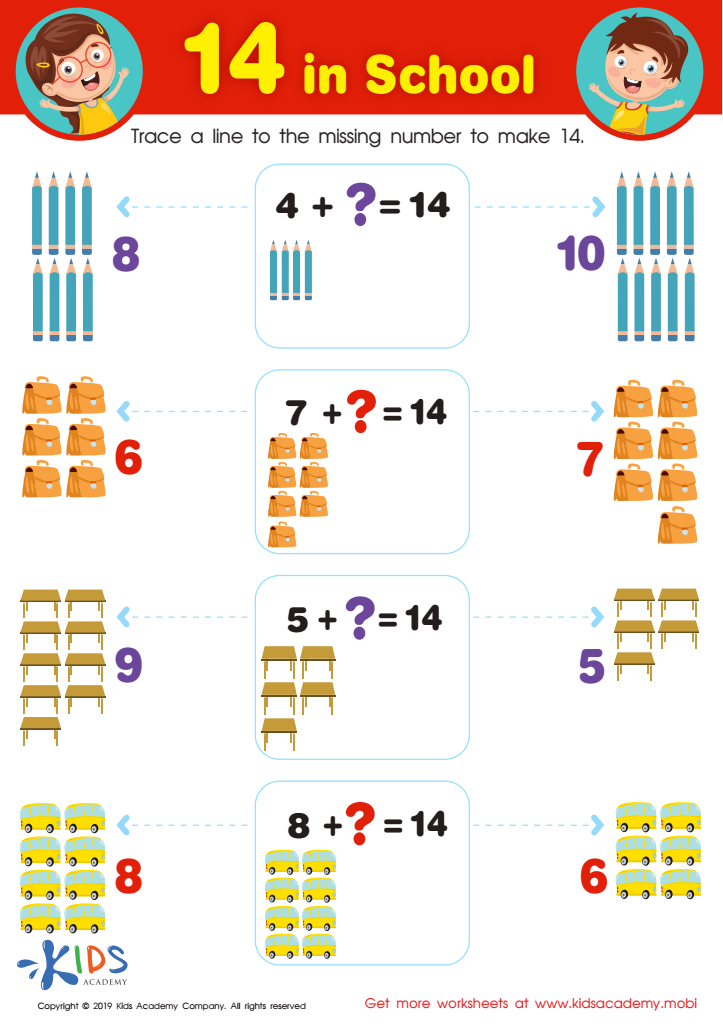
14 in School Worksheet
 Assign to My Students
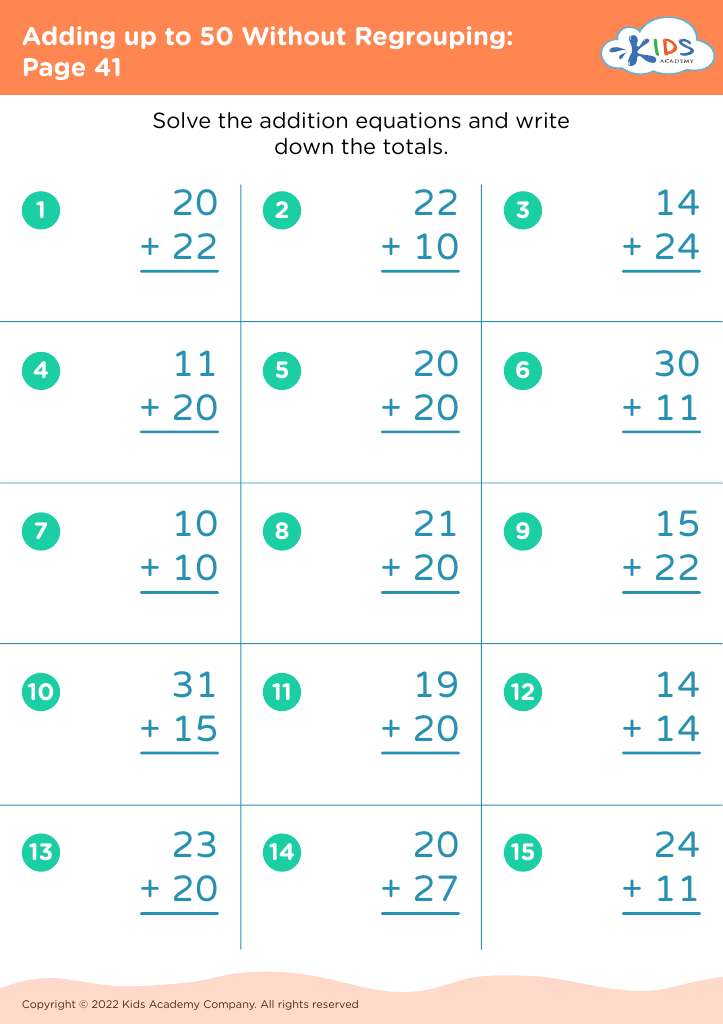
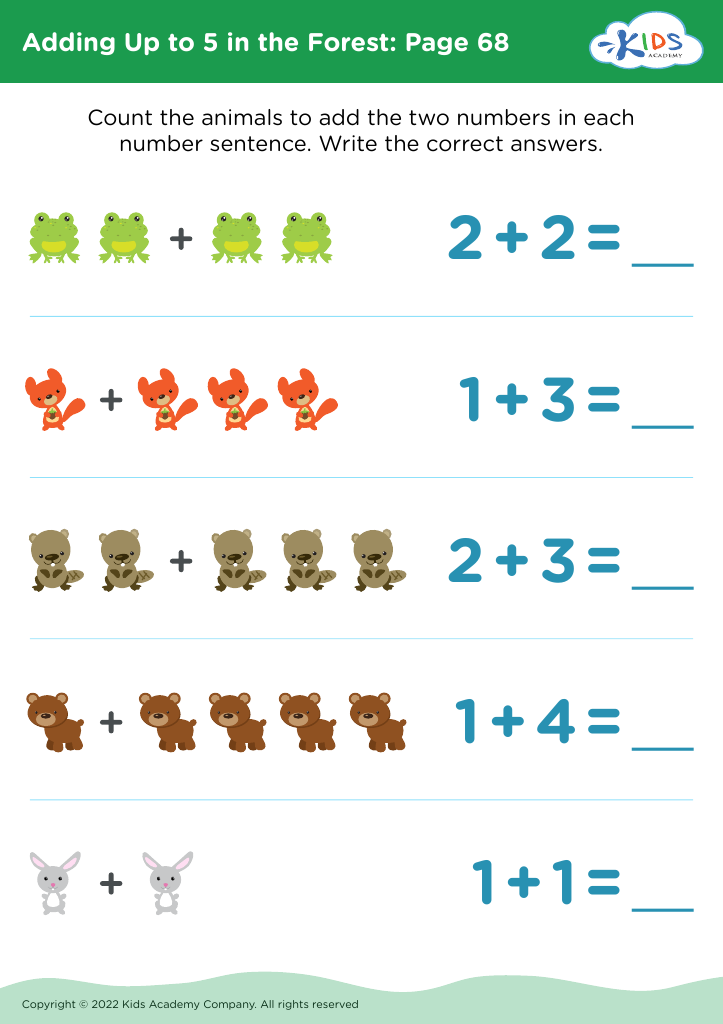
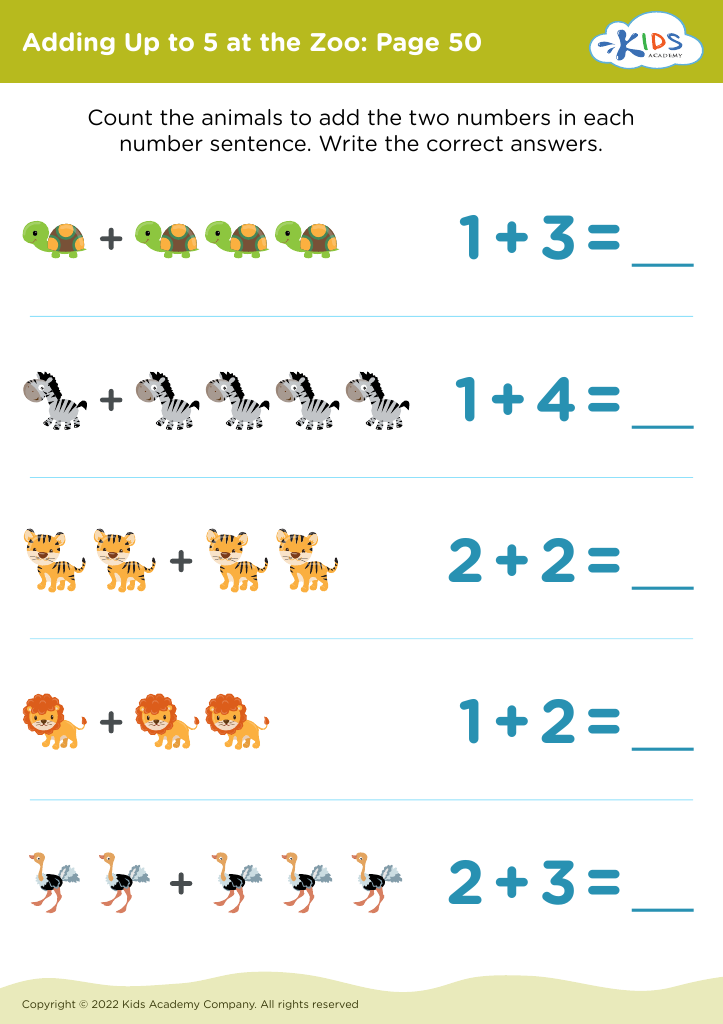








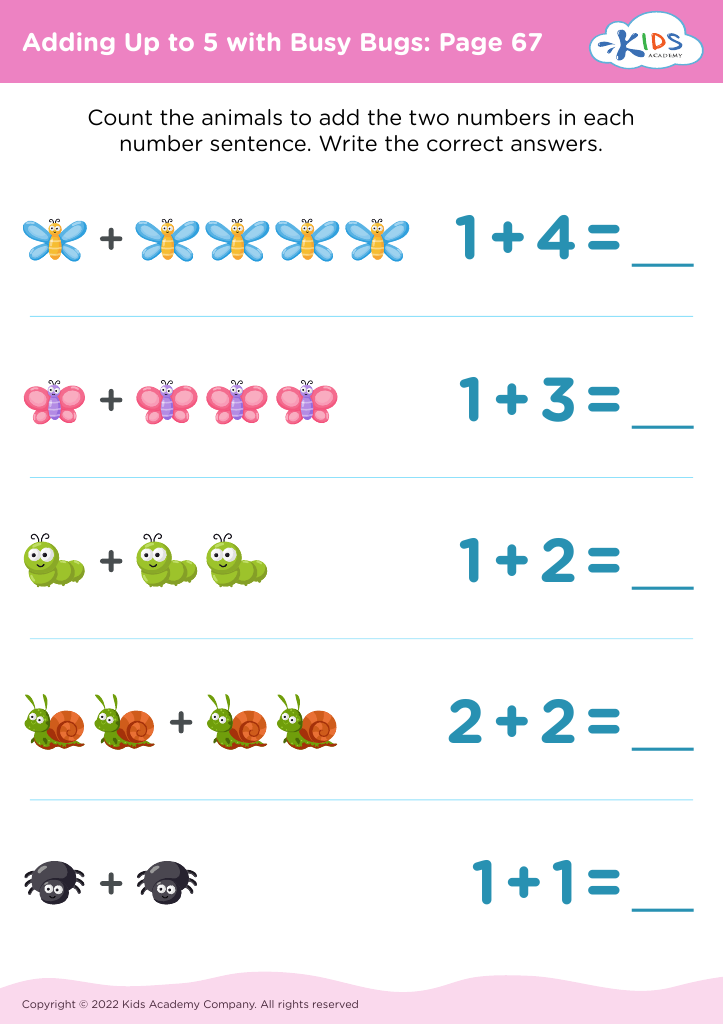
Hand-eye coordination is a critical skill for young children that significantly contributes to their overall development. For children aged 4-8, mastering addition and subtraction while simultaneously developing hand-eye coordination can enhance their cognitive and physical abilities. Engaging in activities that require this coordination—such as counting objects, using manipulatives, or participating in educational games—allows children to link physical movement with mathematical concepts.
Teachers and parents should care about this intersection because effective hand-eye coordination fosters better focus and attention, essential for logical processes like math. By integrating fun hand-eye coordination tasks into addition and subtraction learning, children can improve not only their mathematical fluency but also their fine motor skills, essential for later tasks like writing.
Additionally, engaging in these activities often encourages collaborative play, promoting social skills and teamwork. Addressing this skill pair can also boost confidence; as children see tangible improvement, they are more likely to enjoy math-related activities. Prioritizing hand-eye coordination in mathematical learning is vital for creating a well-rounded, capable learner who is better prepared for challenges in academia and daily life. In essence, nurturing these fundamental skills during early childhood sets the groundwork for lifelong learning and success.








