Understanding measurements Addition & Subtraction Worksheets for Ages 4-8
4 filtered results
-
From - To
Unlock your child’s potential in math with our "Understanding Measurements Addition & Subtraction Worksheets for Ages 4-8". These engaging, printable worksheets are designed to make learning measurements, additions, and subtractions an enjoyable experience for young minds. Expertly crafted, they combine visual aids, fun activities, and clear instructions to help children grasp essential measurement concepts. Ideal for home or classroom, these worksheets cater to different learning styles, ensuring every child can build confidence and excel in math. Help your child develop strong foundational skills in a fun and interactive way with Kids Academy’s top-quality educational resources!
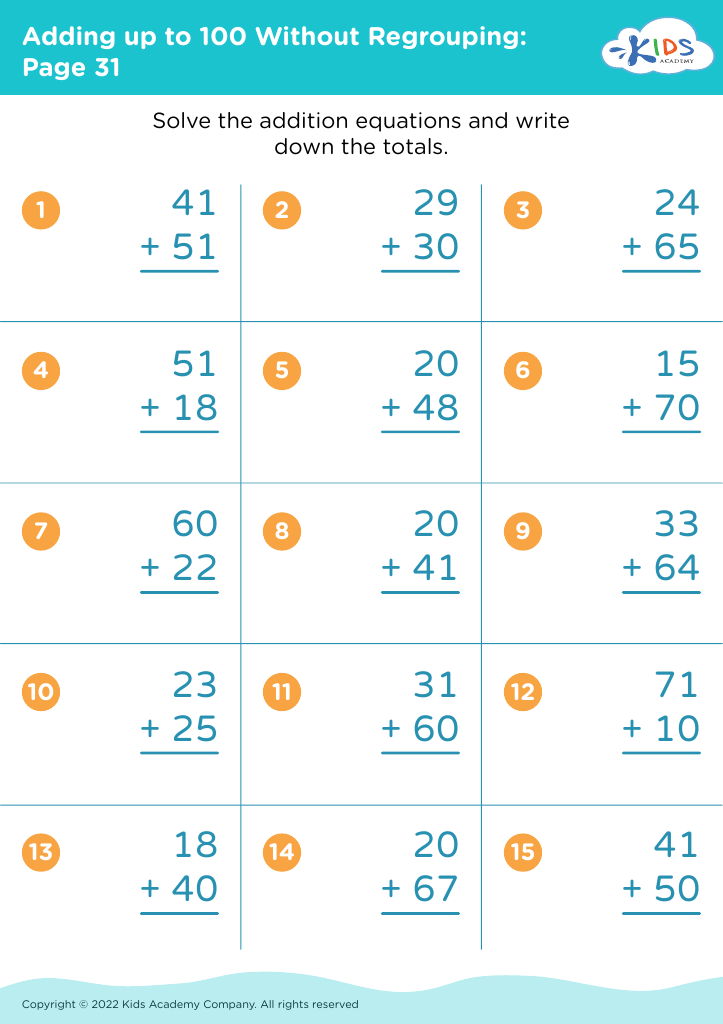
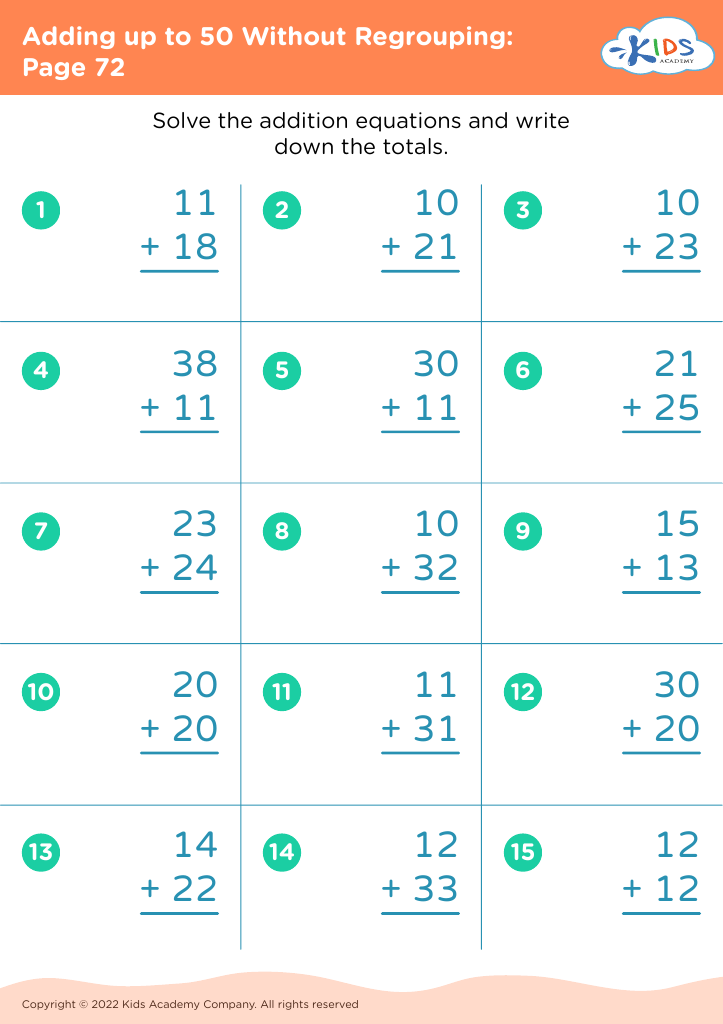
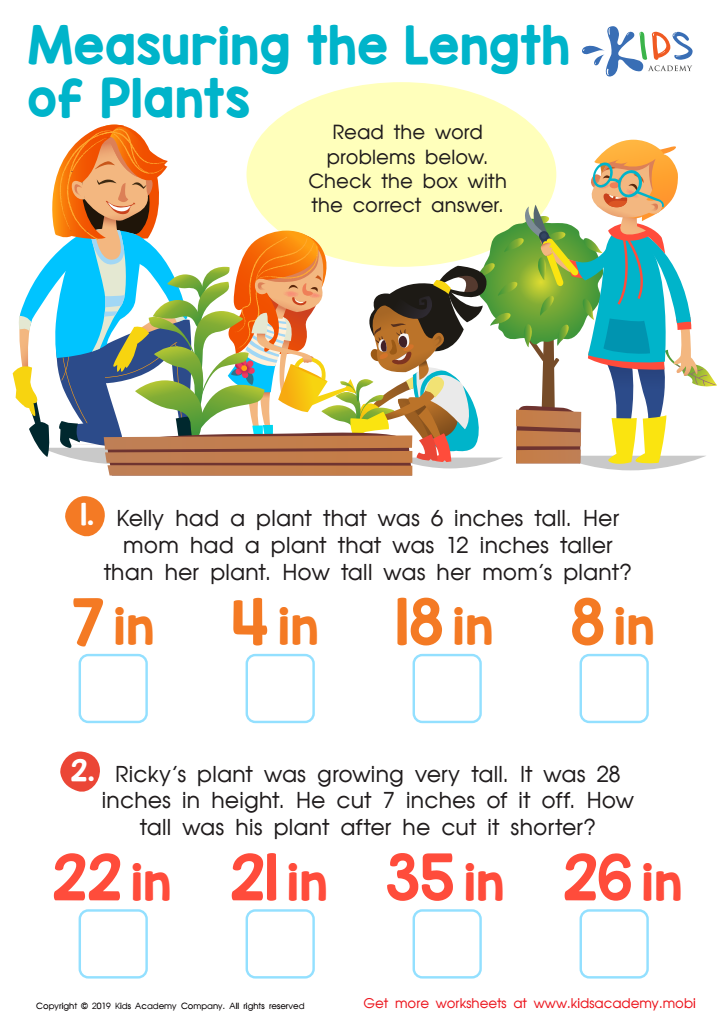
Measuring the Length of Plants Worksheet
 Assign to My Students
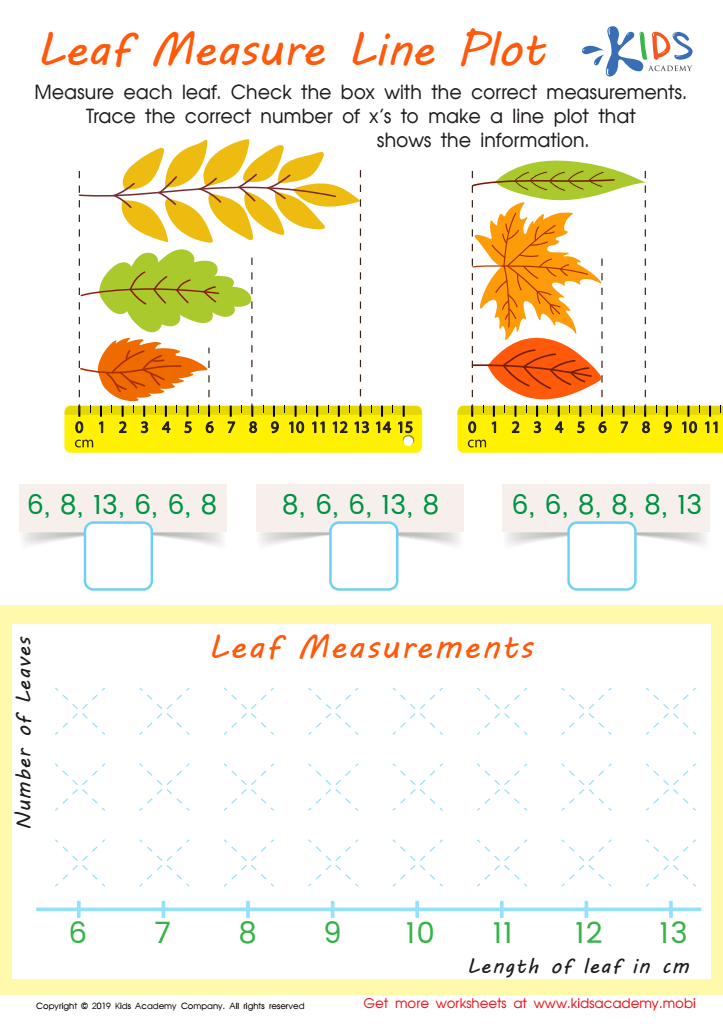
Leaf Measure Line Plot Worksheet








Understanding measurements, addition, and subtraction at an early age is essential for children ages 4-8, providing a vital foundation for their future learning. For parents and teachers, recognizing the importance of these concepts ensures a child's comprehensive development in mathematics and beyond.
First and foremost, mastering basic arithmetic and measurement skills promotes cognitive development. These fundamental skills help young children enhance problem-solving abilities, logical thinking, and spatial awareness. Early competence in these areas prepares children to tackle more complex mathematical concepts with confidence.
For practical life skills, learning measurements, addition, and subtraction greatly aids children in everyday activities. They learn to compare quantities, understand time concepts, and manage physical tasks like baking, cooking, or even playing games that require counting or measuring. This fosters independence and builds real-world competencies.
Moreover, early math skills are directly correlated with academic achievement. Children who grasp these concepts early often excel later in school, not just in math, but across various subjects. This early confidence can result in a lifelong positive attitude toward learning.
By investing time and resources into teaching these basic arithmetic and measurement concepts, parents and teachers set young children on a trajectory for academic success and practical problem-solving in everyday life. This proactive approach can contribute significantly to a child's overall intellectual and personal development, ensuring a well-rounded, confident learner.








