Comparing Numbers Worksheets for Ages 4-8 - Page 3
52 filtered results
-
From - To
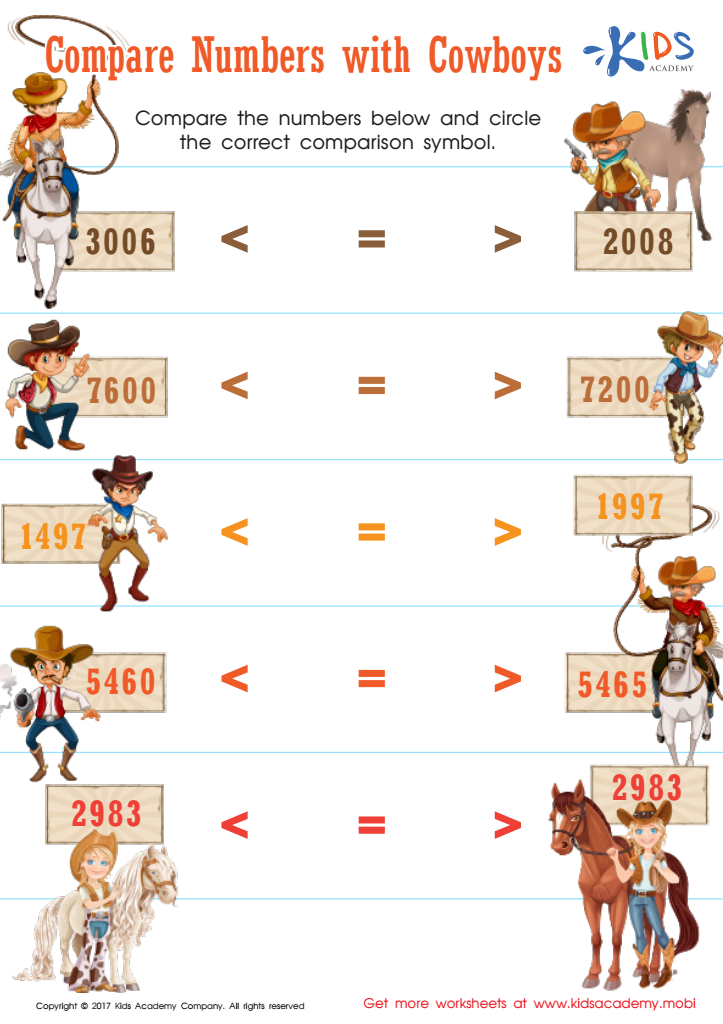
Compare Numbers Worksheet for 3rd Grade
 Assign to My Students

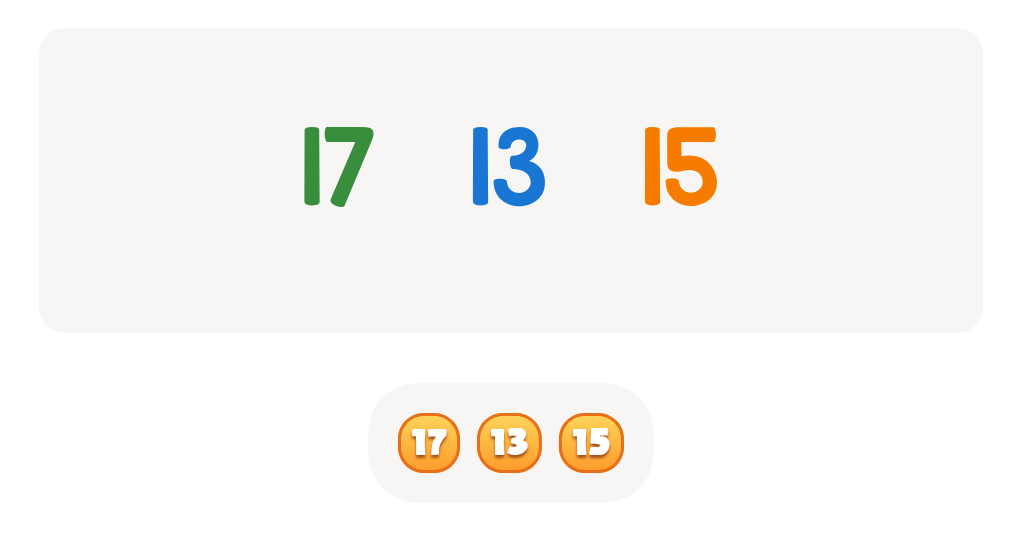
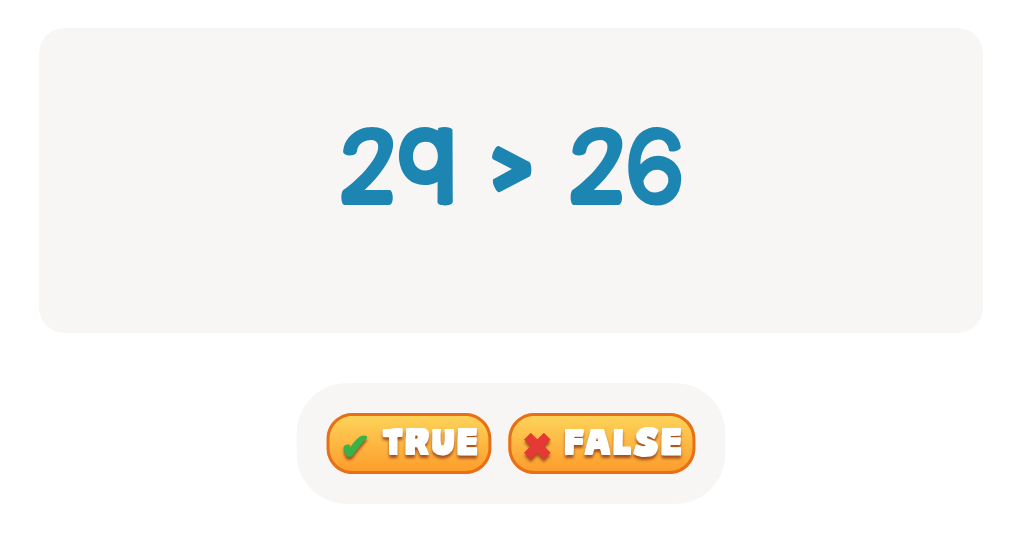
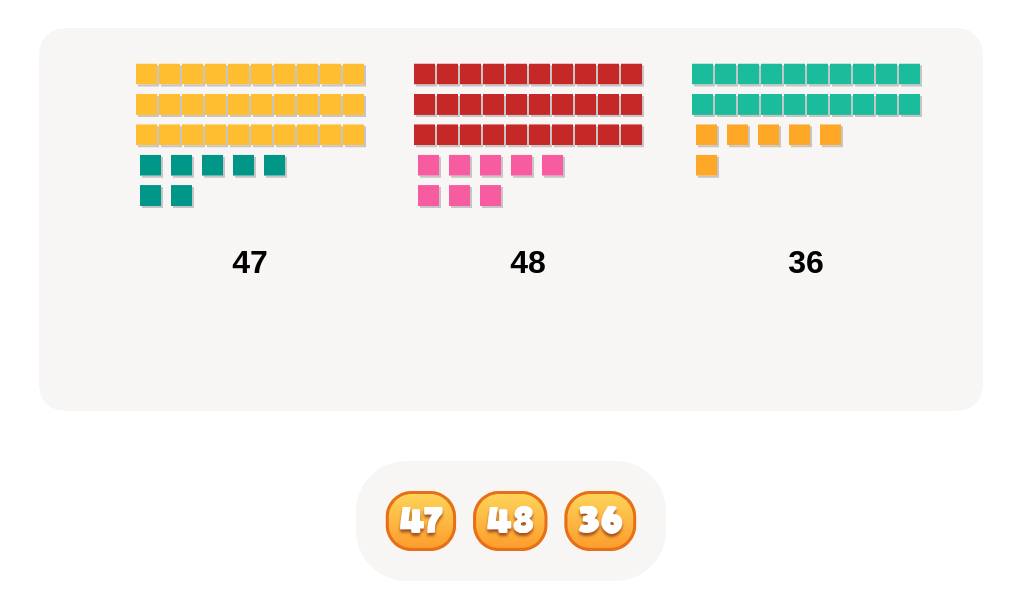
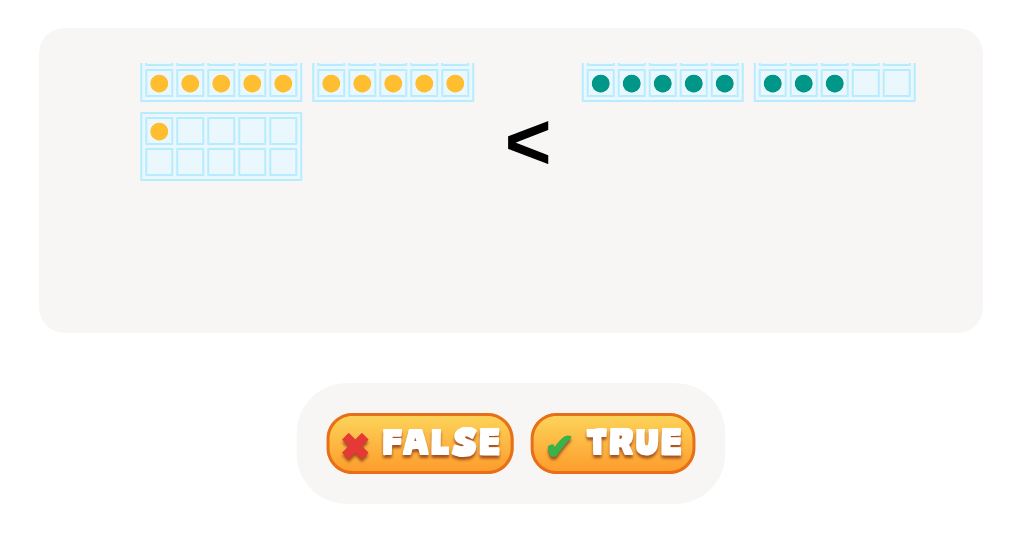
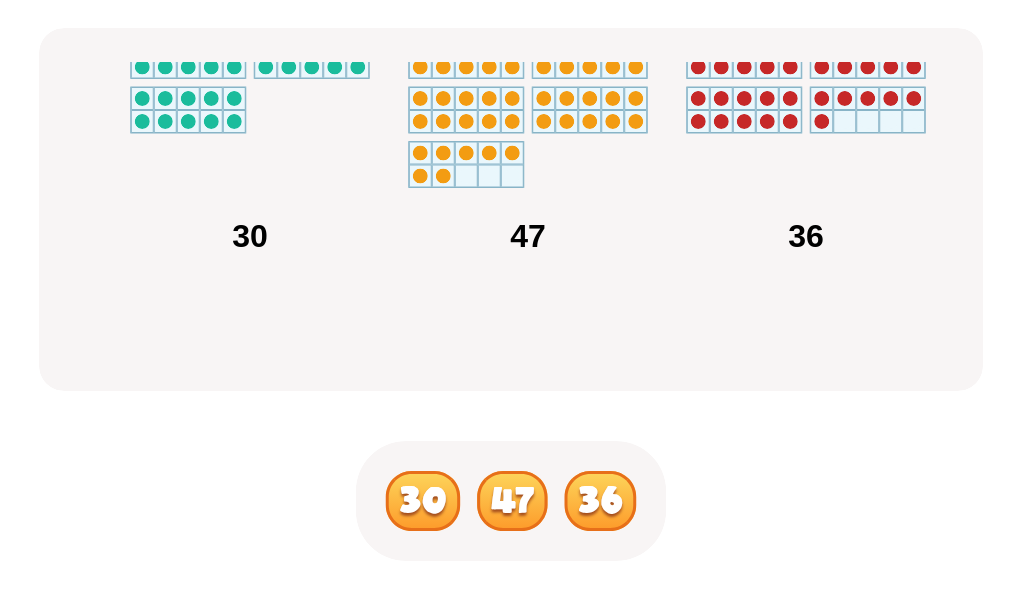
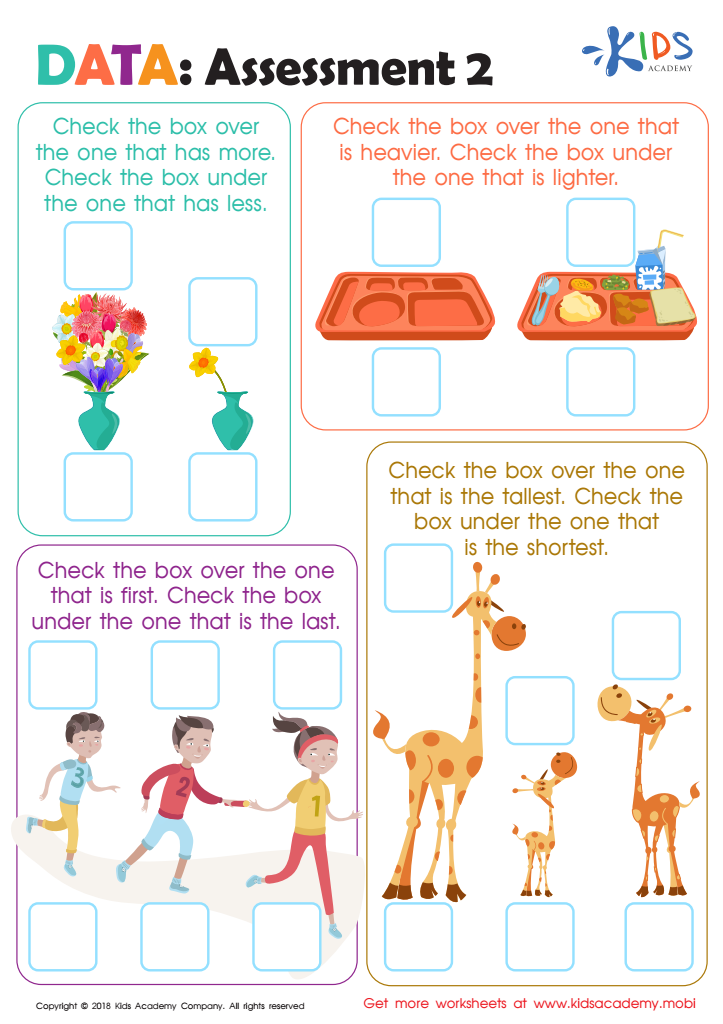
Data: Assessment 2 Worksheet
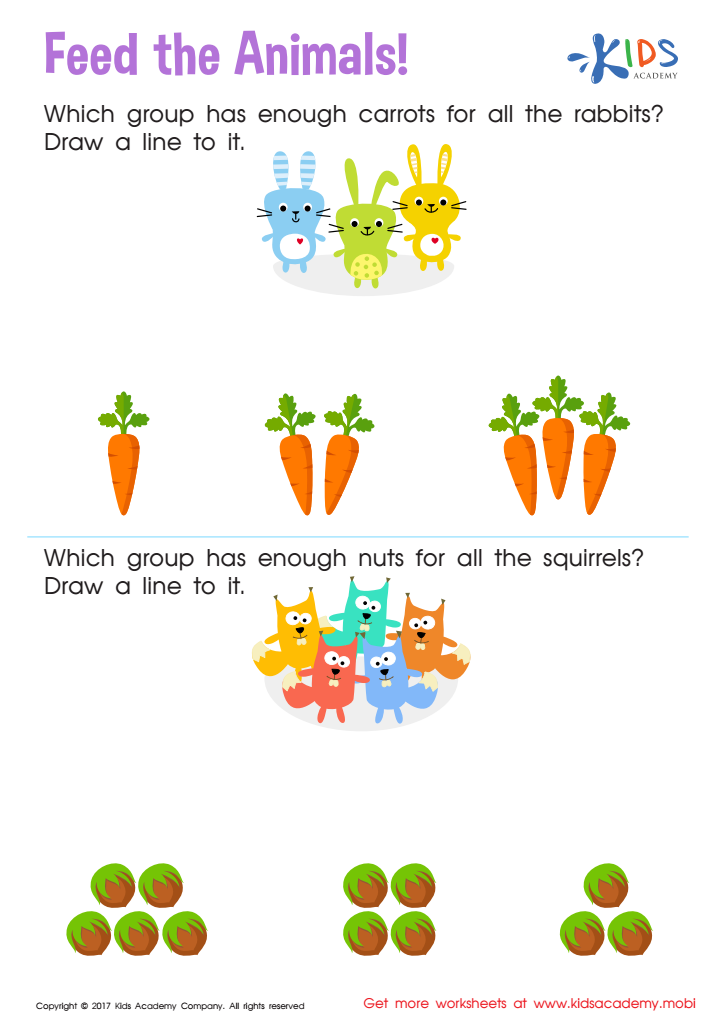
Count and Match: Feed the Animals Worksheet
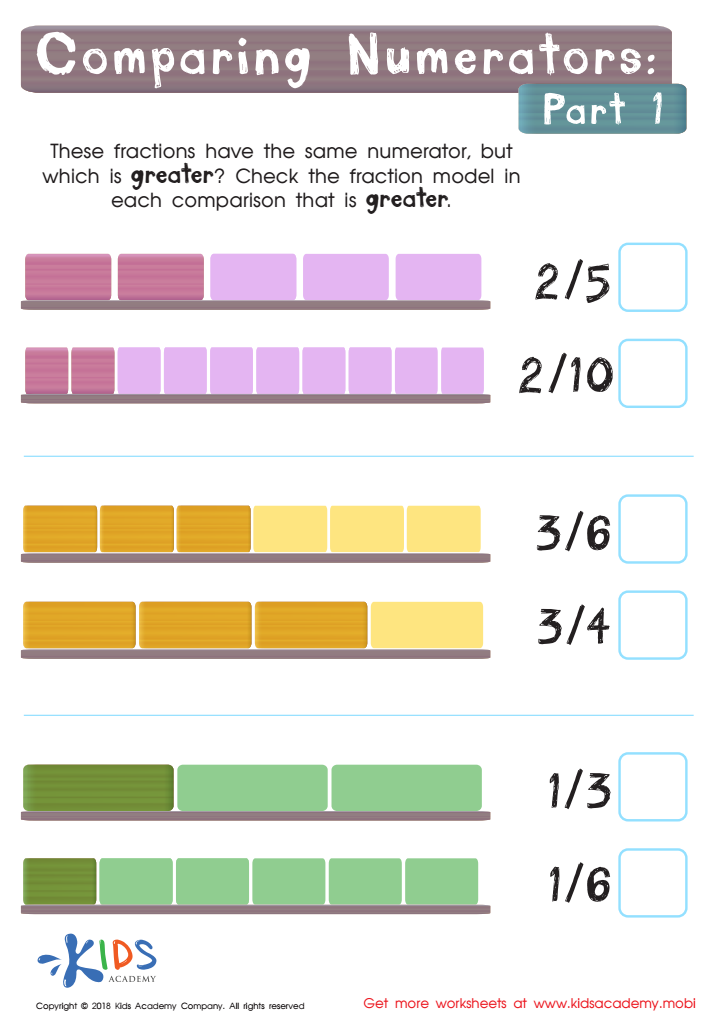
Comparing Numerators Part 1 Worksheet








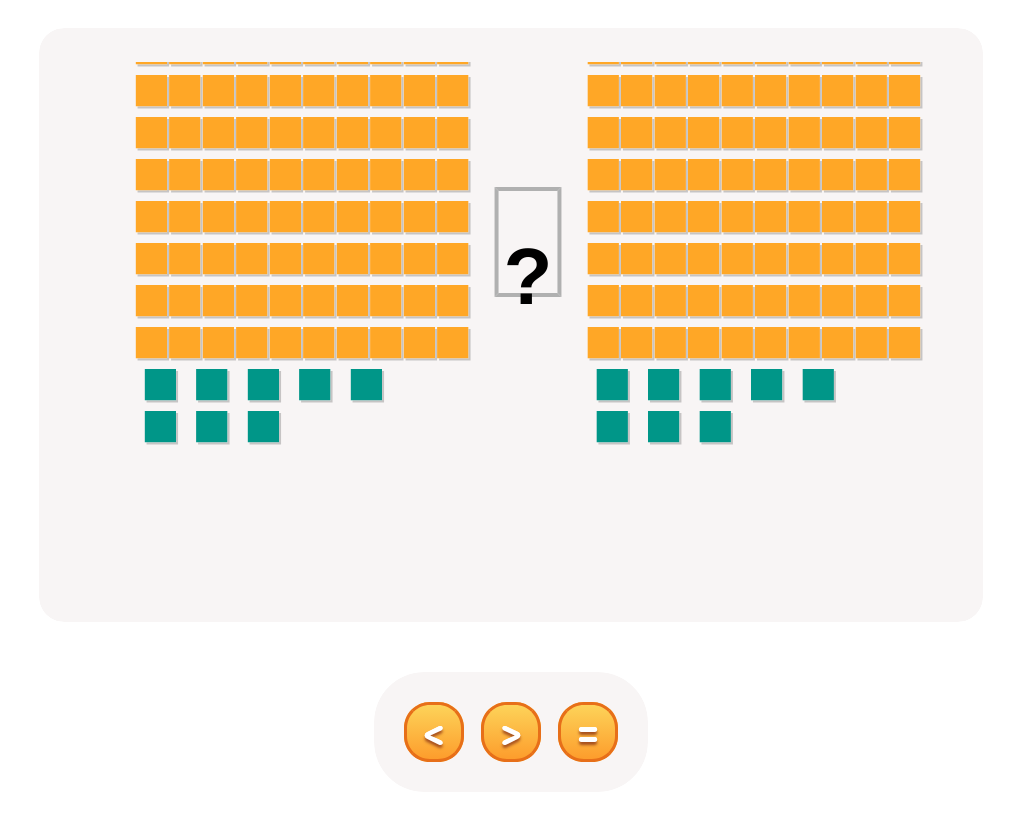
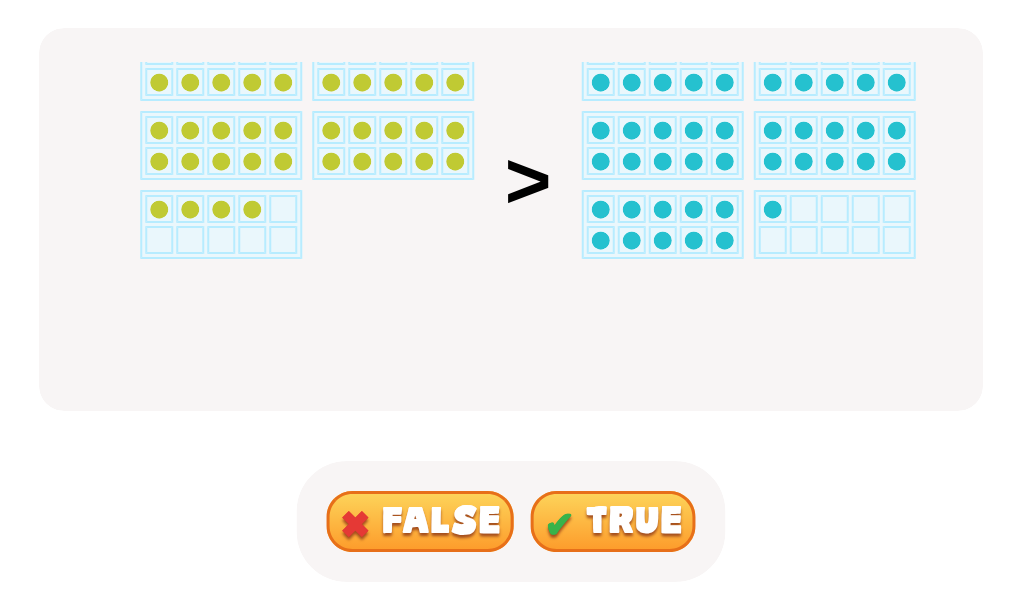
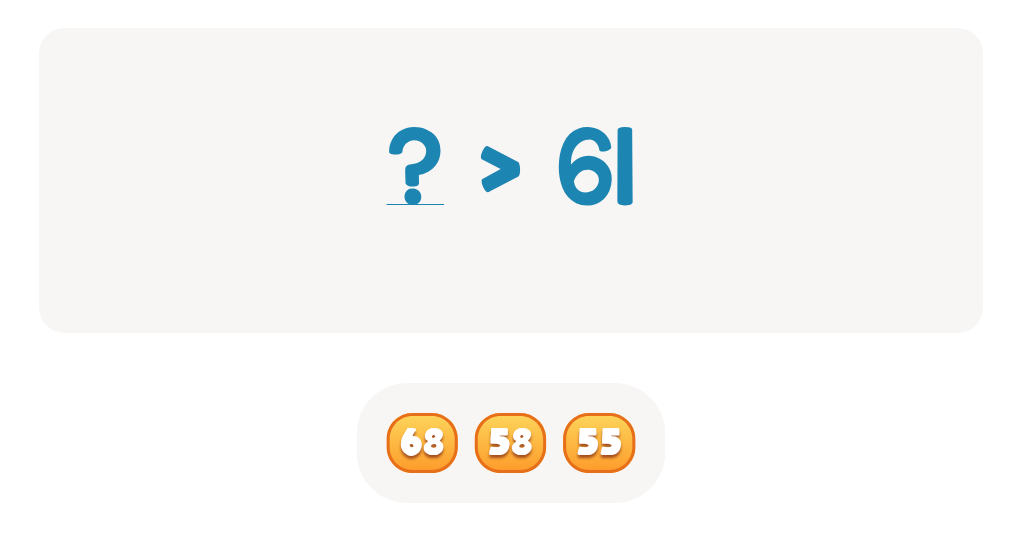
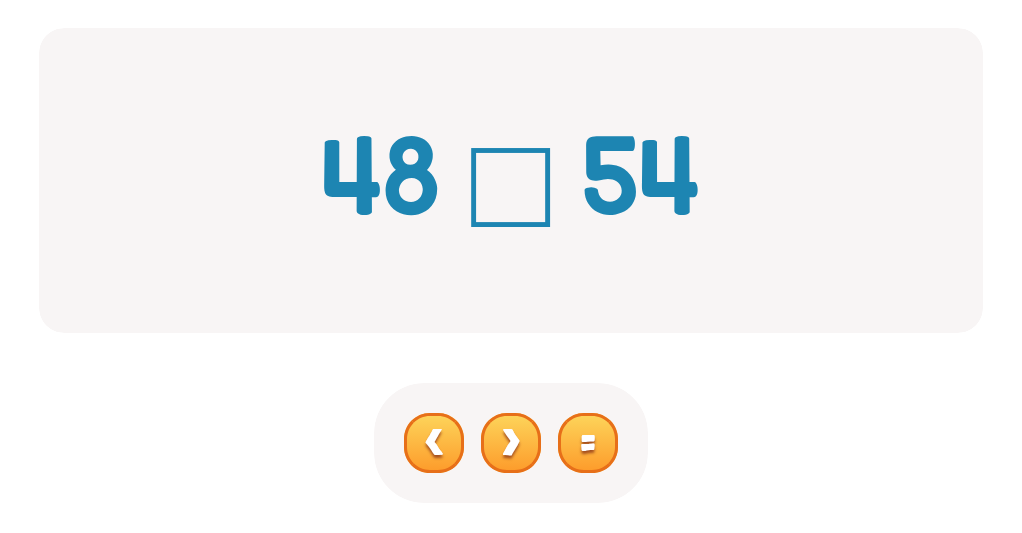
Understanding how to compare numbers is a fundamental skill that develops critical thinking, problem-solving abilities, and mathematical foundations in children aged 4-8. At this stage, children begin to grasp essential concepts like “greater than,” “less than,” and “equal to,” which are crucial for their overall numeracy.
Parents and teachers should care about this skill because it builds a framework for future mathematical concepts, including addition, subtraction, and more complex operations. Comparing numbers enhances a child's ability to make connections between quantities, improving their understanding of the world around them. For instance, recognizing that 5 apples are more than 3 helps children make informed decisions in everyday scenarios.
Moreover, these early math skills lay the groundwork for academic success. Children who master comparing numbers early will find it easier to engage in later mathematical activities, boosting confidence and enthusiasm for learning.
In addition to the cognitive benefits, engaging children in comparing numbers can also be a fun and interactive experience, strengthening bonds between parents, teachers, and students. By fostering an early love for math, parents and teachers can motivate children to explore further, ultimately leading to lifelong learning and analytical skills. Therefore, prioritizing number comparison is essential for nurturing well-rounded, mathematically capable learners.