Understanding fractions Comparing Numbers Worksheets for Ages 4-8
3 filtered results
-
From - To
Dive into the world of fractions with our "Understanding Fractions: Comparing Numbers Worksheets for Ages 4-8." These engaging worksheets break down complex concepts into fun, easy-to-understand activities. Perfect for early learners, they focus on comparing numbers through interactive exercises and colorful visuals. Students will grasp the basics of fractions, enhance their problem-solving skills, and build a strong mathematical foundation. Designed for kids ages 4-8, our worksheets aim to boost confidence and make learning fractions enjoyable. Transform your child's mathematical journey with our expertly crafted resources that align with early educational standards.
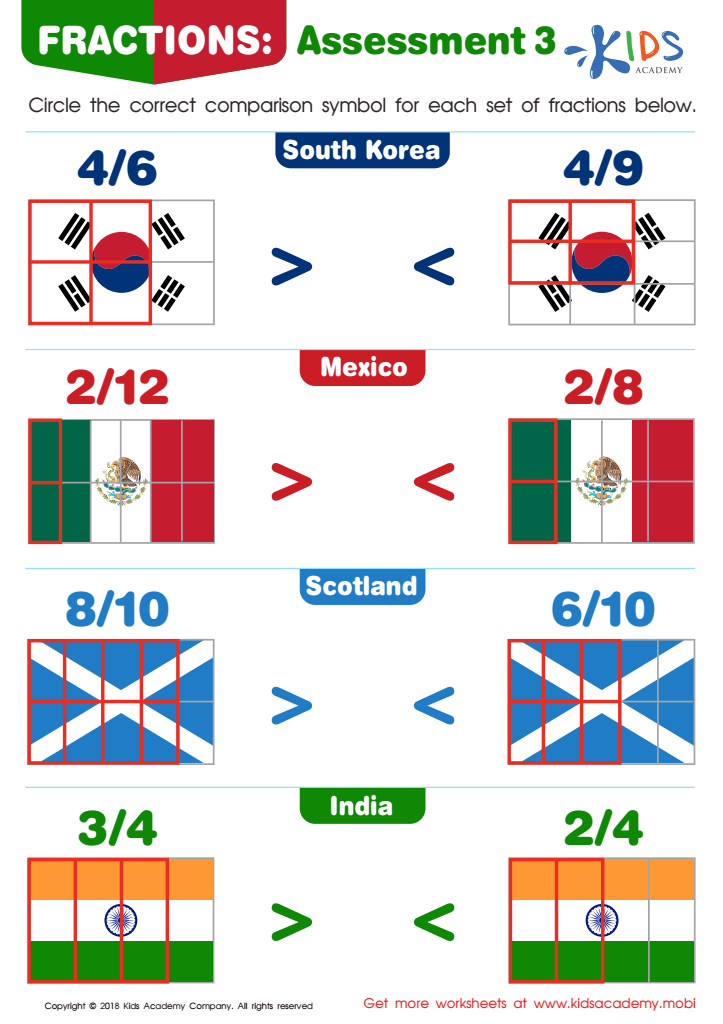
Fractions: Assessment 3 Worksheet
 Assign to My Students
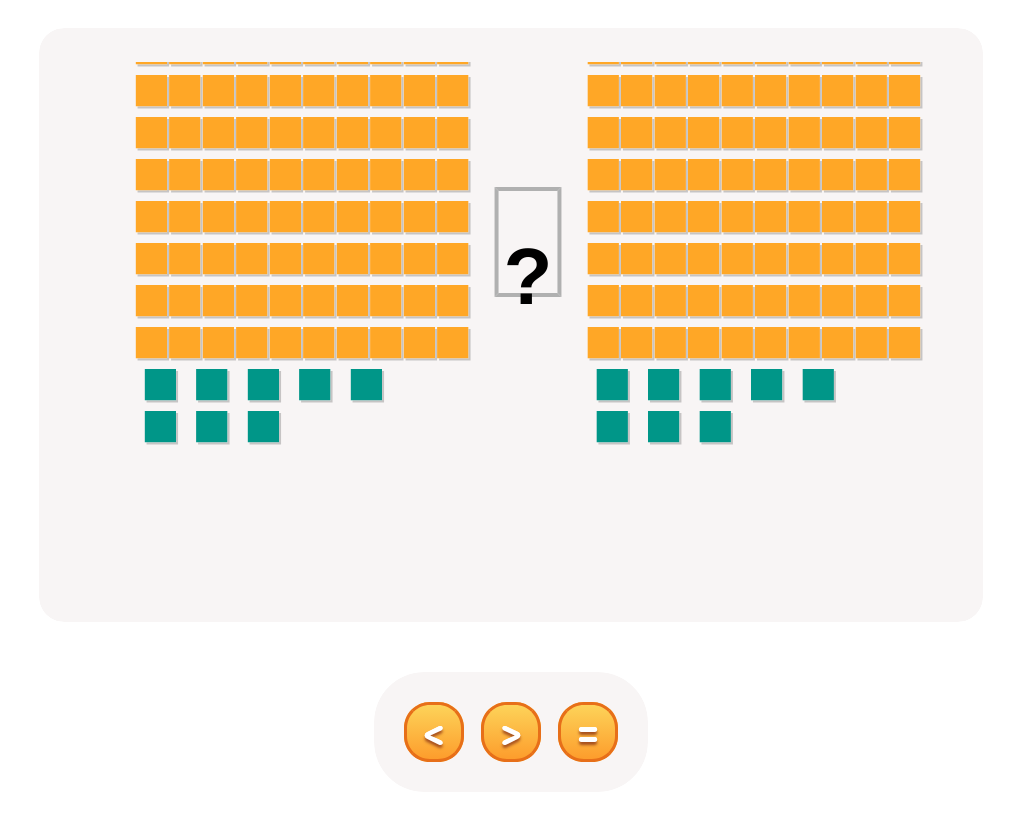

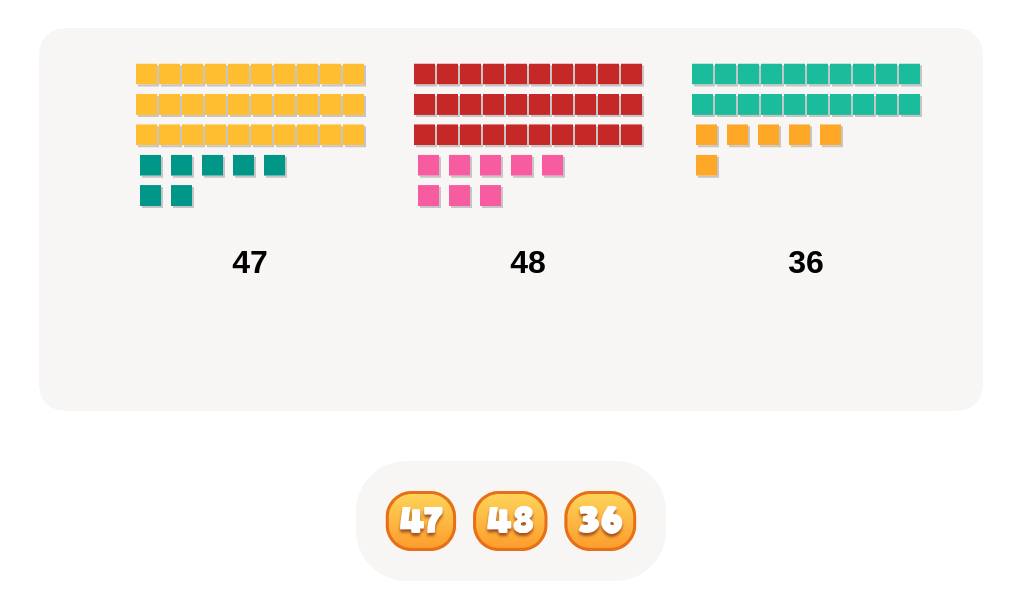
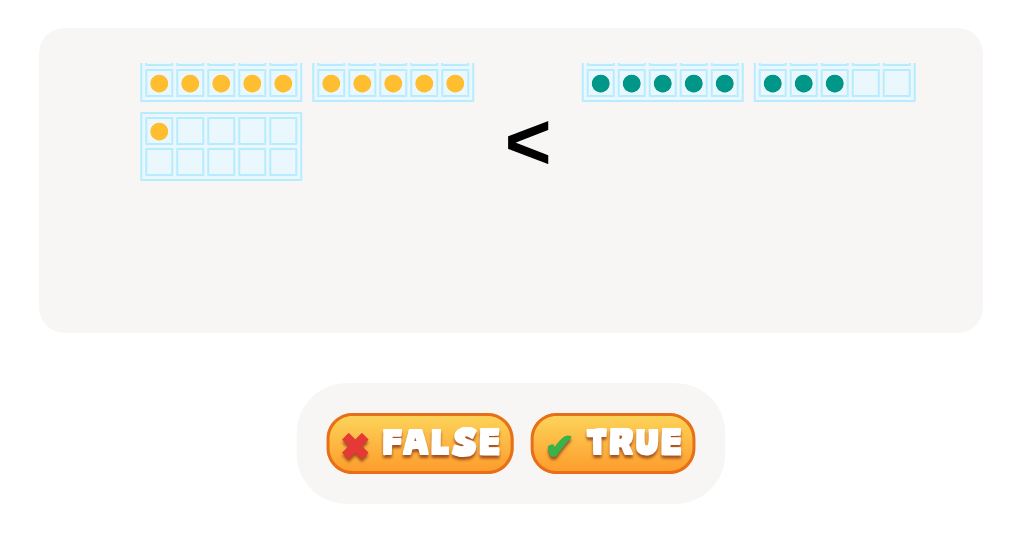
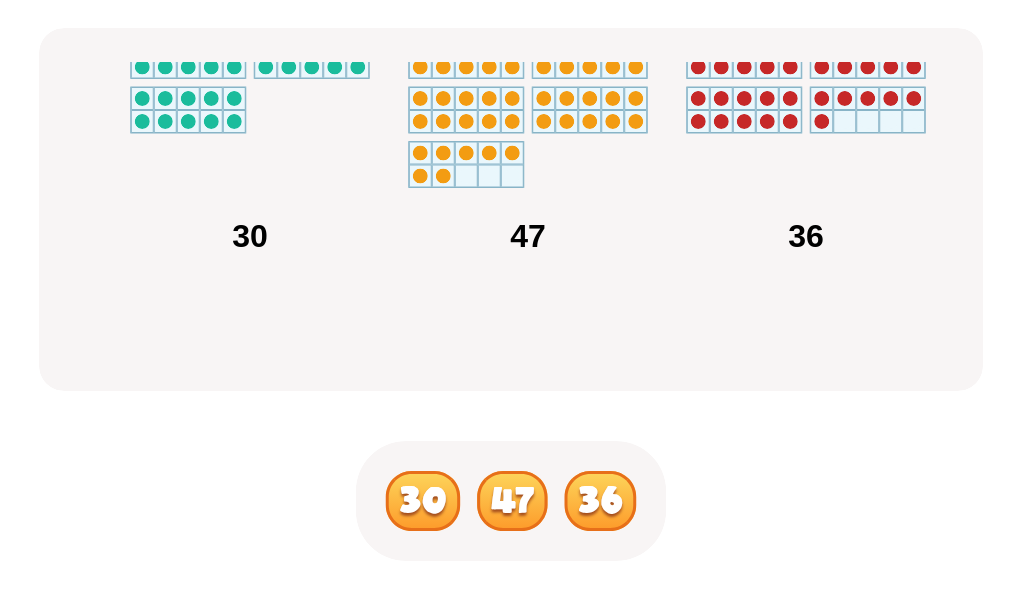
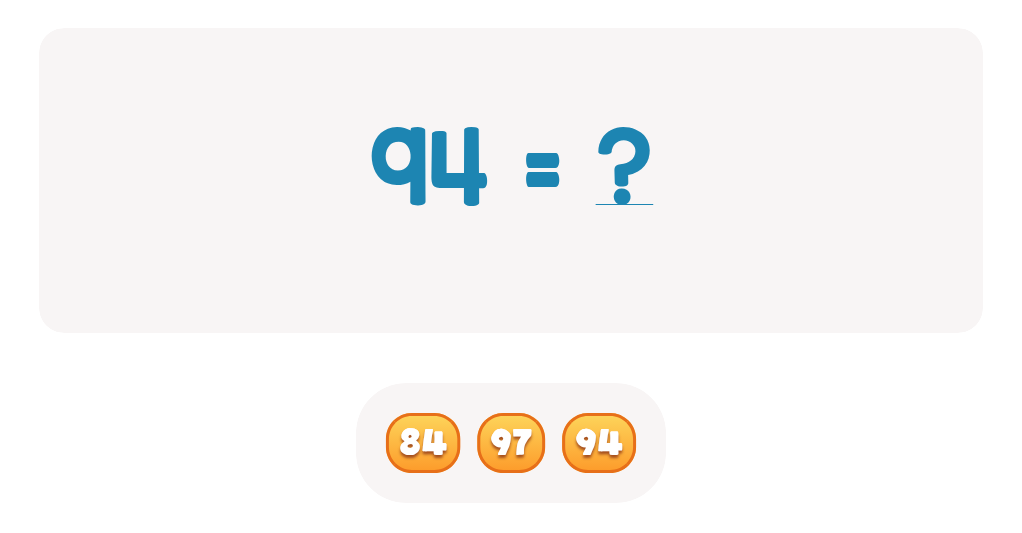
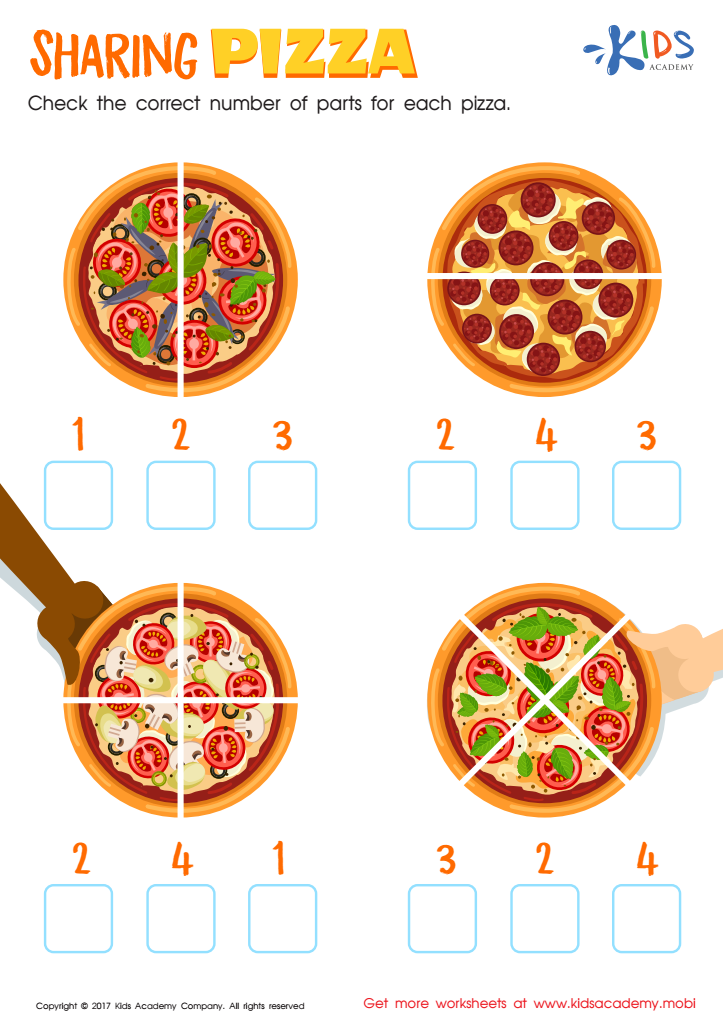
Sharing Pizza Worksheet
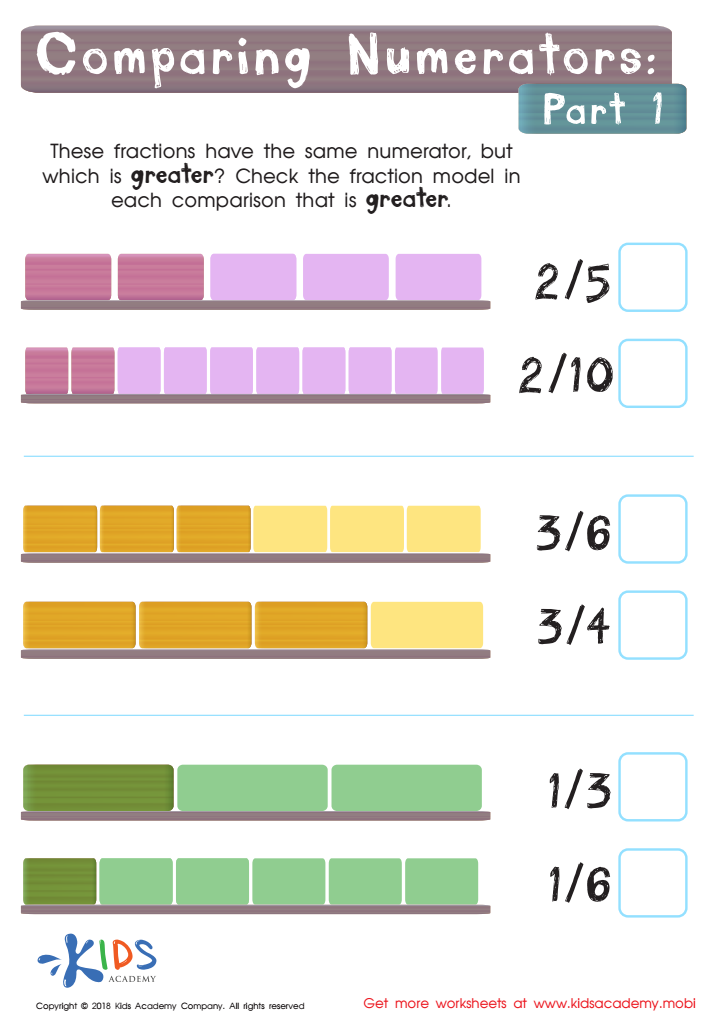
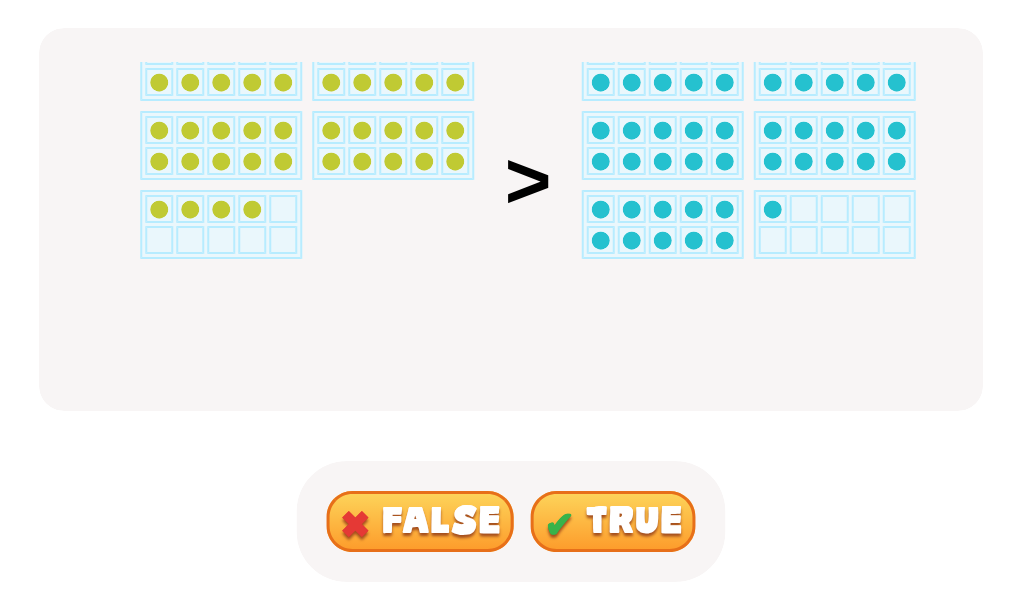
Comparing Numerators Part 1 Worksheet








Understanding fractions and comparing numbers are fundamental mathematical skills vital for children aged 4-8, helping lay a strong foundation for future learning. Early knowledge in these areas fosters numerical literacy, instilling essential problem-solving skills and logical thinking from a young age.
Firstly, understanding fractions provides children with the tools to grasp the concept of parts and wholes. Real-world tasks such as dividing a pizza, sharing toys, and splitting candy rely on this knowledge. It also sets the stage for more complex math topics they will encounter in the future, such as algebra and geometry.
Comparing numbers develops a child’s ability to understand number size and order, which is essential for everyday activities such as counting, measuring, and handling money. It enhances cognitive development by encouraging analytical thinking as children learn to determine greater than, less than, or equal relationships between numbers.
Moreover, these skills are crucial for academic success. Mastery of early mathematical concepts can boost a child's confidence and curiosity, fostering a positive attitude towards learning. When parents and teachers prioritize these areas, they set children up for success, not just in math, but across all areas of study by nurturing critical thinking, precision, and reasoning abilities. Investing in understanding fractions and comparing numbers cultivates a foundation essential for lifelong learning and practical life skills.