Basic Addition Numbers Worksheets for Ages 4-8 - Page 2
41 filtered results
-
From - To
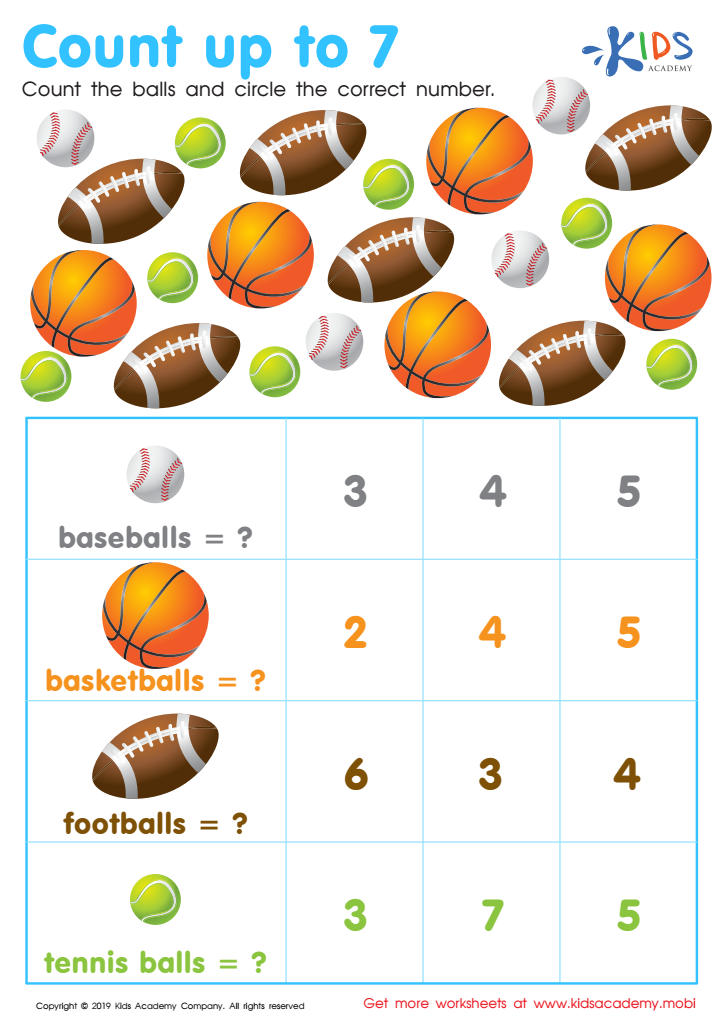
Count up to 7 Worksheet
 Assign to My Students
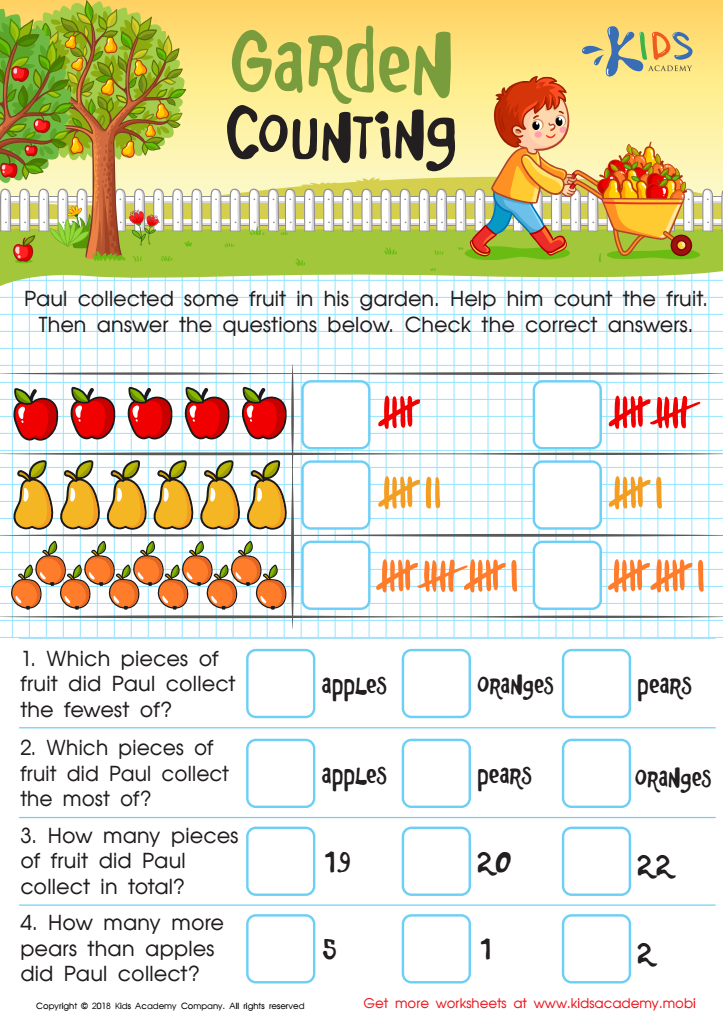
Garden Counting Worksheet
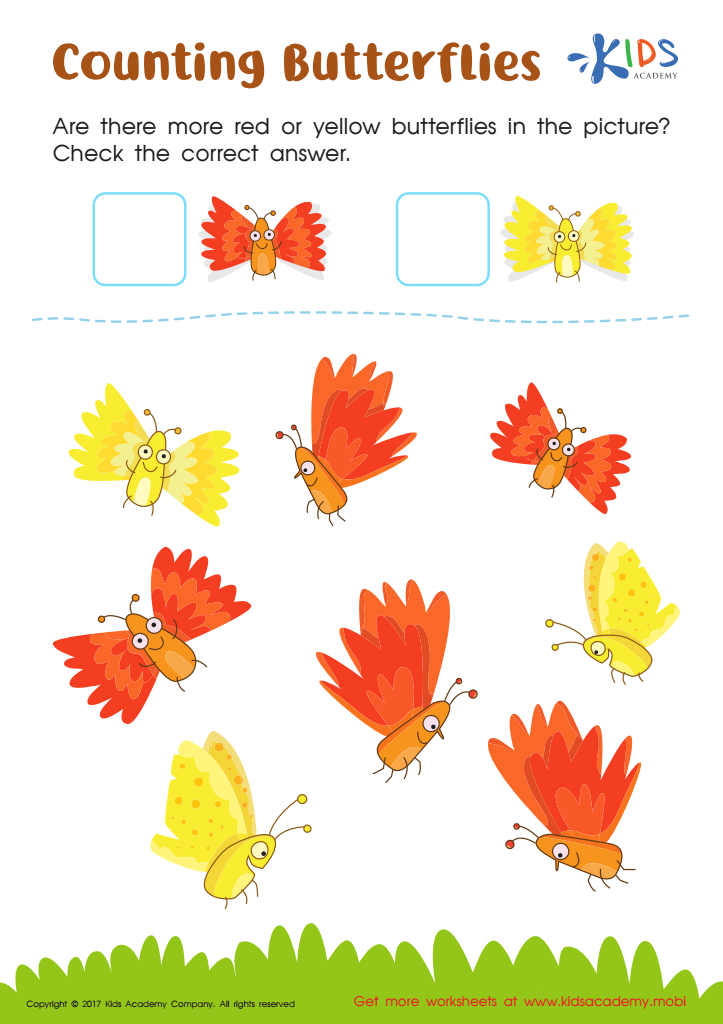
Counting Butterflies Worksheet
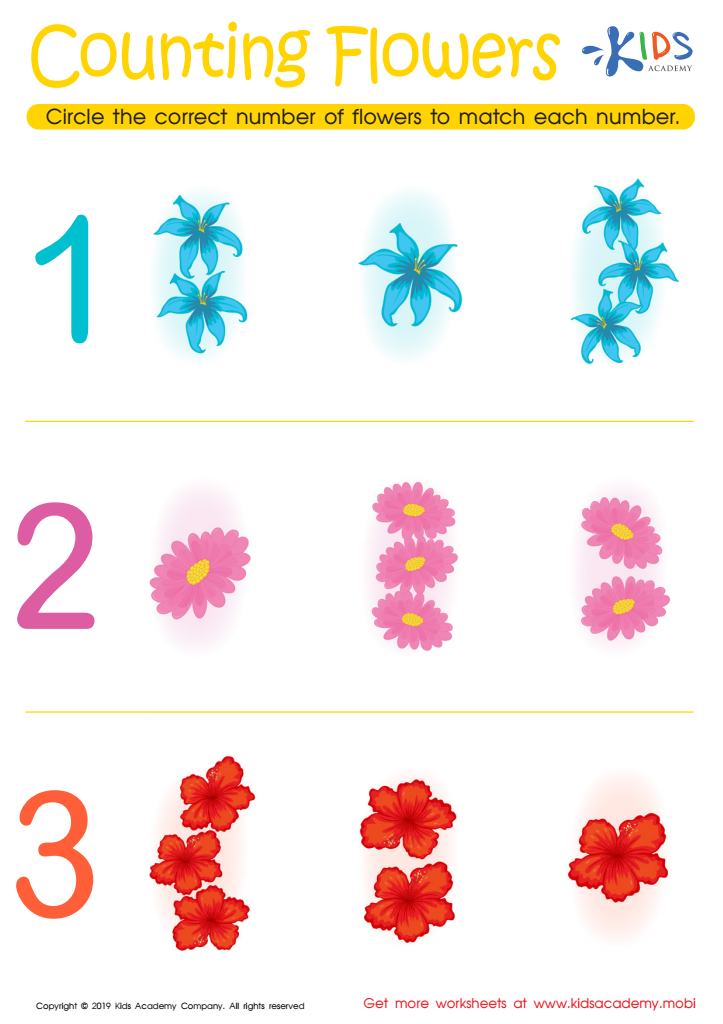
Counting Flowers Worksheet
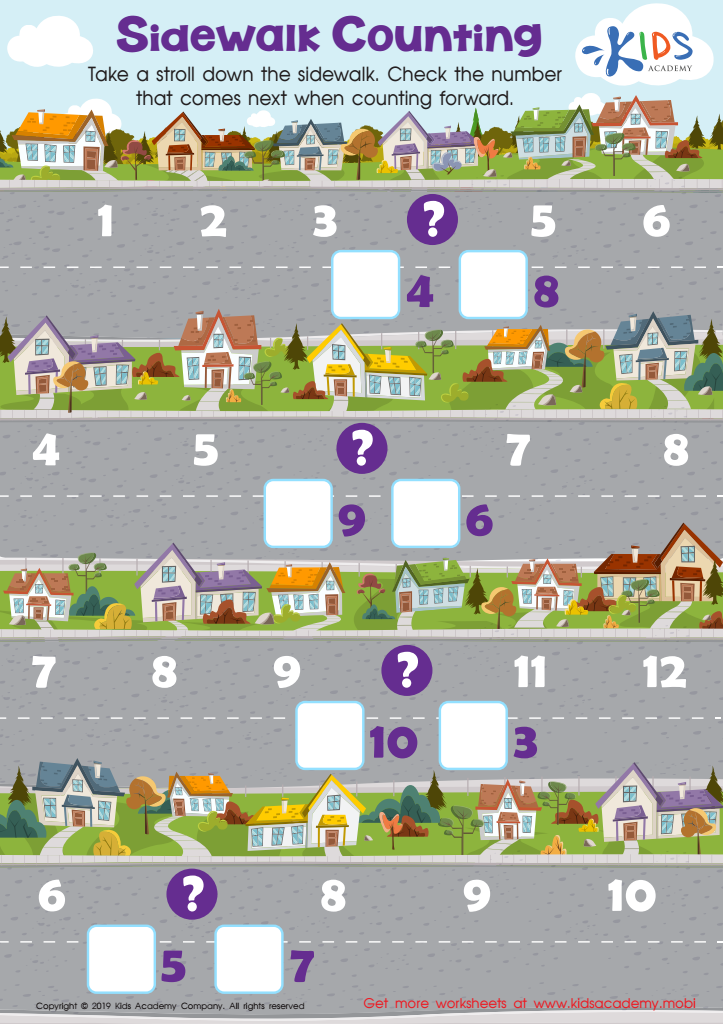
Sidewalk Counting Worksheet
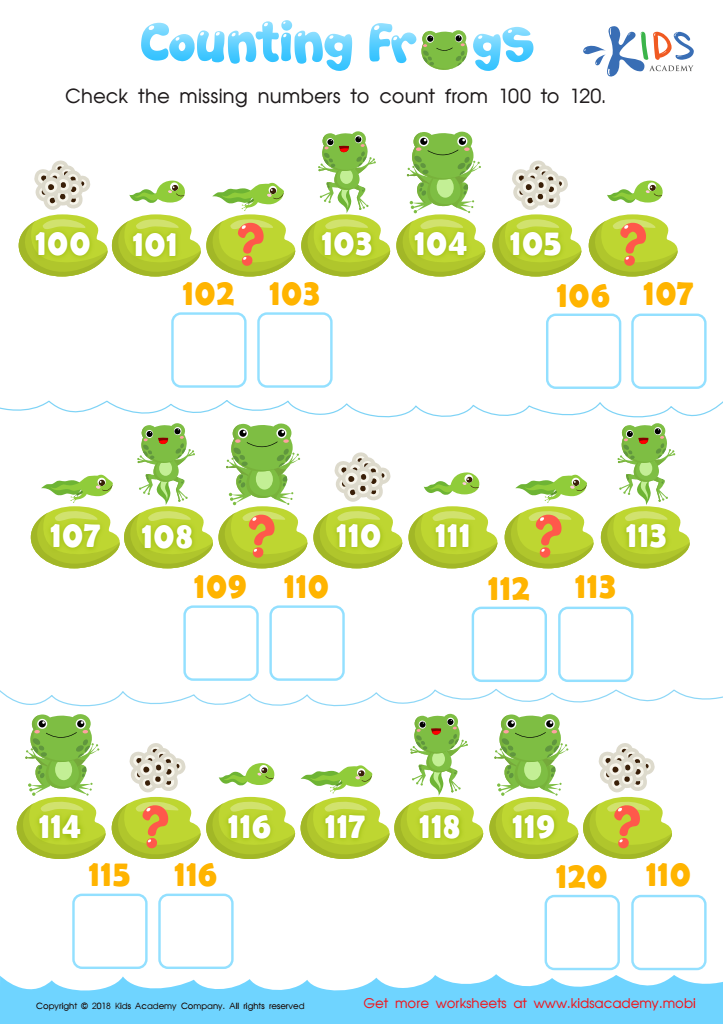
Counting Frogs Worksheet
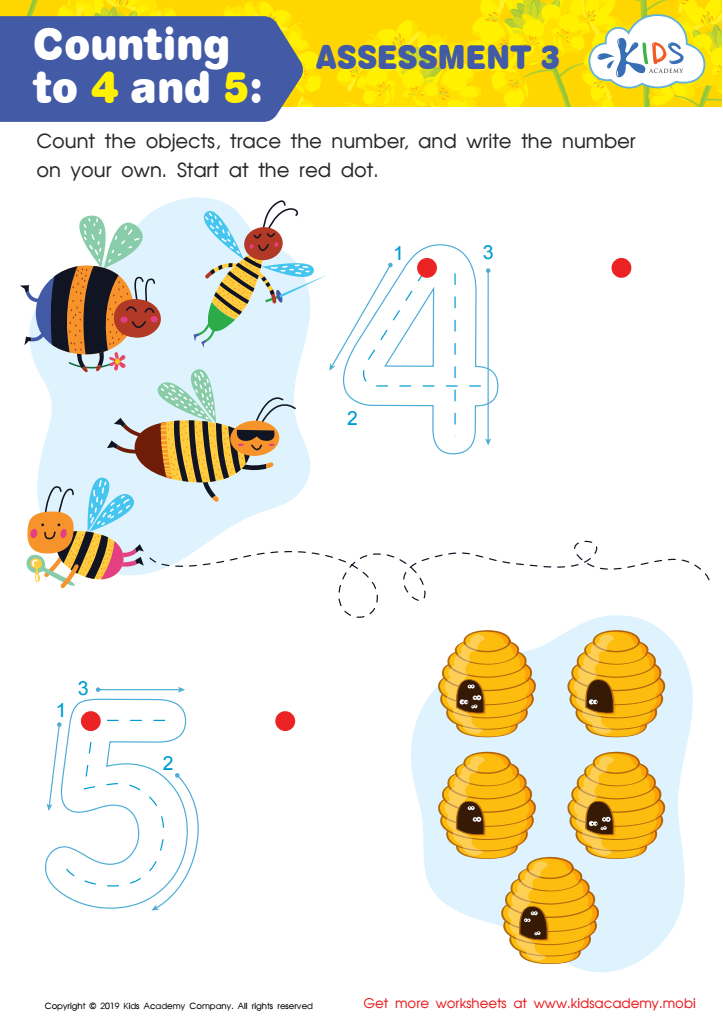
Counting to 4 and 5: Assessment 3 Worksheet
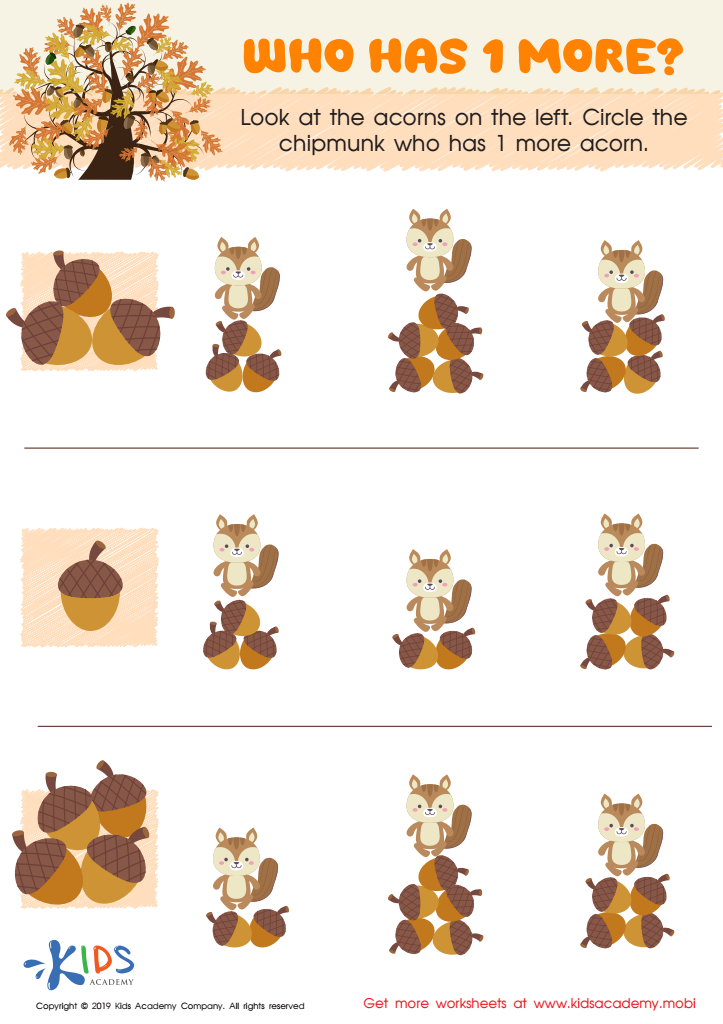
Who Has 1 More? Worksheet
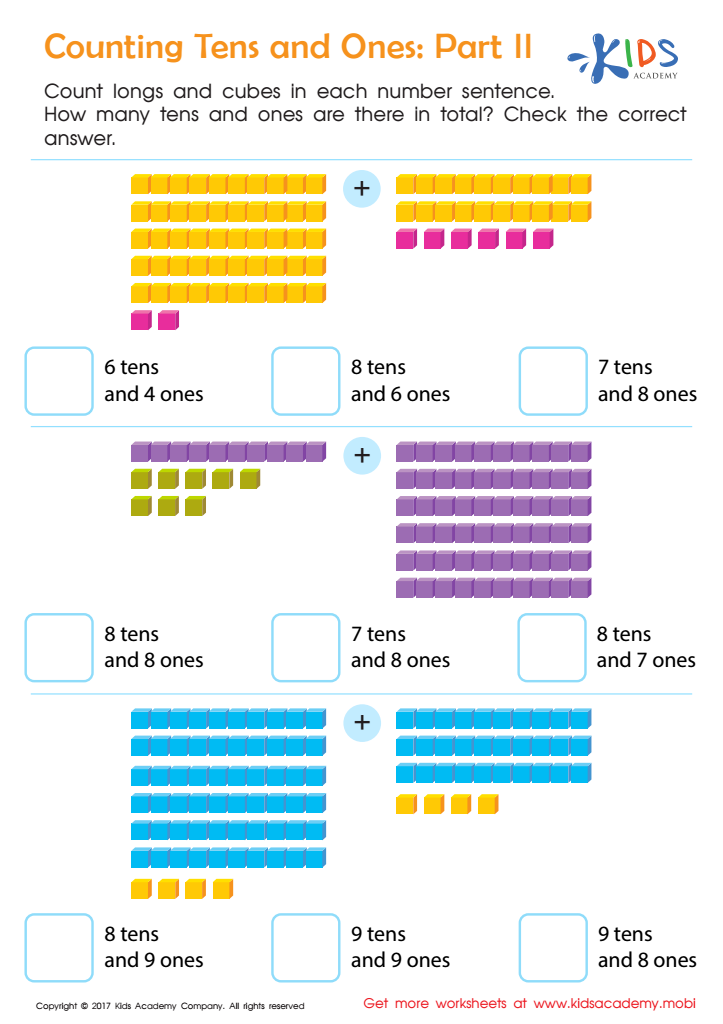
Counting Tens and Ones: Part 2 Worksheet
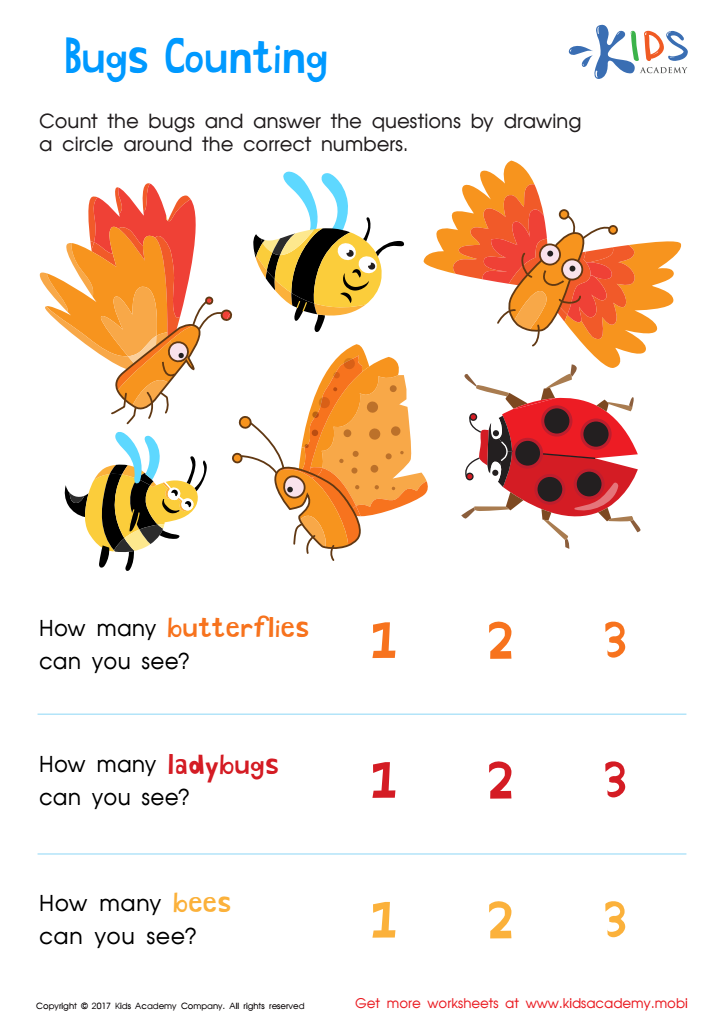
Bugs Counting Worksheet
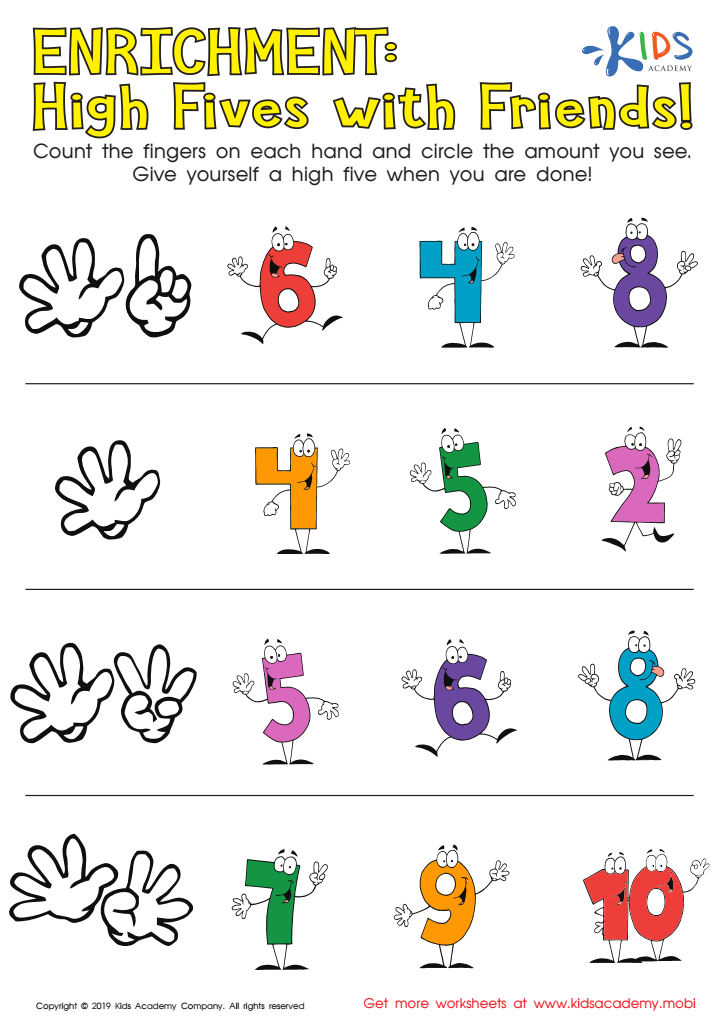
Enrichment: High Fives with Friends! Worksheet
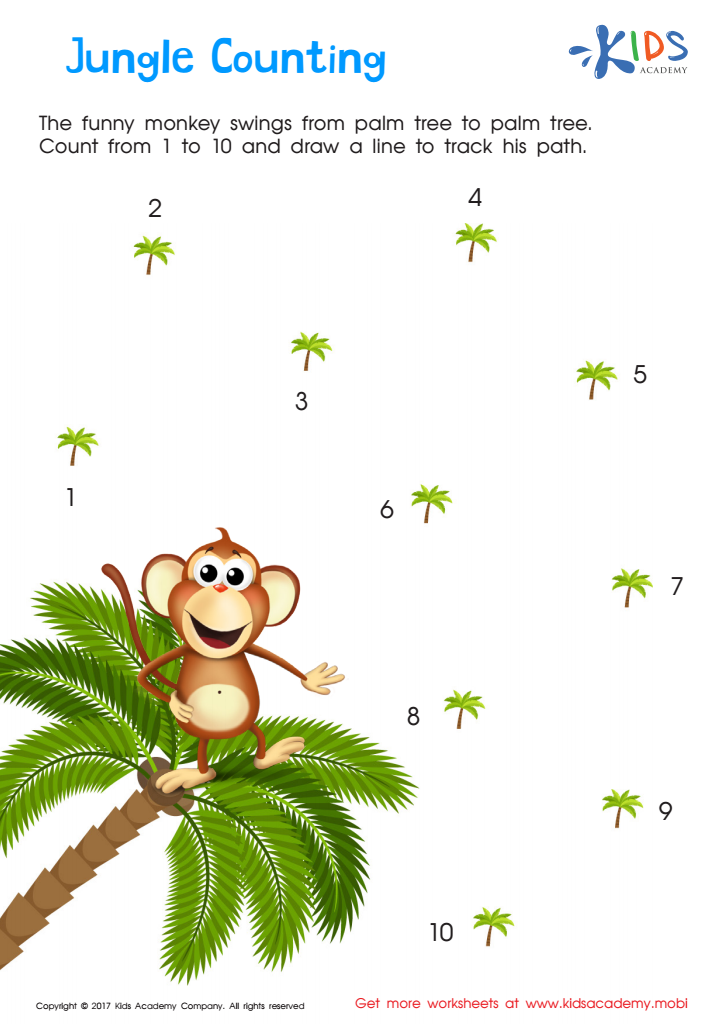
Jungle Counting Connect Dots Worksheet
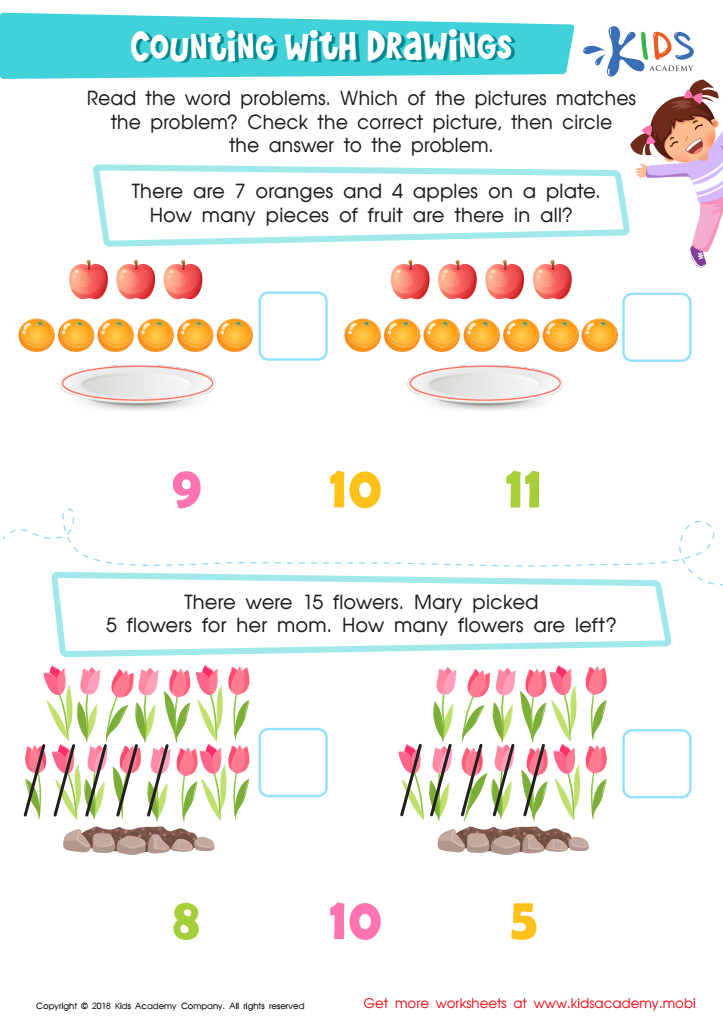
Counting with Drawings:Fruits & Flowers Worksheet
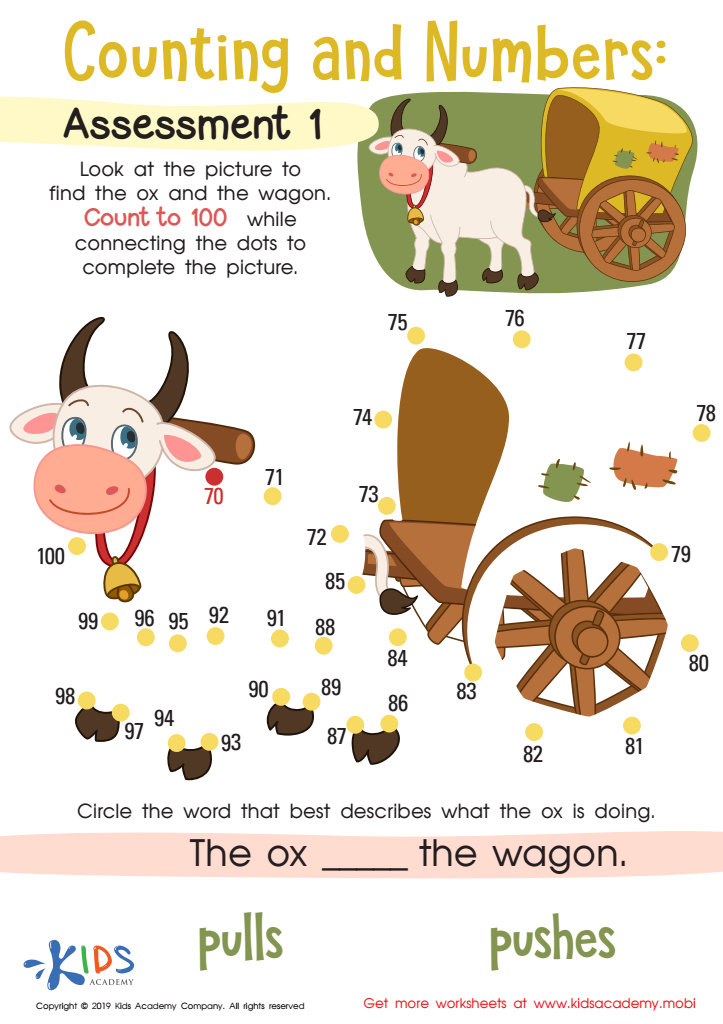
Counting and Numbers: Assessment 1 Worksheet
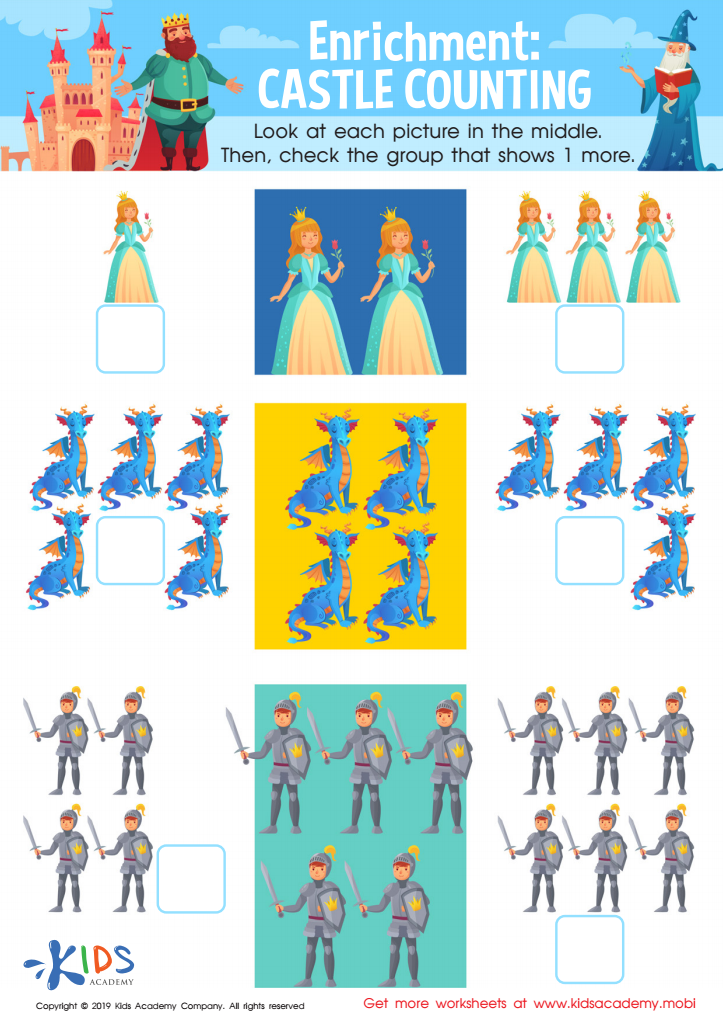
Enrichment: Castle Counting Worksheet
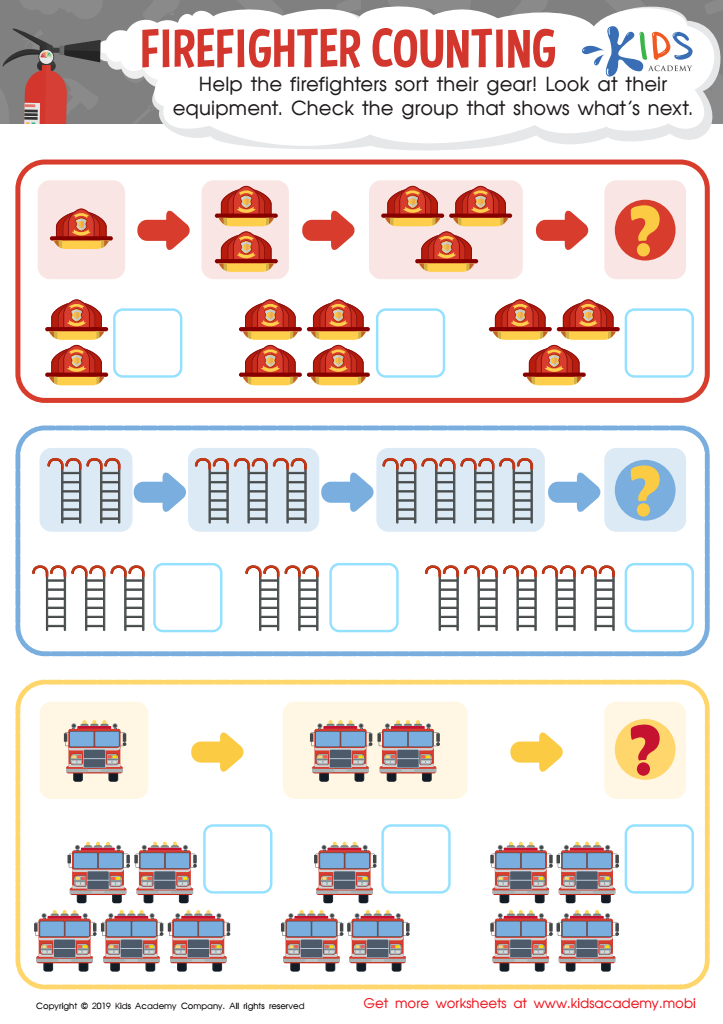
Firefighter Counting Worksheet
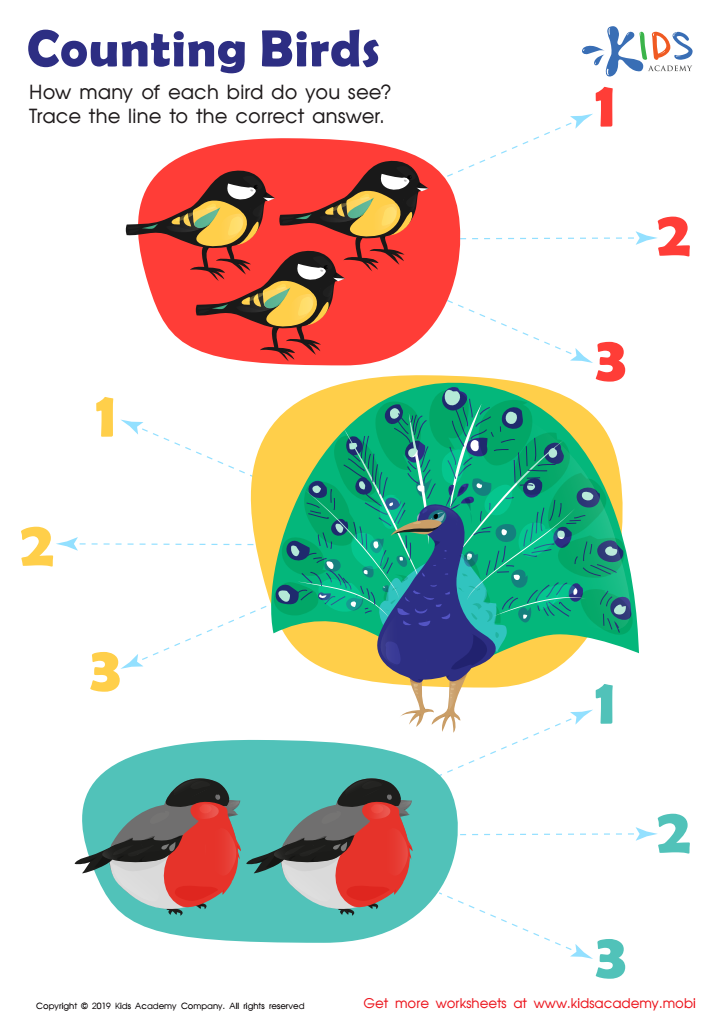
Counting Birds Worksheet








Basic addition is foundational for children aged 4-8 because it lays the groundwork for all future mathematical learning. Mastering basic addition helps children develop number sense, which is their intuitive understanding of numbers and their relationships. Number sense is critical not only in academic settings but also in everyday life, such as when managing money or measuring ingredients for a recipe.
Understanding basic addition can boost a child's confidence in their abilities. When children feel successful in learning key skills, they develop a positive attitude toward new challenges. This early confidence is crucial as it influences their long-term attitude toward math and problem-solving in general.
Additionally, competency in basic addition supports the development of higher-order mathematical concepts. Skills such as subtraction, multiplication, and division all build upon a solid grasp of addition. Furthermore, basic arithmetic skills are essential for more complex topics like fractions, decimals, and algebra later in their education.
Parents and teachers play a crucial role in this developmental stage. Through engaging activities like counting games, visual aids, and practical applications, they can make learning addition enjoyable and relevant. Investing time in teaching basic addition now sets a strong educational foundation and helps children grow into confident, competent learners.








