Number Writing Practice Numbers Worksheets for Ages 4-8
5 filtered results
-
From - To
Welcome to our Number Writing Practice Worksheets designed specifically for children aged 4 to 8! These interactive worksheets provide a fun and engaging way to help young learners master their number writing skills. Our resources are tailored to support parents and educators in fostering early math abilities through a variety of activities, including tracing and independent writing exercises. With a focus on developing fine motor skills and number recognition, these worksheets promote confidence and proficiency in writing numbers. Start nurturing your child's mathematical foundation today and watch them flourish as they learn to write numbers with ease!
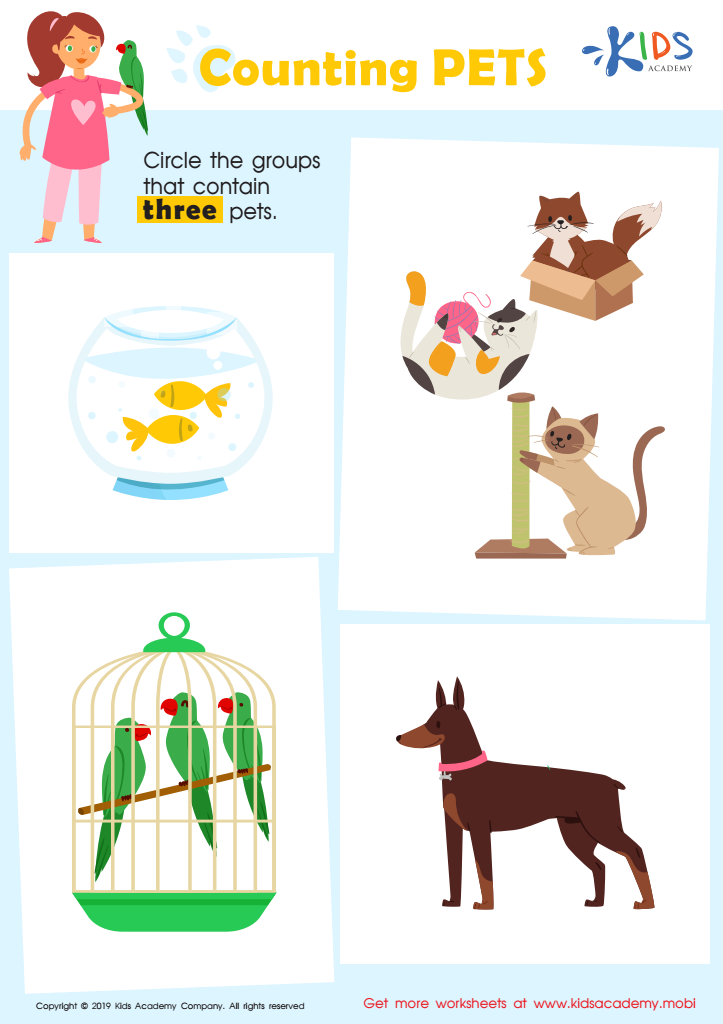
Counting Pets Worksheet
 Assign to My Students
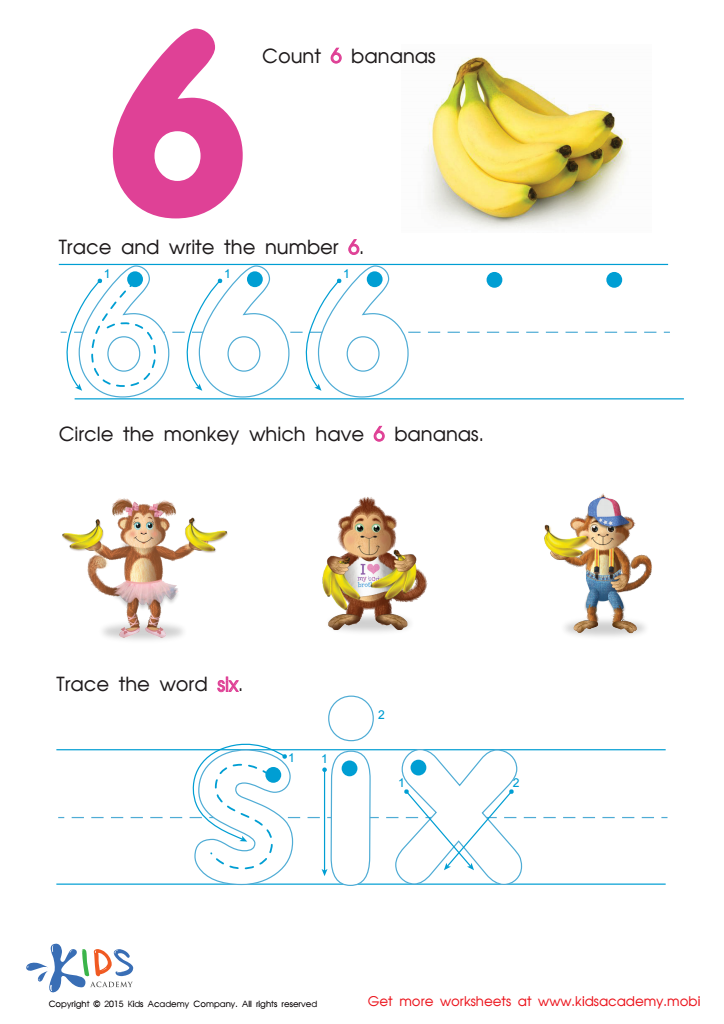
Tracing And Writing Number 6 Worksheet
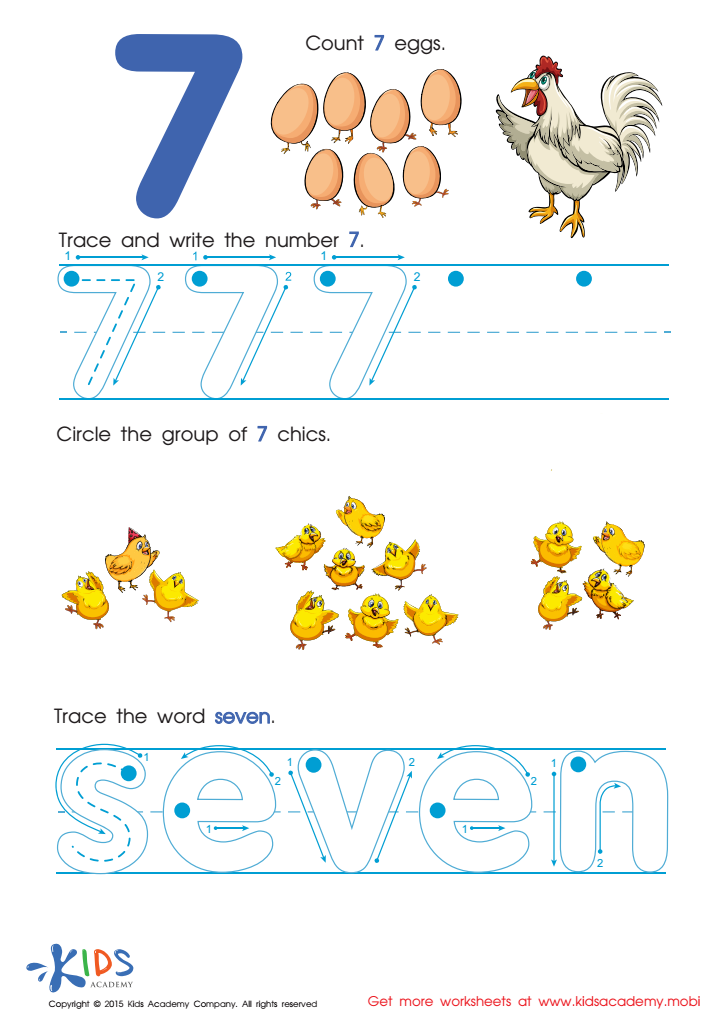
Trace And Write Number 7 with Fun Worksheet
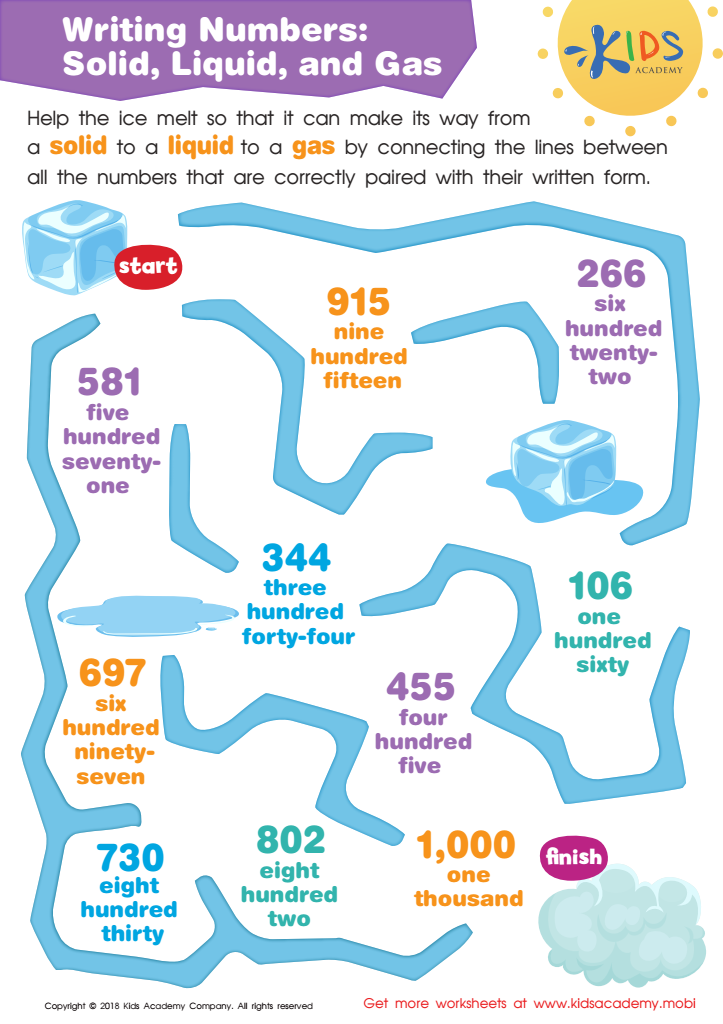
Solid, Liquid, and Gas Writing Numbers Worksheet
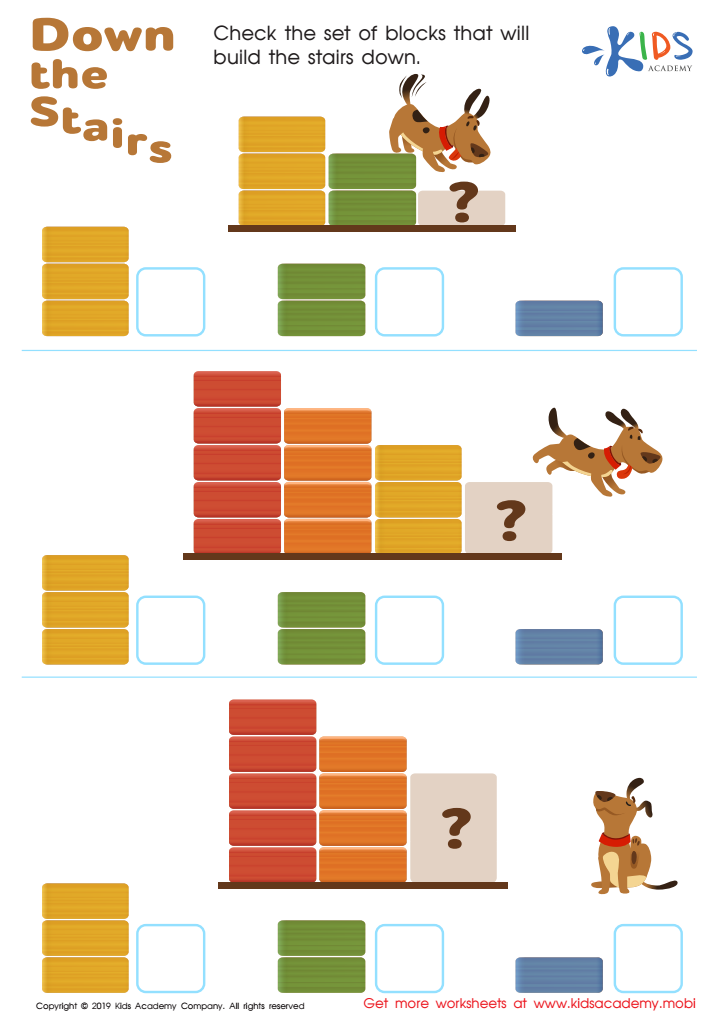
Down the Stairs Worksheet







Number writing practice is crucial for children aged 4-8 as it lays the foundation for their mathematical skills and overall academic development. This early stage of learning is when children begin to understand the concept of numbers, counting, and basic arithmetic. Encouraging young learners to write numbers helps improve their fine motor skills, coordination, and cognitive abilities, all of which are essential for their growth.
Parents and teachers should care because writing numbers provides opportunities for children to grasp essential mathematical concepts, such as value and sequence. It also fosters an understanding of number relationships and lays the groundwork for future math challenges. Exposure to number writing activities can boost their confidence and enjoyment in mathematics, which is vital for fostering a positive attitude towards the subject throughout their education. Additionally, consistent practice helps instill a sense of discipline, focus, and perseverance.
Moreover, number writing practice supports the development of literacy skills, as recognizing patterns in numbers can enhance overall problem-solving abilities. Engaging in this activity together can strengthen the bond between parents, teachers, and children, creating a supportive learning environment that values mathematics and encourages lifelong learning.








