Recognizing Patterns Numbers Worksheets for Ages 4-8
3 filtered results
-
From - To
Discover the joy of learning with our "Recognizing Patterns Numbers Worksheets" designed for children aged 4-8. These engaging, interactive worksheets help young learners identify and create patterns using numbers, enhancing their critical thinking and problem-solving skills. With colorful illustrations and fun exercises, children will enjoy practicing pattern recognition, an essential building block for math readiness. Perfect for at-home learning or classroom activities, our resources aim to foster a love for numbers while developing foundational math skills. Encourage your child's growth and confidence in math today with our thoughtfully crafted worksheets! Start exploring the world of patterns now!
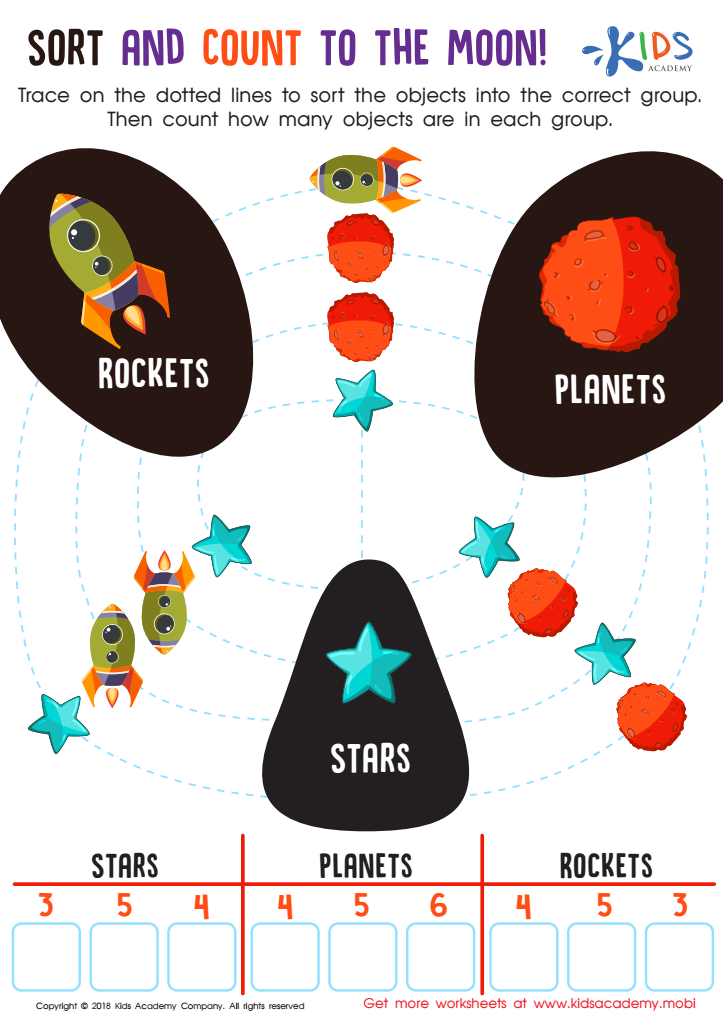
Sort and Count to the Moon Worksheet
 Assign to My Students
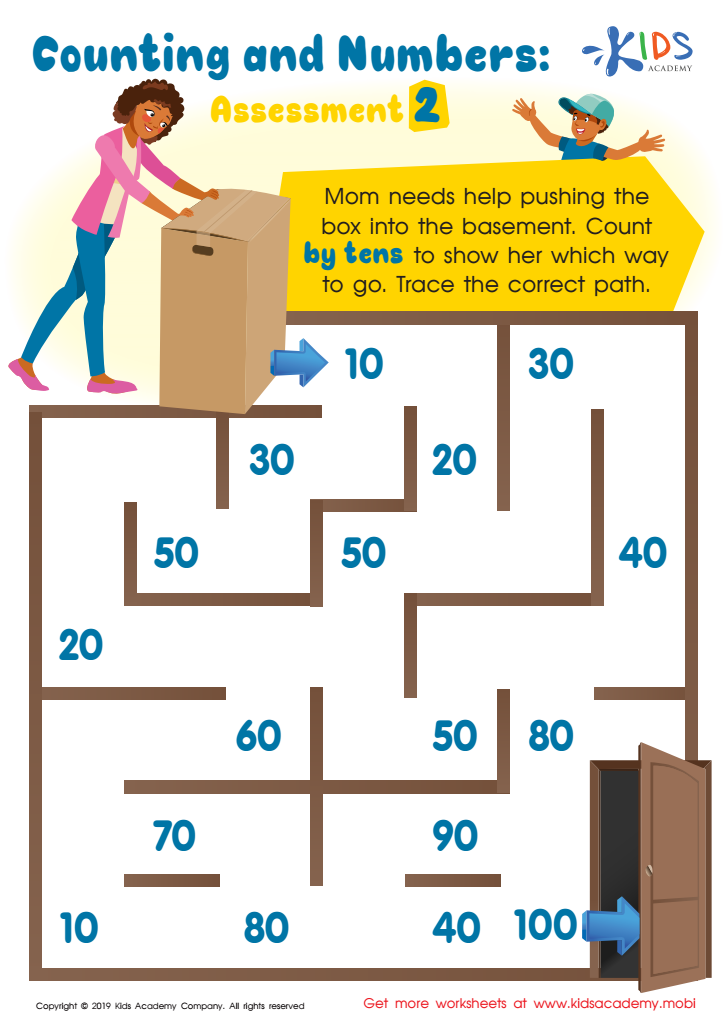
Counting and Numbers: Assessment 2 Worksheet
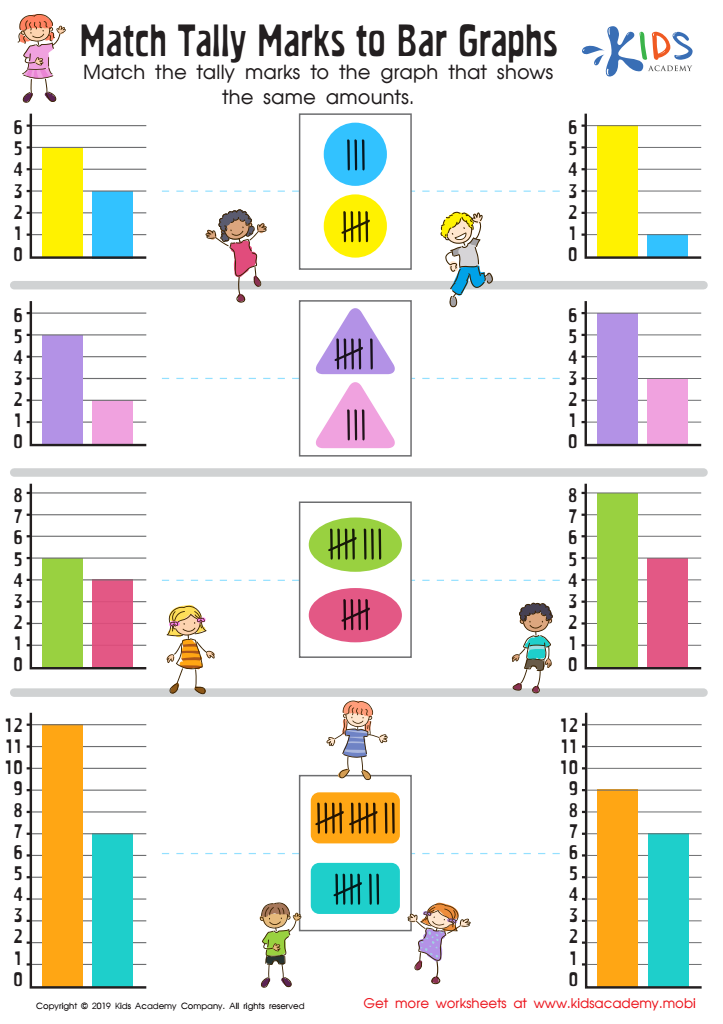
Match Tally Marks to Bar Graphs Worksheet




.jpg)



Recognizing patterns in numbers is a crucial foundational skill for children aged 4-8, significantly impacting their overall mathematical understanding. Parents and teachers should prioritize this skill for several reasons. First, recognizing patterns enhances critical thinking and problem-solving abilities, as children learn to identify sequences and relationships. This foundational skill helps them make predictions and develop logical reasoning.
Second, recognizing numerical patterns underpins many mathematical concepts, including addition, subtraction, and multiplication. For instance, patterns in skip counting (like counting by twos, threes, etc.) fosters a deeper understanding of number relationships, which are essential for future math success. Engaging children in pattern recognition cultivates their ability to think abstractly and make connections across different areas of math and science.
Moreover, pattern recognition is linked to literacy skills, as children learn to identify rhythms and sequences in language. Finally, the fun and engaging activities associated with recognizing patterns promote a love for learning, encouraging collaboration and communication among peers.
By fostering this early skill, parents and teachers lay the groundwork for academic achievement, instill confidence in children's abilities, and support their growth into capable, prepared learners as they progress through their education. In essence, recognizing patterns nurtures essential cognitive skills for lifelong learning.








