Basic Addition Math Worksheets for Ages 4-8 - Page 2
71 filtered results
-
From - To
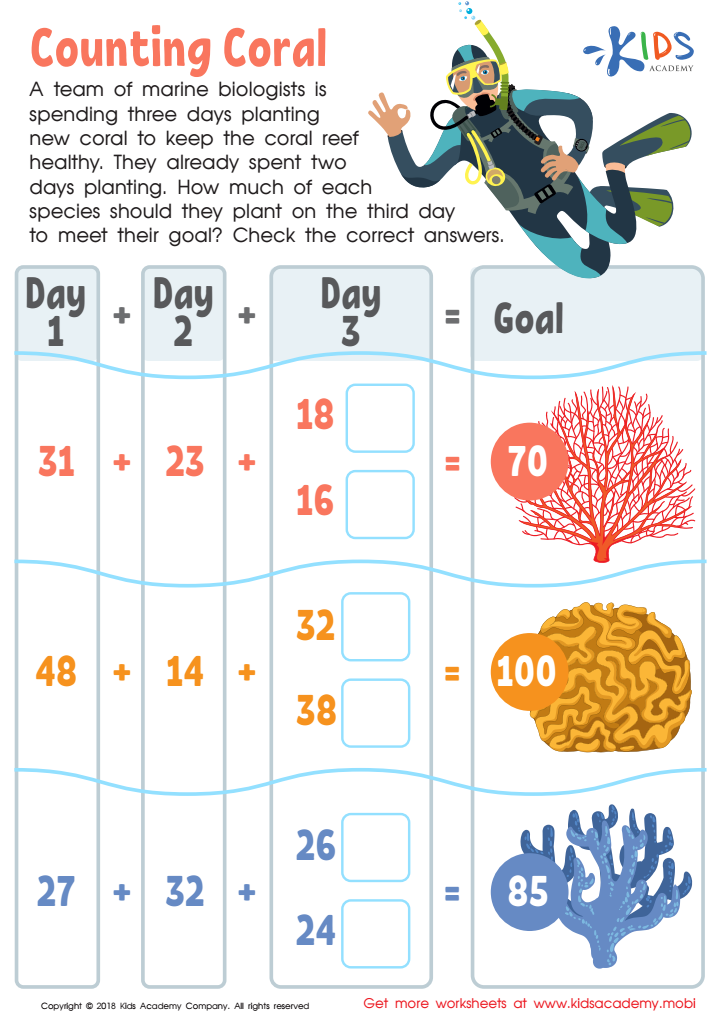
Counting Coral Worksheet
 Assign to My Students

Count the Deer Worksheet
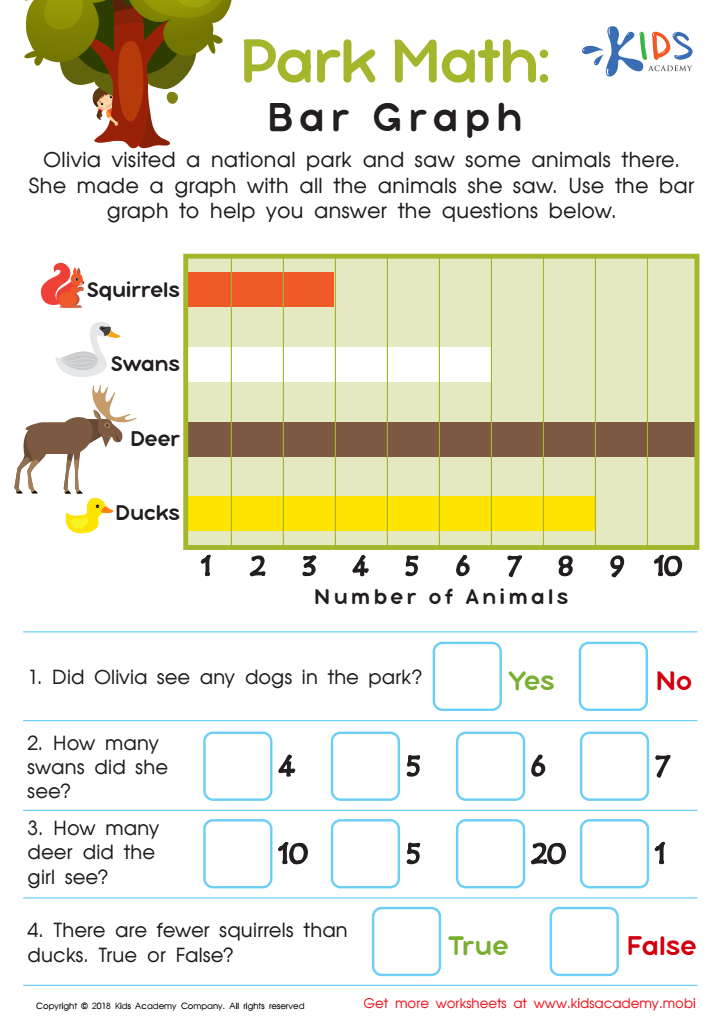
Park Math: Bar Graph Worksheet
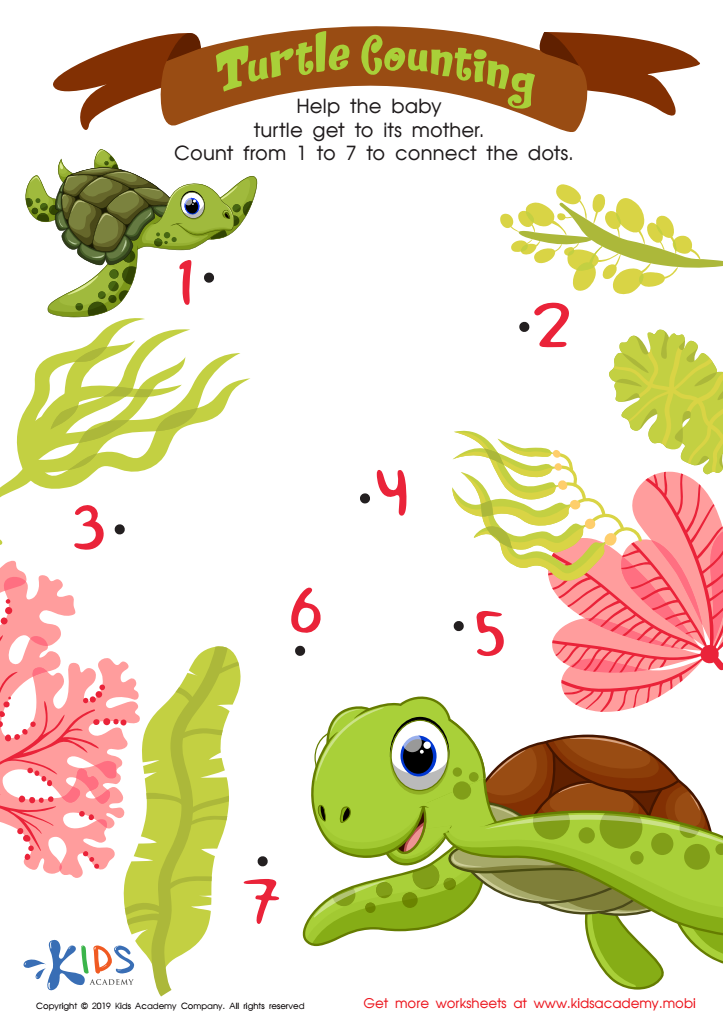
Turtle Counting Worksheet
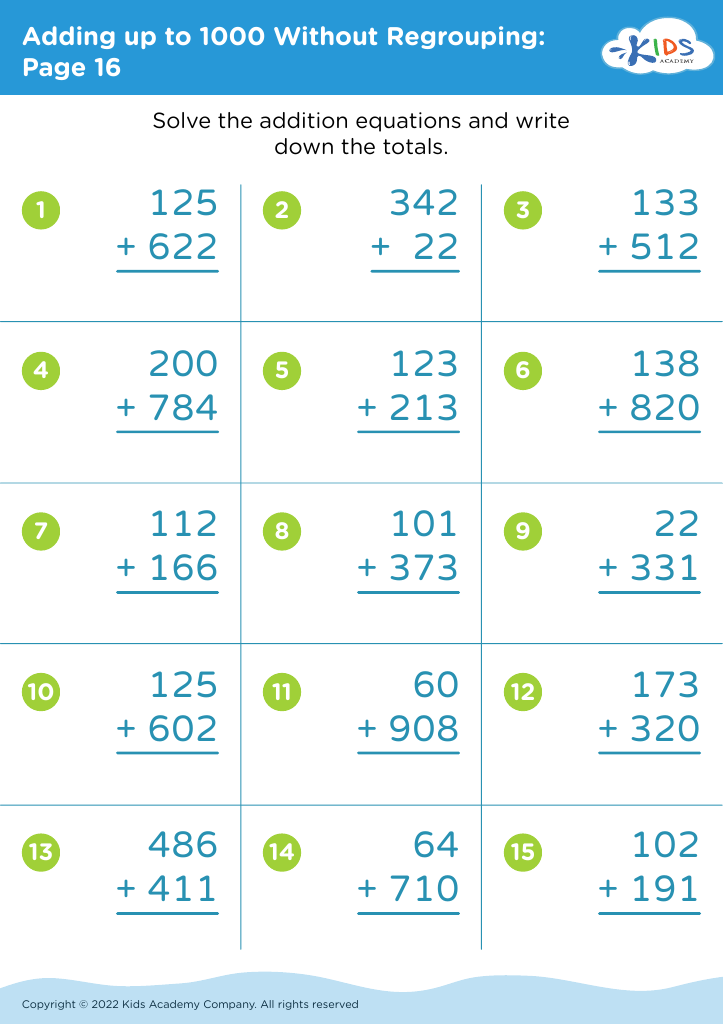
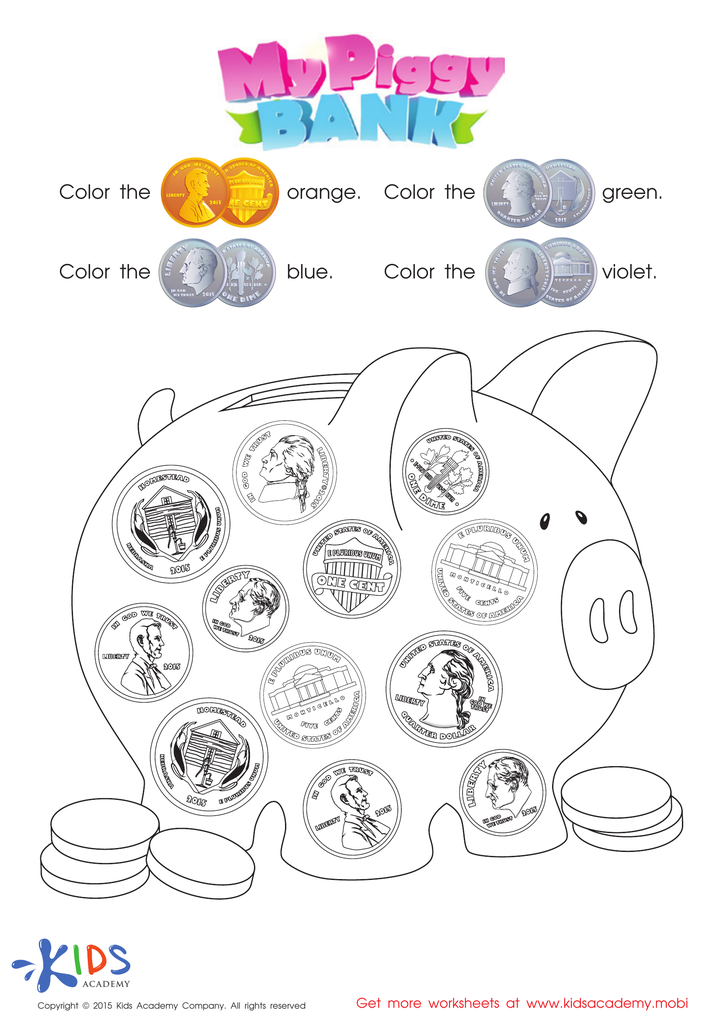
Recognizing Money Money Worksheet
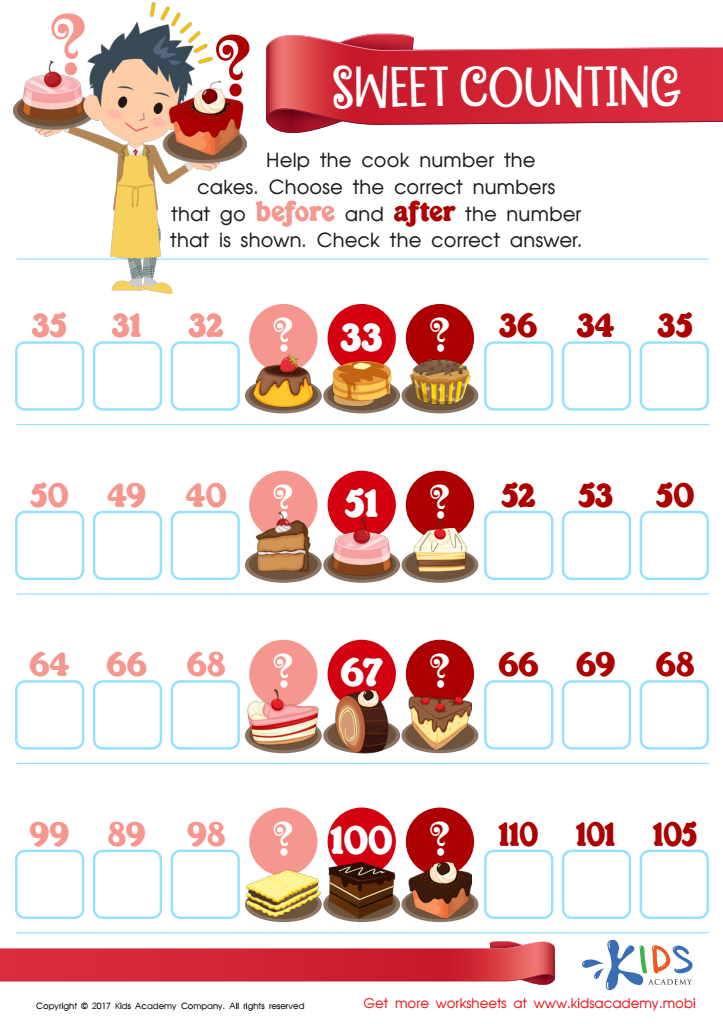
Sweet Counting - Part 1 Worksheet
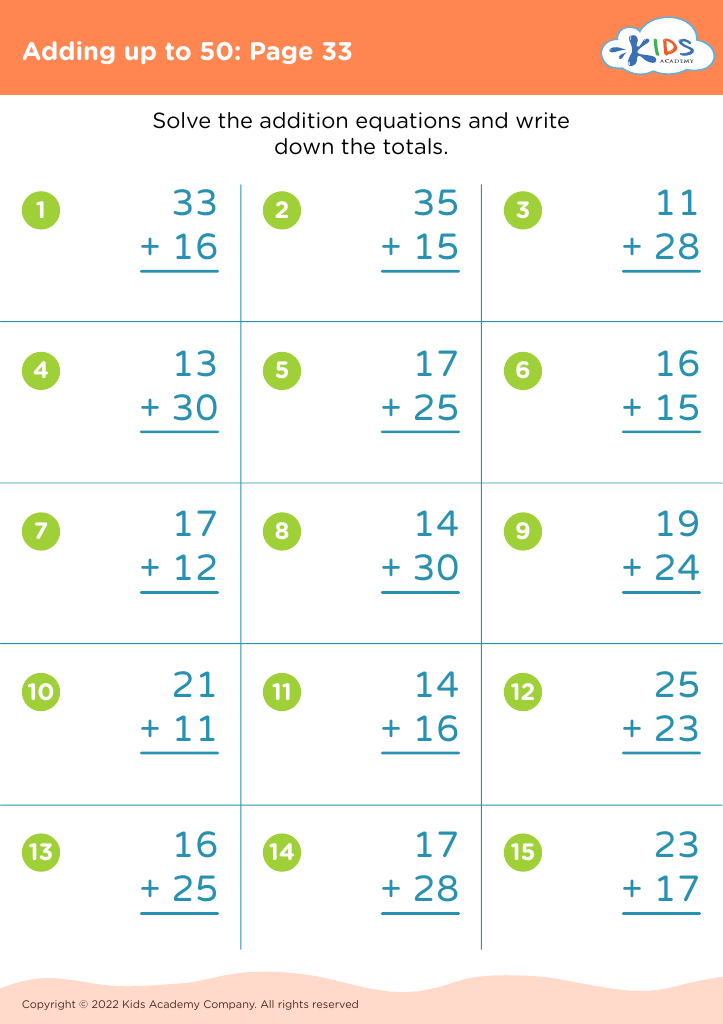
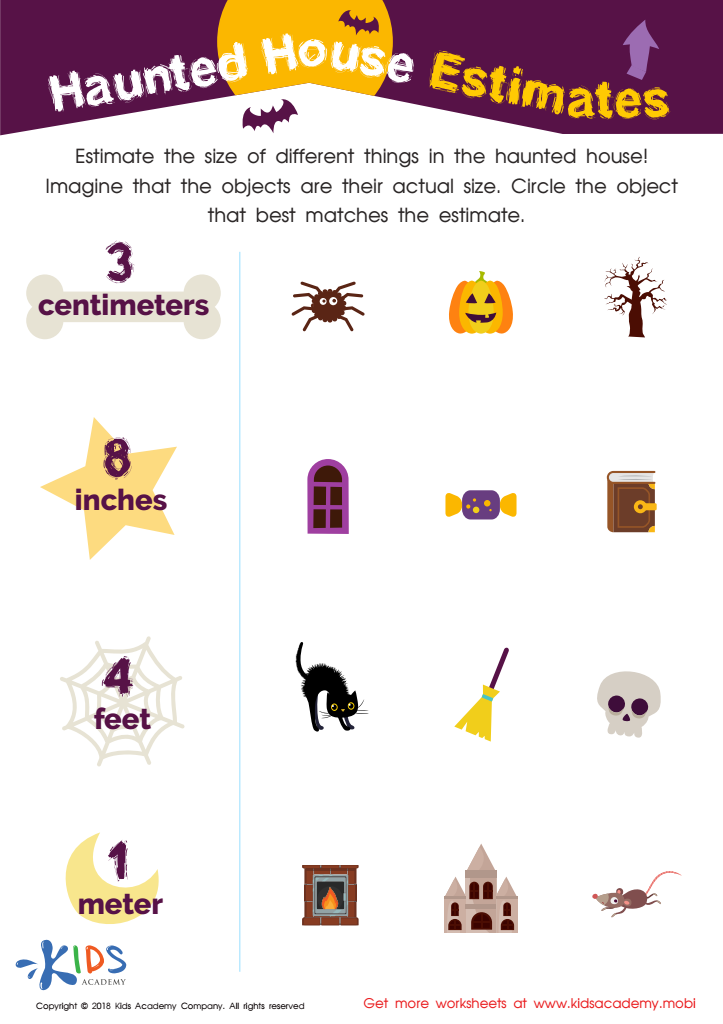
Haunted House Estimates Worksheet
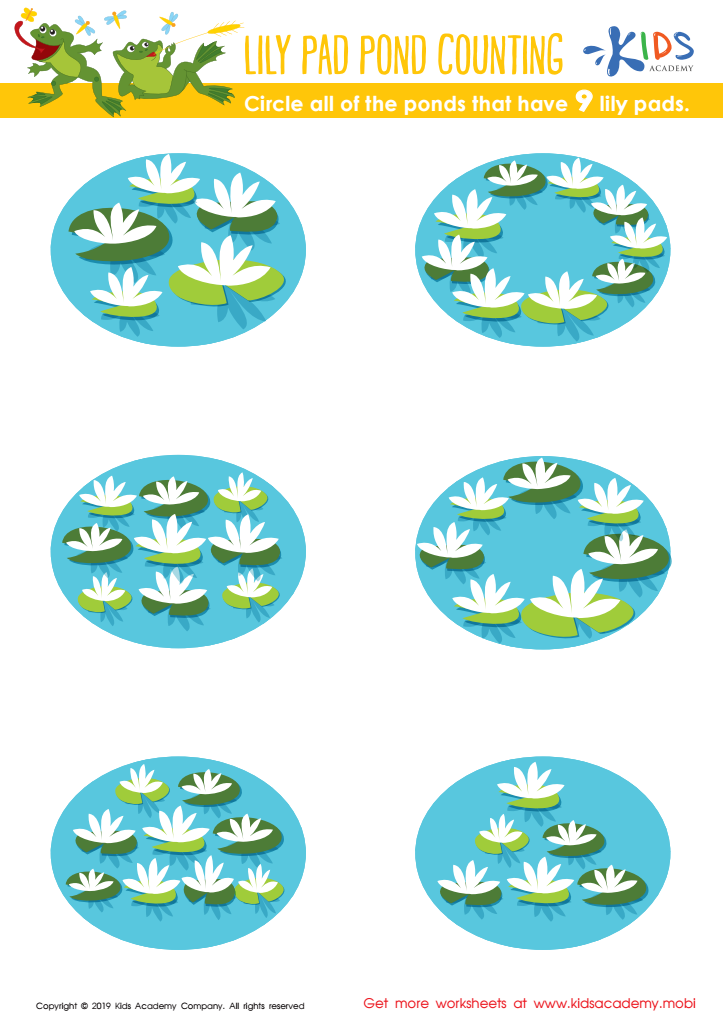
Lily Pad Pond Counting Worksheet
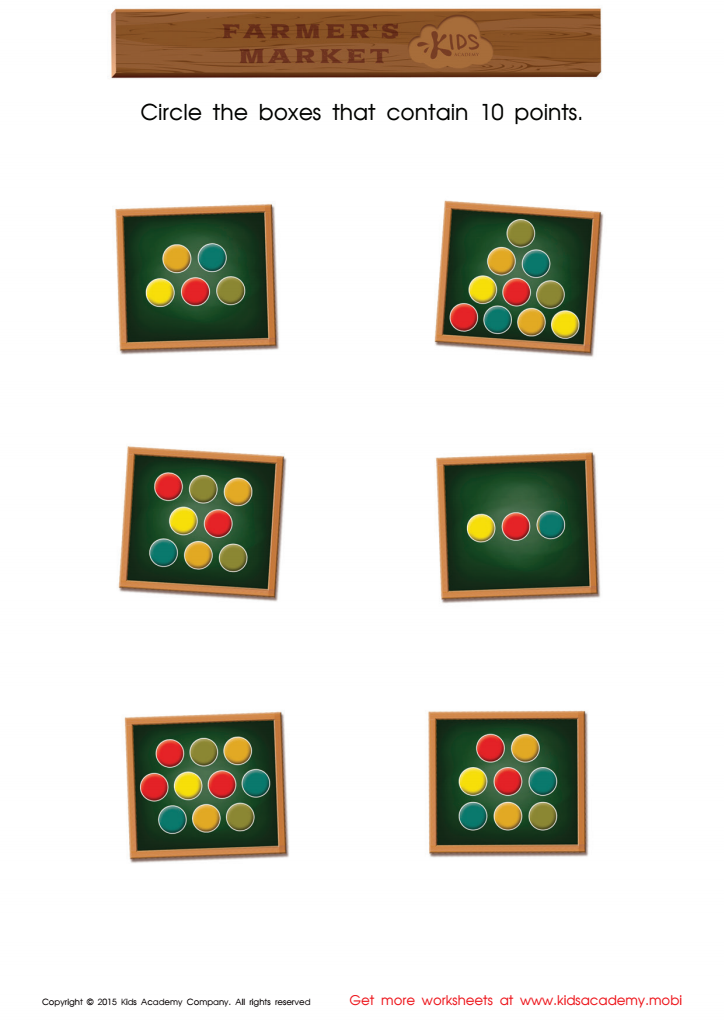
Count and Match Points 10 Math Worksheet
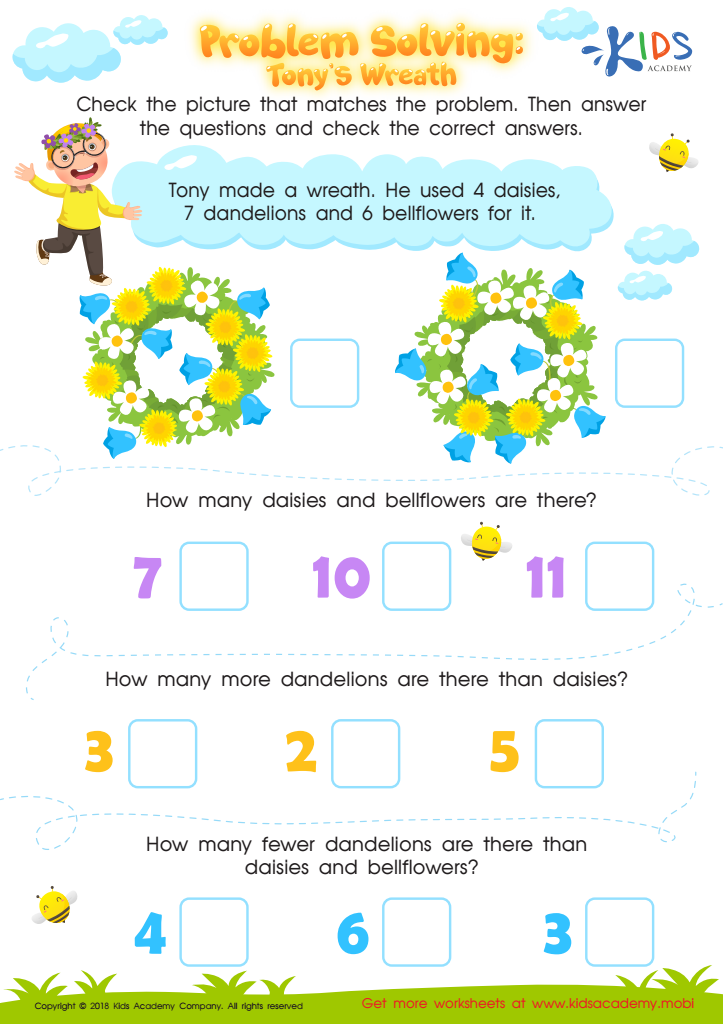
Problem Solving: Tony's Wreath Worksheet
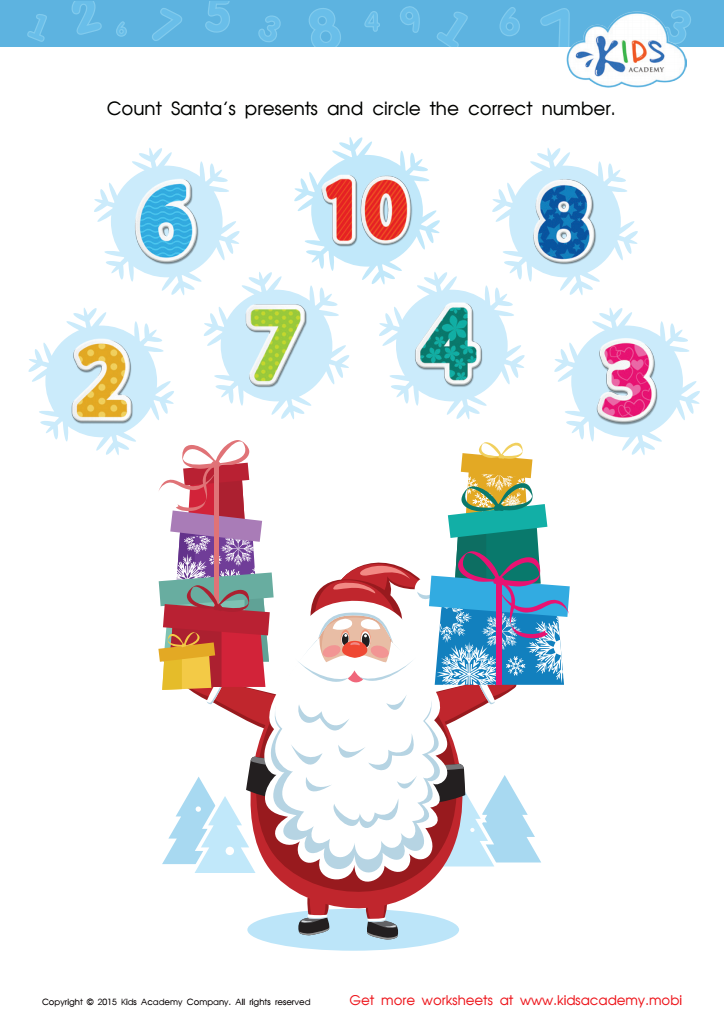
Count Santa's Presents Worksheet
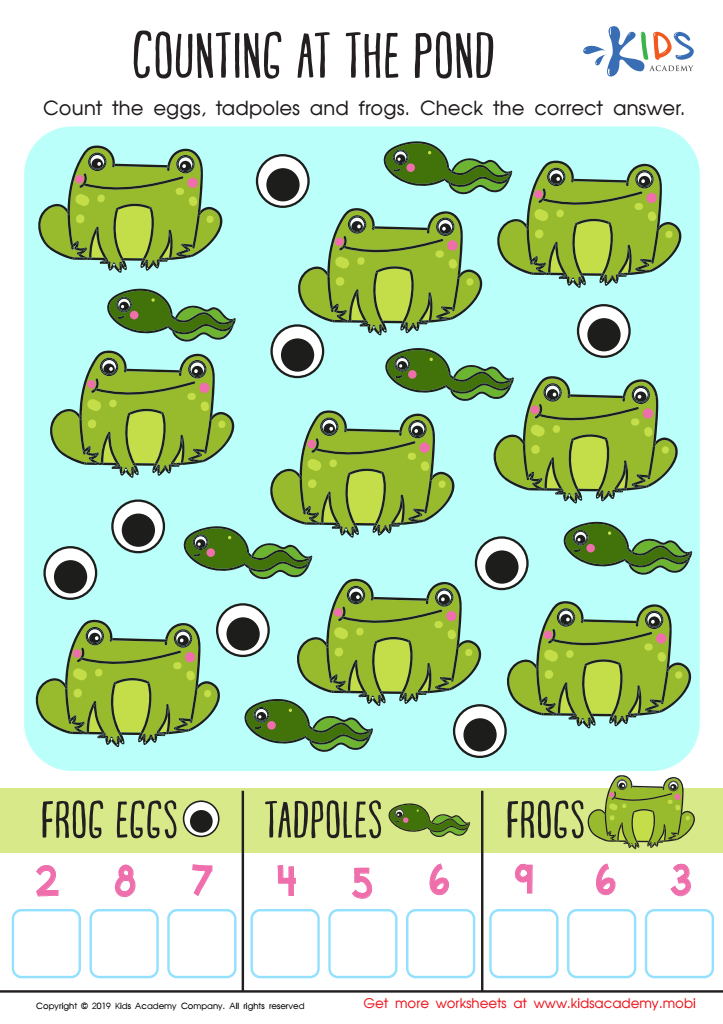
Counting at the Pond Worksheet
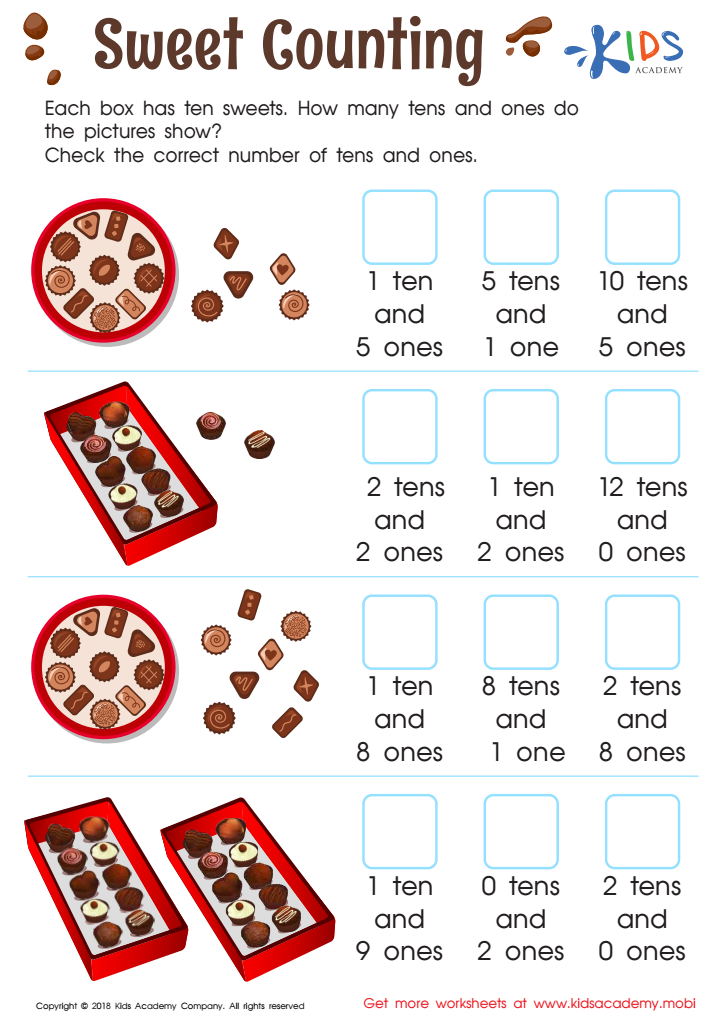
Sweet Counting - Part 2 Worksheet
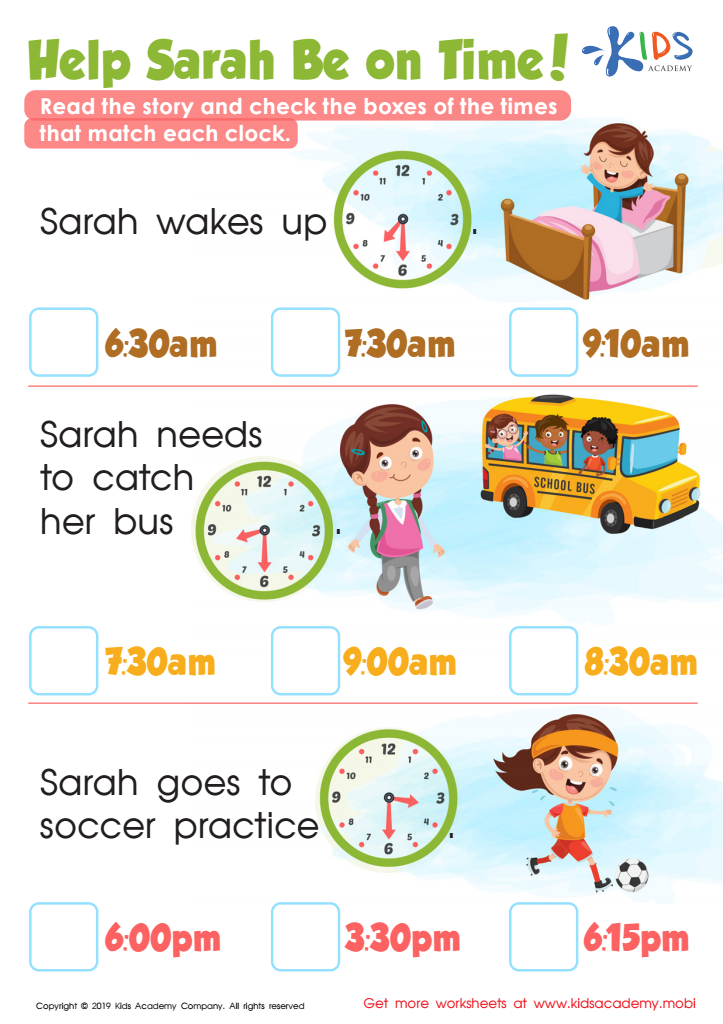
Help Sarah Be on Time! Worksheet
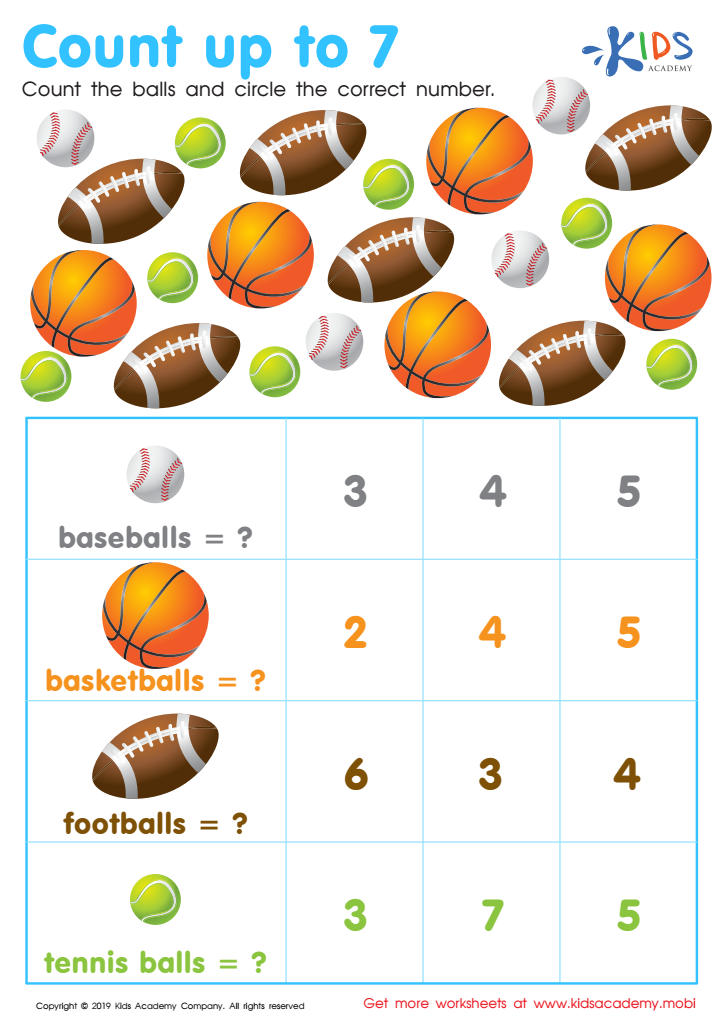
Count up to 7 Worksheet
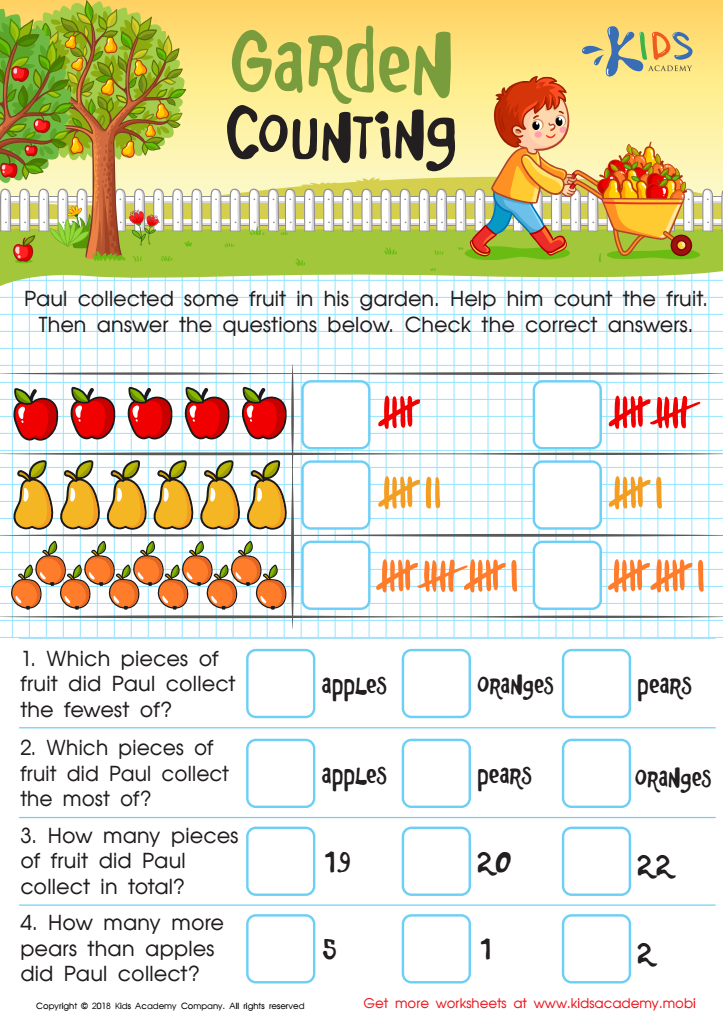
Garden Counting Worksheet
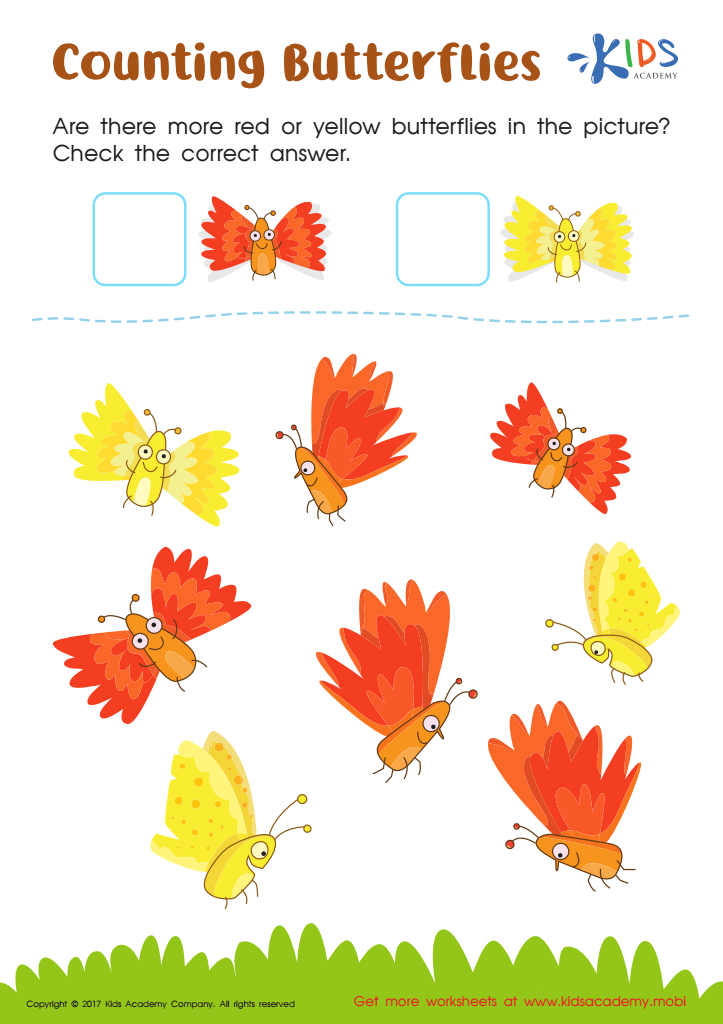
Counting Butterflies Worksheet
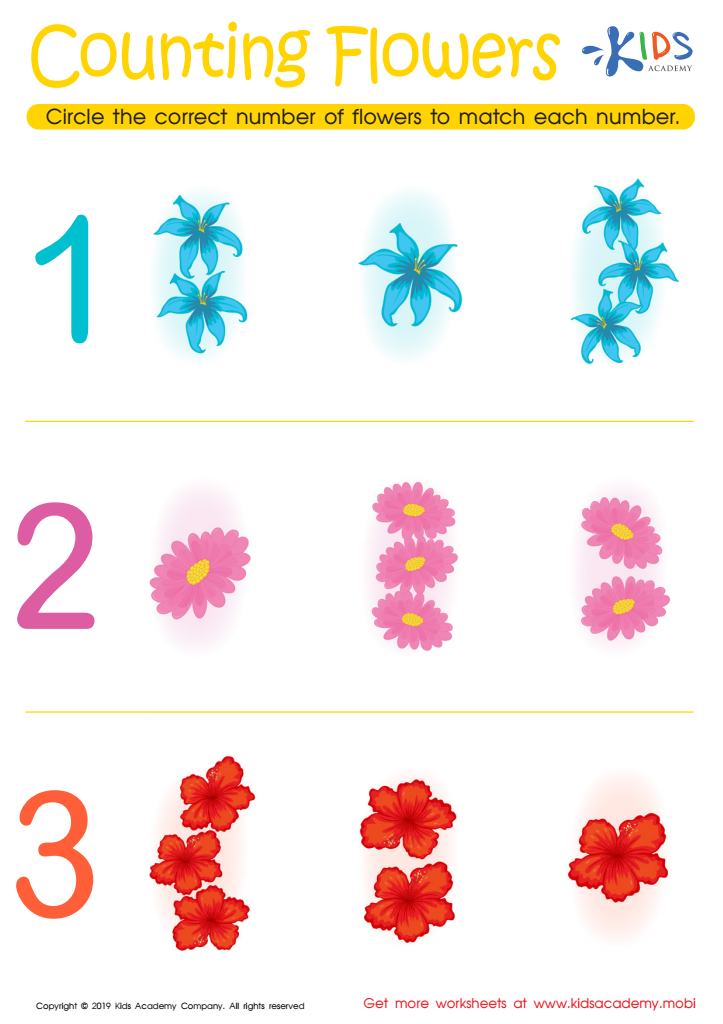
Counting Flowers Worksheet



%20(1).jpg)



Basic addition is a fundamental skill that lays the groundwork for a child's mathematical understanding and overall academic success. For children aged 4-8, mastering this concept offers numerous developmental benefits. First, basic addition fosters critical thinking and problem-solving abilities. Children learn to recognize patterns, make connections, and develop logical reasoning when they add numbers.
Moreover, early math skills are closely tied to reading readiness and cognitive development. Engaging with math concepts can enhance a child's confidence and motivate them to explore more complex ideas as they progress in school.
Additionally, basic addition has practical applications in everyday life. Teaching children how to add helps them understand simple concepts related to money, time, and measurements, making math relevant and useful beyond the classroom.
Parents and teachers play a crucial role in this learning process. By providing a solid foundation in basic addition, they enable children to build on their skills throughout their educational journey. This investment in early math education not only enhances academic performance but also nurtures a lifelong love for learning. Hence, prioritizing basic addition in early childhood contexts is essential for both immediate success and long-term educational outcomes.








