Basic math application Math Worksheets for Ages 4-8
5 filtered results
-
From - To
Unlock your child's math potential with our Basic Math Application Worksheets for ages 4-8! Designed to enhance essential math skills, these interactive worksheets cover fundamental concepts such as counting, addition, and subtraction through engaging activities. Kids will enjoy colorful illustrations and fun exercises that make learning enjoyable and effective. Our resources cater to different learning paces, helping young learners build confidence in their math abilities. Perfect for use at home or in the classroom, these worksheets provide a solid foundation and encourage a love for mathematics. Explore the joy of math with our thoughtfully crafted worksheets today!
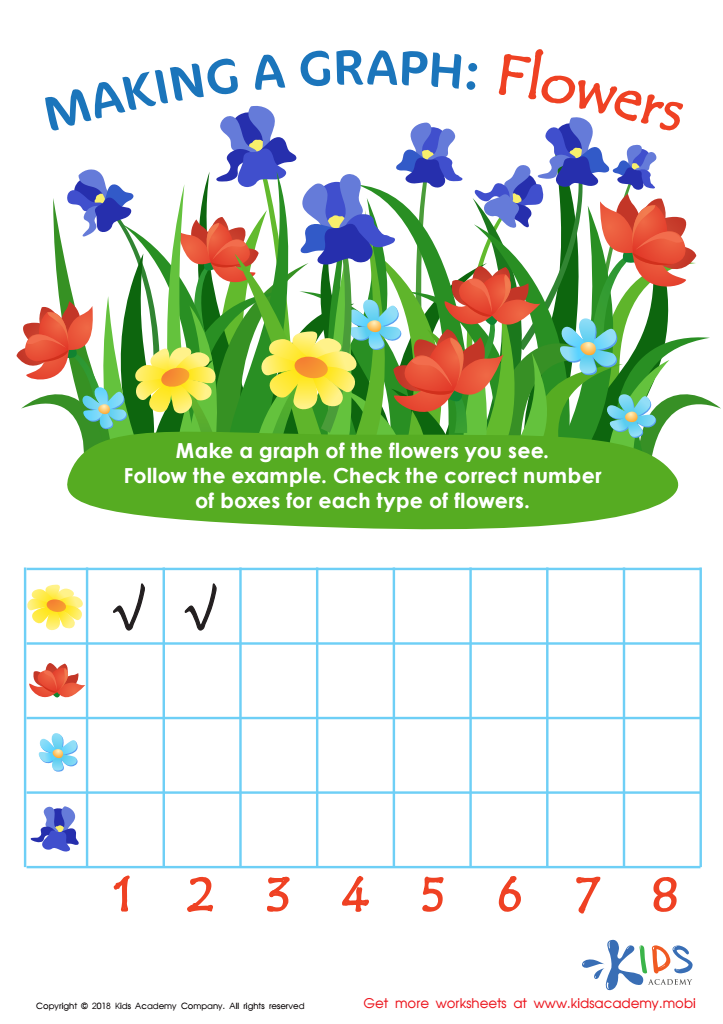
Making a Graph: Flowers Worksheet
 Assign to My Students
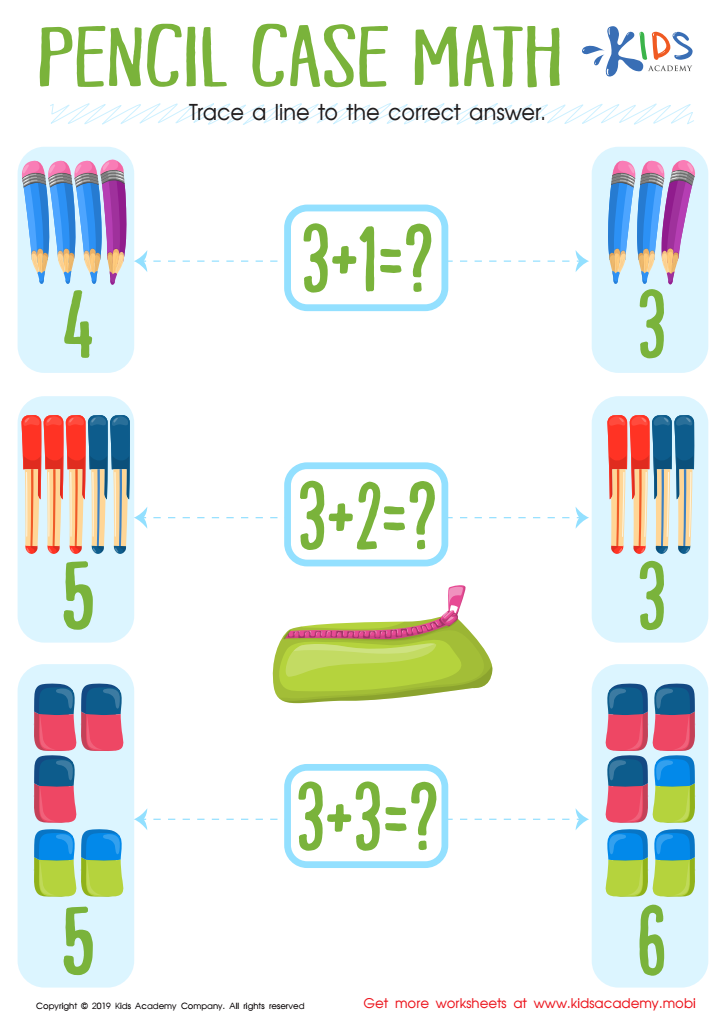
Pencil Case Math Worksheet
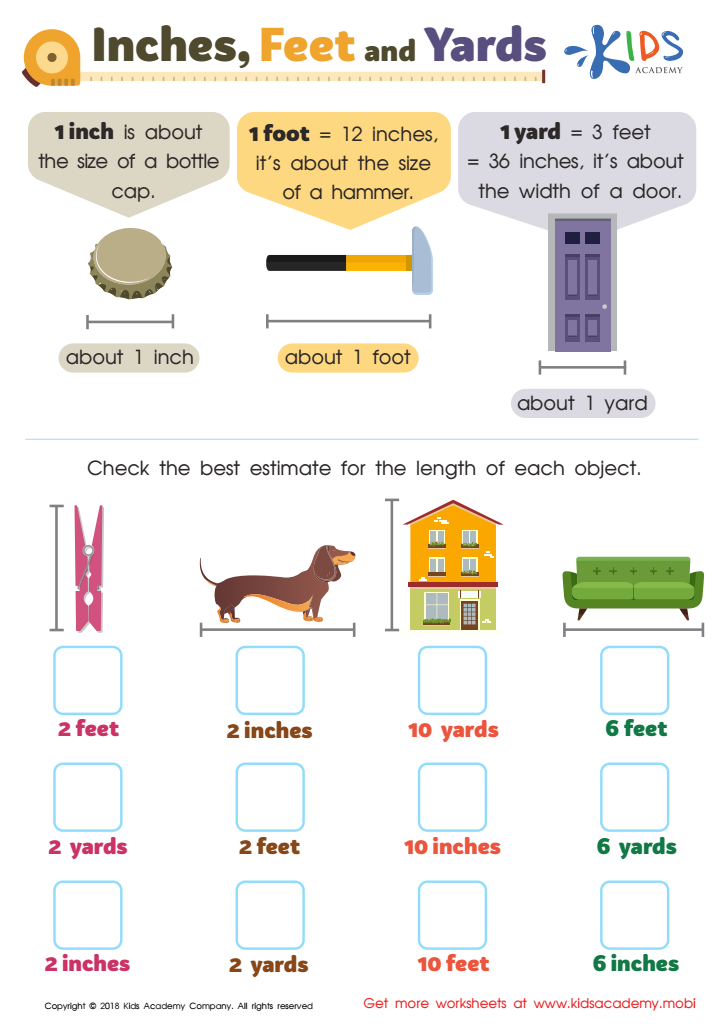
Inches, Feet and Yards Worksheet
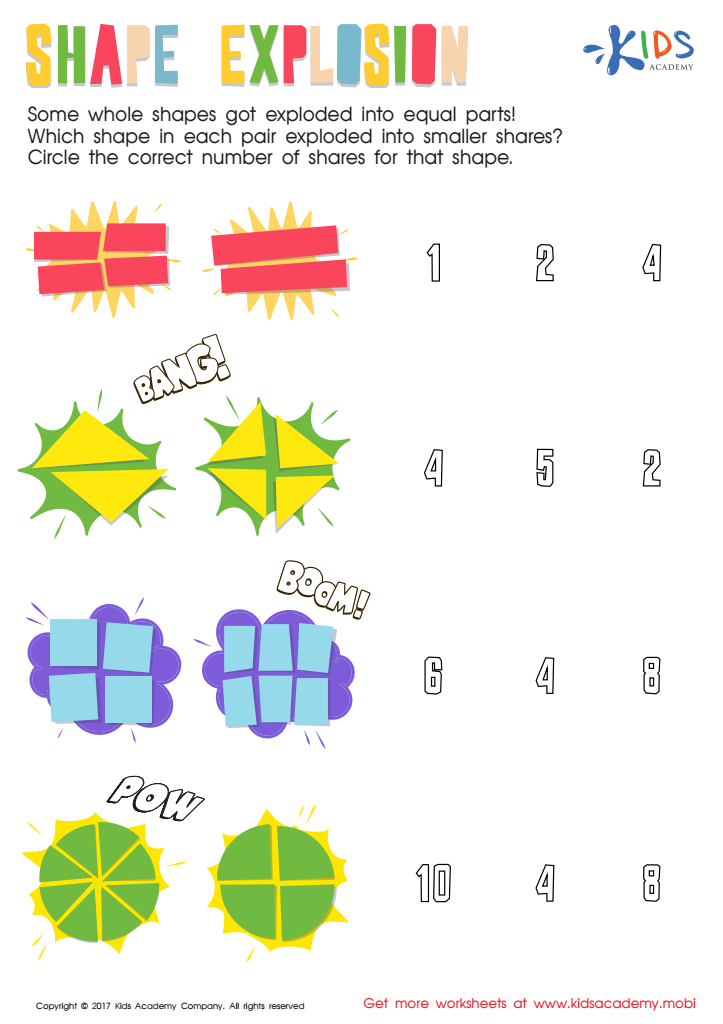
Shape Explosion Worksheet
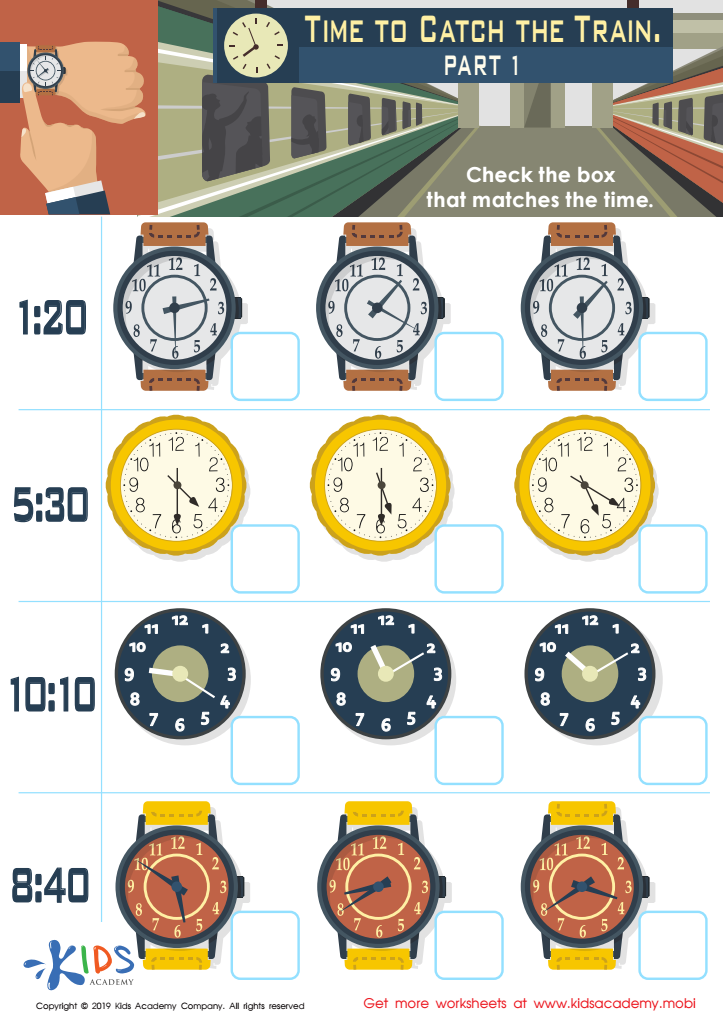
Time to Catch the Train Part 1 Worksheet








Parents and teachers should prioritize basic math applications for children aged 4-8 as these foundational skills are crucial for future academic success and everyday life. At this age, children are not only learning to count but also beginning to understand the concepts of addition, subtraction, measurement, and spatial awareness. Developing numeracy skills early enhances critical thinking and problem-solving abilities, which are essential for navigating an increasingly complex world.
Moreover, learning math in interactive and engaging ways fosters a positive attitude towards the subject, transforming it from a potentially intimidating challenge into an enjoyable experience. When children apply math in real-world contexts—like counting objects, measuring ingredients for recipes, or recognizing patterns—they see its relevance, helping them connect mathematical concepts to their daily lives. This practical approach builds confidence and encourages a lifelong love of learning.
Additionally, early math skills are linked to later academic achievements; children who grasp these concepts in their formative years are more likely to excel in higher-grade mathematics. By actively supporting and promoting math applications at this critical age, parents and teachers empower children, setting a strong trajectory for their educational journey, instilling essential skills, and preparing them for future challenges.








