Color differentiation Math Worksheets for Ages 4-8
6 filtered results
-
From - To
Enhance your child's learning experience with our engaging Color Differentiation Math Worksheets, specifically designed for ages 4-8. These worksheets introduce young learners to the fundamental concepts of colors while incorporating essential math skills. With a variety of fun activities, children will enjoy sorting, identifying, and classifying colors, all while practicing counting, matching, and problem-solving. Ideal for at-home learning or classroom use, our worksheets promote creativity and critical thinking. Give your child a head start in their educational journey through entertaining and effective color differentiation exercises. Explore our collection now to inspire a love for learning in mathematics!
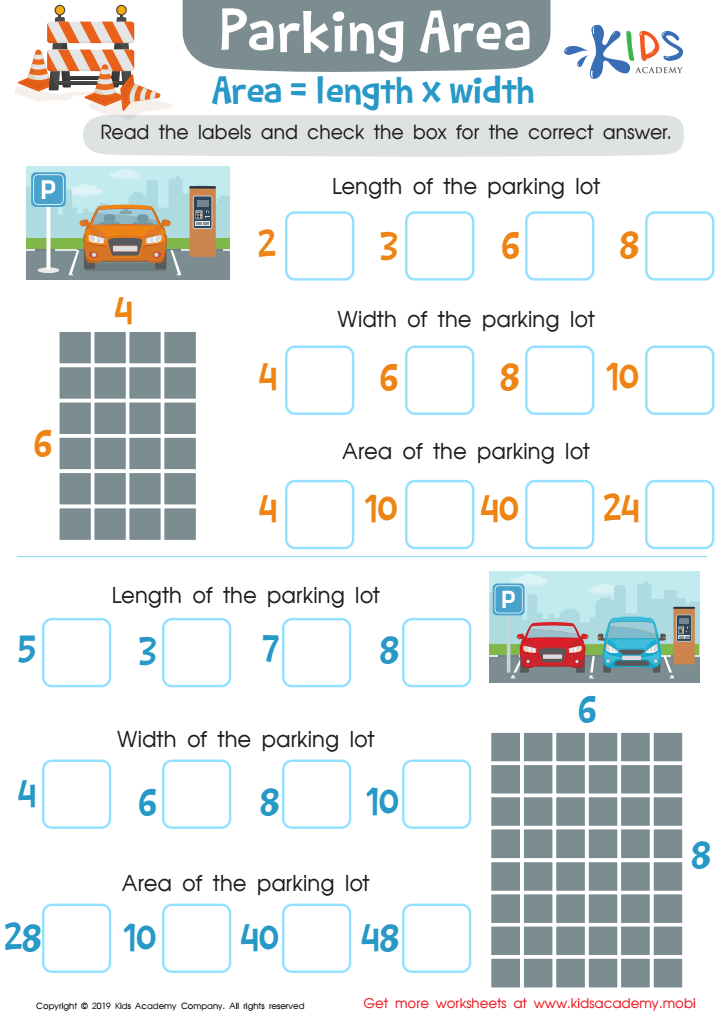
Parking Area Worksheet
 Assign to My Students
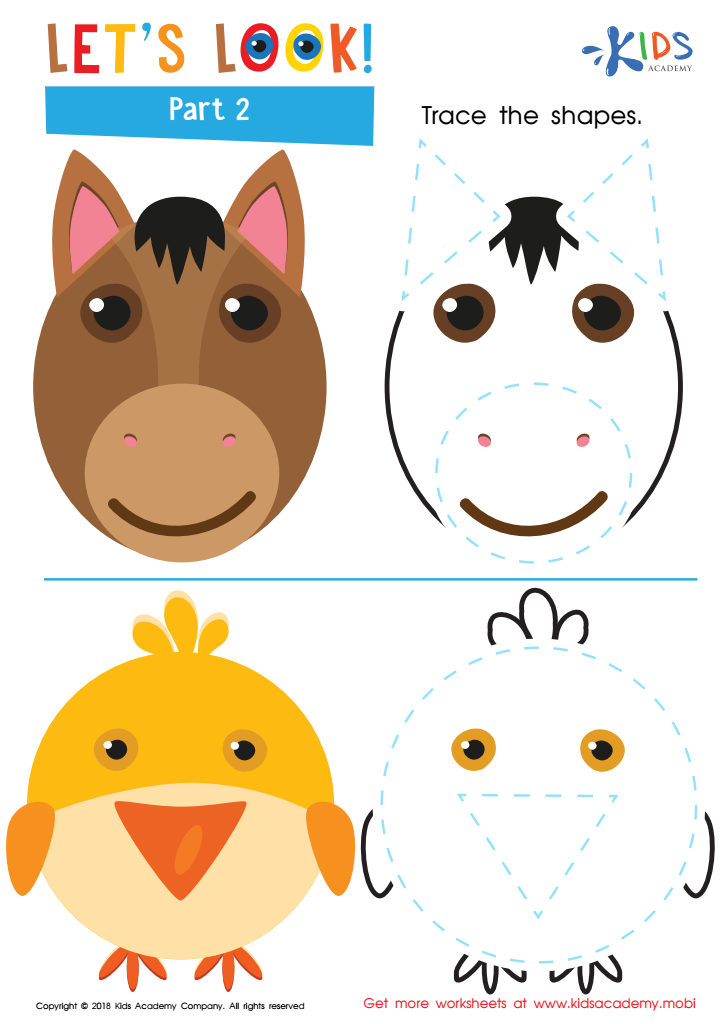
Let's Look! Part 2 Worksheet
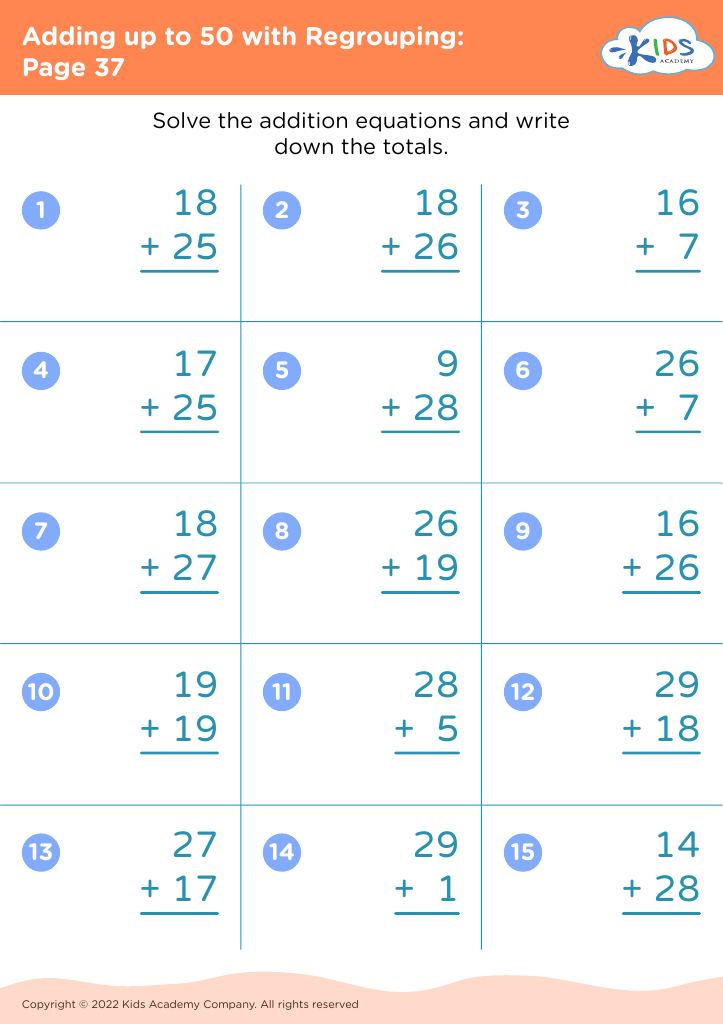
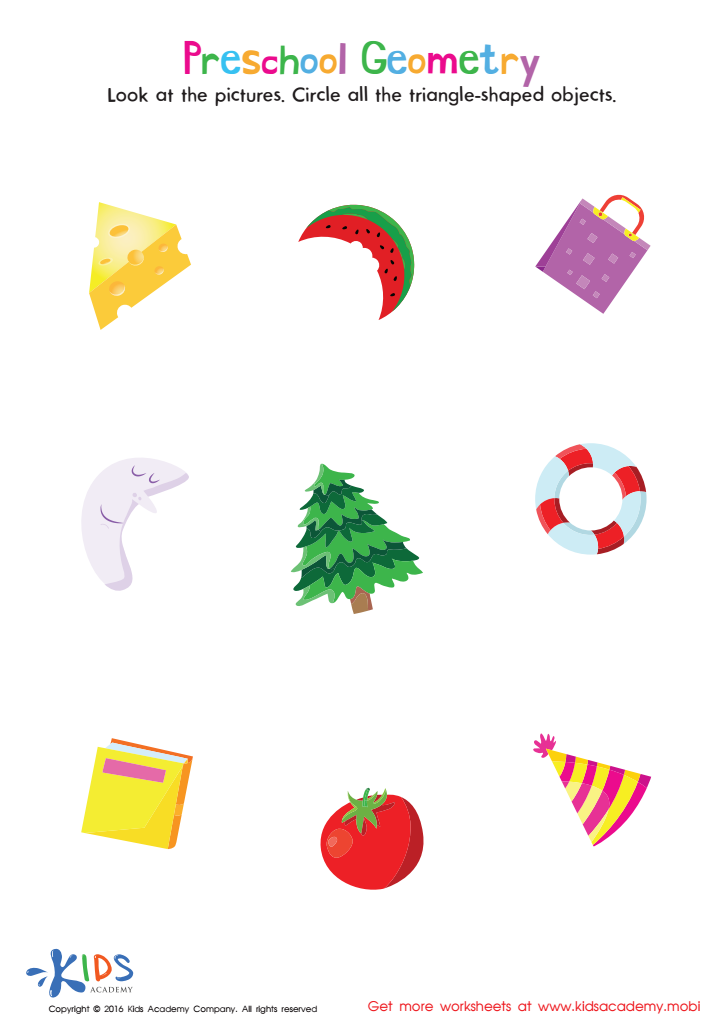
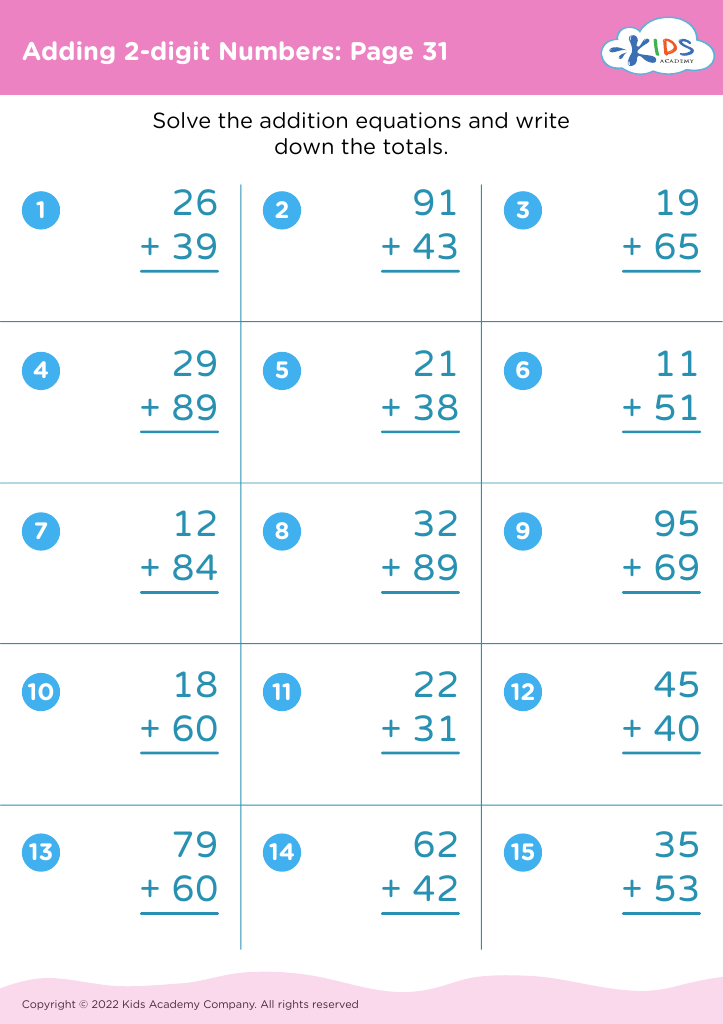
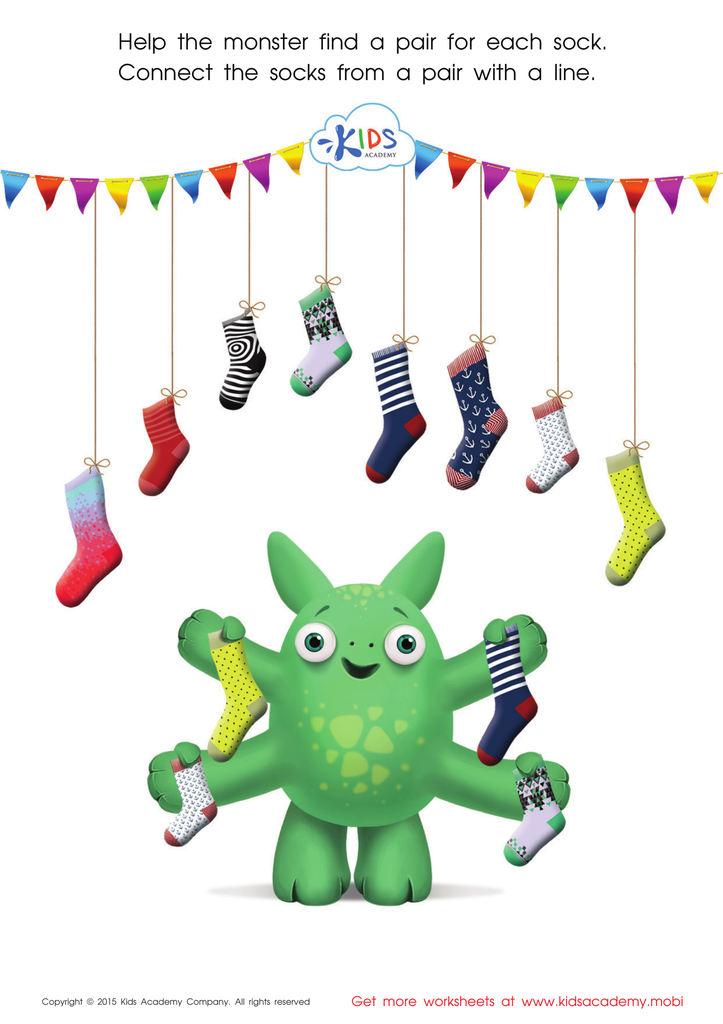
Math Matching Pairs Game: Monsterв's Socks Worksheet








Color differentiation in math for children aged 4-8 is crucial for several reasons. Firstly, it enhances engagement. Young learners are naturally drawn to vibrant colors, making math activities more inviting and fun. This appeal can help reduce anxiety around math, fostering a love for learning.
Secondly, color coding aids in the cognitive process of categorization. By associating colors with different mathematical concepts or operations—such as using red for subtraction and blue for addition—children can better understand and differentiate the various functions they will encounter. This visualization supports memory retention and helps solidify foundational concepts.
Moreover, using colors can boost spatial awareness and patterns recognition, essential skills in mathematics. Teaching students to recognize patterns through color cues can prepare them for more complex mathematical ideas as they progress.
Finally, incorporating color differentiation promotes inclusivity in the classroom. It allows children with varying learning styles or those who might struggle with traditional methods to find alternative approaches to understanding math concepts. By integrating color differentiation into math instruction, teachers and parents can create a more stimulating and effective learning environment, ultimately leading to greater success and confidence in young learners.








