Check out this FREE Trial Lesson on Math for age 4-8!

Cut Circles into Equal Parts

Favorites
With answer key
Interactive
  • 4-8
  • Comparing Fractions
  • Math
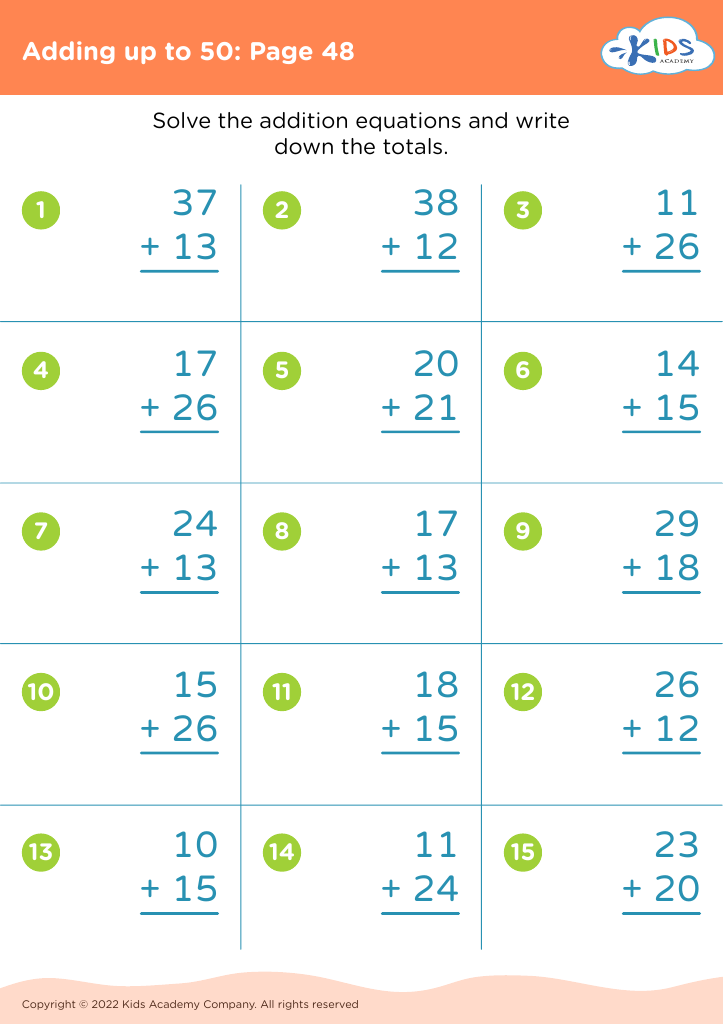
Adding up to 50: Page 48

Adding up to 50: Page 48

Adding up to 50: Page 48
Worksheet
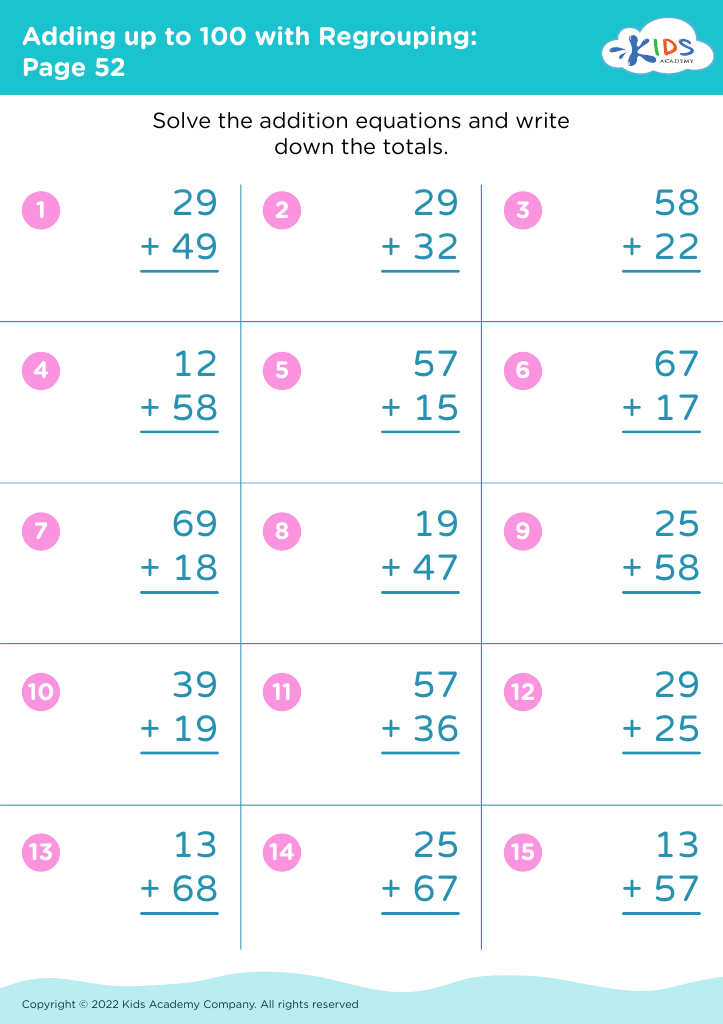
Adding up to 100 with Regrouping: Page 52
Worksheet
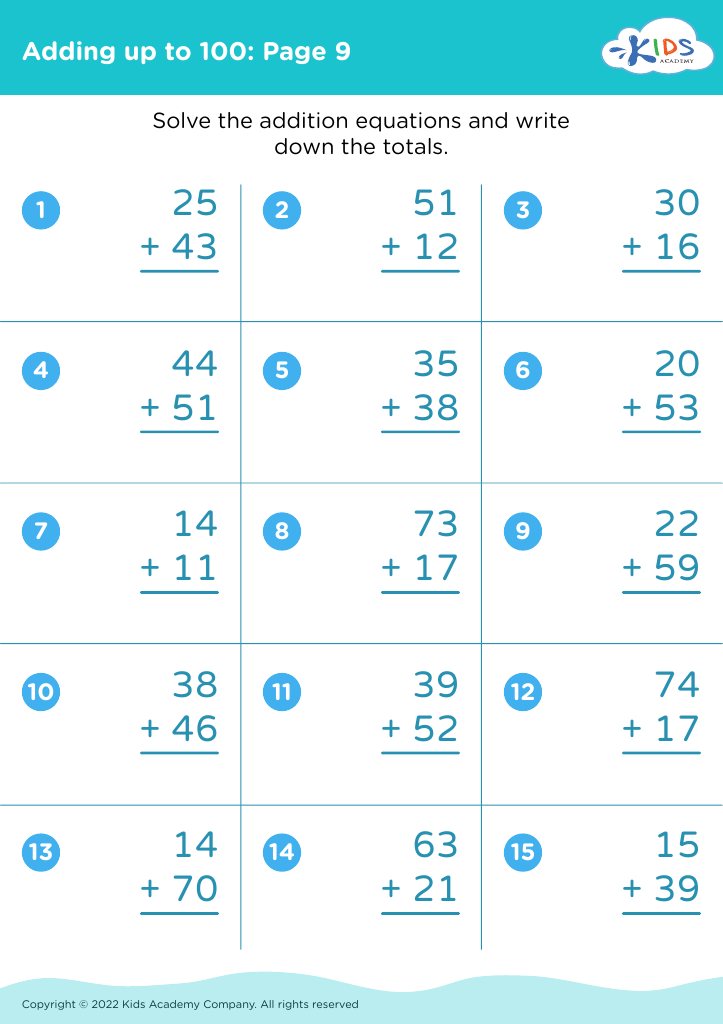
Adding up to 100: Page 9

Adding up to 100: Page 9

Adding up to 100: Page 9
Worksheet
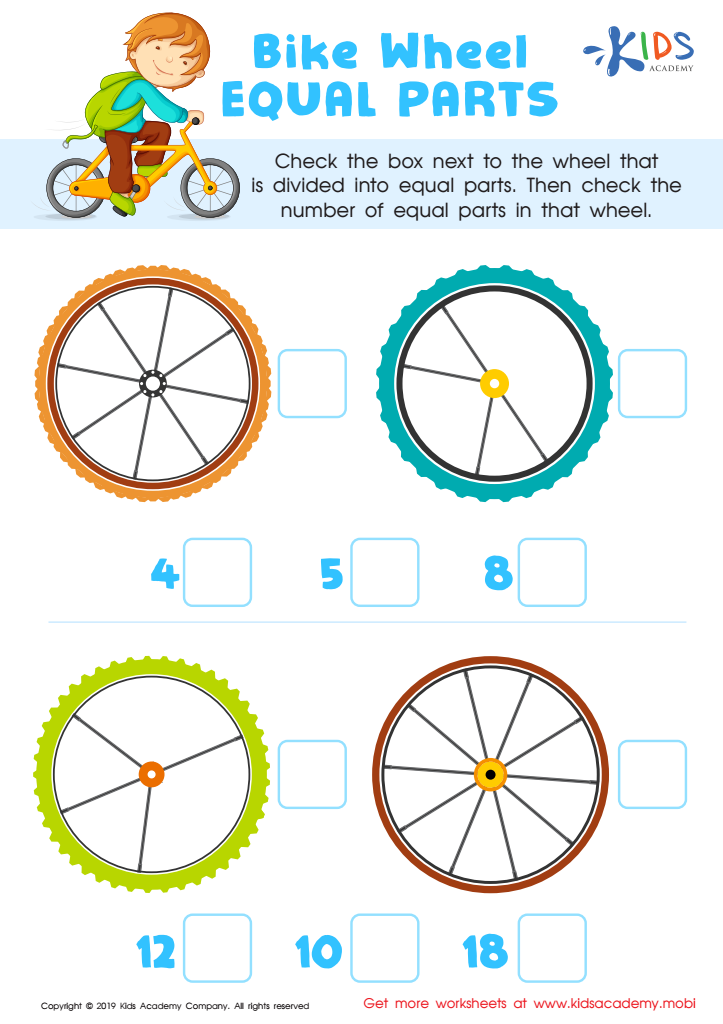
Bike Wheel Equal Parts Worksheet

Bike Wheel Equal Parts Worksheet

Help your kids have fun while they learn! Ask them to identify the object in the picture with four wheels. Guide them to count the spokes, then check the box on the wheel with equal parts. Lastly, check how many equal parts the wheel is divided into.
Bike Wheel Equal Parts Worksheet
Worksheet
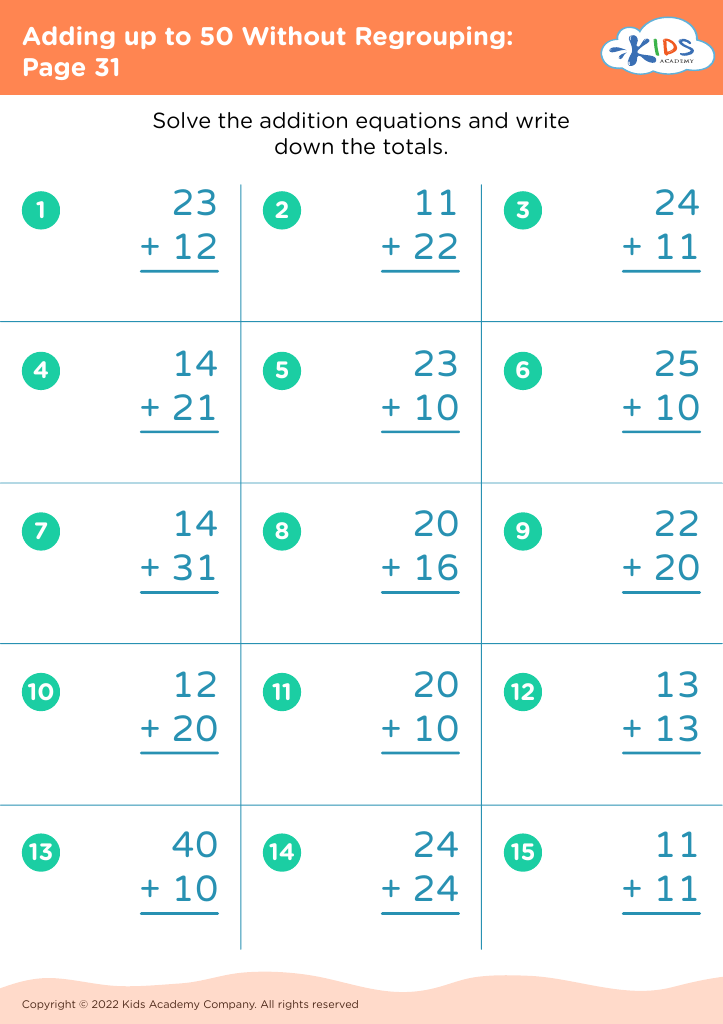
Adding up to 50 Without Regrouping: Page 31
Worksheet
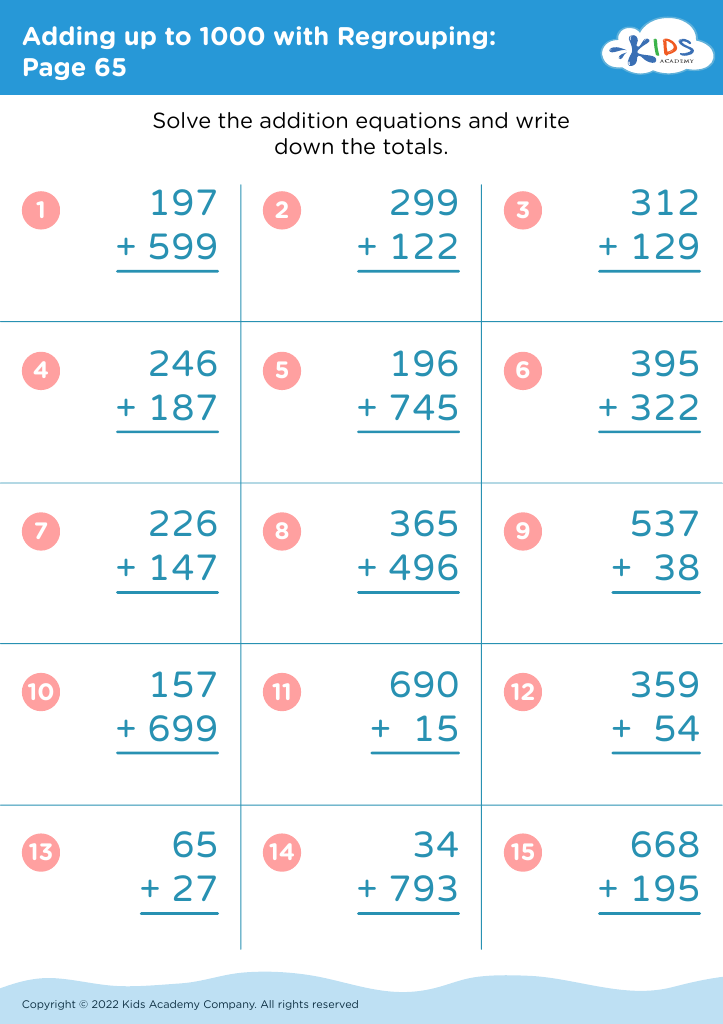
Adding up to 1000 with Regrouping: Page 65
Worksheet
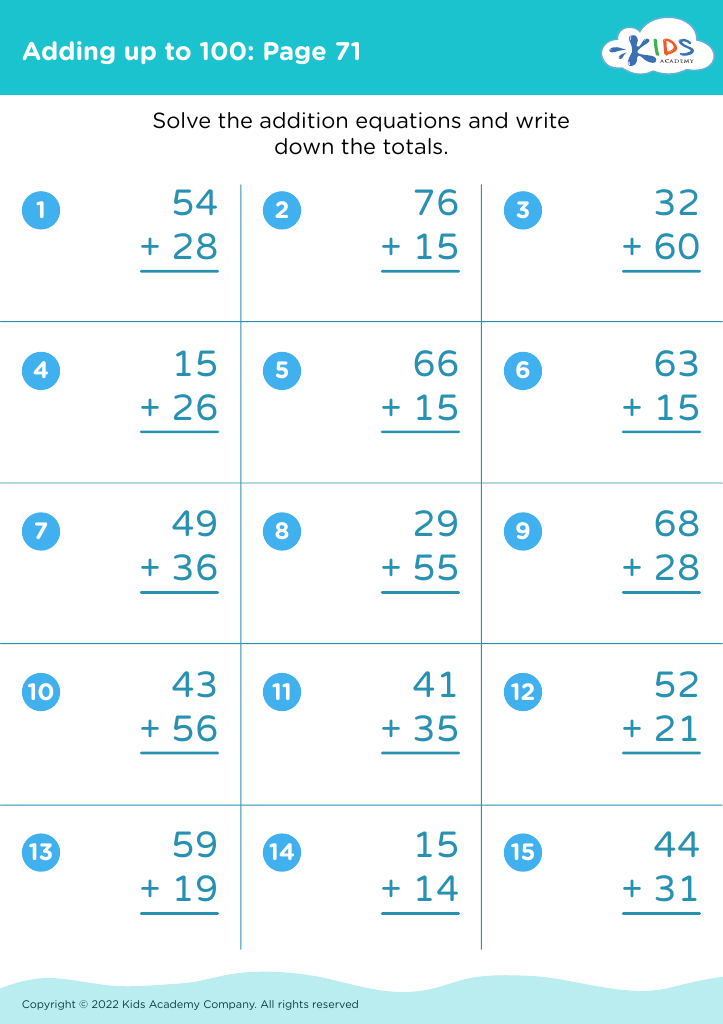
Adding up to 100: Page 71

Adding up to 100: Page 71

Adding up to 100: Page 71
Worksheet
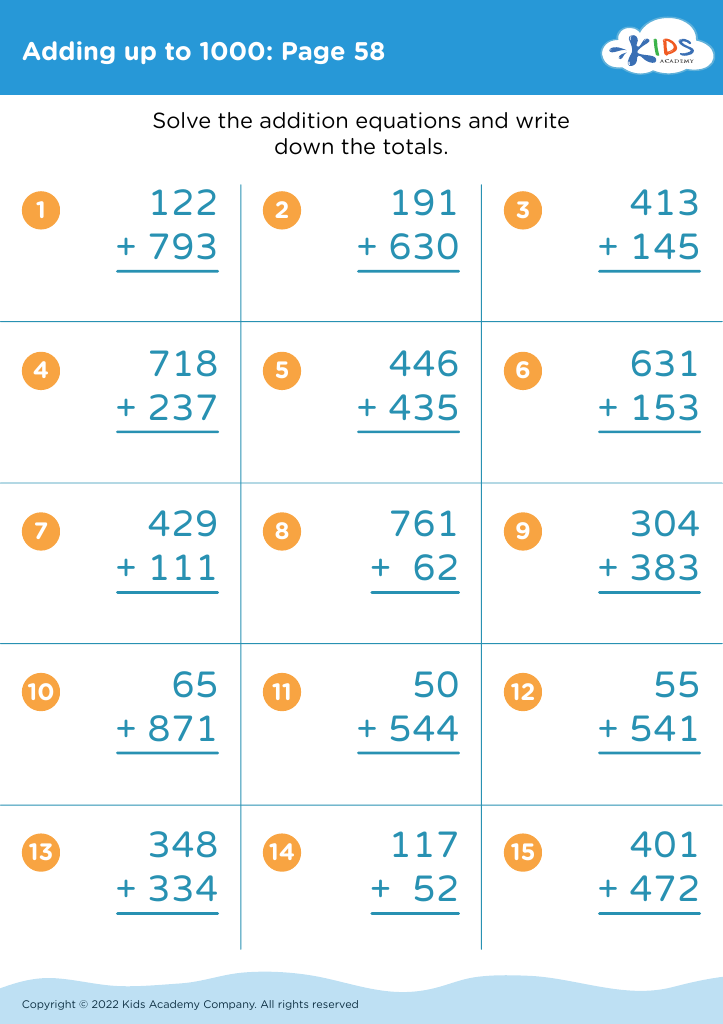
Adding up to 1000: Page 58

Adding up to 1000: Page 58

Adding up to 1000: Page 58
Worksheet
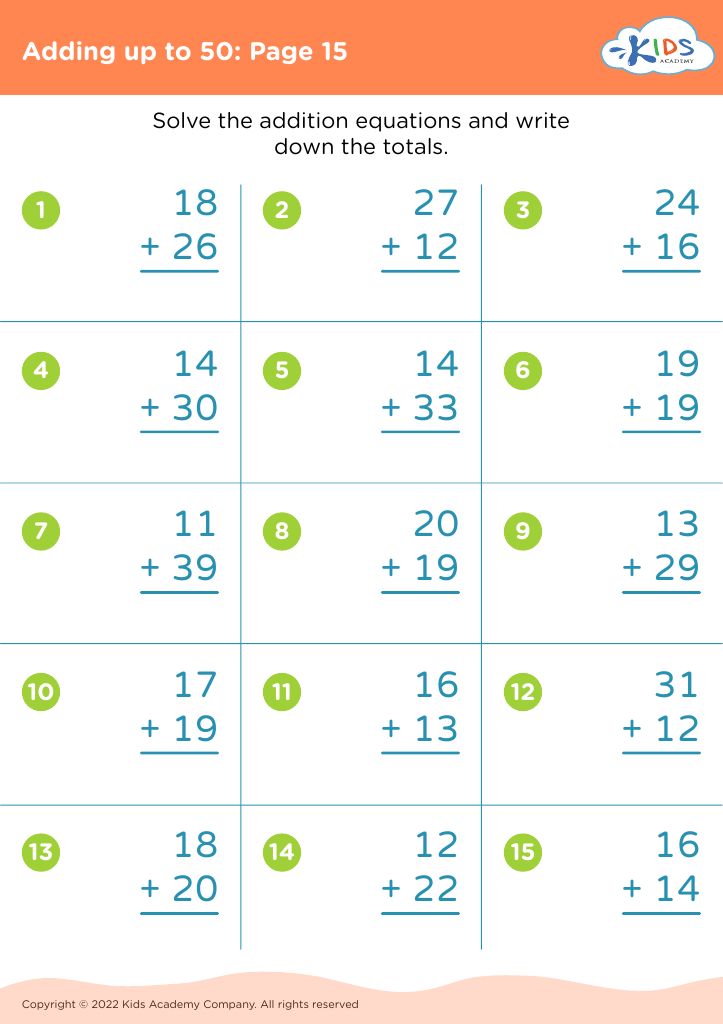
Adding up to 50: Page 15

Adding up to 50: Page 15

Adding up to 50: Page 15
Worksheet
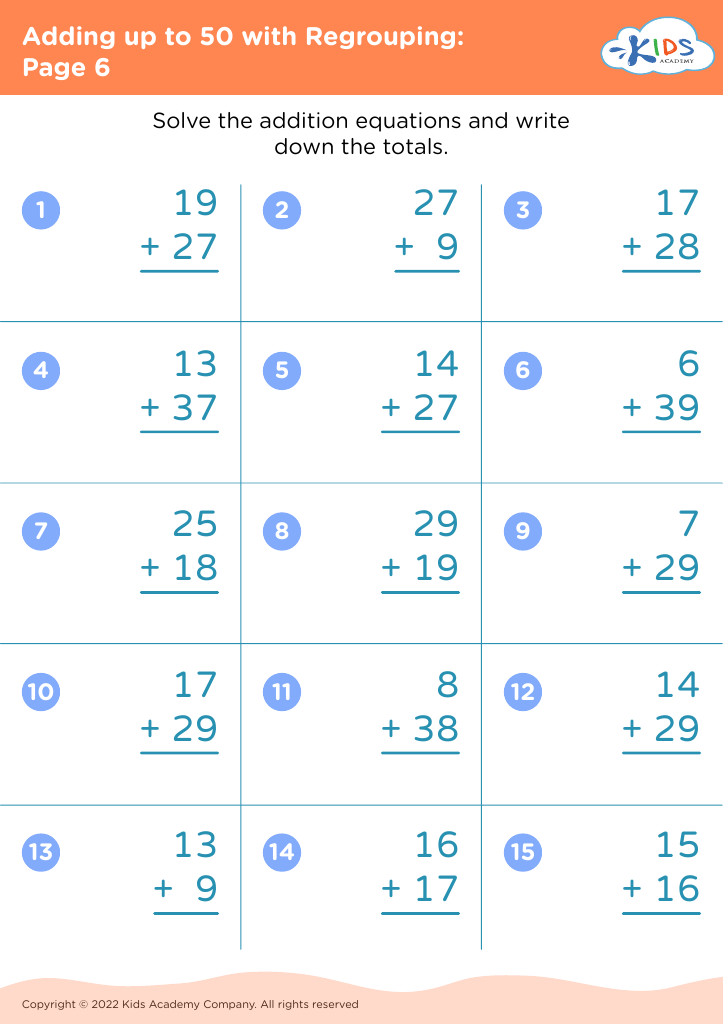
Adding up to 50 with Regrouping: Page 6
Worksheet
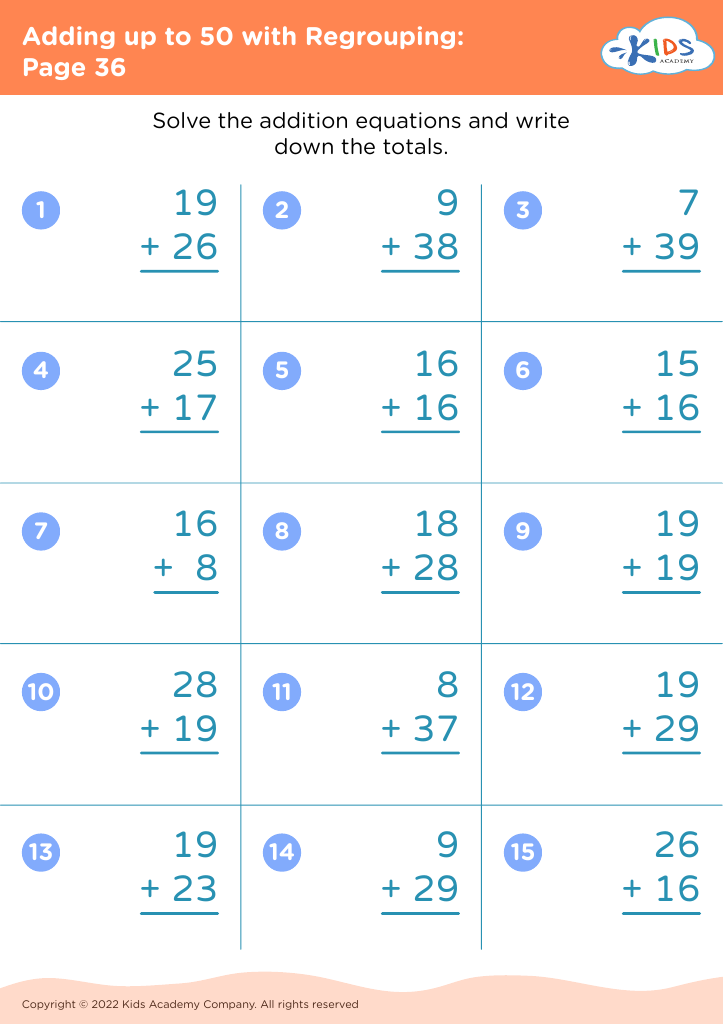
Adding up to 50 with Regrouping: Page 36
Worksheet
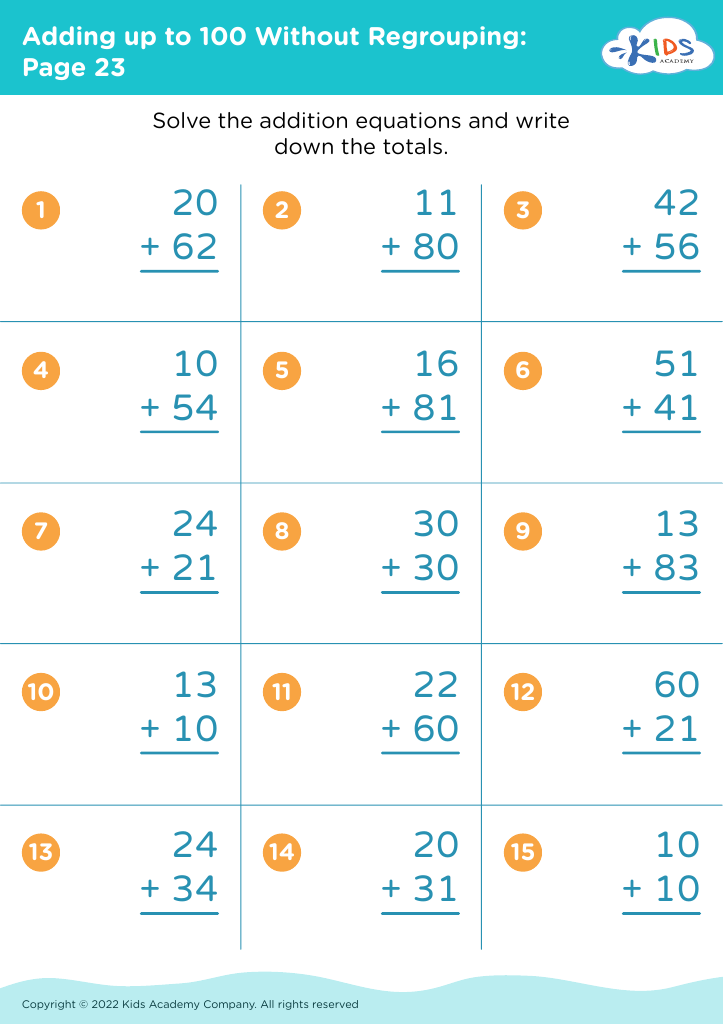
Adding up to 100 Without Regrouping: Page 23
Worksheet
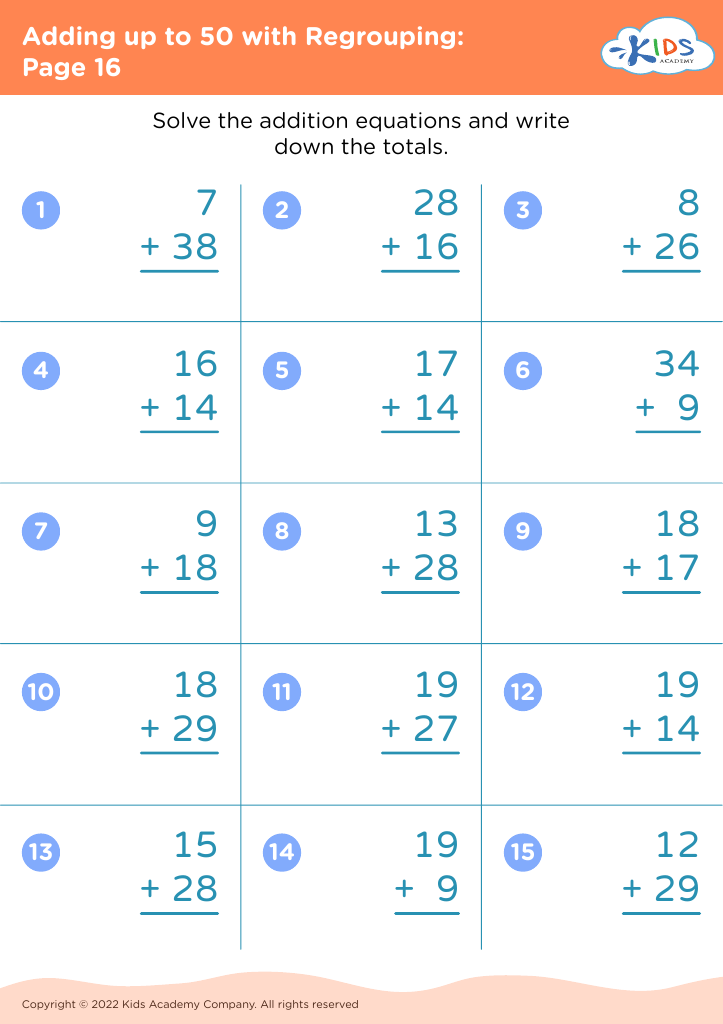
Adding up to 50 with Regrouping: Page 16
Worksheet
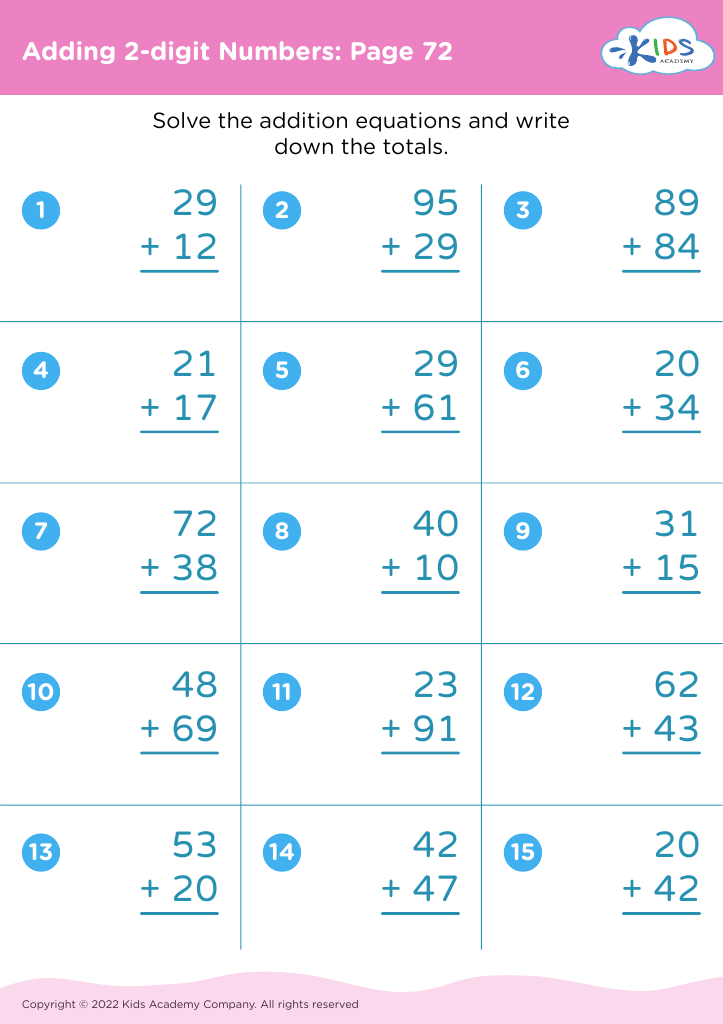
Adding 2-digit Numbers: Page 72

Adding 2-digit Numbers: Page 72

Adding 2-digit Numbers: Page 72
Worksheet
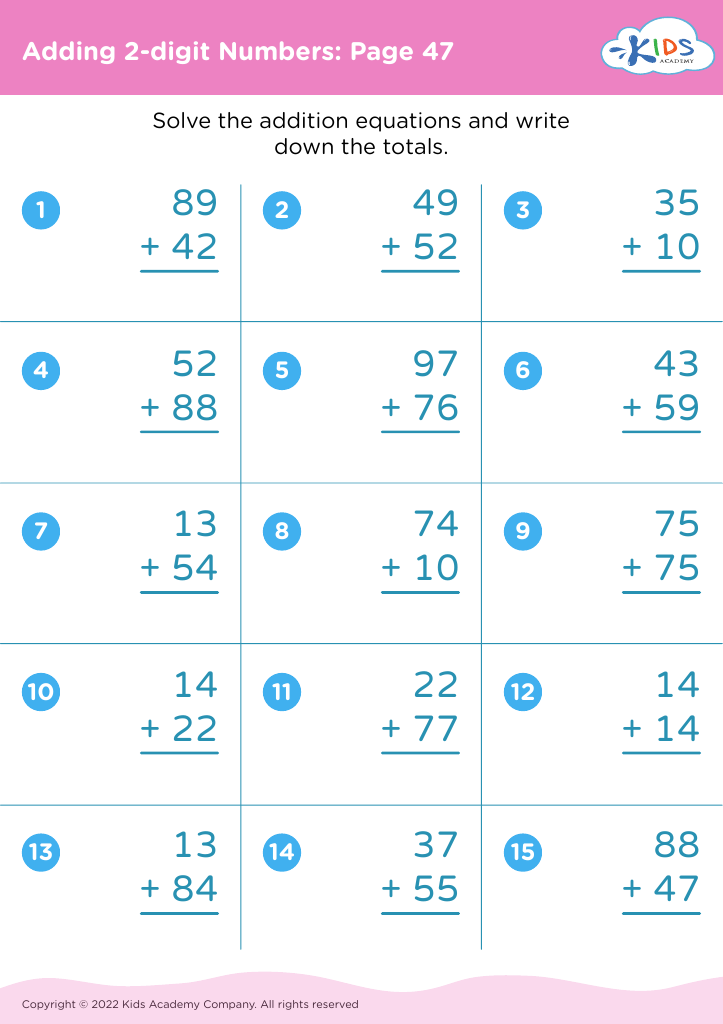
Adding 2-digit Numbers: Page 47

Adding 2-digit Numbers: Page 47

Adding 2-digit Numbers: Page 47
Worksheet
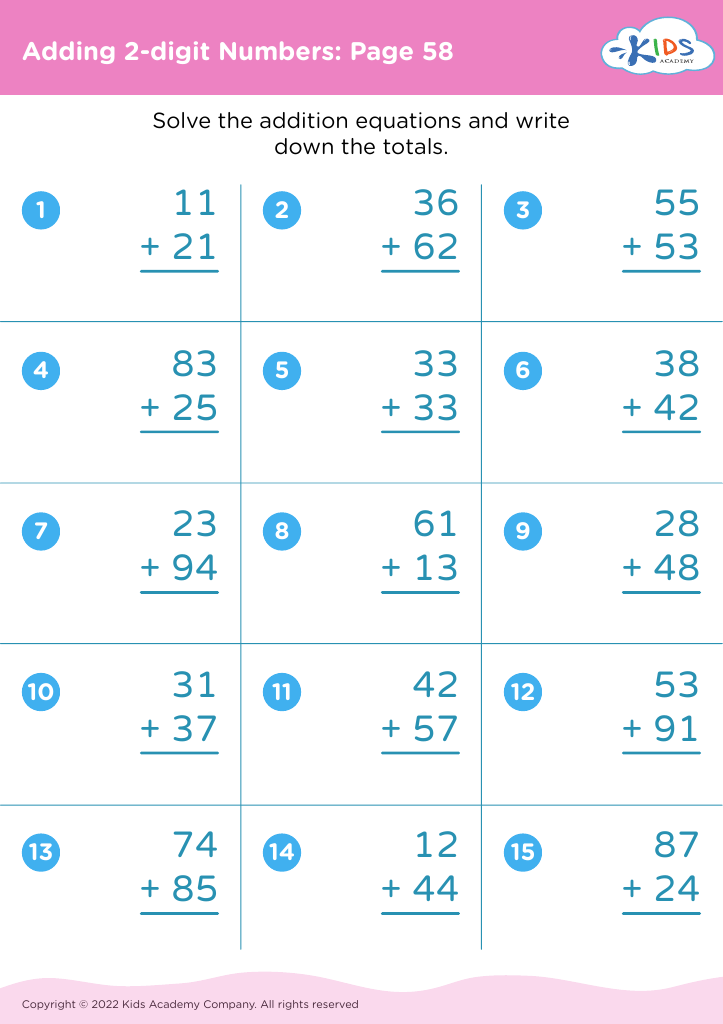
Adding 2-digit Numbers: Page 58

Adding 2-digit Numbers: Page 58

Adding 2-digit Numbers: Page 58
Worksheet
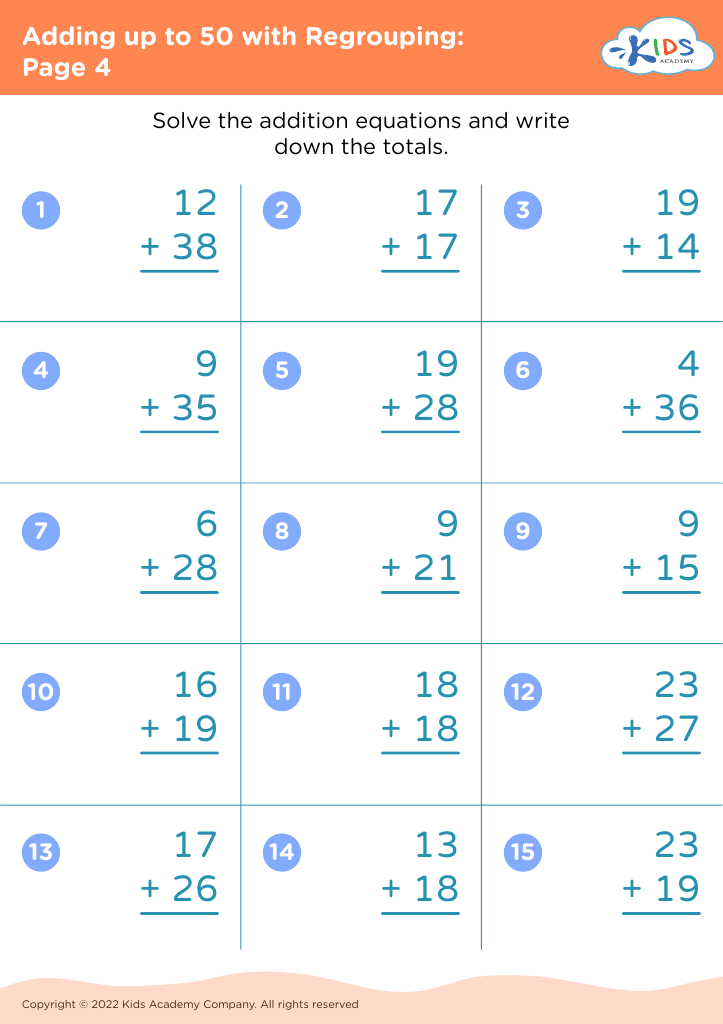
Adding up to 50 with Regrouping: Page 4
Worksheet
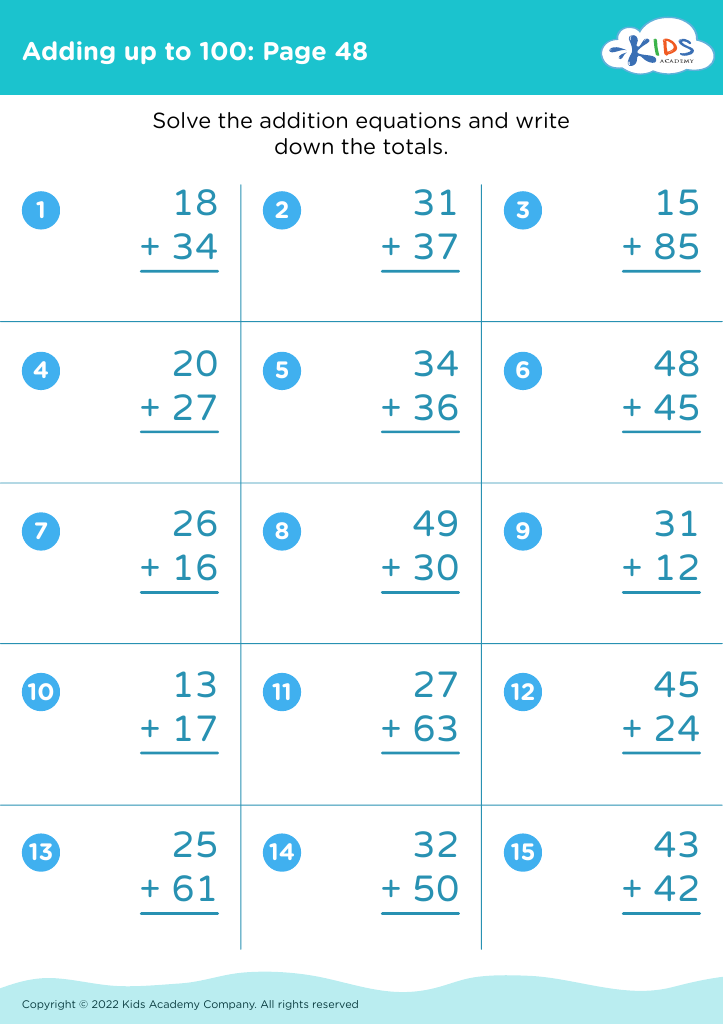
Adding up to 100: Page 48

Adding up to 100: Page 48

Adding up to 100: Page 48
Worksheet
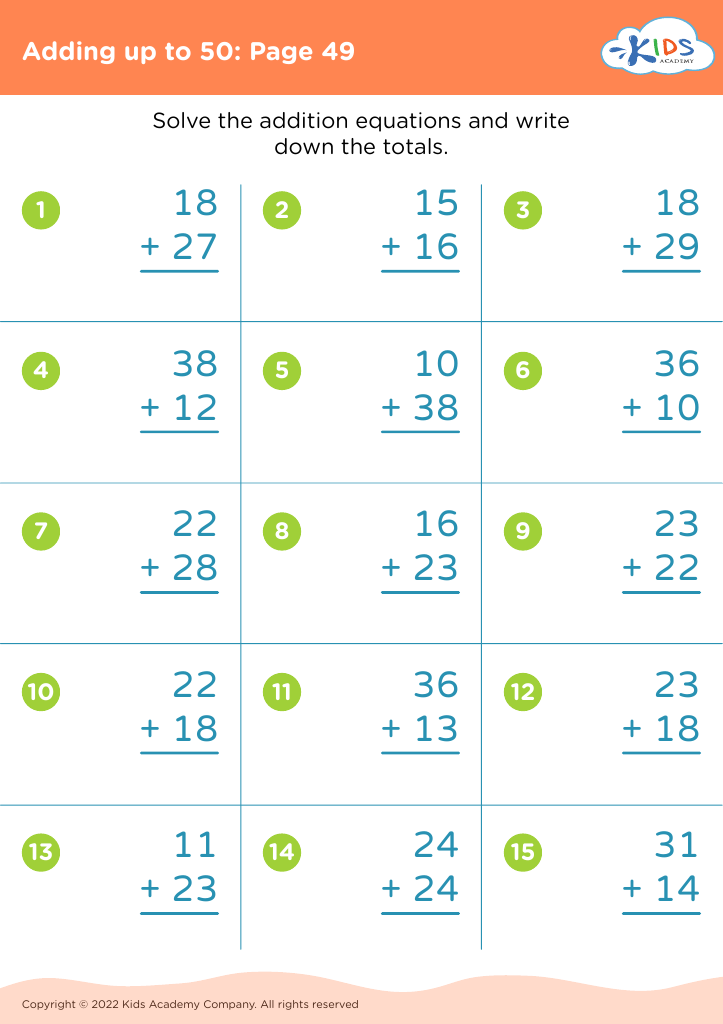
Adding up to 50: Page 49

Adding up to 50: Page 49

Adding up to 50: Page 49
Worksheet
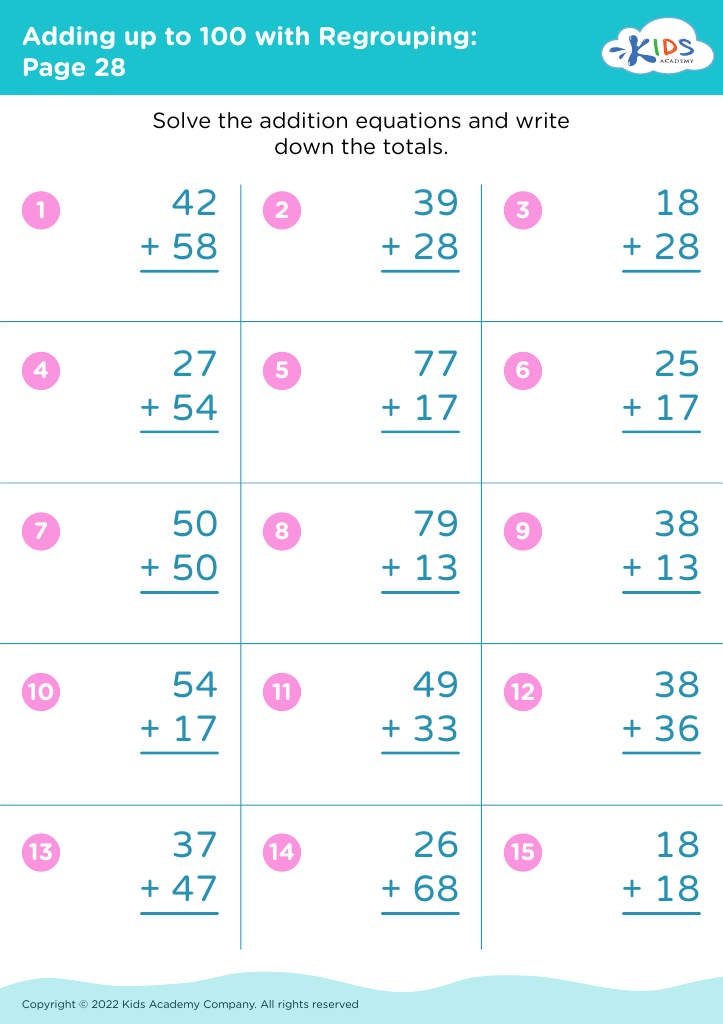
Adding up to 100 with Regrouping: Page 28
Worksheet
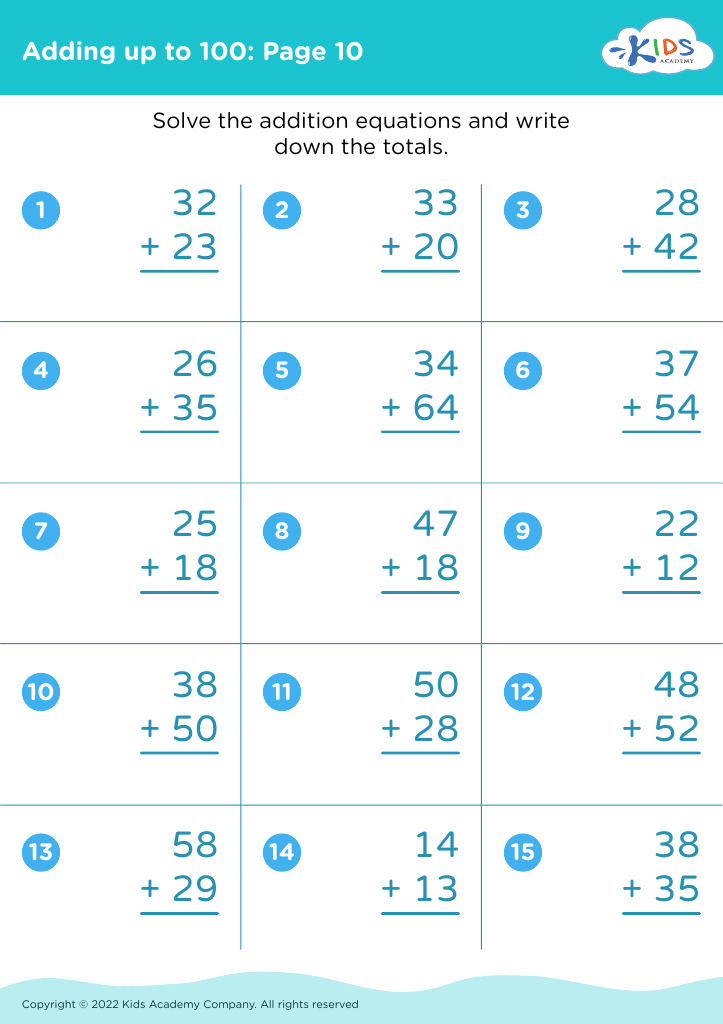
Adding up to 100: Page 10

Adding up to 100: Page 10

Adding up to 100: Page 10
Worksheet
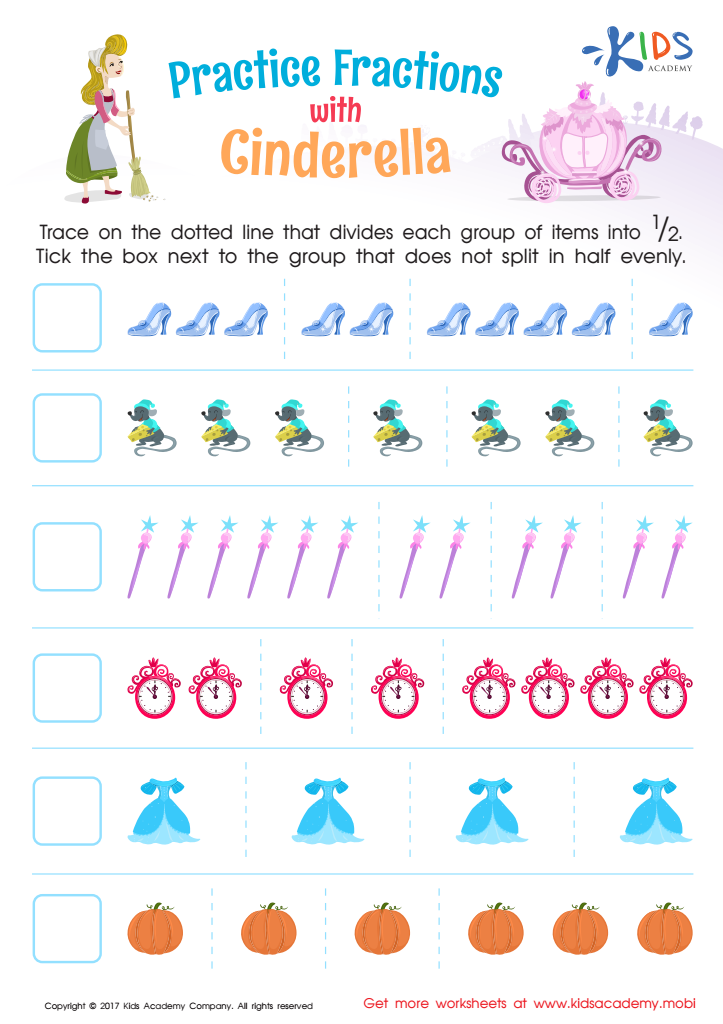
Cinderella Fraction Practice

Fractions: Cinderella Printable
Cinderella and ½ are the perfect pair to excite your child about learning fractions.
Fractions: Cinderella Printable
Worksheet
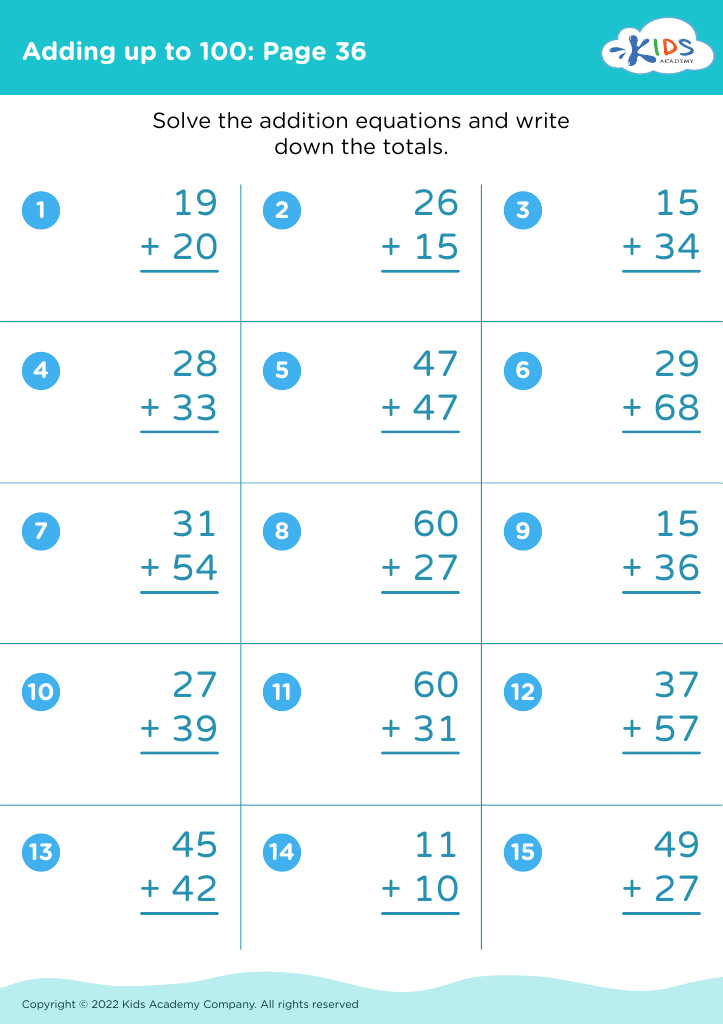
Adding up to 100: Page 36

Adding up to 100: Page 36

Adding up to 100: Page 36
Worksheet
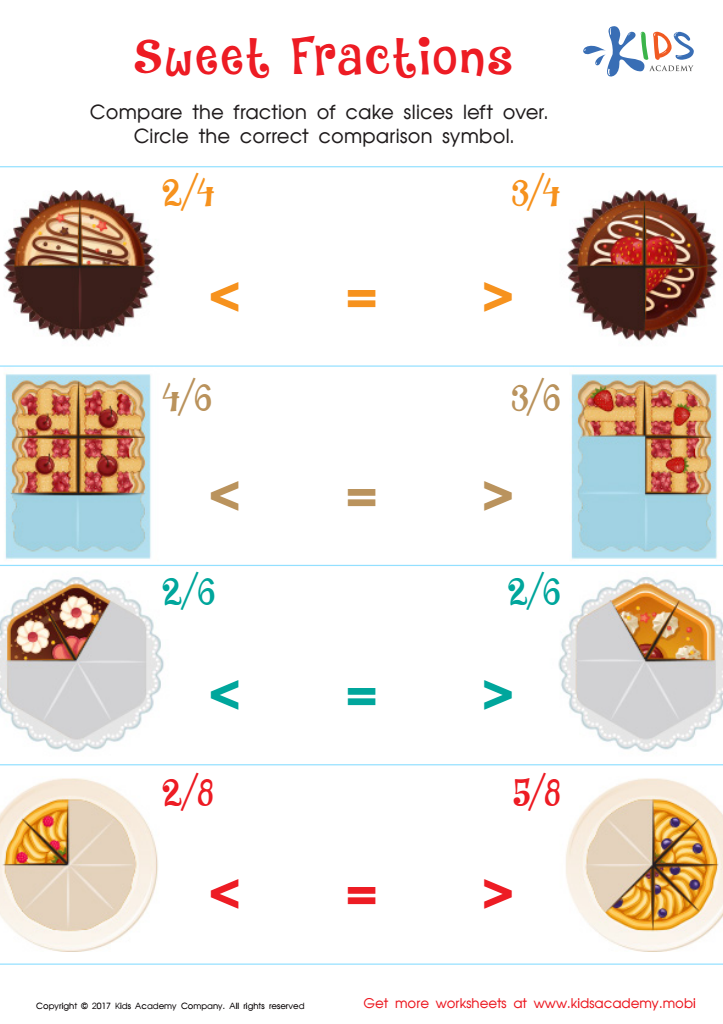
Сompare fractions worksheet for 3rd grade

Compare Fractions Worksheet

This compare fractions worksheet is great for 3rd graders to learn and understand fractions in a fun way. Let them explore fractions visually with the help of sweet treats!
Compare Fractions Worksheet
Worksheet


Understanding fractions is a foundational skill in mathematics, and focusing on comparing fractions, even at ages 4-8, helps develop critical thinking and problem-solving abilities. For young learners, early exposure to fractions sets a solid mathematical foundation. Fractions are often abstract for children, but engaging with them through comparisons makes this concept more concrete and accessible.

When parents and teachers enrich a child's learning environment with fraction comparisons, they're cultivating an intuitive understanding of quantity, proportion, and division, which are applicable in everyday scenarios – from sharing a pizza to dealing with measurements in cooking. It also promotes numerical literacy, emphasizing that numbers can represent parts of a whole, not just whole entities.

Moreover, these exercises prepare children for more advanced math topics they will encounter later in their educational journey. They learn to reason about and visualize numbers in more complex ways, translating these foundational skills to topics like algebra and geometry. Early mastery fosters not just competence, but confidence in math.

Encouraging young children to compare fractions with fun activities, visual aids, and practical examples nurtures a positive attitude towards math. This early investment by parents and teachers can spark a lifelong interest and proficiency in the subject, which is crucial for their academic and future career success.