Recognition skills Math Worksheets for Ages 4-8
3 filtered results
-
From - To
Nurture your child's math foundations with our Recognition Skills Math Worksheets for Ages 4-8. Our expertly crafted worksheets are designed to develop essential early math skills through fun and interactive activities. Encourage your little one's ability to identify and understand numbers, shapes, patterns, and more. With colorful visuals and engaging exercises, children build confidence and improve their recognition and analytical skills essential for later math success. Ideal for both classroom and home use, these worksheets provide a seamless blend of learning and fun to captivate young minds. Foster a love for math in your child today with Kids Academy’s premium resources!
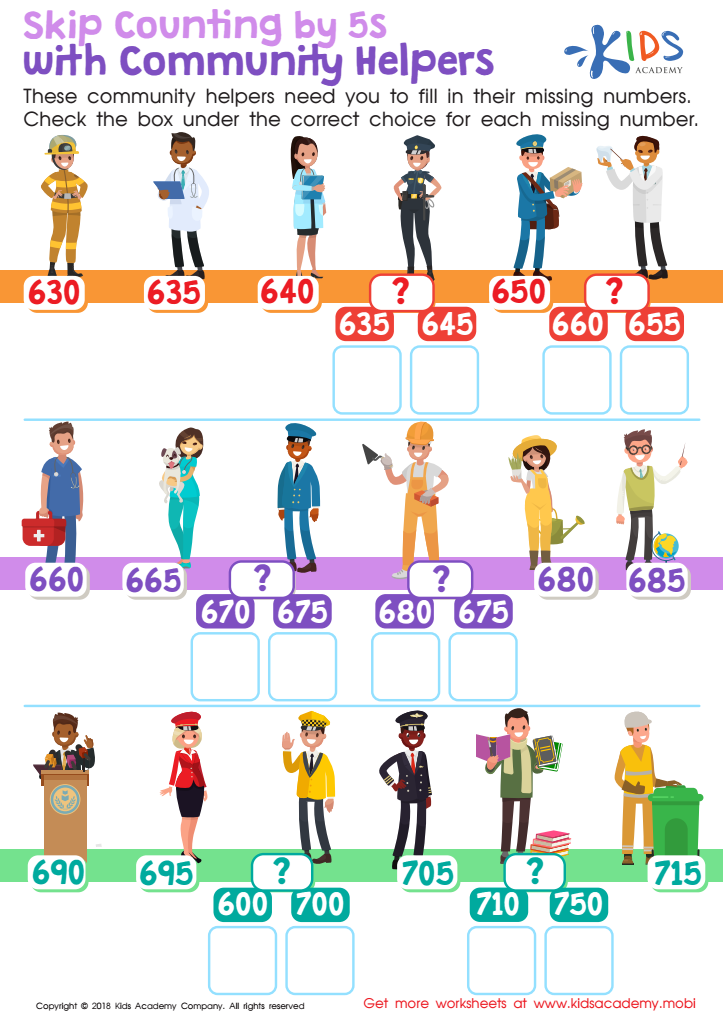
Skip Counting by 5s With Community Helpers Worksheet
 Assign to My Students
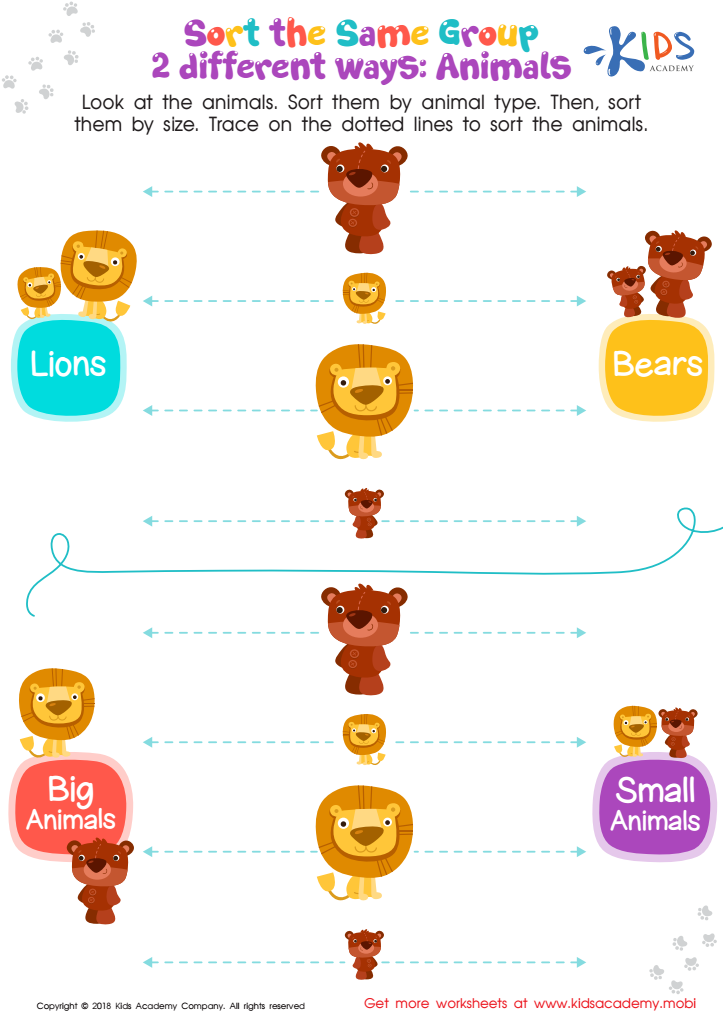
Sort the Same Group 2 Different Ways: Animals Worksheet





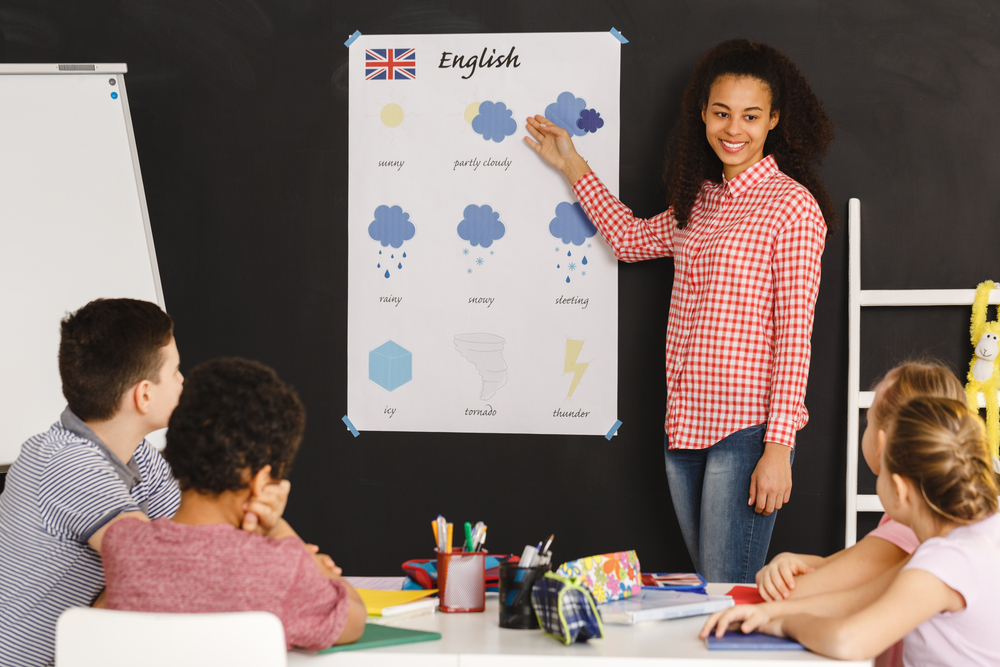


Recognition skills in math for children ages 4-8 are foundational to their overall cognitive development and future academic success. At this young age, children are beginning to understand and internalize basic concepts that will shape their thinking processes. When parents and teachers focus on enhancing these skills, they are helping children develop critical patterns of thought that are necessary for higher-level math and problem-solving.
Firstly, recognition skills, such as identifying numbers, shapes, and simple patterns, are essential for basic numeracy. These skills enable children to understand and work with more complex mathematical ideas as they grow. For example, recognizing numbers and understanding their value is the first step towards mastering addition, subtraction, and eventually more advanced operations. Shapes and patterns, on the other hand, lay the groundwork for geometry and algebraic thinking.
Moreover, honing math recognition skills at an early age promotes confidence and a positive attitude towards learning. When children can successfully recognize and work with numbers and shapes, they build self-esteem and become more engaged learners. This positive engagement is crucial in preventing math anxiety, which can hinder their ability to perform well in later years.
Involving parents in this learning process fosters a supportive home environment where children see the importance of education as part of their daily lives, not just in the classroom. Overall, prioritizing recognition skills in young children sets them on a path for academic achievement and helps build a strong foundation for lifelong learning.








