Recognizing numbers Math Worksheets for Ages 4-8
8 filtered results
-
From - To
Nurturing number recognition in young learners is crucial. Kids Academy offers engaging “Recognizing Numbers” math worksheets designed for children ages 4-8. These printable activities are crafted to develop foundational math skills, helping kids identify, compare, and understand numbers. Each worksheet encourages interactive learning through colorful visuals and fun exercises, making math an exciting adventure. Perfect for both classroom and home use, these resources support early numerical literacy, ensuring children gain confidence in their math abilities. Explore a wide array of tasks that enhance perceptual skills and pave the way for future math success. Start learning with Kids Academy today!
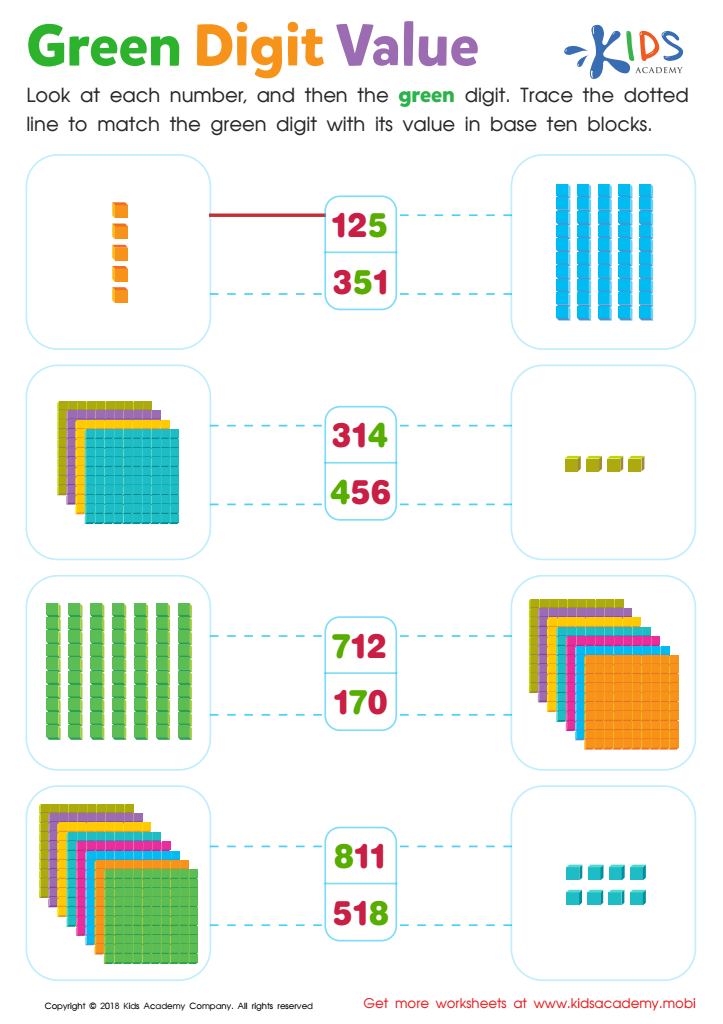
Green Digit Value Worksheet
 Assign to My Students
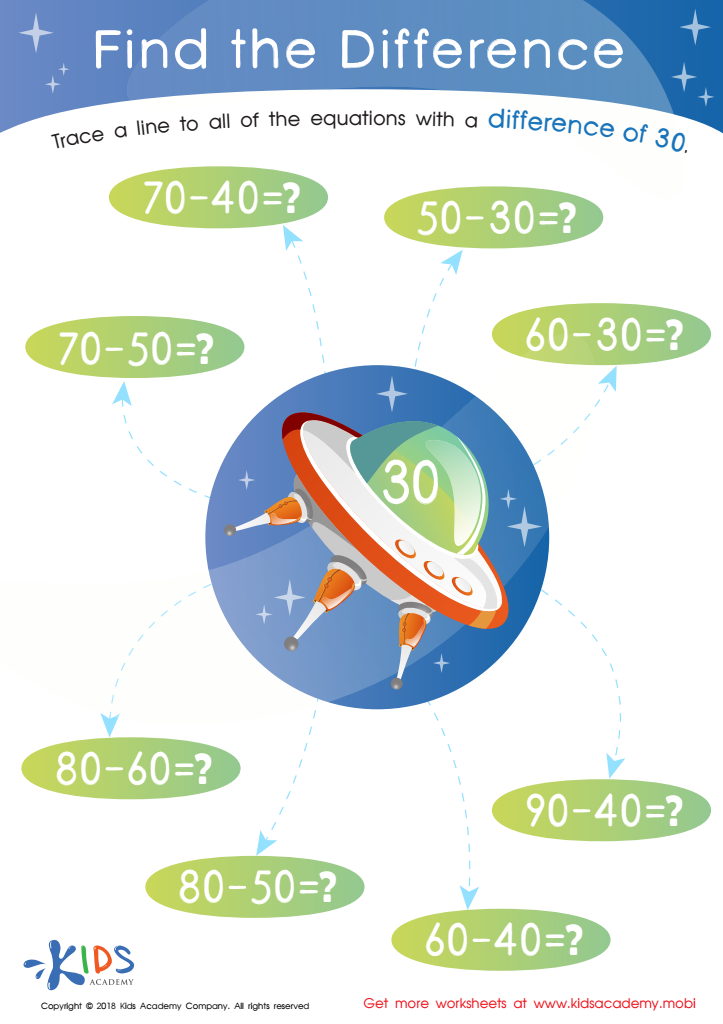
Find The Difference Worksheet
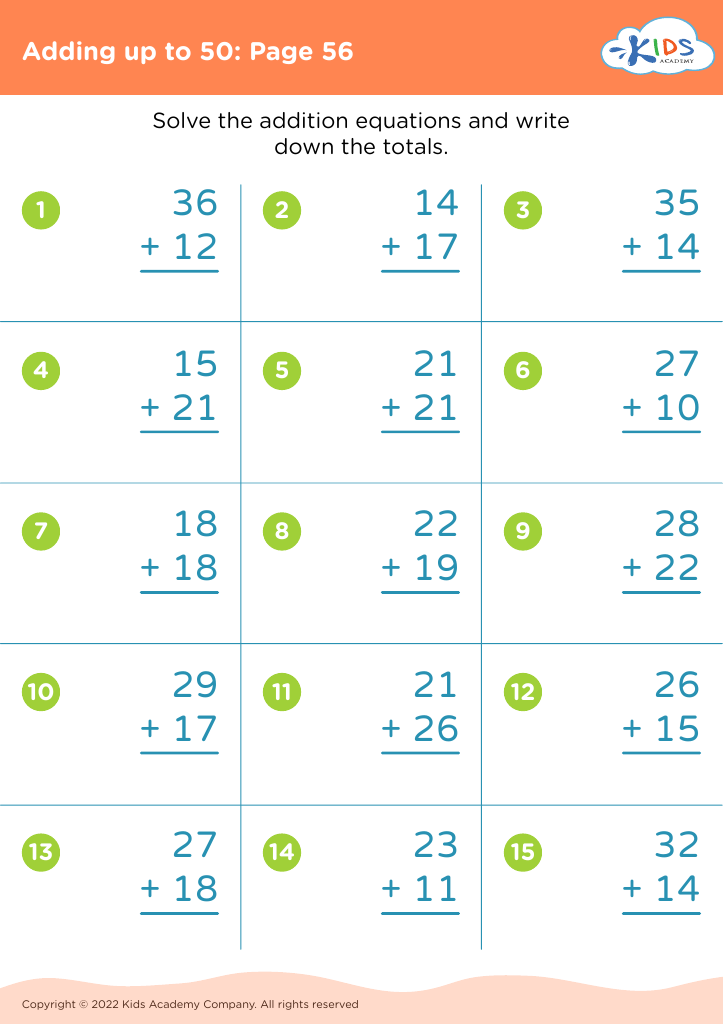
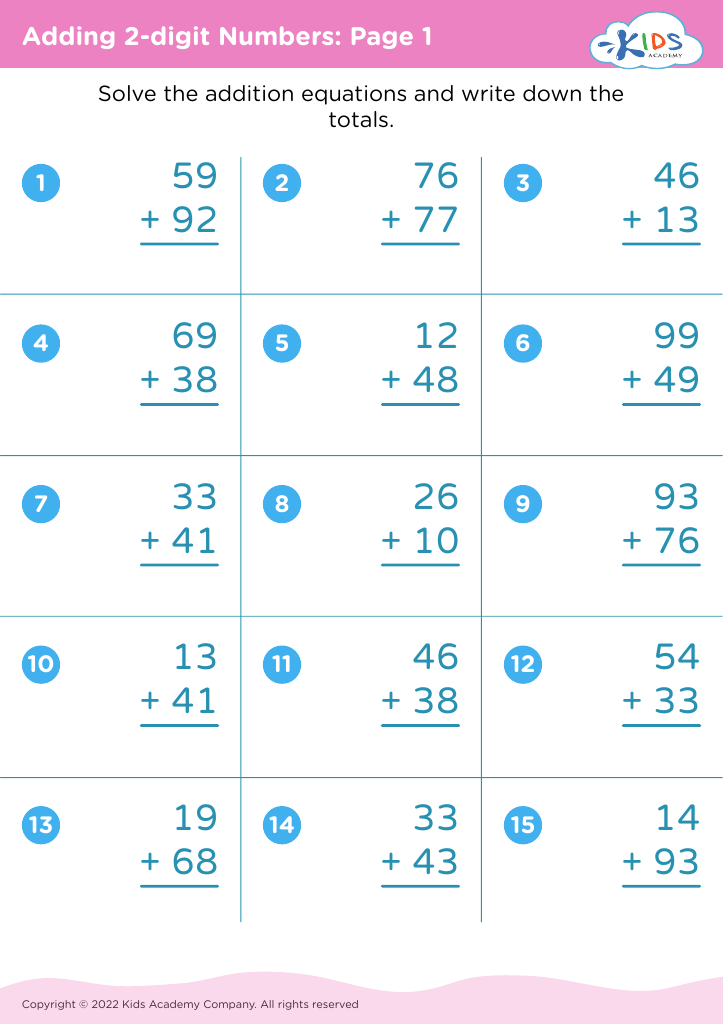
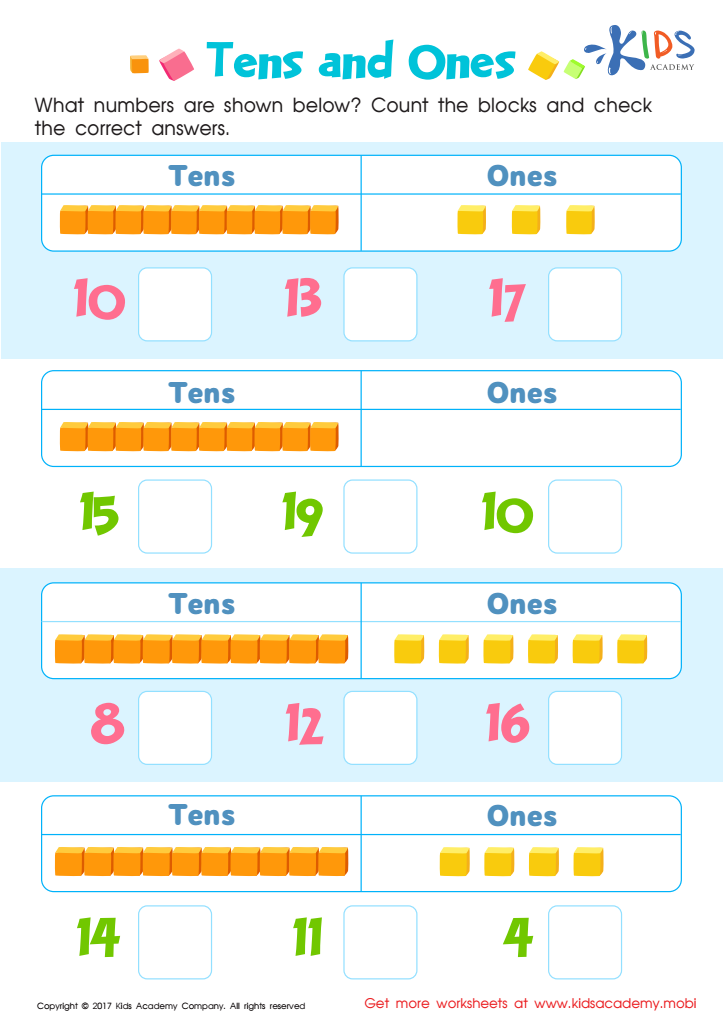
Tens and Ones Worksheet
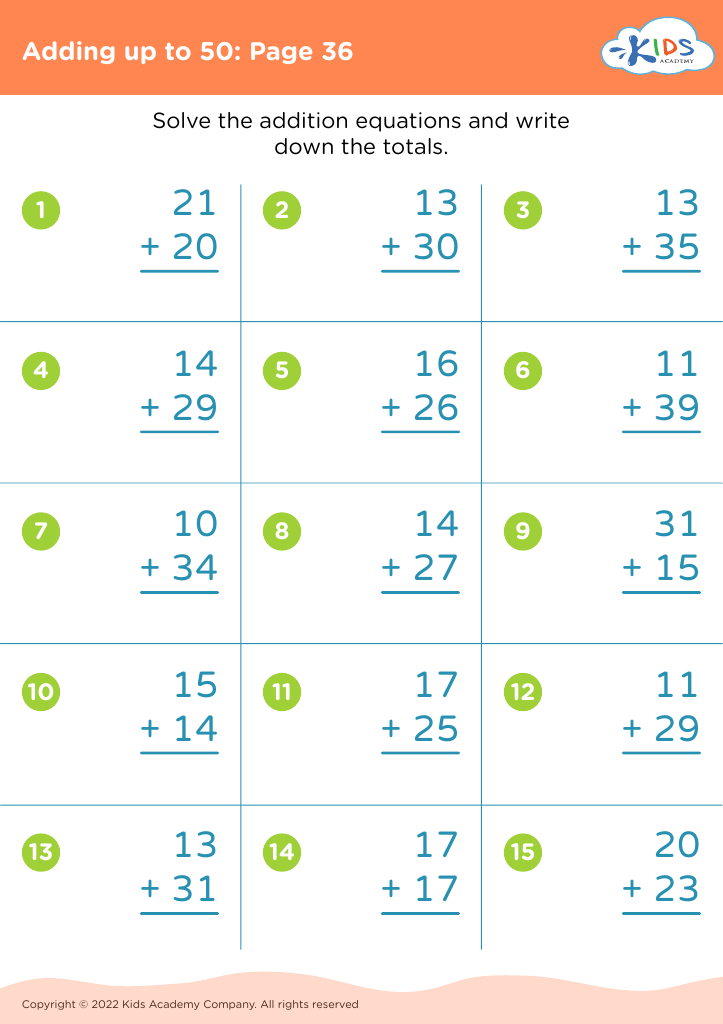
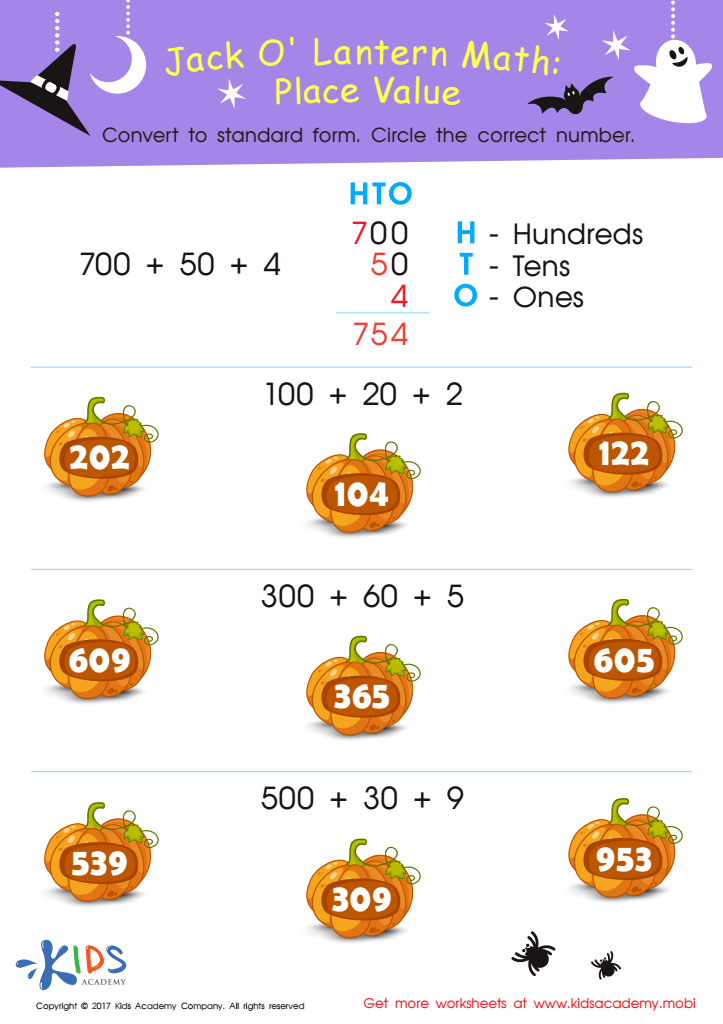
Free Place Value Worksheet
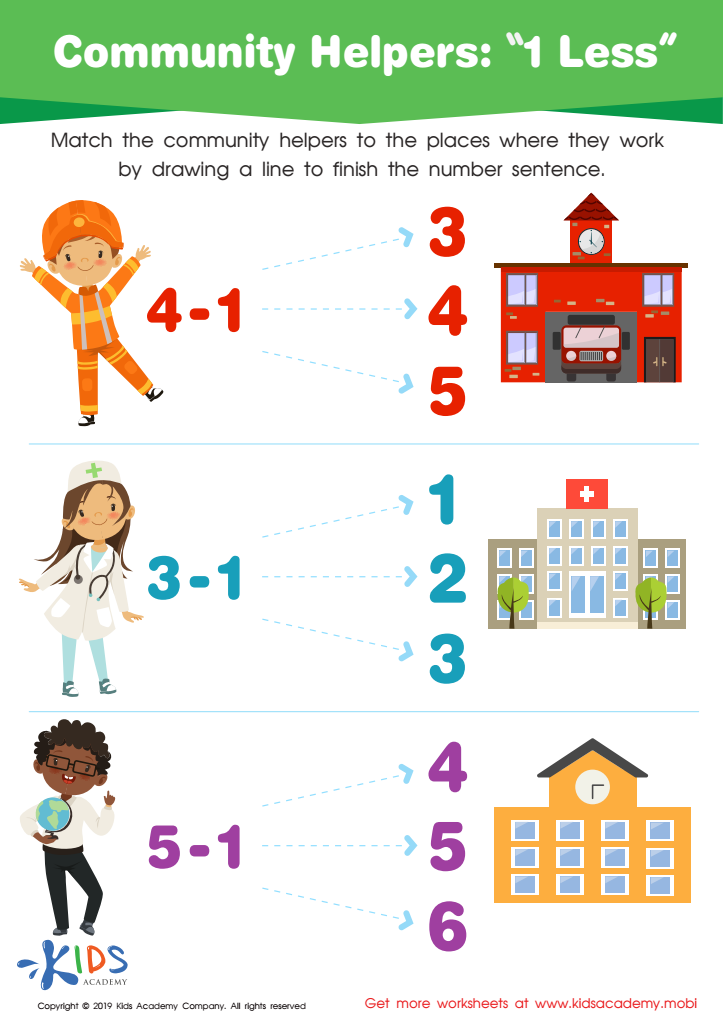
Community Helpers: 1 less Worksheet








Recognizing numbers is a cornerstone of early childhood education, particularly for children aged 4-8. At this critical stage of development, children are like sponges, absorbing information and forming the foundational knowledge that will support their future learning. For parents and teachers, prioritizing number recognition offers several key benefits.
Firstly, numerical literacy is essential for everyday activities. Children constantly encounter numbers in their daily lives, whether it's telling time, counting toys, or identifying addresses. Recognizing numbers helps them navigate these contexts with ease and confidence.
Secondly, early number recognition is integral to cognitive development. It promotes critical thinking, problem-solving, and logical reasoning skills. By understanding numbers, children can begin to grasp more complex mathematical concepts such as addition, subtraction, and patterns, setting a strong groundwork for future academic success in math.
Additionally, mastering number recognition boosts a child's self-esteem and confidence. Children who struggle with basic math skills often feel frustrated and may develop a negative attitude toward learning. By fostering early numerical skills, educators and parents can help children experience a sense of achievement and enjoyment in learning.
Lastly, incorporating fun and engaging number recognition activities can enhance social skills and cooperation. Games and group activities not only make learning enjoyable but also encourage teamwork and communication.
In summary, recognizing numbers from an early age equips children with essential life skills, supports cognitive development, boosts confidence, and creates a positive foundation for future academic success and social interaction.








