Explore our engaging "Recognizing Shapes Math Worksheets" designed for children ages 4-8! These worksheets provide a fun and vibrant way for young learners to identify, differentiate, and understand various shapes. Tailored to enhance early math skills, each activity promotes critical thinking and reinforces shape recognition through interactive exercises and colorful graphics. Whether at home or in the classroom, our worksheets offer a valuable resource for educators and parents, ensuring children build a solid foundation in geometry while enjoying their learning journey. Browse our collection today and nurture your child's confidence in math through engaging shape recognition activities!
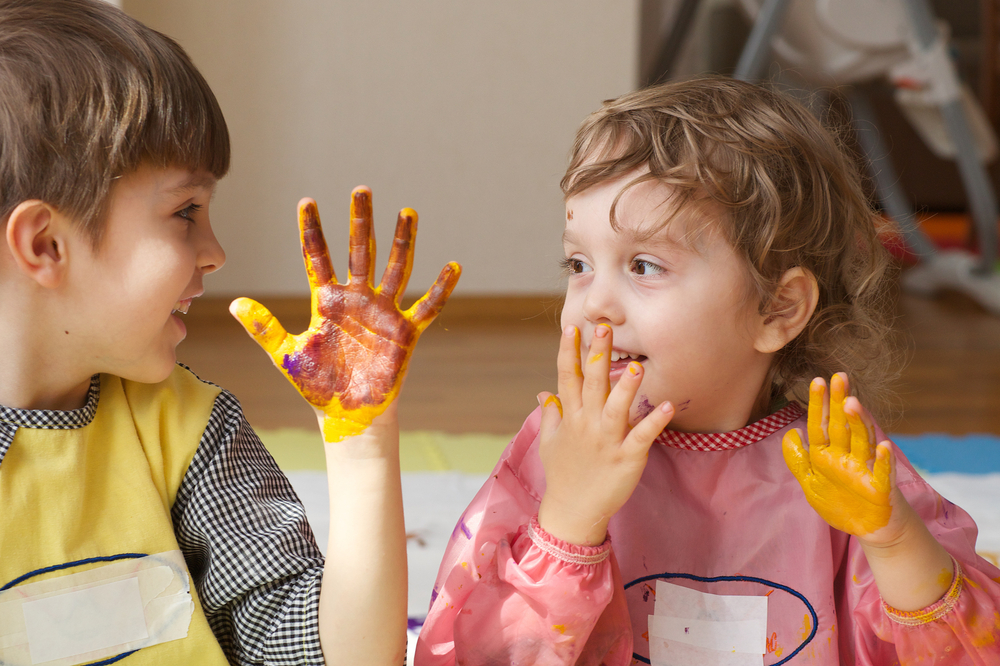
Check out this FREE Trial Lesson on Math for age 4-8!

Match Objects that Fit Together

Favorites
With answer key
Interactive
  • 4-8
  • Recognizing shapes
  • Math
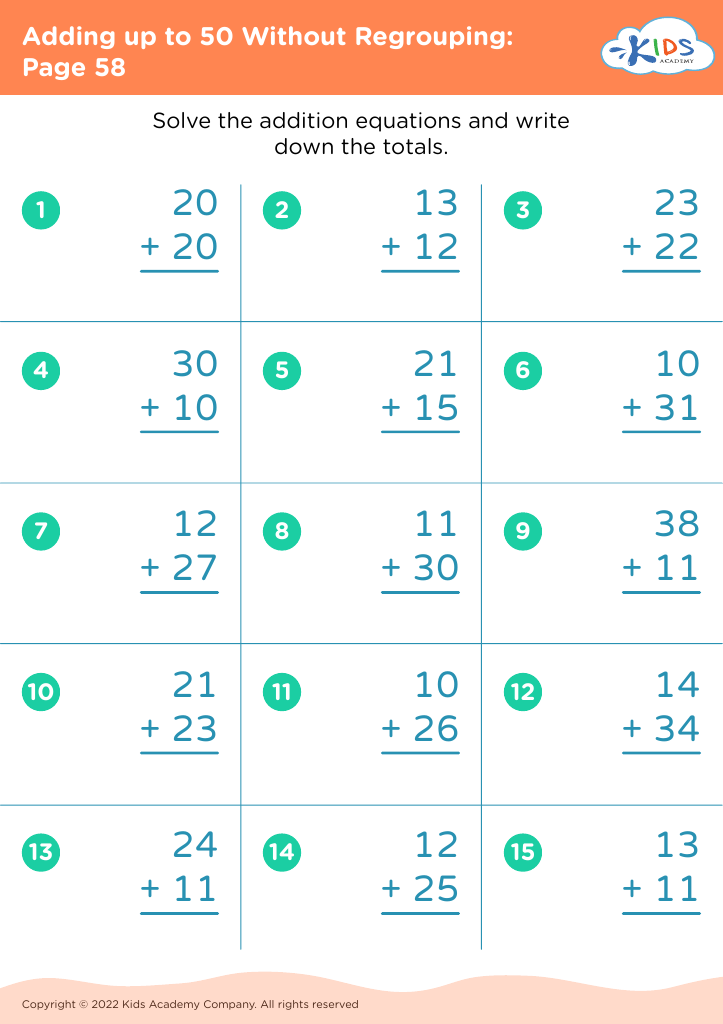
Adding up to 50 Without Regrouping: Page 58
Worksheet
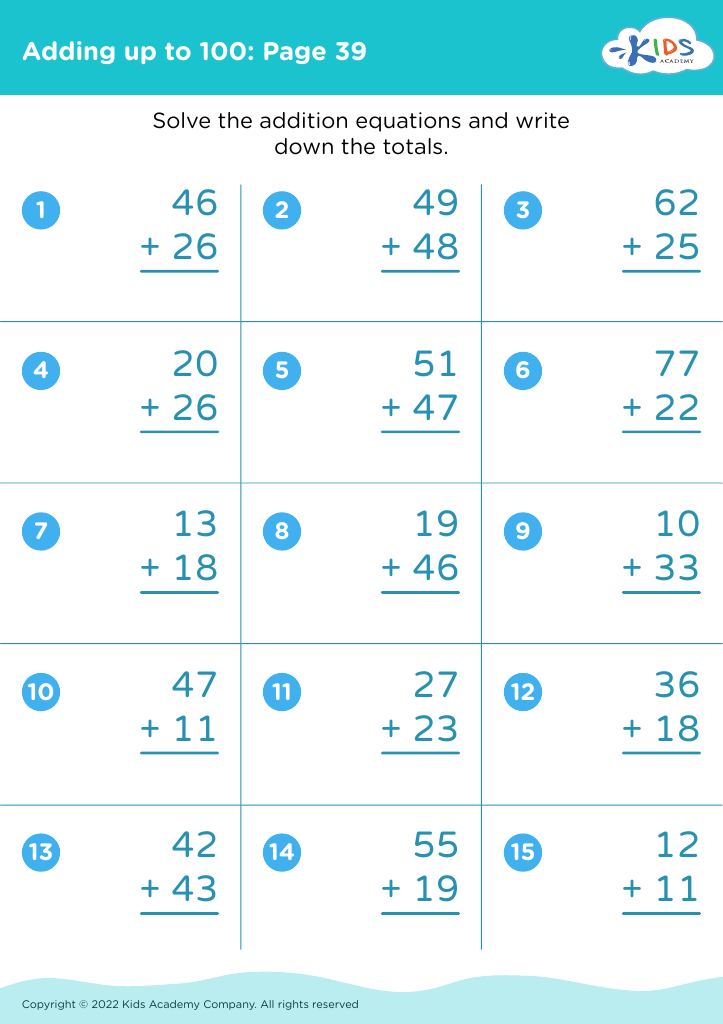
Adding up to 100: Page 39

Adding up to 100: Page 39

Adding up to 100: Page 39
Worksheet
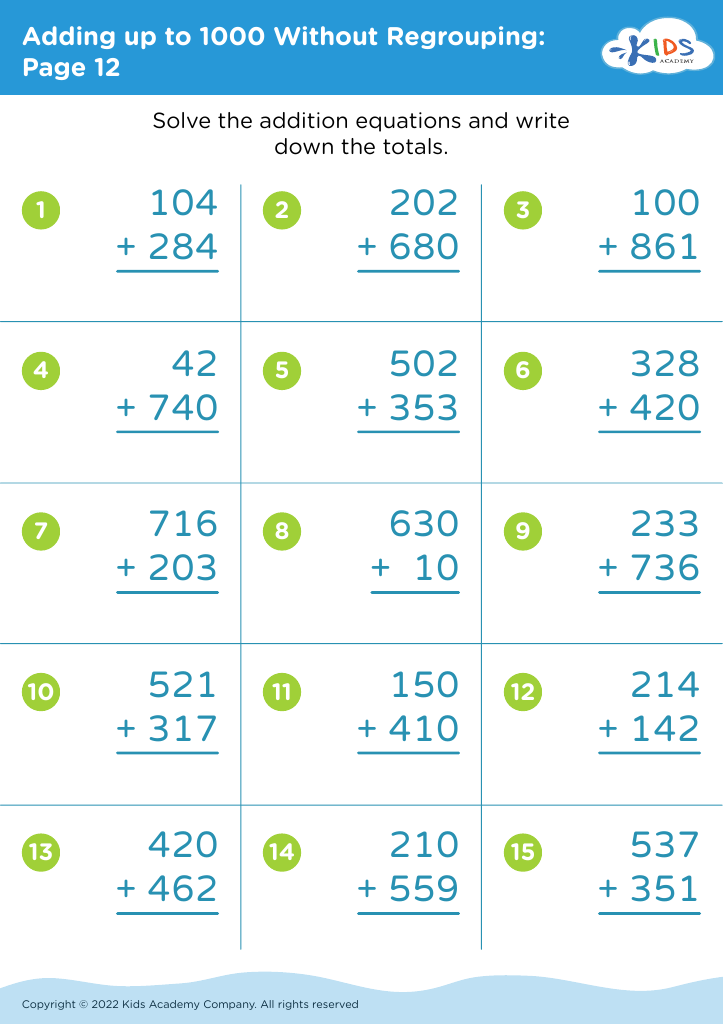
Adding up to 1000 Without Regrouping: Page 12
Worksheet
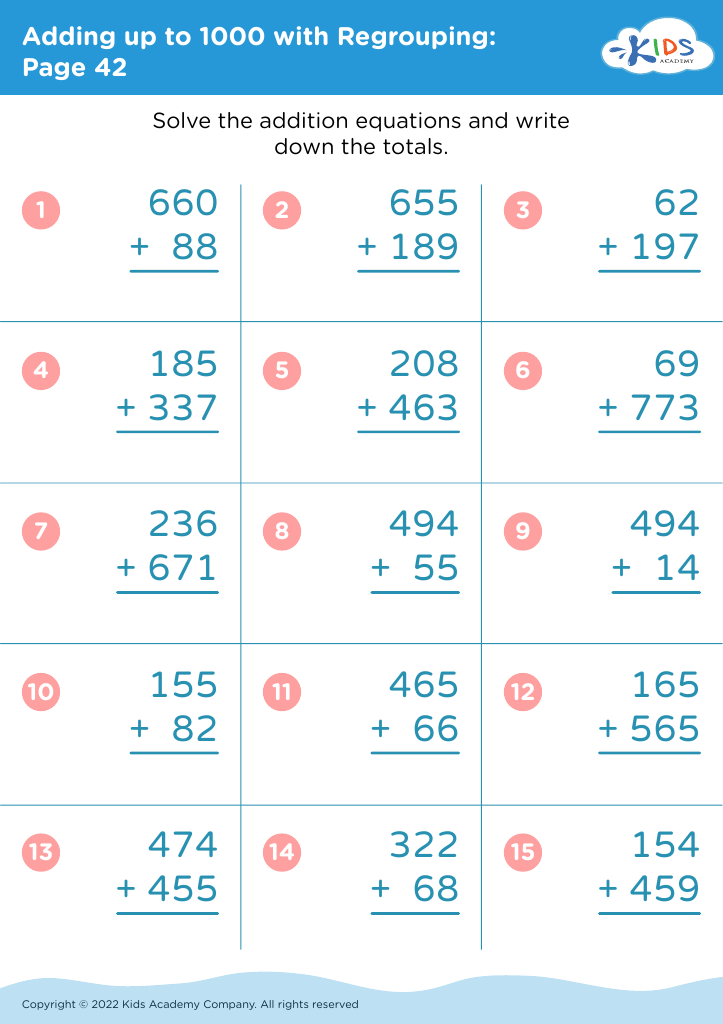
Adding up to 1000 with Regrouping: Page 42
Worksheet
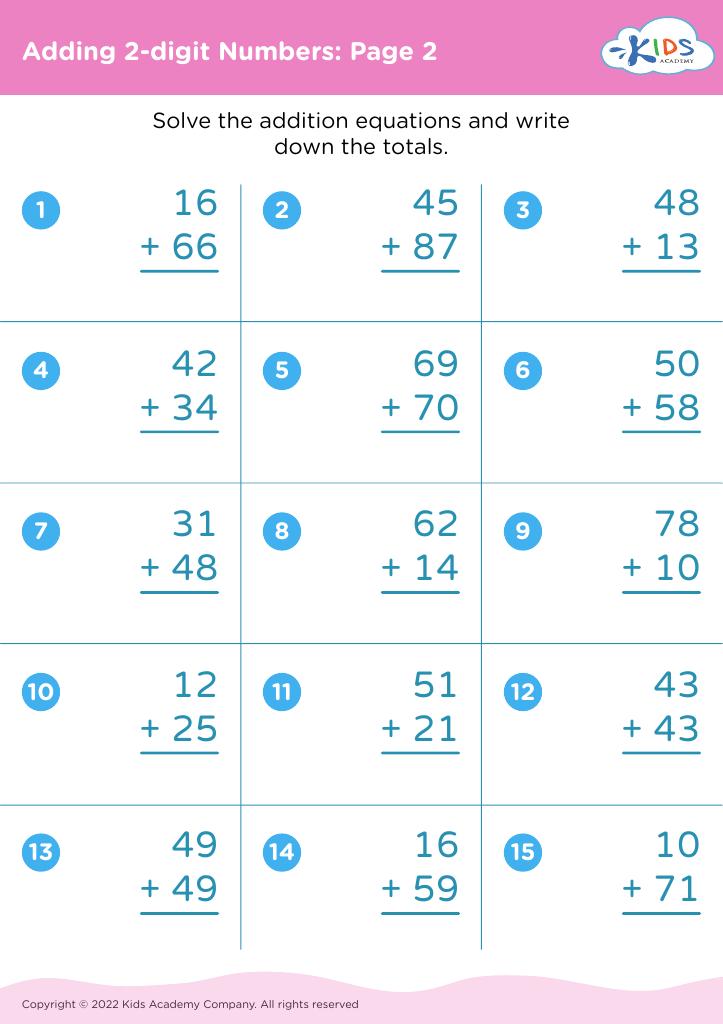
Adding 2-digit Numbers: Page 2

Adding 2-digit Numbers: Page 2

Adding 2-digit Numbers: Page 2
Worksheet
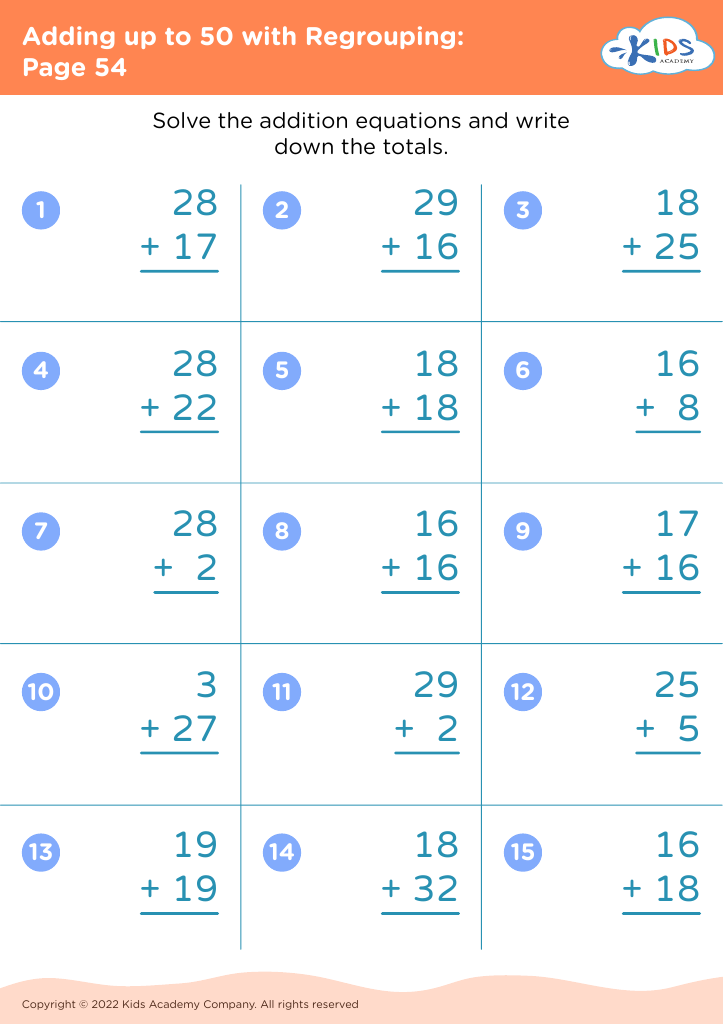
Adding up to 50 with Regrouping: Page 54
Worksheet
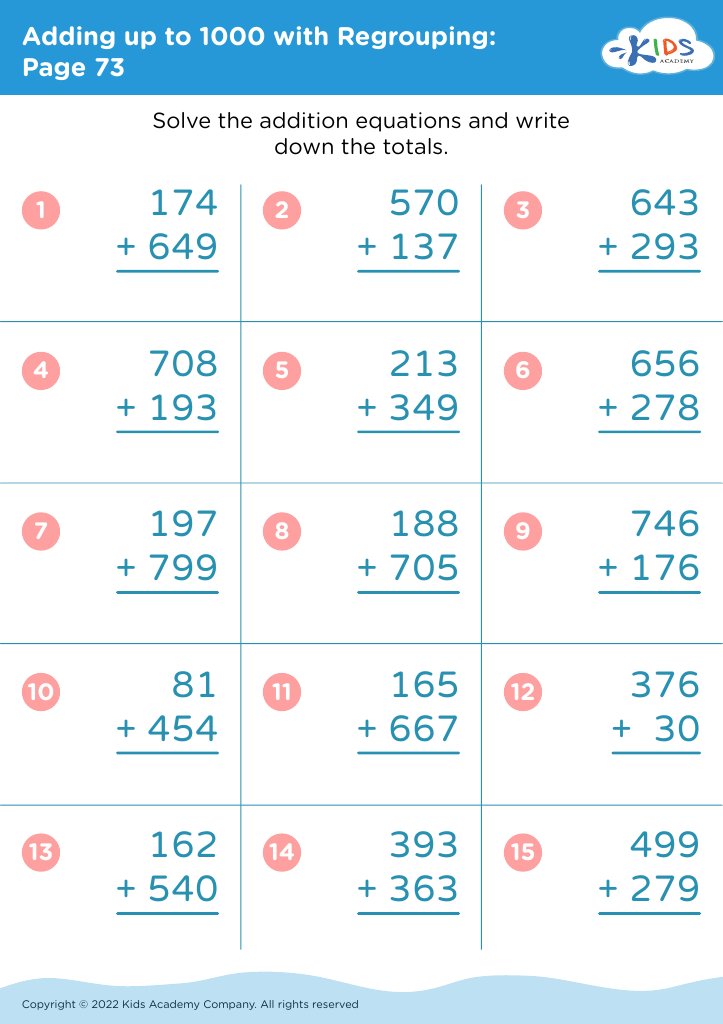
Adding up to 1000 with Regrouping: Page 73
Worksheet
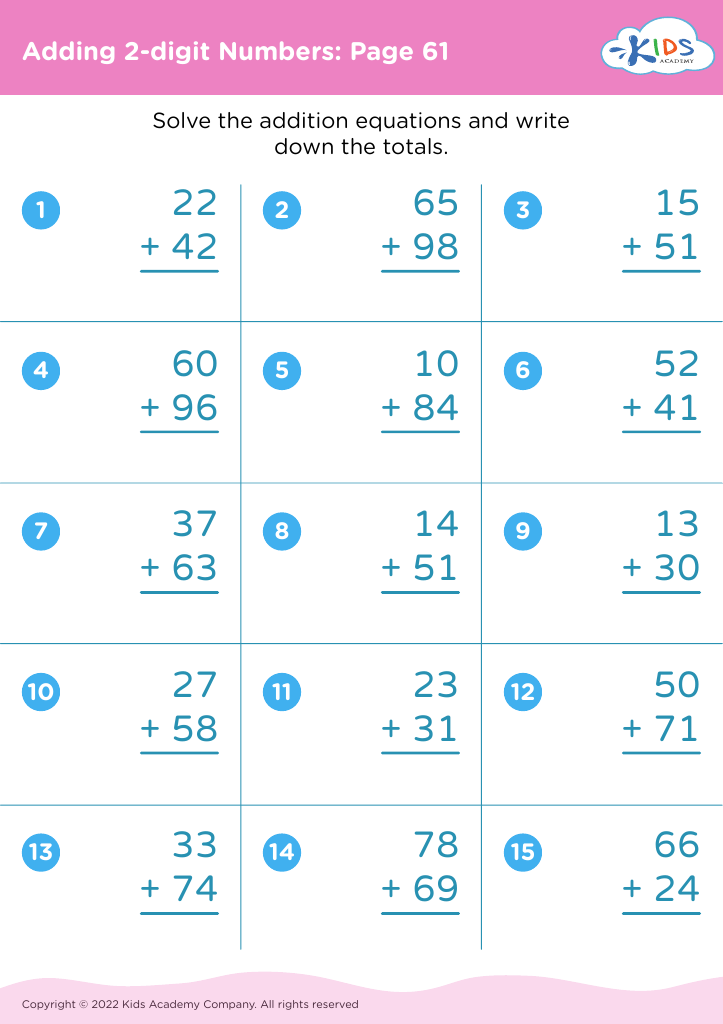
Adding 2-digit Numbers: Page 61

Adding 2-digit Numbers: Page 61

Adding 2-digit Numbers: Page 61
Worksheet
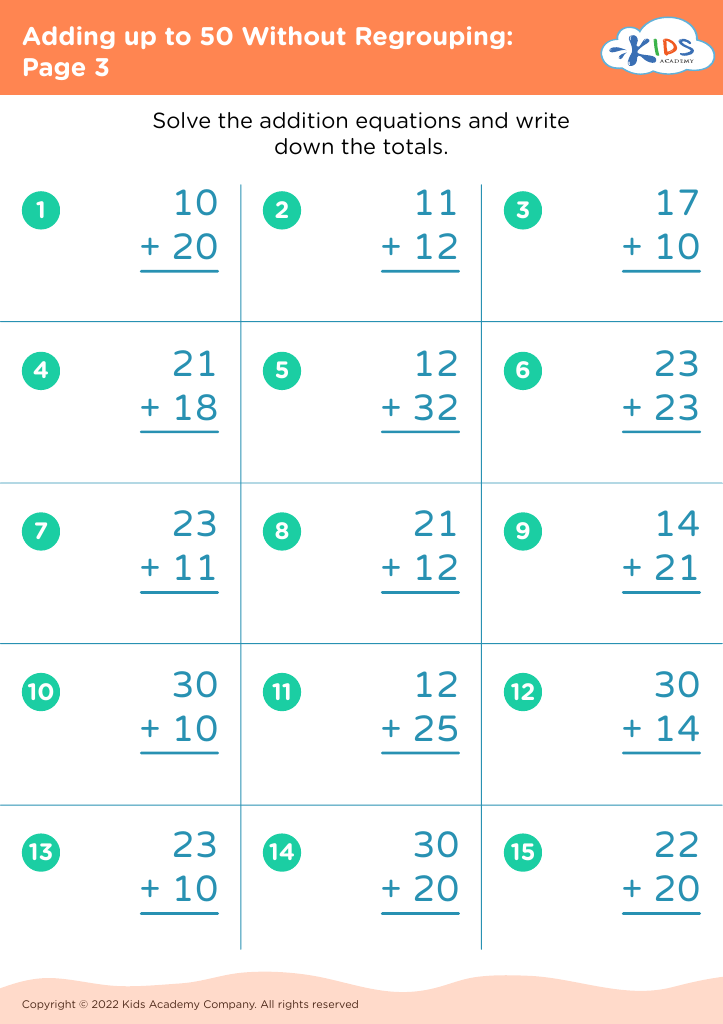
Adding up to 50 Without Regrouping: Page 3
Worksheet
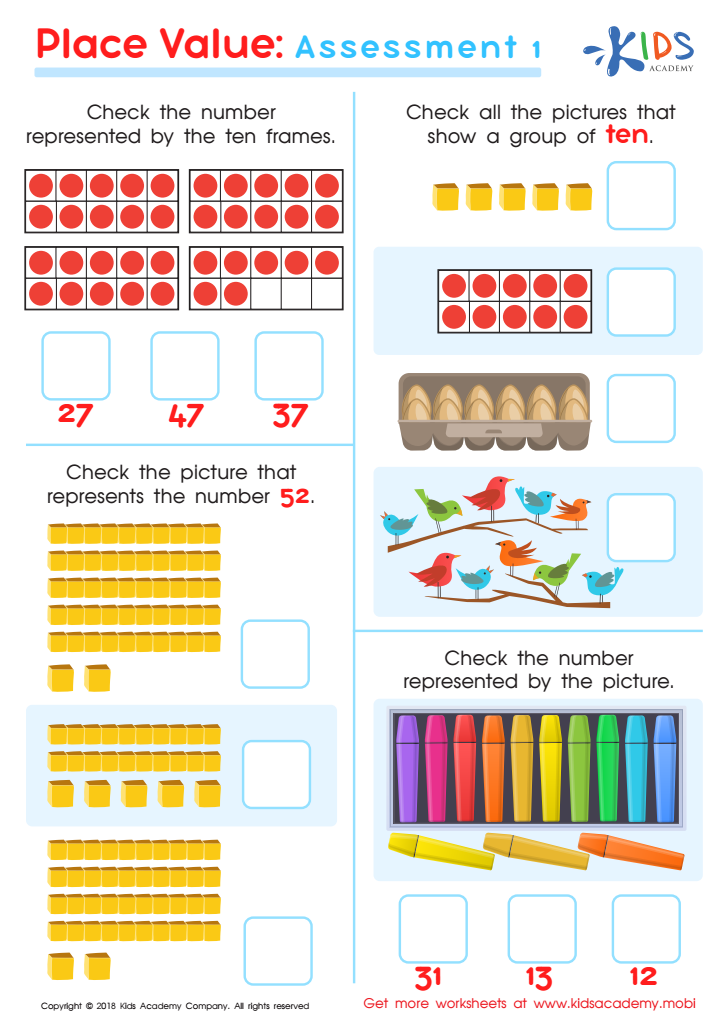
Place Value: Assessment 1 Worksheet

Place Value: Assessment 1 Worksheet

Assess your child's place value and number representation with this PDF worksheet. It lets them count and compare numbers and practice chiseling numbers into groups of ten. It's a great way to identify any concepts that need to be reinforced.
Place Value: Assessment 1 Worksheet
Worksheet
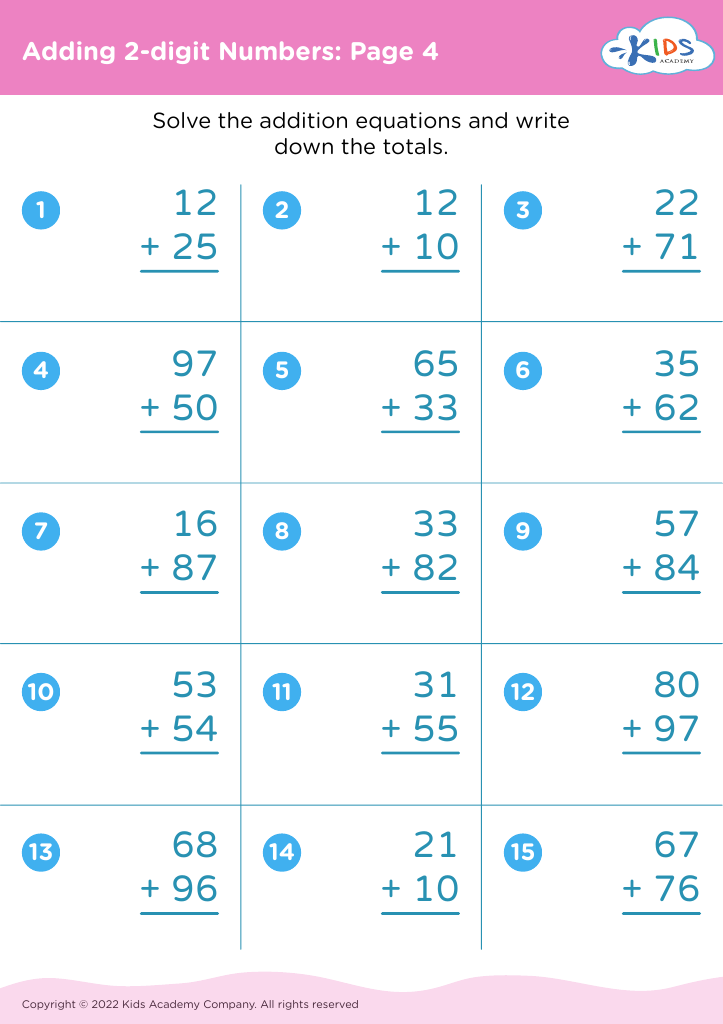
Adding 2-digit Numbers: Page 4

Adding 2-digit Numbers: Page 4

Adding 2-digit Numbers: Page 4
Worksheet
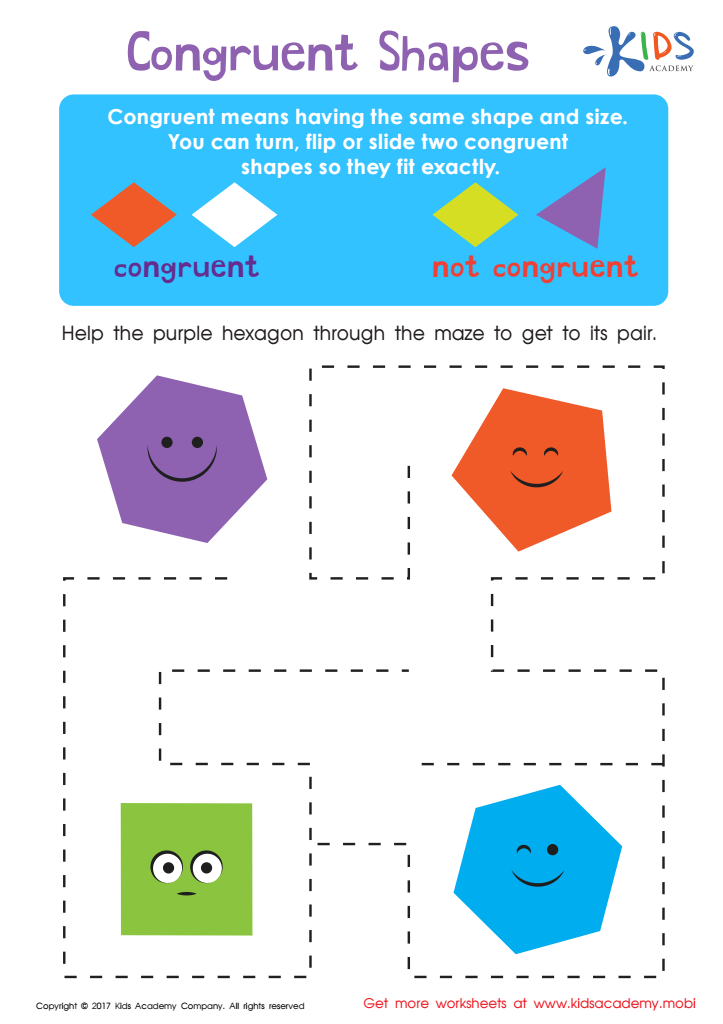
Congruent shapes worksheet

Congruent Shapes Worksheet

Help your child find the twin of the purple hexagon! This congruent shapes worksheet is great for increasing vocabulary while challenging mental rotation skills.
Congruent Shapes Worksheet
Worksheet
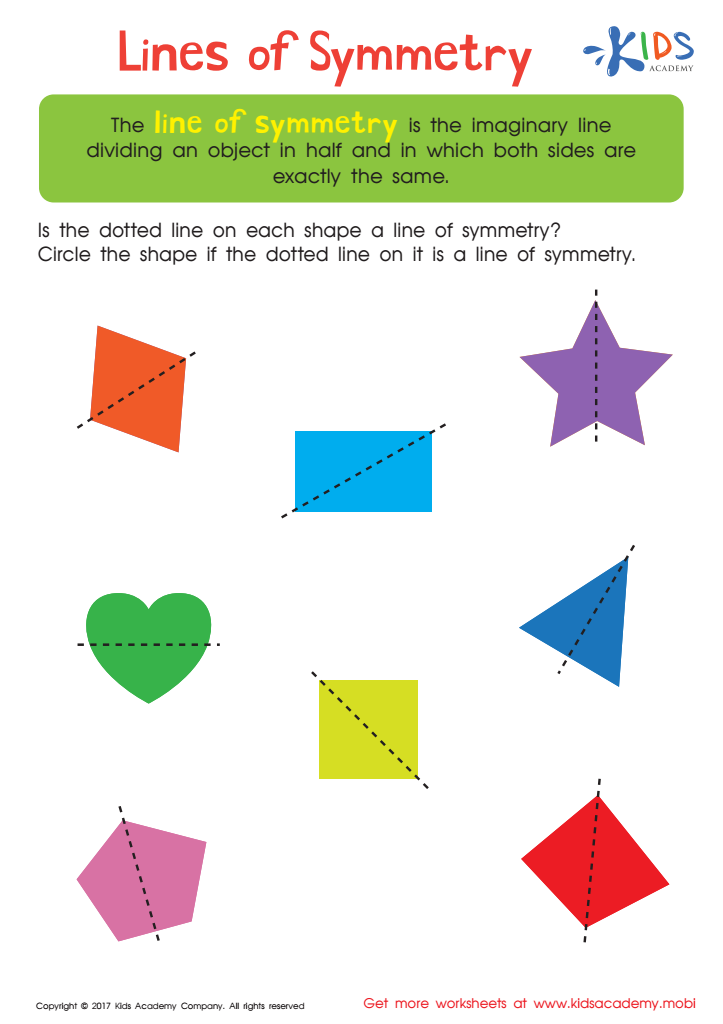
Lines of symmetry worksheet

Lines of Symmetry Printable

Symmetry is a key math concept that kids must learn to develop their geometry skills. This fun worksheet helps build this skill, by encouraging kids to recognize symmetrical shapes and find equal parts.
Lines of Symmetry Printable
Worksheet
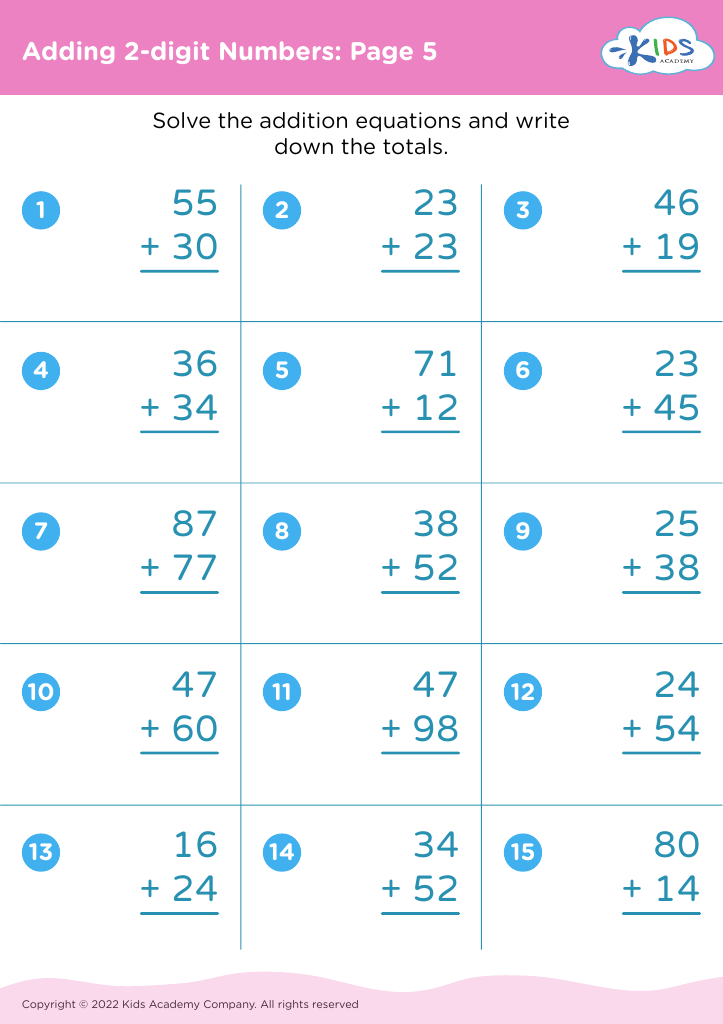
Adding 2-digit Numbers: Page 5

Adding 2-digit Numbers: Page 5

Adding 2-digit Numbers: Page 5
Worksheet
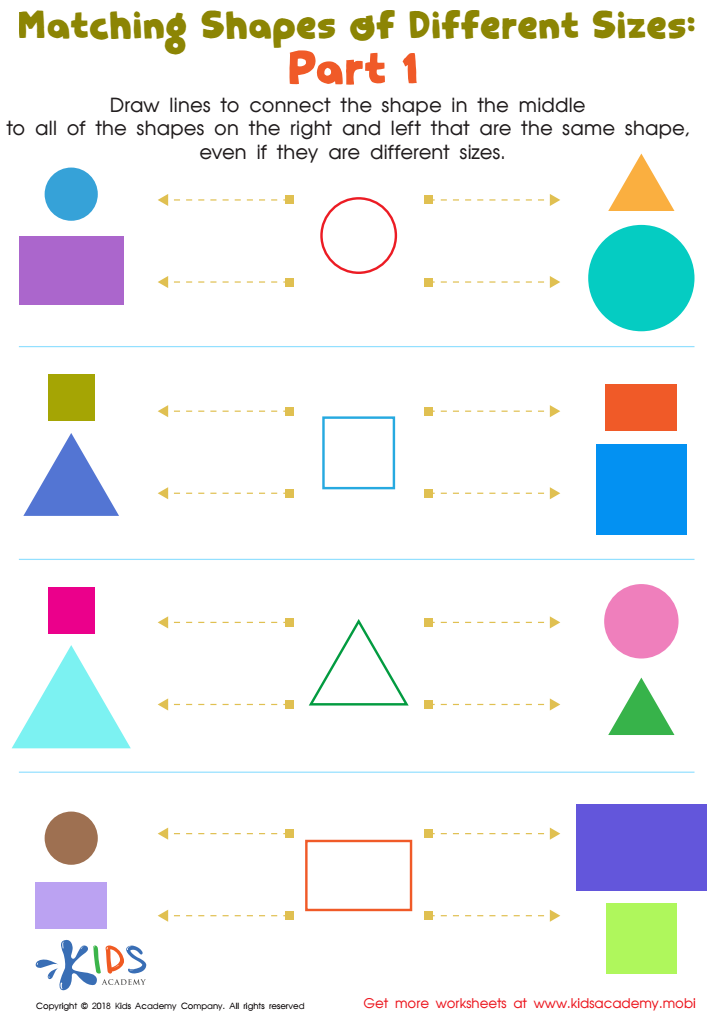
Geometry: part 1 Worksheet

Geometry: part 1 Worksheet

Test your student's shape knowledge with this beginner-level geometry worksheet. This fun, challenging printable PDF will sharpen spacial recognition skills as they match shapes of different sizes. Get started now!
Geometry: part 1 Worksheet
Worksheet
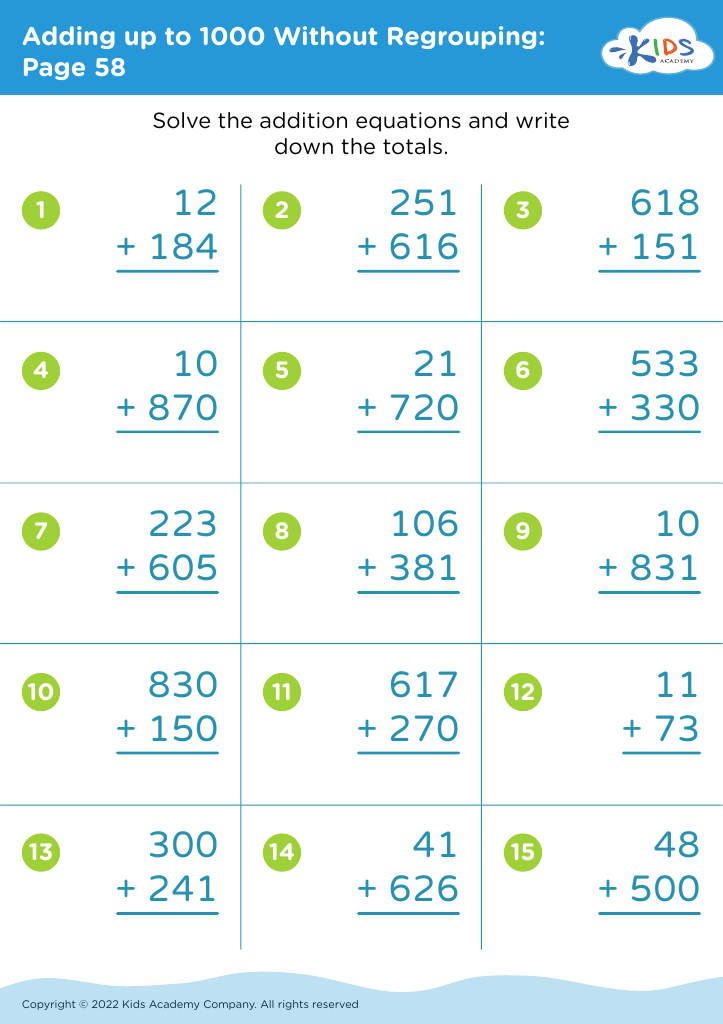
Adding up to 1000 Without Regrouping: Page 58
Worksheet
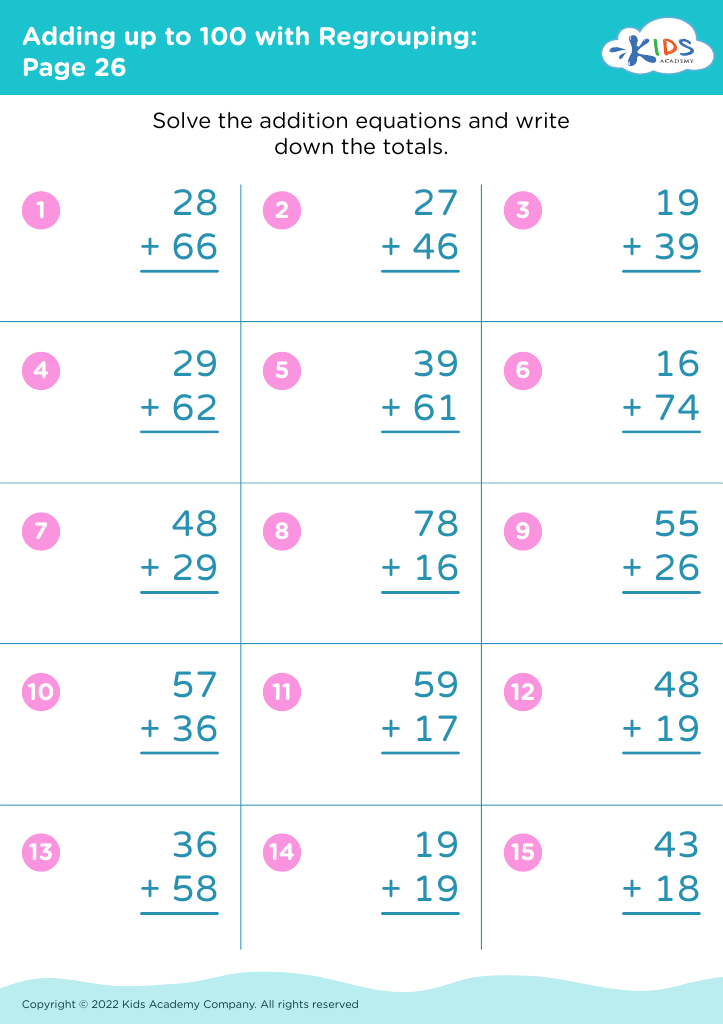
Adding up to 100 with Regrouping: Page 26
Worksheet
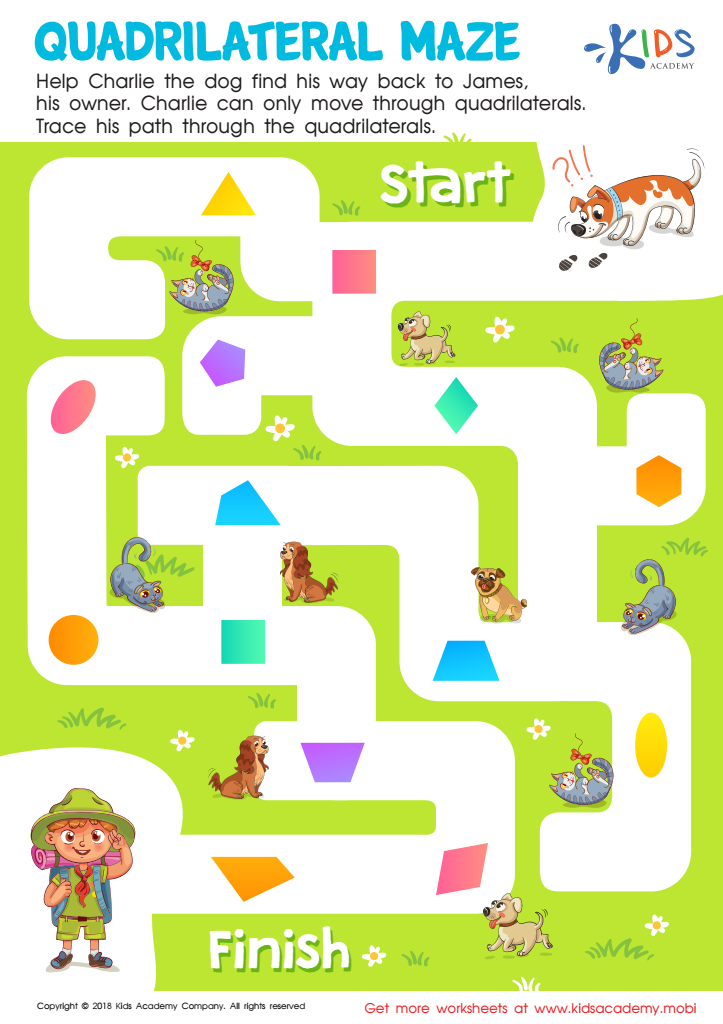
Quadrilateral Maze Worksheet
Quadrilateral Maze Worksheet
Does your kid love dogs? If so, this exercise is ideal for them! Help Charlie the pup find his way back to his owner, James, in the quadrilateral maze worksheet. Your child must trace Charlie's path only through squares and rhombuses in order to solve it. Careful planning is key!
Quadrilateral Maze Worksheet

Worksheet
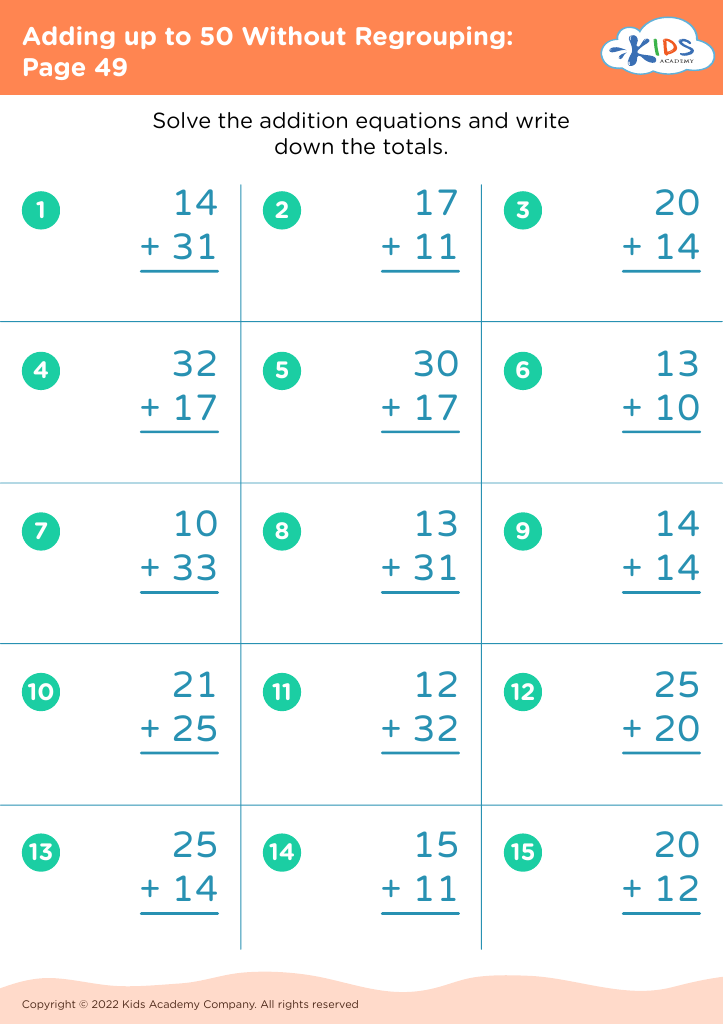
Adding up to 50 Without Regrouping: Page 49
Worksheet
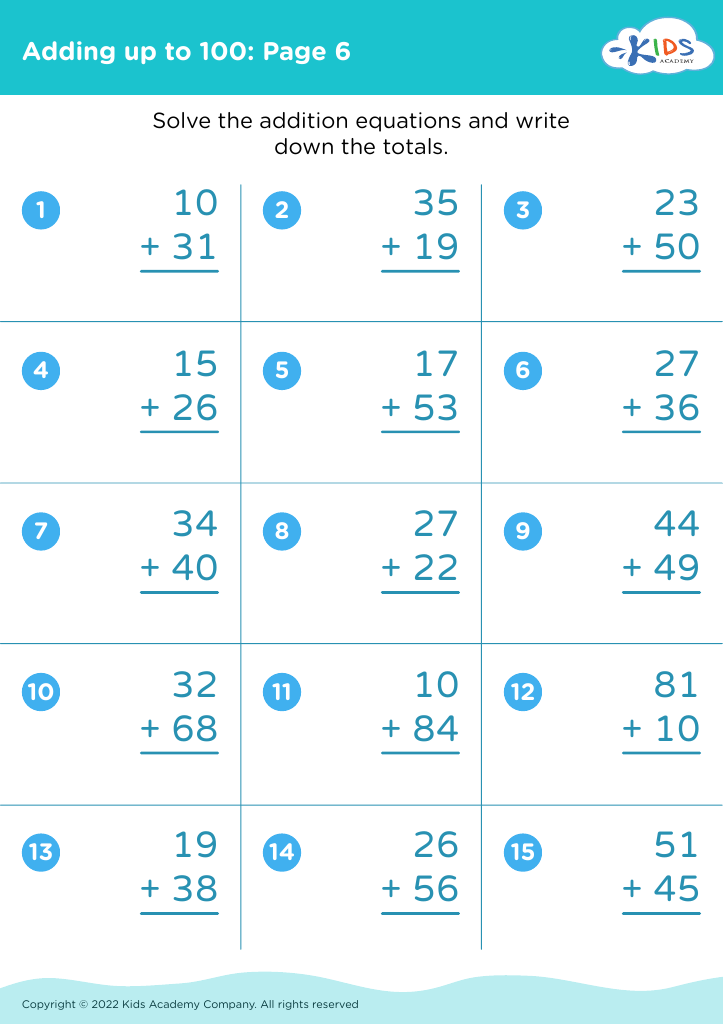
Adding up to 100: Page 6

Adding up to 100: Page 6

Adding up to 100: Page 6
Worksheet
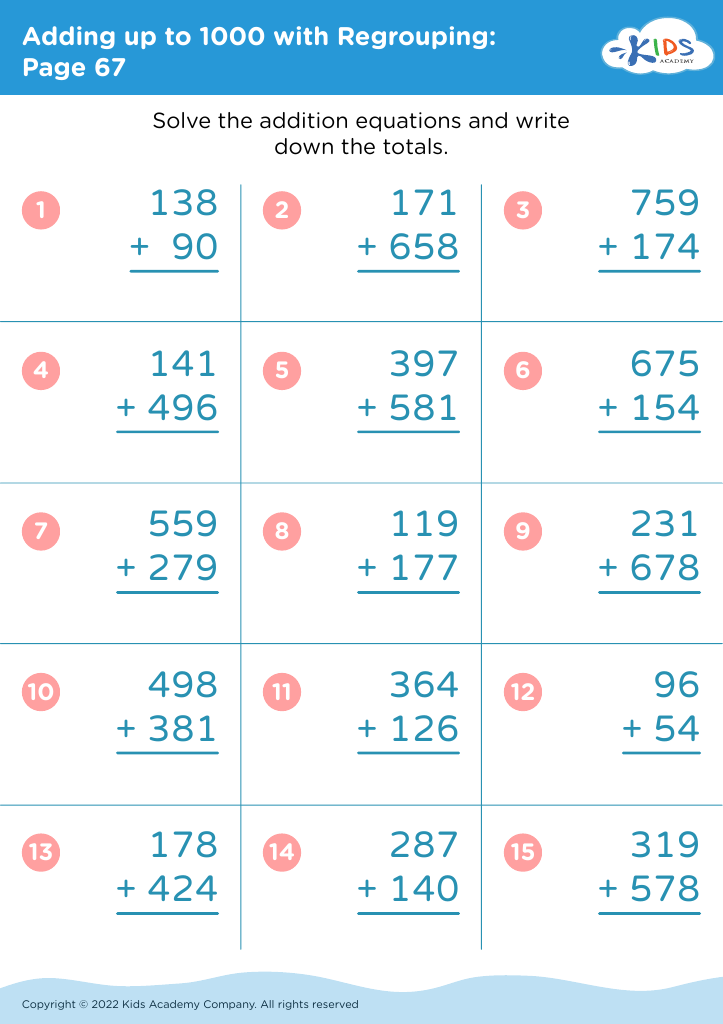
Adding up to 1000 with Regrouping: Page 67
Worksheet
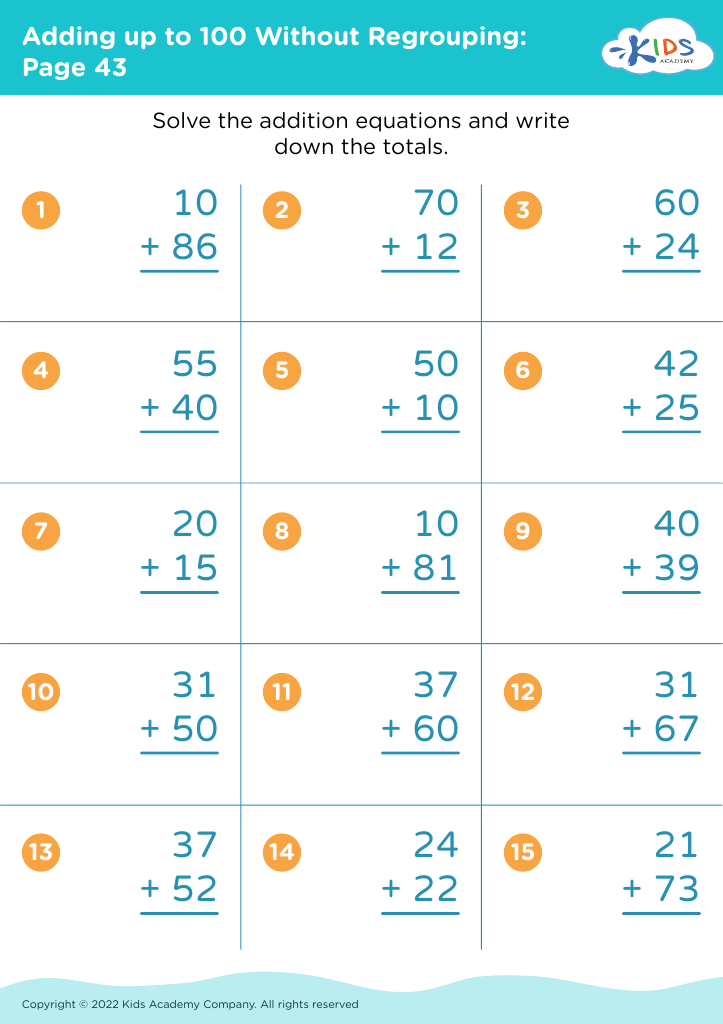
Adding up to 100 Without Regrouping: Page 43
Worksheet
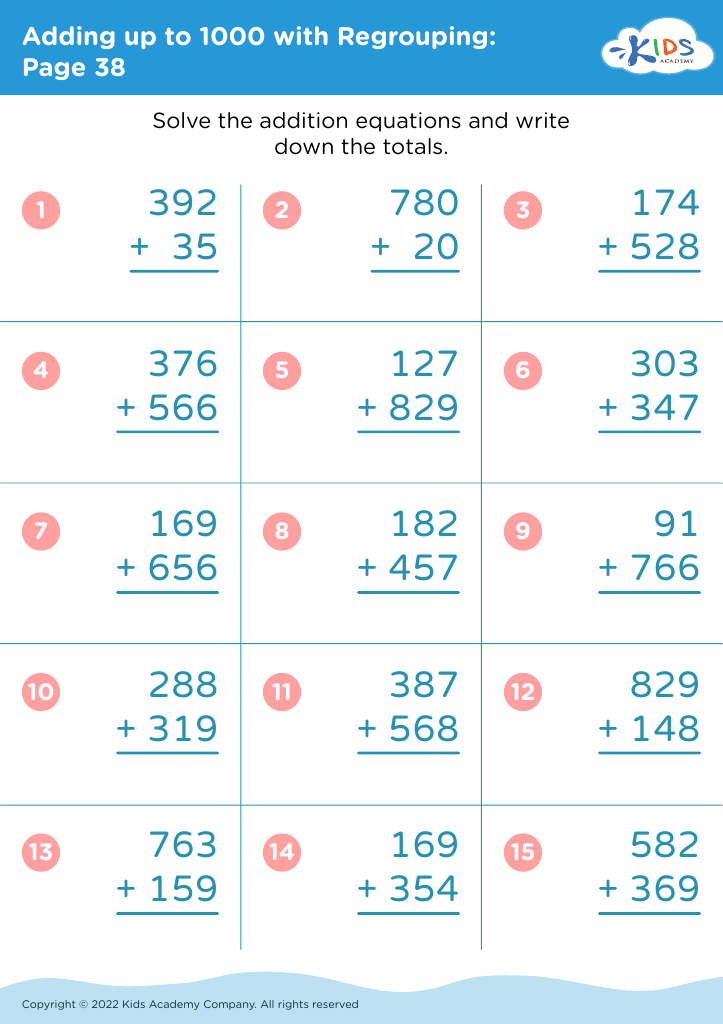
Adding up to 1000 with Regrouping: Page 38
Worksheet
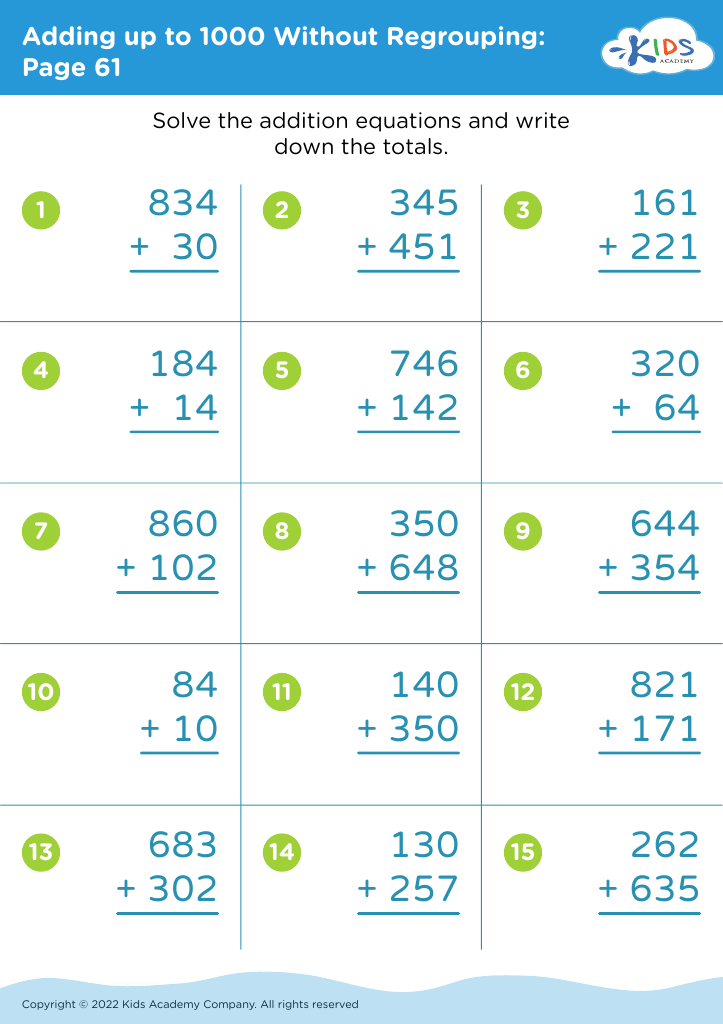
Adding up to 1000 Without Regrouping: Page 61
Worksheet


Recognizing shapes is a fundamental skill for children aged 4-8 that lays the groundwork for more complex mathematical concepts later in life. Understanding shapes helps children develop spatial awareness, which is essential for problem-solving and critical thinking. It enhances their ability to comprehend the physical world, enabling them to describe the environment around them more effectively.

Moreover, identifying shapes fosters cognitive development in young learners. As they learn to distinguish between different shapes, children improve their observation skills and attention to detail. This knowledge also supports their understanding of symmetry, patterns, and measurements, which are vital in math and everyday life.

Parents and teachers should prioritize shape recognition because it is not just foundational in mathematics but also supports literacy development through geometric vocabulary. Activities such as sorting, naming, and constructing shapes can be integrated into play, making learning fun and interactive. Lastly, recognizing shapes encourages creativity and imagination, allowing children to explore and innovate in their learning journey. Engaging with shapes helps prepare them for future challenges in math and science, cultivating a lifelong appreciation for learning and exploration.