
Time conversion skills Math Worksheets for Ages 4-8
3 filtered results
Difficulty Level
Grade
Age
-
From - To
Subject
Activity
Standards
Enhance your child's understanding of time with our engaging Time Conversion Skills Math Worksheets, specially designed for ages 4-8. Our worksheets focus on foundational concepts related to telling time, converting between hours and minutes, and using clocks effectively. Tailored to meet early learning standards, these fun and interactive activities encourage critical thinking and improve mathematical skills. Each worksheet features vibrant illustrations and age-appropriate exercises to captivate young learners. Help your child master important time concepts while enjoying the learning process. Visit our website to explore a variety of worksheets that make learning time conversion a delightful adventure for your little ones!
Favorites
With answer key
Interactive
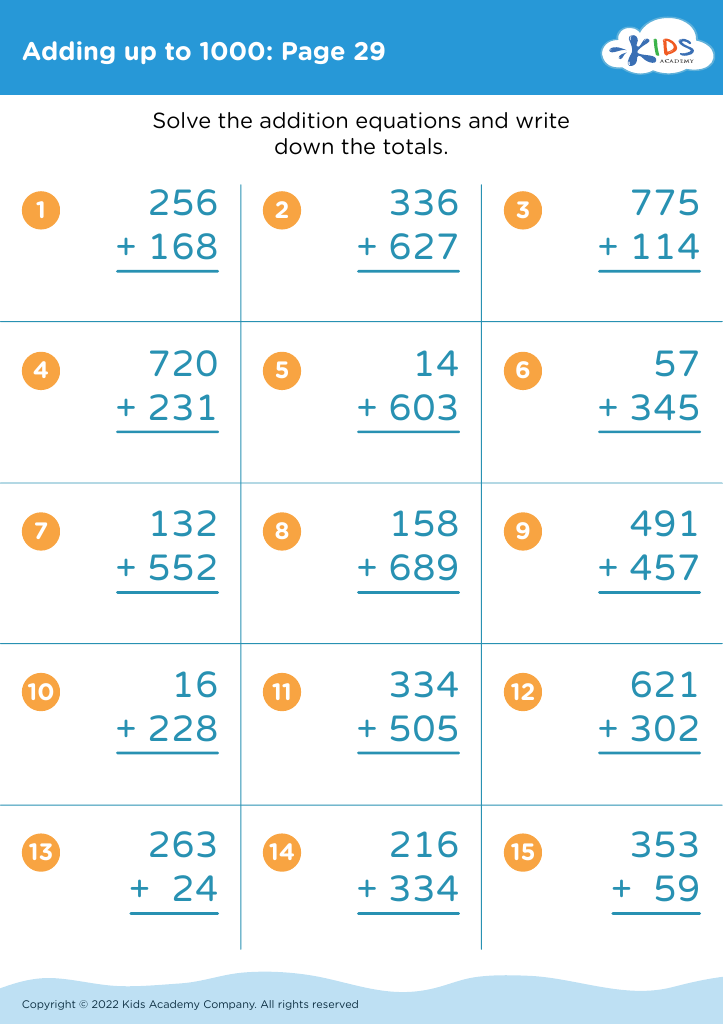
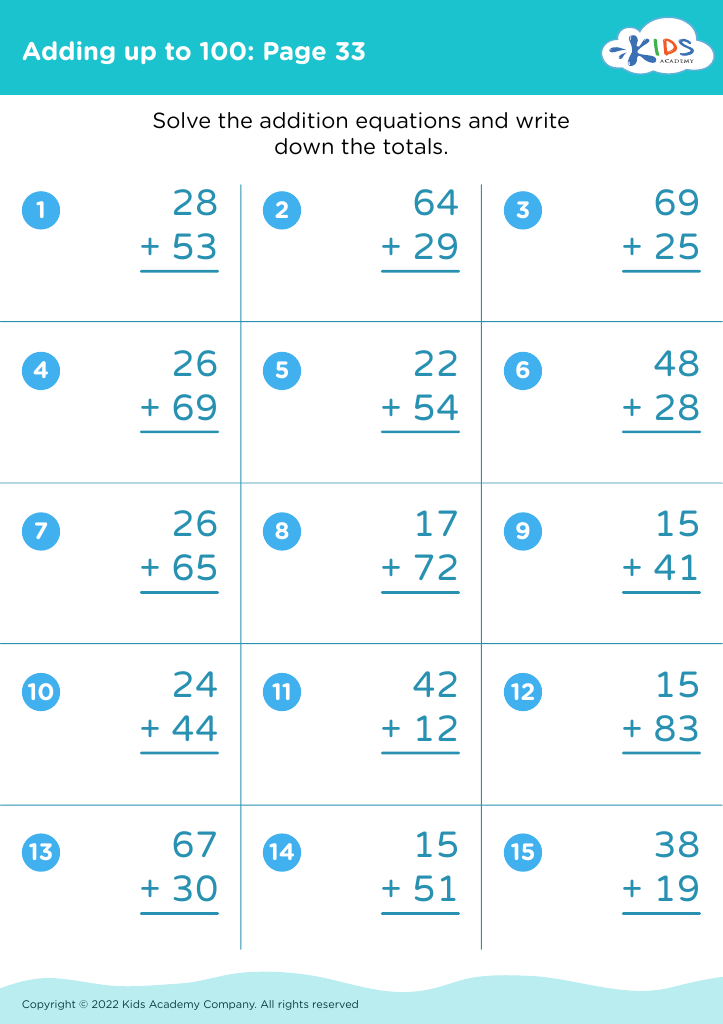
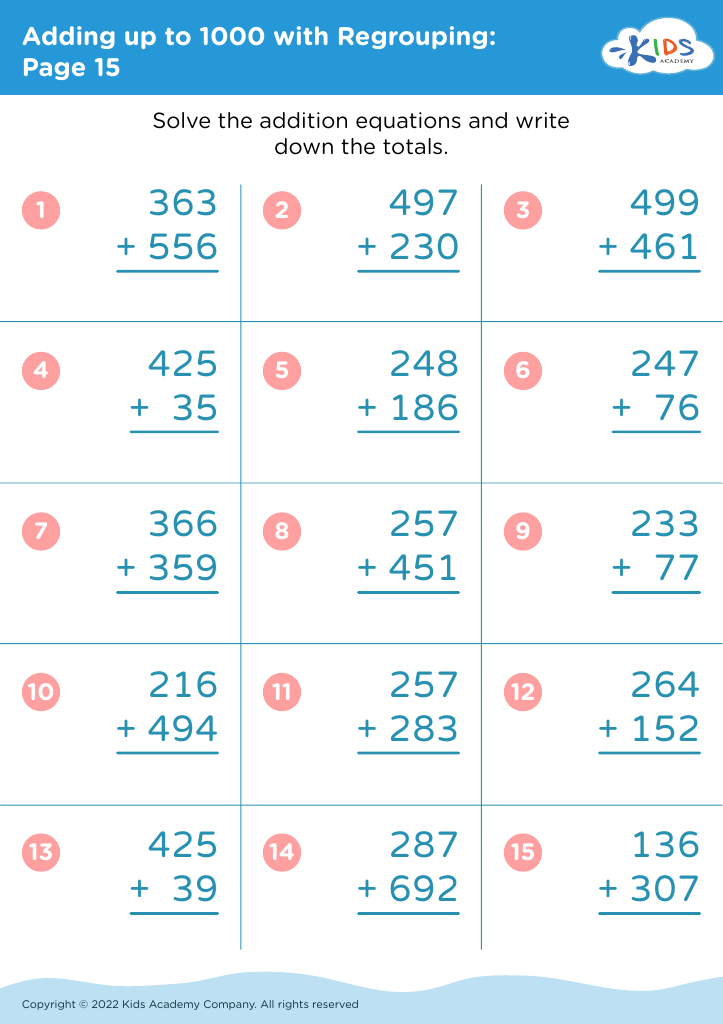
Join Kids Academy for Free
Who is primarily going to use this learning content?








Time conversion skills are essential for children aged 4-8, as they form the foundation for understanding time management and scheduling—crucial life skills. At this age, children are naturally curious about their environment, and learning to tell time enhances their ability to interact with the world around them. By mastering how to convert between different time units, like hours and minutes, children develop critical thinking and problem-solving skills.
Parents and teachers should recognize that the skill of telling time goes beyond just reading a clock. It teaches children about routines—understanding when to wake up, how long until bedtime, or anticipating an event. This awareness helps them feel more secure and enhances their independence and responsibility.
Moreover, early exposure to time conversion nurtures mathematical readiness by linking abstract concepts with real-life applications. This connection strengthens their numerical understanding and prepares them for more complex math concepts in the future.
Lastly, incorporating time conversations into daily routines encourages parental involvement and fosters a collaborative learning environment. In summary, time conversion skills are vital as they equip young learners with the tools they need for effective time management and lay the groundwork for ongoing academic and personal success.








