Improve reading comprehension Building Vocabulary Worksheets for Ages 4-8
6 filtered results
-
From - To
Unlock your child’s potential with our "Improve Reading Comprehension Building Vocabulary Worksheets for Ages 4-8." These engaging resources are expertly designed to enhance vocabulary and boost reading comprehension skills, essential for young learners. Our worksheets offer a range of fun activities, from matching exercises to word puzzles, tailored to support early education. By expanding their vocabulary, kids will gain confidence in their reading abilities, fostering a lifelong love for learning. Suitable for both classroom and home use, these worksheets provide the ideal foundation for your child’s educational journey. Start today and watch your child’s reading skills flourish!
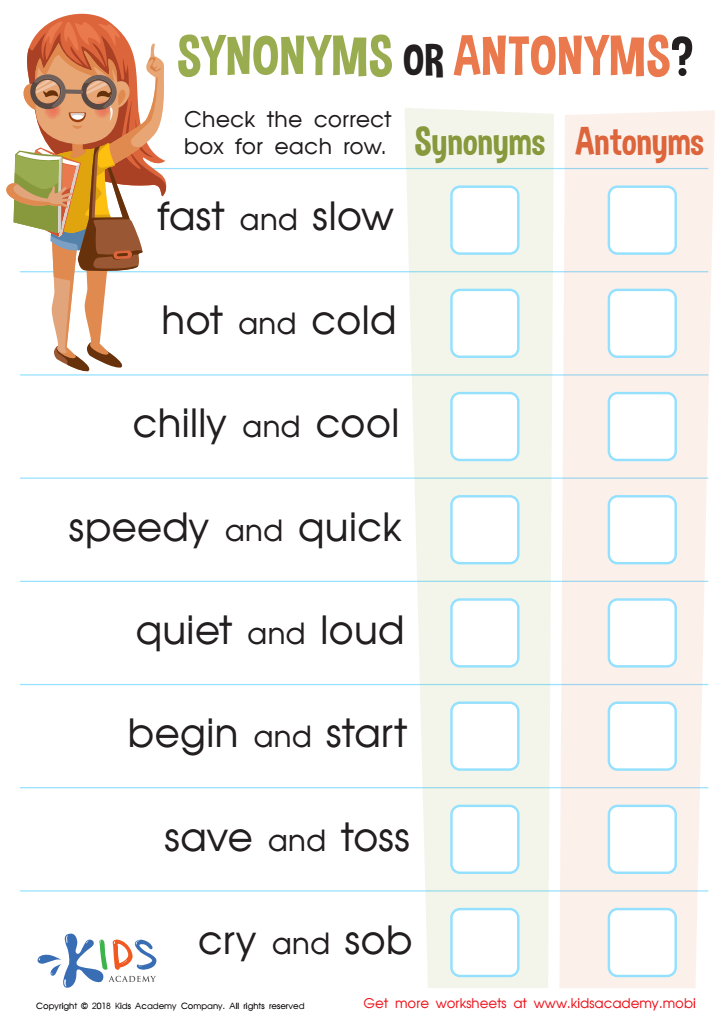
Synonyms or Antonyms: Assessment Worksheet
 Assign to My Students











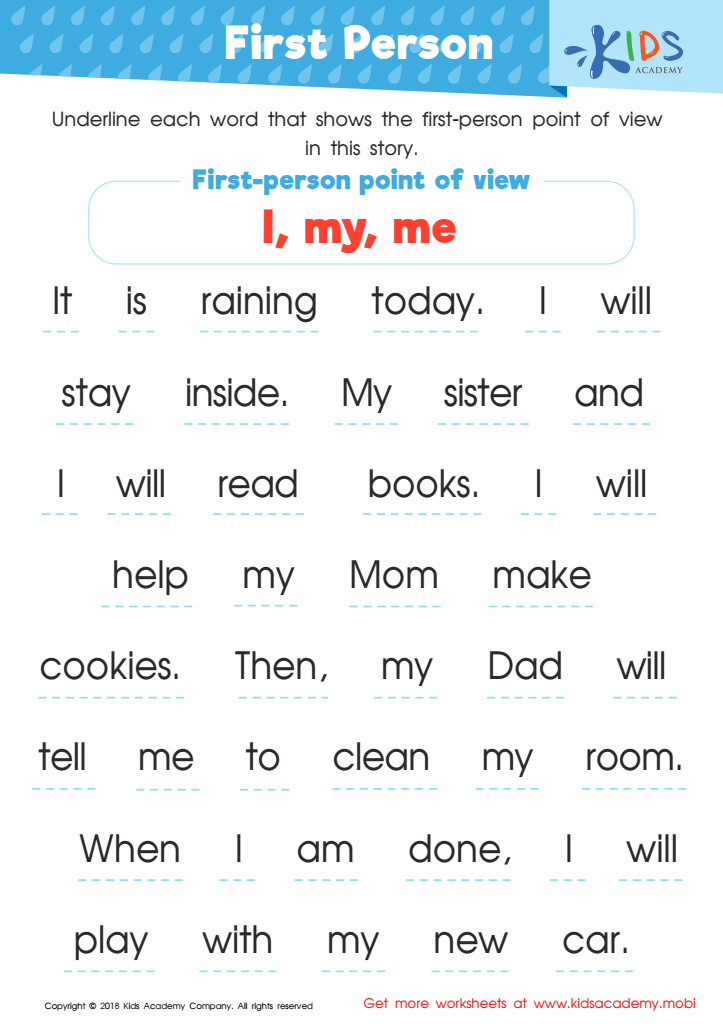
First Person Worksheet
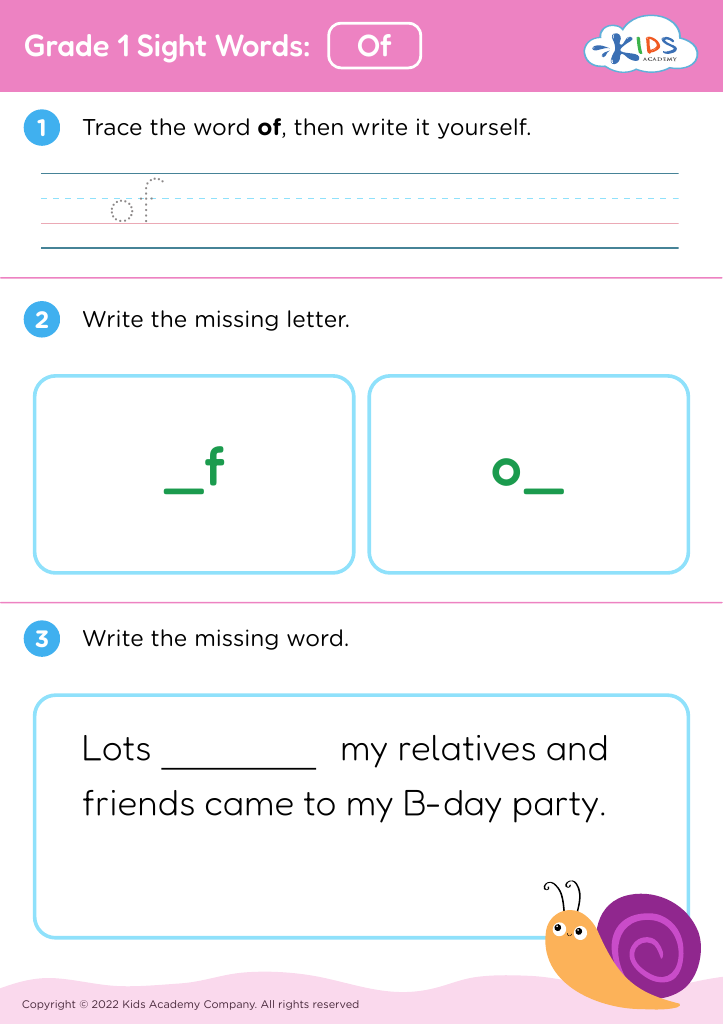
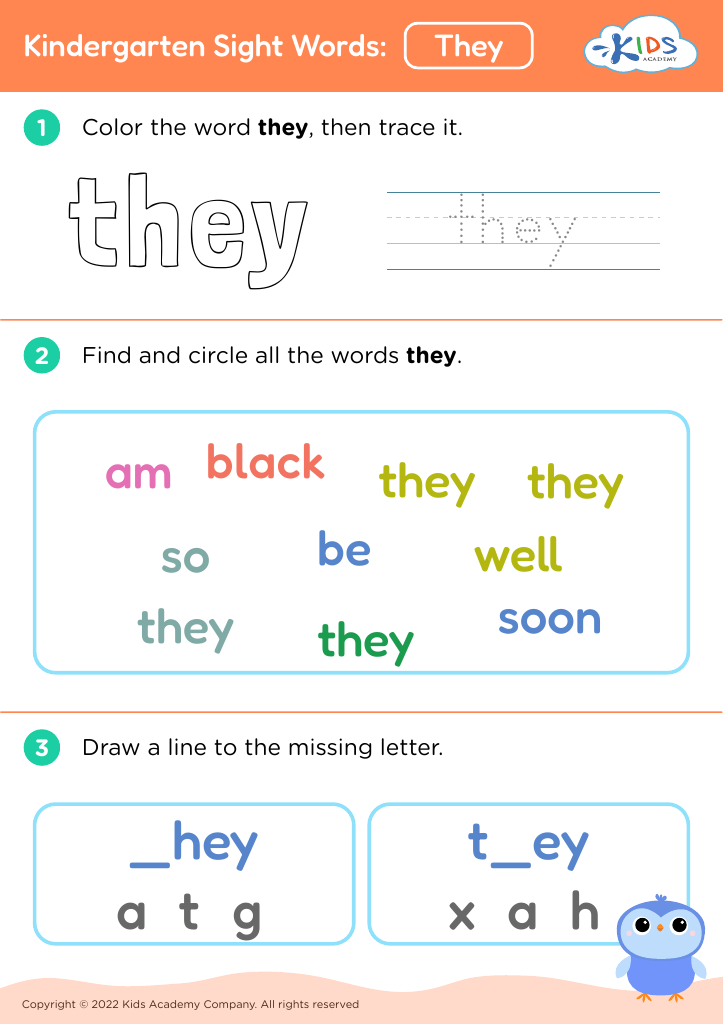
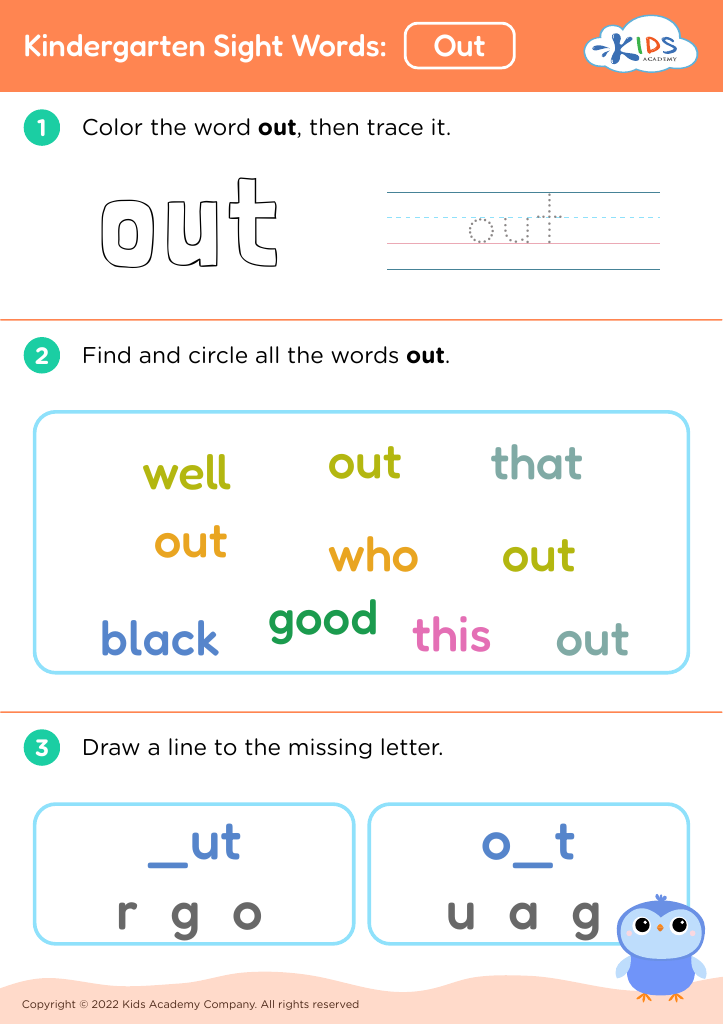
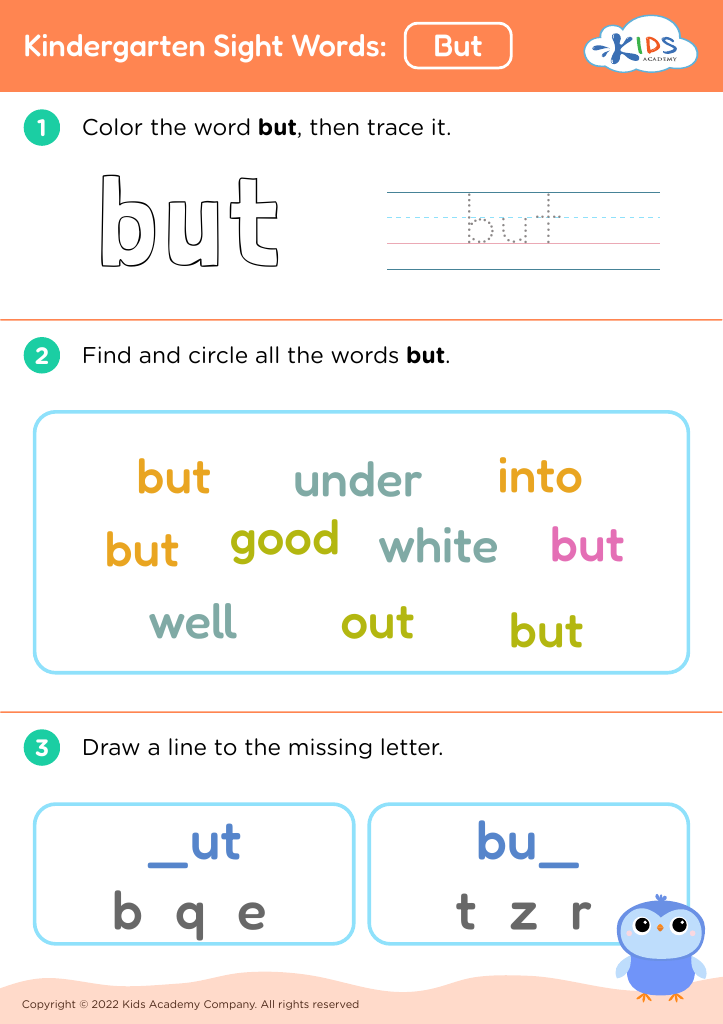







Parents and teachers should prioritize improving reading comprehension and building vocabulary for children aged 4-8 because these foundational skills are critical to a child's overall academic success and cognitive development. At this formative stage, young brains are highly receptive to new information, making it the optimal time to enhance language abilities.
Reading comprehension is not just about recognizing words, but understanding and engaging with the text. Children who develop strong comprehension skills tend to perform better across all subjects because they can follow instructions, grasp concepts, and retain information. It fosters critical thinking, analytical skills, and a love for learning.
Building a rich vocabulary is equally essential. A broad vocabulary allows children to express themselves more clearly and creatively, both verbally and in writing. It also helps with decoding new words, enhancing their ability to read more complex texts as they progress through school.
Moreover, children who are proficient in comprehension and vocabulary often exhibit greater confidence and enthusiasm towards learning. This early investment in language skills sets the stage for lifelong learning, academic achievement, and effective communication, enabling children to navigate complexities in educational settings and real-world situations more adeptly. Thus, focusing on these areas during ages 4-8 prepares children for a brighter, more informed future.








