Animal recognition Reading Worksheets for Ages 4-8
5 filtered results
-
From - To
Discover a fun and engaging way to enhance your child's reading skills with our Animal Recognition Reading Worksheets, designed for ages 4-8. These worksheets blend literacy development with animal-themed activities to boost young learners' vocabulary and comprehension. Each worksheet features vibrant images and simple sentences, helping kids identify various animals while practicing reading. Perfect for both home and classroom settings, our printable worksheets keep children entertained and improve their cognitive skills. Visit Kids Academy to access these valuable resources and watch your child's love for reading and animals grow together!
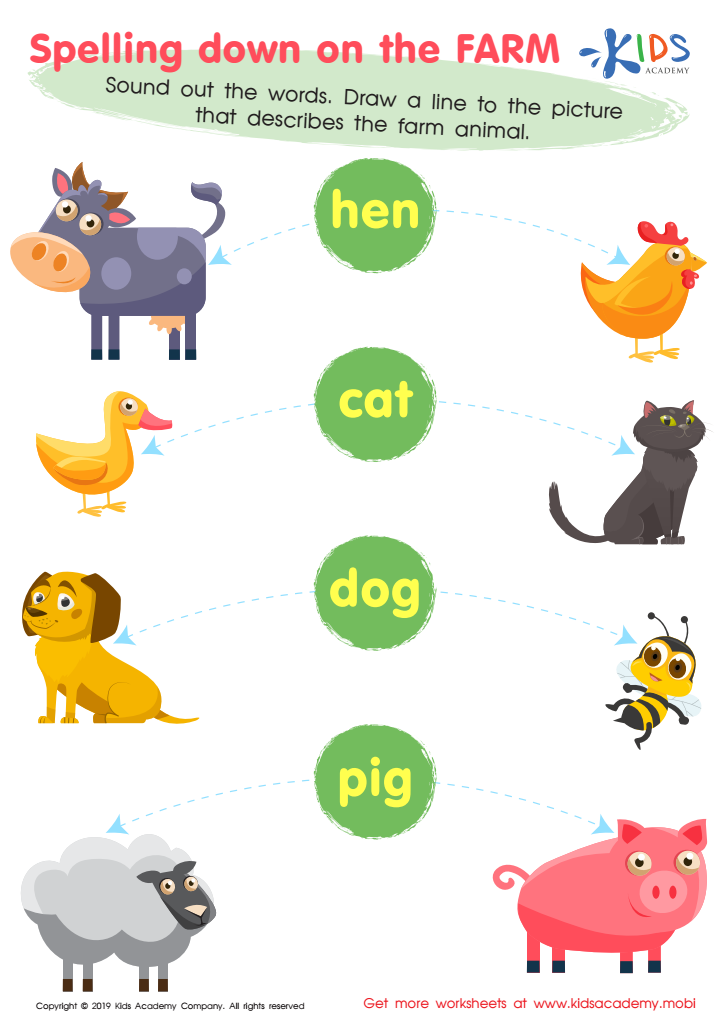
Spelling Down on the Farm Worksheet
 Assign to My Students
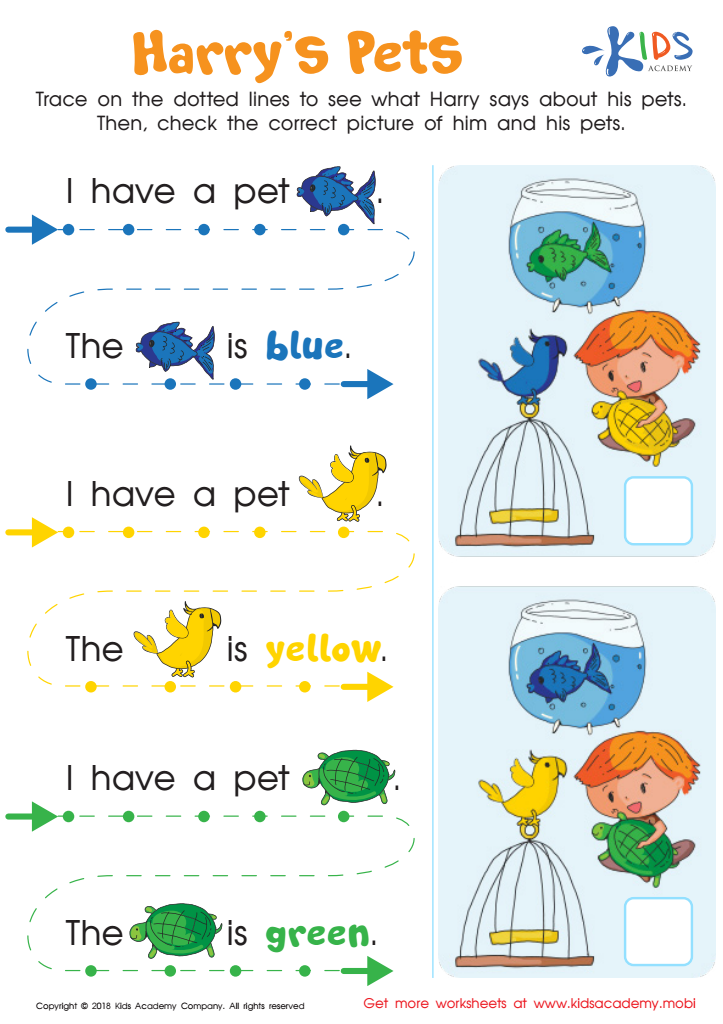
Read from Left to Right: Harry's Pets Worksheet
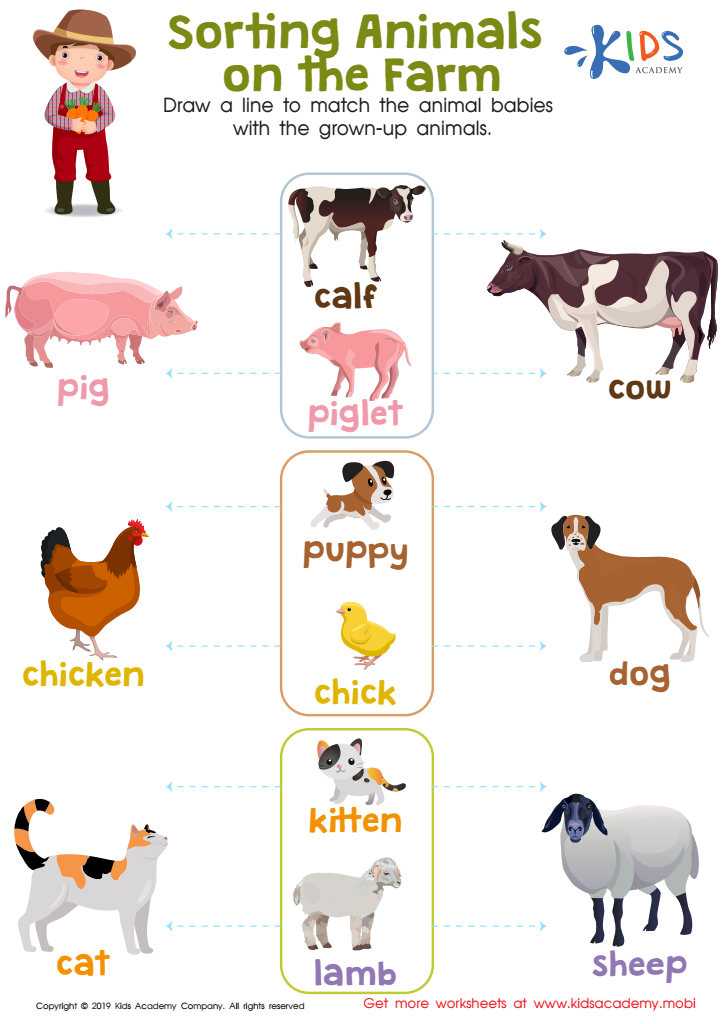
Sorting Animals on the Farm Worksheet
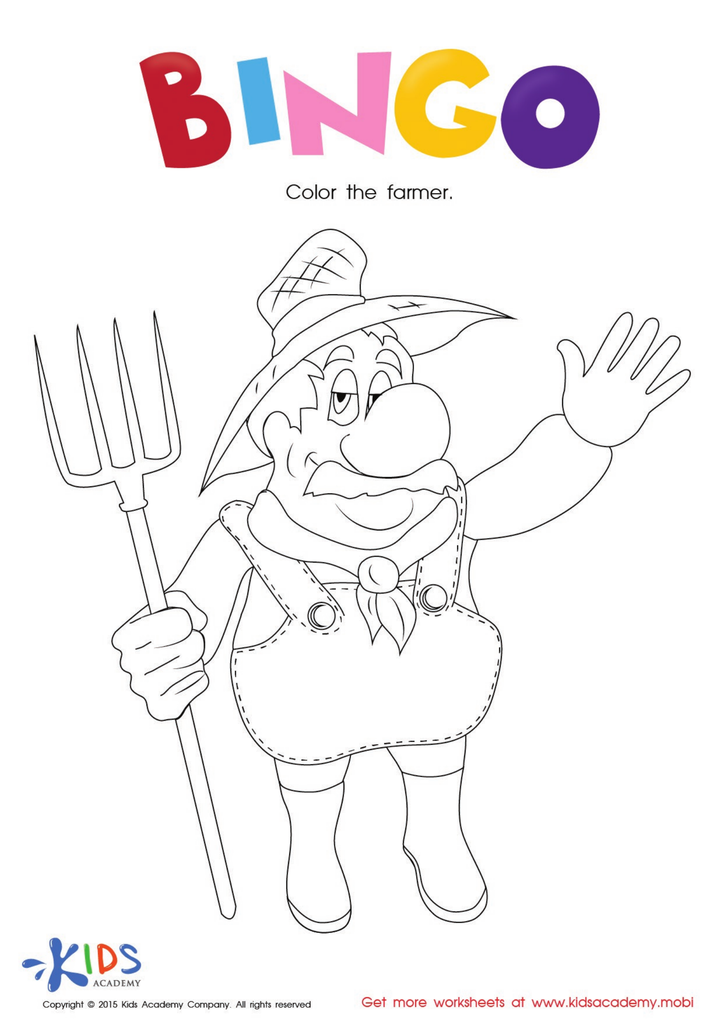
The Bingo Song: Coloring The Farmer Worksheet
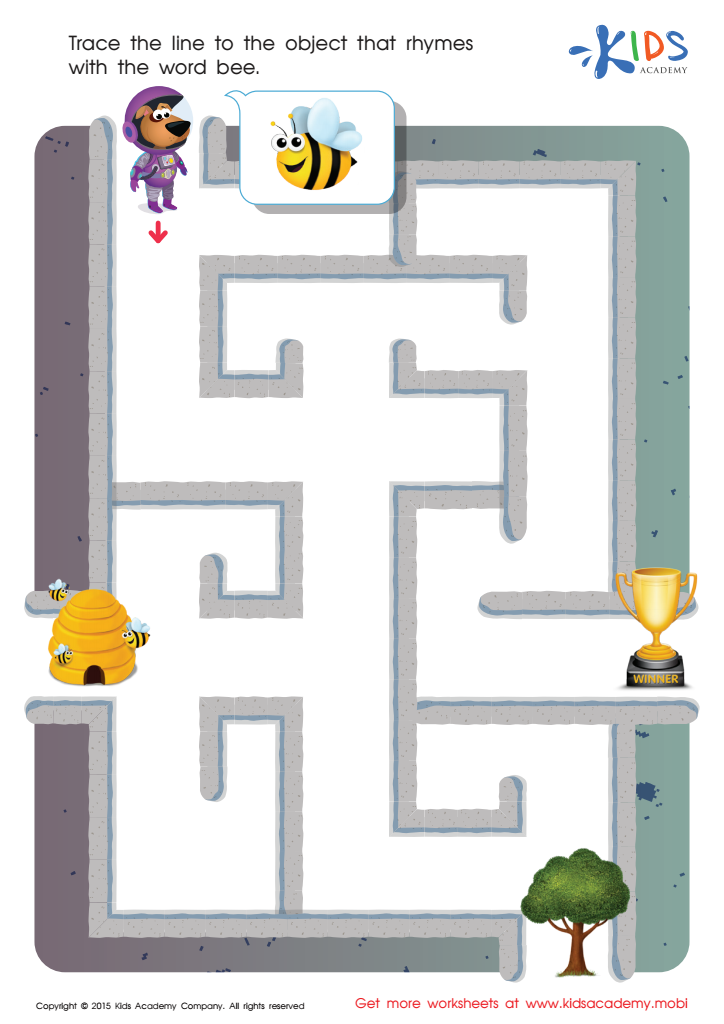
Bee Rhyming Words Worksheet








Animal recognition reading for children aged 4-8 is critical for multiple reasons. Firstly, young children are typically naturally curious about animals, and this presents an excellent opportunity to engage them in reading. When they read about animals, they build their vocabulary with terms and concepts that are both specific and relatable, fostering language development.
Moreover, animal recognition helps in developing cognitive skills. It encourages children to categorize and differentiate between various animals, strengthening their memory and attention to detail. For example, identifying differences between a tiger and a lion requires observational skills and focus, supporting cognitive growth.
Emotionally, learning about animals can foster empathy and environmental awareness. Understanding that animals have habitats and needs promotes a sense of caring and responsibility toward the natural world. This early exposure can nurture a lifelong respect for nature and wildlife conservation.
Socially, discussions about animals can enhance a child’s ability to communicate, share knowledge, and engage in collaborative learning. When children talk about their favorite animals or what they’ve learned, they practice social interactions and verbal skills, crucial for their overall development.
In summary, animal recognition reading is a multifaceted tool supporting linguistic, cognitive, emotional, and social growth, making it a vital component of early childhood education.








