Comparing quantities Reading Worksheets for Ages 4-8
3 filtered results
-
From - To
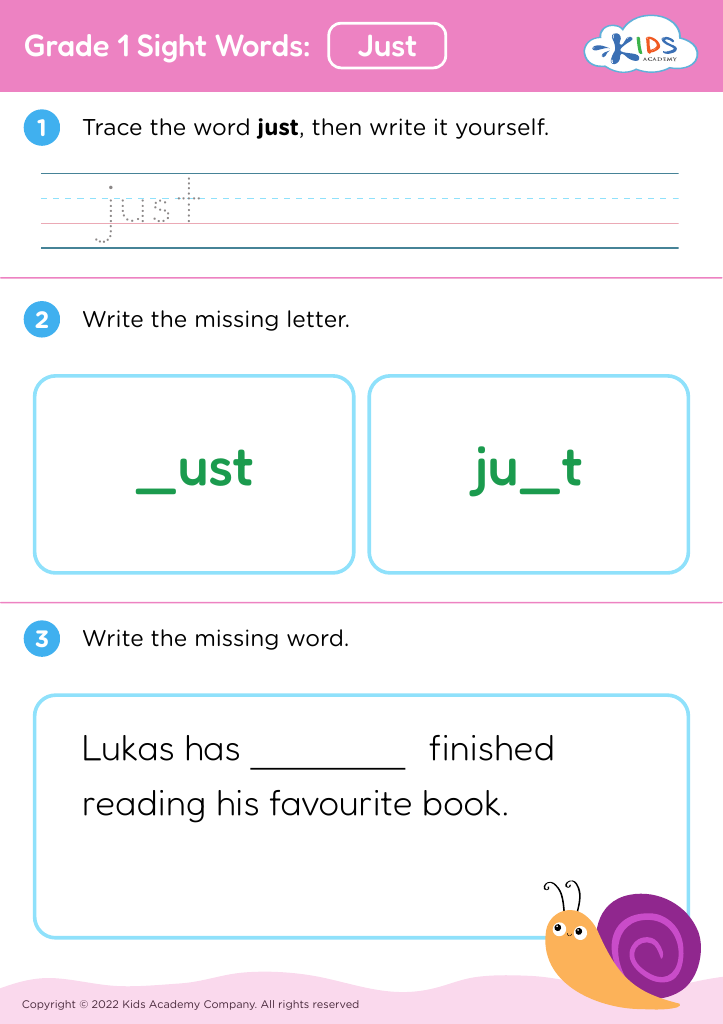
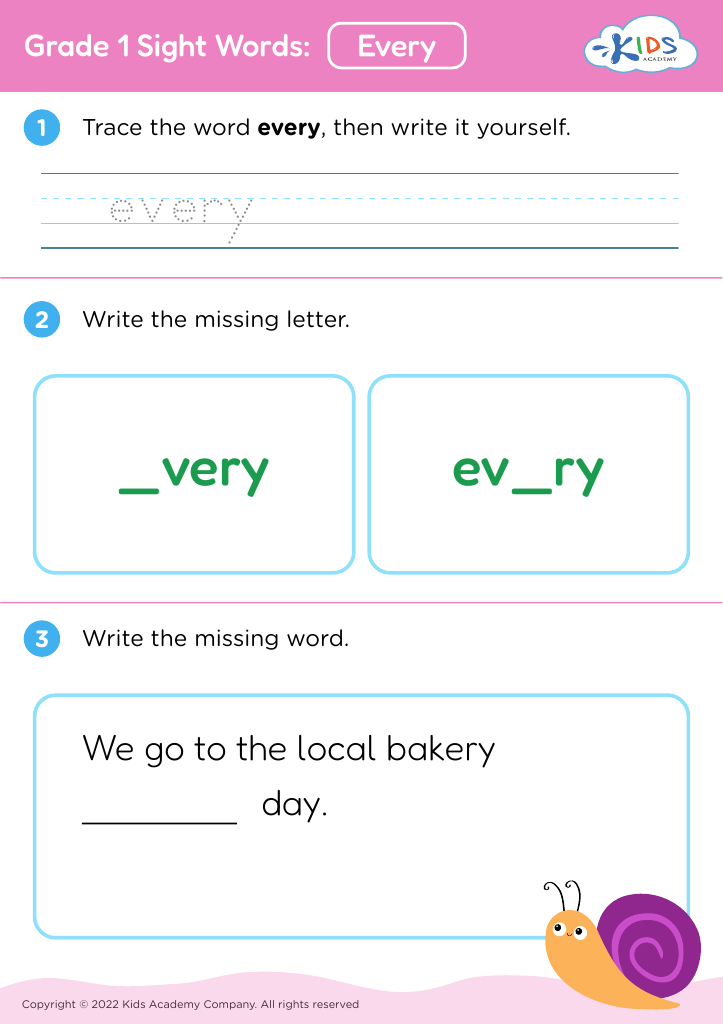
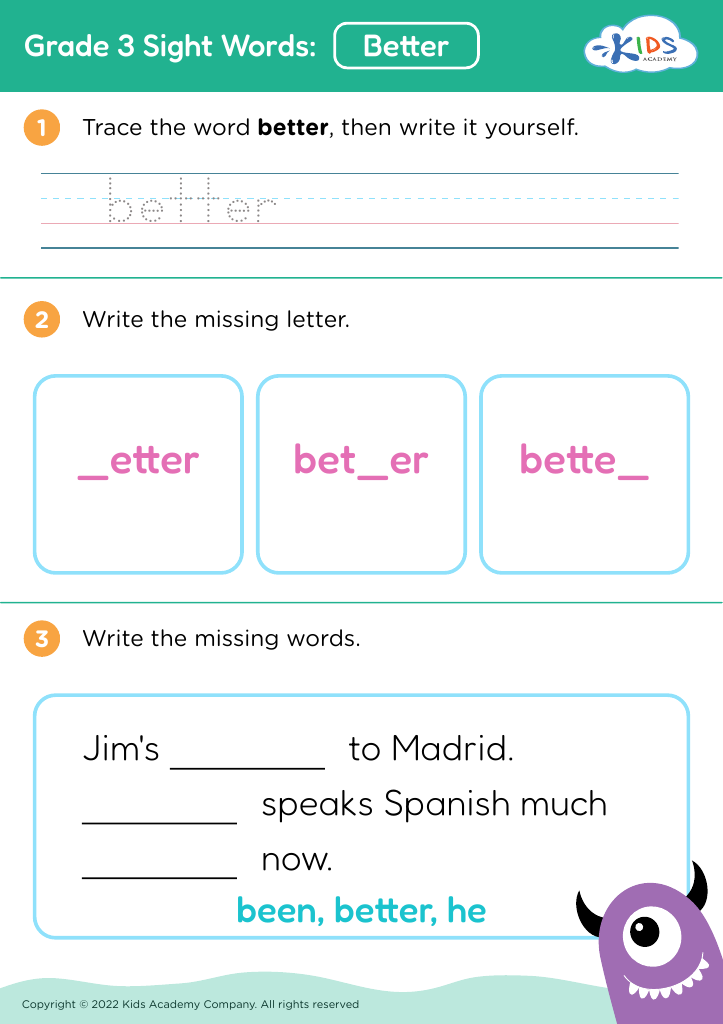
Discover our engaging "Comparing Quantities" reading worksheets designed specifically for children ages 4 to 8. These interactive resources aim to enhance early literacy skills while introducing fundamental concepts of quantity comparison. Through fun activities and illustrative examples, children learn to identify and compare different amounts, laying a strong foundation for mathematical understanding. Each worksheet aligns with early learning standards, ensuring your young learners develop critical thinking and reading comprehension simultaneously. Perfect for classrooms, homework, or homeschool settings, our worksheets make learning enjoyable and effective. Empower your child's educational journey today with our comprehensive collection of comparing quantities reading worksheets!








Comparing quantities is a crucial skill in early childhood development that lays the foundation for both mathematical understanding and critical thinking. For children aged 4-8, engaging with comparing quantities helps them grasp basic concepts of more and less, which are fundamental to mathematics. This skill enhances their ability to organize information, categorize objects, and develop problem-solving strategies.
Parents and teachers should care about this learning aspect because it fosters cognitive skills essential for everyday decision-making and promotes a sense of wonder about the world. When children compare quantities—be it through counting candies, measuring liquids, or comparing numbers in books—they develop language skills and mathematical reasoning. This not only prepares them for future academic success but also boosts their confidence in handling numbers and data.
Furthermore, comparing quantities encourages social interaction when children collaborate in activities, reinforcing their communication and teamwork skills. By nurturing this ability early on, educators and parents support children's overall development, empowering them with skills that are transferable to various subjects and real-life situations. Therefore, prioritizing the practice of comparing quantities can significantly enhance a child's growth and prepare them for future learning challenges.








