Language skills development Reading Worksheets for Ages 4-8
3 filtered results
-
From - To
Discover our engaging language skills development reading worksheets designed specifically for children ages 4-8. These worksheets provide a captivating way for young learners to enhance their vocabulary, comprehension, and phonetic awareness. Each activity is crafted to stimulate curiosity and foster a love for reading while supporting developmental milestones. From matching pictures to words to sequencing stories, your child will build essential language skills in a fun, interactive environment. Perfect for both classroom and home settings, our worksheets ensure your little ones gain confidence in their reading abilities, setting the foundation for their future academic success. Explore our diverse resources today!
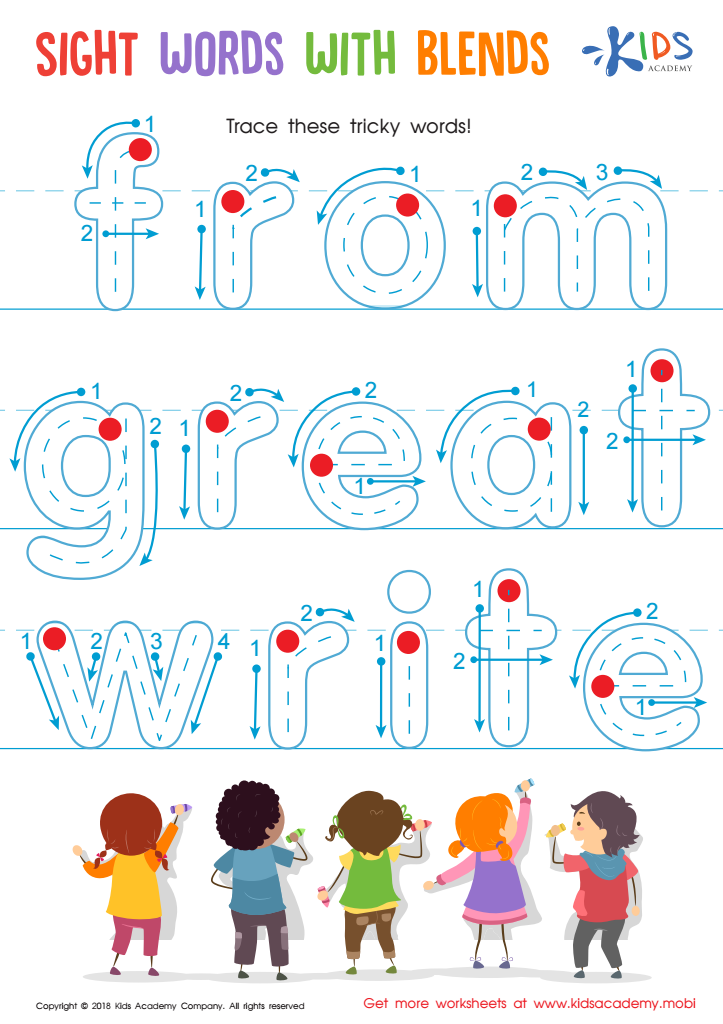
Sight Words with Blends Worksheet
 Assign to My Students
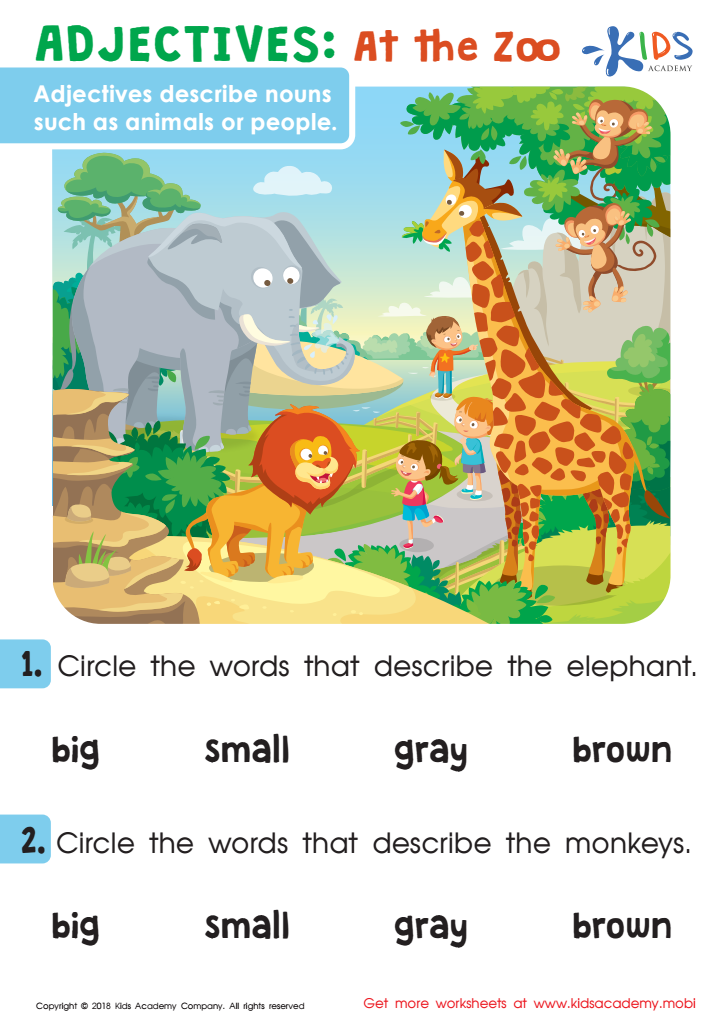
Adjectives: At The Zoo Worksheet
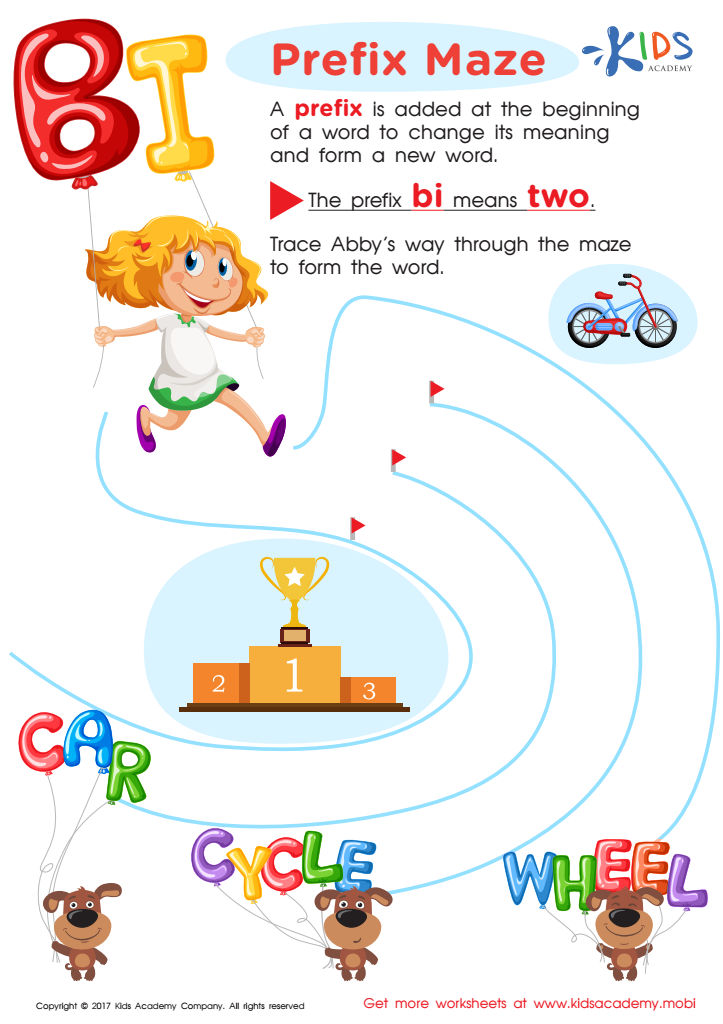
Prefix Bi Words Worksheet








Language skills development in children aged 4 to 8 is crucial for their overall academic success and emotional well-being. During these formative years, children are like sponges, absorbing language through reading and conversations, which helps build their vocabulary, comprehension, and critical thinking skills. Strong reading abilities not only enhance literacy but also foster cognitive development, enabling children to better understand and engage with the world around them.
Moreover, proficient language skills are linked to enhanced self-esteem and social interactions. Children who can express themselves clearly are more likely to form positive relationships with peers and adults. This age group is also essential for establishing a love for reading, which can cultivate a lifelong interest in learning and exploration.
Furthermore, parents and teachers play a key role in creating enriching environments, encouraging reading activities that integrate fun and engagement. By investing time in reading together, discussing stories, and promoting language-rich experiences, adults can significantly impact a child's future educational journey. Ultimately, nurturing language skills in these early years lays the foundation for effective communication, academic achievement, and personal growth throughout life. Therefore, prioritizing language development should be a shared goal for both parents and educators.








