Recognizing numbers Reading Worksheets for Ages 4-8
3 filtered results
-
From - To
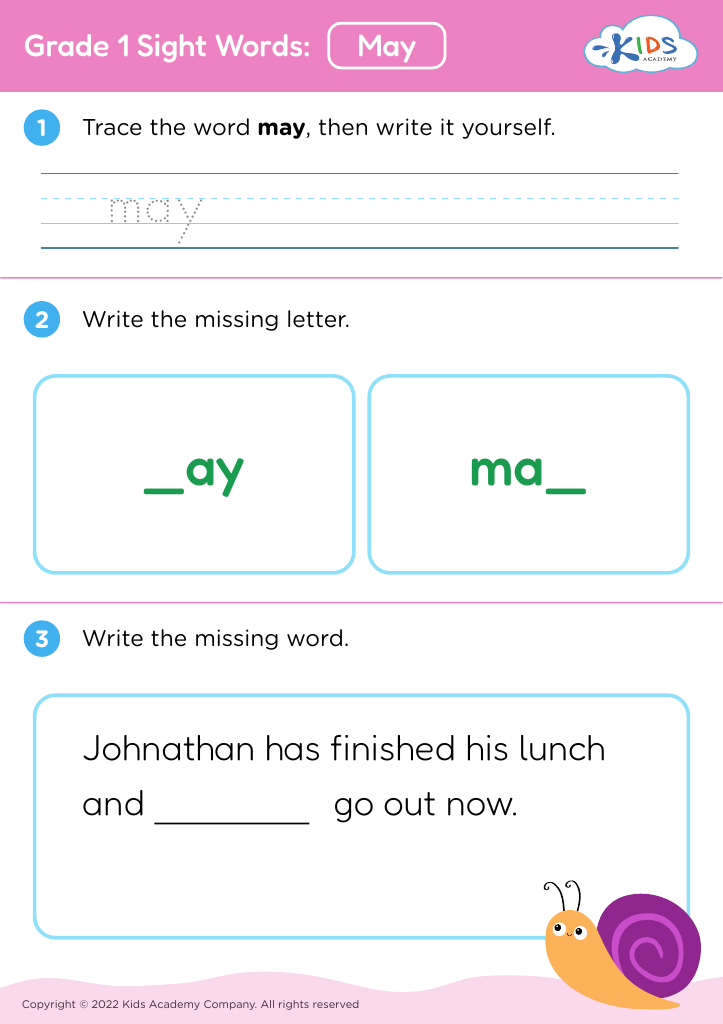
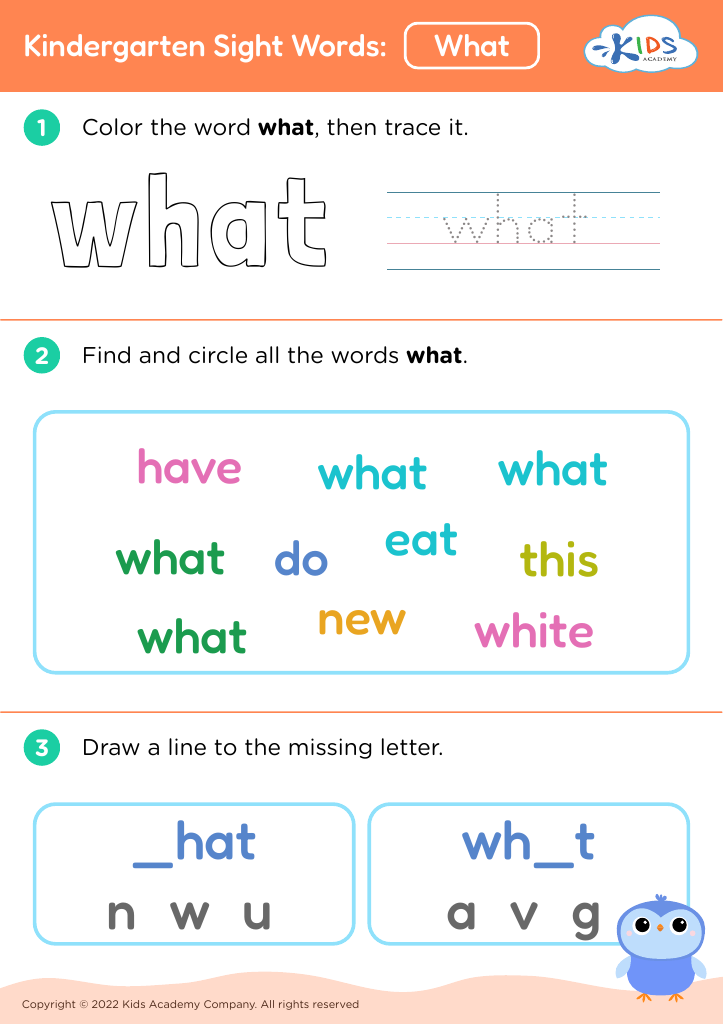
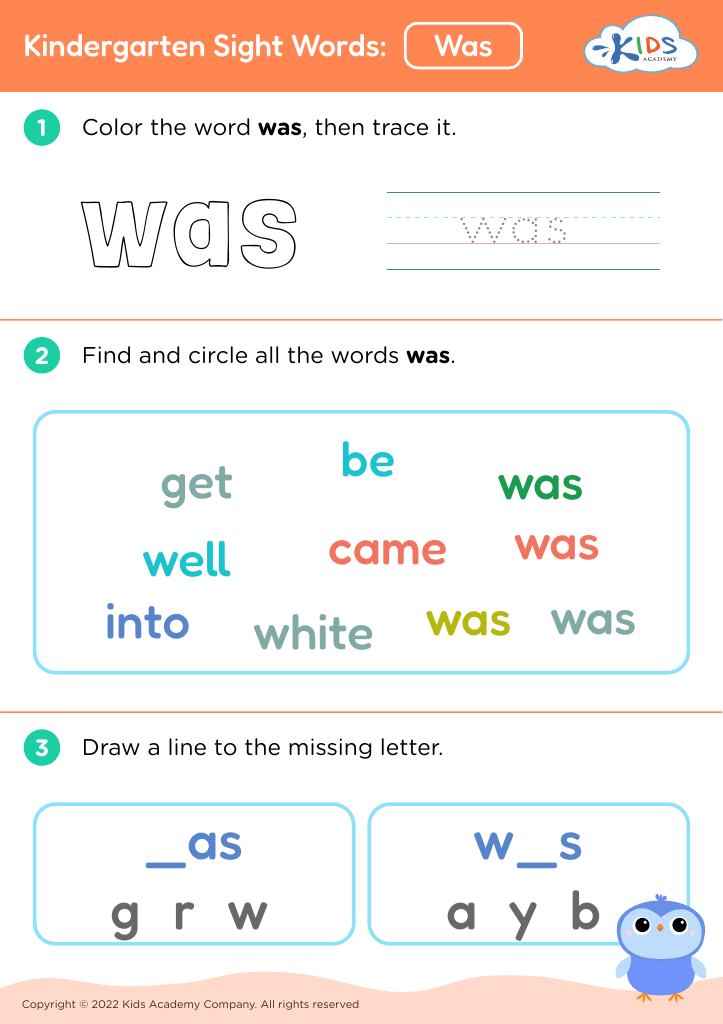
Unlock the world of numbers with our Recognizing Numbers Reading Worksheets designed for children aged 4-8. These engaging worksheets provide a fun and interactive way for young learners to identify and understand numbers through a mix of colorful activities, tracing exercises, and simple games. Each worksheet is crafted to reinforce number recognition, enhancing early math skills while boosting confidence. Ideal for classroom use or at-home learning, these resources encourage kids to explore numbers creatively while laying a solid foundation for future mathematical concepts. Help your child develop essential numeracy skills today with our expertly designed reading and counting worksheets!



.jpg)




Recognizing numbers is a fundamental skill for children ages 4-8, making it crucial for parents and teachers to prioritize this area of learning. Early numeracy lays the foundation for a child's future academic success in math and science. Understanding numbers helps children make sense of their world, facilitating everyday tasks such as counting objects, telling time, and recognizing prices, which boosts their confidence in real-life situations.
Additionally, number recognition strengthens cognitive skills like pattern recognition and problem-solving, promoting critical thinking. Engaging in number-related activities fosters a positive attitude toward mathematics, which can combat math anxiety in later years.
Moreover, recognizing numbers is interconnected with reading and literacy skills. Just as children learn to recognize letters and words, familiarizing students with numbers builds a comprehensive understanding of symbolic representation—a vital aspect of literacy.
By integrating number recognition into play, games, and reading activities, parents and teachers can make the learning process enjoyable and impactful. This engagement nurtures children’s curiosity, helping them develop a lifelong love for both math and reading, ultimately shaping well-rounded, confident learners ready for future challenges.








