Shape Recognition Reading Comprehension Worksheets for Ages 4-8
4 filtered results
-
From - To
Boost your child's reading and shape recognition skills with our engaging worksheets tailored for ages 4-8! Our Shape Recognition Reading Comprehension Worksheets enthusiastically blend visual learning and literacy, helping young learners identify and name different shapes while enhancing their reading abilities. Each worksheet features colorful illustrations and fun activities, encouraging self-expression and critical thinking. Perfect for both classroom settings and at-home practice, these resources support early childhood development, making shape learning enjoyable and effective. Foster a love for reading and problem-solving in your child through playful yet educational exercises that build confidence and essential cognitive skills. Start shaping their future today!
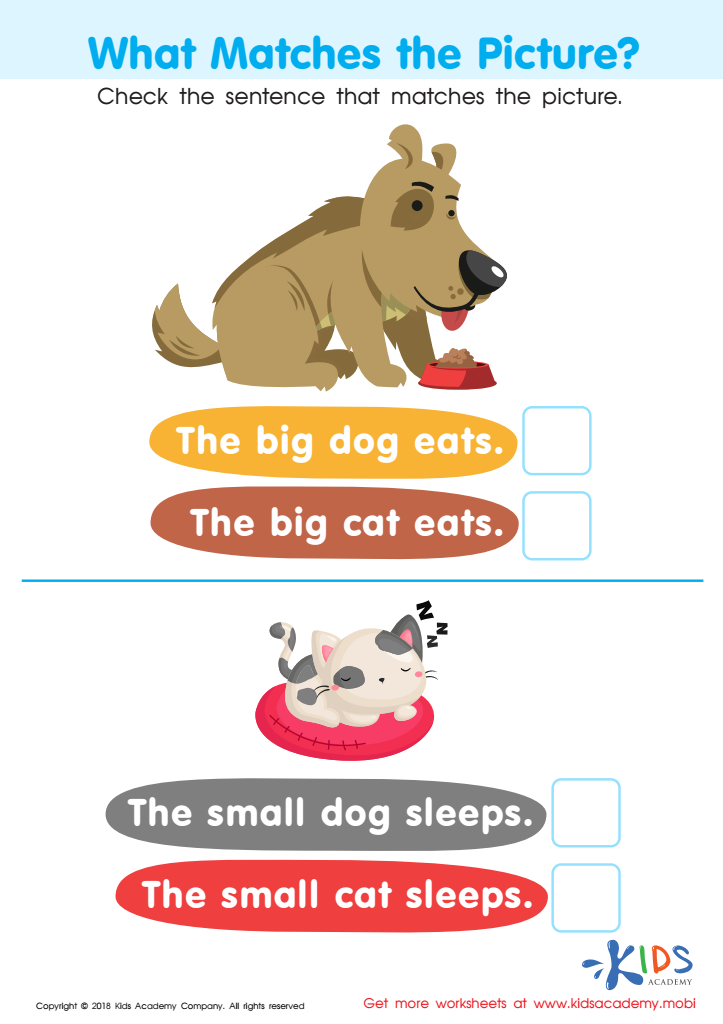
What Matches the Picture? Worksheet
 Assign to My Students
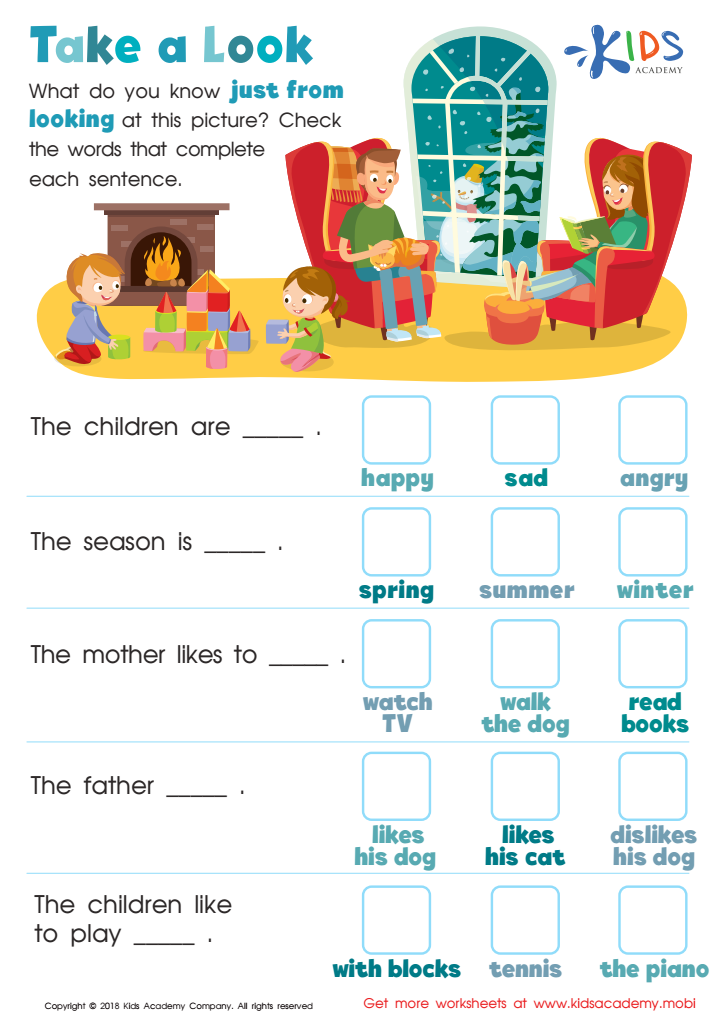
Take a Look - Part 1 Worksheet
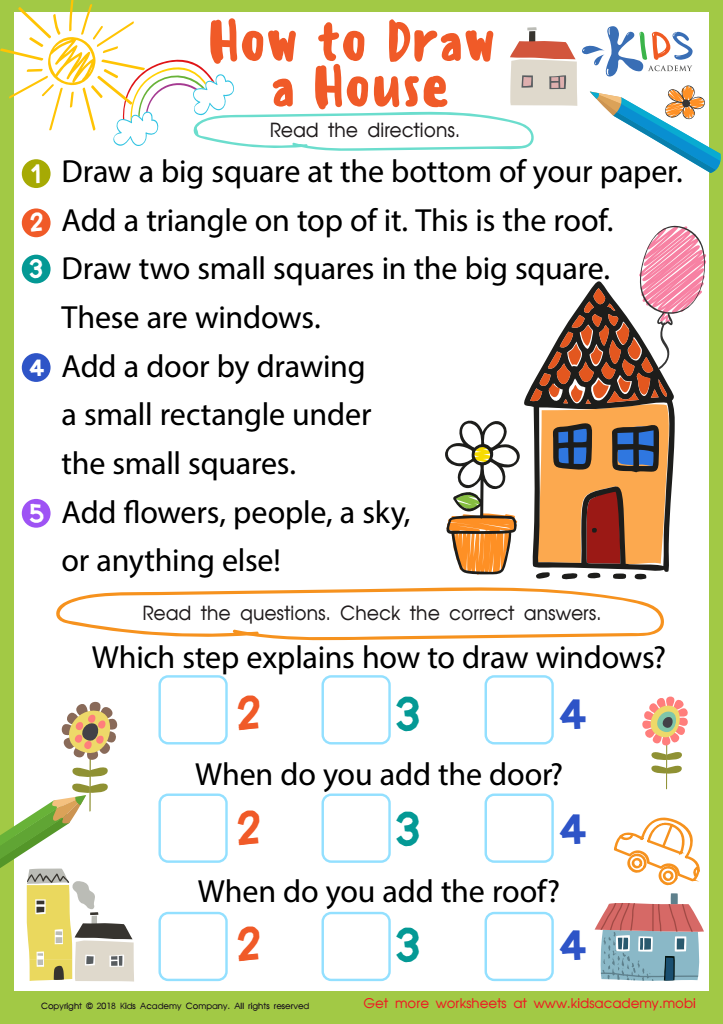
How to Draw House Worksheet
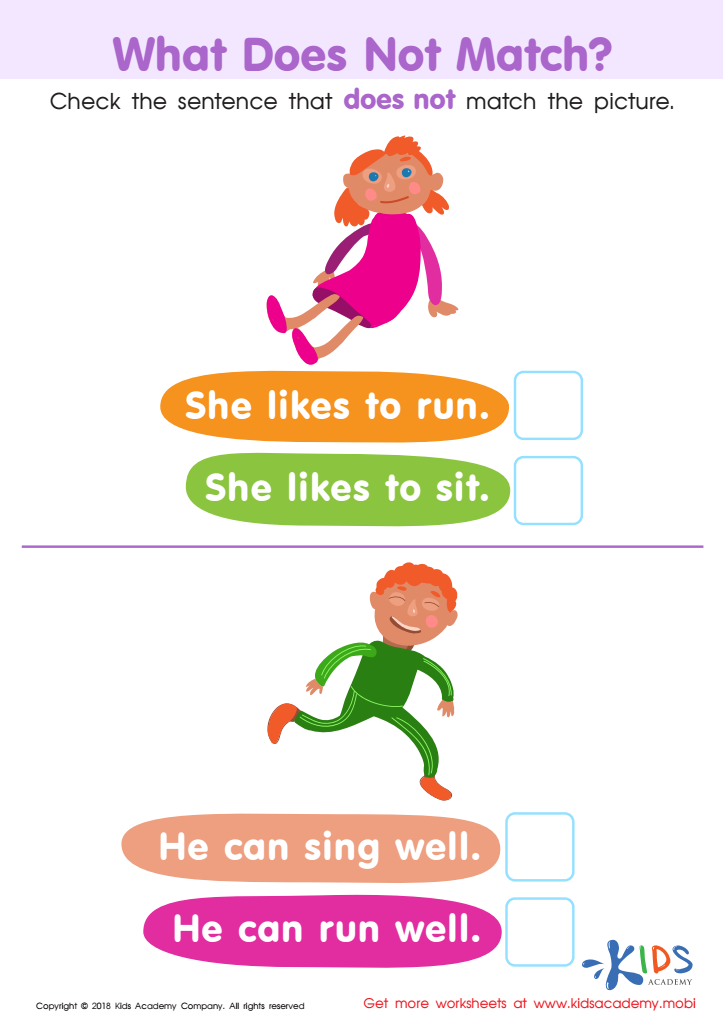
What Does Not Match? Worksheet







Shape recognition is a foundational skill that plays a crucial role in reading comprehension for children ages 4-8. At this age, children are developing their cognitive abilities and learning to make connections between shapes and letters, which can significantly enhance their literacy skills. Understanding shapes helps young learners identify letters, distinguish between similar-looking characters, and recognize physical patterns, which are essential components of reading.
Engaging in shape recognition activities promotes critical thinking and problem-solving skills. When children manipulate and classify shapes, they develop spatial awareness and enhance their ability to visualize letters and words. This visuospatial skills development directly translates into improved reading fluency and comprehension.
Moreover, integrating shape recognition within reading curricula addresses multiple learning styles—visual learners benefit from seeing shapes correlating to letters, while kinesthetic learners enjoy hands-on activities. Encouraging shape recognition can also boost children’s confidence as they gain mastery over these early reading concepts.
Teachers and parents should prioritize shape recognition activities not only to help children read but to lay a strong foundation for future learning across all subject areas. Ultimately, fostering these skills early prepares children for academic success and lifelong literacy enjoyment.








