Comparative analysis Science Worksheets for Ages 4-8
3 filtered results
-
From - To
Explore our engaging Comparative Analysis Science Worksheets specifically designed for children aged 4-8! These worksheets help young learners develop critical thinking by comparing different scientific concepts, enhancing their observational skills and knowledge retention. Our playful and colorful activities make learning fun, fostering curiosity about the world around them. Each worksheet, aligned with early education standards, guides students in distinguishing similarities and differences across various topics, including animals, plants, and more. With easy-to-follow instructions, these resources ensure that both teachers and parents can effectively support children's learning journeys. Perfect for the classroom or at home, inspire a lifelong love for science today!
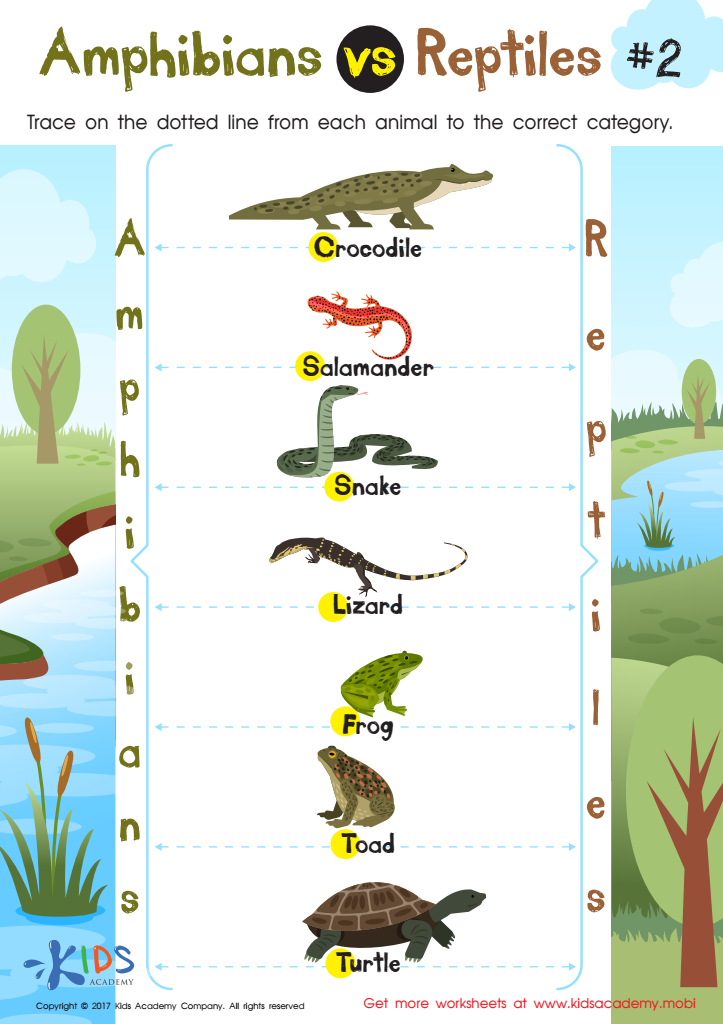
Amphibians vs Reptiles Worksheet for 3rd Grade
 Assign to My Students
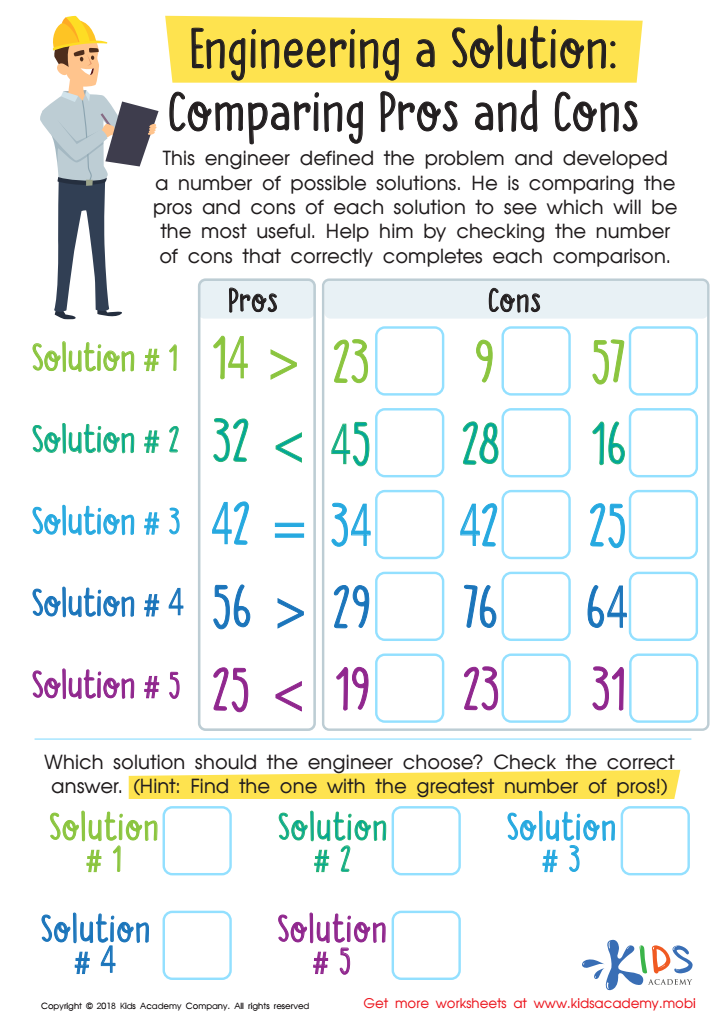
Engineering a Solution: Comparing Pros and Cons Worksheet
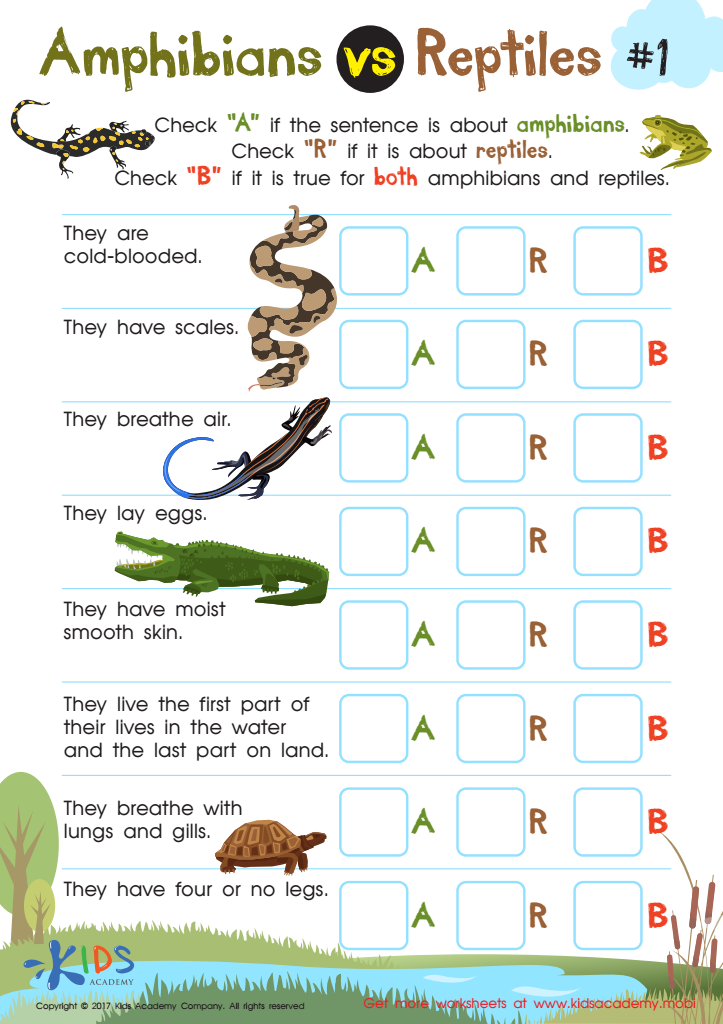
Amphibians vs Reptiles Worksheet








Comparative analysis in science for children aged 4-8 is crucial for fostering deep, critical thinking skills and nurturing a curiosity about the world around them. At this developmental stage, children are naturally inclined to explore and compare their surroundings. Engaging them in comparative science encourages observation, predictive reasoning, and analytical skills.
Parents and teachers should care about this approach because it helps children understand concepts such as similarities and differences, which are foundational for learning. For instance, comparing various plants, animals, or materials encourages children to notice patterns and relationships, thereby enhancing their cognitive development. Furthermore, these activities can lead to a stronger grasp of the scientific method as they learn to gather data, formulate hypotheses, and draw conclusions.
Incorporating comparative analysis into early science education also aligns with key educational standards, fostering a love for learning and building a strong foundation in scientific literacy. By nurturing children’s understanding of the natural world from a young age, adults empower them to become informed and inquisitive individuals, ready to tackle more complex scientific concepts as they grow. Overall, fostering a culture of comparative analysis can stimulate an enduring love of science that benefits children's academic and personal growth.







