Enhancing categorization skills Science Worksheets for Ages 4-8
4 filtered results
-
From - To
Enhance your child's categorization skills with our engaging science worksheets designed for ages 4-8! These fun, interactive activities teach young learners to sort, classify, and organize objects based on various attributes, fostering critical thinking. From identifying animals and plants to categorizing everyday items, our worksheets promote hands-on learning and spark curiosity about the natural world. With bright visuals and age-appropriate content, these worksheets encourage children to explore and understand the connections between different categories. Perfect for homeschooling or supplementary learning, our resources support early development and align with educational standards. Empower your child’s early learning journey today!
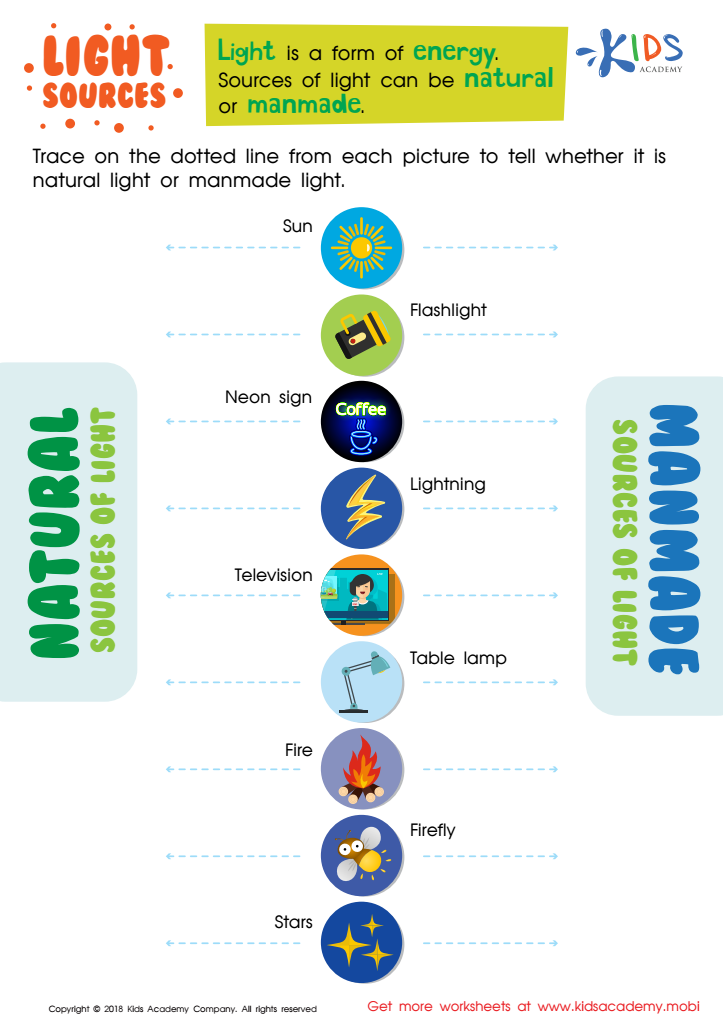
Natural and Manmade Light Sources Worksheet
 Assign to My Students
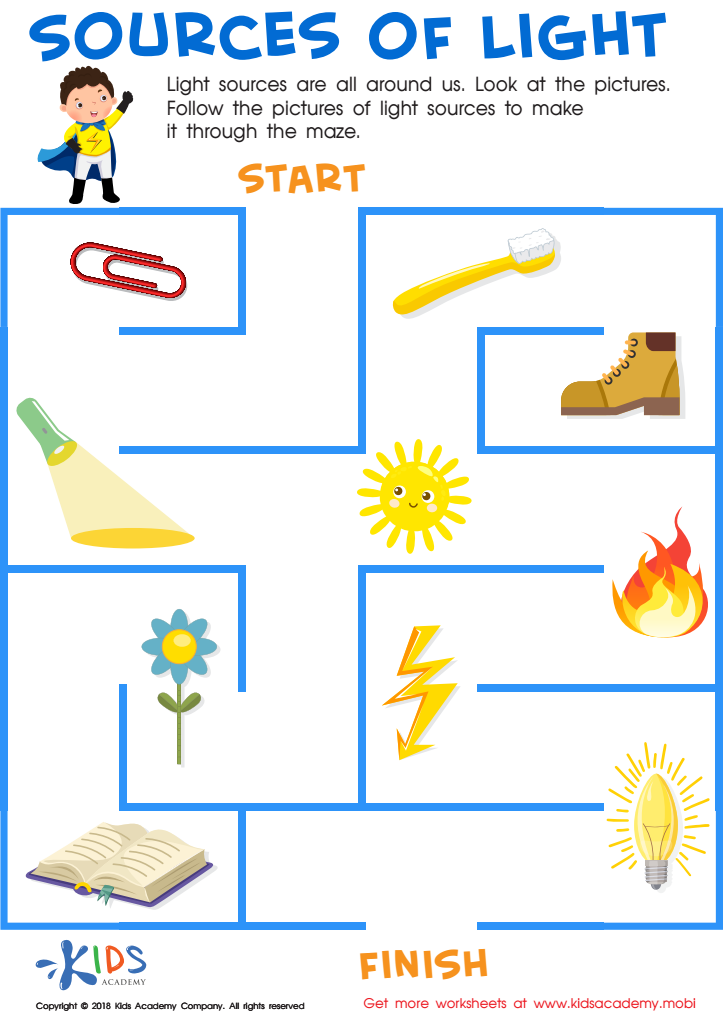
Sources of Light Worksheet
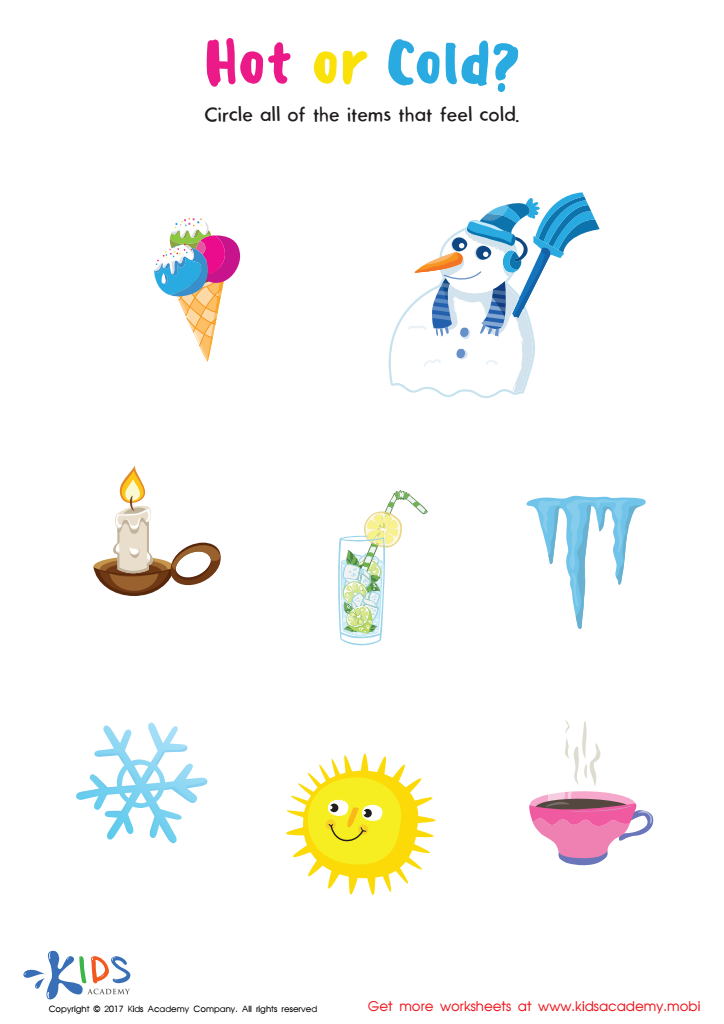
Hot or Cold Printable
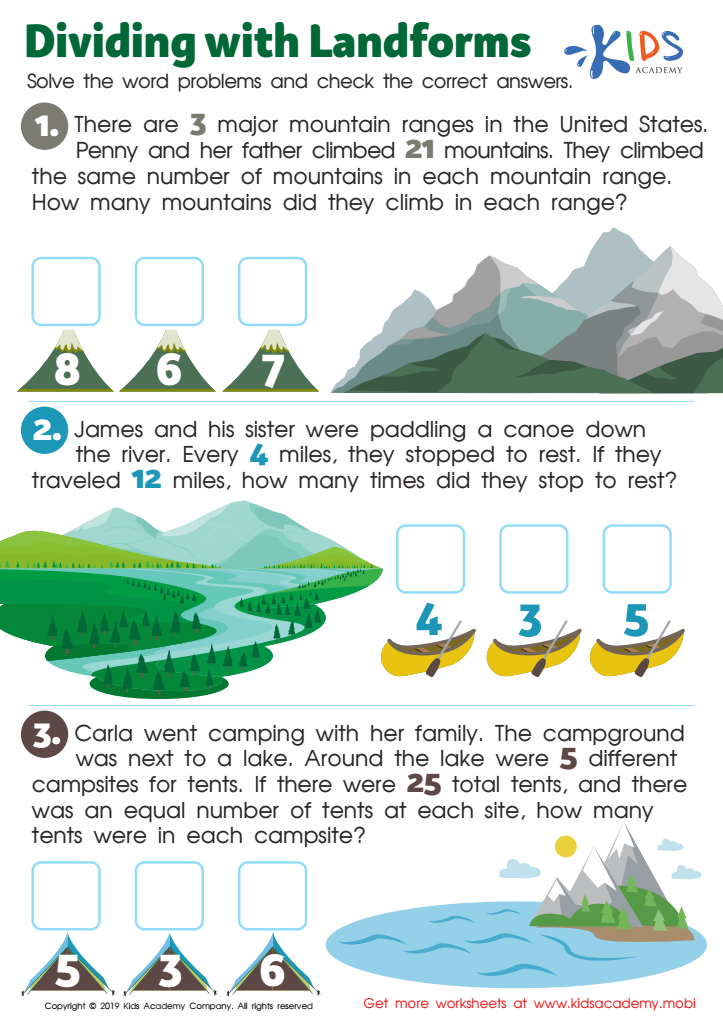
Dividing with Landforms




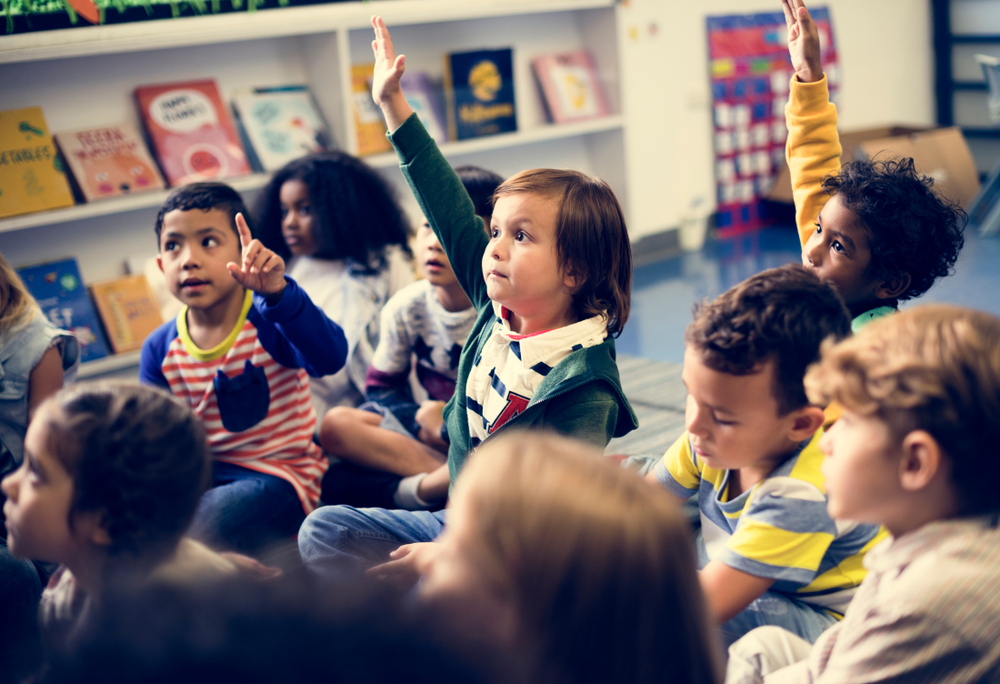


Enhancing categorization skills in early childhood education, particularly in science, is crucial for children aged 4-8 as it lays the foundation for critical thinking, problem-solving, and cognitive development. When parents and teachers foster these skills, they enable children to understand and organize the world around them. Categorization helps young learners make sense of diverse phenomena by grouping similar objects, organisms, or concepts, facilitating deeper comprehension.
These skills also aid in language development, as children learn to label and describe categories, culminating in enhanced vocabulary. Moreover, categorization is essential in scientific exploration; it allows kids to recognize patterns, classify living things, and identify relationships among objects and concepts. For example, distinguishing between plants and animals or sorting materials by texture or color strengthens observational skills and promotes inquiry-based learning.
Additionally, developing categorization skills contributes to social-emotional growth. Children engage in collaborative learning experiences and discussions which enhance their ability to work with peers, recognize diversity, and appreciate different viewpoints. Ultimately, by prioritizing categorization in early science education, parents and teachers play a vital role in cultivating curious, analytical, and skilled learners who are well-prepared for the complexities of the world.







